
Restaurant in Niigata, Japan · Inside Satoyama-Jujo
Sanaburi
225Pearl PointsPlan ahead: this one rewards the deliberate trip.

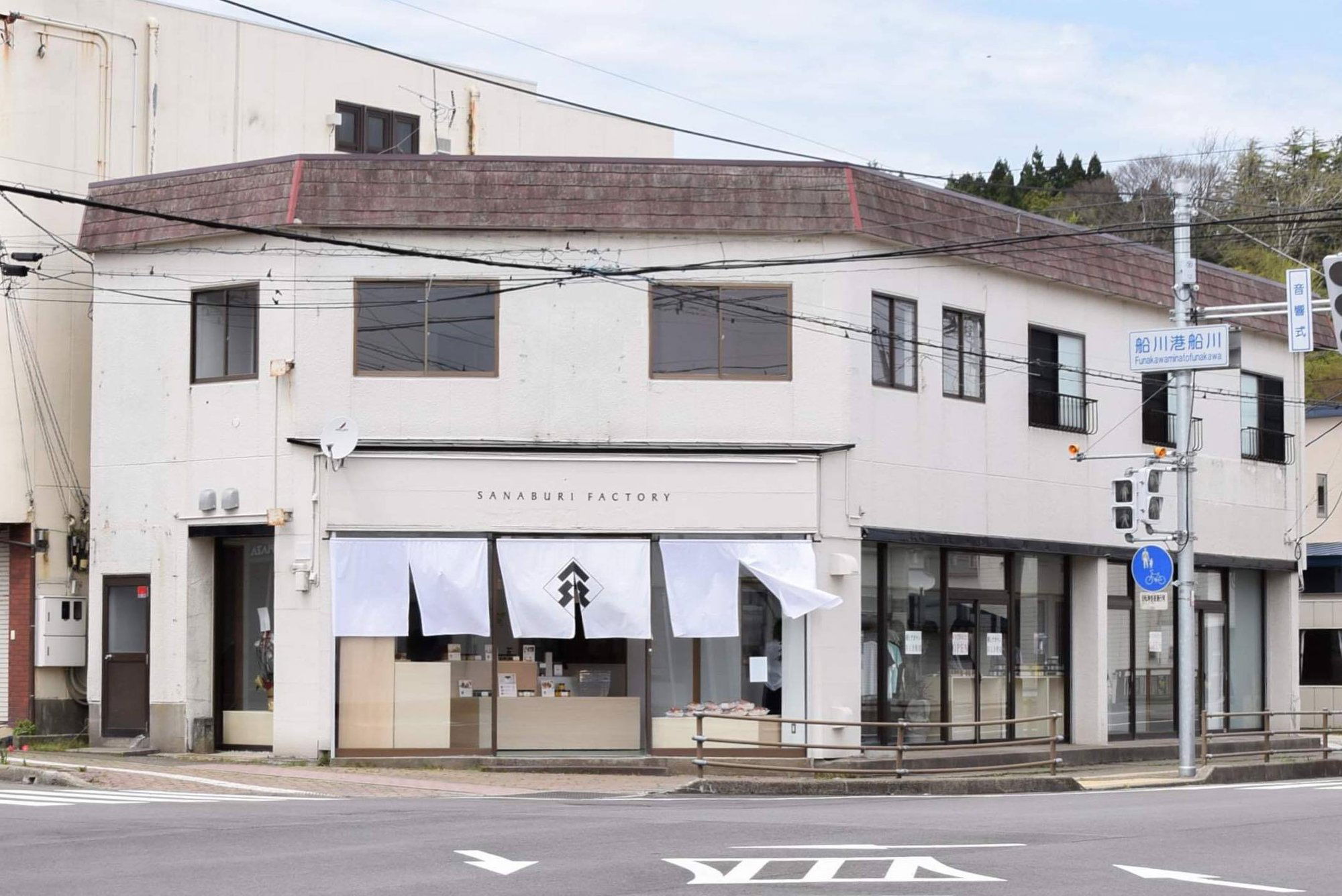
About Sanaburi
Sanaburi in Minami-uonuma is a deliberate destination built around seasonal mountain vegetables and foraged wild plants, recognised as We're Smart's Discovery of the Year for Japan in 2022. Book two to three weeks out, request dietary menus five days in advance, and time your visit for spring or early autumn when the seasonal range is at its widest. Not for the spontaneous diner.
Verdict
Sanaburi is not a restaurant you drop into on a whim. Set in Minami-uonuma in Niigata Prefecture, this is a deliberate destination that requires planning, a five-day advance notice for vegan, vegetarian, or macrobiotic menus, and a willingness to travel well outside any city centre. If you make that commitment, you get something that most restaurants in Japan cannot offer: a kitchen rooted in the wild plant life of the surrounding forests, led by a team that has earned international recognition for vegetable-forward cooking. We're Smart named Sanaburi its Discovery of the Year for Japan in 2022, which is a credible signal in plant-based culinary circles. Book if the premise speaks to you. Do not book expecting a conventional kaiseki or sushi experience.
About Sanaburi
The most common assumption about high-end dining in Niigata is that it means exceptional seafood, premium rice, and sake. Sanaburi corrects that. The kitchen, led by Yutaka Kitazaki and Keiko Kuwakino, focuses on organic produce, seasonal mountain vegetables, and traditional preservation techniques applied with genuine originality. CEO and creative director Toru Iwasa shapes the visual presentation of the dishes, which means the design sensibility here is considered from the ground up, not an afterthought.
What drives Sanaburi's identity is the seasonal rotation at its core. Niigata's mountain regions shift dramatically across the year: spring brings the first wild plants pushing through snowmelt; summer intensifies with a full range of forest and field produce; autumn introduces preservation-ready ingredients that the kitchen uses through traditional methods; winter pares back to what the landscape and the larder can offer. The menu at any given visit reflects where the season actually is, not an idealised version of it. This is the reason timing your visit matters. Spring and early autumn are when the wild plant offerings are at their widest range, and if Chef Kuwakino's knowledge of the surrounding forests is the draw, those windows give you the most to work with.
For anyone planning a special occasion meal, Sanaburi works well as a considered destination rather than a convenient one. The address in Minami-uonuma, Niigata (1209-6 Ōsawa, Minami-uonuma-shi) places it in a rural setting that reinforces the experience rather than conflicting with it. The environment and the food are coherent. For a celebration that prioritises depth of experience over urban convenience, that coherence is part of what you are paying for. If you need a city-centre special occasion option, Shintaku or Restaurant UOZEN in Niigata city are more accessible alternatives.
Dietary requirements need forward planning here. Vegan, vegetarian, and macrobiotic menus are available, but only if requested five days before your reservation. This is not a limitation to resent; it reflects the kitchen working from fresh and foraged seasonal supply rather than a standing mise en place. Factor this into your booking timeline.
Booking and Timing
Booking at Sanaburi is rated easy relative to other destination restaurants in Japan, but that does not mean last-minute. Given the rural location and the advance notice requirements for dietary menus, plan at least two to three weeks out for a standard visit, and build in the five-day window if your party needs a plant-based menu. No phone number or booking website is available in the current record; contact logistics are leading confirmed through recent visitor sources or local concierge services before you travel.
The leading time to visit depends on what you want from the seasonal menu. Spring visits, typically April through early June, capture the widest range of wild mountain plants. Early autumn, September through October, brings preserved and late-harvest produce into the rotation. Both are worth prioritising if you have flexibility. Winter visits are a more austere experience by design, which can suit the right occasion but should be understood for what it is.
How It Compares
For a broader view of where Sanaburi sits within Niigata's dining options, see the comparison section below. For Japan-wide context, destination restaurants with a similar commitment to regional produce and considered presentation include HAJIME in Osaka, Gion Sasaki in Kyoto, and akordu in Nara. None of these are direct equivalents, but they share the ethos of a kitchen shaped by place.
Practical Details
| Detail | Sanaburi | Shintaku | Restaurant UOZEN |
|---|---|---|---|
| Location | Minami-uonuma, Niigata (rural) | Niigata city | Niigata city |
| Cuisine focus | Organic, seasonal mountain vegetables | Japanese Cuisine | French |
| Dietary advance notice | 5 days (vegan/vegetarian/macrobiotic) | Not confirmed | Not confirmed |
| Booking difficulty | Easy | Not confirmed | Not confirmed |
| Leading season to visit | Spring or early autumn | Year-round | Year-round |
| Special occasion suitability | High (destination experience) | High | High |
Also in Niigata
If you are planning a broader Niigata trip around this visit, Pearl's guides cover the full picture: our full Niigata restaurants guide, Niigata hotels, bars, wineries, and experiences. Other Niigata restaurants worth considering alongside Sanaburi: Kyodaizushi for sushi, Mûrir, and Satoyama Jujo for another take on locally grounded Niigata cuisine.
Frequently Asked Questions
Can Sanaburi accommodate groups?
Groups can be accommodated, but the rural Minami-uonuma location and deliberate dining format make this better suited to smaller parties of two to four who can focus on the experience. Larger groups with dietary variations — vegan, vegetarian, or macrobiotic — must give at least five days' notice so the culinary team can prepare accordingly. Logistics matter here: there is no walk-in convenience, and coordinating group dietary needs across a custom menu requires lead time.
Is Sanaburi good for solo dining?
Yes, solo dining works here if you are comfortable with an immersive, unhurried format. The experience is driven by the kitchen's seasonal mountain vegetables and traditional preservation work, not by social atmosphere, so a solo visit is well-suited to someone who wants to focus on the food itself. If you want company around a counter or a more lively solo setting, Niigata city venues like Restaurant UOZEN are a closer fit.
How far ahead should I book Sanaburi?
Book at least one to two weeks out as a baseline. If you have specific dietary requirements — vegan, vegetarian, or macrobiotic — the kitchen requires a minimum of five days' advance notice to prepare your menu. The rural location in Minami-uonuma (address: 1209-6 Ōsawa) means this is not a venue you can reroute to on a whim, so securing your date before you finalise travel plans is the practical move.
What are alternatives to Sanaburi in Niigata?
For seafood-focused dining closer to Niigata city, Restaurant UOZEN and Shintaku are the two strongest options. Kyodaizushi and Tokiwa Sushi Nigata Ten cover sushi specifically, with Tokiwa sitting slightly above on format. Sanaburi's organic mountain vegetable focus is distinct from all of them — if you want coastal or rice-culture Niigata, those venues are the better choice; Sanaburi is for the opposite end of the prefecture's culinary range.
Is Sanaburi good for a special occasion?
Yes, provided the occasion suits the format. Sanaburi earned We're Smart's Discovery of the Year for Japan in 2022 for its integration of organic produce, seasonal mountain vegetables, and traditional preservation — it is a considered, ingredient-led meal rather than a celebratory set-piece. If you want the theatrical or sake-driven version of a Niigata special occasion, look elsewhere. If the occasion calls for something genuinely personal and place-specific, Sanaburi delivers.
What should a first-timer know about Sanaburi?
The cuisine here is built around organic mountain vegetables, wild foraged plants, and traditional preservation techniques — chef Keiko Kuwakino's knowledge of the surrounding forests is central to what ends up on the plate. This is not a standard kaiseki or seafood-led meal. Come expecting a set menu format, a remote Minami-uonuma location that requires its own travel plan, and an experience that We're Smart named Japan's Discovery of the Year in 2022. First-timers with dietary restrictions must notify the kitchen at least five days in advance.
Does Sanaburi handle dietary restrictions?
Yes, but only with advance notice. Vegan, vegetarian, and macrobiotic menus are available and must be requested at least five days before your reservation. The kitchen, led by Yutaka Kitazaki and Keiko Kuwakino, works with organic and foraged ingredients, so the framework for plant-based cooking is already embedded in their approach — this is not an afterthought. check the venue's official channels at the time of booking to confirm your requirements.
Location
1209-6 Ōsawa, Minami-uonuma-shi, 949-6361 Niigata, Japan
Compare Sanaburi
| Venue | Cuisine | Price | Awards | Booking Difficulty |
|---|---|---|---|---|
| Sanaburi | Easy | |||
| Kyodaizushi | Sushi | Unknown | ||
| Shintaku | Japanese Cuisine | Unknown | ||
| Restaurant UOZEN | French | Unknown | ||
| Tokiwa | Unknown | |||
| Tokiwa Sushi Nigata Ten | Sushi | JPY 30,000 - JPY 39,999 JPY 15,000 - JPY 19,999 | Unknown |
Side-by-side comparison to help you decide where to book.
Also Consider
- Kyodaizushi, Sushi, Sushi
- Shintaku, Japanese Cuisine, Japanese Cuisine
- Restaurant UOZEN, French, French
- Tokiwa, Notable alternative
- Tokiwa Sushi Nigata Ten, Sushi, JPY 30,000 - JPY 39,999 JPY 15,000 - JPY 19,999
Sanaburi sits in a different category from most Niigata dining options. Its rural Minami-uonuma location and plant-forward seasonal focus mean it is not competing directly with city-centre restaurants for convenience, but for depth of experience it is among the most considered options in the prefecture. Shintaku and Restaurant UOZEN are both strong special occasion choices in Niigata city proper: Shintaku for Japanese cuisine in an accessible urban format, UOZEN for French cooking with a Niigata regional inflection. If getting to Minami-uonuma is not practical for your trip, either of those is the better call.
For sushi specifically, Kyodaizushi is the most relevant city-based comparison. Sanaburi does not compete here, its kitchen is not seafood-led. Tokiwa Sushi Niigata Ten sits in the JPY 30,000–39,999 range at dinner and JPY 15,000–19,999 at lunch, which gives a useful price benchmark for premium sushi in the area; Sanaburi's pricing is not confirmed, but the destination model and award recognition suggest a comparable or higher investment per head. For a celebratory sushi meal with confirmed pricing transparency, Tokiwa Sushi Niigata Ten is the more predictable option.
The closest conceptual peer to Sanaburi in the Niigata region is Satoyama Jujo, which similarly draws on Niigata's agricultural and natural surroundings. If you are deciding between the two, the choice comes down to format: Satoyama Jujo operates as a ryokan as well as a restaurant, making it the stronger overnight destination option. Sanaburi is the better pick if you are coming specifically for the plant-forward, foraged-ingredient kitchen without needing accommodation attached.
Recognized By

Explore Niigata
Save or rate Sanaburi on Pearl
Keep this venue in your Pearl passport, rate it after you visit, and track it alongside every other place you collect.