


Satoyama Jujo
Osawa, Niigata
Restaurant in Niigata, Japan
 Book with Pearl
The Read
Satoyama-Rooted Kaiseki
Price
$150–200per person
Chef
Keiko Kuwakino
Dress
Smart Casual
Why go
Satoyama Jujo is a rural destination in Minamiuonuma, Niigata, where chef Keiko Kuwakino builds menus around the satoyama agricultural tradition of the Uonuma region. Booking is relatively accessible, but the journey requires planning. Best for travellers who want a meal defined by place and season rather than a city fine-dining format.
About Satoyama Jujo
Verdict
If you are comparing Satoyama Jujo against a city-centre kaiseki room in Niigata, you are thinking about it the wrong way. This is a destination in the countryside of Minamiuonuma, run by chef Keiko Kuwakino, built around the rice fields and seasonal produce of the Uonuma region. For anyone who has already visited once, the question is not whether to return but how far in advance you need to plan. Booking here sits at the easy end of the difficulty scale, which makes it accessible, but do not take that as a signal that timing is irrelevant. The property is in Osawa, a rural address that requires deliberate travel, and that journey shapes the experience before you arrive.
About Satoyama Jujo
Satoyama Jujo sits in the snow country of Niigata Prefecture, a region that produces some of Japan’s most respected short-grain rice and sake. Chef Keiko Kuwakino has built the kitchen around that agricultural identity. The approach here is satoyama cooking, a term that refers to the productive borderlands between settled farming areas and mountain wilderness, where foragers and farmers work in close proximity. That culinary framing is not decorative. It directly shapes what reaches the table: local grains, fermented ingredients, and produce that reflects the specific microclimate of Minamiuonuma rather than a generic Japanese seasonal menu.
The address, 1209-6 Osawa, places the venue away from Niigata city and closer to the Uonuma valley, where winter snowfall can be heavy and the surrounding landscape changes dramatically across the four seasons. If you visited in warmer months, consider whether a winter or spring visit would shift the menu character enough to justify a return trip. Seasonal variation at a venue this closely tied to local agriculture tends to be genuine rather than cosmetic.
On the question of whether the food travels well for off-premise dining: this is not the kind of kitchen that maps naturally onto delivery or takeout. The cooking relies on its setting. What arrives at the table is inseparable from the journey to get there, the setting, and the pace of service. If you are asking whether a bento or packaged version would replicate what Satoyama Jujo offers, the honest answer is no. The value is in eating here, not in transporting the food elsewhere.
For a returning guest, the practical question becomes: what changes each visit? A venue with this level of agricultural grounding will rotate its menu with the seasons, so returning in a different month is the clearest way to encounter new material. Uonuma winter runs long and hard, and spring arrival of fresh mountain vegetables is a documented shift point for satoyama kitchens across this region. Timing your return to a seasonal hinge point gives you the leading case for a meaningfully different meal.
Chef Kuwakino’s involvement as a named chef at a property of this type also suggests a level of consistency that larger hotel restaurants in the region cannot always guarantee. Satoyama Jujo is not a faceless inn kitchen. The identity of the place and its cooking are tied to a specific vision, which matters when you are making the commitment of travelling to rural Niigata.
For comparison within Japan’s broader range of destination restaurant experiences, venues like Gion Sasaki in Kyoto and HAJIME in Osaka represent the urban end of Japanese fine dining, where technical precision and city accessibility are the draw. Satoyama Jujo represents the opposite argument: that the most interesting cooking in Japan right now is happening in agricultural regions where chefs have direct access to ingredient sources. If that framing appeals to you, this is a venue worth the trip.
Know Before You Go
- Location: 1209-6 Osawa, Minamiuonuma, Niigata 949-6361, Japan
- Chef: Keiko Kuwakino
- Booking difficulty: Easy
- Cuisine focus: Satoyama, seasonal local produce, Uonuma regional ingredients
- Booking window: Advance booking recommended given rural location and travel planning; no evidence of last-minute unavailability, but plan around transport logistics to Minamiuonuma
- Getting there: Minamiuonuma is accessible by Shinkansen to Urasa or Muikamachi stations on the Joetsu line; local transport or taxi required from the station to Osawa
- Seasonal note: Heavy snowfall in winter affects access; spring and autumn are the most practical seasons for first-time visitors travelling from outside the region
- Leading for: Returning guests exploring seasonal menu variation; travellers building an itinerary around rural Japan dining; couples or small groups with an interest in agricultural food culture
- Nearby context: For more Niigata dining, see our full Niigata restaurants guide
How It Compares
See the comparison section below for how Satoyama Jujo sits against other Niigata venues including Kyodaizushi, Shintaku, and Restaurant UOZEN.
Also Worth Considering in Niigata
For hotels, bars, and experiences in the region: Niigata hotels, Niigata bars, Niigata wineries, Niigata experiences.
Planning details
- Location
- 1209-6 Osawa, Minamiuonuma, Niigata 949-6361, Japan
- Website
- satoyama-jujo.com
- Phone
- +81 570-001-810
The take
The Take
The Vibe
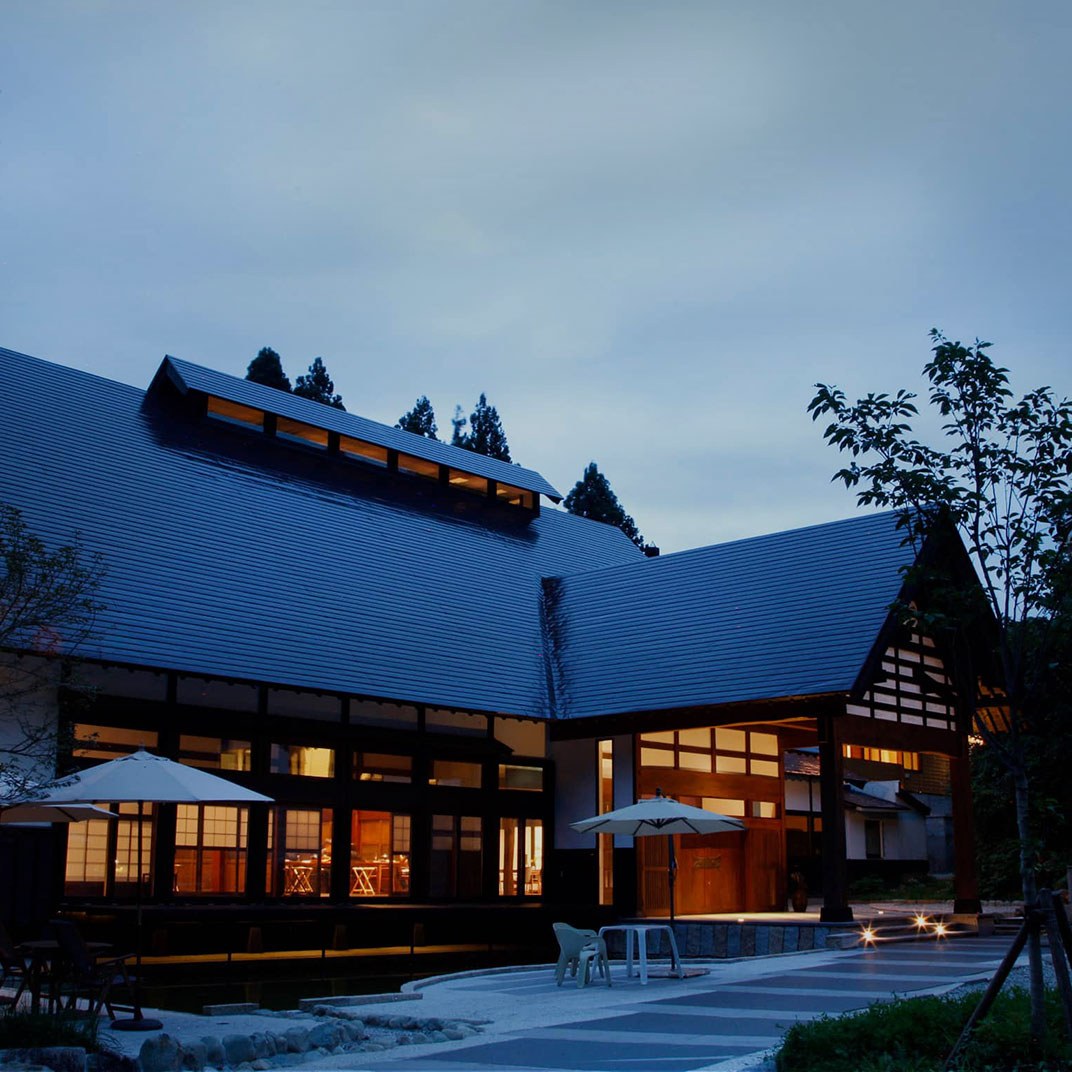
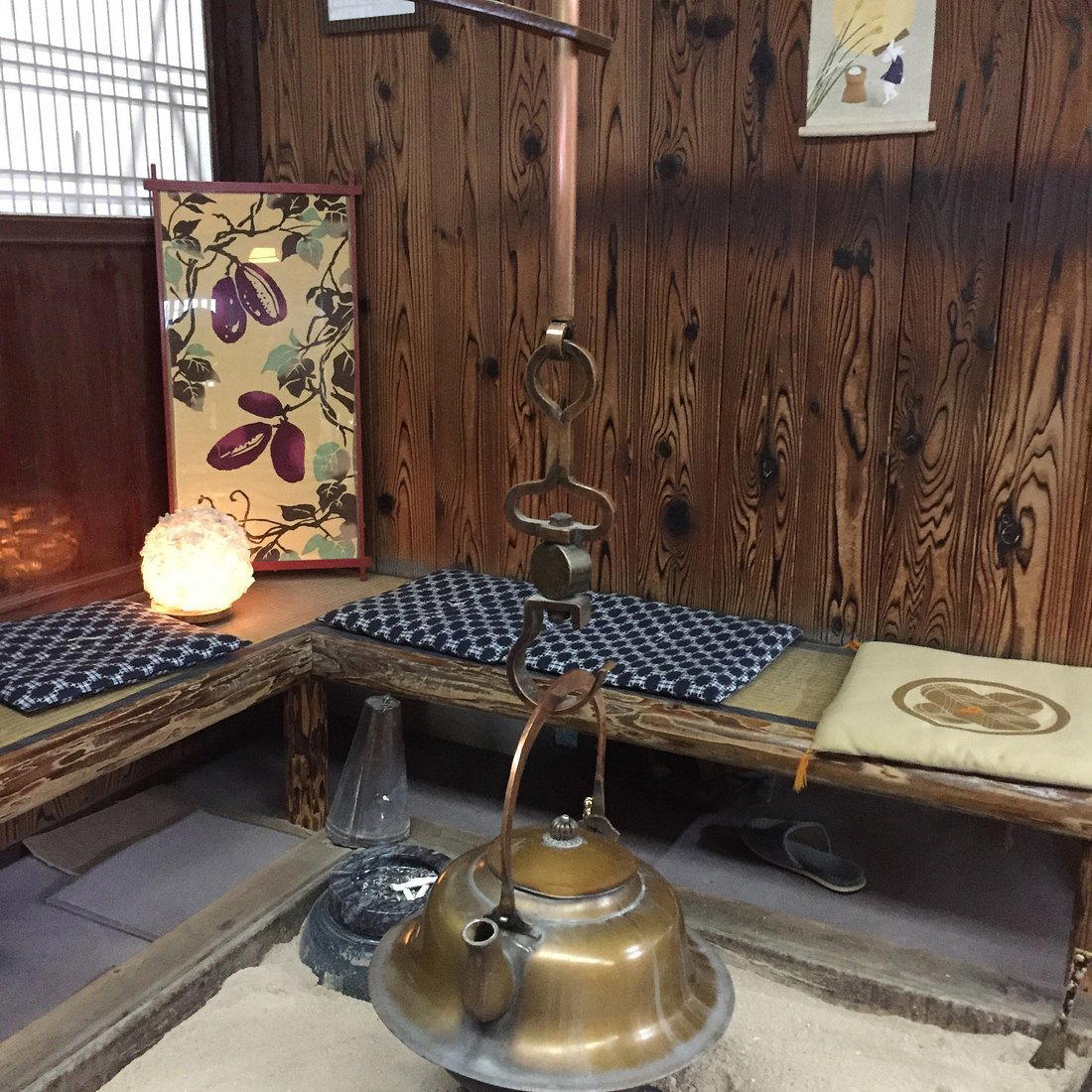
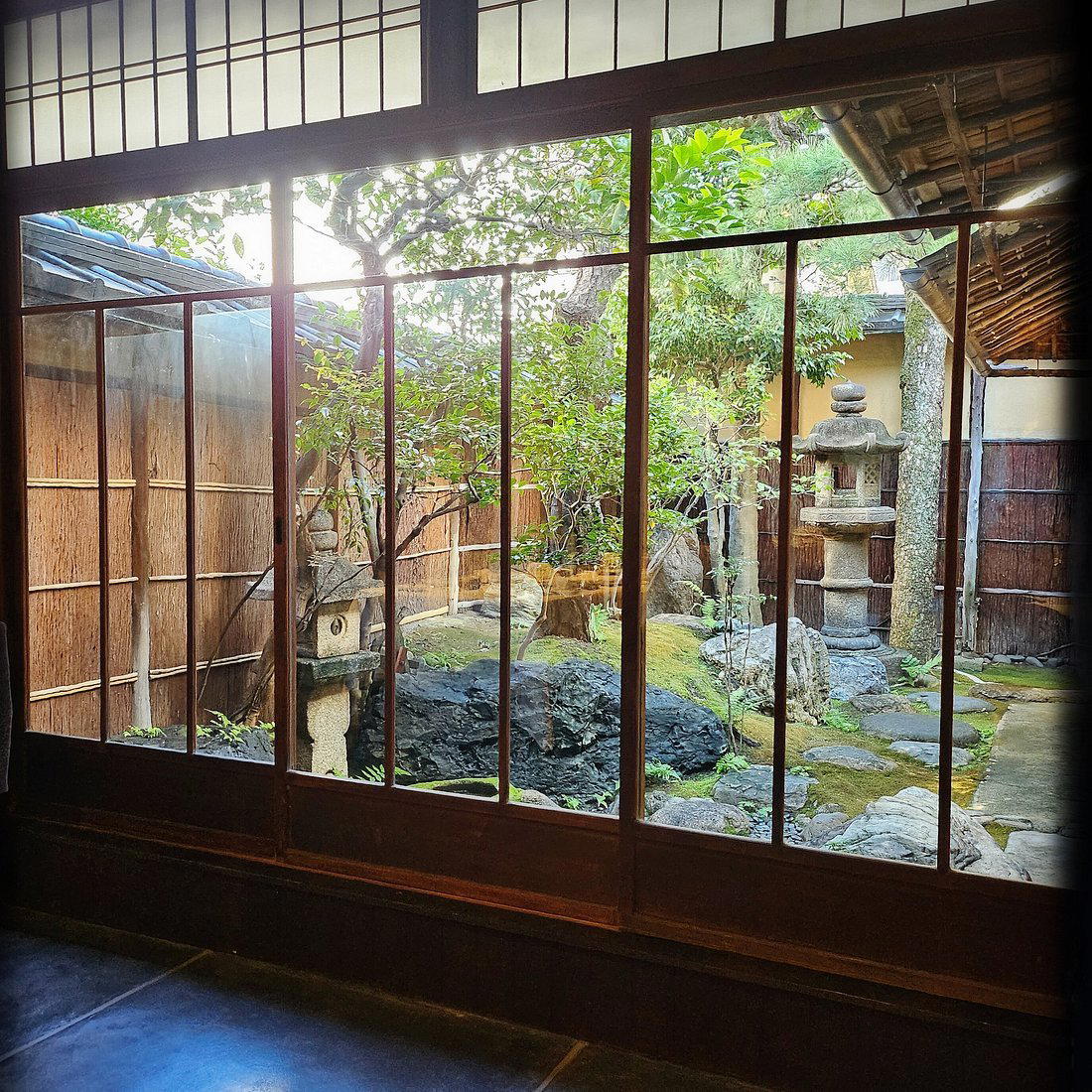
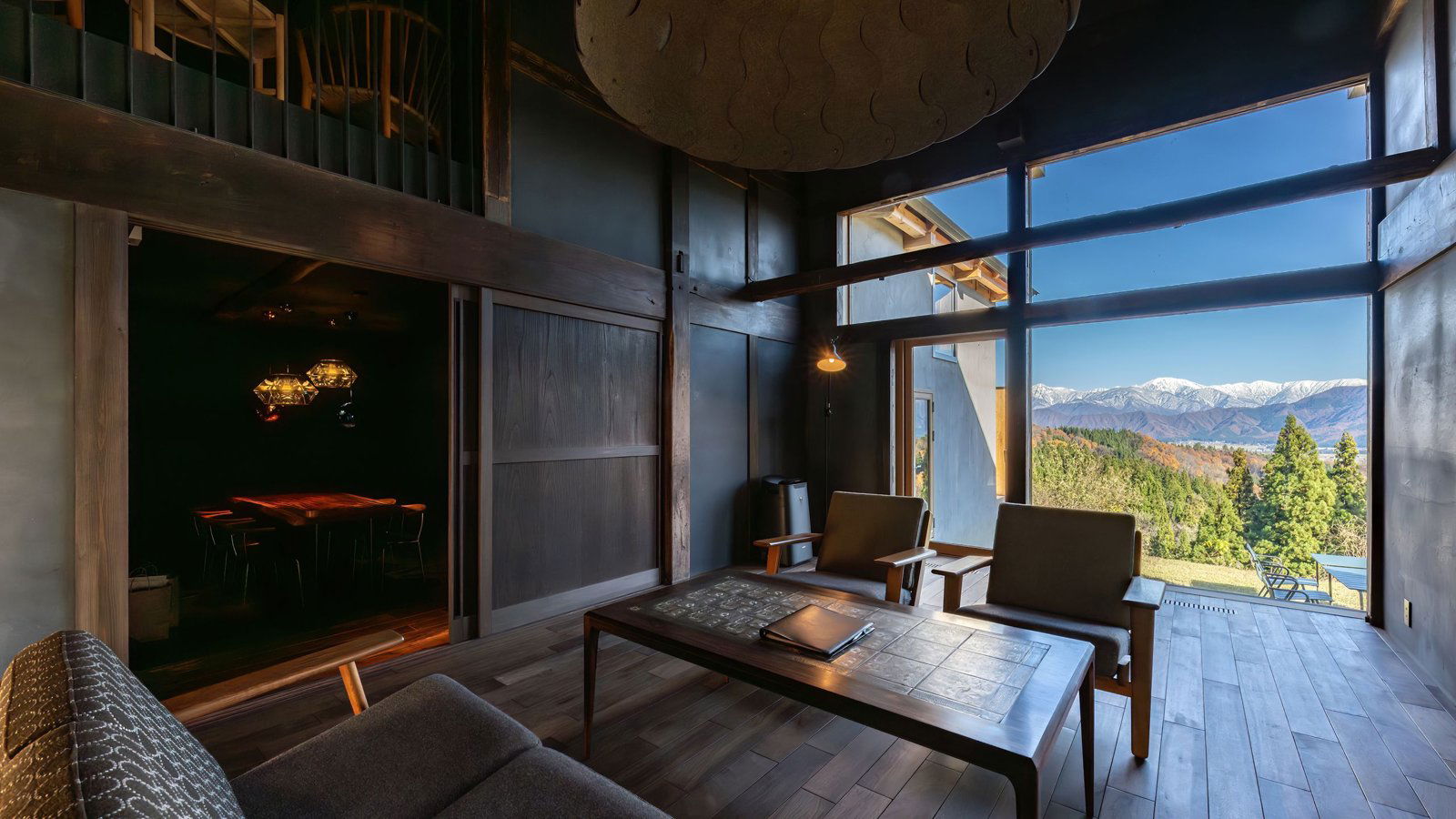
Satoyama Jujo sits in a converted farmhouse whose heavy timber and thick, snow-tested walls make the building itself part of the dining experience. The dining room is anchored to place and framed by the basin and the Echigo Mountains. The writing repeatedly returns to stillness and the practices of satoyama, the transitional zone between cultivated lowland and mountain wilderness, so the overall impression is of restrained, considered hospitality that foregrounds landscape, seasonality and quietly powerful craftsmanship.
Best For
This is a venue for deliberate, occasion-driven dining. The focus on vegetable-focused kaiseki dishes, clay-pot rice and wild-mushroom soba positions the restaurant for intimate evening meals and special occasions where guests want to engage with regional ingredients. Niigata rice, local sake production and mountain surroundings make the room suited to diners who value terroir and a contemplative atmosphere. It reads as particularly well suited to date nights and milestone dinners where the setting and provenance matter.
Ordering Tips
Clay-pot rice, wild-mushroom soba and the vegetable-focused kaiseki offerings are clear expressions of the kitchen’s satoyama approach. Given the text’s specific callout of Niigata’s rice and sake production, prioritize dishes that highlight local rice and ask about regional sake selections to accompany courses. Keep expectations oriented toward seasonality and ingredient-driven plates rather than a la carte convenience; the menu foregrounds terroir and traditional techniques.
Venue details
Ambiance
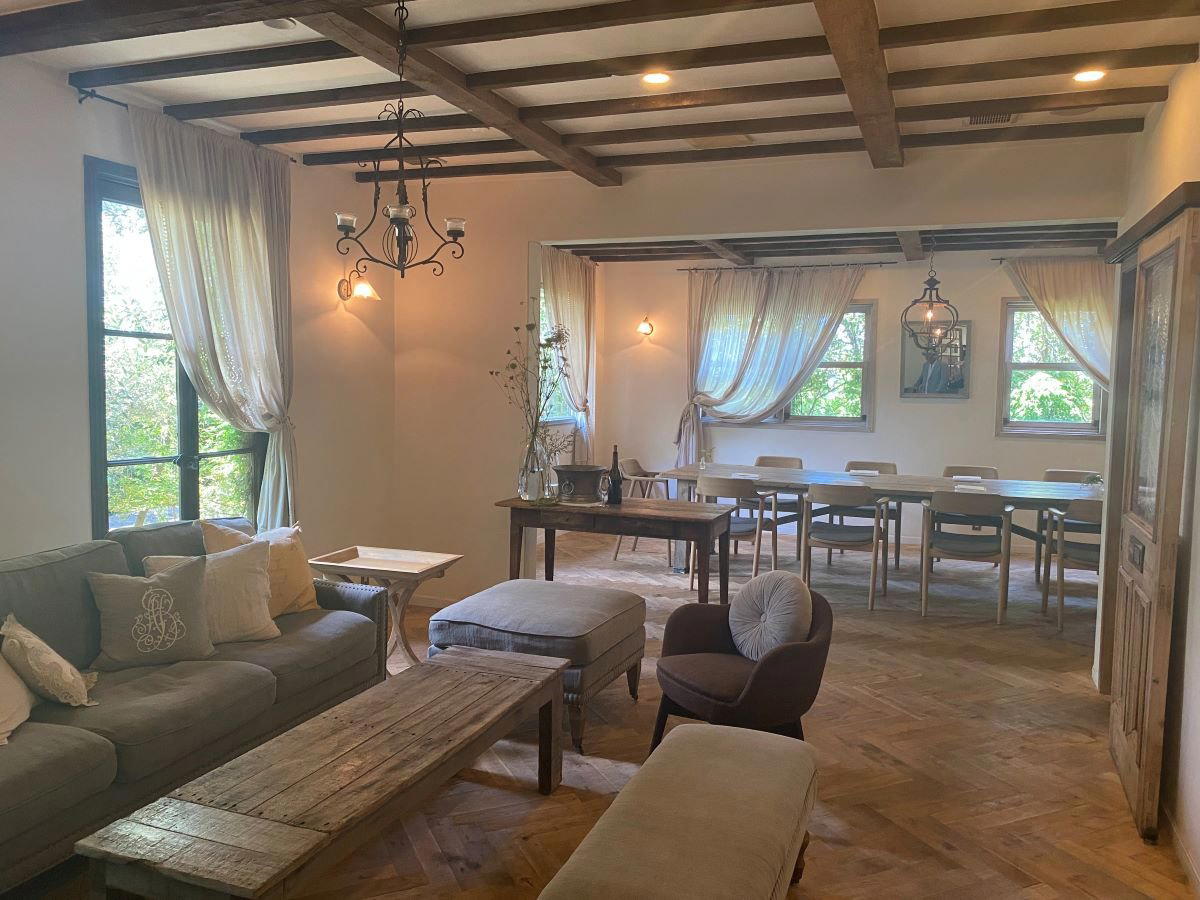
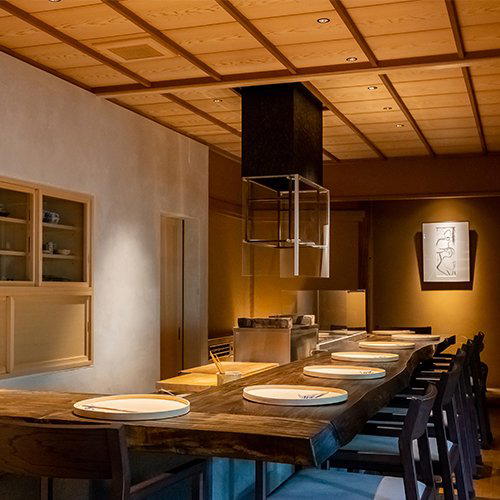
Gentle lighting in a blend of traditional wooden architecture and modern design, creating a serene, nature-immersed atmosphere with rolling hill views.
Tags
Vibe
Best For
Experience
Sourcing
View
At the Table
- Dress Code
- Smart Casual
- Noise Level
- Quiet
- Service Style
- Formal
- Meal Pacing
- Leisurely
- Capacity
- Intimate
- Kitchen
- Seasonal
- Menu Format
- Tasting menu
- Drinks Focus
- Sake program
- Dietary
- Vegetarian friendly
Signature Dishes
- clay_pot_rice
- wild_mushroom_soba
- vegetable-focused_kaiseki_dishes
Know before you go
Know Before You Go
- Getting there
- 1209-6 Osawa, Minamiuonuma, Niigata 949-6361, Japan
Planning details
Location


Also consider
Also Consider
- Kyodaizushi: Sushi, Sushi
- Shintaku: Japanese Cuisine, Japanese Cuisine
- Restaurant UOZEN: French, French
- Tokiwa: Notable alternative
- Tokiwa Sushi Nigata Ten: Sushi, JPY 30,000 - JPY 39,999 JPY 15,000 - JPY 19,999
Restaurant context
Satoyama Jujo sits in a different category from most Niigata dining options. Kyodaizushi and Tokiwa Sushi Nigata Ten are both sushi-focused venues in the city, with Tokiwa Sushi Nigata Ten carrying a price range of JPY 15,000 to JPY 39,999 depending on the menu tier. If sushi is your priority and you want to stay in Niigata city, either of those is more practical than making the trip to Minamiuonuma.
Shintaku offers Japanese cuisine in a more accessible city setting, making it the better choice for a dining-focused visit without the rural logistics. Restaurant UOZEN is the peer for anyone considering a French tasting menu in Niigata, a format that has a different flavour profile and service register than Satoyama Jujo entirely. Neither Shintaku nor UOZEN replicates the agricultural, countryside identity of Satoyama Jujo, but both are easier to fold into a city itinerary.
For a returning visitor to Niigata who has already covered the city restaurants, Satoyama Jujo is the most defensible reason to extend a trip into Uonuma. The booking difficulty is easy relative to the experience level on offer, which is an unusual combination. If your comparison set is destination restaurant experiences elsewhere in Japan, venues like akordu in Nara or Goh in Fukuoka give a sense of the broader market for regional Japanese cooking with a defined point of view. Satoyama Jujo holds its own in that context.
Explore Niigata
Around this place
Discover more on Pearl
Unlock the full Satoyama Jujo guide in Pearl, including awards, comparisons, FAQs, planning details, and nearby places.
Compare Satoyama Jujo
| Venue | Location | Cuisine | Awards | Price |
|---|---|---|---|---|
| Satoyama Jujo | Niigata | 2026 OAD Top Restaurants in Japan Recommended2025 The Best Chef Two Knives2022 The Japan Times Destination Restaurants · #5 | ||
| Kyodaizushi | Niigata | Sushi | 2026 Tabelog Silver · #662026 OAD Top Restaurants in Japan Ranked · #143Tabelog 100 - Sushi - EAST - 2025 · #432025 OAD Top Restaurants in Japan Ranked · #2122025 Tabelog Bronze | |
| Shintaku | Niigata | Japanese Cuisine | No published awards | |
| Restaurant UOZEN | Niigata | French | 2026 Tabelog Silver · #1102026 OAD Top Restaurants in Japan Ranked · #148Tabelog 100 - French - EAST - 2025 · #702025 OAD Top Restaurants in Japan Ranked · #180We're Smart World Top Restaurants 20252025 Tabelog Silver2025 The Best Chef One Knife2021 The Japan Times Destination Restaurants · #5 | |
| Tokiwa | Niigata | No published awards | ||
| Tokiwa Sushi Nigata Ten | Niigata | Sushi | 2026 Tabelog Bronze · #460Tabelog 100 - Sushi - EAST - 2025 · #63 | JPY 30,000 - JPY 39,999 JPY 15,000 - JPY 19,999 |



How Satoyama Jujo Niigata compares with similar nearby venues.
FAQ
Frequently Asked Questions
What are alternatives to Satoyama Jujo in Niigata?
For city-centre dining in Niigata, Restaurant UOZEN and Shintaku are the stronger picks: both are more accessible and easier to book. Kyodaizushi is the go-to for serious sushi in the region. Satoyama Jujo is a different proposition: it requires a trip out to Minamiuonuma and is best suited to travellers who want the snow-country setting as part of the meal.
Is Satoyama Jujo good for solo dining?
It depends on the format. Satoyama Jujo is a destination property in Minamiuonuma, not a drop-in restaurant, so solo travellers should confirm whether single covers are accommodated before making the journey from Niigata city. Solo diners who are comfortable with a longer, structured meal in a rural setting will find this rewarding; those wanting a quick, flexible dinner are better served by Shintaku or Restaurant UOZEN in the city.
Is Satoyama Jujo good for a special occasion?
Yes, and it is the kind of occasion where the setting does real work. Satoyama Jujo is in Minamiuonuma, Niigata's snow-country interior, which means the journey itself becomes part of the occasion. Chef Keiko Kuwakino leads the kitchen, and the region is known for producing some of Japan's most respected short-grain rice and sake: both of which should feature in the meal. Plan travel and accommodation well in advance; this is not a same-week booking.
What should I wear to Satoyama Jujo?
The rural Niigata setting and destination format suggest smart, comfortable clothing. Japan's dining culture generally favours neat presentation over strict dress codes at this level. Avoid anything that would be impractical in a snow-country environment if you are visiting outside summer months: Minamiuonuma receives heavy snowfall in winter.
Does Satoyama Jujo handle dietary restrictions?
For a destination venue of this type, communicating restrictions well in advance of your visit is standard practice and advisable. Given the structured format and the journey required to reach Minamiuonuma, confirming this directly with the venue before booking is the practical step: do not assume flexibility on arrival.