
Restaurant in San Rafael, United States
Los Moles- San Rafael
100ptsRegional Mole Taxonomy
About Los Moles- San Rafael
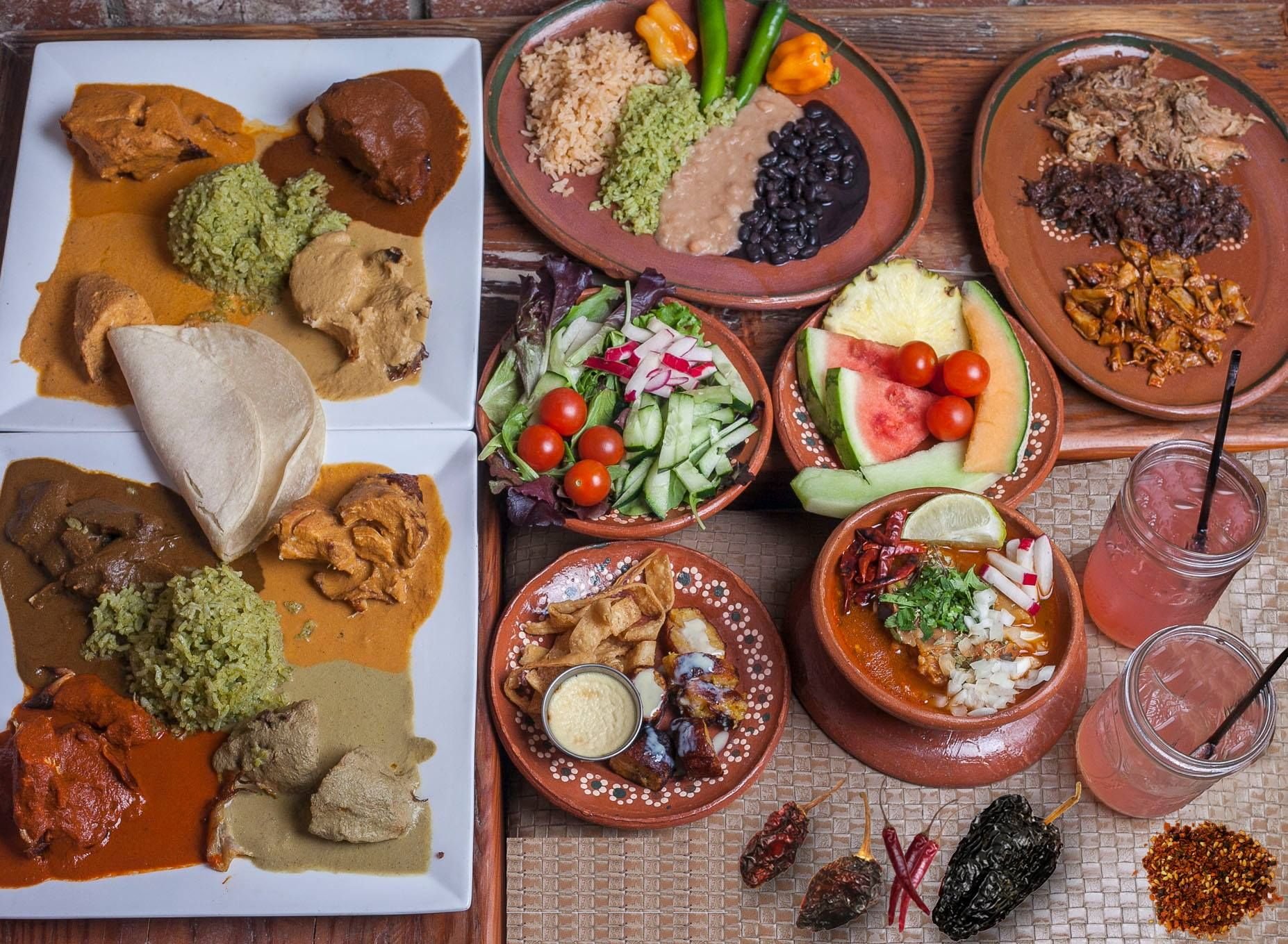
Los Moles in San Rafael brings the regional mole traditions of Mexican cuisine to Lincoln Avenue, positioning itself within Marin County's growing appetite for cooking grounded in technique rather than Tex-Mex convention. The kitchen draws on one of Mexico's most demanding culinary forms, where a single sauce can require dozens of ingredients and days of preparation. It sits alongside a locally diverse dining strip that includes everything from Italian to Puerto Rican.
Mole as a Culinary Form, Not a Condiment
Mexican regional cooking occupies an awkward place in American dining rooms. For decades, the dominant format north of the border compressed an enormously varied national cuisine into a shorthand of burritos, chips, and generic red sauce. The correction, when it came, arrived slowly and unevenly, but mole became one of its clearest indicators. A kitchen willing to commit to mole, in its full complexity, is making a statement about where it sits relative to that shorthand. Los Moles, at 912 Lincoln Ave in San Rafael, announces its position in the name itself.
Mole is among the most labour-intensive preparations in any cooking tradition. The Oaxacan negro alone typically runs to thirty or more ingredients, including multiple dried chiles, chocolate, nuts, seeds, charred aromatics, and spices, reduced and ground over hours into a sauce that carries bitterness, sweetness, smoke, and heat in rough equilibrium. In a category where shortcuts are easy and largely undetectable to unfamiliar palates, the depth of a kitchen's mole program is a reasonable proxy for its overall seriousness.
Lincoln Avenue and the San Rafael Dining Pattern
San Rafael's central dining corridor runs along Lincoln Avenue and the surrounding blocks, where a range of independent operators have established long-term presences. The strip accommodates formats from the casual counter service of Lou's Takeaway to the sit-down Italian of Il Davide and the neighbourhood staple positioning of Miracle Mile Cafe. Los Moles occupies the Mexican category in an area where the competition for that slot tends to default toward the familiar. Its name signals an intent to go further.
The broader Marin County market trends toward health-conscious, locally sourced, and experiential dining, a pattern that benefits operators willing to demonstrate technique and provenance. Mexican cooking rooted in regional tradition rather than franchise convention fits that consumer orientation reasonably well, which partly explains why operators like Sol Food have built substantial followings in the county for Puerto Rican cooking on similar premises: specificity earns loyalty here in ways it might not in markets less attuned to sourcing and authenticity signals.
For a fuller picture of independent dining across the city, the EP Club San Rafael restaurants guide maps the area's options by neighbourhood and format.
Regional Mexican Cooking in a National Context
The rise of serious Mexican regional cooking in American cities has been gradual and geographically uneven. Markets like Los Angeles and Chicago, with large Mexican-American populations and direct cultural ties to specific regions, developed sophisticated mole-forward restaurants earlier. Secondary markets, including mid-sized California cities and Bay Area suburbs, have caught up more recently, often through chefs trained in regional Mexican kitchens who move into lower-cost real estate outside the major urban cores.
The reference points for this style of cooking, at the national level, sit at a considerable remove from a neighbourhood restaurant in San Rafael. Operations like Le Bernardin in New York City or Alinea in Chicago operate in a different tier entirely, defined by tasting menus, full critical apparatus, and multi-year reservations. The more instructive comparison for a restaurant like Los Moles is what happens when serious culinary tradition, in this case one of the most complex sauce-based cuisines in the world, is delivered in an accessible neighbourhood format without the tasting-menu pricing or the critical fanfare. That is a different proposition from what The French Laundry in Napa or Single Thread Farm in Healdsburg offer, but it is not a lesser one. Depth of tradition and accessibility of format are not mutually exclusive.
Closer in spirit, though still operating at a higher price point, are California operators like Providence in Los Angeles or Addison in San Diego, which demonstrate how regional culinary depth can anchor a restaurant's identity in a state with enormous culinary diversity. The principle scales down: a kitchen with a genuine mole program is making a similar kind of identity claim, just at a different price bracket and without the Michelin infrastructure.
What to Order and How to Read the Menu
At a restaurant named for its moles, the sauce selections are the primary lens through which to read the menu. The major regional types, negro, coloradito, verde, amarillo, and the Pueblan rojo, each carry distinct ingredient profiles and regional associations. A menu that offers two or three of these is making a curated statement; one that offers more is either very ambitious or relying on bases. The difference is usually detectable in the texture and layering of the final plate.
Beyond the moles, the broader Mexican regional tradition that serious kitchens in this category draw on includes preparations like tlayudas, enfrijoladas, and chiles en nogada, dishes that rarely appear on Tex-Mex menus and signal a kitchen reaching into Mexico's actual culinary geography rather than its export version. If those or similar preparations appear on the menu at Los Moles, they are worth ordering ahead of more familiar formats. That is where the kitchen's range becomes legible.
Diners approaching from a Tex-Mex baseline should recalibrate expectations: the flavours here are built on complexity and balance rather than heat and salt. The chile varieties used in traditional mole, ancho, mulato, pasilla, chihuacle, are chosen for their fruit and smoke as much as their capsaicin levels.
Planning Your Visit
Los Moles sits at 912 Lincoln Ave in downtown San Rafael, within easy reach of the central commercial district and walkable from the San Rafael Transit Center. Specific booking arrangements, pricing, and hours were not confirmed at time of publication; contacting the restaurant directly or checking current listings before visiting is advisable. Given San Rafael's weekend dinner patterns, where the Lincoln Avenue corridor draws consistent foot traffic from Marin residents and visitors from across the Bay Area, arriving early or checking ahead for weekend evenings is a practical precaution.
Diners building a wider San Rafael itinerary might bracket the meal with other Lincoln Avenue independents: Casa Manana and Phyllis' Giant Burgers represent the range of the local offer, from sit-down neighbourhood dining to quick-service American. The area rewards walking; most of the relevant operators are within a few blocks of each other on or near Lincoln.
For context on how San Rafael's dining scene fits within Northern California's broader culinary geography, including the proximity to wine country operations and the influence of Bay Area food culture on suburban Marin, the full San Rafael guide provides the necessary framing. Further afield, operations like Lazy Bear in San Francisco, Blue Hill at Stone Barns in Tarrytown, The Inn at Little Washington, Atomix in New York City, Emeril's in New Orleans, and 8 1/2 Otto e Mezzo Bombana in Hong Kong illustrate how tradition-anchored cooking operates across price tiers and geographies, a useful frame for understanding what any serious regional kitchen is attempting, regardless of where it sits on the pricing spectrum.
Frequently Asked Questions
What should I eat at Los Moles San Rafael?
The mole preparations are the primary reason to visit a restaurant with this name and this culinary framing. Prioritise whichever regional mole varieties appear on the current menu, as these are the dishes most likely to reflect the kitchen's genuine range and technical investment. If the menu extends to less common regional Mexican preparations beyond the moles themselves, those are worth ordering as secondary indicators of how far the kitchen reaches into Mexico's actual cooking traditions.
Should I book Los Moles San Rafael in advance?
San Rafael's Lincoln Avenue corridor draws consistent local traffic, particularly on weekend evenings when Marin residents and Bay Area visitors converge on the central dining strip. If Los Moles holds a notable local following, which restaurants with a distinct culinary identity in this market tend to develop, weekend seatings are likely to fill. Checking ahead before a Friday or Saturday visit is a practical precaution even without confirmed booking data.
How does Los Moles San Rafael compare to other Mexican restaurants in Marin County?
The restaurant's name positions it explicitly within the mole tradition, which is a more technically demanding and regionally specific framing than most Mexican restaurants in Marin County adopt. Where much of the local competition defaults to familiar Tex-Mex or generalist Mexican formats, a kitchen built around mole as a central concept is working from a different reference point, one closer to Mexico's actual regional cooking canon. That distinction is most visible in the sauce complexity and ingredient depth of the mole preparations relative to what a standard local competitor would offer at a comparable price point.
Related editorial
- Asia's 50 Best Restaurants 2026: The Chairman and Wing Go 1-2 from the Same BuildingThe Chairman takes No. 1 and Wing climbs to No. 2 at Asia's 50 Best Restaurants 2026. Both operate from the same Hong Kong building. Here's what it means.
- Four Seasons Yachts Debut: 95 Suites, 11 Restaurants, and a March 2026 Maiden VoyageFour Seasons I launches March 20, 2026, with 95 suites, a one-to-one staff ratio, and 11 onboard restaurants. Worth tracking if you want hotel-grade service at sea.
- LA Michelin Guide 2026: Seven New Restaurants from Tlayudas to Uzbek DumplingsMichelin's March 2026 California Guide update adds six LA restaurants and one Montecito newcomer, spanning Oaxacan tlayudas, Uzbek manti, and Korean-Italian pasta.
Save or rate Los Moles- San Rafael on Pearl
Keep this venue in your Pearl passport, rate it after you visit, and track it alongside every other place you collect.