.png?width=1200&quality=80)

Sushi Shin
Japanese · Redwood City, San Francisco
Restaurant in San Francisco, United States
 Book with Pearl
The Read
Peninsula Counter Precision
Price
$200–300per person
Dress
Smart Casual
Why go
Sushi Shin in Redwood City — not San Francisco proper — is a serious omakase counter with three consecutive years on Opinionated About Dining's Asia and Japan rankings and a 2025 Michelin Plate. At $$$$ per head, it earns its price for food-focused travelers who want Japanese sushi at an internationally recognized level. Book six to eight weeks out; this is a hard reservation.
About Sushi Shin
Sushi Shin Is Not a San Francisco Restaurant
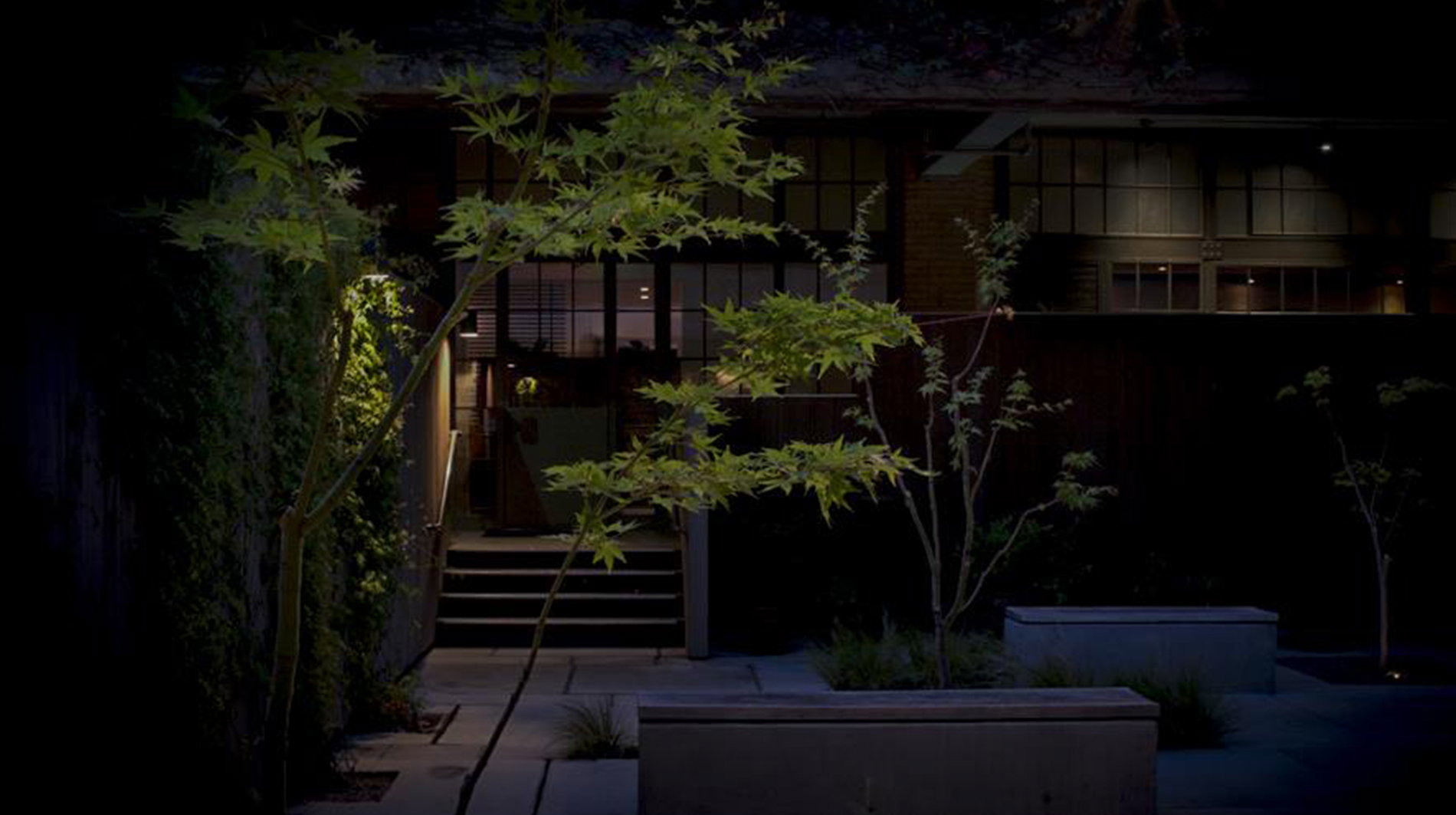
The most common misconception about Sushi Shin is geographic. The address — 312 Arguello St, Redwood City — puts it firmly in the Peninsula, not the city proper. If you're planning a San Francisco dinner crawl, factor in the drive south. If you're already based in the South Bay or coming from the airport corridor, that changes the calculus considerably: Sushi Shin becomes a serious contender for the leading Japanese dining within reach, without requiring a trip into the city at all.
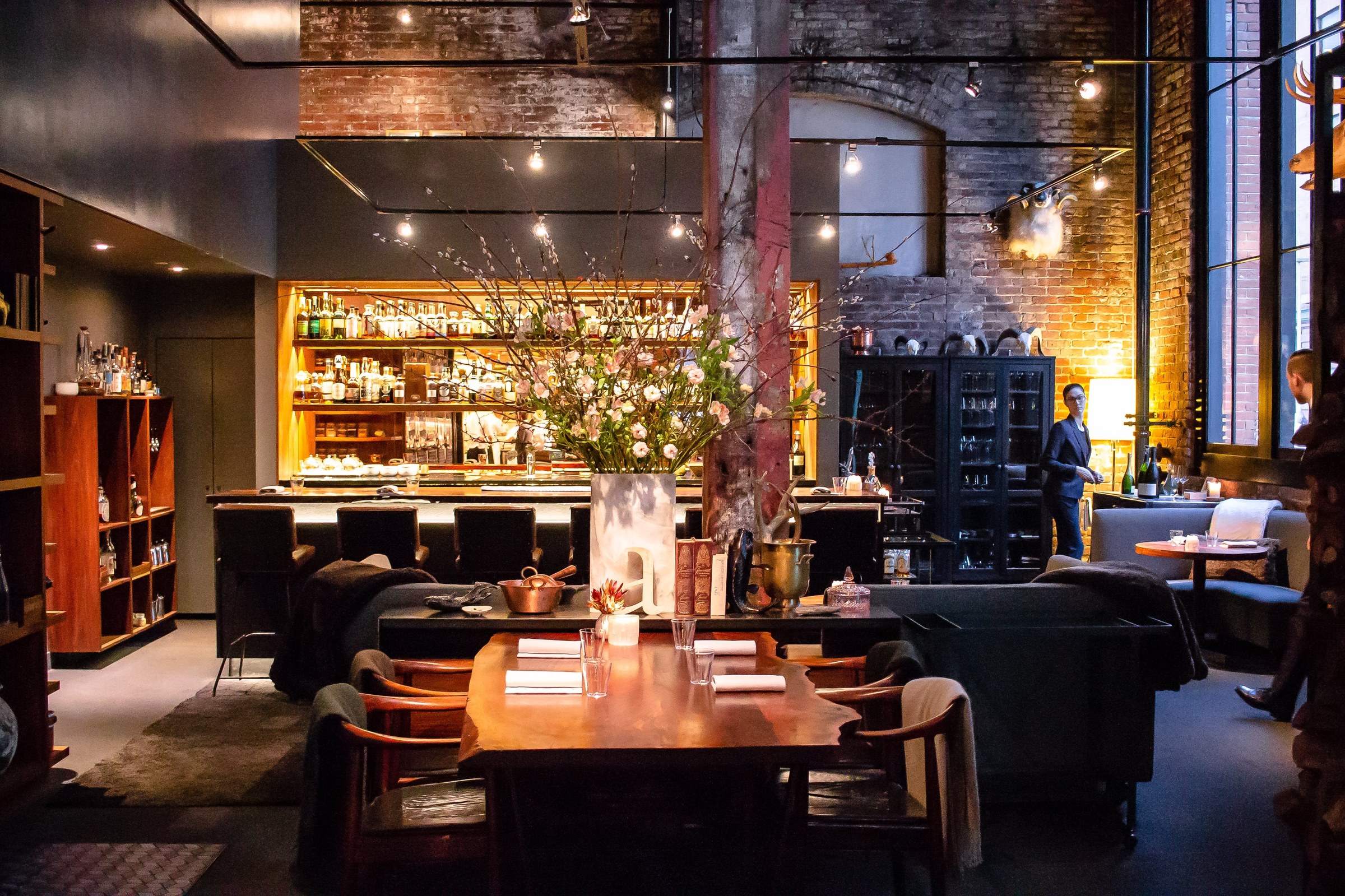
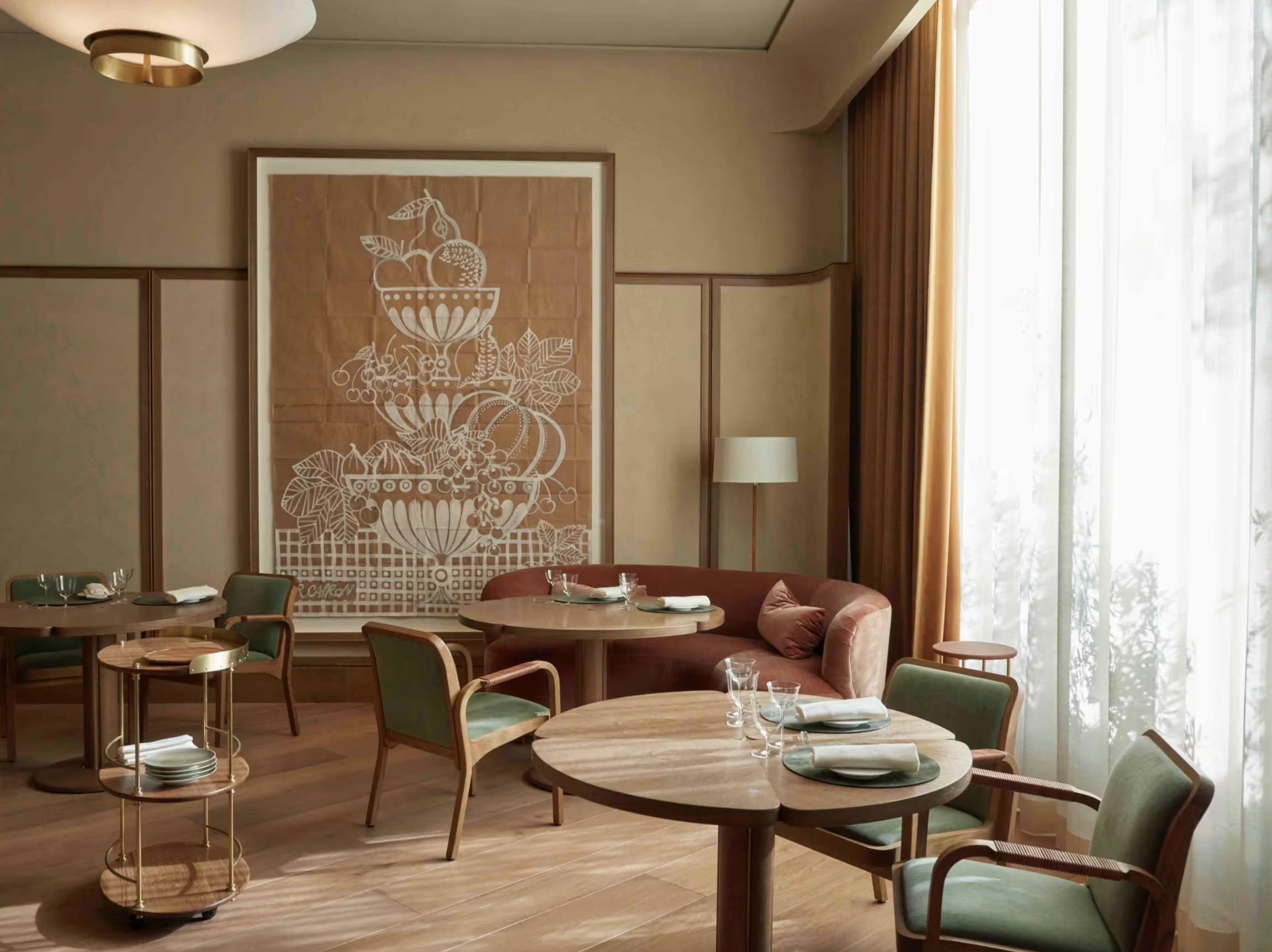
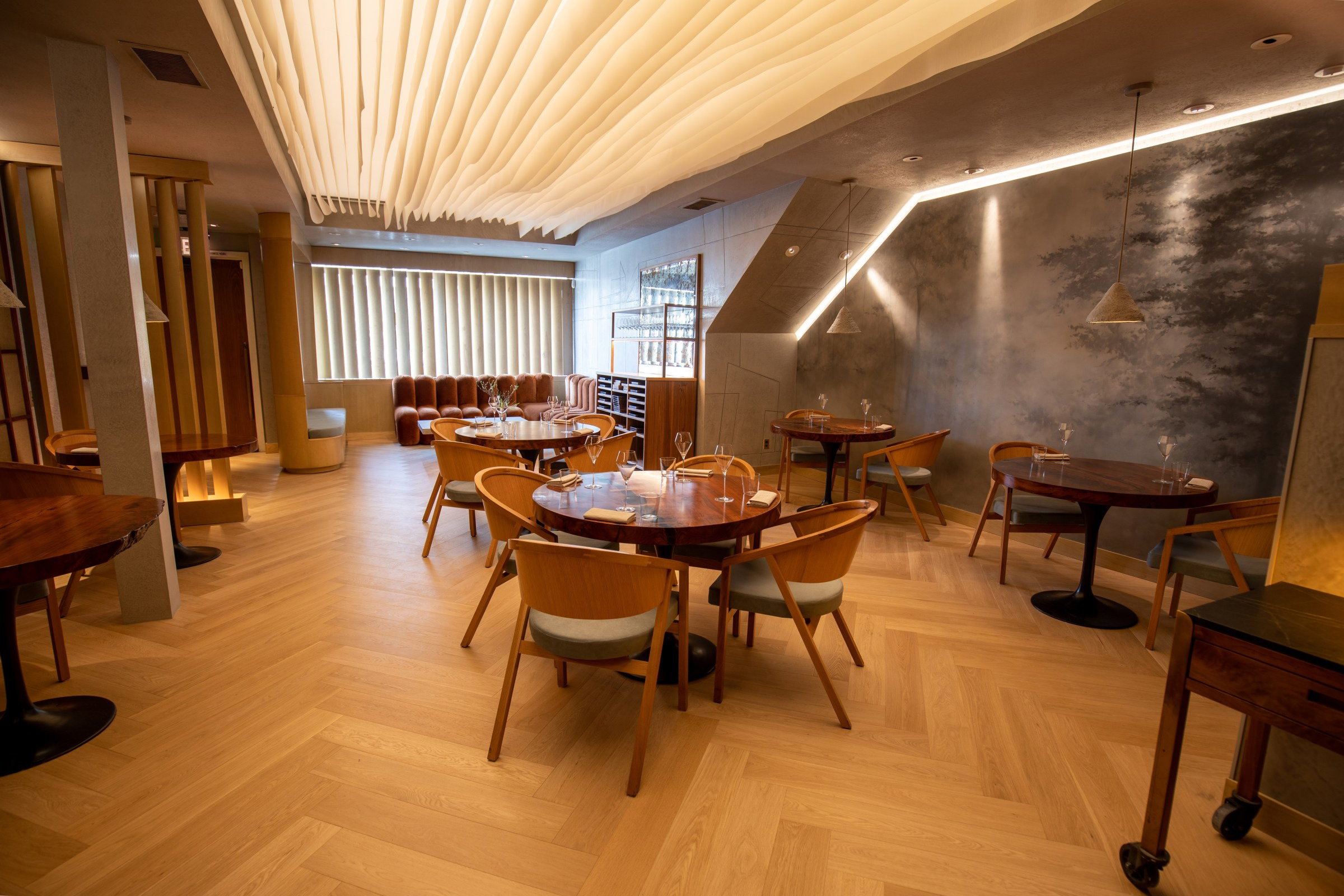
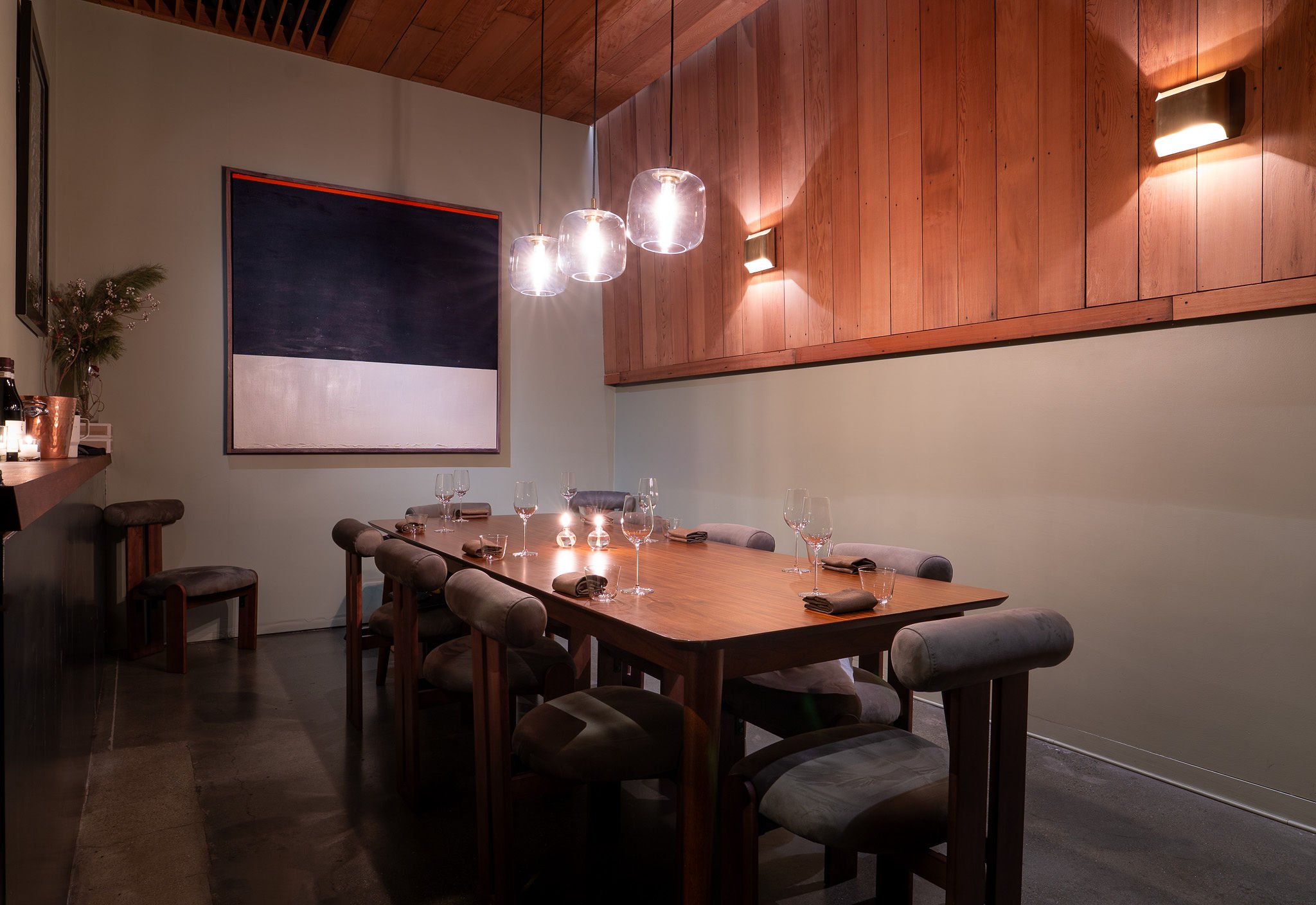
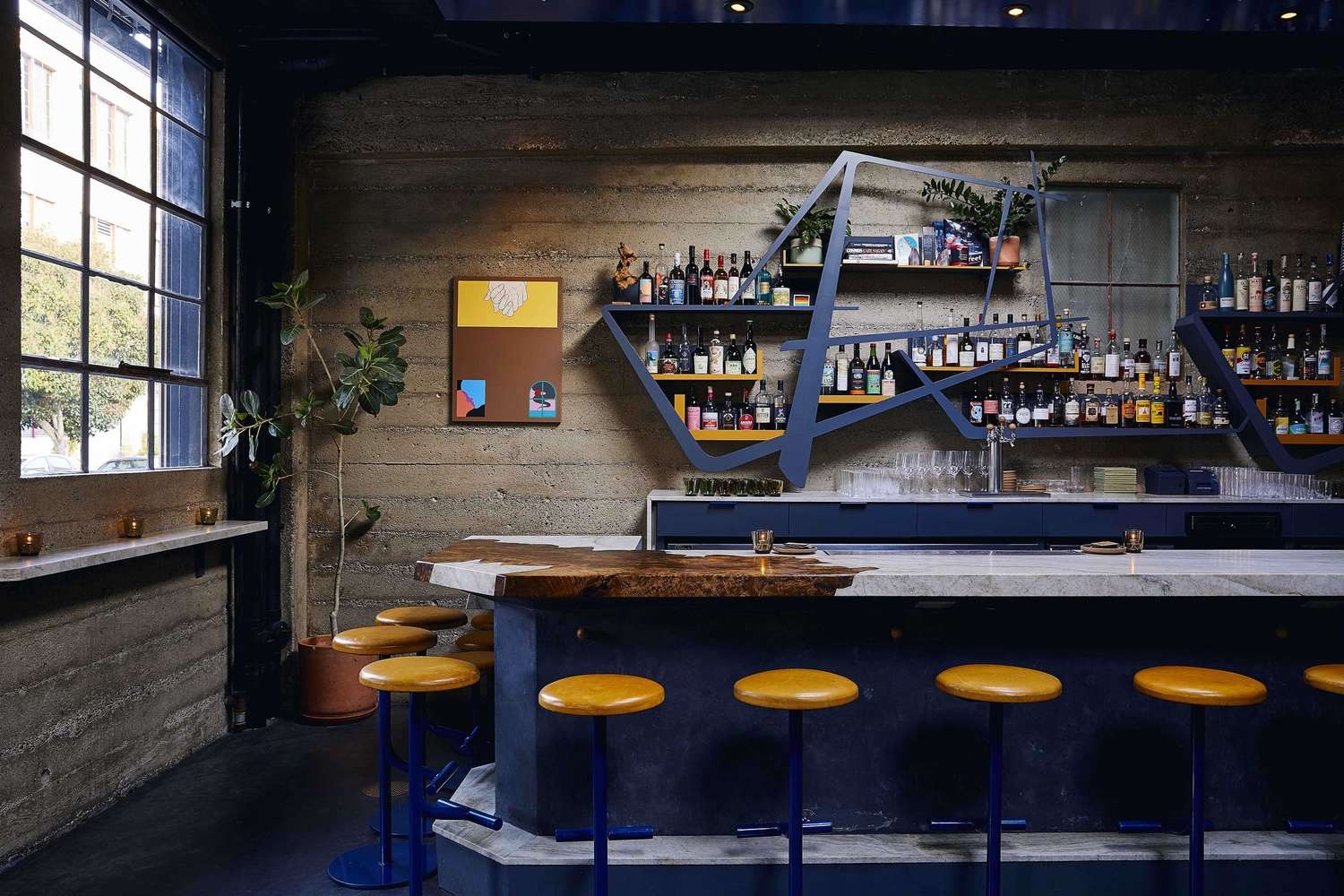
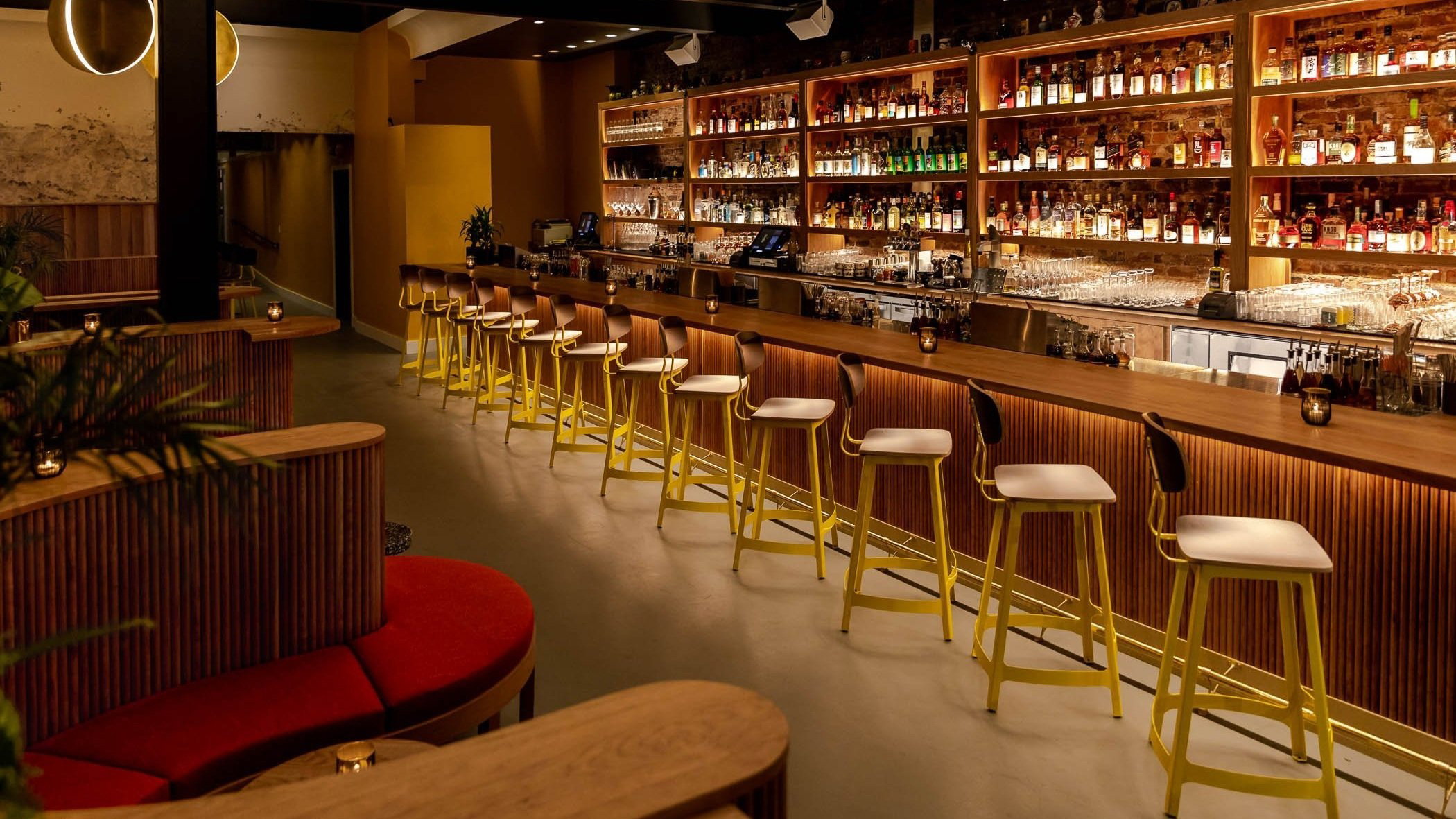
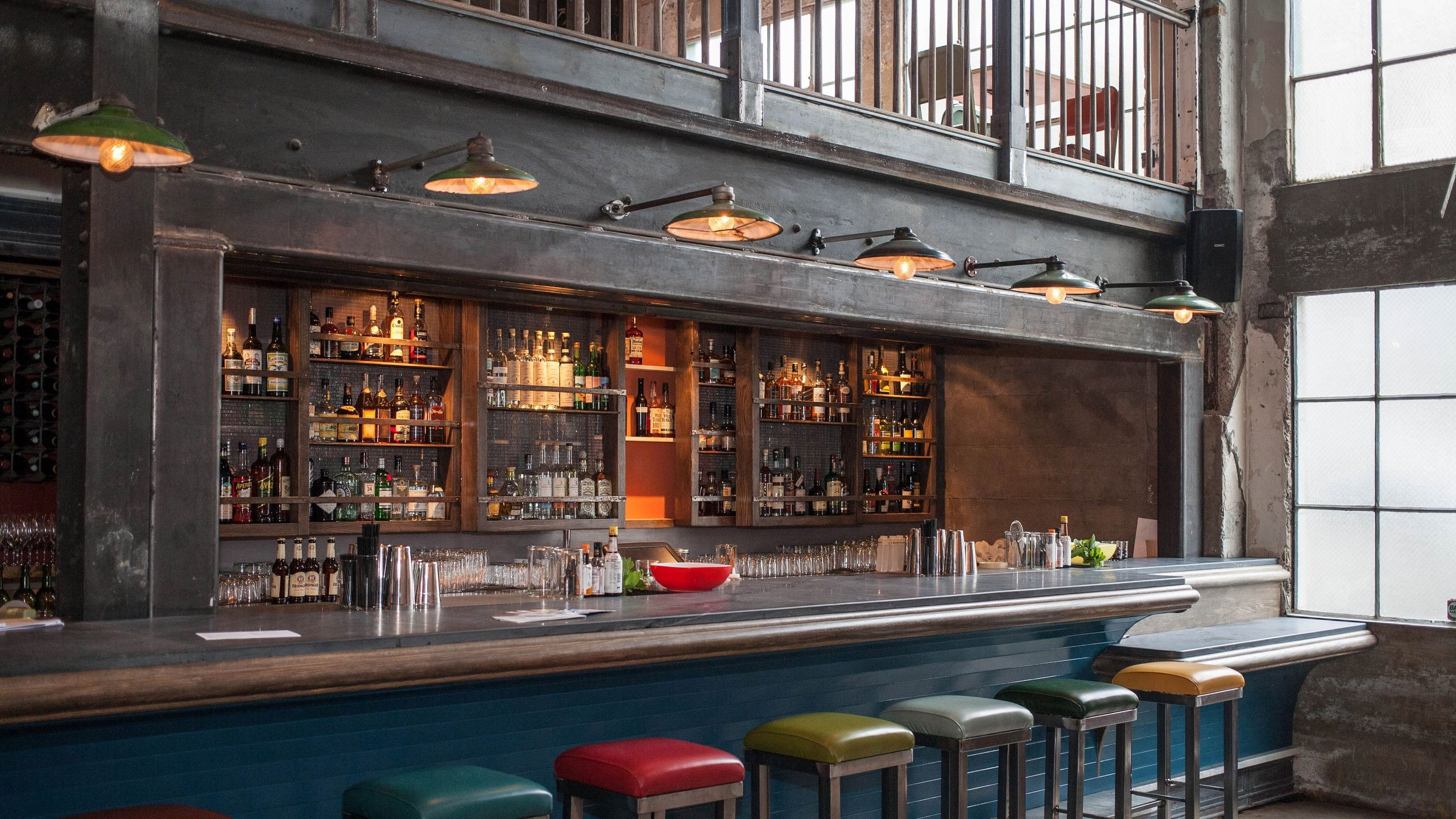
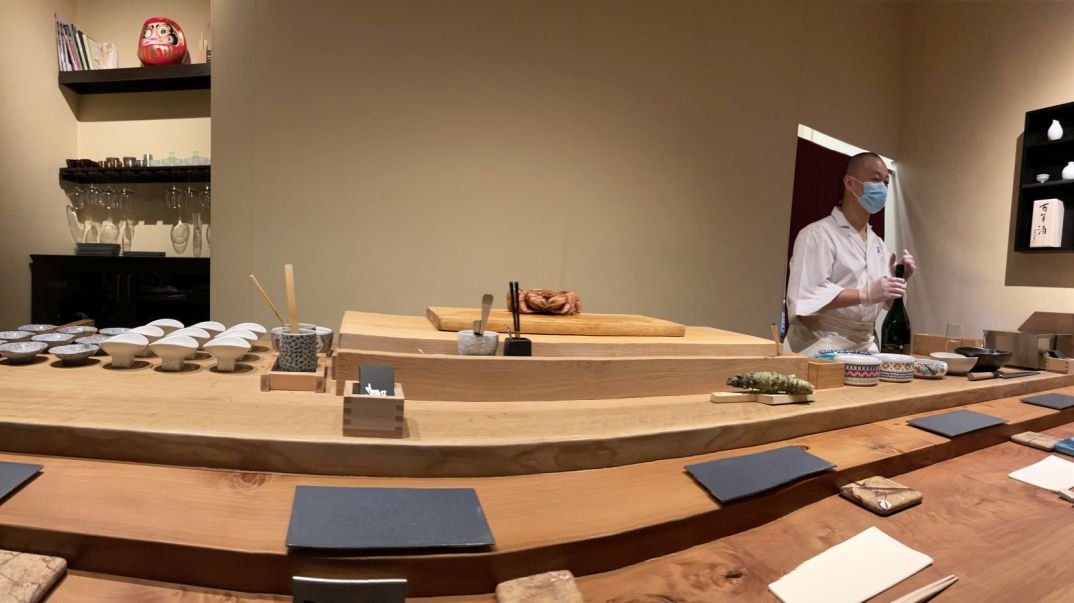
What you get when you arrive is a room defined by restraint. The ambient feel here is deliberately quiet, the kind of controlled stillness that signals the kitchen is the point, not the scene. This is not the humming, high-energy counter of a city omakase destination where the theatre is part of the ticket price. The atmosphere at Sushi Shin is closer to a serious Japanese dining room than an experience venue: measured, focused, unhurried. If you need buzz and room energy to feel like you're getting your money's worth, this will read as flat. If you find that noise undermines the food, this is exactly where you want to be.
The Case for Booking
Chef Jason Zhan has built a track record that the awards data substantiates clearly. Opinionated About Dining, arguably the most rigorous crowd-sourced ranking system for serious restaurants, has listed Sushi Shin among its leading restaurants in both Japan and Asia for three consecutive years. In 2024 it ranked #259 in Japan and #376 in Asia. In 2025 those numbers shifted to #364 in Japan and #406 in Asia, which represents a ranking drop but continued inclusion in a list that is genuinely hard to crack. A Michelin Plate in 2025 adds institutional recognition.
The OAD rankings are worth pausing on. These lists are compiled from the dining logs of serious food travelers, many of whom eat at hundreds of restaurants per year. Inclusion, particularly sustained inclusion across multiple years, reflects a consistency that one-off accolades don't always capture. For a Peninsula restaurant to register on Asia-wide rankings at this level is notable. It positions Sushi Shin in the same conversation as destinations people fly to eat at, including venues like Myojaku and Azabu Kadowaki in Tokyo. That context matters when you're weighing whether the price is justified.
Price is $$$$, which in the Bay Area Japanese context means you should expect omakase-tier spend. Exact per-head figures aren't published in the venue record, but at this price range and award level, budget accordingly for a full counter experience.
On Takeout and Delivery
This is where the editorial angle deserves a direct answer: sushi at this level does not travel well, and you should not plan to order Sushi Shin off-premise. Omakase-format Japanese dining is among the most format-dependent food categories in existence. The rice temperature, the precision of the cut, the sequencing of courses, the relationship between the counter and the kitchen, all of that collapses the moment the food leaves the room. If the kitchen offers any takeout options, treat them as a secondary format at leading. The reason to book Sushi Shin is the in-person counter experience. Anything else is a compromise that the awards and the chef's reputation weren't built around. For food that genuinely travels, thoughtfully packaged Japanese formats, bento-style or hand-roll concepts, look elsewhere. For the real thing at Sushi Shin, you have to be in the room.
How It Compares
Within the Bay Area Japanese category, the closest comparison for a food-focused explorer is Nisei in San Francisco, which brings Japanese technique to a different format and sits in the city proper. Gozu offers another high-end Japanese-inflected experience in SF if you want to stay urban. Iyasare and Izakaya Rintaro both operate at lower price points and in more casual formats, good options if the $$$$ commitment feels steep or you want a less structured meal. Delage is worth knowing about for a different style of Japanese-influenced precision dining in the city.
For the food traveler who has already done the major SF tasting menus, Benu, Atelier Crenn, Quince, Sushi Shin offers something categorically different: pure Japanese sushi craft at a level that registers internationally. It is not trying to be a San Francisco tasting menu. That distinction is the point. If you've already eaten at The French Laundry in Napa or Single Thread in Healdsburg and you're building a serious Northern California dining trip, Sushi Shin belongs on the list. Explorers benchmarking against US sushi at the highest level, say, Le Bernardin for precision seafood in New York or Providence in Los Angeles for Japanese-influenced fine dining, will find Sushi Shin a credible peer.
Know Before You Go
- Address: 312 Arguello St, Redwood City, CA 94063, Peninsula location, not San Francisco proper
- Price: $$$$
- Booking difficulty: Hard, reserve as far ahead as possible
- Awards: OAD Leading Restaurants in Japan #364 (2025); OAD Leading Restaurants in Asia #406 (2025); Michelin Plate (2025)
- Dress code: Not published, smart casual is the safe default at this price tier
- Takeout/delivery: Not recommended for a format that depends entirely on the counter experience
- Chef: Shintaro Shin
Planning details
- Location
- 312 Arguello St, Redwood City, CA 94063
- Reservations
- Book on Tock
- Website
- sushishinredwoodcity.com/reservations
- Phone
- (650) 921-8809
The take
The Take
The Vibe
Sushi Shin presents a restrained, quietly ambitious omakase counter that feels more like a neighborhood destination than a tourist trophy. The space favors intimacy over scale, with the counter functioning as the dominant architectural fact and the chef's preparation area staged as theater. Located on a calmer commercial stretch of Redwood City, the room avoids the maximalist gestures of urban flagship sushi spots and instead channels a focused, contemplative energy. Awards recognition — including a Michelin Plate in 2025 — underscores the counter’s serious refinement without overstating flash, making the experience feel singularly attentive and deliberately measured.
Best For
This is a destination for diners seeking a concentrated omakase evening: think dinner, date nights and other special occasions where the meal itself is the point of the outing. The restaurant competes with high-end San Francisco counters while sitting about 30 miles down the Peninsula, so guests who travel for premium sushi find an experience that rewards attention and time. Its Michelin Plate recognition and placement in regional rankings signal a fine-dining context and price tier, so reservations and an expectation of a composed, counter-led service are appropriate for those planning the visit.
Ordering Tips
Sushi Shin operates in the omakase tradition, so the most authentic approach is to surrender to the chef’s sequence and focus on the counter performance. The menu highlights are explicit — monkfish liver, seared fatty tuna and Santa Barbara uni — so expect standout uni and rich, prepared bites presented during the progression. Given the counter format and the restaurant’s awards-driven positioning, plan for a full, multi-course dinner rather than à la carte grazing. Bring attention and an appetite for carefully paced, chef-led service; the experience is built around the preparation and timing at the counter.
Venue details
Ambiance
Discreet, elegant refuge with refined counter seating focused on the chef's precise preparation in an intimate setting.
Tags
Vibe
Best For
Experience
Sourcing
At the Table
- Dress Code
- Smart Casual
- Noise Level
- Quiet
- Service Style
- Omakase Bar
- Meal Pacing
- Extended Experience
- Capacity
- Intimate
- Kitchen
- Traditional
- Menu Format
- Omakase, Tasting menu, Counter dining
- Wine Program
- Curated
- Drinks Focus
- Sake
Signature Dishes
- monkfish liver
- seared fatty tuna
- Santa Barbara uni
Know before you go
Know Before You Go
- Getting there
- 312 Arguello St, Redwood City, CA 94063
Planning details
Location
312 Arguello St, Redwood City, CA 94063 · Directions
Recognition and awards

Also consider
Also Consider
- Lazy Bear, Progressive American, Contemporary, $$$$
- Atelier Crenn, Modern French, Contemporary, $$$$
- Benu, French - Chinese, Asian, $$$$
- Quince, Italian, Contemporary, $$$$
- Saison, Progressive American, Californian, $$$$
Restaurant context
At the $$$$ price point in the Bay Area, Sushi Shin occupies a different category from most of its peers. Benu is the clearest contrast: three Michelin stars, French-Chinese in orientation, and a highly structured tasting menu experience in SoMa. If institutional Michelin recognition and a more theatrical format matter to you, Benu wins on that measure. Sushi Shin wins if you want pure Japanese sushi craft assessed by the most rigorous peer-reviewed food ranking systems. They are not competing for the same diner.
Atelier Crenn and Quince both deliver polished, ambitious tasting menus in the city, Crenn with a poetic Modern French identity, Quince with Italian-Californian precision. Both are easier to reach from central SF than Sushi Shin, and both offer more variety in terms of wine program and room atmosphere. If your priority is a full evening's theatrical experience with strong front-of-house service, either outpoints Sushi Shin on those dimensions. Lazy Bear and Saison lean further into the Progressive American direction, higher energy rooms, more social formats, and menus that change with the season. For groups who want the buzz of a lively tasting counter, Lazy Bear in particular is easier to enjoy communally.
The decision point is simple: if Japanese sushi is the specific thing you want to eat at the highest accessible level in Northern California, Sushi Shin is the choice. If you want a full fine-dining evening with a strong room, wine depth, and urban convenience, Benu, Quince, or Atelier Crenn are better fits. Sushi Shin is not trying to compete with those formats, and for the right diner, that focus is exactly the reason to book it.
Around this place
Discover more on Pearl
Unlock the full Sushi Shin guide in Pearl, including awards, comparisons, FAQs, planning details, and nearby places.
Compare Sushi Shin
| Venue | Cuisine | Price | Booking Difficulty | Awards |
|---|---|---|---|---|
| Sushi Shin | Japanese | $$$$ | Hard | Michelin Plate 20262026 Michelin Plate2025 OAD Top Restaurants in Japan Ranked · #3642025 OAD Top Restaurants in Asia Ranked · #4062025 Michelin Plate2024 OAD Top Restaurants in Japan Ranked · #2592024 OAD Top Restaurants in Asia Ranked · #3762023 OAD Top Restaurants in Asia Recommended |
| Lazy Bear | Progressive American, Contemporary | $$$$ | Unknown | 2026 San Francisco Chronicle Top 100 Bay Area Restaurants · #100Star Wine Lists 20262026 OAD Top Restaurants in North America Highly Recommended2026 Wine Spectator Grand Award2026 Michelin 2 Stars2026 La Liste Top Restaurants2025 World's 50 North America's Best Restaurants · #252025 Robb Report 100 Greatest American Restaurants of the 21st Century · #852025 OAD Top Restaurants in North America Ranked · #176 |
| Atelier Crenn | Modern French, Contemporary | $$$$ | Unknown | 2026 San Francisco Chronicle Top 100 Bay Area Restaurants · #292026 North America's 50 Best Restaurants · #442026 OAD Top Restaurants in North America Ranked · #672026 Forbes 5-Star2026 La Liste Top Restaurants2026 Michelin 3 Stars2026 Les Grandes Tables du Monde Members2025 Robb Report 100 Greatest American Restaurants of the 21st Century · #312025 World's 50 North America's Best Restaurants · #46 |
| Benu | French - Chinese, Asian | $$$$ | Unknown | 2026 OAD Top Restaurants in North America Ranked · #122026 San Francisco Chronicle Top 100 Bay Area Restaurants · #172026 North America's 50 Best Restaurants · #33Star Wine Lists 20262026 Forbes 5-Star2026 Michelin 3 Stars2026 La Liste Top Restaurants2025 Robb Report 100 Greatest American Restaurants of the 21st Century · #62025 OAD Top Restaurants in North America Ranked · #7 |
| Quince | Italian, Contemporary | $$$$ | Unknown | Star Wine Lists 2026 · #12026 San Francisco Chronicle Top 100 Bay Area Restaurants · #182026 OAD Top Restaurants in North America Ranked · #492026 Forbes 4-Star2026 James Beard Award Nominees2026 James Beard Award Semifinalists2026 New York Times Best Restaurants in San Francisco2026 Relais Chateaux Restaurants2026 James Beard Award Winners |
| Saison | Progressive American, Californian | $$$$ | Unknown | Michelin Guide France & Monaco 20262025 Michelin Plate |















How Sushi Shin stacks up against the competition.
FAQ
Frequently Asked Questions
How far ahead should I book Sushi Shin?
Book at least 4 to 6 weeks out. Sushi Shin holds OAD rankings and a Michelin Plate (2025), which keeps demand steady at a venue this size. Waiting until the week before is a gamble you will likely lose, especially on weekends.
What should a first-timer know about Sushi Shin?
The address matters: this is 312 Arguello St, Redwood City, not San Francisco — budget 30 to 45 minutes from the city depending on traffic. Chef Jason Zhan runs an omakase format, so arrive without a fixed order in mind and let the progression play out. This is not a drop-in, à la carte restaurant.
Is Sushi Shin worth the price?
At $$$$ with consecutive OAD top-400 finishes in both Japan and Asia rankings (2023 through 2025), the credentials hold up against the price point. For diners who want omakase from a chef building a serious track record outside the SF core, yes, it is worth it. If you are price-sensitive or prefer a flexible menu, look elsewhere.
Is Sushi Shin good for a special occasion?
Yes, if the occasion suits an intimate, chef-led counter format. The OAD recognition and Michelin Plate give it the credibility a milestone dinner warrants, and the fixed-progression structure means the experience unfolds on its own terms. It is not the right call if your group needs a la carte flexibility or a loud celebratory atmosphere.
What are alternatives to Sushi Shin in San Francisco?
For Japanese technique in the city proper, Nisei is the closest comparison, blending Japanese precision with California influence at a similar price tier. For Michelin-level tasting menus in non-Japanese categories, Benu and Quince operate at comparable price points with stronger name recognition. None of those options replicate the focused sushi-counter format Sushi Shin offers.