.png?width=1200&quality=80)
Oma San Francisco Station
Japanese · Japantown, San Francisco
Restaurant in San Francisco, United States
 Book with Pearl
The Read
Japantown Counter Japanese
Price
$100–150per person
Dress
Smart Casual
Why go
Oma San Francisco Station holds two consecutive Michelin Plates (2024, 2025) and delivers consistent Japanese cooking in Japantown at $$$, a full tier below the city's omakase destinations., it is one of the more reliable value calls in San Francisco's Japanese dining scene, and a strong option for a special occasion without the financial commitment of a $$$$ counter seat.
About Oma San Francisco Station
Verdict
Oma San Francisco Station is a Michelin Plate-recognised Japanese restaurant in Japantown that earns its place on a short list of neighbourhood dining rooms worth planning around. At $$$ per head, it sits a full price tier below the city's major Japanese destination restaurants, and two consecutive Michelin Plate awards (2024 and 2025) confirm it is performing at a level above its price point. If you want serious Japanese cooking without committing to an omakase at $$$$, this is one of the more sensible calls in San Francisco right now.
Portrait
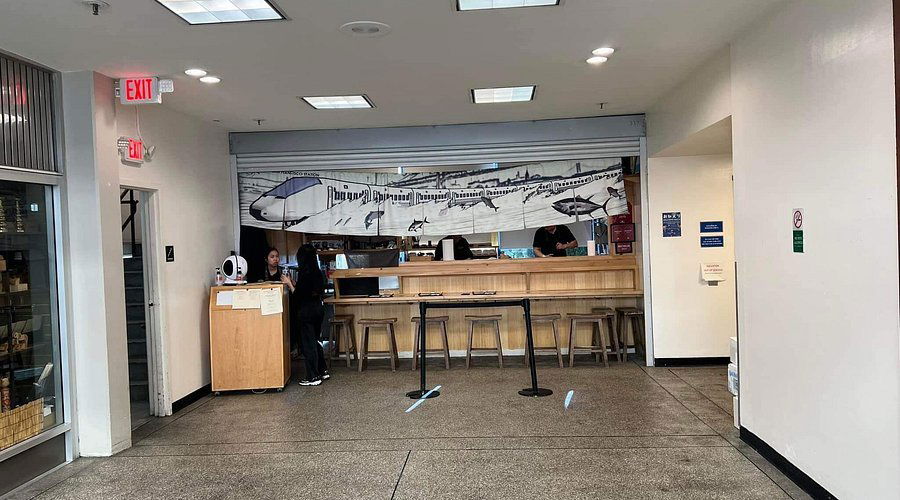
Imagine settling into a quiet corner of Japantown on a weekend morning, the Post Street energy still unhurried outside, and having a Japanese meal that feels considered rather than rushed. That is the register Oma San Francisco Station operates in. Situated inside the Japantown mall complex at 1737 Post Street, it is the kind of address that rewards those who already know where they are going — not a destination that announces itself from the street. For a special occasion where the mood matters as much as the food, that low-key atmosphere is a genuine asset. There is no performative theatre here, no parade-of-courses showmanship. The room is calm, which makes it a strong choice for a date, a quiet birthday lunch, or a business meal where you actually want to hear each other.
The cuisine type is Japanese, and the Michelin Plate recognition signals technically grounded cooking rather than a casual sushi-and-noodle operation. In the Michelin vocabulary, a Plate denotes a restaurant the inspectors regard as making good food — it sits below a Star but above the noise of the unrecognised field. Two consecutive Plates suggest a kitchen that is consistent, not just having a good year. For context, achieving that consistency puts Oma in company with venues like Iyasare and Izakaya Rintaro, both of which occupy the mid-to-upper tier of San Francisco's Japanese dining scene at comparable or slightly higher price points.
The brunch and weekend service angle matters here. Japanese restaurants at this price level in San Francisco often concentrate their energy on dinner, leaving their daytime offer as an afterthought. Oma's Japantown location, drawing from a neighbourhood with genuine cultural density, suggests the daytime service is part of its identity rather than a quiet filler slot. For a weekend morning or early afternoon occasion, that consistency matters more than a flashier average with fewer data points.
Where Oma distinguishes itself from the $$$$ tier is in the transaction itself. At venues like Nisei or Gozu, you are committing to a format as much as a meal, tasting menus, omakase counters, and two-hour minimums that set high expectations on both sides. Oma at $$$ gives you Michelin-recognised quality without that level of structural commitment. That is a meaningful difference if you are planning a celebration where some guests may not be adventurous eaters, or a business lunch where you need control over the pace.
For international comparison, Oma occupies a tier below the multi-starred Japanese institutions you would find in Tokyo, Myojaku and Azabu Kadowaki both operate at a different altitude, but within San Francisco, the Michelin Plate at this price point is a strong value signal. Domestically, if you are comparing the broader fine-dining spectrum, think of Oma as offering the disciplined, ingredient-focused approach of a Japanese kitchen at a price that does not require the same pre-dinner justification as The French Laundry in Napa or Smyth in Chicago.
Noise level and atmosphere deserve specific attention if you are booking for a special occasion. Japantown mall settings can vary considerably in their acoustic character, and Oma's calm register, suggested by its consistent reviews and the cultural tone of the neighbourhood, points toward a room where conversation is possible. That is not guaranteed at louder Japanese dining rooms where shared plates and an izakaya format create a livelier but less intimate atmosphere. If quiet focus is what the occasion requires, Oma is the better call over higher-energy alternatives.
Booking is rated moderate difficulty. At $$$ and with consistent Michelin recognition, Oma will fill on weekends, particularly for the brunch and midday slots that align with its neighbourhood profile. Plan ahead by at least one to two weeks for weekend bookings. For weekday lunches, shorter lead times are likely sufficient, though the absence of published hours in current records means confirming directly before planning around a specific window.
For those building a full San Francisco trip, see our full San Francisco restaurants guide, our full San Francisco hotels guide, our full San Francisco bars guide, our full San Francisco wineries guide, and our full San Francisco experiences guide.
Quick reference:
How It Compares
Planning details
- Location
- 1737 Post St #337, San Francisco, CA 94115
- Reservations
- Book on the venue's website
- Website
- omasfstation.com
The take
The Take
The Vibe
Oma San Francisco Station lives quietly within Japantown, favoring considered craft over theatricality. The writing highlights its neighborhood context — covered malls and residential blocks that damp street bustle — and the restaurant’s credentials: consecutive Michelin Plate recognitions and a strong Google rating. That combination makes Oma feel quietly sophisticated rather than flashy; it reads as a refined, neighborhood counter that relies on technique and consistency. The overall impression is low-key and focused, a place where the food and the credentials do the speaking, not a scene-driven dining room.
Best For
Oma is best for dinners that prioritize craft and calm over spectacle. Positioned in a middle tier of San Francisco’s Japanese scene, it offers a considered meal at a $$$ price point: more elevated than casual sushi spots but short of the city’s highest-end multi-course houses. The omakase elements and Michelin Plate recognition point to a guest experience centered on tasting sequences and precise execution, making it suited to couples or small groups seeking a quiet, elevated evening rather than a loud night out.
Ordering Tips
Menus and signatures named in the description make ordering straightforward: the Mizuho Omakase and the Tsubame Menu signal an omakase-style approach, while Sakura Nigiri highlights a nigiri-focused option. Expect the restaurant to operate around counter-format service and curated sequences rather than à la carte spectacle. If you want the full expression of the kitchen’s work, opt for the omakase-style offering; the menu names provided are the clearest indicators of what to order here.
Venue details
Ambiance
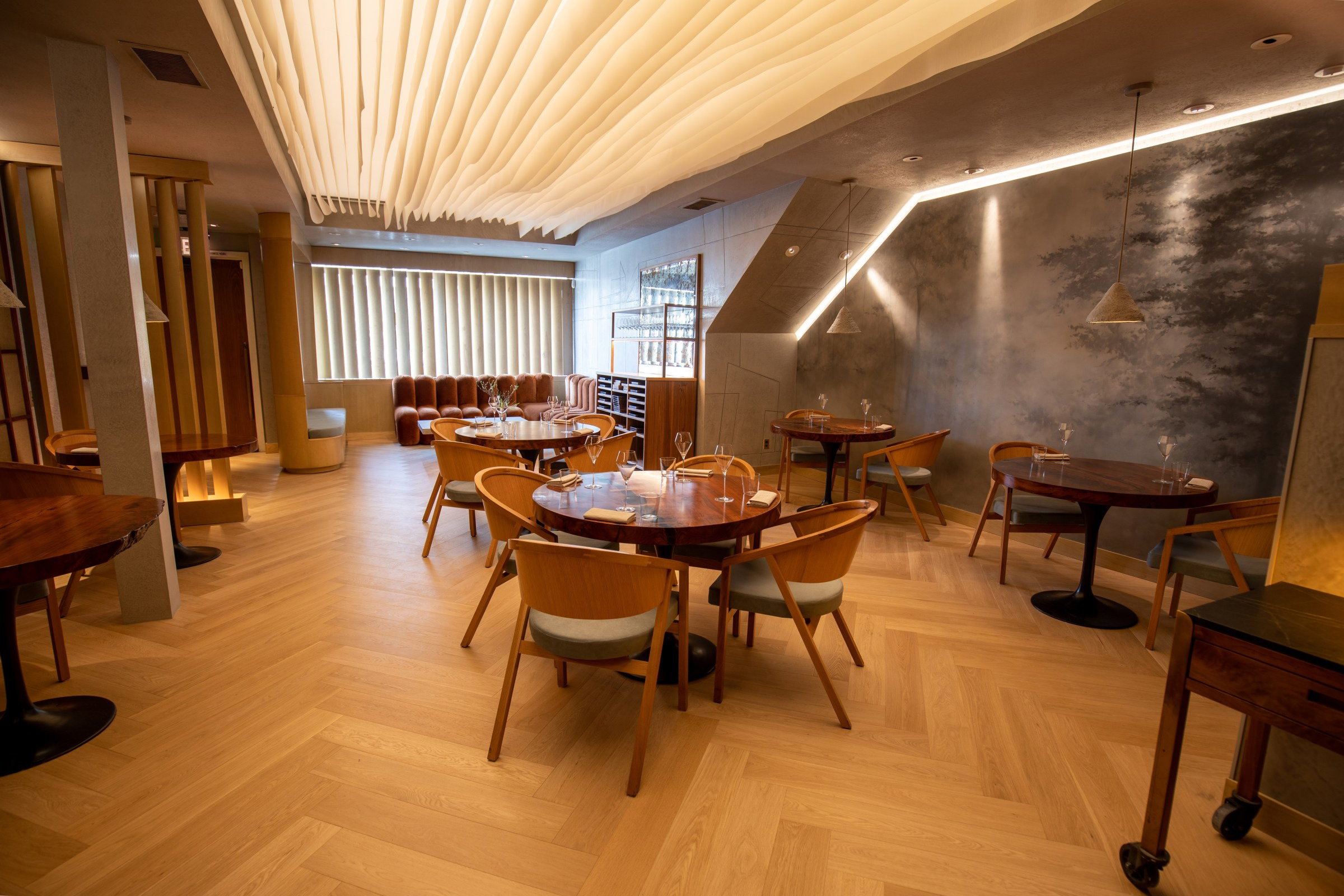
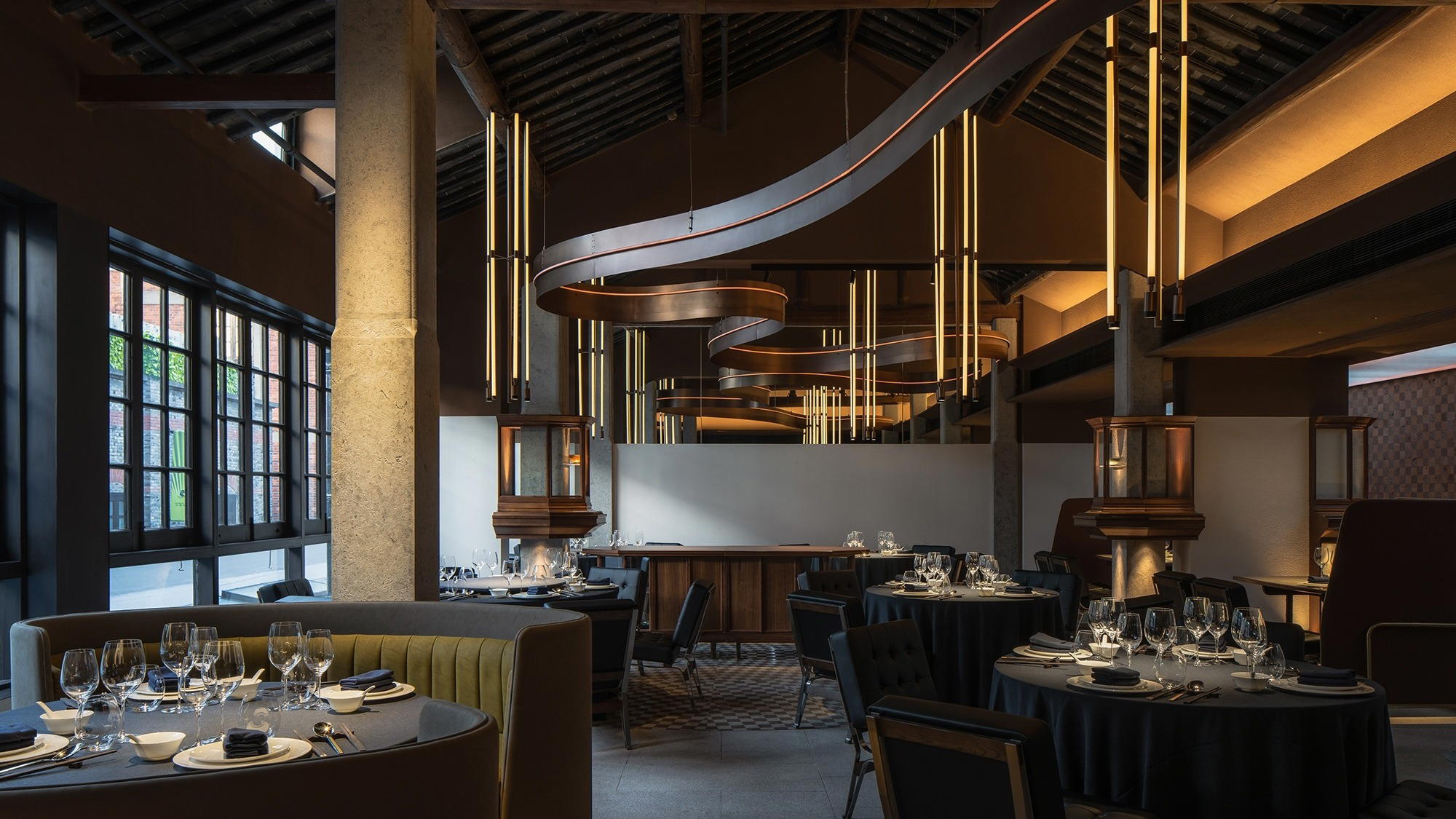
Minimalist space with eight stools at a wooden counter, cozy and intimate like a small Japanese metro station eatery, focusing on culinary artistry.
Tags
Vibe
Best For
Experience
At the Table
- Dress Code
- Smart Casual
- Noise Level
- Conversational
- Service Style
- Omakase Bar
- Meal Pacing
- Standard
- Capacity
- Intimate
- Kitchen
- Traditional
- Menu Format
- Omakase, Counter dining
- Wine Program
- Standard
- Drinks Focus
- Sake
- Dietary
- Pescatarian friendly
Signature Dishes
- Mizuho Omakase
- Sakura Nigiri
- Tsubame Menu
Know before you go
Know Before You Go
- Getting there
- 1737 Post St #337, San Francisco, CA 94115
Planning details
Location
Recognition and awards
Also consider
Also Consider
- Lazy Bear, Progressive American, Contemporary, $$$$
- Atelier Crenn, Modern French, Contemporary, $$$$
- Benu, French - Chinese, Asian, $$$$
- Quince, Italian, Contemporary, $$$$
- Saison, Progressive American, Californian, $$$$
Restaurant context
Oma San Francisco Station competes in a different category from most of San Francisco's celebrated dining rooms. Lazy Bear, Atelier Crenn, Benu, Quince, and Saison all sit at $$$$, carry Michelin Stars, and require significant advance planning and financial commitment. Oma's Michelin Plate at $$$ positions it as a meaningfully different proposition: recognised cooking at a price point that does not demand the same level of pre-booking ceremony or per-head spend.
If your priority is the highest technical ceiling in San Francisco, the $$$$ tier wins, Benu's three Michelin Stars and Atelier Crenn's two put them in a different conversation from a Plate-level venue. But if you are booking a special occasion where experience quality matters and you do not need a tasting menu format with wine pairings to justify the evening, Oma gives you Michelin-validated consistency at roughly half the price. Lazy Bear and Saison in particular require early reservation windows of four to six weeks minimum; Oma at moderate difficulty is a more attainable booking for a trip planned on shorter notice.
Within San Francisco's Japanese dining segment specifically, Oma is the most accessible Michelin-recognised option at this price tier. For those prepared to spend at the $$$$ level for Japanese cuisine, Nisei is the upgrade path. For a more casual Japanese evening with a livelier room, Izakaya Rintaro or Iyasare serve different moods. Oma sits in the middle: more focused and formal than an izakaya, less expensive and structurally demanding than the starred tier.
Around this place
Discover more on Pearl
Unlock the full Oma San Francisco Station guide in Pearl, including awards, comparisons, FAQs, planning details, and nearby places.
Compare Oma San Francisco Station
| Venue | Cuisine | Awards | Booking Difficulty |
|---|---|---|---|
| Oma San Francisco Station | Japanese | Michelin Plate 20262026 Michelin Plate2025 Michelin Plate2024 Michelin Plate | Moderate |
| Lazy Bear | Progressive American, Contemporary | 2026 San Francisco Chronicle Top 100 Bay Area Restaurants · #100Star Wine Lists 20262026 OAD Top Restaurants in North America Highly Recommended2026 Wine Spectator Grand Award2026 Michelin 2 Stars2026 La Liste Top Restaurants2025 World's 50 North America's Best Restaurants · #252025 Robb Report 100 Greatest American Restaurants of the 21st Century · #852025 OAD Top Restaurants in North America Ranked · #176 | Unknown |
| Atelier Crenn | Modern French, Contemporary | 2026 San Francisco Chronicle Top 100 Bay Area Restaurants · #292026 North America's 50 Best Restaurants · #442026 OAD Top Restaurants in North America Ranked · #672026 Forbes 5-Star2026 La Liste Top Restaurants2026 Michelin 3 Stars2026 Les Grandes Tables du Monde Members2025 Robb Report 100 Greatest American Restaurants of the 21st Century · #312025 World's 50 North America's Best Restaurants · #46 | Unknown |
| Benu | French - Chinese, Asian | 2026 OAD Top Restaurants in North America Ranked · #122026 San Francisco Chronicle Top 100 Bay Area Restaurants · #172026 North America's 50 Best Restaurants · #33Star Wine Lists 20262026 Forbes 5-Star2026 Michelin 3 Stars2026 La Liste Top Restaurants2025 Robb Report 100 Greatest American Restaurants of the 21st Century · #62025 OAD Top Restaurants in North America Ranked · #7 | Unknown |
| Quince | Italian, Contemporary | Star Wine Lists 2026 · #12026 San Francisco Chronicle Top 100 Bay Area Restaurants · #182026 OAD Top Restaurants in North America Ranked · #492026 Forbes 4-Star2026 James Beard Award Nominees2026 James Beard Award Semifinalists2026 New York Times Best Restaurants in San Francisco2026 Relais Chateaux Restaurants2026 James Beard Award Winners | Unknown |
| Saison | Progressive American, Californian | Michelin Guide France & Monaco 20262025 Michelin Plate | Unknown |
















Comparing your options in San Francisco for this tier.
FAQ
Frequently Asked Questions
Is Oma San Francisco Station good for a special occasion?
Yes, with caveats. Two consecutive Michelin Plate recognitions (2024 and 2025) signal consistent kitchen quality, which is what you need when a meal has to deliver. At $$$, it sits in a price range that feels occasion-worthy without the four-figure commitment of Benu or Saison. Book a table rather than walk in, and the setting should hold up for a birthday or anniversary dinner.
What should a first-timer know about Oma San Francisco Station?
It's a Michelin Plate-recognised Japanese restaurant inside Japantown's Post Street complex, so the location is a shopping-centre address rather than a standalone storefront. That context matters: arrival logistics are different from a typical restaurant street entrance. First-timers should budget $$$ per head and treat this as a neighbourhood-anchored Japanese meal rather than a grand-occasion tasting-menu format.
Is the tasting menu worth it at Oma San Francisco Station?
The venue data doesn't confirm whether Oma runs a tasting menu format, so committing to that expectation before you visit would be premature. What the two Michelin Plate awards do confirm is a kitchen operating at a consistent standard for Japanese cuisine at the $$$ price point. If a structured multi-course format is non-negotiable, Omakase Room by Omo or similar dedicated omakase venues are safer bets for that specific experience.
Does Oma San Francisco Station handle dietary restrictions?
Specific dietary accommodation policies aren't documented in available venue data, so the practical move is to contact Oma directly before booking. Japanese kitchens often work with dashi, shellfish, and gluten-containing soy sauce as baseline ingredients, so flagging restrictions early matters more here than at Western-format restaurants. Don't assume flexibility without confirming.
What are alternatives to Oma San Francisco Station in San Francisco?
For Japanese cuisine at a comparable or higher price point, Omakase Room by Omo is the more format-intensive option if you want a full counter experience. If you're open to leaving the Japanese category, Lazy Bear and Atelier Crenn are San Francisco's strongest arguments for creative tasting-menu dining at similar or higher spend. Benu and Quince both carry Michelin stars and operate at a step up in both price and formality from Oma's Plate recognition.