Landrace
North Downtown, San Antonio
Restaurant in San Antonio, United States
 Book with Pearl
The Read
Price
$50–100per person
Dress
Smart Casual
Why go
Landrace is worth considering when central San Antonio convenience is the main requirement, especially for travelers building dinner around the downtown corridor. Treat it as a location-led option rather than a clearly documented destination booking, and compare it with nearby peers if the night calls for a defined cuisine, price tier, or special-occasion setting.
About Landrace
Landrace is a San Antonio venue with a smart casual dress code. For other details like cuisine, price, service format, awards, or menu structure, it is best to confirm directly with the venue.
Before making plans, use the San Antonio dining guide for a broader scan of local options. If the night also involves drinks or a stay, the San Antonio bars guide and San Antonio hotels guide can help frame the rest of the plan.
Confirm Details Directly
Landrace has a smart casual dress code. For anything more specific, including menu, price, hours, dietary accommodation, group setup, or special-occasion fit, confirm with the venue directly before committing.
Quick reference: consider Landrace as a San Antonio option, and compare it with choices such as Bohanan's Prime Steaks & Seafood, Cavalier, Stout's Signature, Copper Kitchen, and Gallery on the Park when deciding what best fits the night.
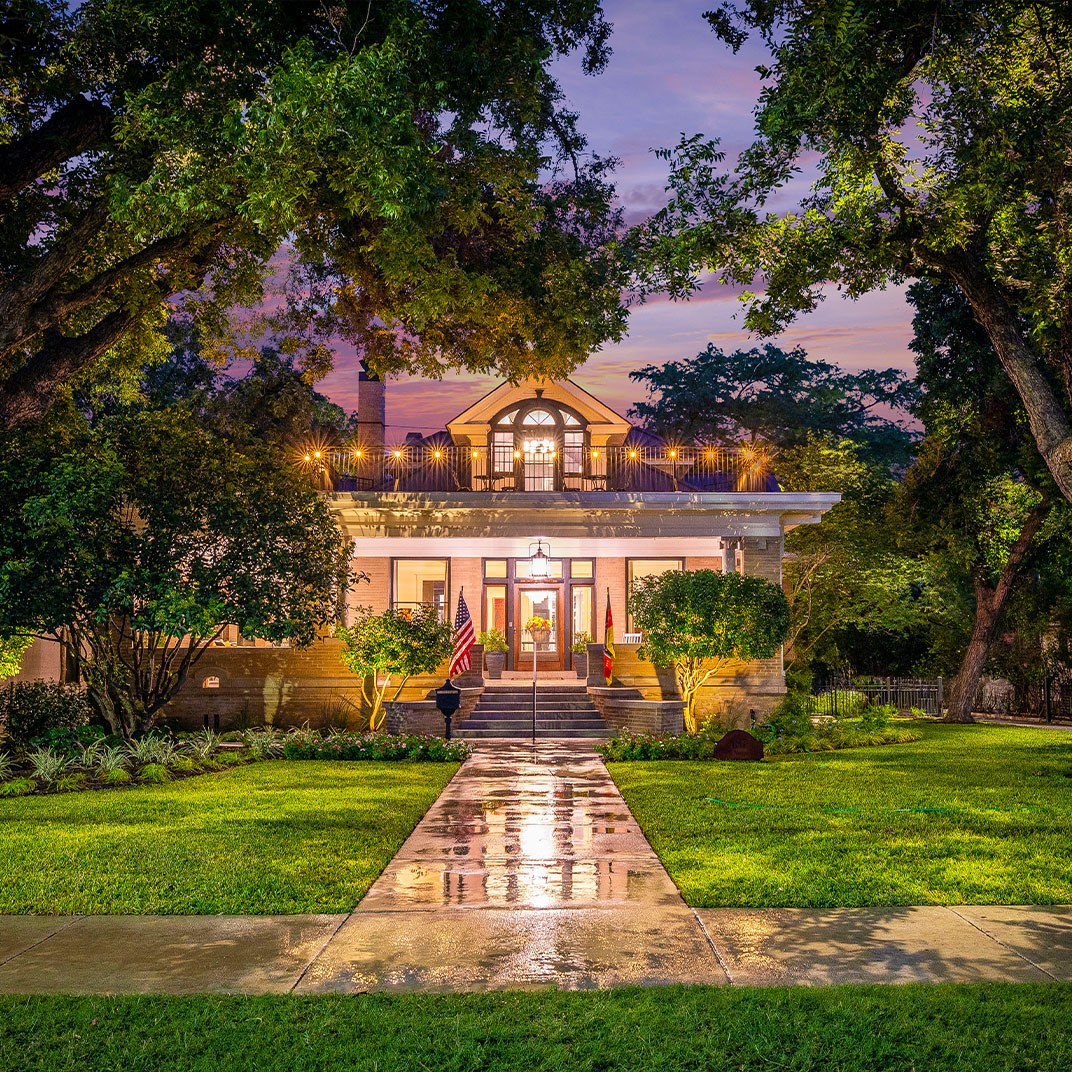
Located inside
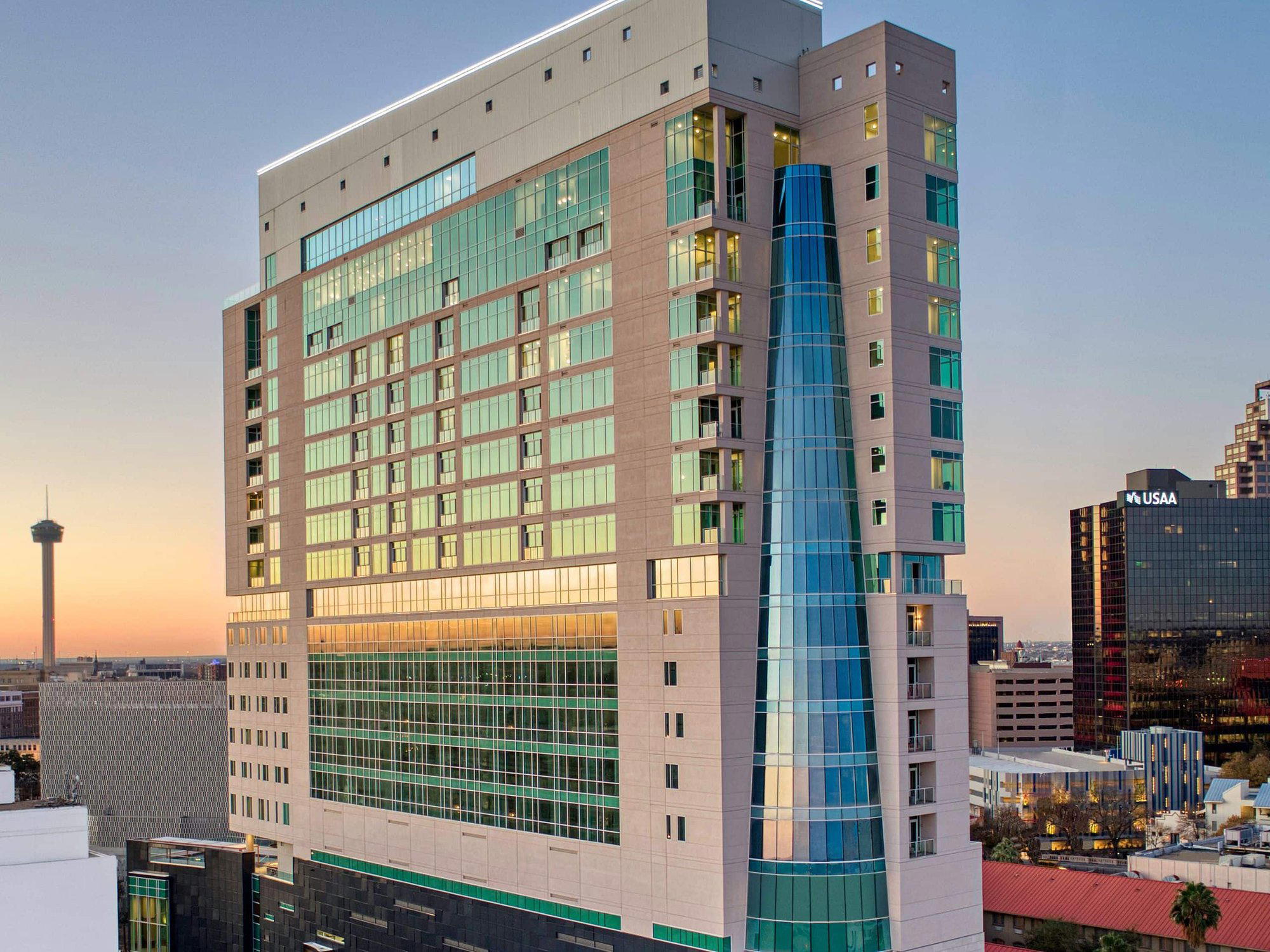 HotelThompson San Antonio - RiverwalkFull hotel guide
Planning details
- Location
- 111 Lexington Ave, San Antonio, TX 78205
- Reservations
- Book on OpenTable
- Website
- opentable.com/restaurant/profile/1153735
- Phone
- +12109426026
The take
The Take
The Vibe
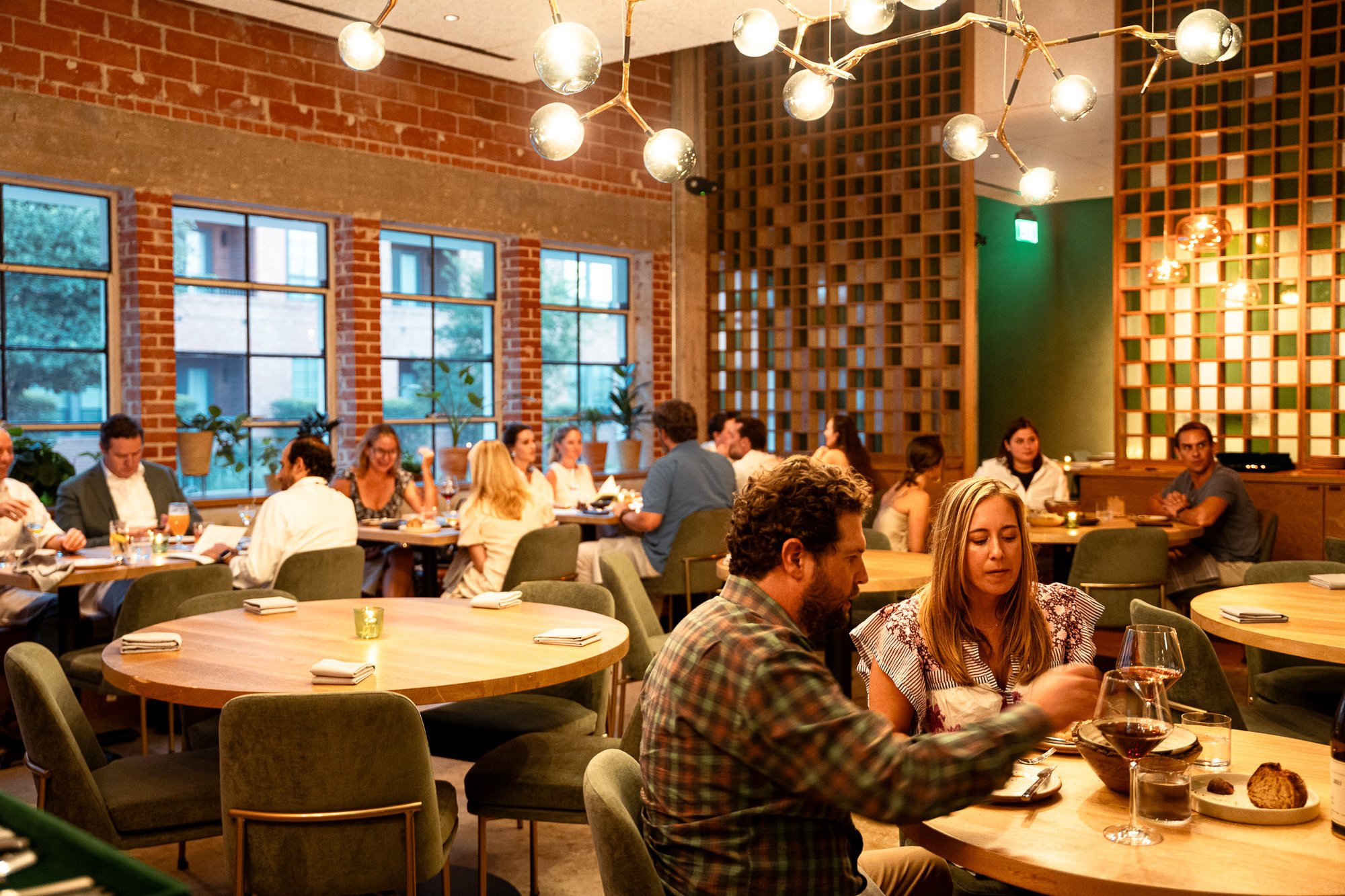
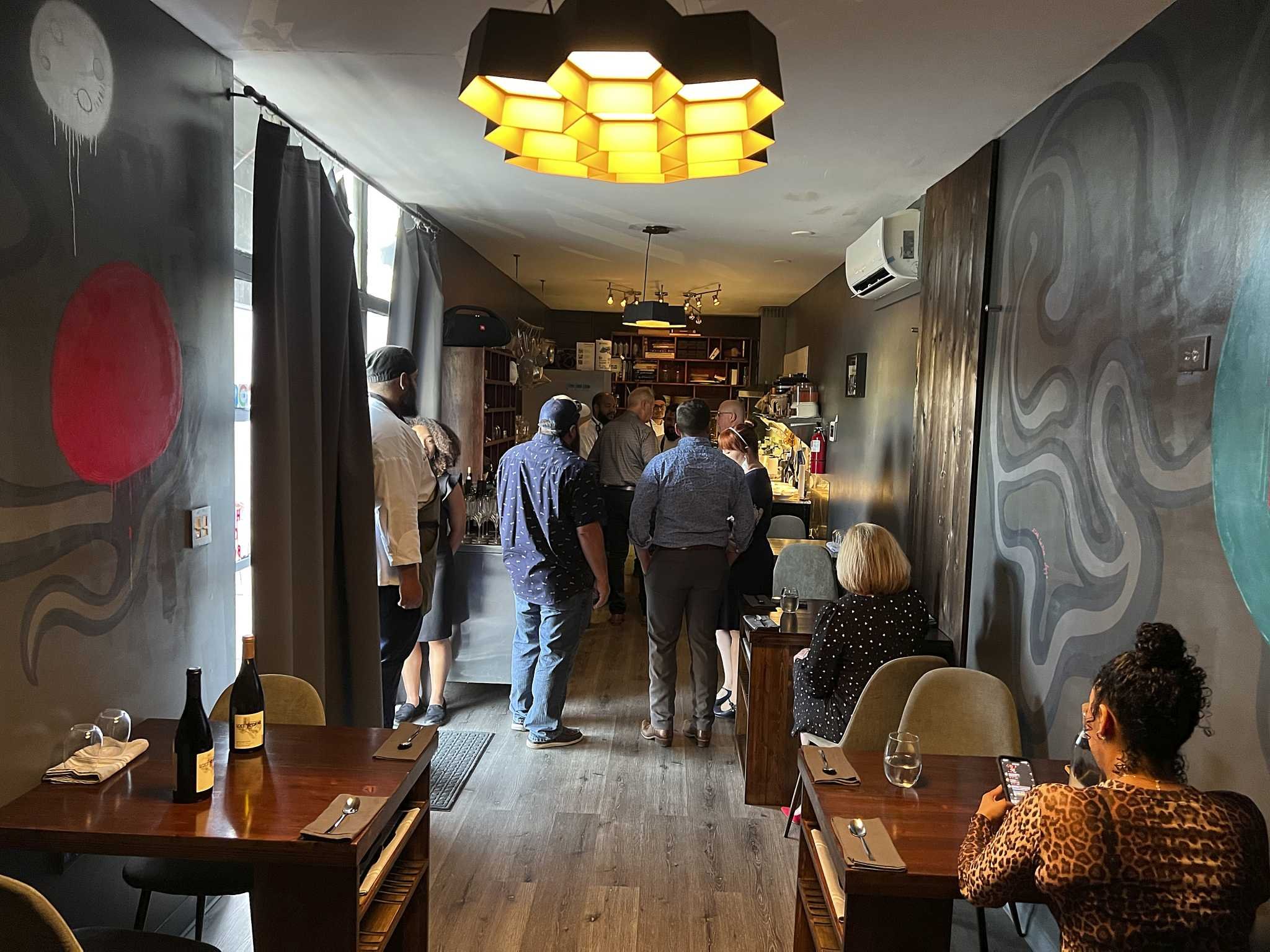
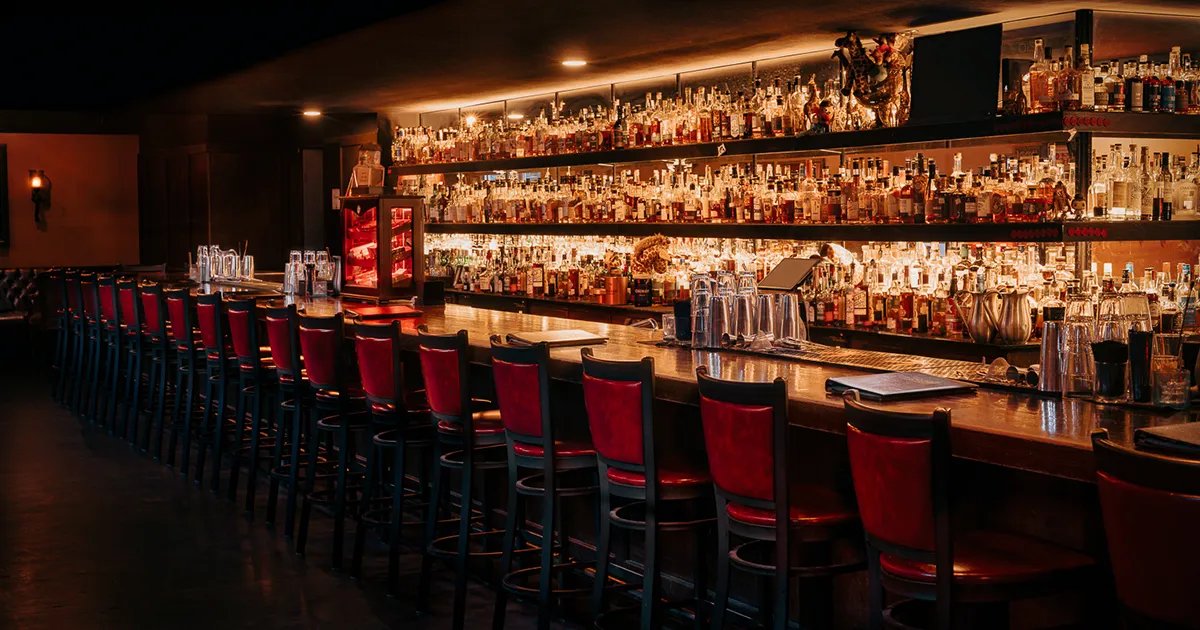
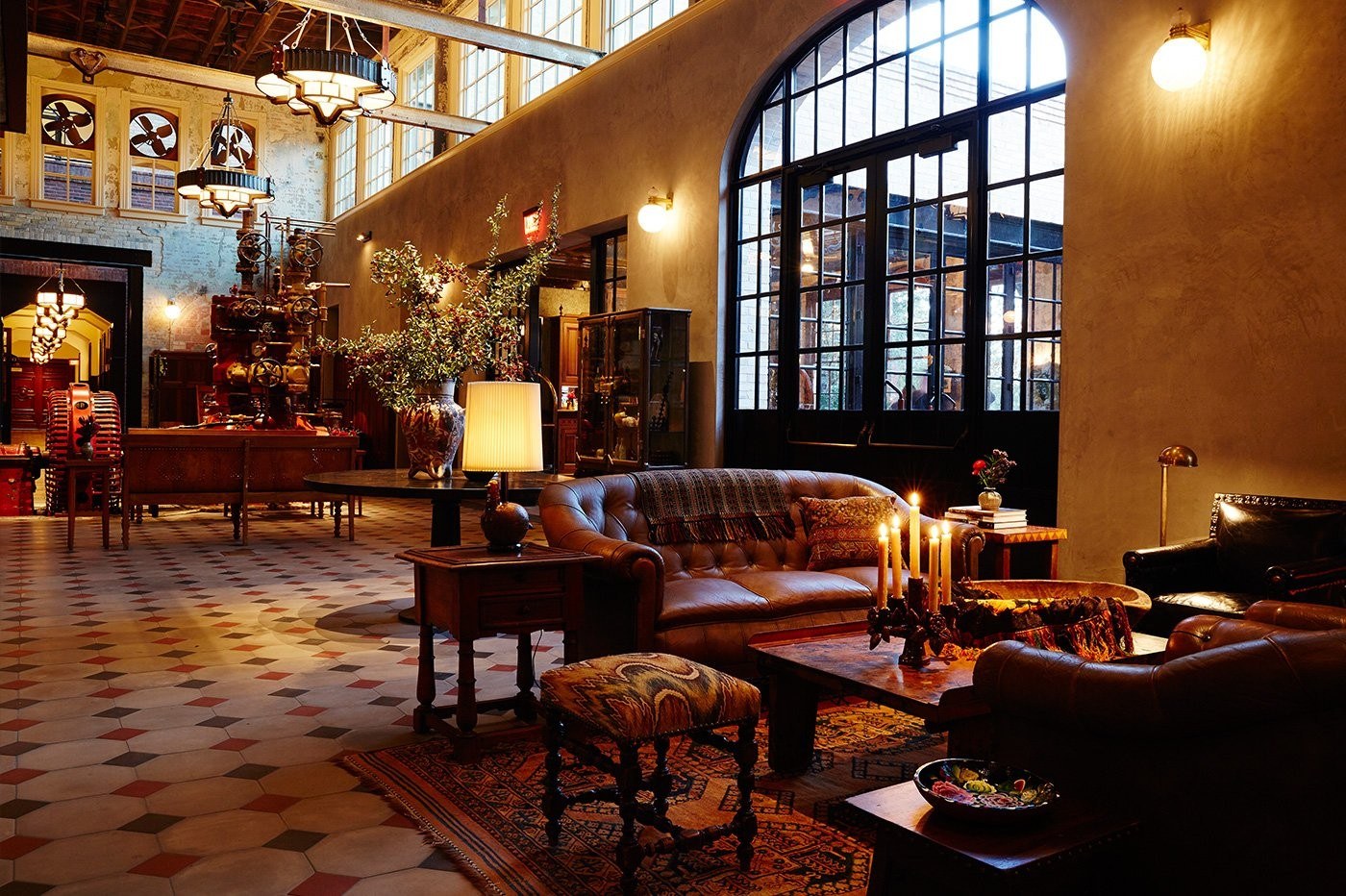
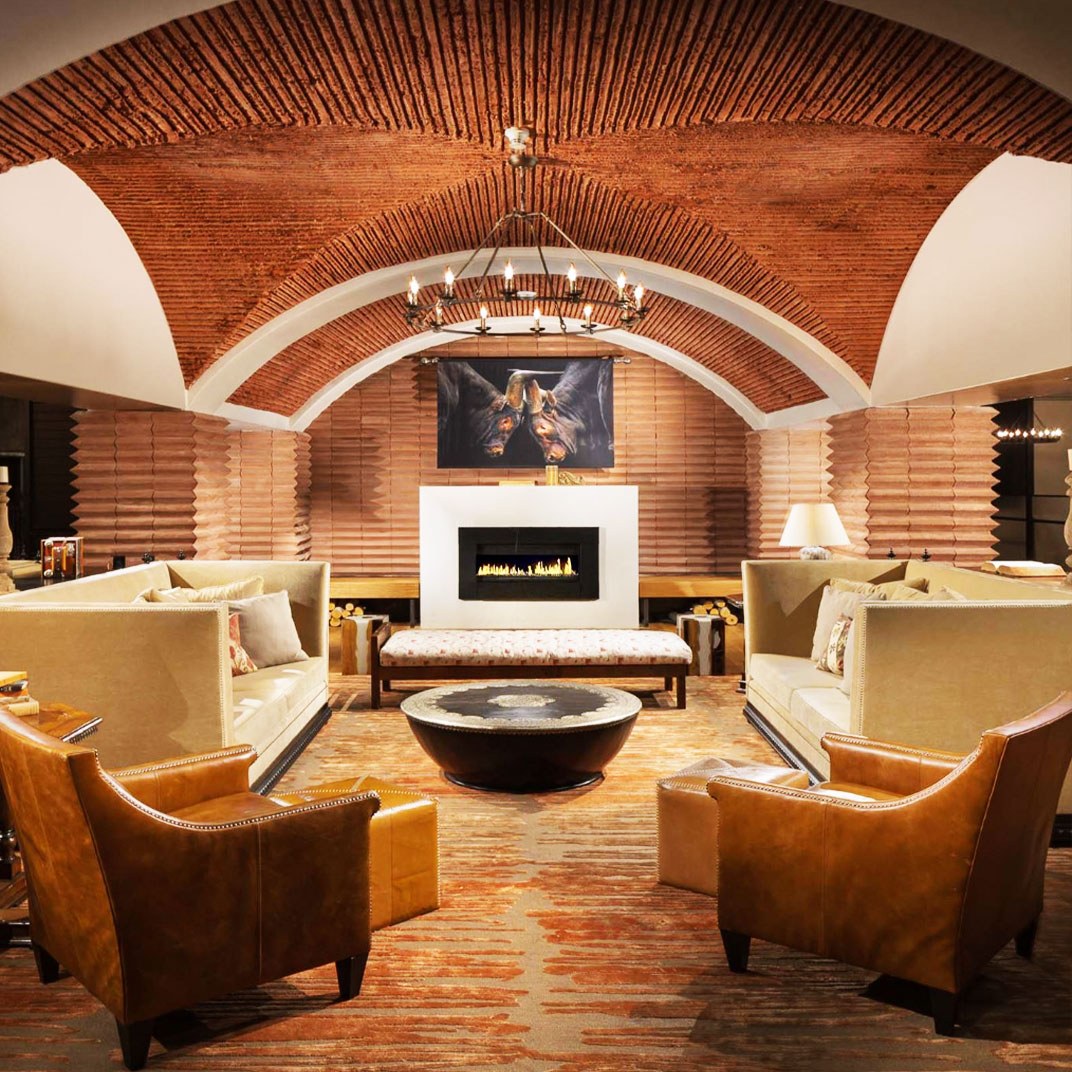
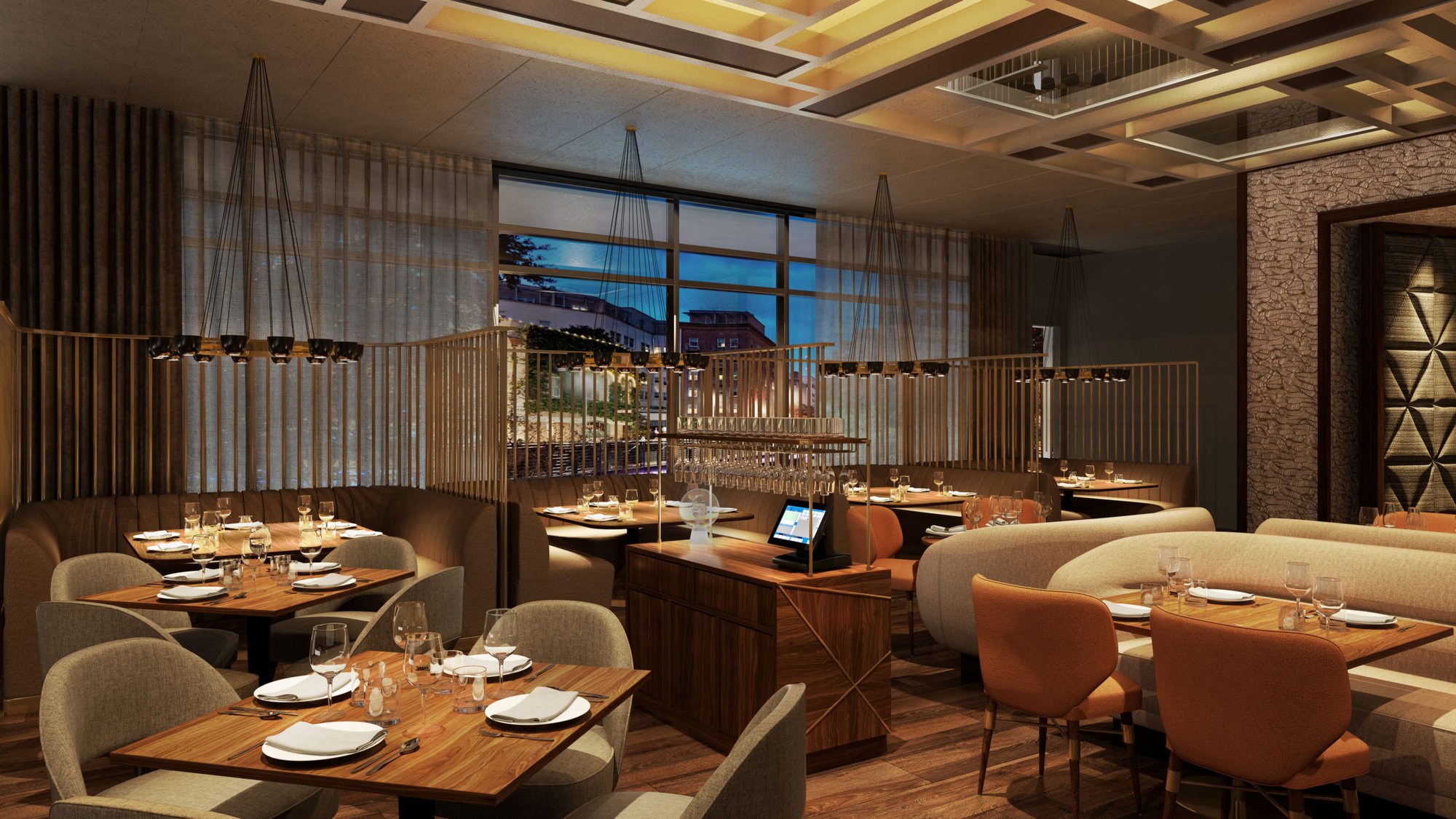
Landrace presents a quiet, sophisticated take on downtown dining, trading spectacle for craft. The room is designed to foreground the restaurant’s farm-driven sourcing—so much so that the philosophy is legible in the space before a plate arrives. It leans into regional identity and considered sourcing rather than tourist-facing flash, giving the dining room a focused, intimate feel. Expect a contemporary fine-dining environment where design and provenance are aligned, and where the atmosphere supports attentive service and seasonal cooking rather than loud or high-energy theatrics.
Best For
This is a dinner destination for occasions that prize thoughtful cuisine and considered design. It suits date nights and business dinners where conversation and provenance matter, and it works well for special occasions that call for a regionally minded fine-dining experience. Its location near the cultural district also makes it a practical pre-theater stop. Overall, Landrace is best for diners seeking a polished evening meal centered on South Texas ingredients and a calm, purposeful dining room.
Ordering Tips
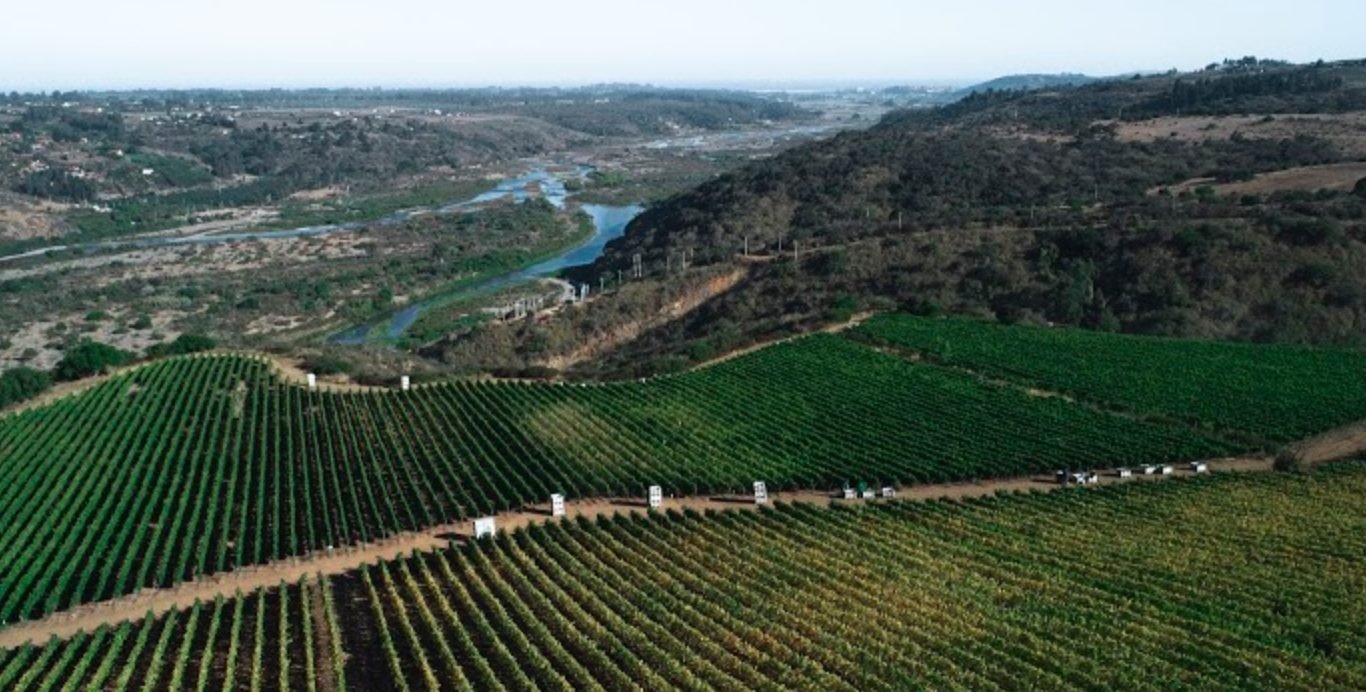
Landrace emphasizes seasonal, farm-driven cooking, so ask the server about what’s freshest and how the menu reflects current harvests. Signature dishes such as the Wagyu beef burger, chicken club sandwich and lobster mac ’n’ cheese give a sense of the menu’s balance between elevated comfort and refined techniques—consider sharing plates to sample contrasts. Because the menu evolves with local supply chains, prioritize seasonal recommendations from the team to experience the restaurant’s strongest, most site-specific offerings.
Venue details
Ambiance
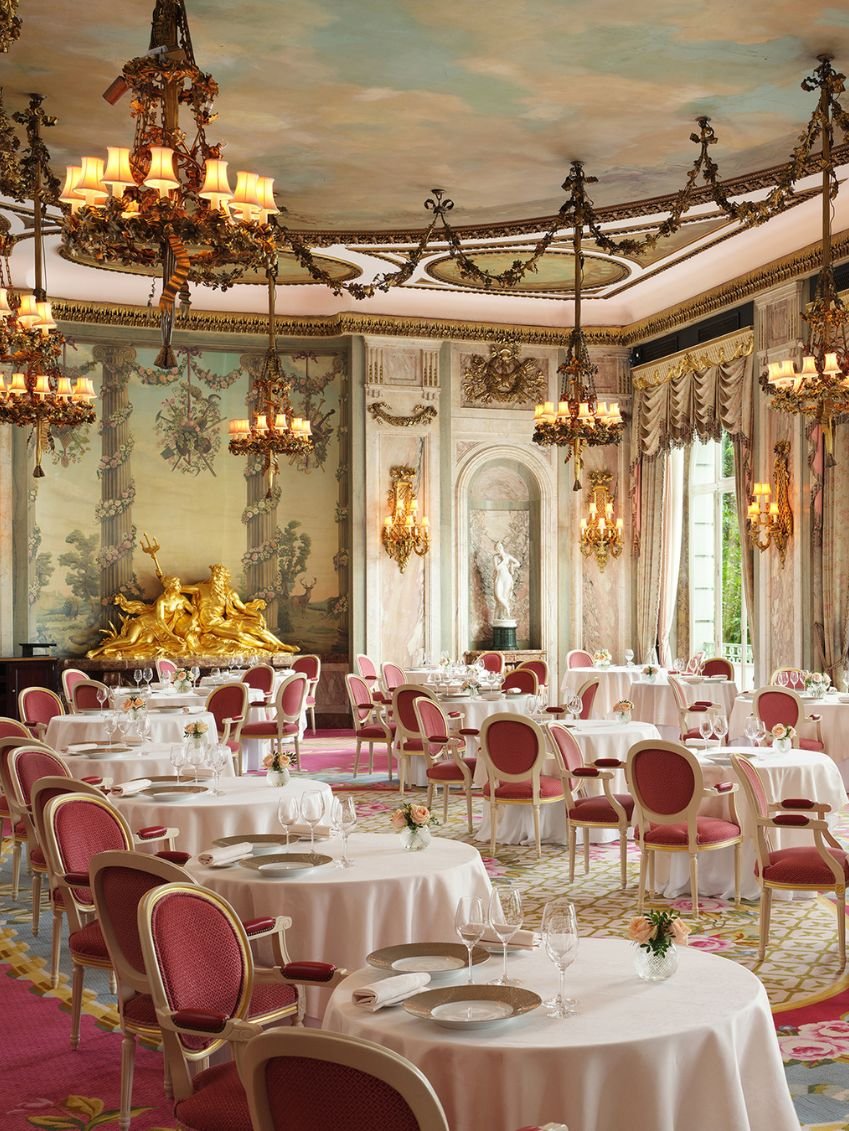
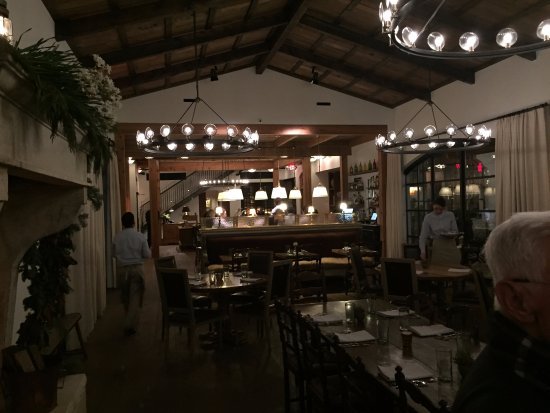
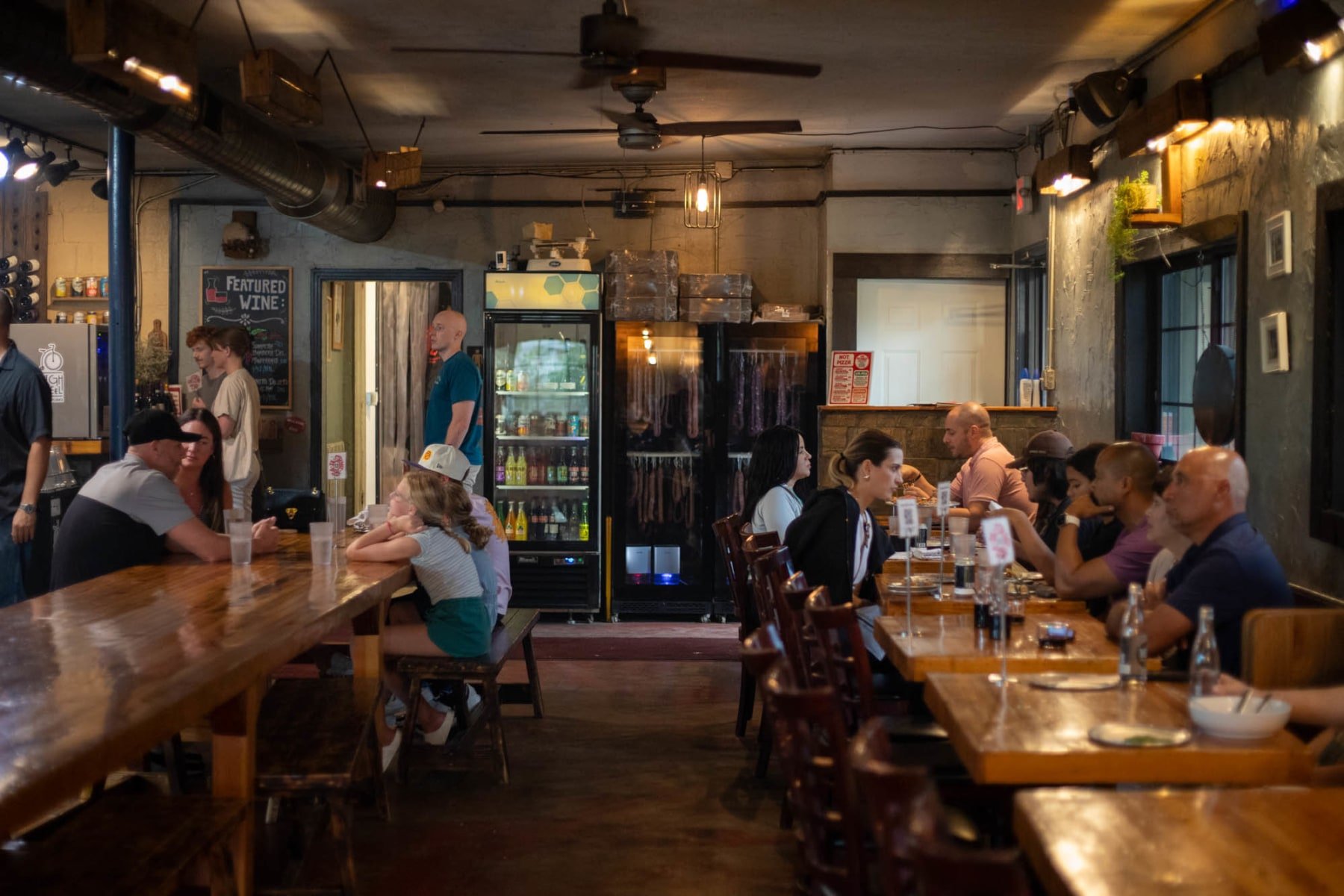
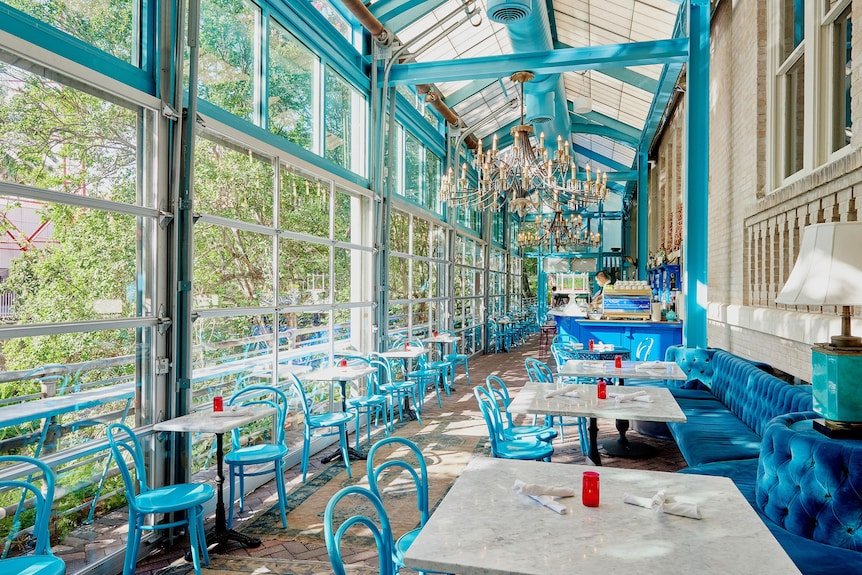
Effortlessly cool Texas-inspired atmosphere with handsome rustic touches and scenic River Walk views through soaring windows.
Tags
Vibe
Best For
Experience
Sourcing
View
Accessibility
At the Table
- Dress Code
- Smart Casual
- Noise Level
- Conversational
- Service Style
- Upscale Casual
- Meal Pacing
- Standard
- Capacity
- Medium
- Kitchen
- Modern
- Menu Format
- A la carte
- Drinks Focus
- Craft cocktails
- Dietary
- Vegetarian friendly
- Private Dining
- Available
- Outdoor Seating
- Yes
Signature Dishes
- Wagyu beef burger
- chicken club sandwich
- lobster mac'n cheese
Know before you go
Know Before You Go
- Getting there
- 111 Lexington Ave, San Antonio, TX 78205
Planning details
Location
111 Lexington Ave, San Antonio, TX 78205 · Directions
Also consider
Also Consider
- Stout's Signature, Notable alternative
- Copper Kitchen, Notable alternative
- Gallery on the Park, Notable alternative
- Cavalier, Notable alternative
- Bohanan's Prime Steaks & Seafood, Notable alternative
Restaurant context
How Landrace compares in San Antonio
Landrace is the practical downtown choice when location is doing much of the work. Bohanan's Prime Steaks & Seafood is the cleaner pick for a steakhouse-style special occasion, while Cavalier is the better cross-shop if the night needs a hotel-dining feel rather than a purely restaurant-led plan.
For diners comparing value, Copper Kitchen and Gallery on the Park are worth checking before committing, because they sit in the same San Antonio decision set without forcing the steakhouse brief. Stout's Signature is the alternative to consider when the meal needs to feel more planned than casual.
If booking difficulty matters, start with Landrace for the easier, central option, then move to Bohanan's for a more formal night or Cavalier for a polished hotel-adjacent evening. The tradeoff is clarity: Landrace is convenient, while the peers give diners a more defined reason to choose them.
Around this place
Discover more on Pearl
Unlock the full Landrace guide in Pearl, including awards, comparisons, FAQs, planning details, and nearby places.
Compare Landrace
| Venue | Location | Awards |
|---|---|---|
| Landrace | San Antonio | No published awards |
| Stout's Signature | San Antonio | No published awards |
| Copper Kitchen | San Antonio | No published awards |
| Gallery on the Park | San Antonio | No published awards |
| Cavalier | San Antonio | No published awards |
| Bohanan's Prime Steaks & Seafood | San Antonio | No published awards |
How Landrace San Antonio compares with similar nearby venues.
FAQ
Frequently Asked Questions
How far ahead should I book Landrace?
If your timing matters, contact Landrace directly and reserve as early as you reasonably can.
What should a first-timer know about Landrace?
Landrace is in San Antonio and has a smart casual dress code. Do not assume a specific cuisine, price point, menu format, or award status without checking directly with the venue.
What are alternatives to Landrace?
Other options to compare include Bohanan's Prime Steaks & Seafood, Cavalier, Stout's Signature, Copper Kitchen, and Gallery on the Park. Check current details for each venue before deciding.
Is Landrace good for a special occasion?
Landrace may be worth considering for a San Antonio night out. Compare it with Bohanan's Prime Steaks & Seafood, Cavalier, Copper Kitchen, Gallery on the Park, or Stout's Signature based on your own priorities and confirmed availability.