Casa Da Vó Gastronomia
Centro, Ponta Grossa
Restaurant in Ponta Grossa, Brazil
 Book with Pearl
The Read
Dress
Casual
Why go
A practical Centro lunch pick in Ponta Grossa, Casa Da Vó Gastronomia is worth considering when convenience and daytime timing matter more than a defined drinks program or special-occasion polish. Cross-shop Paco Pizza for a group-friendly pizza format, Integralle Comida Saudável for a health-focused brief, and Creperia Pit Stop for casual snacks.
About Casa Da Vó Gastronomia
Casa Da Vó Gastronomia in Ponta Grossa is easiest to plan around by its posted hours: late morning to early afternoon Monday through Saturday, with Sunday closed. The confirmed practical details are limited, so the safest read is simple: choose it when the listed midday schedule and casual dress code fit your day.
A midday choice in Ponta Grossa
Casa Da Vó Gastronomia makes the clearest case for diners who need a contained daytime window in Ponta Grossa. The main decision point is timing: Monday through Friday hours are listed from 11 AM to 2 PM, Saturday from 11:30 AM to 3 PM, and Sunday is closed.
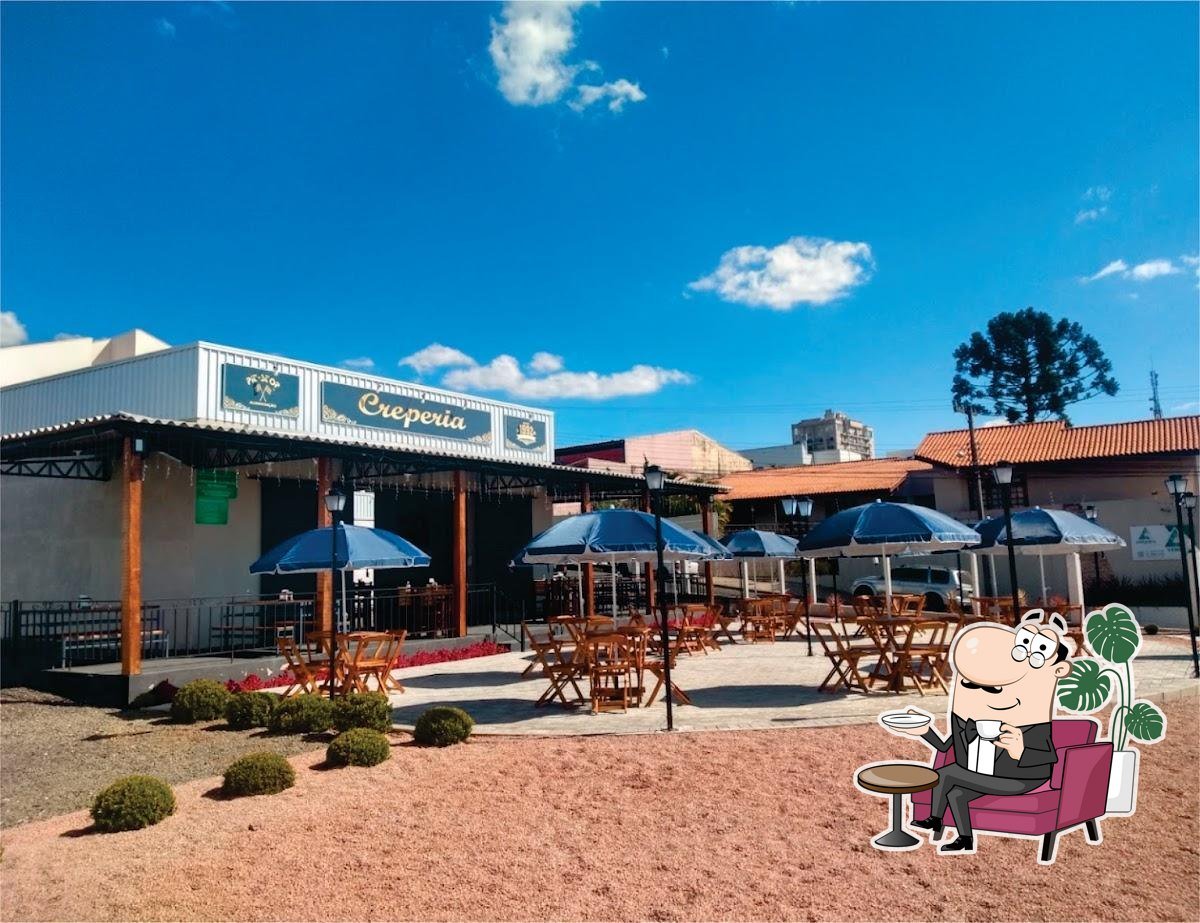
If the group wants another casual option, Creperia Pit Stop - Crepes, Porções e Lanches em Ponta Grossa is one alternative to compare. Paco Pizza is another option to consider.
Who should choose it over nearby casual options
Choose Casa Da Vó Gastronomia when its Ponta Grossa location, casual dress code, and midday hours match the occasion. Because detailed public information is limited here, it is best treated as a practical planning option rather than a page with claims about menu style, price, service format, or special amenities. For another comparison, Integralle Comida Saudável may be worth checking.
The recommendation is narrow but useful: go when the listed hours work for your schedule. Do not build an evening plan around it unless you have confirmed current service directly.
Planning details
- Location
- R. Xavier da Silva, 485 - Centro, Ponta Grossa - PR, 84010-250, Brazil
- Website
- linktr.ee
- Phone
- +5542999940102
The take
The Take
The Vibe
Casa Da Vó presents itself as a neighbourhood anchor that treats everyday family cooking with purposeful attention. The grandmother-house framing signals an intimate, home-informed atmosphere rather than the formality of tasting menus; the copy stresses regional sourcing and time-honoured techniques (fermentation, slow braises and preserved vegetables) that anchor the kitchen in Paraná’s agrarian traditions. The result reads as quietly earnest: a downtown spot that privileges familiar flavors and slow craft over culinary showmanship, appealing to diners who value comfort, provenance and the kind of food people in the city actually grew up eating.
Best For
This is a place built for local gatherings and relaxed family meals. The editorial emphasizes neighbourhood loyalists and home-kitchen traditions, so diners can expect an easygoing setting for weekday dinners or weekend visits with relatives. It’s not pitched as a destination for out-of-town fine-dining pilgrims but as a durable, community-focused restaurant where sharing familiar, regionally rooted dishes is the point. That makes it well suited to family groups, friends catching up, and anyone after an unpretentious, comforting meal in Centro.
Ordering Tips
Focus on preparations that showcase Paraná’s ingredient strengths and traditional techniques: look for dishes that highlight local wheat, maize, pork and poultry and preparations that use fermentation, slow braising or preserved vegetables. Because the kitchen frames home cooking as a discipline, ask staff about regional specials or house-preserved items that reflect settler-era larder techniques. Avoid expecting tasting-menu formality; instead, seek out hearty, ingredient-led plates that emphasize lineage and seasonality.
Venue details
Ambiance
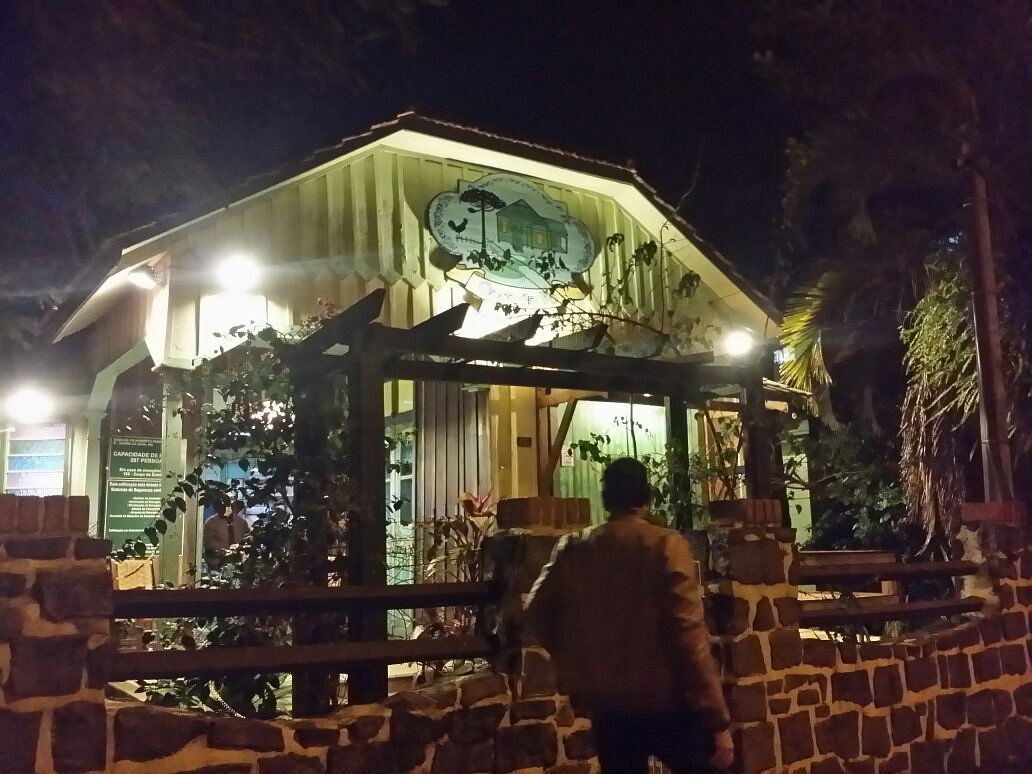
Cozy and family-friendly with a rustic wooden house design evoking home comfort.
Tags
Vibe
Best For
Experience
Sourcing
At the Table
- Dress Code
- Casual
- Noise Level
- Conversational
- Service Style
- Casual
- Meal Pacing
- Standard
- Capacity
- Medium
- Kitchen
- Traditional
- Menu Format
- A la carte
Know before you go
Know Before You Go
- Getting there
- R. Xavier da Silva, 485 - Centro, Ponta Grossa - PR, 84010-250, Brazil
Planning details
Location
R. Xavier da Silva, 485 - Centro, Ponta Grossa - PR, 84010-250, Brazil · Directions
Also consider
Where to go if this does not fit
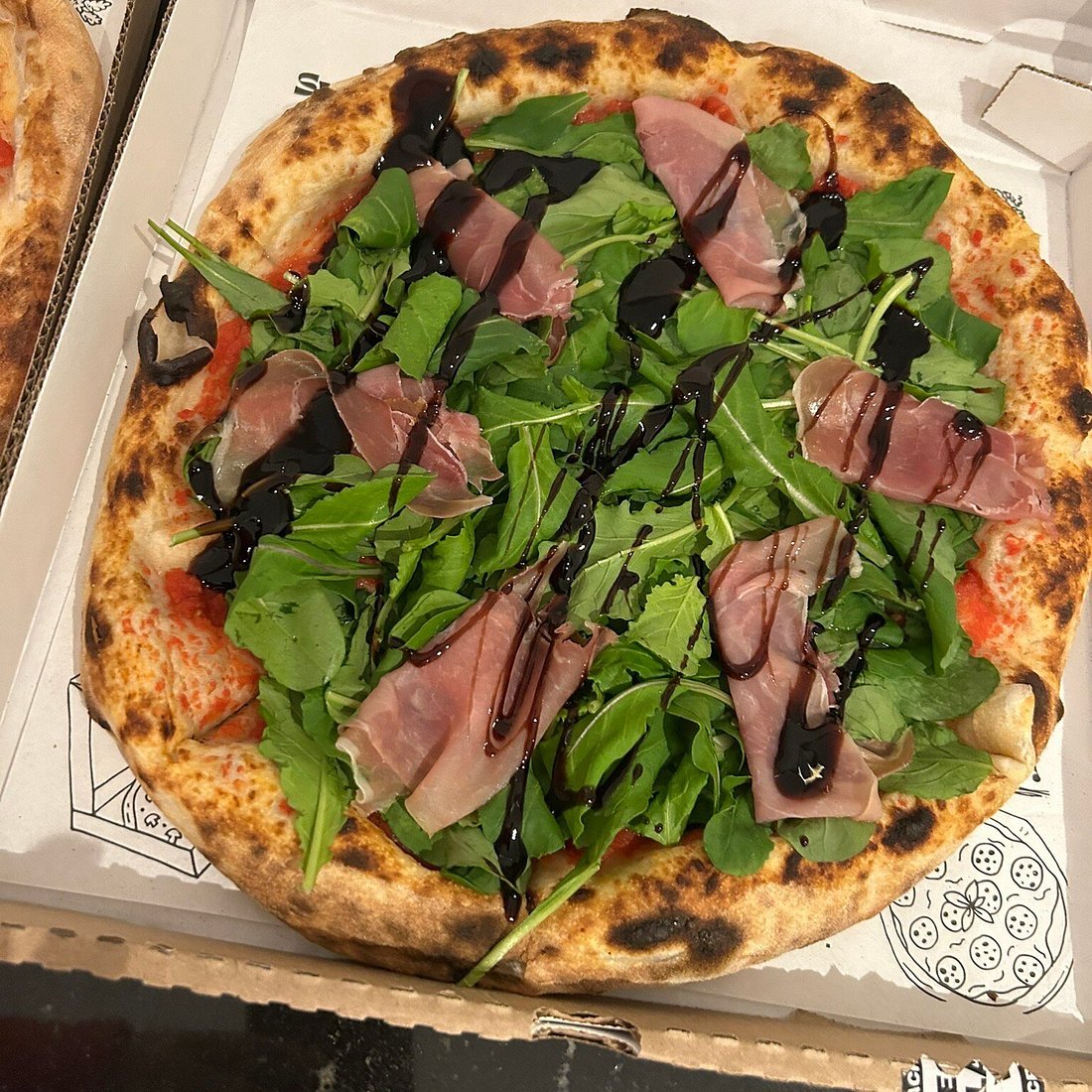
Choose Paco Pizza if the group wants pizza and an easier shared-order format. Choose Integralle Comida Saudável if the brief is a lighter, health-focused meal rather than a homestyle Centro lunch.
Restaurant context
How it compares in Ponta Grossa
Casa Da Vó Gastronomia is the better fit when the decision is a simple Centro lunch. It is easier to justify for a weekday midday stop than for a planned evening meal, because its known service pattern is lunch-focused. Creperia Pit Stop - Crepes, Porções e Lanches em Ponta Grossa reads more casual and snack-driven, so choose that for a lighter, more flexible bite rather than a sit-down lunch plan.
Paco Pizza is the clearer group fallback if the table wants a familiar shared format and less uncertainty around what everyone will order. Integralle Comida Saudável is the sharper choice for diners actively looking for a health-oriented meal. Casa Da Vó Gastronomia sits between those use cases: more meal-focused than a snack stop, less category-specific than pizza or health food.
Petiscaria do Victor and Tahine Gourmet are weaker direct comparisons for a Centro lunch decision because they are outside the immediate metro context supplied here. Use them only if the plan is already taking you beyond central Ponta Grossa; otherwise, Casa Da Vó Gastronomia, Paco Pizza, Integralle, and Creperia Pit Stop are the more relevant shortlist.
Explore Ponta Grossa
Around this place
Discover more on Pearl
Unlock the full Casa Da Vó Gastronomia guide in Pearl, including awards, comparisons, FAQs, planning details, and nearby places.
Compare Casa Da Vó Gastronomia
| Venue | Location | Awards |
|---|---|---|
| Casa Da Vó Gastronomia | Ponta Grossa | No published awards |
| Creperia Pit Stop - Crepes, Porções e Lanches em Ponta Grossa | Ponta Grossa | No published awards |
| Paco Pizza | Ponta Grossa | No published awards |
| Integralle Comida Saudável | Ponta Grossa | No published awards |
| Petiscaria do Victor | Curitiba | No published awards |
| Tahine Gourmet | Curitiba | No published awards |
How Casa Da Vó Gastronomia Ponta Grossa compares with similar nearby venues.
FAQ
Frequently Asked Questions
Can I eat at the bar at Casa Da Vó Gastronomia?
Plan around the confirmed midday hours instead: Mon–Fri from 11 AM–2 PM and Sat from 11:30 AM–3 PM, with Sunday closed.
Is Casa Da Vó Gastronomia good for a special occasion?
It may work for a casual daytime visit if the posted hours fit your plans.
Does Casa Da Vó Gastronomia handle dietary restrictions?
You can also compare other options such as Integralle Comida Saudável or Tahine Gourmet.
What is the best time to plan for Casa Da Vó Gastronomia?
The clearly supported planning window is midday based on the listed hours: Mon–Fri from 11 AM–2 PM and Sat from 11:30 AM–3 PM.
What are alternatives to Casa Da Vó Gastronomia?
Other options to compare include Creperia Pit Stop - Crepes, Porções e Lanches em Ponta Grossa, Paco Pizza, Integralle Comida Saudável, Petiscaria do Victor, and Tahine Gourmet.
What should I wear to Casa Da Vó Gastronomia?
The dress code is casual. Dress comfortably for a daytime visit in Ponta Grossa.