Local Goat New American Restaurant
Pigeon Forge Parkway, Pigeon Forge
Restaurant in Pigeon Forge, United States
 Book with Pearl
The Read
Price
$20–30per person
Dress
Casual
Why go
Book Local Goat New American Restaurant when the group wants an easy Parkway meal with broader American appeal than a single-specialty spot. It is better for mixed appetites and flexible travel plans than for diners seeking a heavily documented chef-led or award-driven destination meal.
About Local Goat New American Restaurant
Local Goat New American Restaurant is a Pigeon Forge option for travelers who want a direct restaurant choice with daily hours and a casual dress code. Consider it when the name, location, and schedule fit your plans, rather than seeking a documented award, chef-led format, specific menu detail, or particular service style.
A straightforward Pigeon Forge choice
Local Goat New American Restaurant is in Pigeon Forge, it is open daily from 11 AM to 10 PM, and the dress code is casual.
That makes the decision less about chasing a documented destination meal and more about whether the restaurant fits the timing of your day. If you need a Pigeon Forge restaurant with a casual dress code and daily 11 AM to 10 PM hours, Local Goat New American Restaurant belongs on the shortlist.
Where it fits among meal options
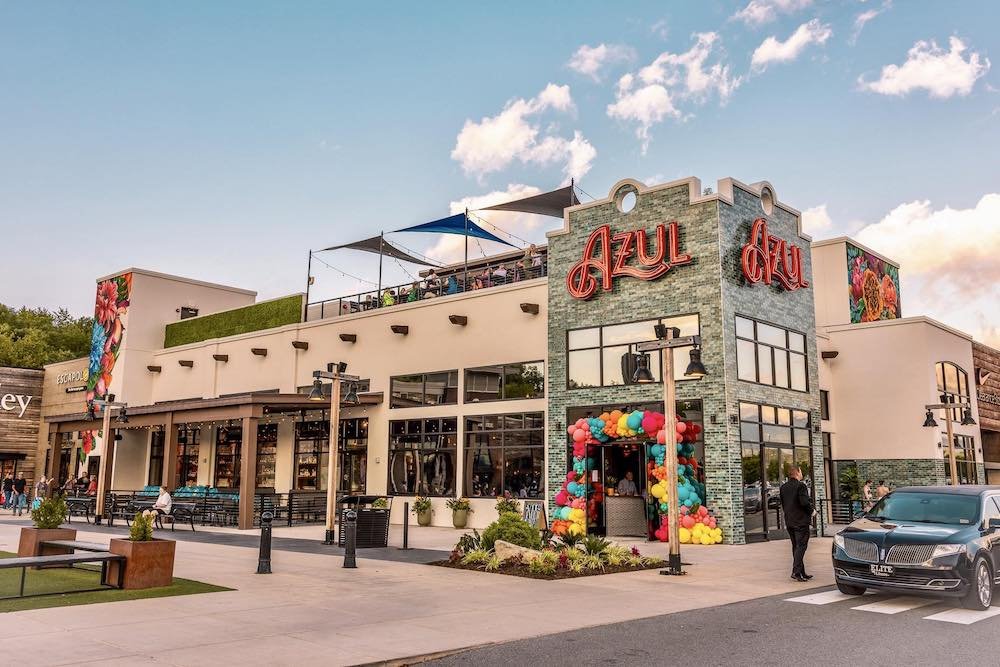
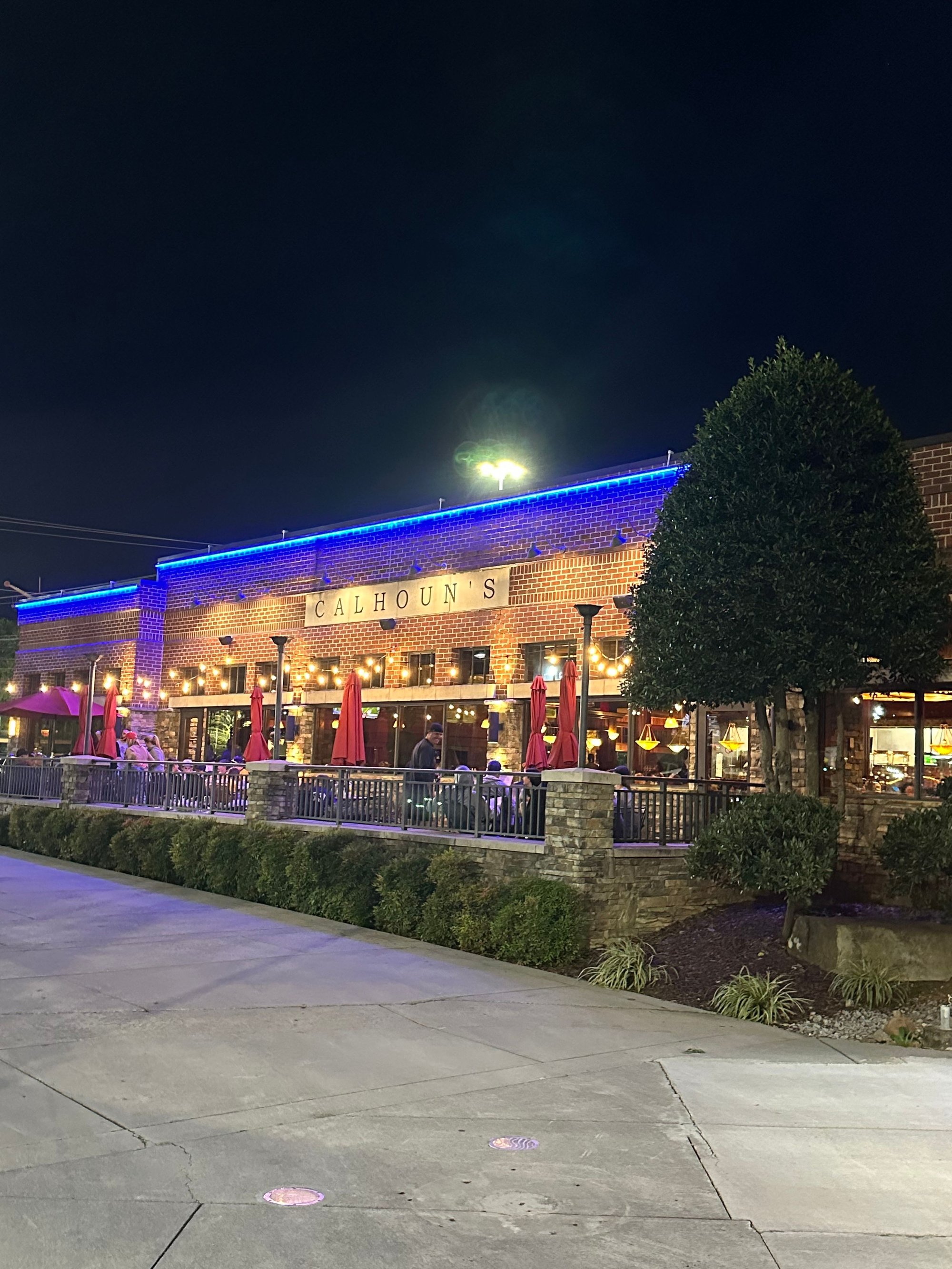
Local Goat New American Restaurant can be compared with other named options such as Huck Finn's Catfish, Calhoun's Pigeon Forge, Harpoon Harry's Crab House, Azul Cantina, and Applewood Farmhouse Restaurant. Details on menu, price, or service are not provided, so the comparison should stay broad: choose based on current availability, location, and what each restaurant publicly lists at the time you plan to go.
Local Goat New American Restaurant is best evaluated as a casual Pigeon Forge restaurant with dependable published hours, not as a place with a tasting menu, documented award history, or specialty program. For travelers comparing several options, that practical framing is the most reliable one.
Decision guide for first-timers
For first-timers, start with the basics: Local Goat New American Restaurant is in Pigeon Forge, the dress code is casual, and the restaurant is listed as open every day from 11 AM to 10 PM. These details make it easy to consider during a Pigeon Forge day, but information about wait times, reservations, menu categories, takeout, delivery, allergy accommodations, or price is not available.
Use our full Pigeon Forge restaurants guide if the meal needs to be more specific by category. Travelers building a full trip can also compare stays in our full Pigeon Forge hotels guide, along with other Pigeon Forge planning resources.
Planning details
- Location
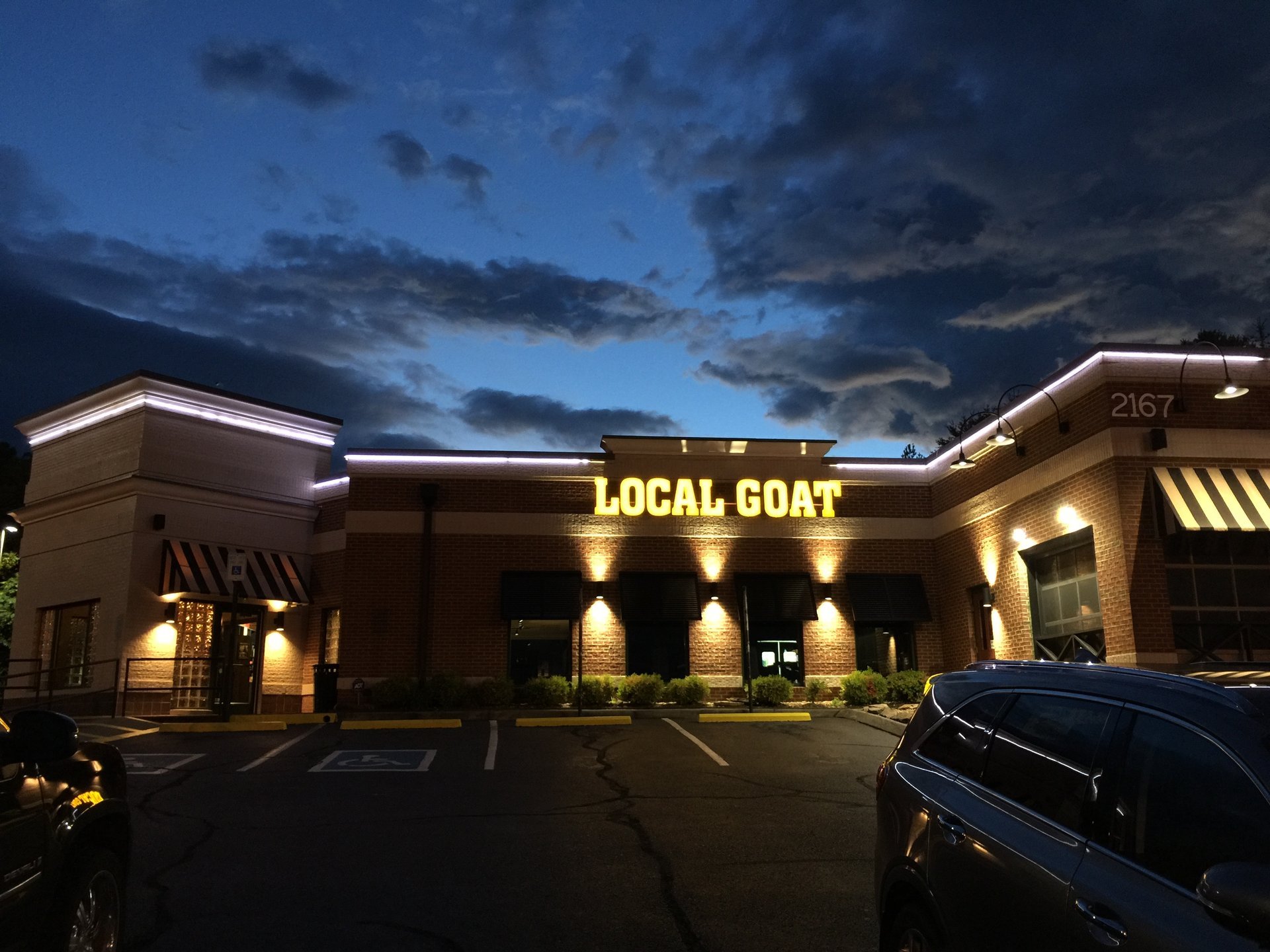
- 2167 Parkway, Pigeon Forge, TN 37863
- Reservations
- Book on the venue's website
- Website
- local-goat.com
- Phone
- +1 865 366 3035
The take
The Take
The Vibe
Local Goat presents a contemporary New American stance on a busy tourist strip, trading the Parkway's usual clamor and oversized portions for a kitchen that foregrounds sourcing and seasonality. The tone is modern and quietly sophisticated: menus shift with the growing calendar, and provenance matters. The restaurant feels intentional rather than theatrical, appealing to diners who want thoughtfully sourced proteins and produce rather than generic chain fare. On a street of louder, spectacle-driven options, Local Goat reads as a composed, food-forward alternative that emphasizes ingredient relationships and straightforward, modern preparation over spectacle.
Best For
This is a dinner-first destination for visitors and locals who want a step up from the corridor's typical chain dining: families and groups will find familiar, hearty options alongside more considered dishes, while guests who care about where their food comes from get the most out of the menu. It works well as a casual hangout for people traveling the Parkway who want quality without pretense, and as a place to introduce out-of-town companions to locally sourced Tennessee and foothills ingredients. Expect an experience suited to dinner service and communal outings that value provenance.
Ordering Tips
Menus emphasize local suppliers and seasonal change, so ask your server about the day's sources and any farm or producer notes listed on the menu. The kitchen highlights regionally rooted proteins: try signature items such as the bison meatloaf, jumbo wings, or ribs to sample the house approach to New American comfort classics. Because the menu shifts with available produce, look for nightly specials that showcase peak ingredients and don't hesitate to ask which items reflect recent harvests from Tennessee or nearby North Carolina farms.
Venue details
Ambiance
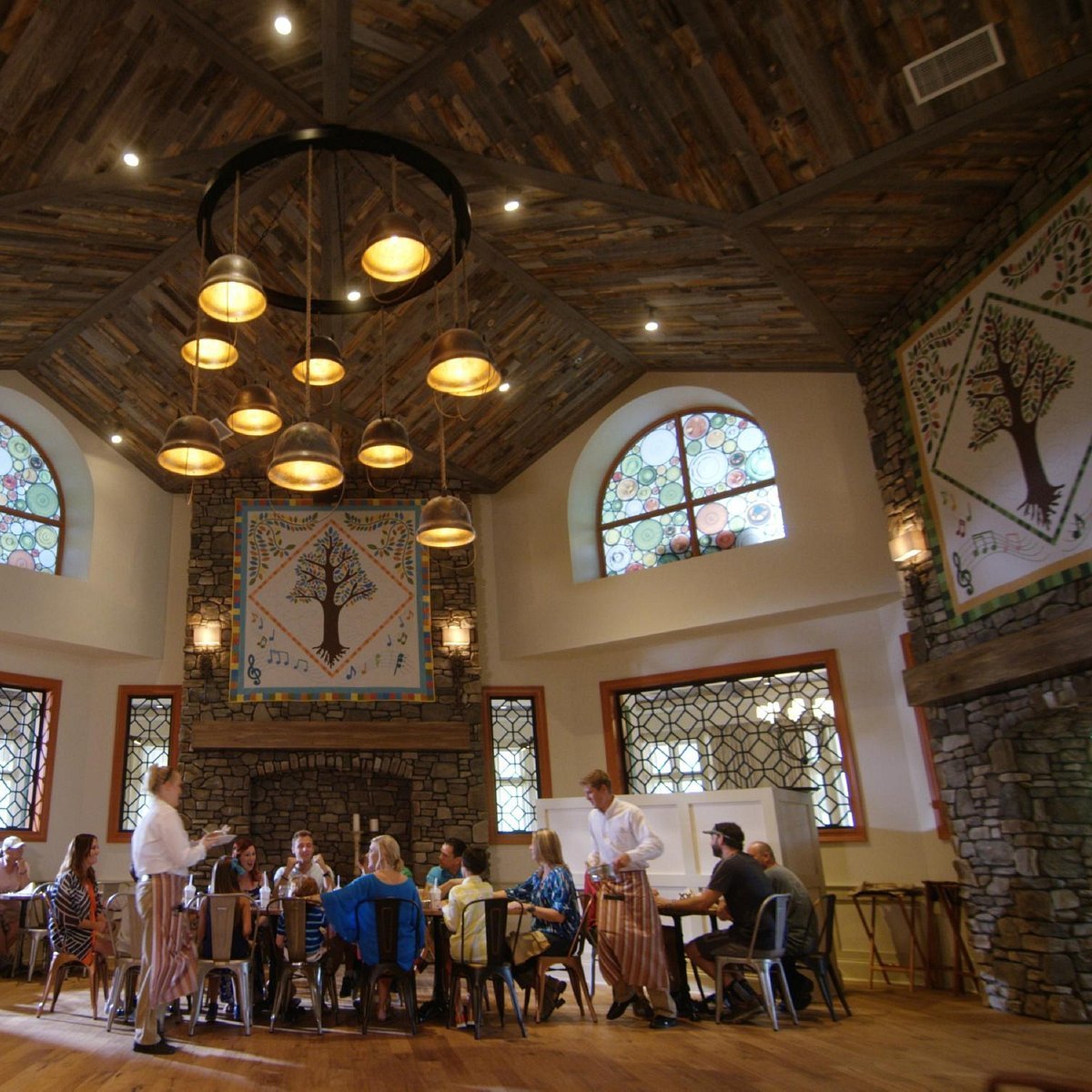
Bustling and fun atmosphere that is lively and occasionally loud, with a welcoming and energetic vibe.
Tags
Vibe
Best For
Experience
Sourcing
Accessibility
At the Table
- Dress Code
- Casual
- Noise Level
- Lively
- Service Style
- Upscale Casual
- Meal Pacing
- Standard
- Capacity
- Large
- Kitchen
- Modern
- Menu Format
- A la carte
- Drinks Focus
- Craft beers, Whiskies
- Dietary
- Vegetarian friendly, Vegan options, Gluten-free options
- Private Dining
- Available
Signature Dishes
- bison meatloaf
- jumbo wings
- ribs
Know before you go
Know Before You Go
- Getting there
- 2167 Parkway, Pigeon Forge, TN 37863
Planning details
Location
2167 Parkway, Pigeon Forge, TN 37863 · Directions
Also consider
Also Consider
- Applewood Farmhouse Restaurant, Notable alternative
- Harpoon Harry's Crab House, Notable alternative
- Calhoun's Pigeon Forge, Notable alternative
- Azul Cantina, Notable alternative
- Huck Finn's Catfish, Notable alternative
Restaurant context
How It Compares
Local Goat New American Restaurant is the better choice for mixed groups than Huck Finn's Catfish or Harpoon Harry's Crab House, because it is not locked into one category. Huck Finn's is the cleaner pick for a Southern catfish brief, while Harpoon Harry's makes more sense when the table specifically wants seafood.
Against Calhoun's Pigeon Forge, Local Goat is the more flexible American dinner call; Calhoun's is stronger when barbecue is the point. Azul Cantina is the better fit for a casual Mexican-leaning night with more obvious energy, while Local Goat is easier for a multi-generation table trying to avoid menu negotiations.
Applewood Farmhouse Restaurant sits outside the immediate Pigeon Forge set and is more useful if the group wants a farmhouse-style meal. For convenience inside Pigeon Forge, Local Goat is a practical choice, especially when easy booking and broad appeal matter more than a narrow cuisine brief.
Explore Pigeon Forge
Around this place
Discover more on Pearl
Unlock the full Local Goat New American Restaurant guide in Pearl, including awards, comparisons, FAQs, planning details, and nearby places.
Compare Local Goat New American Restaurant
| Venue | Location | Awards |
|---|---|---|
| Local Goat New American Restaurant | Pigeon Forge | No published awards |
| Applewood Farmhouse Restaurant | Sevierville | No published awards |
| Harpoon Harry's Crab House | Pigeon Forge | No published awards |
| Calhoun's Pigeon Forge | Pigeon Forge | No published awards |
| Azul Cantina | Pigeon Forge | No published awards |
| Huck Finn's Catfish | Pigeon Forge | No published awards |
How Local Goat New American Restaurant Pigeon Forge compares with similar nearby venues.
FAQ
Frequently Asked Questions
What should a first-timer know about Local Goat New American Restaurant?
Start with the basics: Local Goat New American Restaurant is in Pigeon Forge, it is open daily from 11 AM to 10 PM, and the dress code is casual.
How far ahead should I book Local Goat New American Restaurant?
Booking requirements are not available. The schedule is daily 11 AM to 10 PM, so check the restaurant's current booking or wait-list process before you go, especially if timing is important. Applewood Farmhouse Restaurant is another option to compare while planning.
What should I wear to Local Goat New American Restaurant?
Casual clothes are appropriate for Local Goat New American Restaurant in Pigeon Forge. There is no formal dress requirement. Calhoun's Pigeon Forge is another named restaurant travelers may compare when planning a casual meal.
Is Local Goat New American Restaurant good for a special occasion?
If you are considering Local Goat New American Restaurant for a celebration, base the decision on the casual dress code, Pigeon Forge location, and daily 11 AM to 10 PM hours. Applewood Farmhouse Restaurant is another option to compare.
What are alternatives to Local Goat New American Restaurant?
Other named restaurants to compare include Huck Finn's Catfish, Harpoon Harry's Crab House, Azul Cantina, Calhoun's Pigeon Forge, and Applewood Farmhouse Restaurant.
Is lunch or dinner better at Local Goat New American Restaurant?
The hours are 11 AM to 10 PM every day. Calhoun's Pigeon Forge is another option to compare for your preferred timing.
Can Local Goat New American Restaurant accommodate groups?
Group accommodations are not available. Local Goat New American Restaurant is in Pigeon Forge, has a casual dress code, and is open daily from 11 AM to 10 PM. Harpoon Harry's Crab House is another named restaurant to compare.