
Sétopa
Korean · Odéon (6th arrondissement), Paris
Restaurant in Paris, France
 Book with Pearl
The Read
Tabletop-Grill Korean
Price
$50–100per person
Dress
Smart Casual
Why go
Sétopa holds a Michelin Plate for 2024 and 2025, making it the strongest value argument for Korean dining in central Paris. At €€ on Rue Dupuytren in the 6th, it delivers Michelin-recognised cooking without the tasting-menu price tag. Book midweek for the easiest reservation and the best experience.
About Sétopa
Verdict: A Michelin-Recognised Korean Address That Earns Its Plate — and Undercuts Every Comparable Room in the 6th
Most diners arrive at Sétopa expecting a casual Korean bistro dressed up with a Saint-Germain postcode. That is not what this is. Sétopa has held a Michelin Plate in both 2024 and 2025, which puts it in a different bracket from the neighbourhood's run of cheap ramen counters and pan-Asian canteens. At €€, it is one of the few Michelin-recognised addresses in Paris where you can eat Korean food with serious credentials without spending €€€€ on a tasting menu. Book it.
Portrait
Sétopa sits on Rue Dupuytren, a short street in the 6th arrondissement that runs quietly between Odéon and the Luxembourg quarter. The address is easy to miss if you are not looking for it, which is part of the appeal for diners who do not want a room that performs for tourists. The 6th is dense with well-known French brasseries and bistros, so a Korean kitchen with two consecutive Michelin Plates here is not an accident of geography — it is a signal that the cooking can hold its own in a demanding neighbourhood.
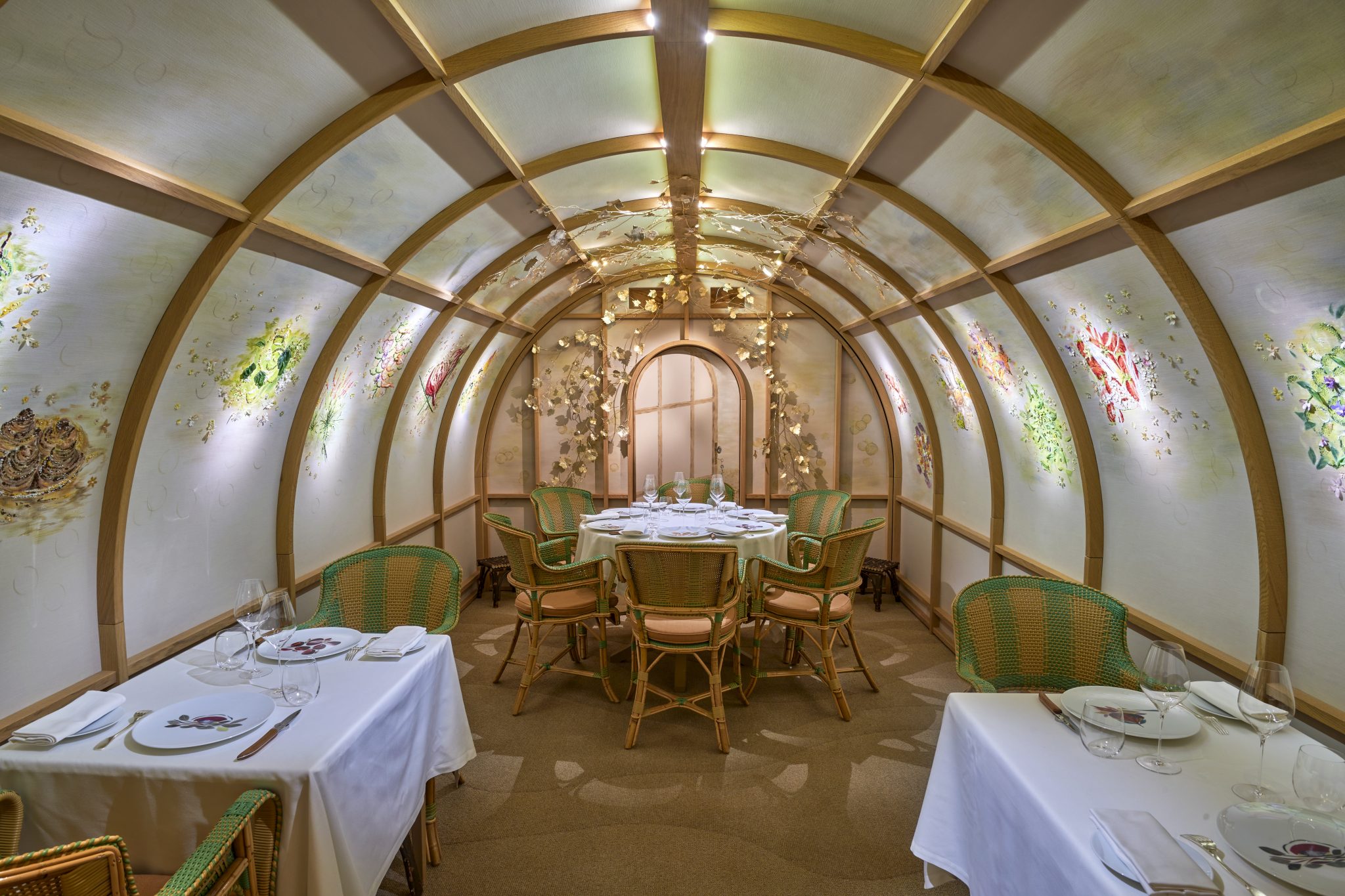
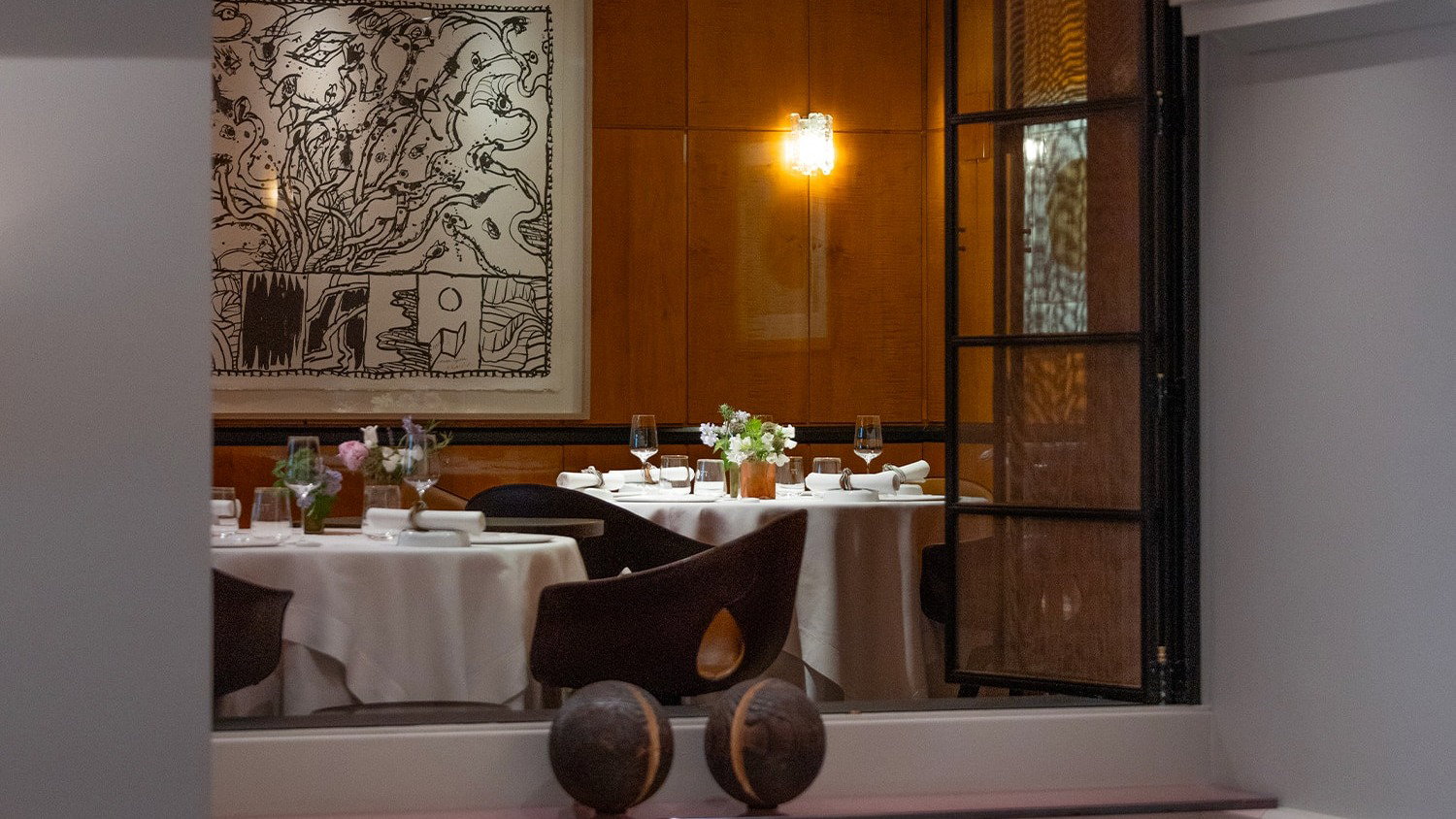
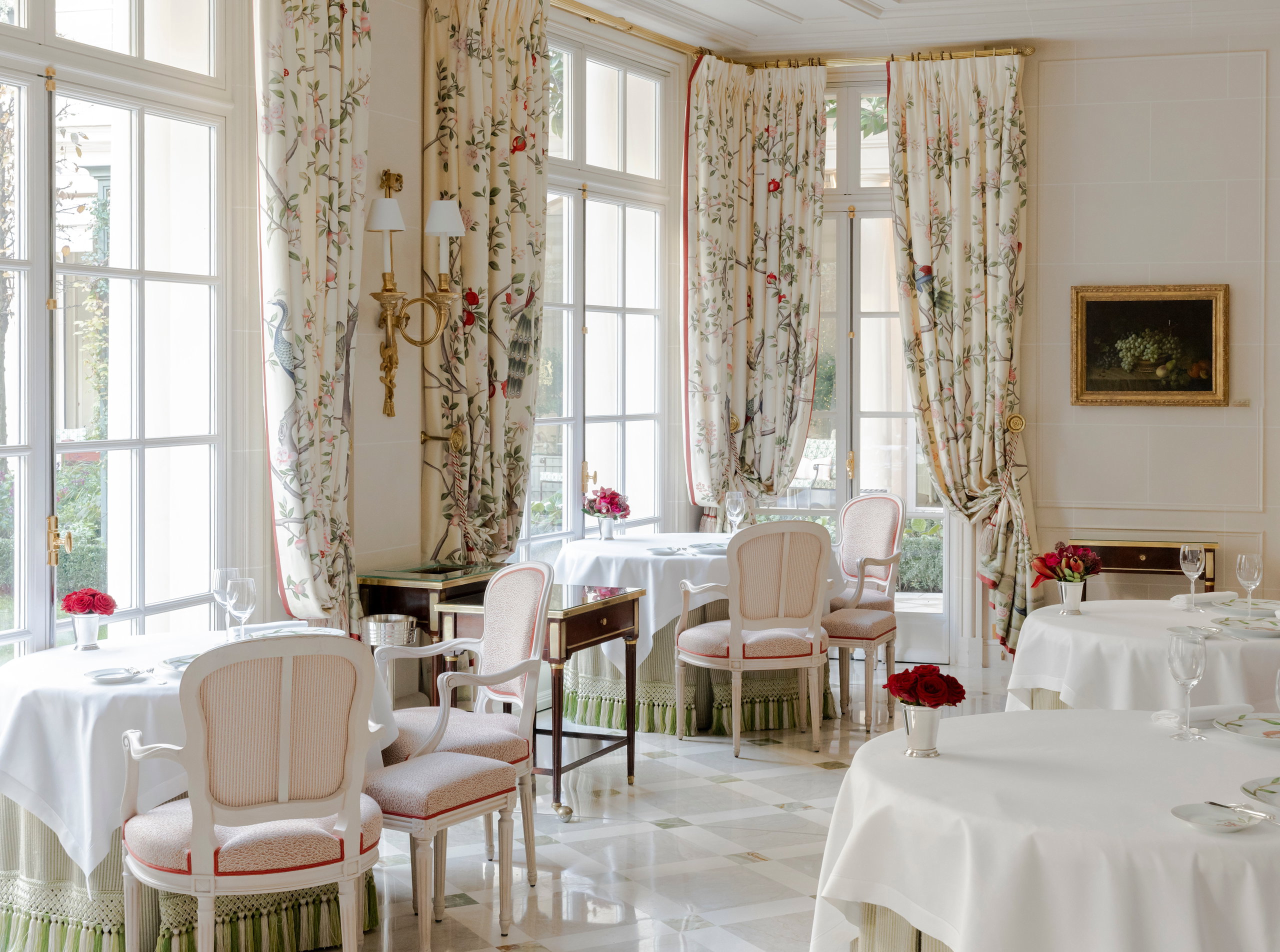
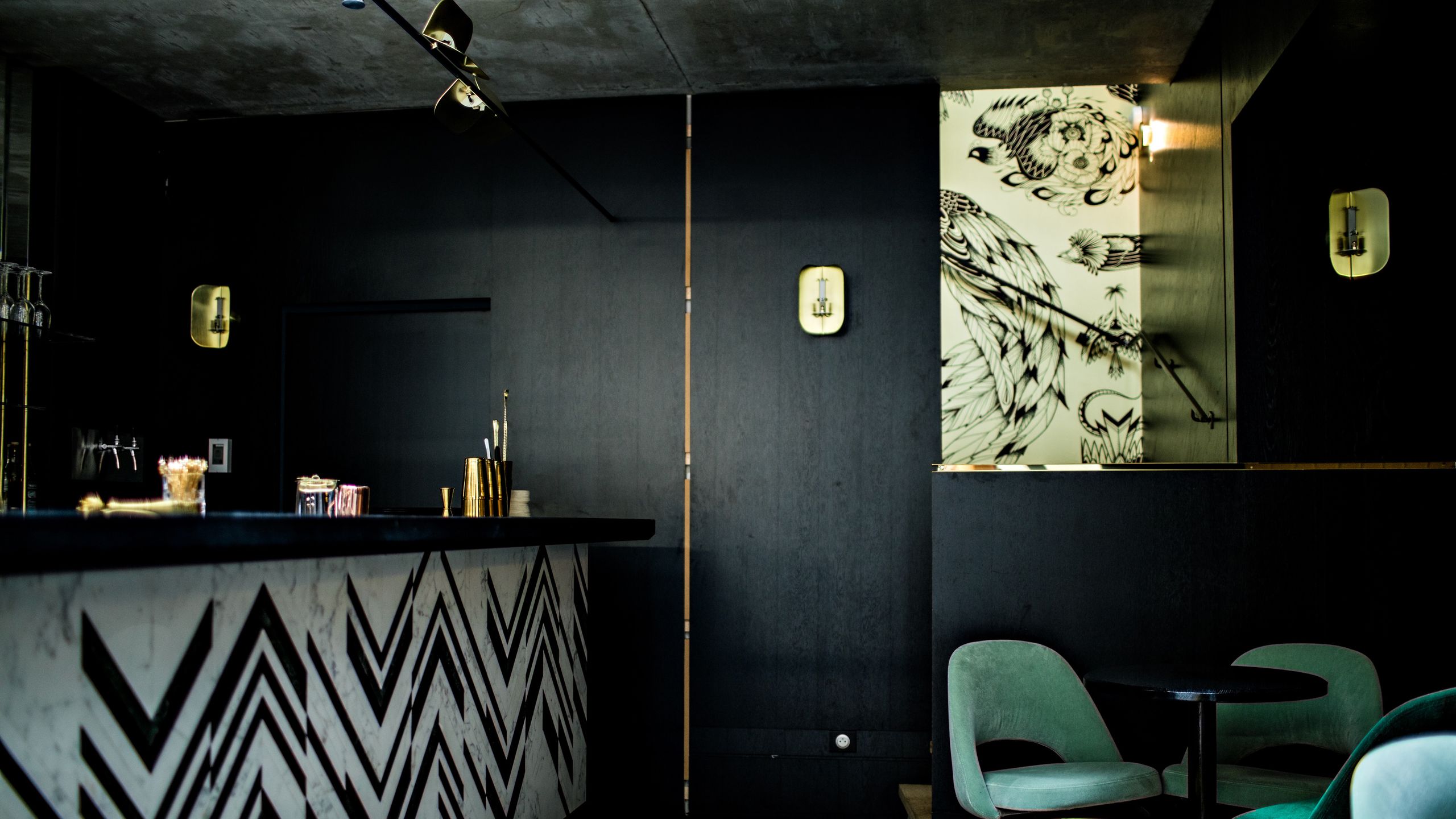
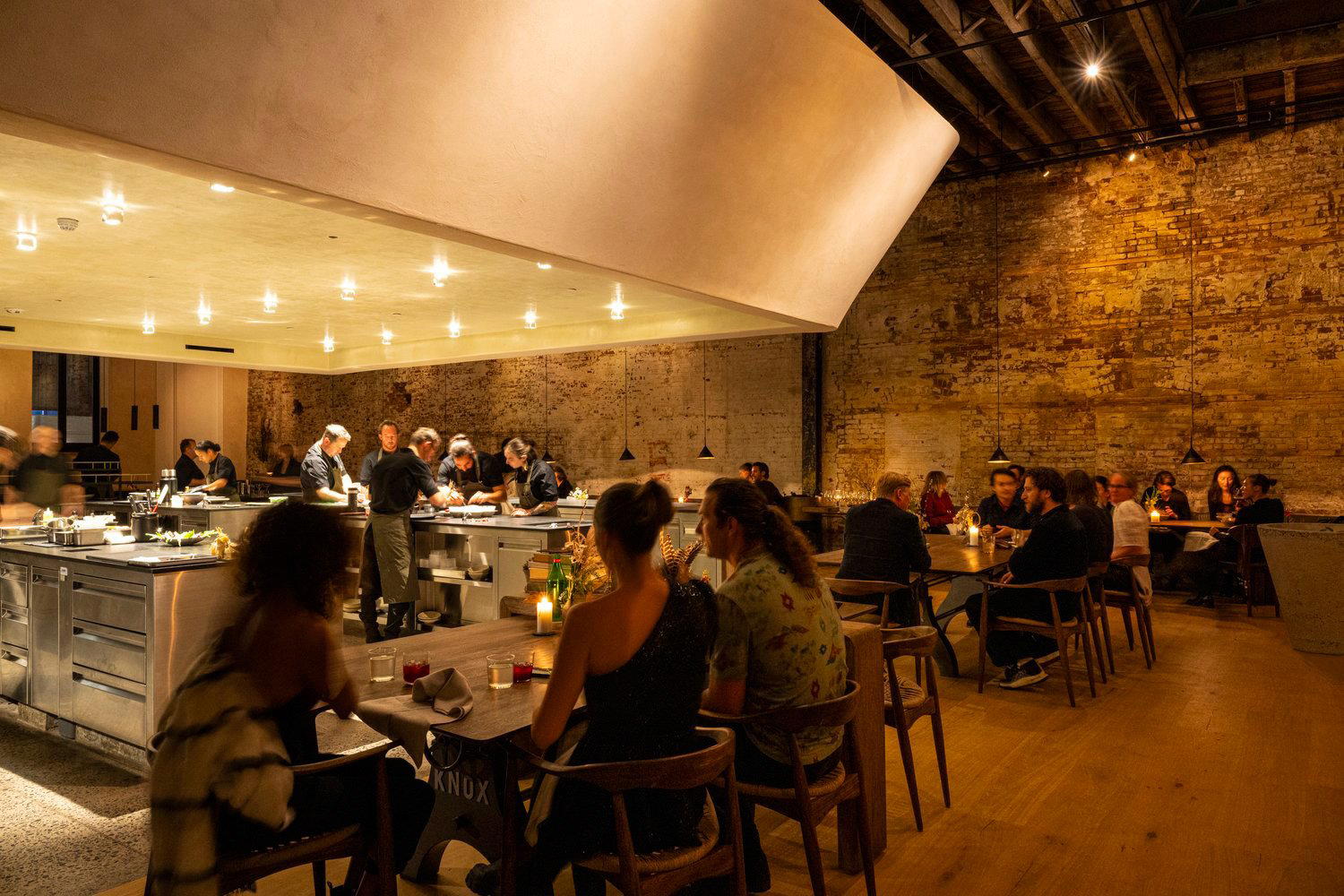
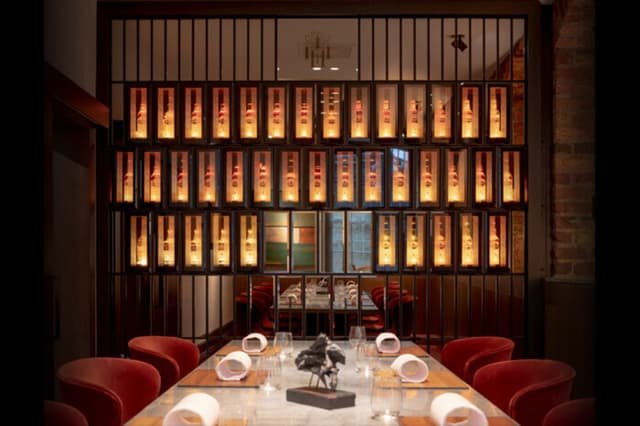
Visually, the room reads with the restraint you would expect from a small Korean restaurant in Paris: clean lines, a compact footprint, and a level of care in presentation that separates it from the high-turnover Korean spots concentrated further east and north of the city. If you are comparing it to Jium or Kwon, Sétopa sits in similar territory in terms of ambition, though the 6th arrondissement location gives it a different clientele and context.
Korean cooking in France has a seasonal logic that is worth understanding before you visit. Korean cuisine organises much of its pantry around fermented and preserved ingredients, kimchi aged over winter, doenjang deepened by months in clay pots, gochujang that shifts in heat and sweetness depending on when it was made. This means the kitchen at a restaurant like Sétopa is not working with the same ingredient calendar as a French bistro cycling through asparagus and chanterelles. Instead, watch for dishes that lean into autumn and winter fermentation depth versus the lighter, fresher profiles of spring and summer banchan. If the menu features heavier braises and slow-cooked preparations, you are likely visiting in the colder half of the year, when Korean pantry cooking is at its most expressive. Lighter, herb-forward plates tend to signal the warmer months. Both are worth trying; the experience is different.
For timing, midweek lunch is the low-friction window. The 6th is busy on weekend evenings, and a small room with this level of recognition fills without much notice. Booking is listed as easy relative to peers, but that does not mean walk-ins are guaranteed on a Friday or Saturday night. A Tuesday or Wednesday evening is your leading combination of availability and atmosphere, the room is occupied but not loud, and service has room to breathe.
The Michelin Plate designation, held across two consecutive years, is a meaningful data point here. A Plate is not a star, but it is the Guide's way of saying the cooking is technically sound and worth the trip. For a €€ Korean address in central Paris, two successive Plates represent a quality floor that most comparably priced rooms in the city cannot match. If you are benchmarking Korean options in Paris, La Table de Mee, Mandoobar, and Mojju are all worth considering, but Sétopa's combination of Michelin recognition and accessible price tier is the strongest value argument in that set. For a Korean benchmark at the very leading end, Mingles and Kwonsooksoo in Seoul represent what the cuisine can do at full expression, but Sétopa is the closest Paris currently offers to that standard at a fraction of the spend.
It is not a sample size large enough to treat as definitive, but a 4.6 from 158 diners at a compact room with no marketing apparatus behind it is consistent with the Michelin signal. The two data points agree: the cooking lands.
Sétopa is the right choice for a food-focused visitor to Paris who wants to eat Korean at a genuinely high standard without the overhead of a tasting-menu format. It is also a good answer for a local who finds the Korean options further north in the 13th or around the Opéra more convenient but wants something closer to the Left Bank with a quality credential. If you are building a Paris restaurant itinerary around Michelin-recognised rooms, Sétopa fills a gap that the city's French-cuisine heavyweights, Flocons de Sel, Troisgros, Mirazur, Paul Bocuse, Bras, and Auberge de l'Ill, cannot: a non-French cooking tradition at a price point that does not require a special occasion.
One practical note: the address is 6 Rue Dupuytren, 75006. No website or phone number is listed in our data, which suggests reservations are likely made through a third-party booking platform rather than directly. Check current availability through the standard Paris reservation tools before visiting rather than planning a walk-in. For broader context on where Sétopa sits in the Paris dining picture, see our full Paris restaurants guide. A Michelin-recognised Korean room at €€ in the 6th is one of the more sensible solo dining propositions in central Paris. The modest price tier means the spend stays reasonable, and a compact room typically suits solo diners better than a large brasserie. If you are solo and want Korean in Paris, Sétopa is the highest-credentialed option in this price range.
Planning details
- Location
- 6 Rue Dupuytren, 75006 Paris, France
- Website
- setopaparis.com
- Phone
- +33 9 77 91 95 01
The take
The Take
The Vibe
Sétopa quietly stakes a claim for Korean barbecue on the Left Bank, folding a contemporary Korean format into a neighbourhood that prefers classic Parisian dining. The writing emphasizes the restaurant’s Michelin Plate recognition in consecutive years, which frames the cooking as precise and carefully judged rather than flashy. Around Rue Dupuytren, the room reads like a refined, bookish corner of the 6th—polished and intimate rather than rowdy—so the overall feel is restrained and urbane. The emphasis is on craft and ritual at the table, marrying modern Korean technique with a traditionally elegant Left Bank sensibility.
Best For
This is a spot that suits considered evening meals: think date nights, business dinners and quietly celebratory evenings where the focus is on the food and the shared experience. The Michelin Plate and a €€ price point signal a level of culinary intent that rewards more attentive dining rather than quick casual visits. Because the menu is centered on a Korean-table ritual, it's best for groups who want to linger and taste multiple courses, and for diners who appreciate precise cooking and small-plate interplay in a relaxed Left Bank setting.
Ordering Tips
Approach the meal with sharing in mind: the menu highlights ritual-driven Korean barbecue and several signature plates that benefit from tasting across the table. Make room for standout items named by the house—oyster ravioli, tofu root and the Sétopa chicken—and save room for desserts like the fermented yellow soybean crème brûlée and the chestnut-and-mugwort mochi. Given the emphasis on the table ritual and Michelin-recognised execution, pace the meal so dishes can be enjoyed communally; aim to order a few items to share rather than single large mains.
Venue details
Ambiance
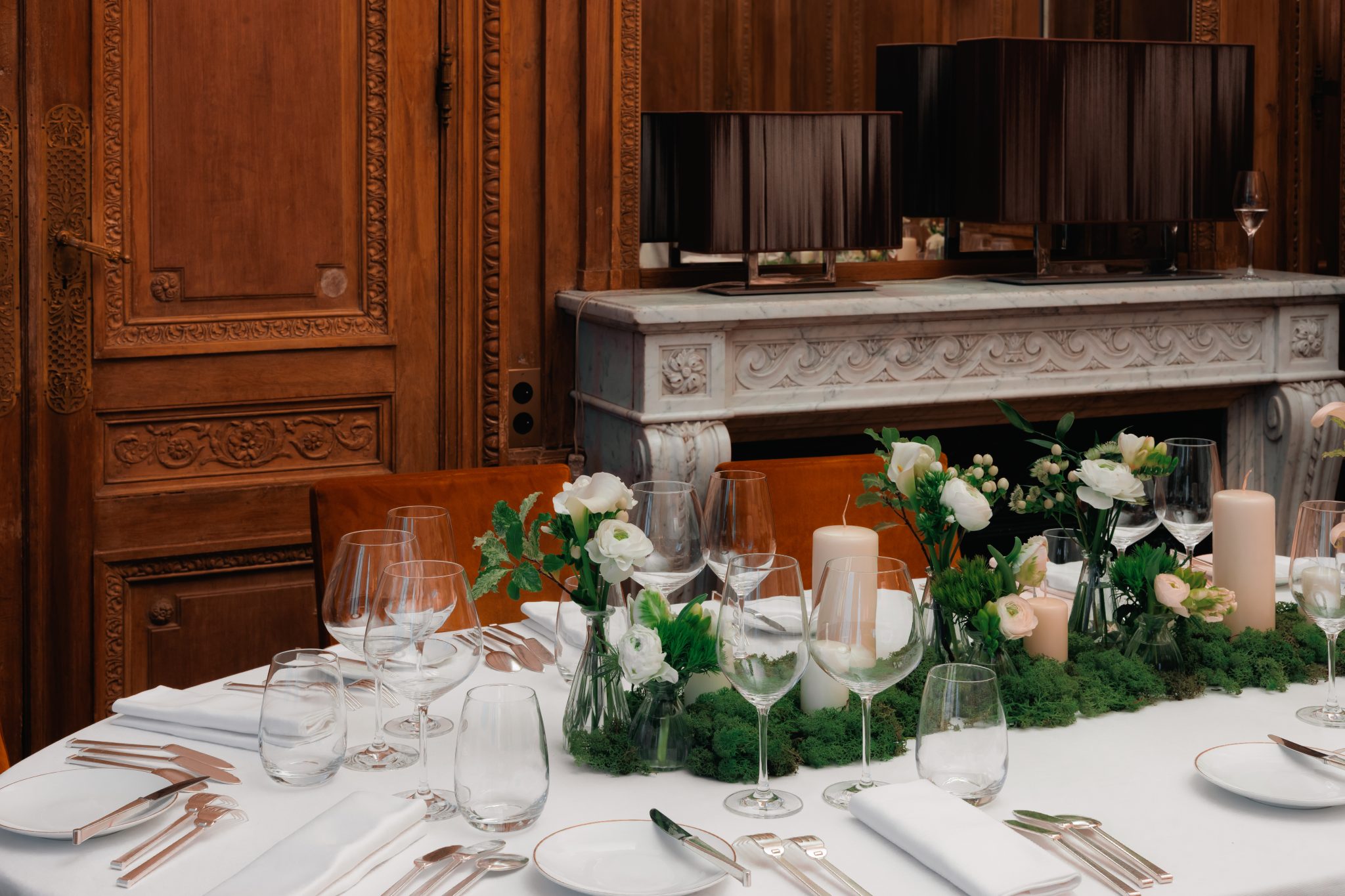
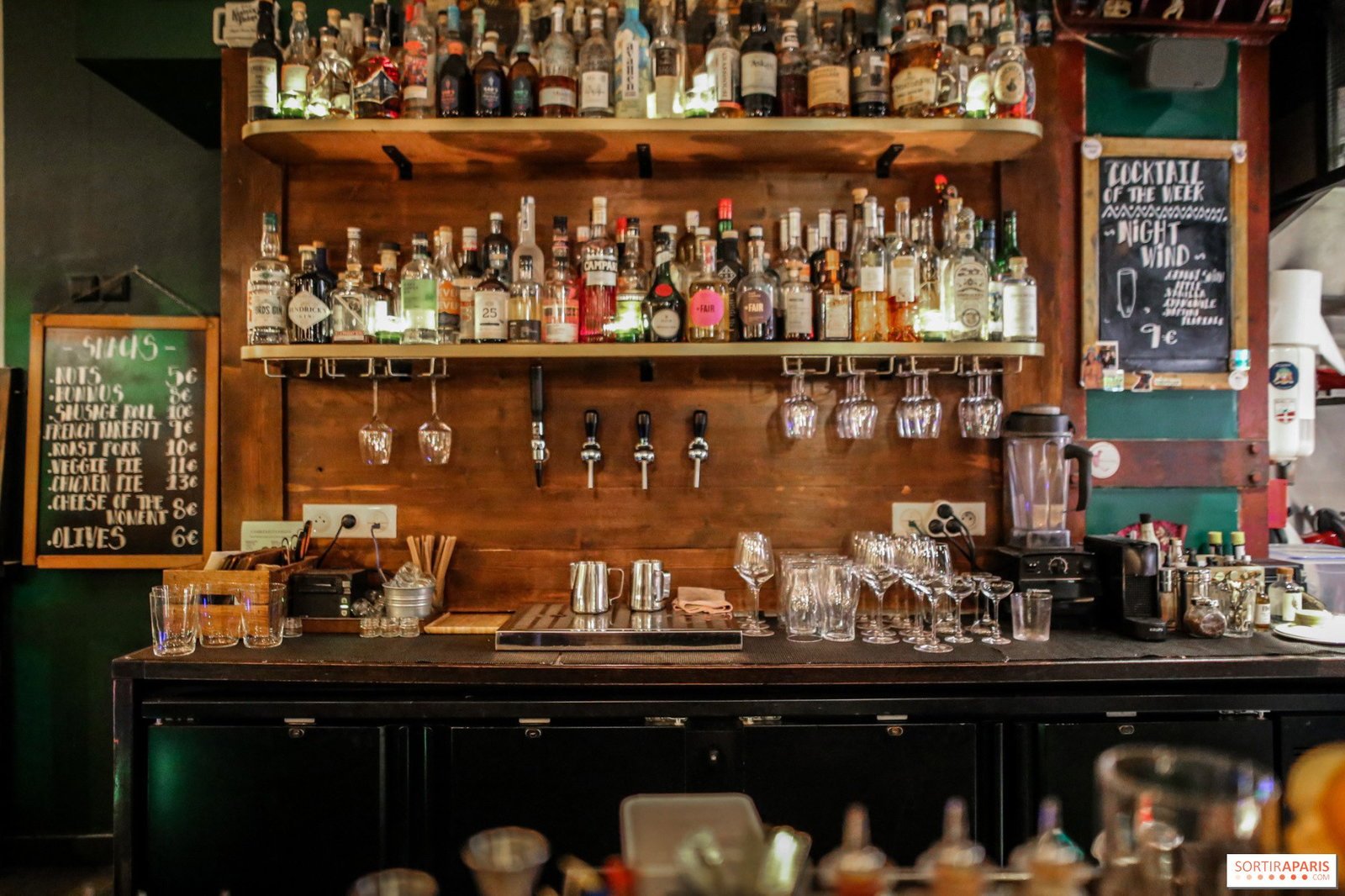
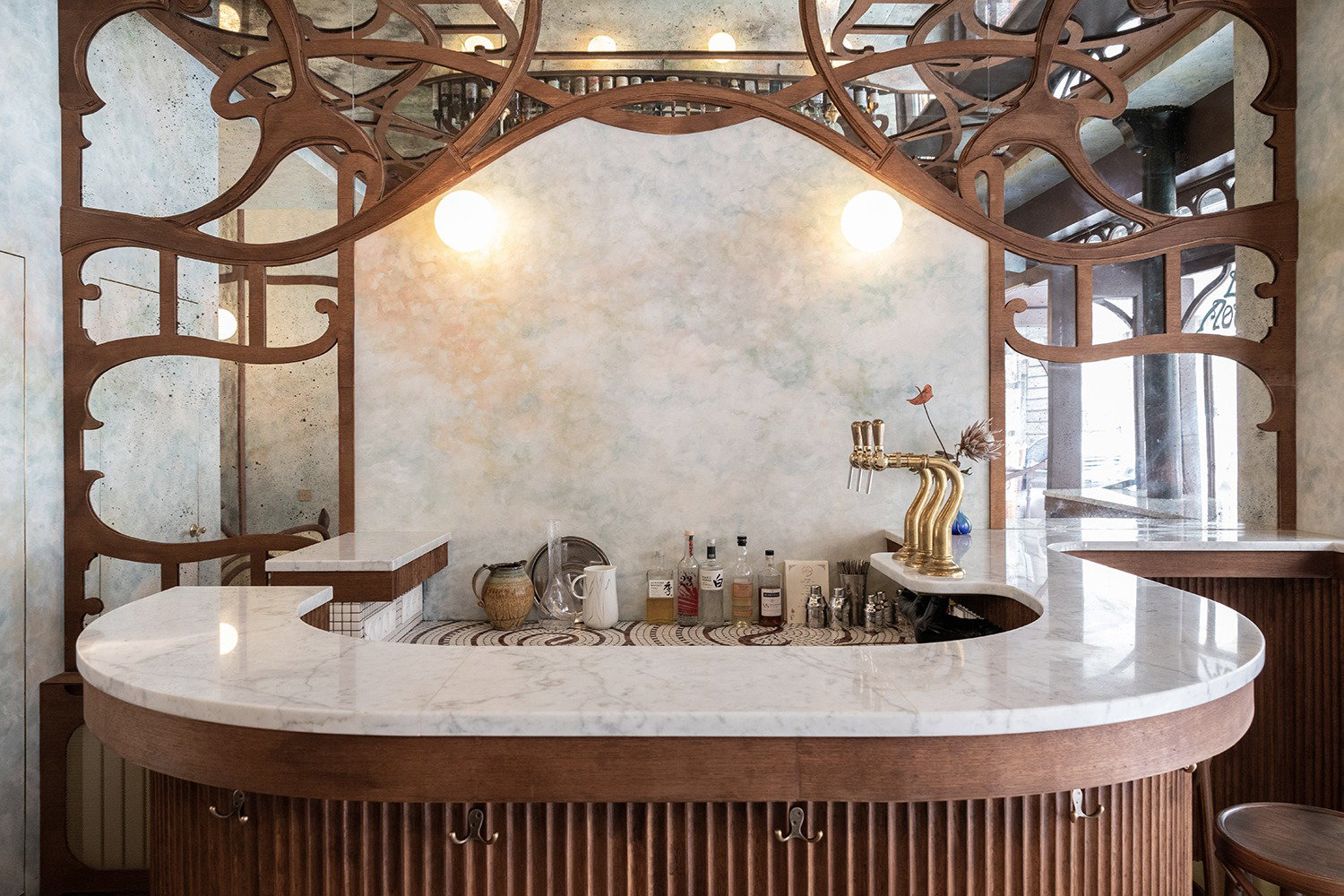
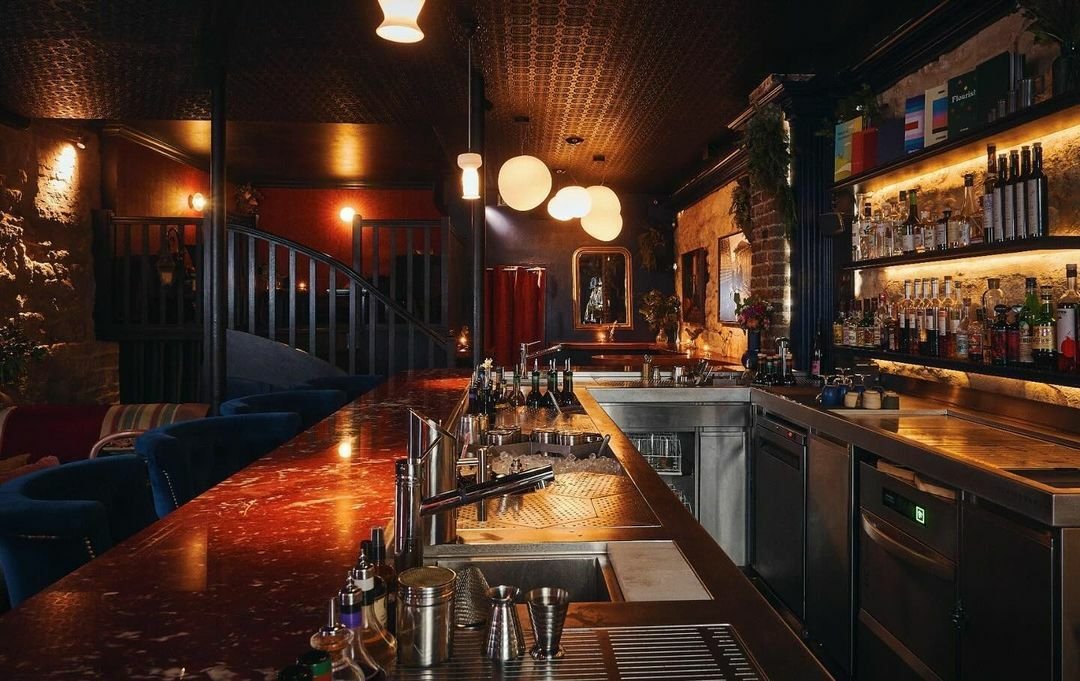
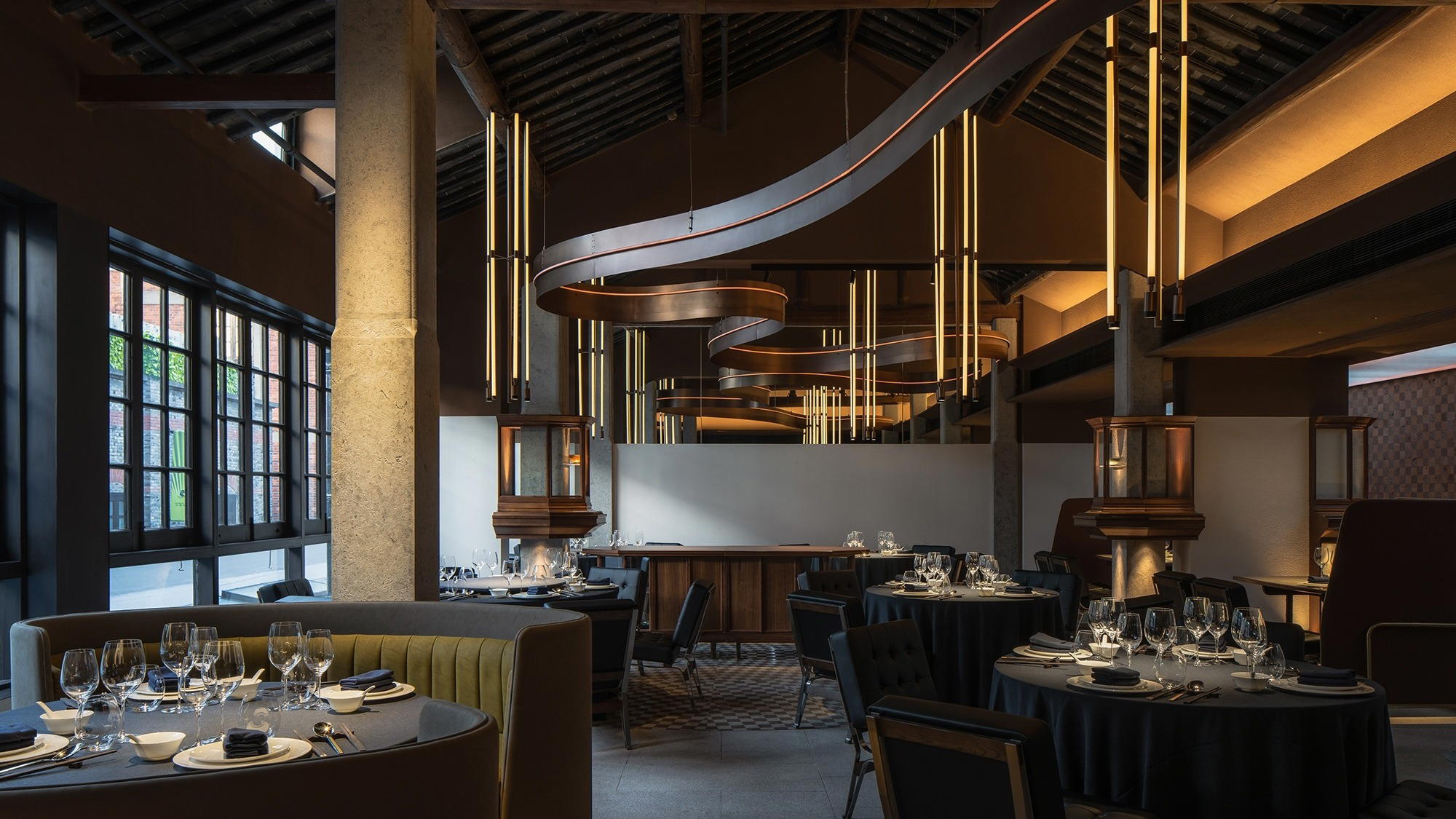
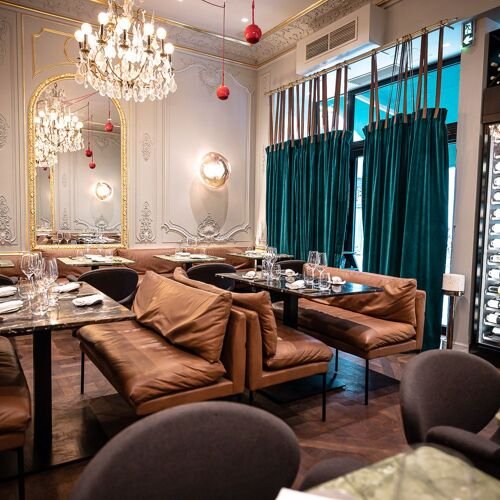
Serene and refined with natural woods, gentle dim lighting, cream-colored zellige tiles, and brown marble accents creating a quiet, meditative atmosphere.
Tags
Vibe
Best For
Experience
At the Table
- Dress Code
- Smart Casual
- Noise Level
- Quiet
- Service Style
- Formal
- Meal Pacing
- Leisurely
- Capacity
- Small
- Kitchen
- Modern
- Menu Format
- Tasting menu, A la carte, Set menu
- Wine Program
- Curated
- Drinks Focus
- Wine pairings, Non-alcoholic infusions, Soju, Asian-inspired cocktails
- Dietary
- Vegetarian friendly, Allergy accommodating
Signature Dishes
- oyster ravioli
- tofu root
- chestnut and mugwort mochi
- Sétopa chicken
- fermented yellow soybean crème brûlée
Know before you go
Know Before You Go
- Getting there
- 6 Rue Dupuytren, 75006 Paris, France
Planning details
Location
Recognition and awards
Also consider
Also Consider
- Plénitude, Contemporary French, €€€€
- Pierre Gagnaire, French, Creative, €€€€
- Alléno Paris au Pavillon Ledoyen, Creative, €€€€
- Kei, Contemporary French, Modern Cuisine, €€€€
- Le Cinq - Four Seasons Hôtel George V, French, Modern Cuisine, €€€€
Restaurant context
Comparing Sétopa to Paris's €€€€ Michelin rooms is only useful as a framing exercise, not a direct swap. Plénitude, Pierre Gagnaire, Alléno Paris au Pavillon Ledoyen, and Le Cinq are all operating at a different price tier and with a different service grammar. If your trip requires one significant splurge dinner with full French dining formality, any of those four will deliver more ceremony, more room, and more wine programme depth than Sétopa. Plénitude and Le Cinq are the clearest picks for a grand occasion; Pierre Gagnaire and Alléno suit diners who want creative cooking at the highest technical level. None of them are competing with Sétopa on value.
The more useful comparison is within the Michelin-recognised Korean and French-Asian space in Paris. Kei sits at €€€€ with a different format, a French-Japanese fusion approach with starred recognition, and is the right choice if you want Japanese technique applied to French ingredients at a high spend. Sétopa does not try to do that and does not need to. Within the Korean tier specifically, Sétopa's two-year Michelin Plate track record at €€ makes it the most evidence-backed option in its price bracket in the city. Jium, Kwon, La Table de Mee, and Mandoobar are all reasonable Korean options in Paris, but Sétopa carries the clearest third-party quality credential of the group.
The practical decision is straightforward. If you want the most credible Korean meal available in Paris at an accessible price, book Sétopa. If you want a grand French dining room for an occasion dinner, book Le Cinq or Plénitude. If you want creative French cooking at the top end, Pierre Gagnaire or Alléno are the right answer. Sétopa does not try to be any of those things, and that is exactly why it is good at what it is.
Around this place
Discover more on Pearl
Unlock the full Sétopa guide in Pearl, including awards, comparisons, FAQs, planning details, and nearby places.
Compare Sétopa
| Venue | Cuisine | Price | Awards | Booking Difficulty |
|---|---|---|---|---|
| Sétopa | Korean | €€ | Michelin Guide France & Monaco 20262025 Michelin Plate2024 Michelin Plate | Easy |
| Plénitude | Contemporary French | €€€€ | 2026 OAD Classical in Europe Ranked · #1Michelin Guide France & Monaco 20262026 La Liste Top Restaurants2026 Falstaff Restaurant Guide2025 OAD Classical in Europe Ranked · #12025 World's 50 Best Restaurants · #142025 The Best Chef Three Knives2025 La Liste Top Restaurants2025 Gault & Millau Exceptional Restaurant | Unknown |
| Pierre Gagnaire | French, Creative | €€€€ | 2026 OAD Classical in Europe Ranked · #402026 Relais Chateaux RestaurantsMichelin Guide France & Monaco 20262026 Les Grandes Tables du Monde Members2026 La Liste Top Restaurants2026 Falstaff Restaurant Guide2025 OAD Classical in Europe Ranked · #902025 OAD Top Restaurants in Japan Ranked · #157We're Smart World Top Restaurants 2025 | Unknown |
| Alléno Paris au Pavillon Ledoyen | Creative | €€€€ | 2026 OAD Classical in Europe Ranked · #35Michelin Guide France & Monaco 20262026 La Liste Top Restaurants2025 OAD Classical in Europe Ranked · #342025 The Best Chef Three Knives2025 Gault & Millau Exceptional Restaurant2025 Michelin 3 Stars2024 OAD Classical in Europe Ranked · #342024 World's 50 Best Restaurants · #79 | Unknown |
| Kei | Contemporary French, Modern Cuisine | €€€€ | 2026 OAD Classical in Europe Ranked · #29Michelin Guide France & Monaco 20262026 Les Grandes Tables du Monde Members2026 La Liste Top Restaurants2026 Falstaff Restaurant Guide2025 OAD Classical in Europe Ranked · #262025 Michelin 3 Stars2025 Gault & Millau Prestige Restaurant2025 La Liste Top Restaurants | Unknown |
| Le Cinq - Four Seasons Hôtel George V | French, Modern Cuisine | €€€€ | No published awards | Unknown |
.png?width=1200&quality=80)










What to weigh when choosing between Sétopa and alternatives.
FAQ
Frequently Asked Questions
Is Sétopa good for solo dining?
Yes, and it suits solo diners well. The €€ price point keeps the bill manageable, and a Michelin Plate recognition in both 2024 and 2025 means the kitchen is consistent enough to reward a single visit without needing a group to share across the menu. The 6th arrondissement location on Rue Dupuytren is compact and low-key, which tends to favour solo guests more than large celebratory rooms do.
Can Sétopa accommodate groups?
Nothing in the confirmed venue data specifies private dining or group capacity. For parties of four or more, call ahead — Rue Dupuytren addresses in the 6th tend to be tight on space, and Korean set-format kitchens often work better for smaller tables. Groups expecting a long sharing feast should confirm format and table availability before booking.
Is Sétopa worth the price?
At €€, yes — the value case is straightforward. Two consecutive Michelin Plates at a mid-range price point in Saint-Germain is a combination that is hard to find in the 6th. Korean cooking at this level in Paris typically costs more or delivers less. Compared to French-focused alternatives nearby, Sétopa offers a distinct format at a price that does not require justification.
Is Sétopa good for a special occasion?
It works for a low-key special occasion rather than a grand celebration. The Michelin recognition adds credibility and the 6th arrondissement address at 6 Rue Dupuytren is easy to reach from central Paris, but the €€ pricing and Korean bistro format suggest an intimate dinner rather than a milestone blowout. For a significant anniversary requiring ceremony and a long wine list, a higher-tier room would be a better fit.