
Yoshitaka
Oden · Chūō, Osaka
Restaurant in Osaka, Japan
 Book with Pearl
The Read
Dashi-Rooted Oden Progression
Price
¥¥¥
Dress
Smart Casual
Why go
Yoshitaka is a kaiseki-influenced oden counter in Osaka's Chuo Ward, holding back-to-back Michelin Plates (2024–2025) and. At ¥¥¥, it delivers a structured, piece-by-piece meal rooted in Osaka's kombu dashi tradition, finishing with dashi ramen or peppered rice. Book it if you want depth and context in a bowl rather than spectacle.
About Yoshitaka
Verdict
If you have been to Yoshitaka once, the case for returning is direct: the menu changes one piece at a time, the dashi shifts with what is good that day, and the ending — ramen or peppered rice drawn from Edo technique — lands differently when you know what to expect. It is not a casual oden pub. It is a serious, format-driven restaurant that happens to centre one of Osaka's oldest food traditions. Book it if you want depth in a bowl rather than spectacle on a plate.
Portrait
Osaka has been a kombu-trading city since the Edo period. Merchants carrying dried kelp from Hokkaido stopped here, and the city built a dashi culture around that supply, long-simmered stocks, subtle umami, dishes where the broth is the point rather than the topping. Yoshitaka sits directly inside that history, on the second floor of a building in Chuo Ward, and takes it seriously in a way that most oden spots in the city do not.
The format here is kaiseki-influenced oden: items are served one piece at a time, in the manner of a simmered course within a formal Japanese meal. That distinction matters. You are not ordering from a pot at will. The kitchen is controlling the sequence, the temperature, and the timing. Each piece arrives in a different serving dish, a deliberate choice that reflects the chef's exposure to other culinary traditions and gives the meal a visual rhythm that standard oden counters skip entirely.
The dashi at the centre of this is Osaka dashi: kombu-forward, clean, and deep without being heavy. When you sit down for the first time, the aroma that reaches you before the first piece arrives is that stock, warm, faintly oceanic, the kind of smell that signals restraint rather than intensity. On a second visit, that scent is the marker that tells you where you are before you have looked at a menu. It is not a dramatic entrance, but it is a precise one.
Touches that separate Yoshitaka from a standard oden dinner are in the detail: dried kombu shavings over tofu, ground sesame on soft-boiled eggs. These are not garnishes added for presentation. They are flavour decisions, each topping chosen to extend or complicate what the dashi is already doing underneath. The tasting progression ends with either ramen flavoured with the spent dashi from the meal or peppered rice in the Edo style. Both choices are structured to use the broth you have been building up to, rather than discard it. That is a thoughtful ending that most comparable venues in this price range do not attempt.
For a food-focused traveller working through Osaka's eating culture, Yoshitaka fills a slot that the city's high-end kaiseki rooms and French-influenced tasting menus leave open. HAJIME and La Cime are serious and technically accomplished at ¥¥¥¥, but neither puts you inside Osaka's dashi tradition in the way Yoshitaka does. Taian and Kashiwaya Osaka Senriyama reach for that tradition through kaiseki, but oden is a different register entirely, more immediate, less ceremonial, closer to the city's street-level food identity. Yoshitaka operates at the intersection: the format is structured, the price point is serious, but the food is oden, not kaiseki. That positioning is the reason to go.
If you are travelling wider across the Kansai region, it is worth noting that the oden format has a counterpart in Kyoto at Fuyacho 103 and Oito, both of which approach the same tradition with a different city's dashi sensibility. Yoshitaka's Osaka version is more kombu-dominant and arguably more direct. For context on how it fits within Japan's broader fine-dining circuit, Gion Sasaki in Kyoto, Harutaka in Tokyo, and Goh in Fukuoka all represent the kind of technically grounded, ingredient-led cooking that Yoshitaka belongs alongside, even if it operates in a lower price tier than most of them.
The ¥¥¥ price range puts Yoshitaka in the same bracket as Taian and Kashiwaya Osaka Senriyama in Osaka. For the format, course-by-course, one piece at a time, finishing with a dashi-based close, that pricing is fair. You are paying for a structured experience, not just a bowl of stewed ingredients.
See the full picture of what Osaka offers across categories: our full Osaka restaurants guide, hotels, bars, wineries, and experiences. For nearby alternatives at similar price points, Man-u is worth knowing about as well. If you are considering other innovative options in Japan, akordu in Nara and 1000 in Yokohama offer points of comparison at a different scale, and 6 in Okinawa sits at a further extreme of Japan's ingredient-led dining circuit.
Ratings & Recognition
- Michelin Plate, 2025
- Michelin Plate, 2024
Booking
Booking difficulty at Yoshitaka is rated Easy. No phone or website is listed in available data, so the most reliable approach is to check current reservation platforms active in Osaka, Tableall, Omakase, and similar services that handle English-language bookings for mid-tier Japanese restaurants. Given the format (one piece at a time, structured close), same-day walk-ins are possible in principle but carry obvious risk for a meal that is worth planning around.
Quick reference: ¥¥¥ | Higashishinsaibashi, Chuo Ward, Osaka | Michelin Plate 2024 & 2025 | Booking: Easy | Cuisine: Kaiseki-influenced oden
FAQs
What should I wear to Yoshitaka?
- No dress code is listed in available data, but a ¥¥¥ Michelin Plate venue in Osaka's Chuo Ward generally calls for smart casual at a minimum. Formal attire is not necessary. The kaiseki-influenced format means the atmosphere sits closer to a composed dinner than a casual pub, so erring toward neat clothing is the right call.
Can I eat at the bar at Yoshitaka?
- Seat configuration is not confirmed in available data. Given that oden counters in this style typically seat guests at a bar facing the kitchen, counter seating is likely the primary format, but this is not confirmed. If counter seating matters to you, contact the venue directly before booking.
Can Yoshitaka accommodate groups?
- Seat count is not listed. For a kaiseki-influenced oden counter in Osaka's Chuo Ward at ¥¥¥, larger groups (6+) are often difficult to accommodate without advance coordination. Pairs and small groups of four are the natural fit for this format. Contact the venue ahead of time if you are planning a group booking.
What are alternatives to Yoshitaka in Osaka?
- For oden specifically in the Kansai region, Fuyacho 103 and Oito in Kyoto are the closest stylistic comparisons, though both require a short trip. Within Osaka at ¥¥¥, Taian and Kashiwaya Osaka Senriyama share the price tier but work in kaiseki rather than oden. If you want to spend more and move into French-influenced tasting menus, HAJIME and La Cime are the leading options at ¥¥¥¥.
Is the tasting menu worth it at Yoshitaka?
- At ¥¥¥, the answer is yes for the right diner. Yoshitaka holds back-to-back Michelin Plates and delivers a structured, course-by-course oden meal that no comparable venue in Osaka replicates at this price point. If you want kaiseki-calibre attention applied to a traditionally casual food form, the format justifies the price. If you are primarily looking for a high-concept tasting menu with wine pairings or modern technique, Fujiya 1935 at ¥¥¥¥ is the stronger choice.
Planning details
- Location
- Japan, 〒542-0083 Osaka, Chuo Ward, Higashishinsaibashi, 2 Chome−8−5 2階
- Website
- yoshitaka-osaka.jp
- Phone
- +81 6-6210-3845
The take
The Take
The Vibe
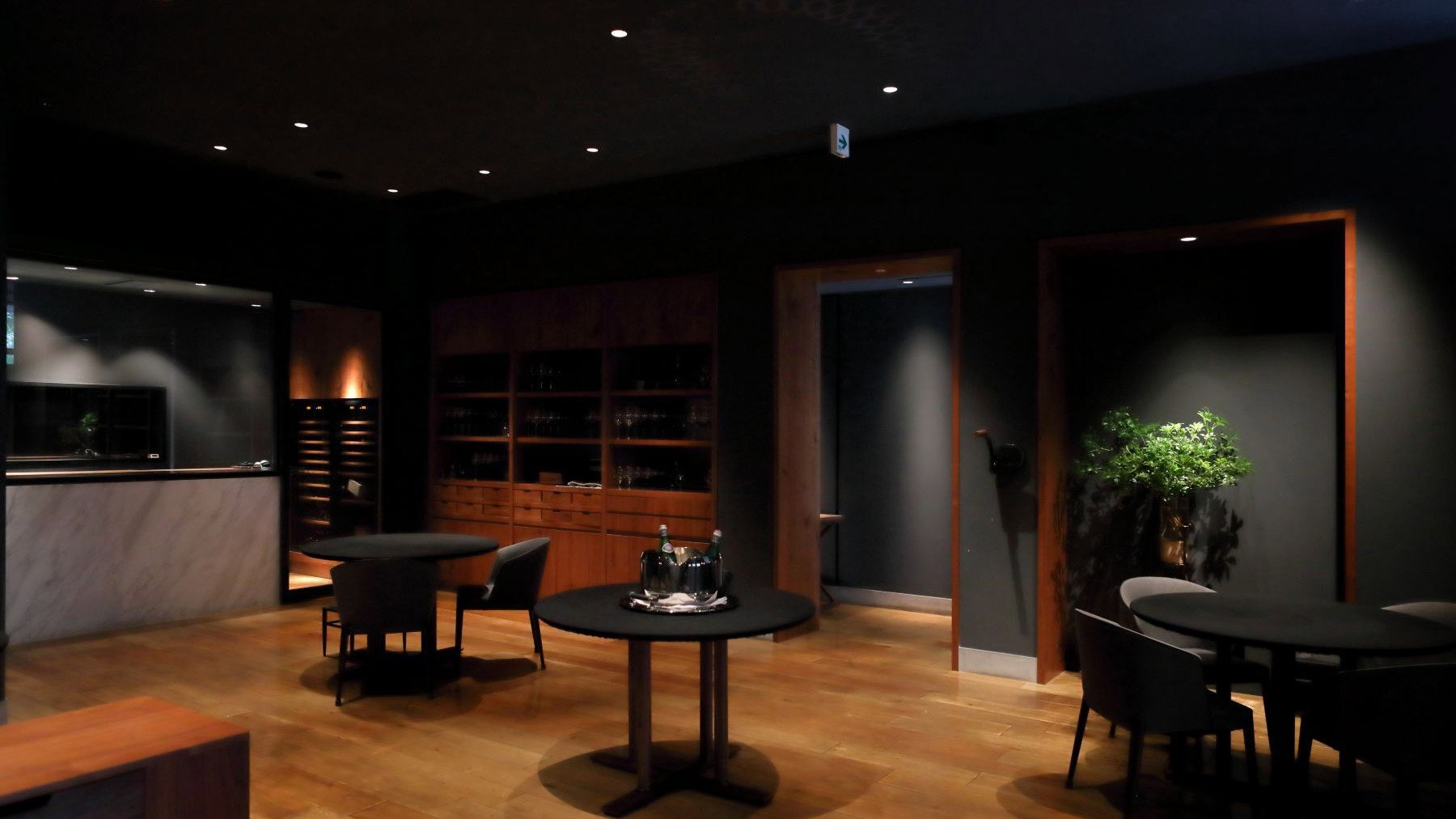
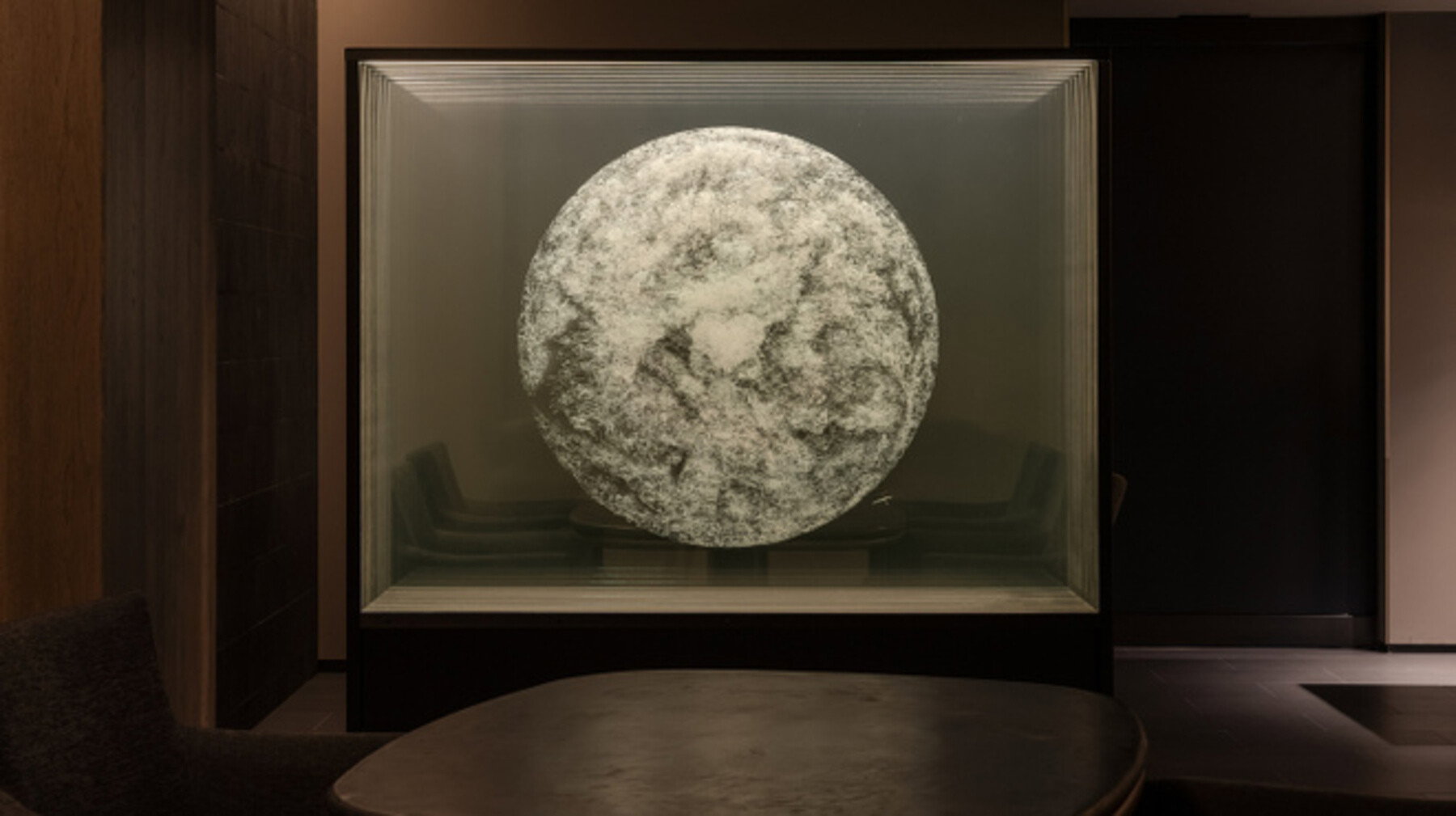
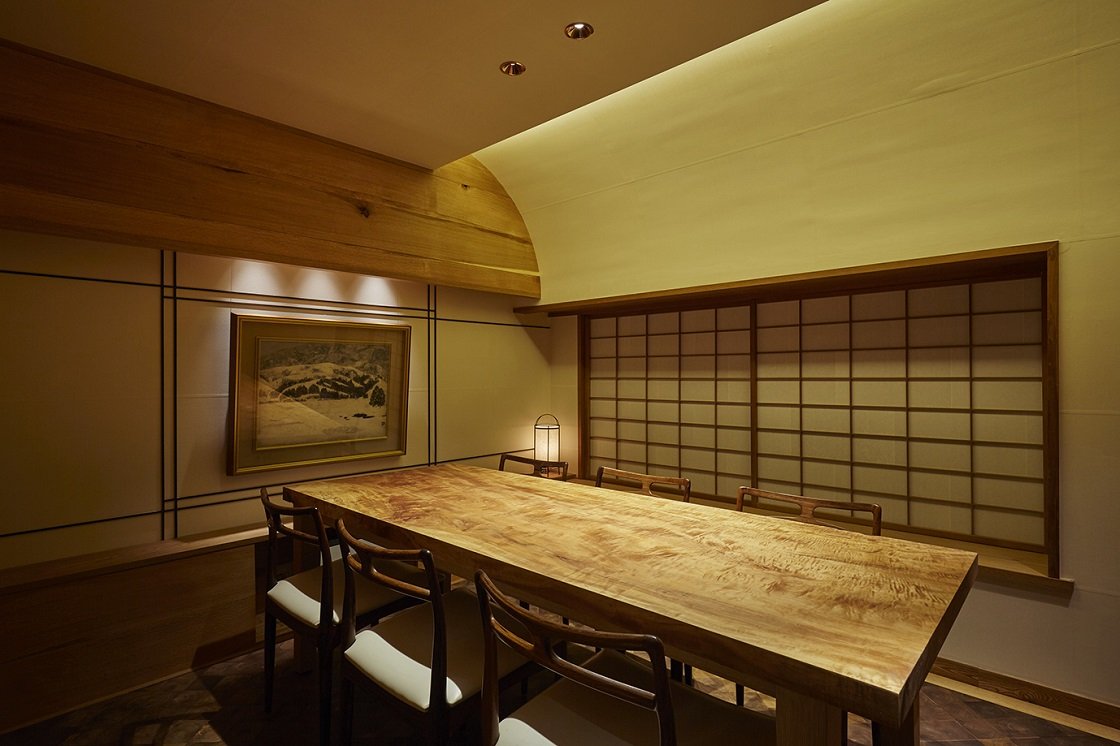
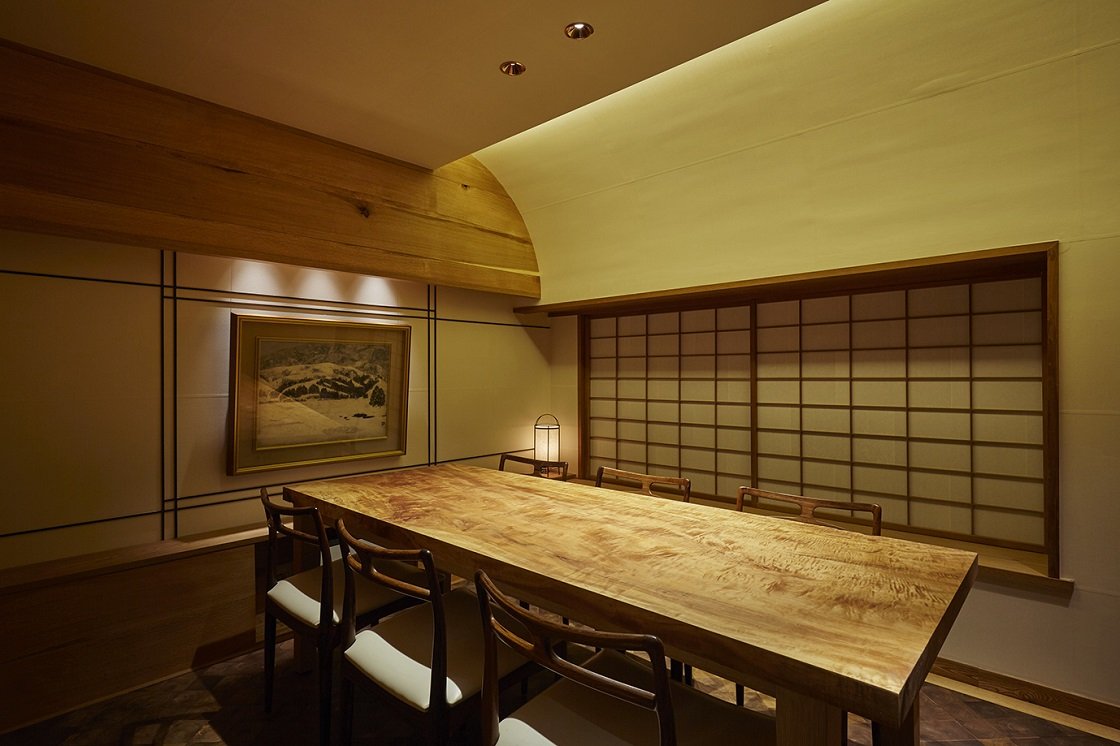
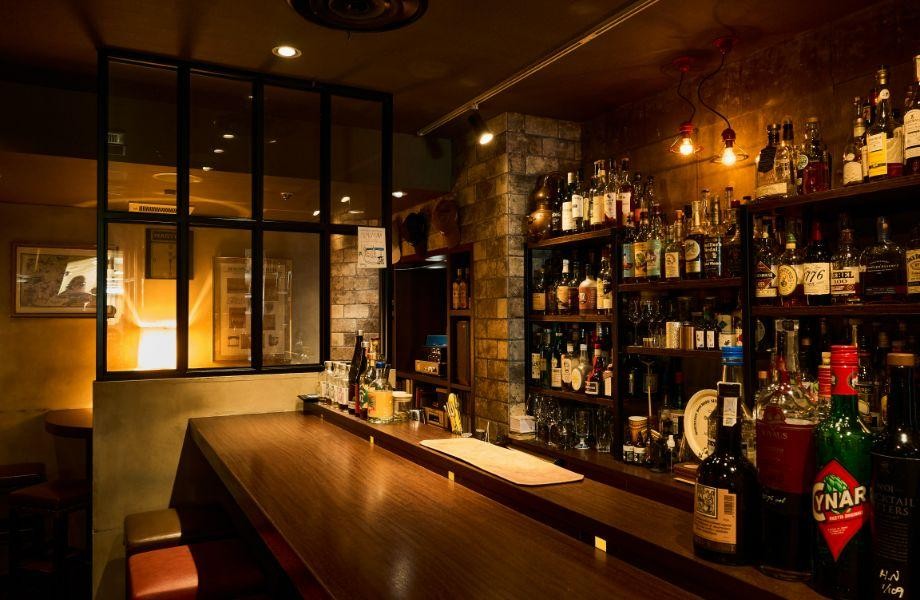
Yoshitaka feels intentionally restrained and refined. Set on the second floor in Higashishinsaibashi, the room is described as quiet and arranged in a counter format, which channels the discipline of kaiseki into a simmered-oden format. The place reads as classic rather than flashy: it leans on Osaka’s deep dashi traditions and a careful, technical approach to stock and timing. Michelin Plate recognition underscores the thoughtful execution. Overall the mood is intimate and sophisticated, a spot where attention to foundational flavors and measured technique define the experience.
Best For
This is a restaurant for focused, occasion-driven dining: think date nights, small special occasions, and solitary meals at the counter. The counter-format rooms encourage close engagement with the preparation, and the kaiseki-informed approach makes the service feel formal and deliberate. Michelin Plate recognition and the emphasis on refined dashi work mean it’s best appreciated when you can sit through a composed, simmered course rather than a quick snack. Groups larger than a few people are not the intended fit given the intimate counter layout.
Ordering Tips
Oden at Yoshitaka is presented as a simmered discipline rather than casual street fare, so approach your meal expecting subtlety and technical precision. The write-up stresses that each component requires distinct timing and dashi calibration, so let the pacing and sequence of dishes be guided by the kitchen. Focus on tasting the depth of the stock—dashi is the measure of the kitchen here—and ask about the specific components in the pot if you’re curious about preparation or provenance. Treat the meal more like a kaiseki simmered course than a grab-and-go experience.
Venue details
Ambiance
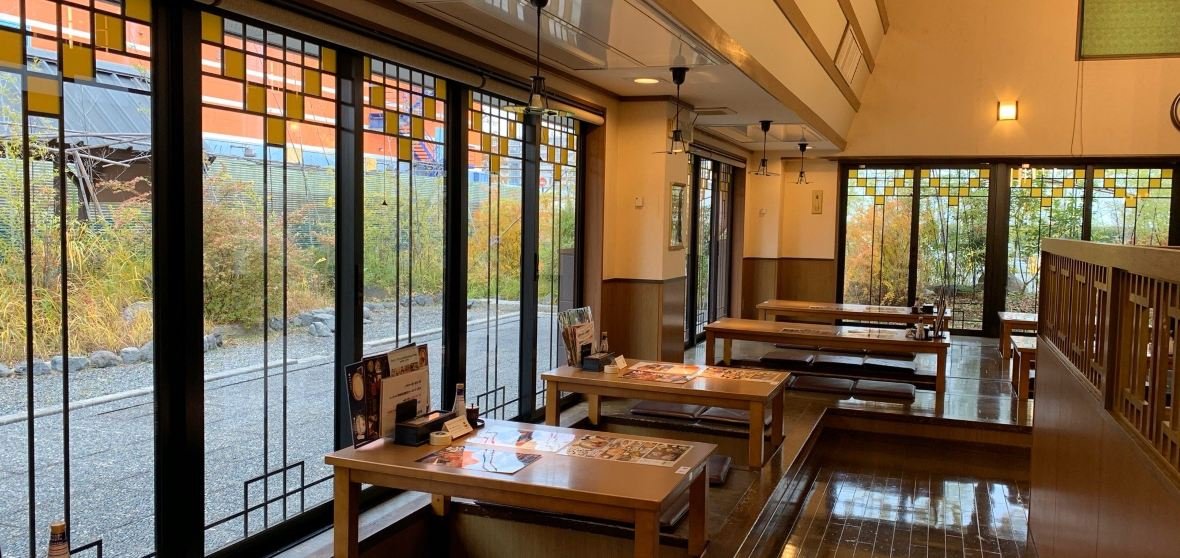
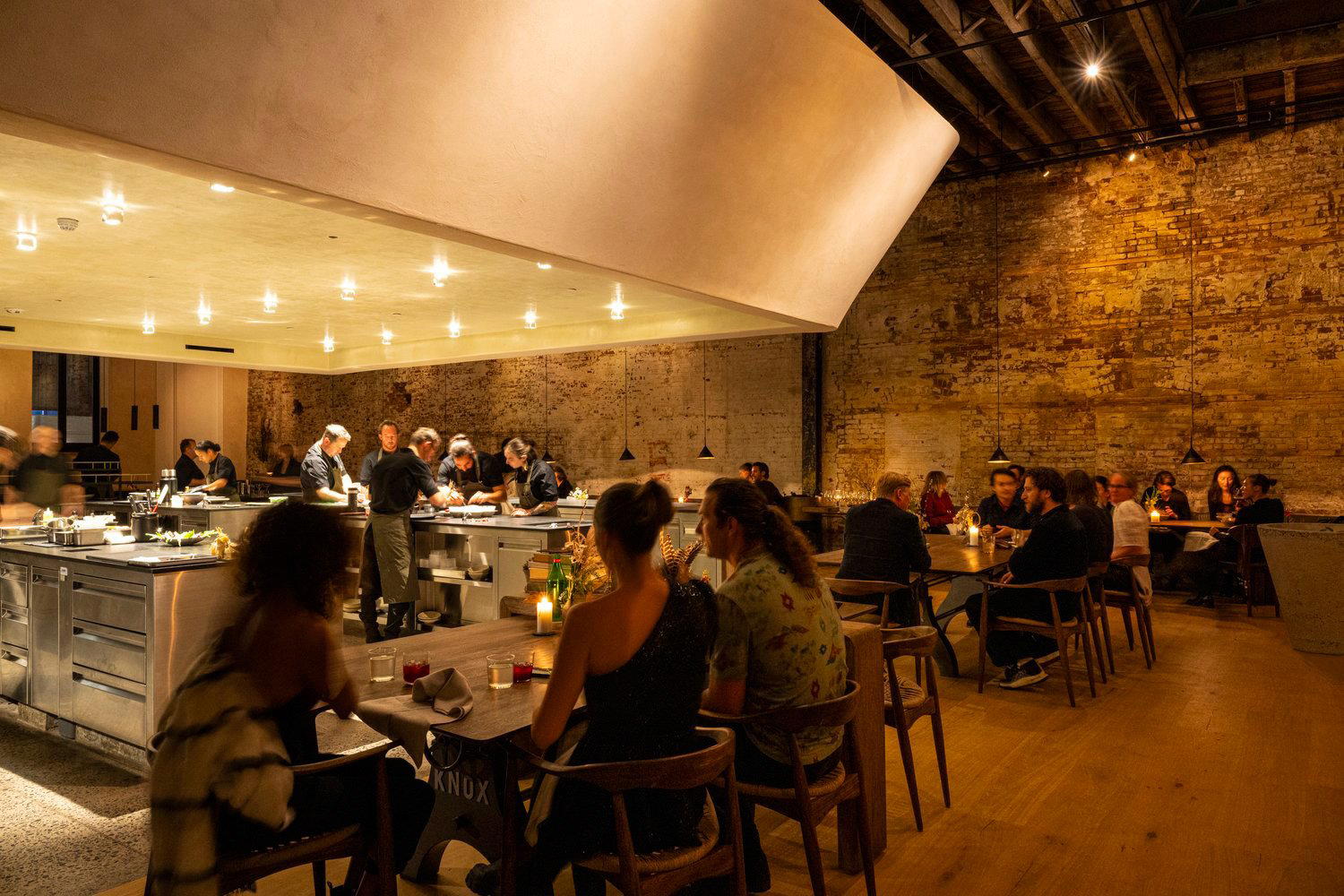
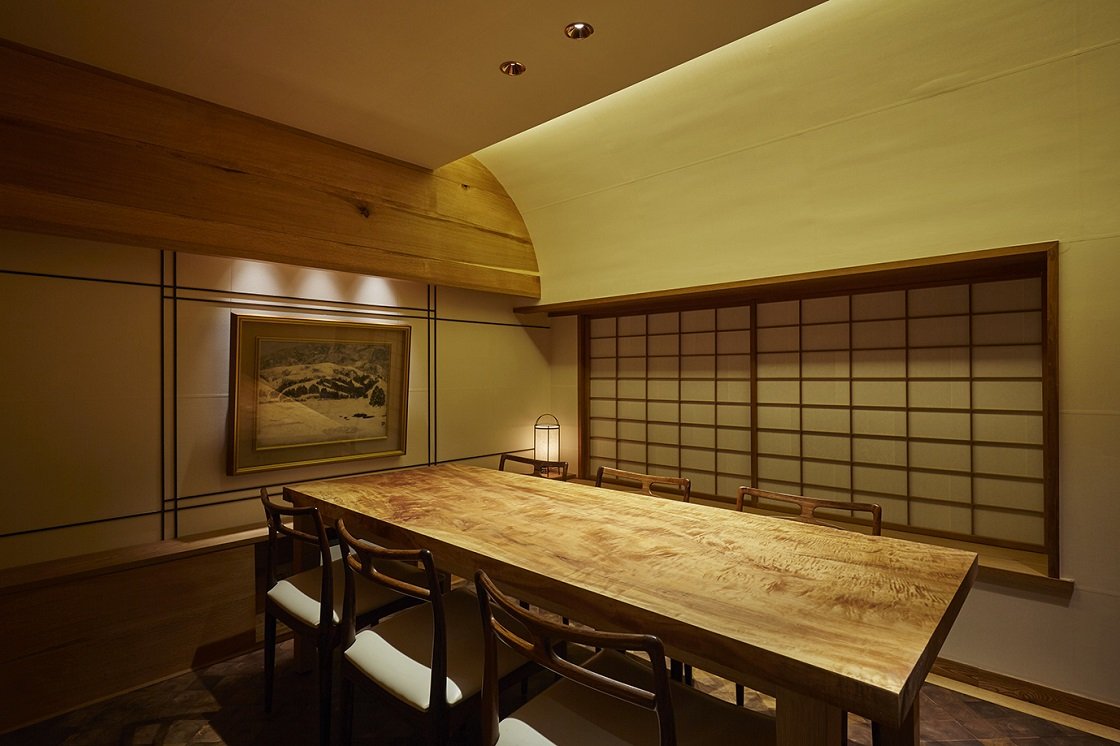
A small, tucked-away counter space with a calm, intimate atmosphere suited to leisurely, quietly attentive dining.
Tags
Vibe
Best For
Experience
Sourcing
At the Table
- Dress Code
- Smart Casual
- Noise Level
- Quiet
- Service Style
- Counter Service
- Meal Pacing
- Leisurely
- Capacity
- Intimate
Signature Dishes
- oden
- seasonal simmered dishes
Know before you go
Know Before You Go
- Getting there
- Japan, 〒542-0083 Osaka, Chuo Ward, Higashishinsaibashi, 2 Chome−8−5 2階
Planning details
Location
Japan, 〒542-0083 Osaka, Chuo Ward, Higashishinsaibashi, 2 Chome−8−5 2階 · Directions
Recognition and awards
Also consider
Also Consider
- HAJIME, French, Innovative, ¥¥¥¥
- La Cime, French, ¥¥¥¥
- Kashiwaya Osaka Senriyama, Japanese, ¥¥¥
- Taian, Kaiseki, Japanese, ¥¥¥
- Fujiya 1935, Innovative, ¥¥¥¥
Restaurant context
Yoshitaka sits at ¥¥¥ in a city where the most talked-about restaurants operate at ¥¥¥¥. That price gap matters when you are deciding where to spend a serious dinner. HAJIME and La Cime are both French-influenced and technically accomplished, and both represent a different category of commitment, longer meals, higher spend, more elaborate technique. If those are your benchmarks, Yoshitaka will feel like a different register entirely. That is not a weakness: oden at this level is not trying to compete with a French tasting menu, and the price point reflects that honestly.
Within the ¥¥¥ tier, the closer comparisons are Taian and Kashiwaya Osaka Senriyama, both of which work in Japanese kaiseki and carry more formal ceremony. If you want the full kaiseki structure with lacquerware and multi-course sequencing, either of those serves the purpose better. Yoshitaka is the choice when you want that same level of kitchen intentionality applied to oden, an ingredient tradition with deeper Osaka roots than any kaiseki lineage. For food-focused travellers who have already covered the kaiseki category, Yoshitaka is the more interesting booking at ¥¥¥.
For a splurge in Osaka's innovative dining tier, Fujiya 1935 at ¥¥¥¥ is the most technically adventurous option and the hardest to book. Yoshitaka, by contrast, is rated Easy to book and does not require the same advance planning. If you are building an Osaka itinerary with one high-spend meal and one more accessible serious dinner, Yoshitaka fills the second slot well, structured enough to feel like an event, accessible enough not to require weeks of planning.
Explore Osaka
Around this place
Discover more on Pearl
Unlock the full Yoshitaka guide in Pearl, including awards, comparisons, FAQs, planning details, and nearby places.
Compare Yoshitaka
| Venue | Price | Booking Difficulty | Awards |
|---|---|---|---|
| Yoshitaka | ¥¥¥ | Easy | Michelin Guide Kyoto Osaka 20262026 Michelin Plate2025 Michelin Plate2024 Michelin Plate |
| HAJIME | ¥¥¥¥ | Unknown | Star Wine Lists 2026 · #12026 Tabelog Bronze · #922026 OAD Top Restaurants in Japan Ranked · #98Michelin Guide Kyoto Osaka 20262026 La Liste Top RestaurantsTabelog 100 - Innovative / Creative cuisine - 2025 · #692025 Asia's 50 Best Restaurants · #832025 OAD Top Restaurants in Japan Ranked · #87We're Smart World Top Restaurants 2025 |
| La Cime | ¥¥¥¥ | Unknown | 2026 Asia's 50 Best Restaurants · #132026 OAD Top Restaurants in Japan Ranked · #1492026 Tabelog Bronze · #231Michelin Guide Kyoto Osaka 20262026 La Liste Top Restaurants2025 Asia's 50 Best Restaurants · #82025 World's 50 Best Restaurants · #44Tabelog 100 - French - WEST - 2025 · #932025 OAD Top Restaurants in Japan Ranked · #123 |
| Kashiwaya Osaka Senriyama | ¥¥¥ | Unknown | 2026 Tabelog Bronze · #1682026 OAD Top Restaurants in Japan Recommended2026 Relais Chateaux RestaurantsMichelin Guide Kyoto Osaka 20262026 La Liste Top RestaurantsTabelog 100 - Japanese cuisine - WEST - 2025 · #772025 OAD Top Restaurants in Japan Ranked · #1552025 Relais Chateaux Award2025 Michelin 3 Stars |
| Taian | ¥¥¥ | Unknown | 2026 OAD Top Restaurants in Japan RecommendedMichelin Guide Kyoto Osaka 20262026 La Liste Top Restaurants2025 OAD Top Restaurants in Japan Ranked · #2042025 La Liste Top Restaurants2025 Michelin 3 Stars2024 OAD Top Restaurants in Japan Ranked · #1912024 Michelin 3 Stars2023 OAD Top Restaurants in Japan Highly Recommended |
| Fujiya 1935 | ¥¥¥¥ | Unknown | 2026 Tabelog Bronze · #752026 OAD Top Restaurants in Japan RecommendedMichelin Guide Kyoto Osaka 20262026 La Liste Top Restaurants2025 Michelin 2 Stars2025 Tabelog Silver2025 La Liste Top Restaurants2024 OAD Top Restaurants in Japan Ranked · #2392024 Michelin 2 Stars |
.png?width=1200&quality=80)









Comparing your options in Osaka for this tier.
FAQ
Frequently Asked Questions
What should I wear to Yoshitaka?
Neat, understated clothing is a reasonable call for a Michelin Plate-recognised counter restaurant at this price range (¥¥¥). Yoshitaka draws on kaiseki traditions in its plating and service style, so overly casual dress would feel out of place. Think clean, considered — not black-tie, but not weekend-errand either.
Can I eat at the bar at Yoshitaka?
The venue's format — oden served one piece at a time with individually chosen serving dishes — strongly implies counter or bar seating as the primary experience, not a secondary option. That counter format is actually the draw here: it is how the sequencing and the dashi-led progression work. If you prefer table dining over counter service, a place like La Cime may suit you better.
Can Yoshitaka accommodate groups?
No group capacity data is listed for Yoshitaka, and the one-piece-at-a-time oden format suggests an intimate, individually paced experience rather than a setup built for large parties. For groups of four or more, it is worth contacting the restaurant directly through current reservation platforms before assuming availability. Larger Osaka options like Kashiwaya Osaka Senriyama or Taian may offer more flexible group arrangements.
What are alternatives to Yoshitaka in Osaka?
For dashi-led Japanese cooking with more formal kaiseki structure, Kashiwaya Osaka Senriyama and Taian are the logical comparisons, both holding higher Michelin recognition and a more conventional multi-course format. Fujiya 1935 and La Cime take a more contemporary or French-influenced approach if the oden format specifically is not what you are after. Yoshitaka is the right choice if you want to eat precisely within Osaka's kombu-dashi tradition in a focused, counter-led setting at ¥¥¥.
Is the tasting menu worth it at Yoshitaka?
At ¥¥¥, Yoshitaka delivers a structured meal that ends with either dashi ramen or peppered rice in the Edo style — this is a considered composition, not just a sequence of dishes. The Michelin Plate recognition in both 2024 and 2025 confirms it clears a professional quality bar. If you want omakase-level attentiveness applied to oden rather than sashimi or classic kaiseki, yes — it is worth it. If you are expecting the breadth of a full kaiseki progression, Kashiwaya or Taian will go further.