
Yakitori Torisen
Yakitori · Kita, Osaka
Restaurant in Osaka, Japan
 Book with Pearl
The Read
Whole-Bird Jidori Discipline
Price
$100–150per person
Dress
Smart Casual
Why go
Yakitori Torisen is a Michelin one-starred yakitori counter in Osaka's Dojima district with a strict whole-bird philosophy: jidori breeds only, no dipping sauces, and rare cuts shared between two diners. Reservations are required for parties of two or more. At ¥¥¥, it's one of the most focused and technically serious chicken-led dining experiences in the city.
About Yakitori Torisen
Verdict: One of Osaka's most focused yakitori experiences, but come prepared
The biggest misconception about Yakitori Torisen is that it's a casual chicken-skewer spot where you can drop in, pick your cuts, and dip freely into sauces. It isn't. This is a Michelin one-starred counter in Dojima where the philosophy is total commitment to the bird: jidori breeds only, no foreign chicken, no dipping sauces, and rare cuts shared between two diners. That last point matters practically: reservations are only accepted for parties of two or more, which means solo diners are shut out entirely. If you're planning a first visit, arrive knowing exactly what you're walking into, because the experience is structured around a specific set of convictions, and guests who push against them will have a harder time than those who lean in.
What makes Torisen different from other yakitori in Osaka
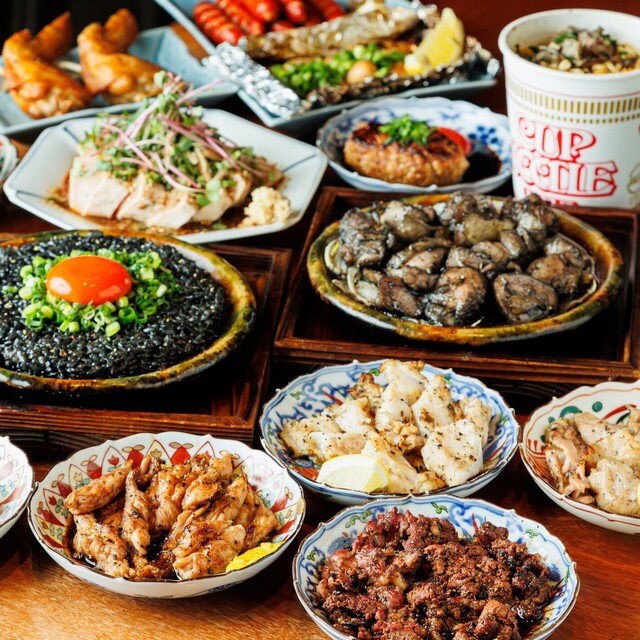
The concept here is whole-bird dining. Every part of the chicken is used, including cuts that most yakitori restaurants don't bother with or can't source in sufficient quality. The insistence on Japanese native chicken breeds: jidori, as noted on the coasters, isn't branding. It drives real differences in texture and flavour concentration compared to commercially raised poultry. The no-sauce rule is deliberate and polarising: Torisen is making a claim that the chicken is good enough to need nothing added. For diners who are used to tare or citrus accompaniments, this takes adjustment. For those who trust the premise, it tends to deliver.
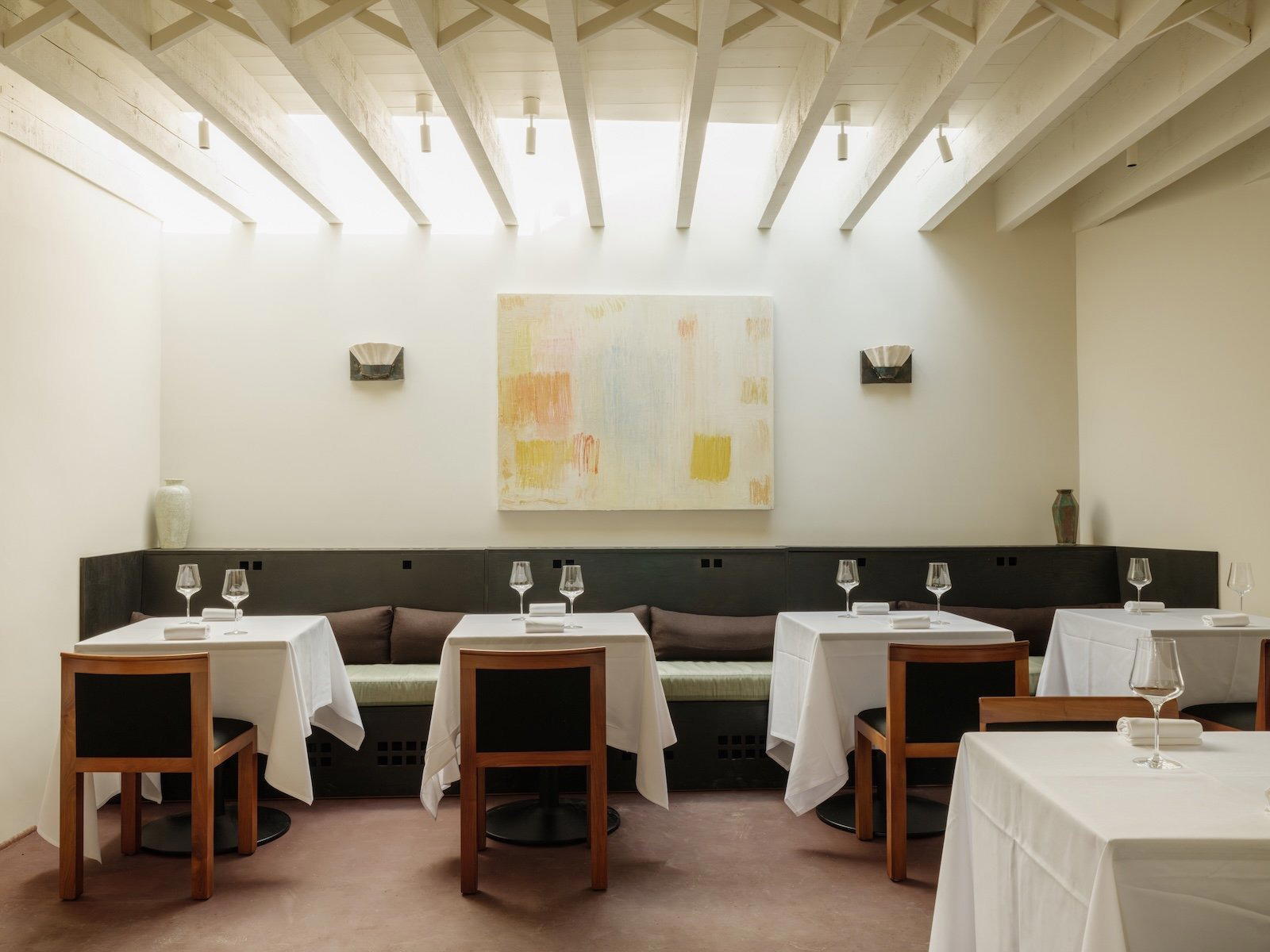
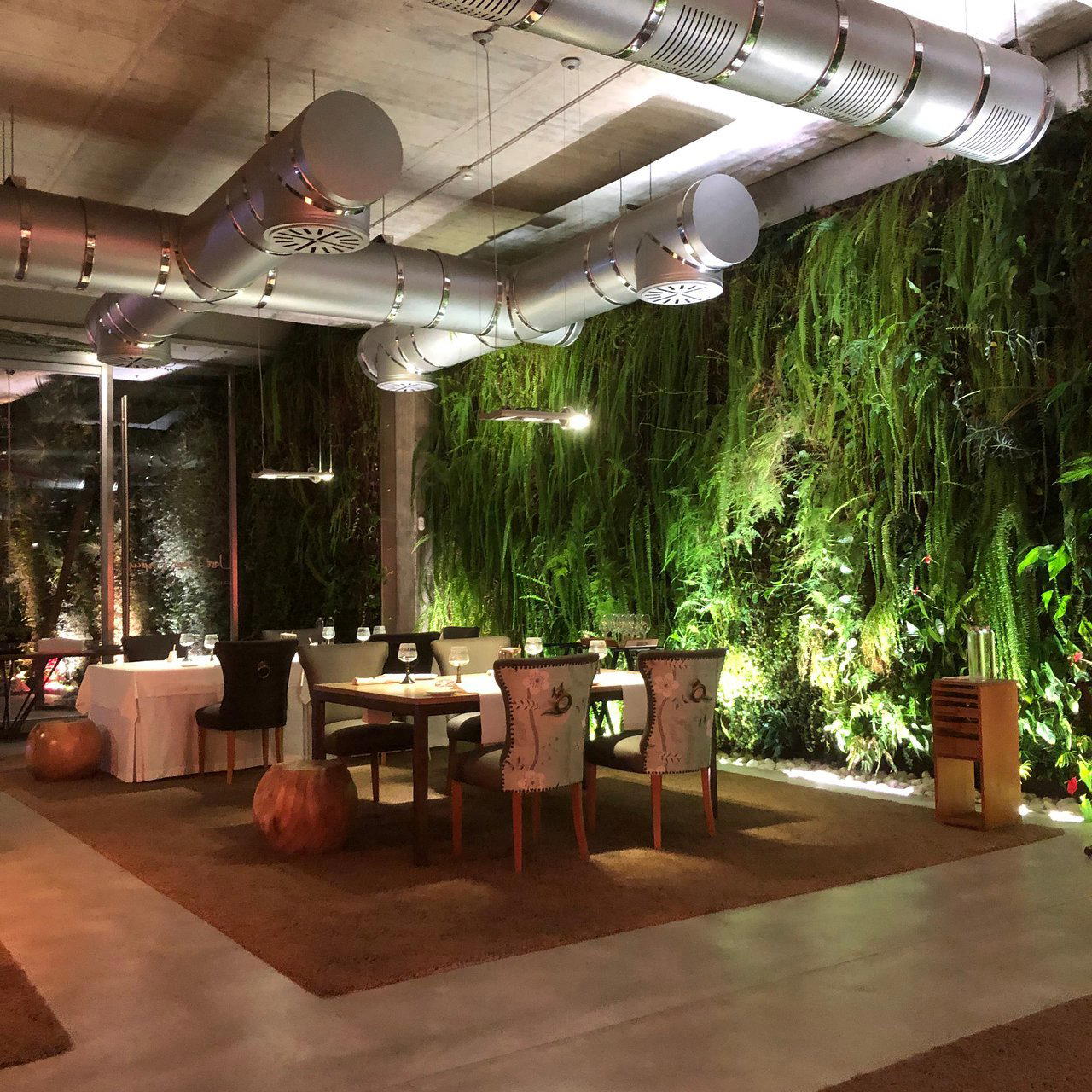
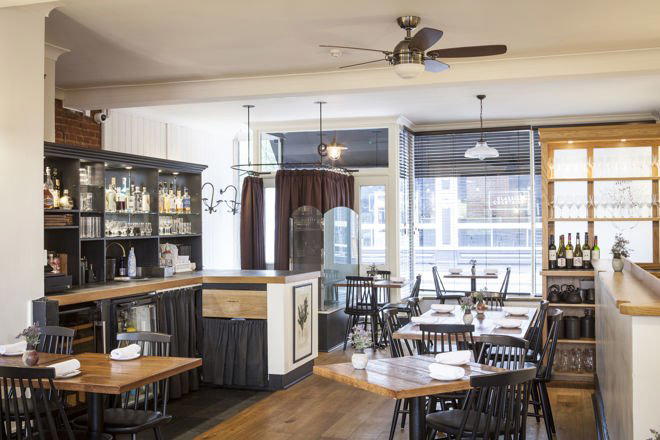
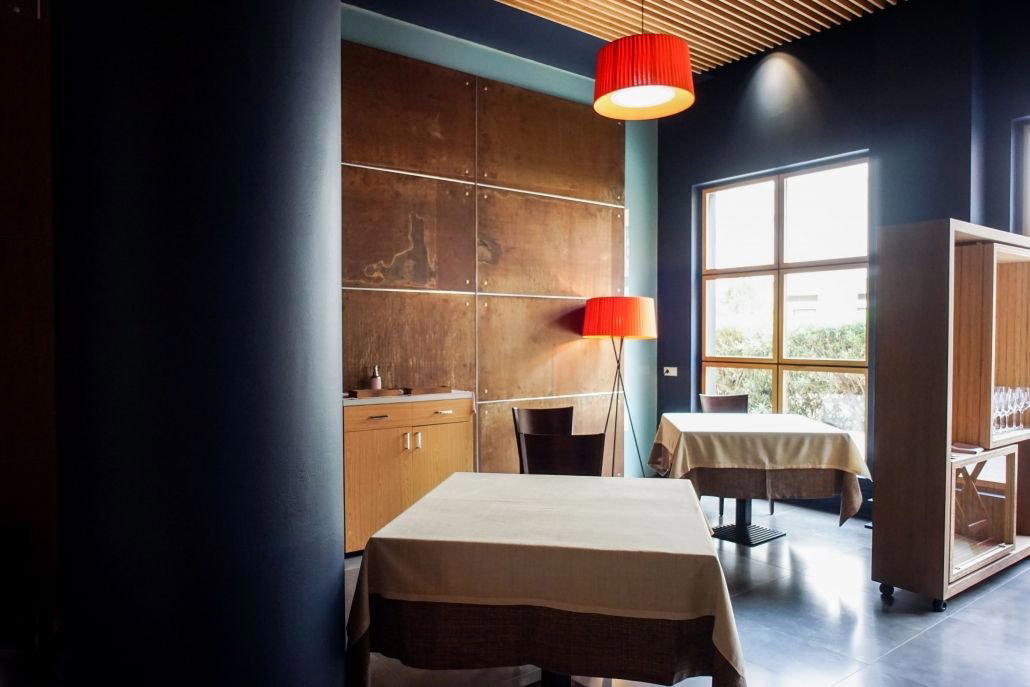
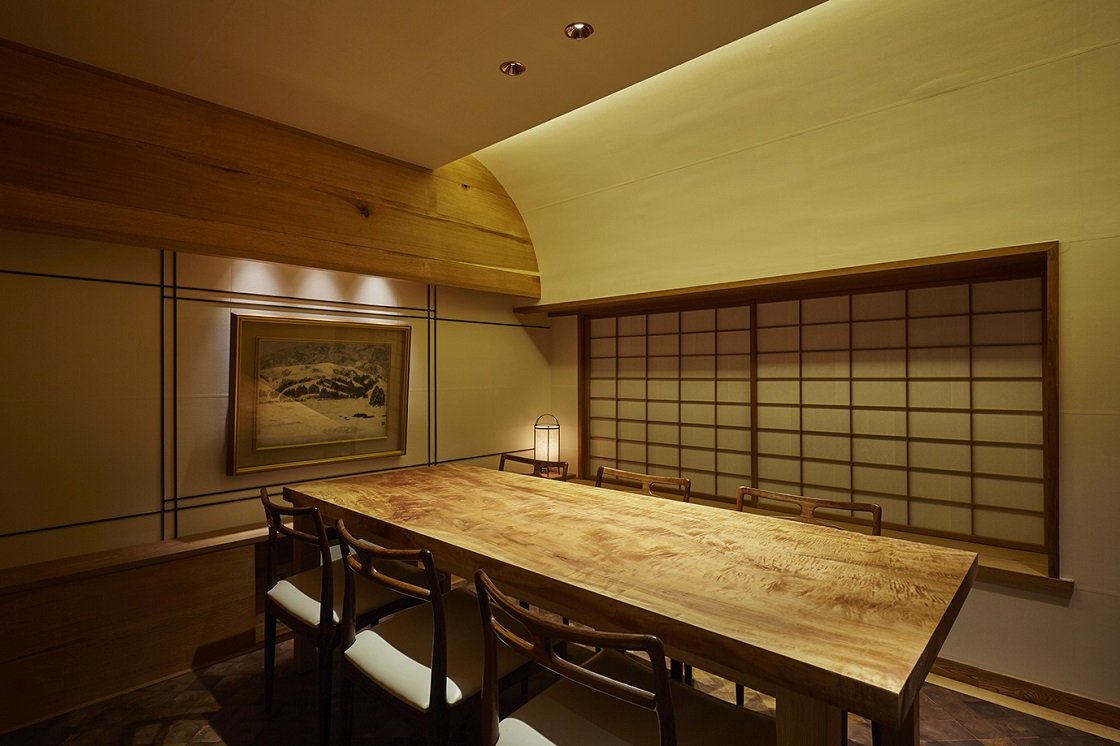
Dining room sits on the third floor of a building in Kita Ward's Dojima district, close to the business and nightlife corridor that connects Umeda to the river. The space is intimate by design. Seating at a counter or small room format means you're close to the preparation, this isn't a venue where the kitchen is hidden. The spatial experience matters here: the proximity to the grill, the smoke, the careful sequencing of cuts, all of it is part of what you're paying for. There is no elaborate drinks program to anchor the meal, the focus is the food, and the pacing is set by the kitchen.
On drinks at Torisen
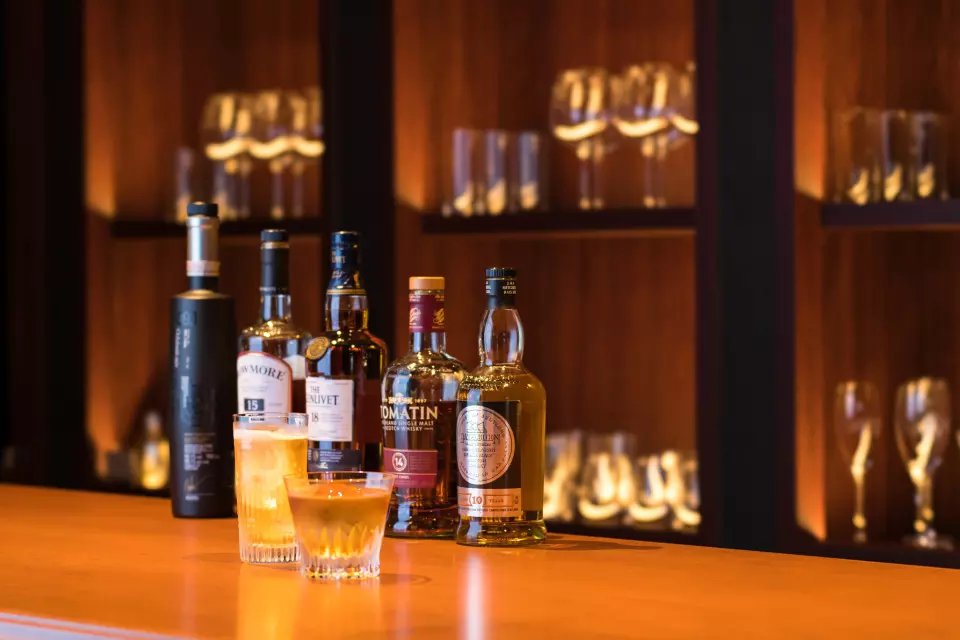
Torisen doesn't lead with its bar program, and the venue data doesn't detail a cocktail list. What's typical at yakitori counters of this calibre in Japan is a considered selection of sake, shochu, and Japanese whisky, chosen to complement grilled chicken without competing with it. The absence of dipping sauces makes the drink pairing more consequential: what you're drinking will do more work modulating the richness of the fat and the char than it would at a venue with condiments on the table. If you're a sake drinker, this is the format where that preference pays off most. Expect clean, dry profiles to work better here than anything sweet or fruit-forward. No cocktail program has been documented for Torisen, so if a creative drinks experience is your primary interest, pair this meal with a visit to one of Osaka's dedicated bars, our full Osaka bars guide covers the options.
Booking and logistics
Booking at Torisen is hard. Michelin recognition since 2024 has tightened availability considerably. The two-person minimum for reservations is a firm policy, not a preference, confirmed by the venue's own stated rationale around sharing rare cuts. Walk-ins are not a realistic strategy for a counter of this size and profile. Book as far in advance as your plans allow. The address is 1 Chome-4-26, Dojima, Kita Ward, Osaka, third floor of the Tamaya Building. The Dojima area is walkable from Kitashinchi and Higashi-Umeda stations.
Price range is ¥¥¥, making it more accessible than the ¥¥¥¥ venues in Osaka's French-influenced fine dining tier, but still a considered spend. For context on the broader Osaka scene, see our full Osaka restaurants guide.
Who should book Torisen
This venue suits pairs and small groups who want a focused, high-craft dining experience without the sprawl of a multi-hour kaiseki. It's well-suited to diners who are genuinely curious about Japanese ingredient sourcing and whole-animal approaches to a single protein, rather than those looking for variety across a wide menu. If you've already done the obvious Osaka fine dining circuit and want something more specific, Torisen is a strong answer. If you're travelling as a solo diner, look instead at Torisho Ishii or Ichimatsu, where the solo policy may be less restrictive. For yakitori elsewhere in the Kansai region, Torisaki in Kyoto is a strong alternative. Tokyo's Yakitori Omino offers a useful point of comparison at a similar quality tier.
Other Osaka venues worth considering depending on your priorities: Ayamuya, Kitashinchi Shien, and Ishii. Further afield, Harutaka in Tokyo, Gion Sasaki in Kyoto, akordu in Nara, Goh in Fukuoka, 1000 in Yokohama, and 6 in Okinawa round out the Japan fine dining picture if you're building a longer itinerary. Our Osaka hotels guide, Osaka wineries guide, and Osaka experiences guide cover the rest of your trip.
Planning details
- Hours
- Monday: 6–11 PM · Tuesday: 6–11 PM
- Location
- Japan, 〒530-0003 Osaka, Kita Ward, Dojima, 1 Chome−4−26 玉家ビル 3階
- Reservations
- Book on Omakase
- Website
- instagram.com/yakitori_torisen_kitashinchi/?hl=ja
- Phone
- +81 6-6342-5565
The take
The Take
The Vibe
Torisen treats yakitori as a disciplined, refined practice rather than casual street fare. Located on the third floor in Dojima, the restaurant sits at the serious end of Osaka’s yakitori spectrum: it carries a Michelin star and a higher price point. The kitchen’s philosophy is meticulous: every bird is native Japanese jidori, and the menu embraces the kaiseki-like ethic of using a seasonal ingredient whole. The result feels deliberate and measured: an elegant, traditional-minded place where technique, provenance and respect for ingredients shape the dining experience.
Best For
This is a place to reserve for a considered evening rather than a quick snack. With a Michelin star, a ¥¥¥ price designation and a multi-course approach that echoes kaiseki, Torisen is well suited to special occasions, date nights and formal business dinners. The focus on jidori and whole-bird preparations rewards diners who come ready to engage with a tasting-led meal; it reads as an evening destination best appreciated at dinnertime when the kitchen presents its full sequence of grilled cuts.
Ordering Tips
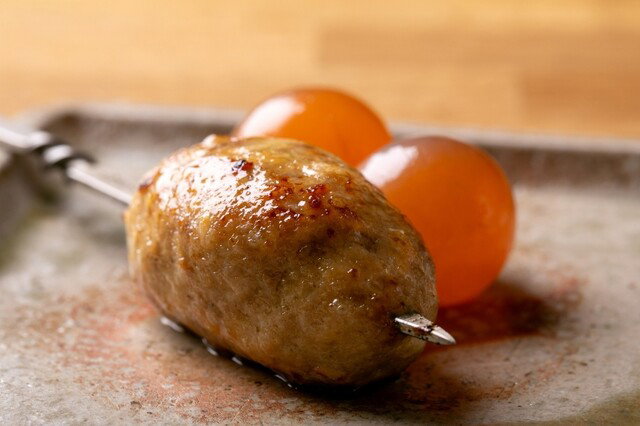
Embrace the house philosophy: the menu intentionally showcases whole-bird jidori across familiar and obscure cuts. Expect preparations that include cartilage, skin sections and organs alongside thigh and breast, and note the no-dipping-sauce rule: the kitchen relies on ingredient quality rather than condiments. Order with an open mind and follow the kitchen’s sequence if a set menu is offered; the experience is about tasting the full range of the bird rather than picking only the most familiar pieces.
Venue details
Ambiance
Serene, refined, and intimate, with a cozy counter-style atmosphere.
Tags
Vibe
Best For
Experience
Sourcing
At the Table
- Dress Code
- Smart Casual
- Noise Level
- Conversational
- Service Style
- Omakase Bar
- Meal Pacing
- Leisurely
- Capacity
- Small
- Kitchen
- Traditional
- Menu Format
- Set menu, Counter dining
- Dietary
- Halal
Signature Dishes
- Matsukaze Jidori yakitori
- whole roasted free-range chicken
- rare chicken cuts
Know before you go
Know Before You Go
- Getting there
- Japan, 〒530-0003 Osaka, Kita Ward, Dojima, 1 Chome−4−26 玉家ビル 3階
Planning details
Hours
- Monday
- 6–11 PM
- Tuesday
- 6–11 PM
- Wednesday
- 6–11 PM
- Thursday
- 6–11 PM
- Friday
- 6–11 PM
- Saturday
- 6–11 PM
- Sunday
- 6–11 PM
Location
Japan, 〒530-0003 Osaka, Kita Ward, Dojima, 1 Chome−4−26 玉家ビル 3階 · Directions
Recognition and awards
Also consider
Also Consider
- HAJIME: French, Innovative, ¥¥¥¥
- La Cime: French, ¥¥¥¥
- Kashiwaya Osaka Senriyama: Japanese, ¥¥¥
- Taian: Kaiseki, Japanese, ¥¥¥
- Fujiya 1935: Innovative, ¥¥¥¥
Restaurant context
At ¥¥¥, Torisen sits in the same price tier as Taian and Kashiwaya Osaka Senriyama, but the format is completely different. Where Taian and Kashiwaya offer multi-course kaiseki with protein variety and elaborate presentation, Torisen is a single-protein counter built around conviction rather than breadth. If you want a full kaiseki progression, choose Taian or Kashiwaya. If you want the deepest possible focus on a single ingredient at the same price point, Torisen is the stronger choice.
The ¥¥¥¥ venues in Osaka HAJIME, La Cime, and Fujiya 1935: operate in a different register entirely: French-influenced, multi-hour, and technically elaborate across many ingredients. They are harder to book, more expensive, and suited to diners who want the full Osaka fine dining statement. Torisen is the better call if you want something shorter, more specific, and easier on the budget without sacrificing Michelin-level craft.
On booking difficulty, all five comparison venues require advance planning post-Michelin recognition, but Torisen's two-person minimum adds a structural constraint the others don't have. For solo diners or groups larger than two who don't want to split into pairs, Kashiwaya or Taian are the more flexible alternatives at the same price tier.
Explore Osaka
Around this place
Discover more on Pearl
Unlock the full Yakitori Torisen guide in Pearl, including awards, comparisons, FAQs, planning details, and nearby places.
Compare Yakitori Torisen
| Venue | Price | Awards |
|---|---|---|
| Yakitori Torisen | ¥¥¥ | 2026 Michelin 1 Star2024 Michelin 1 Star |
| HAJIME | ¥¥¥¥ | Star Wine Lists 2026 · #12026 Tabelog Bronze · #922026 OAD Top Restaurants in Japan Ranked · #98Michelin Guide Kyoto Osaka 20262026 La Liste Top RestaurantsTabelog 100 - Innovative / Creative cuisine - 2025 · #692025 Asia's 50 Best Restaurants · #832025 OAD Top Restaurants in Japan Ranked · #87We're Smart World Top Restaurants 2025 |
| La Cime | ¥¥¥¥ | 2026 Asia's 50 Best Restaurants · #132026 OAD Top Restaurants in Japan Ranked · #1492026 Tabelog Bronze · #231Michelin Guide Kyoto Osaka 20262026 La Liste Top Restaurants2025 Asia's 50 Best Restaurants · #82025 World's 50 Best Restaurants · #44Tabelog 100 - French - WEST - 2025 · #932025 OAD Top Restaurants in Japan Ranked · #123 |
| Kashiwaya Osaka Senriyama | ¥¥¥ | 2026 Tabelog Bronze · #1682026 OAD Top Restaurants in Japan Recommended2026 Relais Chateaux RestaurantsMichelin Guide Kyoto Osaka 20262026 La Liste Top RestaurantsTabelog 100 - Japanese cuisine - WEST - 2025 · #772025 OAD Top Restaurants in Japan Ranked · #1552025 Relais Chateaux Award2025 Michelin 3 Stars |
| Taian | ¥¥¥ | 2026 OAD Top Restaurants in Japan RecommendedMichelin Guide Kyoto Osaka 20262026 La Liste Top Restaurants2025 OAD Top Restaurants in Japan Ranked · #2042025 La Liste Top Restaurants2025 Michelin 3 Stars2024 OAD Top Restaurants in Japan Ranked · #1912024 Michelin 3 Stars2023 OAD Top Restaurants in Japan Highly Recommended |
| Fujiya 1935 | ¥¥¥¥ | 2026 Tabelog Bronze · #752026 OAD Top Restaurants in Japan RecommendedMichelin Guide Kyoto Osaka 20262026 La Liste Top Restaurants2025 Michelin 2 Stars2025 Tabelog Silver2025 La Liste Top Restaurants2024 OAD Top Restaurants in Japan Ranked · #2392024 Michelin 2 Stars |










Side-by-side comparison to help you decide where to book.
FAQ
Frequently Asked Questions
What should a first-timer know about Yakitori Torisen?
This is not a drop-in yakitori bar. Torisen operates on a whole-bird philosophy using only Japanese jidori breeds, serves rare cuts portioned for two diners, and offers no dipping sauces: the chicken is the point. Reservations are accepted for groups of two or more only, so solo visitors cannot book. Come with an open format in mind: you eat what the kitchen decides to serve, not what you select off a menu.
Is Yakitori Torisen worth the price?
At ¥¥¥, Torisen is priced at the upper tier of Osaka yakitori, and the Michelin 1 Star recognition since 2024 confirms it operates at a level most yakitori counters in Japan don't reach. The value case rests on the sourcing, jidori-only, whole-bird, rare cuts, rather than on volume or variety. If your priority is quantity or flexibility, the price-to-portion ratio will feel steep. If you're here for craft and ingredient integrity, the price holds up.
Is Yakitori Torisen good for solo dining?
No. Torisen accepts reservations for two or more only, and rare cuts are portioned between two diners: the format is built around pairs. Solo diners should look elsewhere in Osaka; counters without a two-person minimum are a better fit.
Is the tasting menu worth it at Yakitori Torisen?
The format at Torisen is effectively a set progression through the whole bird, including cuts most yakitori restaurants don't offer. For diners who want to understand what jidori chicken can do across different preparations, that's the draw. It's a more focused and shorter experience than a multi-course kaiseki, which suits diners who find the kaiseki format excessive but still want Michelin-level craft. If you need course variety beyond chicken, this format won't satisfy.
Is Yakitori Torisen good for a special occasion?
Yes, with the right pairing. Torisen's Michelin recognition, tight counter setting, and whole-bird philosophy make it a strong choice for a food-focused dinner for two. It's better suited to a celebration between diners who are genuinely interested in yakitori craft than to a general anniversary dinner where ambience and course variety matter more. For larger groups or mixed-interest tables, a venue like Kashiwaya or La Cime gives you more structural flexibility.
What are alternatives to Yakitori Torisen in Osaka?
For Michelin-level dining in Osaka with more format flexibility, La Cime and Taian both operate at comparable prestige tiers with broader menus. Kashiwaya at Senriyama is the right call if kaiseki depth and a longer multi-course experience are the priority. Fujiya 1935 suits diners who want contemporary Japanese technique over traditional counter formats. None of these are yakitori-specific, so if the chicken-counter format is what appeals about Torisen, there's no direct like-for-like alternative among Osaka's Michelin roster.