
Washoku Iikura
Japanese · Kita, Osaka
Restaurant in Osaka, Japan
 Book with Pearl
The Read
Fish-Forward Washoku Counter
Price
¥¥¥
Dress
Smart Casual
Why go
Washoku Iikura holds a Michelin Plate (2025) and for good reason: the fish cookery is technically sharp, the clay-pot rice dishes are worth the trip, and the multi-dish format rewards curious eaters. At ¥¥¥ with easy booking, it is one of the more accessible serious washoku options in Osaka's Nishitenma neighbourhood.
About Washoku Iikura
Verdict: Worth booking if you want serious washoku craft at a price that won't require advance planning
Booking is direct — this is not a venue that demands weeks of advance notice or a local contact to get a table. For food-focused visitors to Osaka who want technically accomplished Japanese cooking without the formality or the four-figure bill of a kaiseki counter, Iikura is worth your time.
What Kind of Restaurant Is This, Really?
The name signals the positioning directly: 'Washoku' promises Japanese cuisine in a relaxed register, and Iikura delivers on that. It operates in the space between an izakaya and a kappo — more considered than the former, less ceremonially structured than the latter. The format encourages breadth over depth: individual portions are deliberately modest so that diners can move through a wide range of dishes across an evening. If you prefer to commit to one or two large plates and be done, this is probably not the right fit. If you like the rhythm of ordering progressively and seeing where the kitchen takes you, this format works well.
The kitchen's clearest strength is in its fish cookery. The extensive fish list, grilled, simmered, or deep-fried, is where the chef's technique is most visible. The approach is direct rather than elaborate: solid classical method applied with individual touches that give the food a personal character without obscuring the ingredient. Rice dishes cooked in clay pots add a further dimension to the menu and are worth ordering if you have the appetite. For visitors building an itinerary around Japanese culinary depth, Iikura sits alongside places like Kashiwaya Osaka Senriyama and Tenjimbashi Aoki as an accessible entry point into Osaka's serious washoku scene.
The Technical Case: What This Kitchen Does Better Than Peers
Michelin Plate recognition in 2025 is a meaningful signal here. A Plate denotes fresh ingredients, carefully prepared, it is the Guide's way of marking a kitchen with genuine competence that does not yet meet star criteria. In Osaka, where the restaurant density is among the highest in Japan, earning any Michelin recognition requires consistent execution. The fish cookery at Iikura is the proof point: grilling, simmering, and deep-frying fish simply but well is harder than it looks, and the addition of the chef's own touches to classical preparations is precisely the kind of individual voice that separates a competent kitchen from a formulaic one.
Compared to similar-tier washoku in the city, the breadth of the fish list and the clay-pot rice programme give Iikura more range than most. Venues like Miyamoto and Oimatsu Hisano operate in overlapping territory, and the choice between them often comes down to format preference and what you want to eat on a given evening. Iikura's edge is in fish; if seafood is not a priority, the comparison narrows.
For context across the Kansai region, the technical rigour here is a step below kaiseki specialists like Gion Sasaki in Kyoto or the disciplined craft of Harutaka in Tokyo, but Iikura is not competing in that register. It offers something more immediate and accessible, a kitchen with genuine skill operating in a relaxed room, which is a combination that is harder to find in Osaka than the city's density might suggest.
Practical Details
Washoku Iikura is located at 3 Chome-7-20 Nishitenma, Kita Ward, Osaka, in the Nishitenma area north of central Osaka, accessible from multiple subway lines. The price range is ¥¥¥, positioning it as a mid-tier spend for the city: meaningful but not prohibitive, and clearly justified by the Michelin recognition. Booking difficulty is low, you should be able to secure a table with short notice by Osaka standards. Hours and reservation methods are not confirmed in the current data; check directly with the venue before visiting.
The modest individual portions are a deliberate design choice, not a portion-control issue. Come with appetite and plan to order across multiple categories. The clay-pot rice dishes are worth saving space for. Solo diners are well accommodated by the format, the counter or small-table setup common to this style of restaurant suits a single diner moving through dishes at their own pace. If you are building an Osaka evening around food, this pairs naturally with a visit to the bar scene in Nishitenma or Kitashinchi afterwards.
For broader context on where Iikura fits in Osaka's dining picture, see our full Osaka restaurants guide. If you are extending your trip, akordu in Nara and Goh in Fukuoka are worth adding to your itinerary for different but complementary perspectives on serious Japanese cooking. Elsewhere in Osaka, Yugen is another strong option for food-focused visitors. Broader Osaka planning resources: hotels, wineries, and experiences.
For Japanese cooking in Tokyo at a comparable level of seriousness, Myojaku and Azabu Kadowaki offer useful reference points, as does 1000 in Yokohama and 6 in Okinawa for further regional range.
Quick reference:
Planning details
- Location
- Japan, 〒530-0047 Osaka, Kita Ward, Nishitenma, 3 Chome−7−20 伊藤ビル 1階
- Website
- tablecheck.com/shops/iikura/reserve
- Phone
- +81 6-6314-6747
The take
The Take
The Vibe
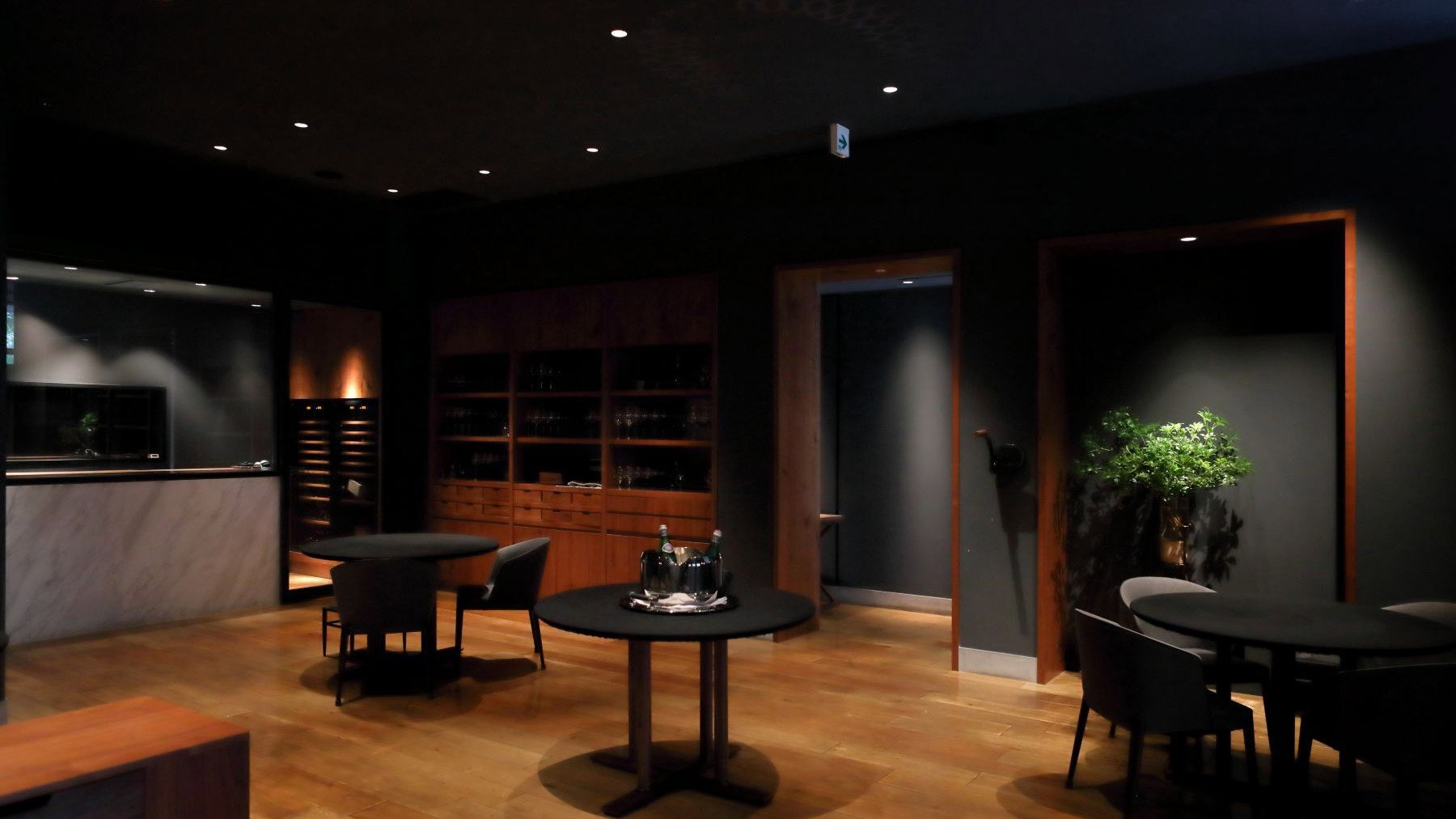
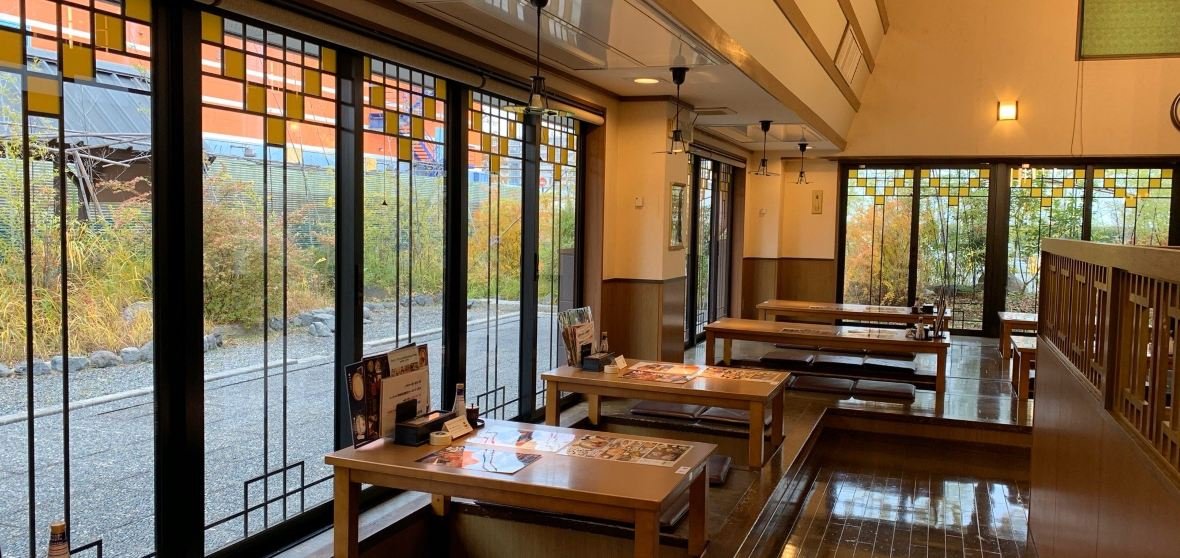
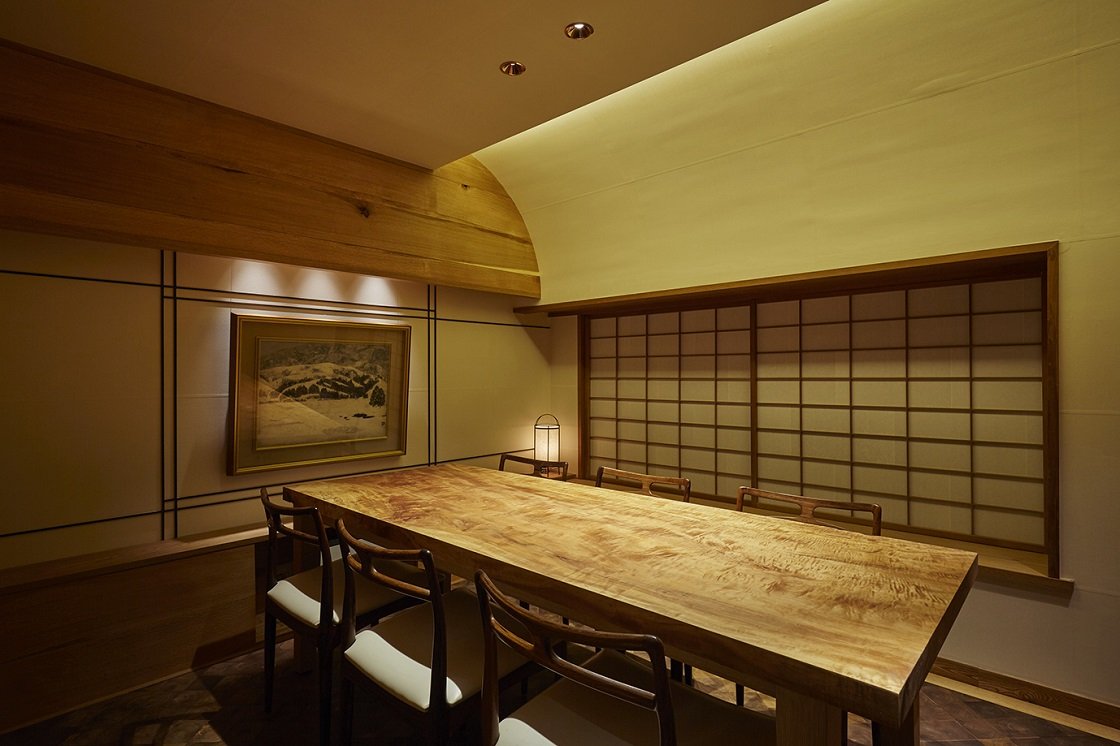
Washoku Iikura occupies a clear niche between izakaya informality and kappo restraint. The restaurant leans toward a relaxed, house-like atmosphere rather than ritualized kaiseki, so guests encounter technically ambitious cooking delivered in an approachable, repeatable format. Its location in Nishitenma and appeal to food-conscious locals and after-work professionals give it a quietly purposeful energy: not flashy, but carefully considered. Service and presentation favor directness over ceremony, and the overall impression is of a classic washoku approach tuned to modern, neighborhood dining—refined without feeling distant.
Best For
This is a restaurant well matched to evening visits: after-work dinners, business meals with colleagues, and intimate date nights or small special occasions where quality matters without formality. Locals who want serious Japanese cooking outside a full kaiseki sequence visit regularly, and the menu logic supports repeat visits across seasons. Larger, highly ceremonial celebrations are not the core remit; instead, Washoku Iikura excels for occasions that value restrained technique, seasonal fish and straightforward, thoughtfully paced meals.
Ordering Tips
The kitchen emphasizes seasonal fish, fire-driven technique and 'deliberate portions,' so plan a measured order rather than piling on courses. Ask staff about the day's seafood selections and the best preparations—the write-up highlights fish and fire as the kitchen's focus. Because portions are deliberate, sharing a selection of small plates or a few composed dishes encourages variety without waste. Expect a composed, ingredient-forward meal; pace orders so you can appreciate the progression of flavors and return across visits to try different seasonal offerings.
Venue details
Ambiance
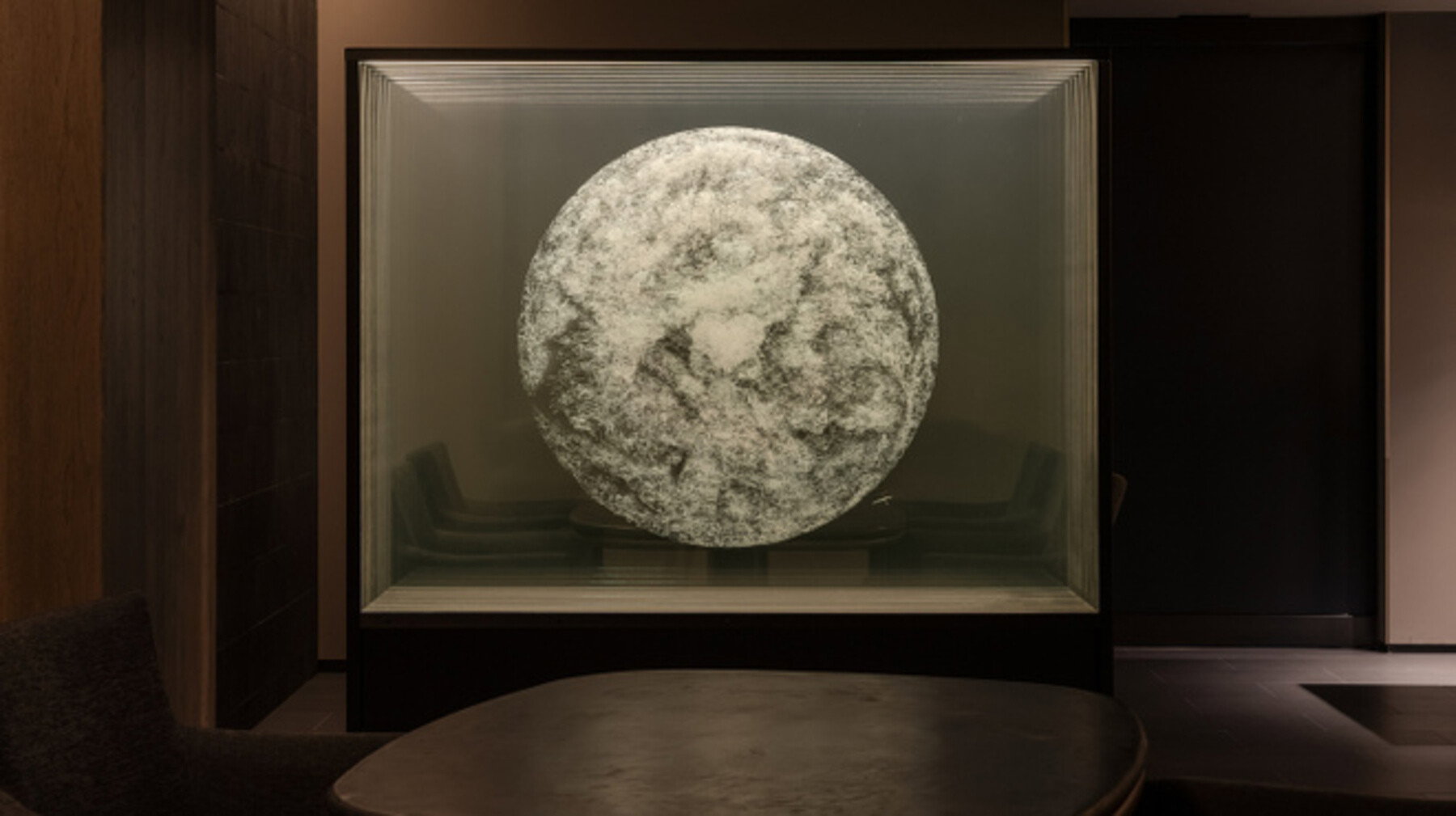
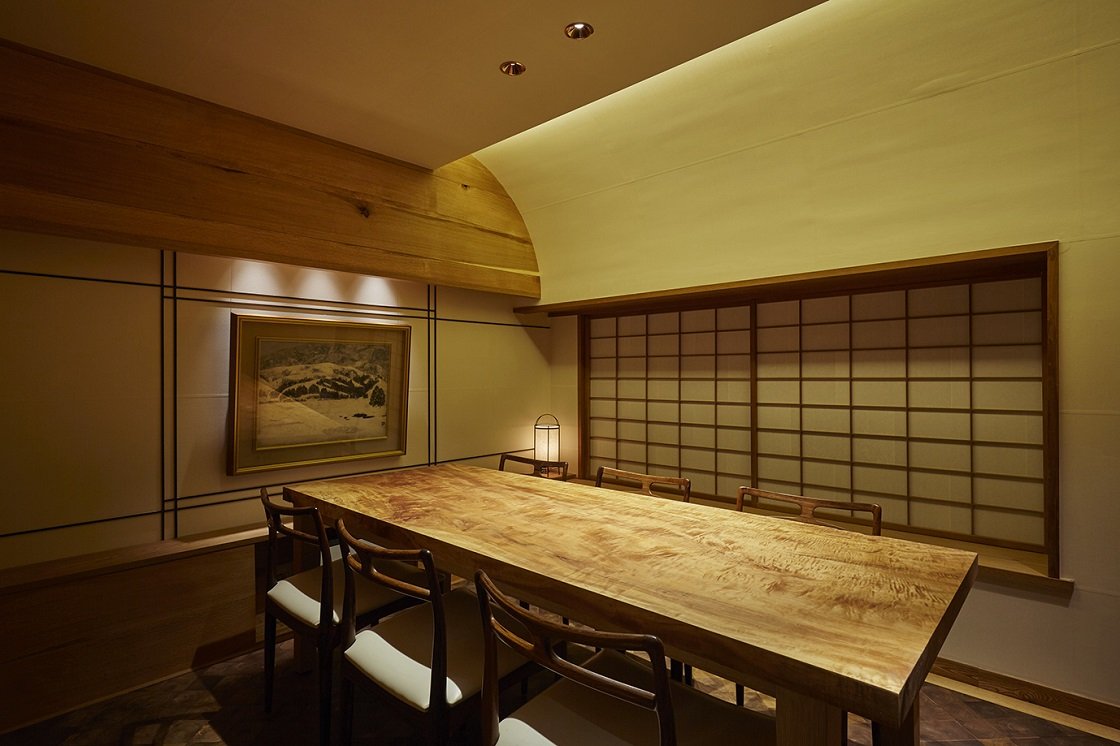
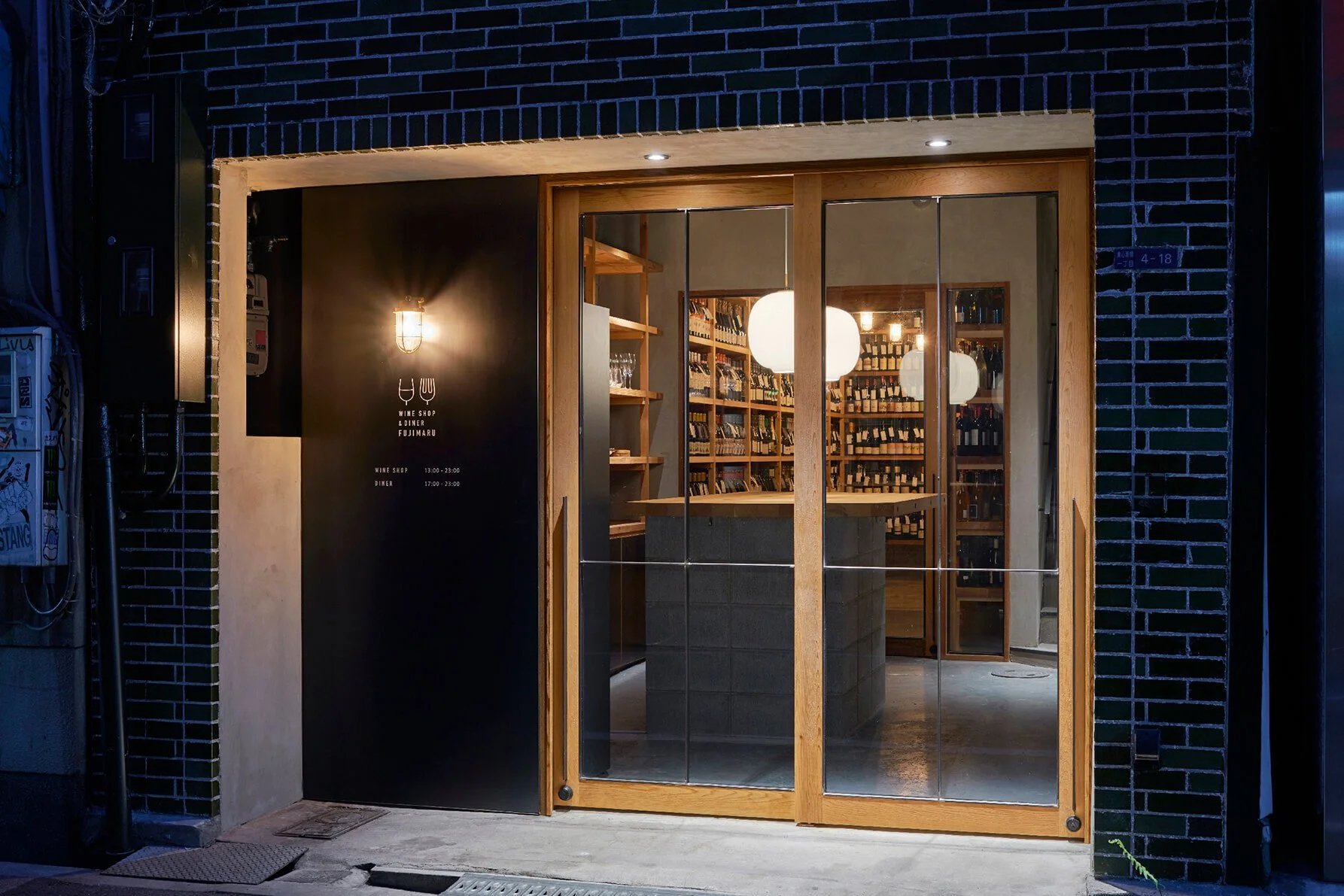
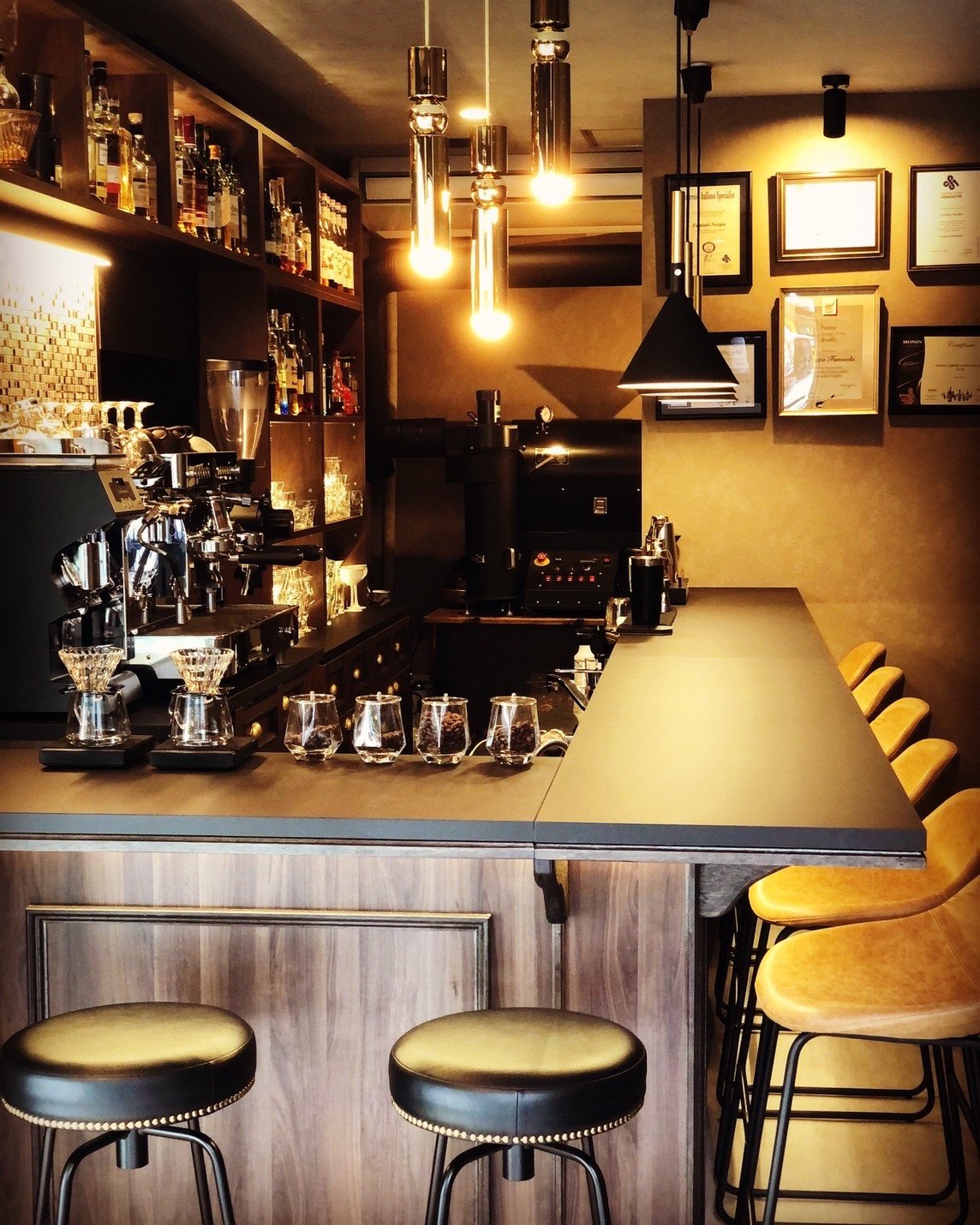
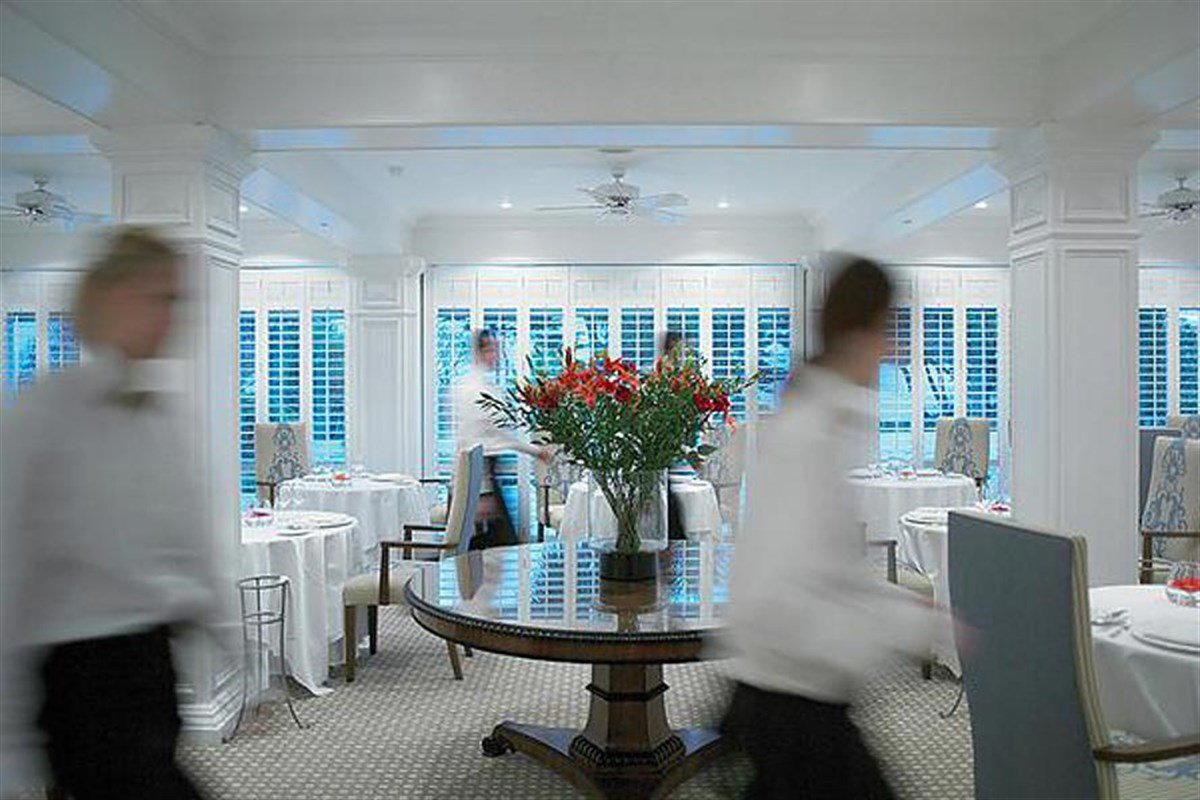
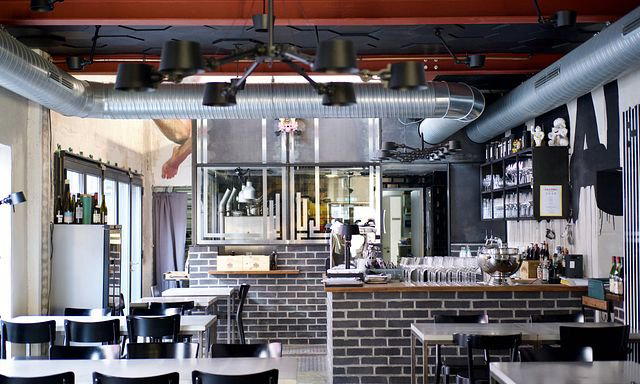
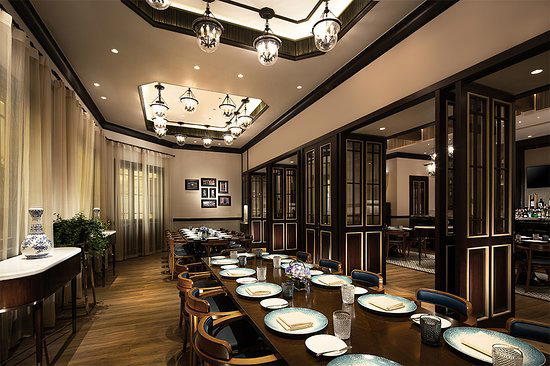
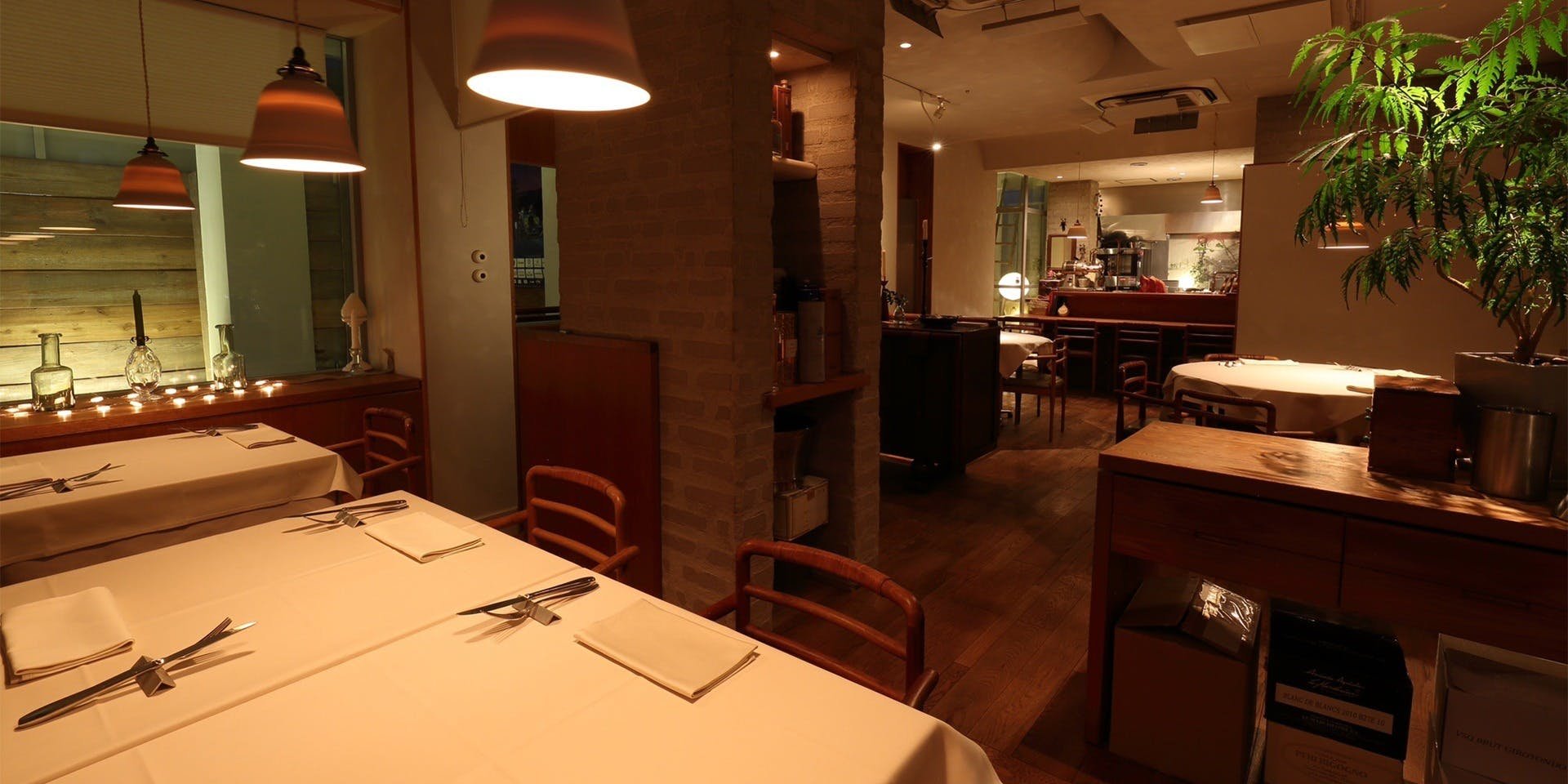
Chic elegance with a refreshing sense of cleanliness, stylish and relaxing space featuring counter seating in a surprisingly spacious interior.
Tags
Vibe
Best For
Experience
At the Table
- Dress Code
- Smart Casual
- Noise Level
- Quiet
- Service Style
- Upscale Casual
- Meal Pacing
- Leisurely
- Capacity
- Intimate
Know before you go
Know Before You Go
- Getting there
- Japan, 〒530-0047 Osaka, Kita Ward, Nishitenma, 3 Chome−7−20 伊藤ビル 1階
Planning details
Location
Japan, 〒530-0047 Osaka, Kita Ward, Nishitenma, 3 Chome−7−20 伊藤ビル 1階 · Directions
Recognition and awards
Also consider
Also Consider
- HAJIME, French, Innovative, ¥¥¥¥
- La Cime, French, ¥¥¥¥
- Kashiwaya Osaka Senriyama, Japanese, ¥¥¥
- Taian, Kaiseki, Japanese, ¥¥¥
- Fujiya 1935, Innovative, ¥¥¥¥
Restaurant context
Washoku Iikura at ¥¥¥ competes most directly with Kashiwaya Osaka Senriyama and Taian in the mid-tier Japanese category. Of the three, Taian offers the most structured kaiseki experience and the highest degree of ceremony; Kashiwaya sits in a more traditional formal register. Iikura is the most relaxed of the trio, better for diners who want genuine washoku craft without a fixed-course commitment. If formality matters to you, Taian is the stronger pick. If you want breadth and accessibility, Iikura wins on ease of booking and format flexibility.
Against the ¥¥¥¥ options, HAJIME, La Cime, and Fujiya 1935, the comparison shifts entirely. Those venues are operating in a different register: multi-course tasting menus, significant advance booking requirements, and price points that double or more what you would spend at Iikura. HAJIME in particular is a three-Michelin-star destination requiring weeks of planning. If your priority is the most technically ambitious meal in Osaka, that tier is where to look. If you want a high-quality evening of Japanese cooking that does not require calendar gymnastics or a significant budget outlay, Iikura is the more practical answer.
The clearest decision rule: book Iikura if fish, washoku craft, and a relaxed evening are your priorities at ¥¥¥. Step up to Taian or Kashiwaya if you want a more structured Japanese dining experience at the same price tier. Go to HAJIME or Fujiya 1935 only if you are specifically seeking Osaka's most ambitious contemporary cooking and are prepared to plan and spend accordingly.
Explore Osaka
Around this place
Discover more on Pearl
Unlock the full Washoku Iikura guide in Pearl, including awards, comparisons, FAQs, planning details, and nearby places.
Compare Washoku Iikura
| Venue | Cuisine | Price | Awards | Booking Difficulty |
|---|---|---|---|---|
| Washoku Iikura | Japanese | ¥¥¥ | Michelin Guide Kyoto Osaka 20262026 Michelin Plate2025 Michelin Plate | Easy |
| HAJIME | French, Innovative | ¥¥¥¥ | Star Wine Lists 2026 · #12026 Tabelog Bronze · #922026 OAD Top Restaurants in Japan Ranked · #98Michelin Guide Kyoto Osaka 20262026 La Liste Top RestaurantsTabelog 100 - Innovative / Creative cuisine - 2025 · #692025 Asia's 50 Best Restaurants · #832025 OAD Top Restaurants in Japan Ranked · #87We're Smart World Top Restaurants 2025 | Unknown |
| La Cime | French | ¥¥¥¥ | 2026 Asia's 50 Best Restaurants · #132026 OAD Top Restaurants in Japan Ranked · #1492026 Tabelog Bronze · #231Michelin Guide Kyoto Osaka 20262026 La Liste Top Restaurants2025 Asia's 50 Best Restaurants · #82025 World's 50 Best Restaurants · #44Tabelog 100 - French - WEST - 2025 · #932025 OAD Top Restaurants in Japan Ranked · #123 | Unknown |
| Kashiwaya Osaka Senriyama | Japanese | ¥¥¥ | 2026 Tabelog Bronze · #1682026 OAD Top Restaurants in Japan Recommended2026 Relais Chateaux RestaurantsMichelin Guide Kyoto Osaka 20262026 La Liste Top RestaurantsTabelog 100 - Japanese cuisine - WEST - 2025 · #772025 OAD Top Restaurants in Japan Ranked · #1552025 Relais Chateaux Award2025 Michelin 3 Stars | Unknown |
| Taian | Kaiseki, Japanese | ¥¥¥ | 2026 OAD Top Restaurants in Japan RecommendedMichelin Guide Kyoto Osaka 20262026 La Liste Top Restaurants2025 OAD Top Restaurants in Japan Ranked · #2042025 La Liste Top Restaurants2025 Michelin 3 Stars2024 OAD Top Restaurants in Japan Ranked · #1912024 Michelin 3 Stars2023 OAD Top Restaurants in Japan Highly Recommended | Unknown |
| Fujiya 1935 | Innovative | ¥¥¥¥ | 2026 Tabelog Bronze · #752026 OAD Top Restaurants in Japan RecommendedMichelin Guide Kyoto Osaka 20262026 La Liste Top Restaurants2025 Michelin 2 Stars2025 Tabelog Silver2025 La Liste Top Restaurants2024 OAD Top Restaurants in Japan Ranked · #2392024 Michelin 2 Stars | Unknown |
.png?width=1200&quality=80)









Comparing your options in Osaka for this tier.
FAQ
Frequently Asked Questions
What should I order at Washoku Iikura?
Focus on the fish: the kitchen's reputation rests on grilling, simmering, and deep-frying from an extensive fish list with the chef's own touches. Portions are intentionally modest, so order several dishes rather than committing to one large plate. The clay pot rice dishes are worth finishing on — they come in varied forms and are a practical reason to pace yourself through the earlier courses.
Is Washoku Iikura good for solo dining?
Yes, and arguably the format suits solo diners well. The modest individual portions are designed to encourage wide sampling, which is easier to manage alone than when coordinating a shared table. The relaxed register — more casual than kappo, less chaotic than a typical izakaya — means you won't feel conspicuous eating solo at ¥¥¥ pricing.
Is the tasting menu worth it at Washoku Iikura?
The venue's structure leans toward a broad à la carte or course format rather than a fixed omakase, with portion sizes deliberately kept modest so guests can sample across the menu. That approach gives you more control than a locked tasting sequence. If you want full chef-driven omakase with no input, peers like Taian or Kashiwaya offer that format at a higher price point.
Is Washoku Iikura worth the price?
At ¥¥¥, it sits in a mid-range bracket for Osaka's serious washoku category and carries a Michelin Plate (2025) to justify that positioning. The value case is straightforward: technically careful cooking, an extensive fish menu with individual craft, and a format that doesn't require the advance planning or commitment of the city's higher-end kaiseki options. For the price, it over-delivers relative to comparable Nishitenma spots without Plate recognition.
What should I wear to Washoku Iikura?
The venue positions itself as relaxed — explicitly between izakaya informality and kappo formality — so there is no case for dressing up. Neat casual is the practical call: no need for a jacket, but the ¥¥¥ price point and Michelin Plate status mean you're unlikely to feel overdressed in smart jeans and a collar either.