
Unkaku
Japanese · Kita, Osaka
Restaurant in Osaka, Japan
 Book with Pearl
The Read
Whole-Ingredient Japanese Precision
Price
¥¥¥
Dress
Smart Casual
Why go
Unkaku is a traditional Japanese restaurant in Osaka's Tenma neighbourhood, recognised with a Michelin Plate in 2024. At ¥¥¥, it delivers serious, ingredient-respecting Osaka cooking — the signature Nozaki-style grilled sea bream is the dish to order — without the booking difficulty of the city's starred tables. Best suited to dates, small celebrations, and diners who plan to return.
About Unkaku
Unkaku, Osaka: The Verdict
At ¥¥¥, Unkaku sits at a price point that asks you to take it seriously without demanding the commitment of Osaka's top-tier ¥¥¥¥ tables. For traditional Japanese cooking rooted in Osaka's thrifty, ingredient-respecting philosophy, it earns its place. A Michelin Plate recognition in 2024 confirms the kitchen is operating at a credible level. The question is whether this is the right room for your occasion — and across a multi-visit strategy, the answer is yes, provided you understand what it is and what it is not.
The Space
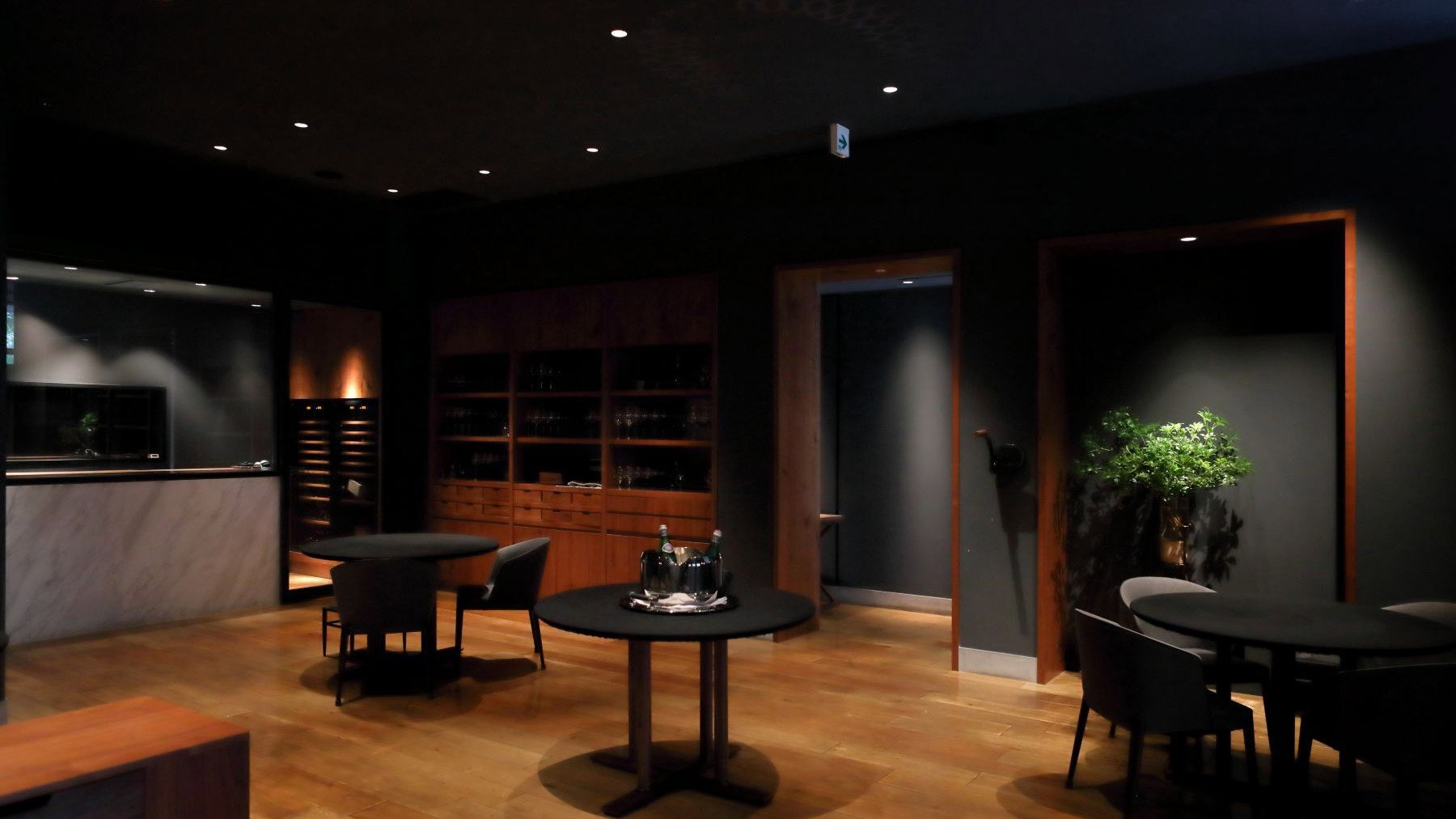
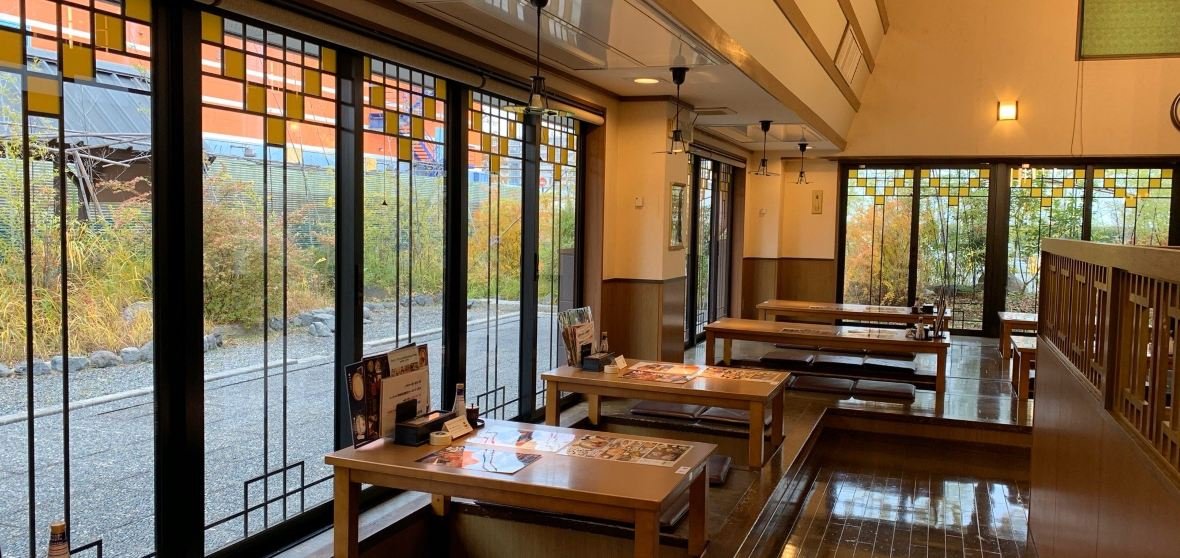
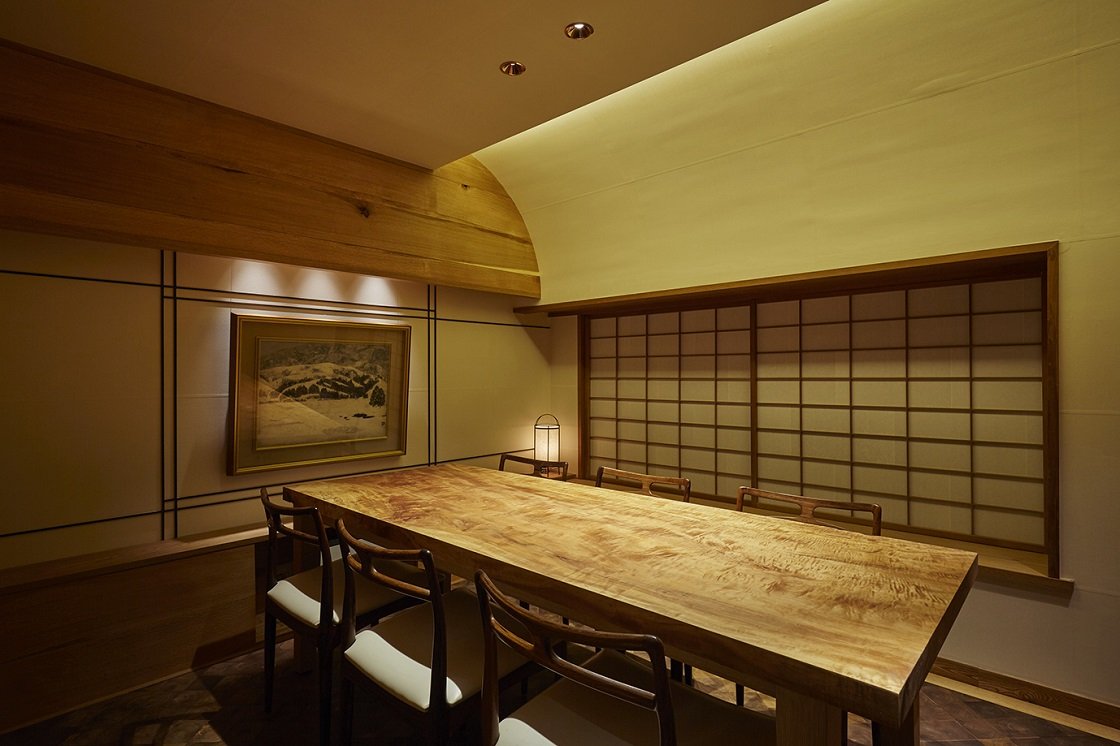
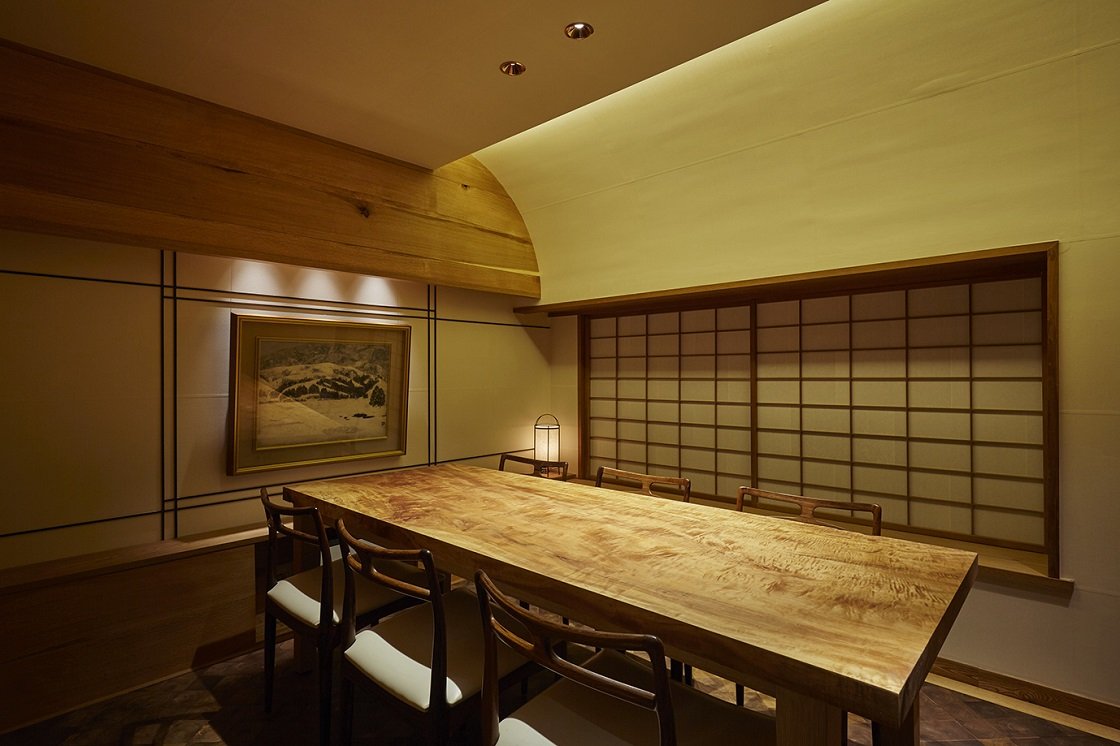
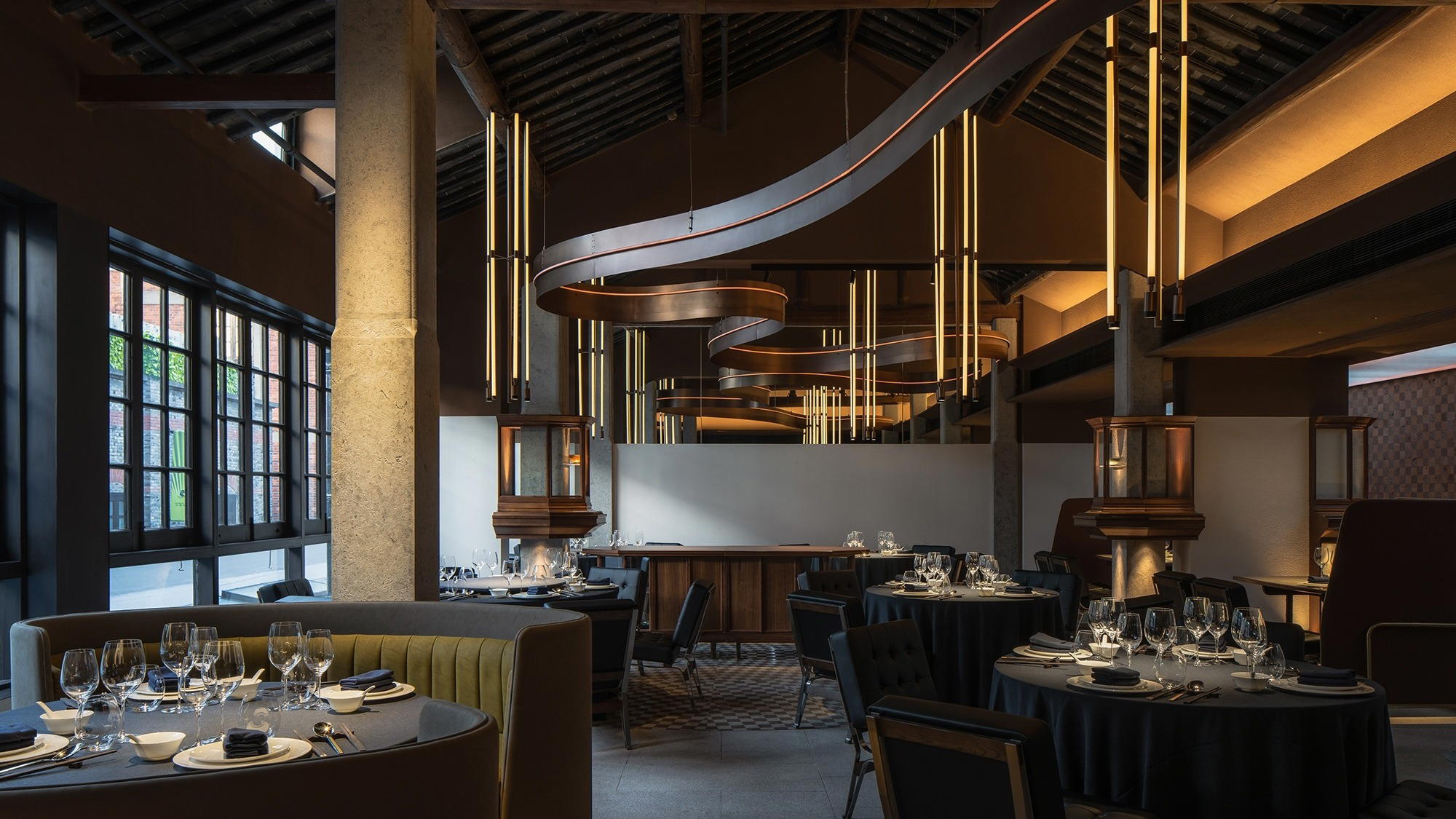
Unkaku is located in Tenma, Kita Ward — a neighbourhood north of Osaka's centre that carries a working-class, local-first character rather than the polished tourist sheen of Namba or Shinsaibashi. The address in Tenma signals a certain kind of restaurant: one that draws a repeat local clientele rather than groups ticking off a list. Expect an intimate setting calibrated for conversation. This is not a large, theatrical dining room. The scale works in favour of a date or a small celebration where the meal itself is the focus, not the theatre of the room.
The Cooking
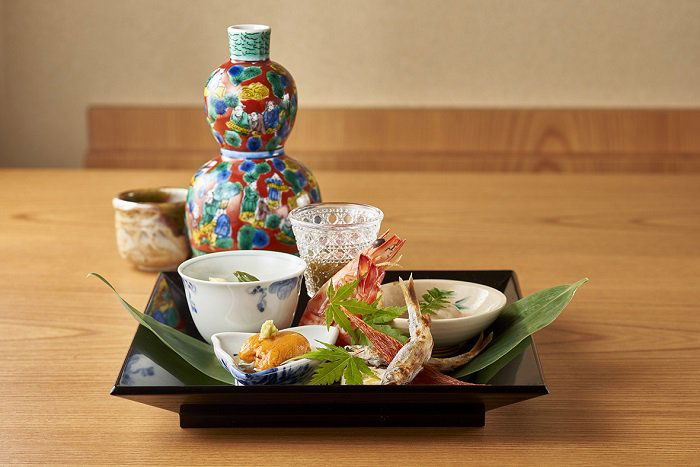
Chef Masaharu Shimamura's approach is grounded in the Osaka principle of mottainai, nothing wasted. The restaurant's name, Unkaku, references a traditional pattern of cranes dancing in clouds, and Shimamura has said he identifies with the crane: an aspiration to fly high while remaining precise and disciplined. The kitchen works with whole ingredients, using every part. The signature dish, Nozaki-style grilled small sea bream, demonstrates this directly. Shimamura simmers the fish in rapeseed oil, a nod to the historical association between the area near Nozaki Kannon Temple (Jigen-ji) and canola cultivation, with the result that even the bones become edible. This is not a dish designed to impress with luxury ingredients; it is designed to impress with technique and historical literacy. That distinction matters when you are deciding whether to book.
Multi-Visit Strategy
Unkaku rewards return visits more than most restaurants at this price level, precisely because the cooking philosophy is cumulative, each dish builds a picture of what it means to cook in the Osaka tradition without waste. On a first visit, anchor around the signature sea bream. It tells you everything about the kitchen's priorities. On a second visit, the logical move is to probe the broader menu structure, traditional Japanese cooking of this type tends to run through seasonal ingredients, and returning at a different time of year will yield a meaningfully different meal. A third visit, for those who have committed to understanding the kitchen, is where you start to see how Shimamura structures a full progression from lighter preparations through to richer courses.
For timing: Tenma has a lively local dining culture, and weekday evenings tend to be quieter than weekends. If a special occasion is the reason you are booking, a weekday dinner gives you a calmer room and more attentive pacing. Weekend lunches, if available, are worth investigating for a lighter, lower-commitment first introduction to the kitchen, though confirm service hours directly before planning around them.
Who Should Book
Unkaku is the right choice for a diner who wants a serious traditional Japanese meal in Osaka without the price escalation of the ¥¥¥¥ tier. It suits a date or a small celebration where conversation matters as much as the food, and where the room's intimacy is an asset rather than a compromise. It is not the right call if you want spectacle, a large group table, or the kind of prestige booking you can reference by name. For solo diners, the cooking philosophy and the focused menu make it a reasonable option, though verify counter or bar seating availability before committing. For groups larger than four, check directly, the scale of the room may not accommodate larger parties comfortably.
If you are building an Osaka dining itinerary, Unkaku works well alongside visits to other Japanese-tradition restaurants in the city. See Kashiwaya Osaka Senriyama, Miyamoto, Oimatsu Hisano, Tenjimbashi Aoki, and Yugen for a broader read on what the city's Japanese dining tier looks like. Beyond Osaka, comparable cooking philosophies appear at Gion Sasaki in Kyoto and at Harutaka in Tokyo, both of which operate in the same tradition of precise, ingredient-led Japanese cooking. For other regional perspectives, akordu in Nara, Goh in Fukuoka, 1000 in Yokohama, and 6 in Okinawa each offer a point of contrast. In Tokyo, Myojaku and Azabu Kadowaki occupy broadly similar positioning in the traditional Japanese tier.
Practical Details
| Detail | Unkaku | Kashiwaya Osaka Senriyama | Taian |
|---|---|---|---|
| Cuisine | Japanese | Japanese | Kaiseki / Japanese |
| Price tier | ¥¥¥ | ¥¥¥ | ¥¥¥ |
| Booking difficulty | Easy | Moderate | Moderate–Hard |
| Michelin recognition | Plate (2024) | Starred | Starred |
| Leading for | Date / Repeat visits | Special occasion | Formal kaiseki experience |
| Location character | Local / Tenma | Residential / Senriyama | Central Osaka |
Booking is listed as easy relative to comparable Osaka tables, which is a practical advantage. The ¥¥¥¥ tier in Osaka, HAJIME, La Cime, and Fujiya 1935, can require weeks of lead time or specific booking windows. At Unkaku, the lower booking friction means you can be more spontaneous, which fits the multi-visit approach well.
For broader Osaka planning, Pearl's guides cover restaurants, hotels, bars, wineries, and experiences across the city.
FAQs
What should I wear to Unkaku?
Smart casual is the appropriate standard for a ¥¥¥ traditional Japanese restaurant in Osaka. You do not need formal attire, but the cooking and the occasion merit more than streetwear. Think of the kind of outfit you would wear to a serious dinner with someone you want to impress. If you are coming from a day of sightseeing, build in time to change. The room's intimacy means your presentation is visible to everyone in it.
What are alternatives to Unkaku in Osaka?
At the same ¥¥¥ price tier, Kashiwaya Osaka Senriyama and Taian offer Michelin-starred experiences in Japanese and kaiseki formats respectively, both require more advance planning than Unkaku. If you want to move into the ¥¥¥¥ tier for a single prestige meal, HAJIME (innovative French) and La Cime (French) are the reference points, though neither delivers the Osaka-tradition cooking that makes Unkaku specifically worth visiting. Yugen and Tenjimbashi Aoki are worth considering if you want to compare within the traditional Japanese category.
Is Unkaku worth the price?
Yes, at ¥¥¥, if traditional Japanese cooking rooted in Osaka's ingredient-economy philosophy is what you are after. The Michelin Plate recognition in 2024 confirms the kitchen is operating above the everyday dining tier, and the signature sea bream dish demonstrates a level of culinary and historical thinking that justifies the spend. It is not worth the price if you are looking for the kind of prestige signal that comes with a Michelin star, for that, the ¥¥¥ starred options or the ¥¥¥¥ tier will serve you better.
Is Unkaku good for solo dining?
It is a reasonable option for solo dining at this tier. The cooking philosophy, focused, sequential, ingredient-led, works well when you are eating alone and paying attention to each dish. That said, confirm counter or bar seating availability before booking, as not every restaurant of this type in Osaka accommodates solo diners at the same tables used for parties. Weekday evenings will be the quietest and most comfortable option for a solo visit.
Can Unkaku accommodate groups?
The intimate scale of the room suggests groups larger than four may be difficult to accommodate comfortably. Contact the restaurant directly to confirm before planning a group meal. If you are organising a celebration for six or more people, the ¥¥¥¥ venues in Osaka, some of which offer private dining rooms, may be a more practical choice. For smaller groups of two to four, Unkaku's room size should work without issue.
Planning details
- Location
- 1 Chome-18-17 Tenma, Kita Ward, Osaka, 530-0043, Japan
- Website
- unkaku.jp
- Phone
- +81 80-1414-1967
The take
The Take
The Vibe
Unkaku reads like a neighbourhood restaurant first and a destination second: it roots itself in Tenma’s working-market character and an old Osaka ethic that values thrift as craft. The writing stresses an ingredient-led discipline — extracting maximum flavour from every component — which gives the cooking a rigorous, quietly refined temperament. Dining here feels deliberate rather than flashy; the kitchen’s technical precision and respect for local culinary history create a restrained, classical atmosphere that rewards diners who care about provenance, technique and honest, exacting Japanese cooking.
Best For
Unkaku is best for diners who want a composed, ingredient-driven evening that showcases Osaka cooking traditions. The restaurant suits date nights and special-occasion meals where focus and finesse matter, and it also works for business dinners that benefit from a calm, technically assured setting. Because the kitchen emphasizes disciplined use of whole ingredients and exacting execution, the meal is geared toward guests who appreciate craftsmanship and narrative in their food rather than loud, casual socializing.
Ordering Tips
Prioritize the signature Nozaki-style grilled small sea bream: the dish is described as the clearest expression of the kitchen’s approach, with fish simmered in rapeseed oil until even the bones become edible. Ask your server about how the kitchen is using each ingredient and which preparations showcase the restaurant’s extraction-driven technique. Because the menu is centred on making the most of arrivals from market and neighbourhood sources, request recommendations that highlight whole-ingredient treatments and any daily specialties tied to local produce or seafood.
Venue details
Ambiance
Serene and relaxing atmosphere with meticulous attention to detail, non-smoking environment, and attentive hospitality.
Tags
Vibe
Best For
Experience
Sourcing
At the Table
- Dress Code
- Smart Casual
- Noise Level
- Quiet
- Service Style
- Formal
- Meal Pacing
- Leisurely
- Capacity
- Small
Signature Dishes
Nozaki-style Grilled Small Sea Bream
Know before you go
Know Before You Go
- Getting there
- 1 Chome-18-17 Tenma, Kita Ward, Osaka, 530-0043, Japan
Planning details
Location
Recognition and awards
Also consider
Also Consider
- HAJIME, French, Innovative, ¥¥¥¥
- La Cime, French, ¥¥¥¥
- Kashiwaya Osaka Senriyama, Japanese, ¥¥¥
- Taian, Kaiseki, Japanese, ¥¥¥
- Fujiya 1935, Innovative, ¥¥¥¥
Restaurant context
Within Osaka's ¥¥¥ tier, Unkaku's closest comparisons are Kashiwaya Osaka Senriyama and Taian. Both carry Michelin stars and will require more advance booking effort than Unkaku; both also deliver a more formally structured kaiseki or traditional Japanese progression. If your priority is a single, high-certainty special-occasion meal with maximum culinary prestige, either of those tables edges ahead. Unkaku's advantage is accessibility, easier to book, rooted in a genuinely local Osaka neighbourhood, and calibrated for repeat visits rather than a single ceremonial experience.
The ¥¥¥¥ tier, HAJIME, La Cime, and Fujiya 1935, operates in a different register entirely. HAJIME and La Cime are both French-influenced and innovative; Fujiya 1935 bridges tradition and experimentation. All three demand more of your budget and your booking calendar. They are the right call if you want a single statement meal in Osaka. Unkaku is the right call if you want to eat well within a traditional Japanese framework without the logistical overhead of securing a starred table.
The practical recommendation: if this is your only dinner in Osaka and prestige matters, book Kashiwaya or Taian at ¥¥¥, or step up to HAJIME at ¥¥¥¥. If you are spending several nights in the city and want a reliable, lower-friction table for a focused traditional meal, especially one you might return to, Unkaku earns its place on that itinerary.
Explore Osaka
Around this place
Discover more on Pearl
Unlock the full Unkaku guide in Pearl, including awards, comparisons, FAQs, planning details, and nearby places.
Compare Unkaku
| Venue | Cuisine | Awards | Booking Difficulty |
|---|---|---|---|
| Unkaku | Japanese | Michelin Guide Kyoto Osaka 20262026 Michelin Plate2025 Michelin Plate2024 Michelin Plate | Easy |
| HAJIME | French, Innovative | Star Wine Lists 2026 · #12026 Tabelog Bronze · #922026 OAD Top Restaurants in Japan Ranked · #98Michelin Guide Kyoto Osaka 20262026 La Liste Top RestaurantsTabelog 100 - Innovative / Creative cuisine - 2025 · #692025 Asia's 50 Best Restaurants · #832025 OAD Top Restaurants in Japan Ranked · #87We're Smart World Top Restaurants 2025 | Unknown |
| La Cime | French | 2026 Asia's 50 Best Restaurants · #132026 OAD Top Restaurants in Japan Ranked · #1492026 Tabelog Bronze · #231Michelin Guide Kyoto Osaka 20262026 La Liste Top Restaurants2025 Asia's 50 Best Restaurants · #82025 World's 50 Best Restaurants · #44Tabelog 100 - French - WEST - 2025 · #932025 OAD Top Restaurants in Japan Ranked · #123 | Unknown |
| Kashiwaya Osaka Senriyama | Japanese | 2026 Tabelog Bronze · #1682026 OAD Top Restaurants in Japan Recommended2026 Relais Chateaux RestaurantsMichelin Guide Kyoto Osaka 20262026 La Liste Top RestaurantsTabelog 100 - Japanese cuisine - WEST - 2025 · #772025 OAD Top Restaurants in Japan Ranked · #1552025 Relais Chateaux Award2025 Michelin 3 Stars | Unknown |
| Taian | Kaiseki, Japanese | 2026 OAD Top Restaurants in Japan RecommendedMichelin Guide Kyoto Osaka 20262026 La Liste Top Restaurants2025 OAD Top Restaurants in Japan Ranked · #2042025 La Liste Top Restaurants2025 Michelin 3 Stars2024 OAD Top Restaurants in Japan Ranked · #1912024 Michelin 3 Stars2023 OAD Top Restaurants in Japan Highly Recommended | Unknown |
| Fujiya 1935 | Innovative | 2026 Tabelog Bronze · #752026 OAD Top Restaurants in Japan RecommendedMichelin Guide Kyoto Osaka 20262026 La Liste Top Restaurants2025 Michelin 2 Stars2025 Tabelog Silver2025 La Liste Top Restaurants2024 OAD Top Restaurants in Japan Ranked · #2392024 Michelin 2 Stars | Unknown |
.png?width=1200&quality=80)









Key differences to consider before you reserve.
FAQ
Frequently Asked Questions
What should I wear to Unkaku?
Lean toward neat, understated clothing — think clean trousers and a collared shirt rather than business formal. Unkaku is in Tenma, a neighbourhood with a local, unpretentious character, but the ¥¥¥ price point and Michelin Plate recognition signal a room where overly casual dress would feel out of place. No need to overthink it: tidy and considered is the right register.
What are alternatives to Unkaku in Osaka?
For a step up in formality and price, Kashiwaya Osaka Senriyama and Taian represent Osaka's deeper kaiseki tradition at the ¥¥¥¥ tier. If you want contemporary Japanese technique with European influence at a similar or higher price point, La Cime and Fujiya 1935 are the strongest comparisons. Unkaku's specific appeal is its grounding in Osaka's mottainai (nothing-wasted) cooking ethos at ¥¥¥, which none of those peers replicate at the same value level.
Is Unkaku worth the price?
Yes, at ¥¥¥ with a 2024 Michelin Plate, Unkaku delivers a meaningful return. Chef Masaharu Shimamura's signature Nozaki-style grilled small sea bream — simmered in rapeseed oil so the bones are edible — is the kind of dish that earns its place on a serious itinerary. This is not a restaurant that inflates its price with theatre; the value is in the cooking philosophy and the precision behind it.
Is Unkaku good for solo dining?
Unkaku suits solo diners well. The Tenma address and the restaurant's traditional Japanese format are both compatible with counter or small-table solo experiences, and the cooking philosophy rewards focused attention to individual dishes rather than group sharing. Solo diners looking to engage seriously with Osaka's traditional culinary approach at ¥¥¥ will find this a better fit than larger, more convivial alternatives.
Can Unkaku accommodate groups?
Unkaku is not the obvious choice for large groups. The traditional Japanese format and the address in a local Tenma neighbourhood suggest an intimate setting more suited to two to four diners. For groups of six or more seeking a formal Osaka meal, the ¥¥¥¥ kaiseki venues — Kashiwaya Osaka Senriyama or Taian — are more likely to have the space and private dining infrastructure to accommodate the format.