.png?width=1200&quality=80)
Tosara
Contemporary · Kita, Osaka
Restaurant in Osaka, Japan
 Book with Pearl
The Read
Ten-Plate Philosophy Dining
Price
¥¥¥
Dress
Smart Casual
Why go
Tosara is a ten-course contemporary prix fixe in Osaka's Kita Ward, earning a Michelin Plate in 2025 at a ¥¥¥ price point. The chef draws on Italian technique, Awajishima producer relationships, and seasonal rotation — making it a compelling, lower-cost alternative to Osaka's ¥¥¥¥ tasting menu rooms. Easy to book, best visited in autumn or winter for the most layered expression.
About Tosara
Verdict
Tosara is not the place to book if you want flexibility. It runs a fixed ten-course prix fixe, the format is non-negotiable, and the experience is built around a single chef's philosophy rather than a broad menu of options. If that constraint sounds like a limitation, this is not your restaurant. If it sounds like a promise, Tosara is one of the more compelling contemporary dining choices in Osaka's Kita Ward — a Michelin Plate recipient (2025) with a clear point of view, mid-range pricing at ¥¥¥, and a concept grounded in producer relationships and regional identity rather than culinary spectacle. Book it for a long, considered dinner. Do not book it expecting improvisation.
About Tosara
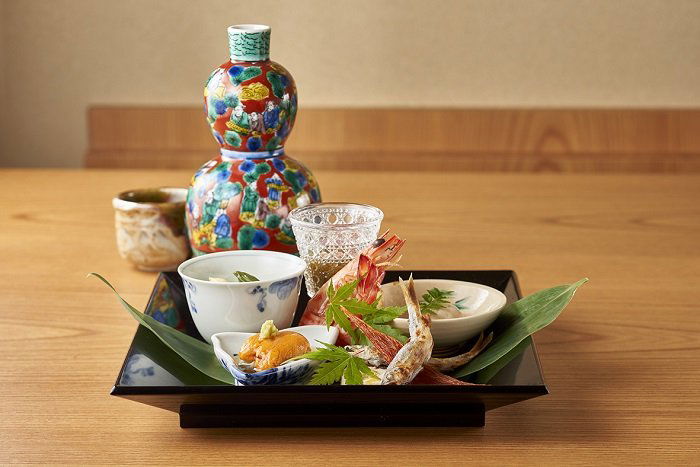
The most common assumption about Tosara is that it's a Japanese restaurant in the traditional sense — a kaiseki room, perhaps, or something aligned with the formal progression of seasonal Japanese cuisine. It isn't. Tosara is contemporary, drawing most directly from Italian technique while weaving in the chef's upbringing on Awajishima and his ongoing relationships with local farmers and a local Osaka potter who supplies the tableware. The ten-course structure is not incidental; it is the restaurant's founding logic, named after a book, Tosara no Ryori (Ten-Plate Cuisine), that the chef describes as his guiding principle. The book defines cuisine as a word conveying gratitude to nature for the bounty the earth provides. That framing is not decorative. It determines what ends up on the plate and where it comes from.
For the food-focused traveller, this matters because it means Tosara's menu is not a fixed document. It rotates with the seasons and with what the chef's producer network is delivering. Visiting in winter versus spring will give you a different restaurant in meaningful ways, not just different garnishes, but different structural ingredients and different stories told through the courses. Awajishima is one of Japan's most respected agricultural regions, known especially for its onions, and the chef's connection to that island is literal: his parents were farmers there. The straw-grilled wagyu with fermented onions is the one dish that appears in public descriptions of the menu, and it carries that biographical weight directly. Whether that dish is available when you visit depends on timing and availability, so treat it as a signal of intent rather than a guarantee.
The address, second floor of the Nippo Laforet building in Sonezakishinchi, Kita Ward, places Tosara inside Osaka's established nightlife and dining district in the north of the city. Kita Ward is convenient from most central Osaka hotels and walkable from Nishi-Umeda Station. The neighbourhood is dense with dining options, which makes Tosara's relatively focused concept more distinctive rather than less. You are not stumbling into a hidden room; you are choosing a specific kind of dinner in a district where many kinds of dinner are available.
The Michelin Plate recognition for 2025, which signals food quality worth noting without rising to starred status, is the more meaningful external signal here. In Osaka's competitive contemporary dining scene, a Plate award on a ¥¥¥ menu represents solid value positioning: you are paying significantly less than the ¥¥¥¥ restaurants in the same city while receiving external quality recognition.
Seasonally, the practical advice for visitors is to think about what the chef's Awajishima and regional producer network is likely to be yielding at the time of your visit. Spring in the Osaka region brings bamboo shoots, young vegetables, and lighter fish; summer shifts toward richer, more intensely flavoured produce; autumn introduces mushrooms and game; winter pulls toward root vegetables, citrus from the Seto Inland Sea area, and preserved and fermented preparations. Tosara's use of fermentation, the fermented onions in the wagyu course are an example, suggests the kitchen treats preservation as a technique rather than a workaround, which means winter and early spring visits may actually showcase the most layered flavour work. If you have flexibility in your travel dates and depth of flavour matters to you more than novelty of seasonal ingredient, aim for late autumn or winter. If you want the brightest, most produce-forward expression of what the chef does, visit in spring or early summer.
For context across the region, the same producer-driven, contemporary prix fixe approach is being explored at other well-regarded Japanese restaurants, including Goh in Fukuoka and akordu in Nara. If your trip extends to Tokyo, Harutaka in Tokyo operates in a similarly focused single-format mode. Within Osaka specifically, Kamado and RiVi offer different contemporary expressions worth considering alongside Tosara when planning your Osaka dining itinerary. For a broader view of the city's options, see our full Osaka restaurants guide.
Tosara's format suits a particular kind of diner: someone who wants to understand what a chef is doing and why, who is comfortable surrendering menu choice in exchange for coherence, and who reads a producer credit or a biographical ingredient as a feature rather than a marketing note. If that is not how you want to spend a dinner, the Kita Ward neighbourhood has no shortage of alternatives. If it is, Tosara is worth the booking and worth arriving unhurried.
Quick reference: Ten-course prix fixe only, ¥¥¥ price range, Michelin Plate 2025, Sonezakishinchi Kita Ward, second floor, easy booking, leading visited in late autumn or winter for the most layered flavour expression.
How It Compares
Explore More in Osaka and Beyond
- Rooots Nakanoshima, another producer-focused contemporary option in Osaka
- Gion Sasaki in Kyoto, for comparison with Kyoto's seasonal kaiseki tradition
- 1000 in Yokohama and 6 in Okinawa, Japan's broader contemporary dining circuit
- Jungsik in Seoul and César in New York City, for international context on the contemporary tasting menu format
- Our full Osaka hotels guide | Osaka bars | Osaka wineries | Osaka experiences
Planning details
- Location
- Japan, 〒530-0002 Osaka, Kita Ward, Sonezakishinchi, 1 Chome−6−4 日宝ラフォーレ北新地 2F
- Website
- sushi-sazara.com
- Phone
- +81 6-6110-5357
The take
The Take
The Vibe
Tosara presents a restrained, contemporary fine-dining experience that foregrounds ingredients and provenance. The ten-course prix fixe structures the meal as a sequence of focused moments, and service keeps attention squarely on each plate. The tone is minimalist and intimate rather than theatrical: details are refined and deliberate, and the kitchen’s arguments about producers and memory come through in understated, elegant presentations. Michelin Plate recognition underlines the restaurant’s quiet seriousness; this is a place built for people who want the culinary story to be the room’s centerpiece rather than loud décor or spectacle.
Best For
Tosara is best for intentional dining occasions — think date nights, solo tasting experiences, and milestone meals. Positioned in a mid-to-upper price bracket and operating a fixed ten-course format, it suits diners who want an uninterrupted, contemplative meal rather than casual grazing. The restaurant’s contemporary approach and emphasis on place make it a fit for celebratory evenings where the menu’s narrative and craft are the point. It also works well for solo diners who appreciate a structured tasting that highlights individual ingredients and the stories behind them.
Ordering Tips
Expect the ten-course prix fixe to be the core offering: the restaurant’s philosophy is literally built on a ten-plate structure that each conveys a singular argument about ingredient or producer. Reservations are advisable for occasion dining at this level, and guests should allow the kitchen to present its sequence rather than piecing together à la carte substitutions. When available, the signature straw-grilled wagyu with fermented onions is a recommended highlight of the menu and articulates the kitchen’s attention to technique and provenance. Come prepared for a sustained tasting experience rather than quick or casual plates.
Venue details
Ambiance
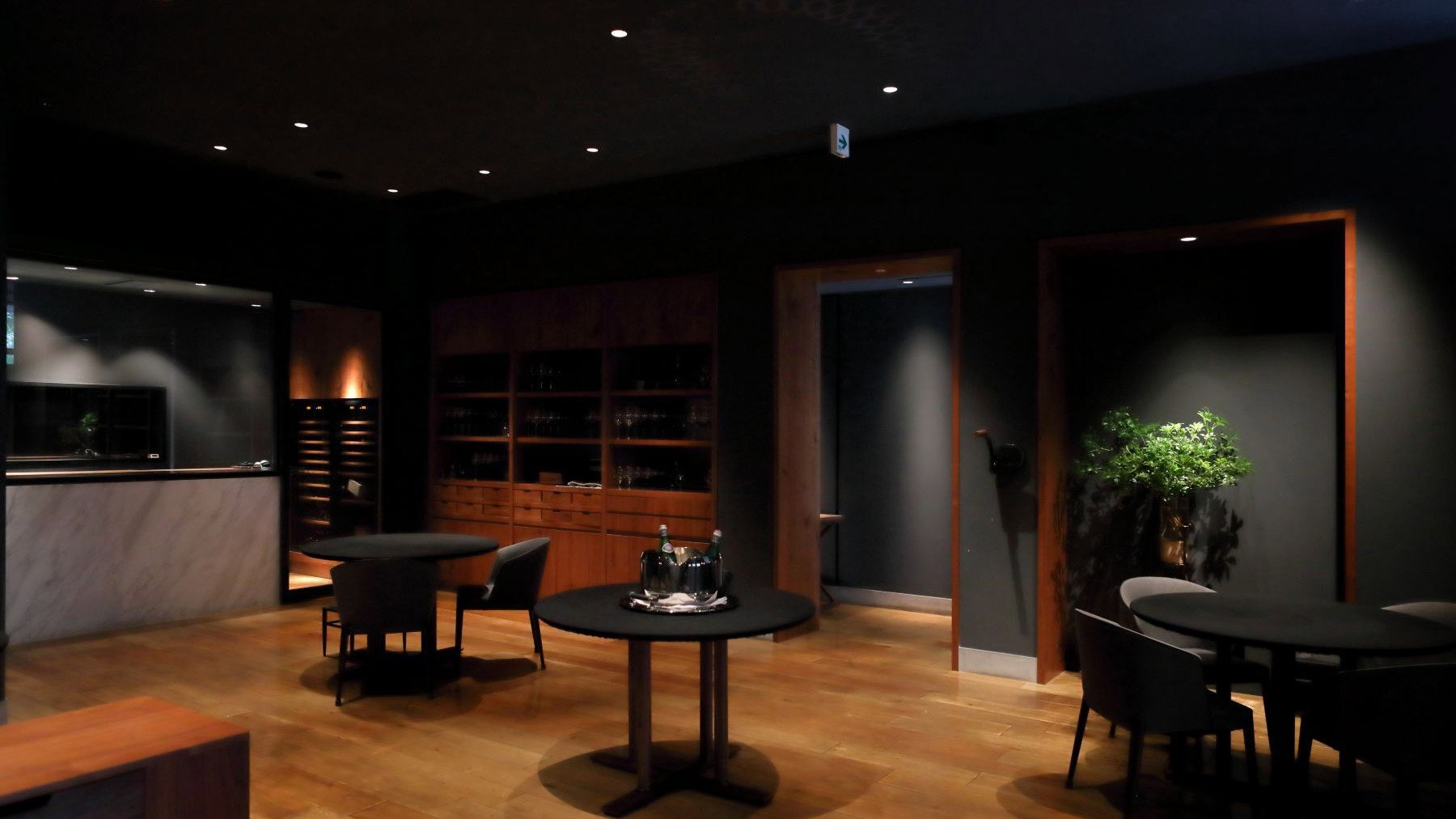
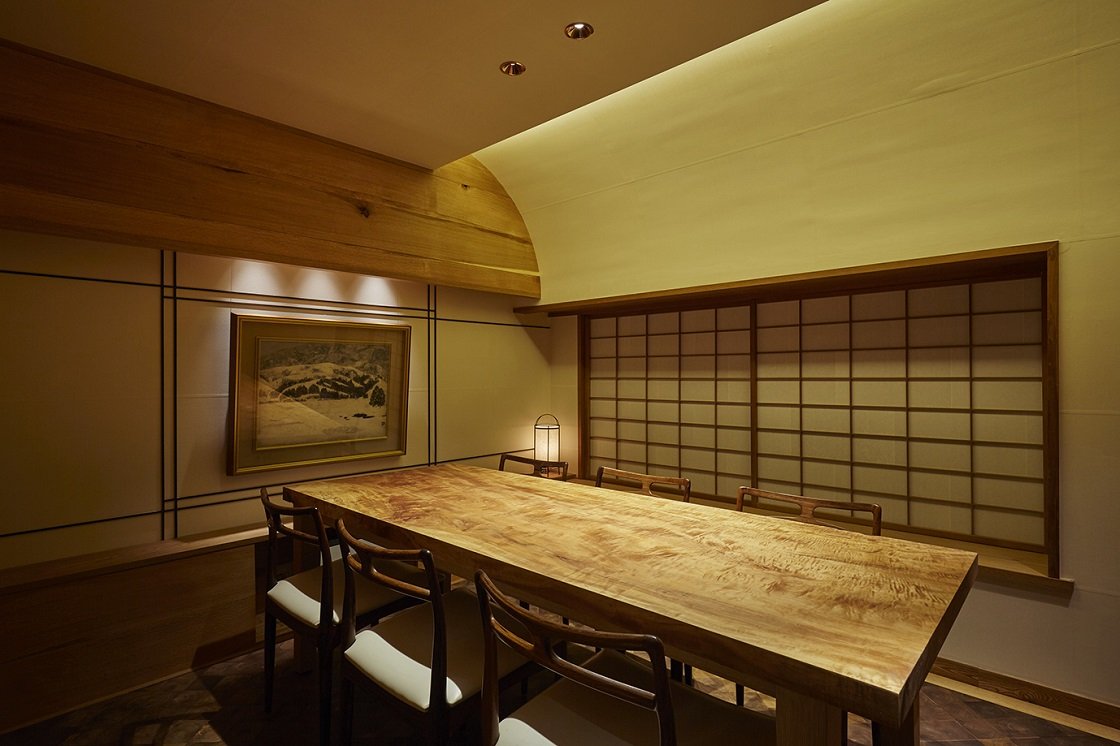
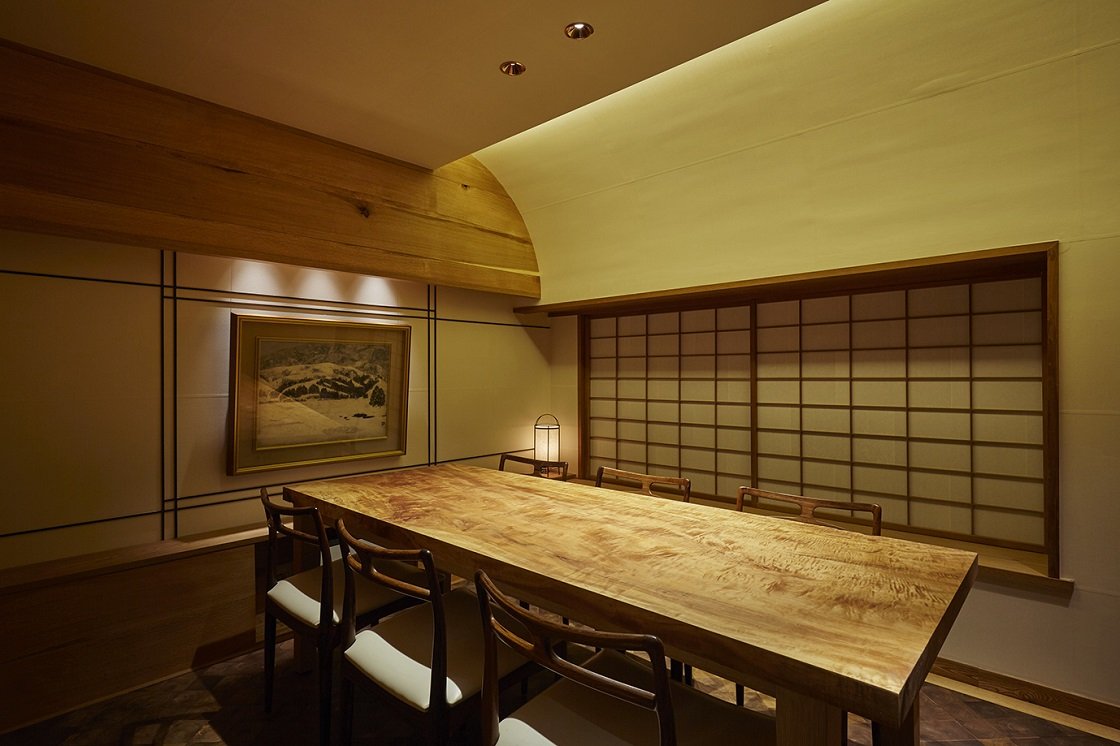
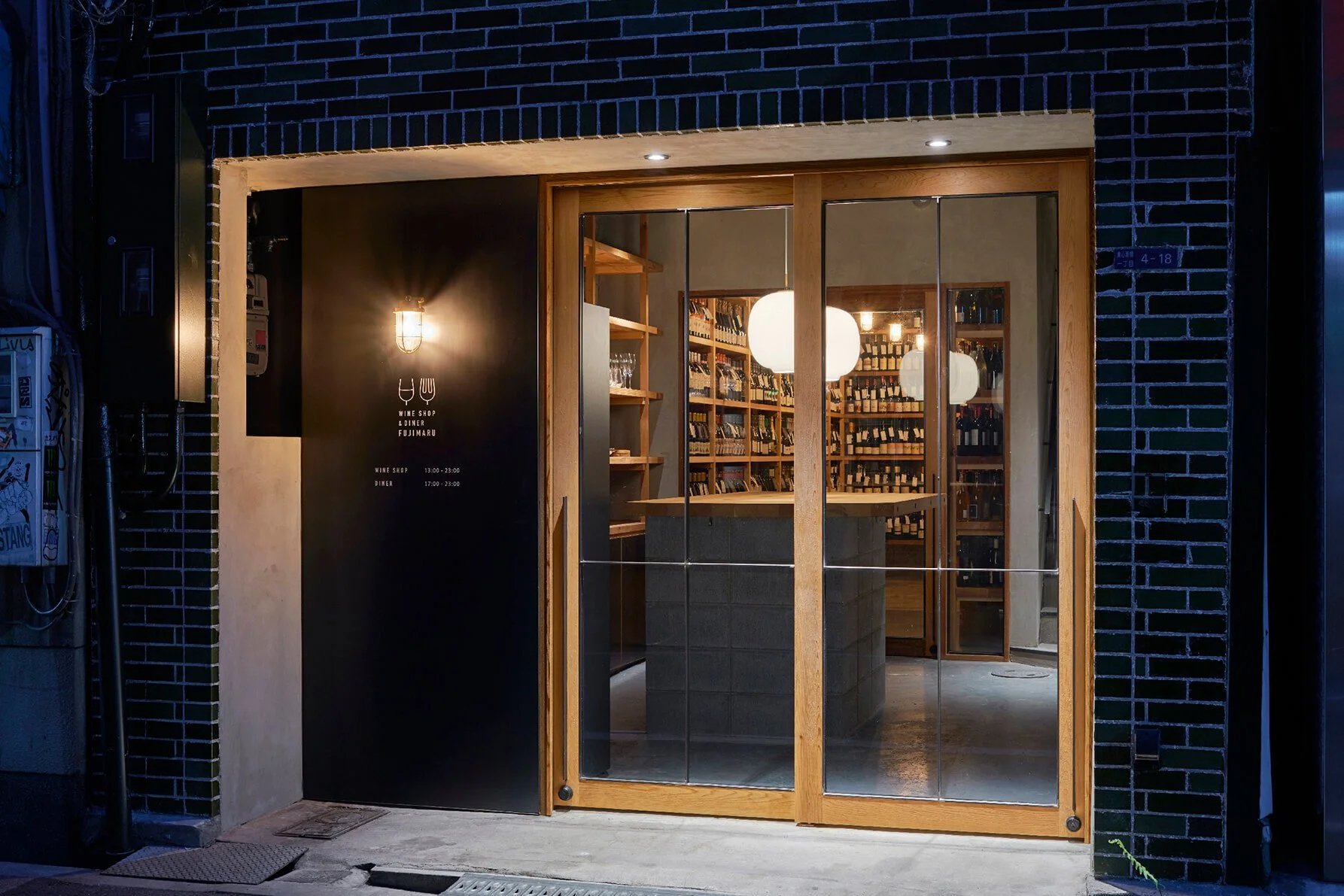
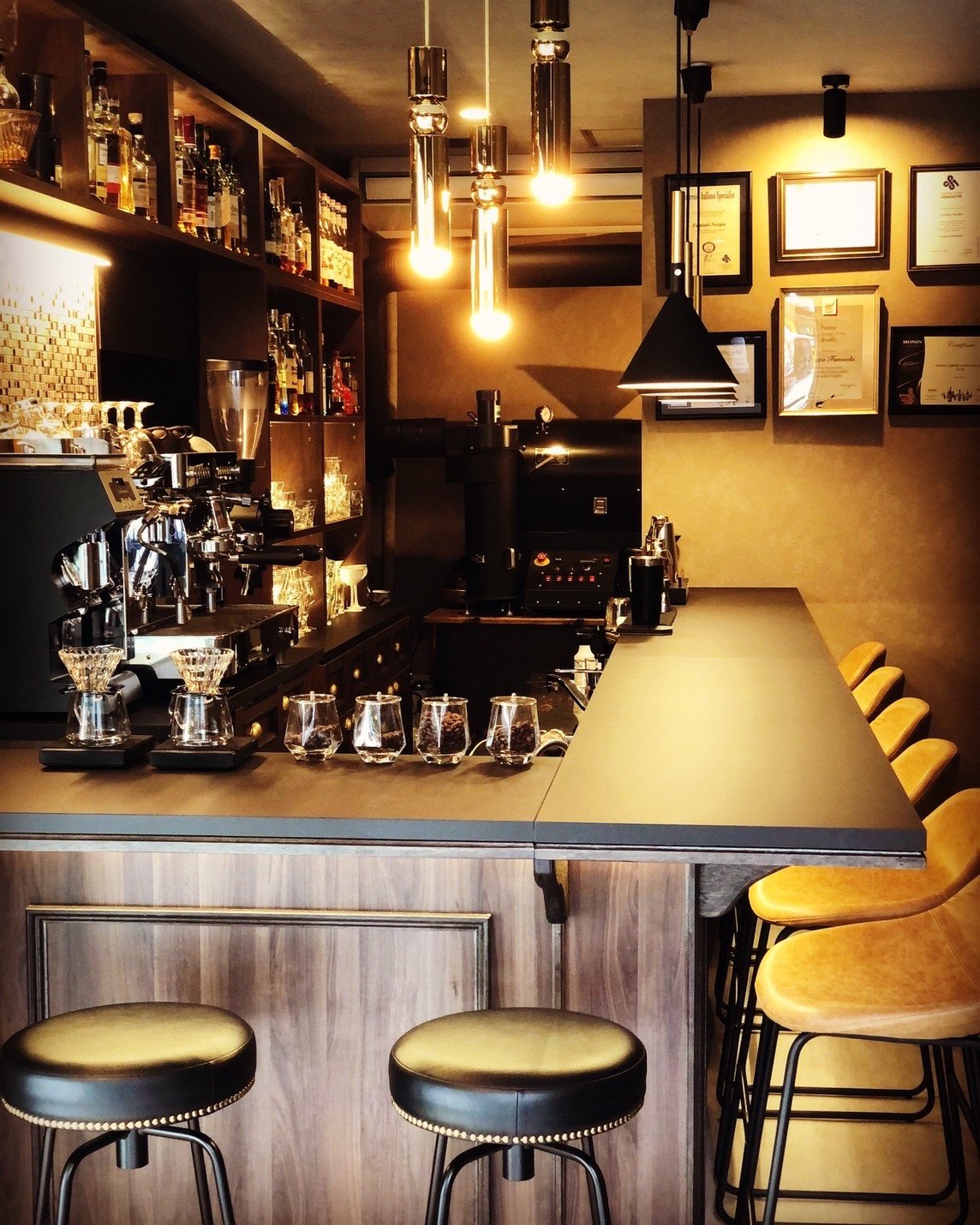
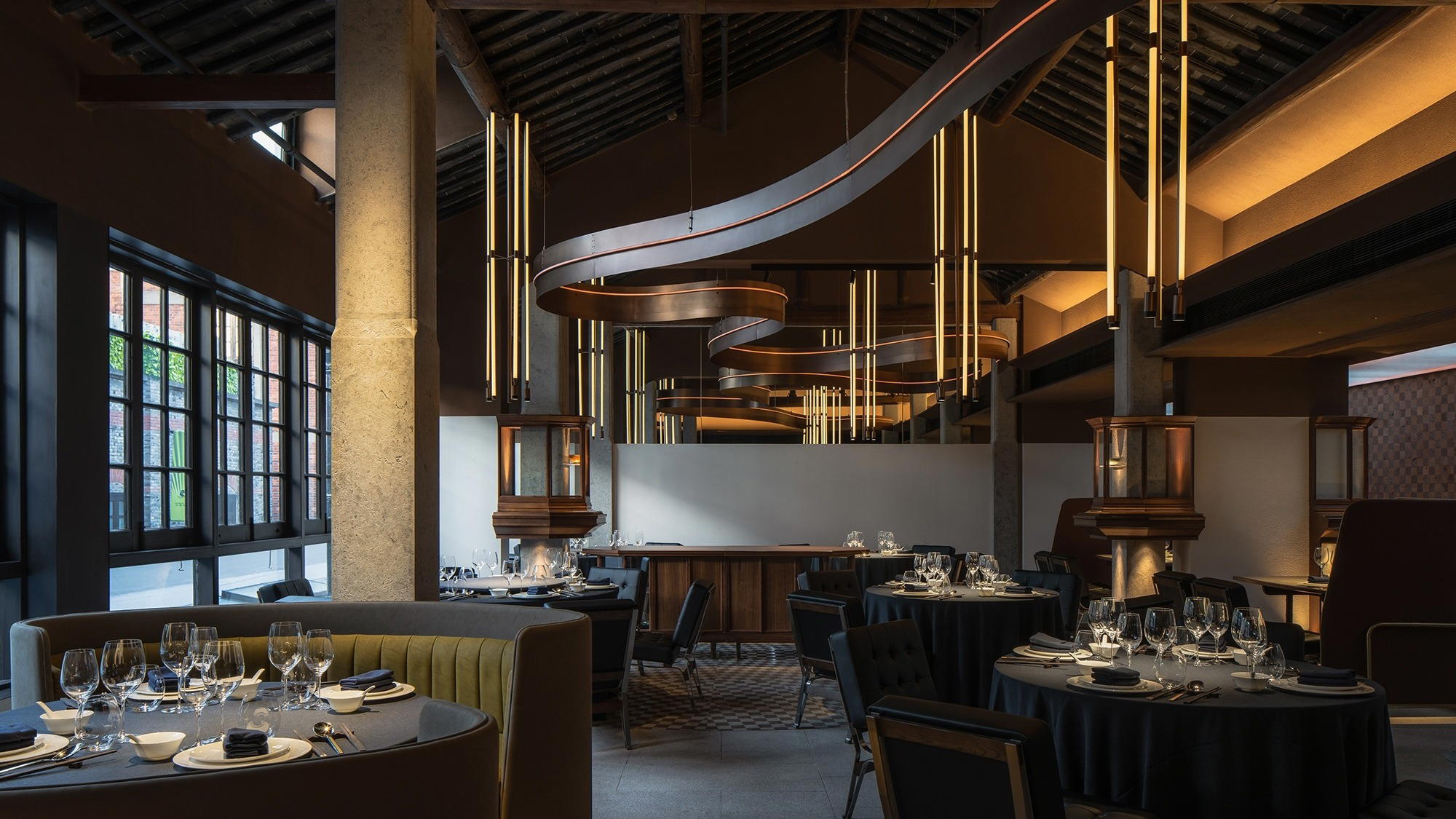
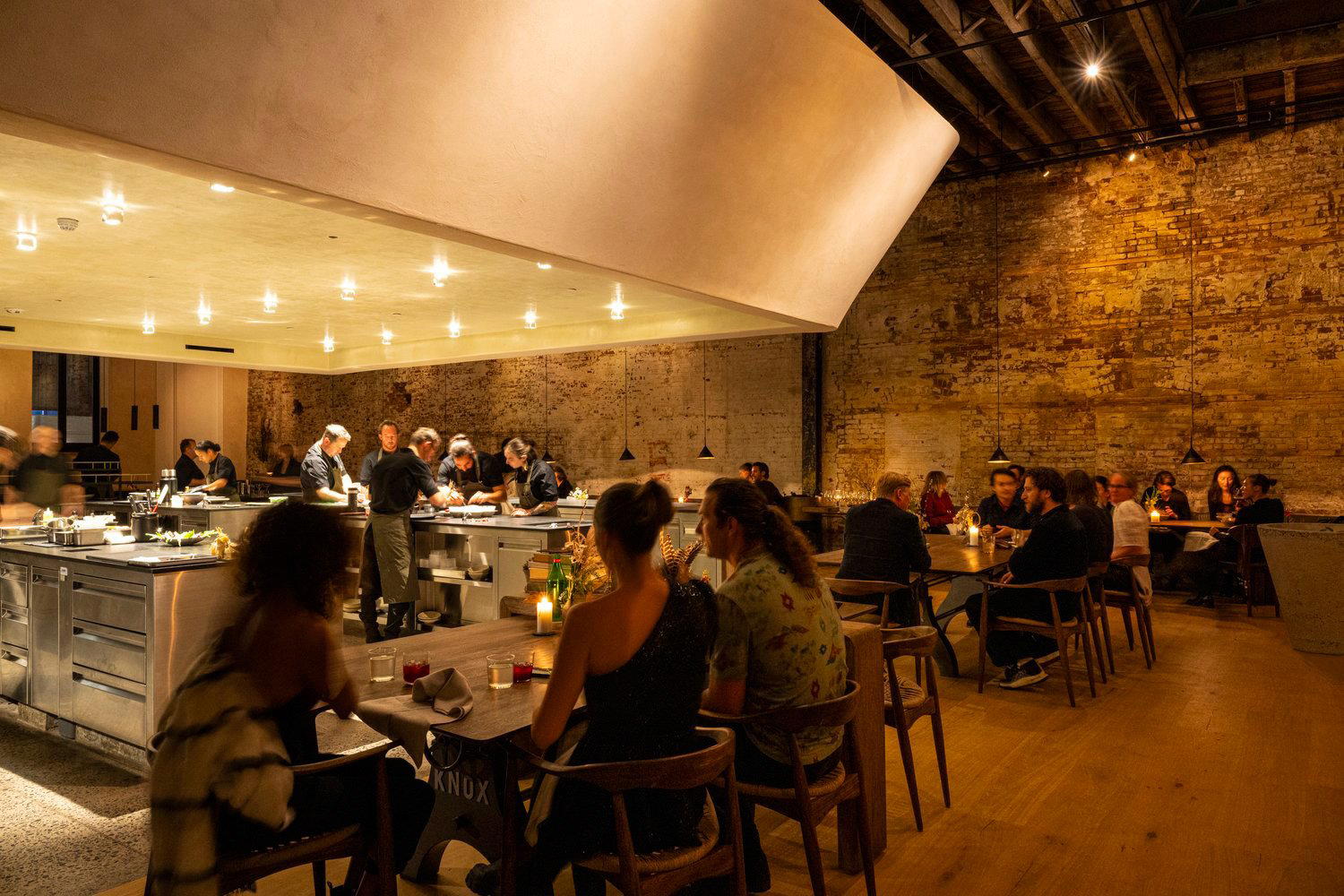
Black-toned minimalist space with relaxing atmosphere, stylish tableware, no background music, and counter seating.
Tags
Vibe
Best For
Experience
Sourcing
At the Table
- Dress Code
- Smart Casual
- Noise Level
- Quiet
- Service Style
- Upscale Casual
- Meal Pacing
- Leisurely
- Capacity
- Intimate
Signature Dishes
straw-grilled wagyu with fermented onions
Know before you go
Know Before You Go
- Getting there
- Japan, 〒530-0002 Osaka, Kita Ward, Sonezakishinchi, 1 Chome−6−4 日宝ラフォーレ北新地 2F
Planning details
Location
Japan, 〒530-0002 Osaka, Kita Ward, Sonezakishinchi, 1 Chome−6−4 日宝ラフォーレ北新地 2F · Directions
Recognition and awards
Also consider
Also Consider
- HAJIME, French, Innovative, ¥¥¥¥
- La Cime, French, ¥¥¥¥
- Kashiwaya Osaka Senriyama, Japanese, ¥¥¥
- Taian, Kaiseki, Japanese, ¥¥¥
- Fujiya 1935, Innovative, ¥¥¥¥
Restaurant context
Against Osaka's ¥¥¥¥ contemporary heavyweights, Tosara offers a clear value argument. HAJIME and La Cime both carry Michelin stars and price accordingly, if technical ambition and starred-level polish are your priority, both outrank Tosara on those axes. Fujiya 1935 sits in the same ¥¥¥¥ tier with an innovative format that appeals to diners who want boundary-pushing combinations. Tosara's ¥¥¥ positioning means you spend meaningfully less while still receiving Michelin Plate recognition and a fully formed tasting menu concept. If budget is a factor in how you allocate your Osaka dining spend, Tosara earns its place on the itinerary before the ¥¥¥¥ rooms, not after them.
The comparison with Kashiwaya Osaka Senriyama and Taian is more nuanced, both sit at ¥¥¥ and both operate within a Japanese culinary tradition (kaiseki for Taian, refined Japanese for Kashiwaya). If you want a deep expression of Japanese seasonal cuisine in its traditional structure, either of those is a stronger choice than Tosara. Tosara's appeal is specifically its Italian-influenced lens on Japanese producers, a hybrid position that will satisfy some food travellers more than others. Do not book Tosara expecting kaiseki; book it if that contemporary Italian-Japanese producer dialogue is the specific experience you are after.
On booking difficulty, Tosara is the easiest entry point in this comparison set. HAJIME, La Cime, and Fujiya 1935 all carry starred status and require more advance planning. If you are building an Osaka dining schedule on short notice, Tosara is the most accessible of the serious tasting menu options in the city, without representing a compromise in ambition or execution.
Explore Osaka
Around this place
Discover more on Pearl
Unlock the full Tosara guide in Pearl, including awards, comparisons, FAQs, planning details, and nearby places.
Compare Tosara
| Venue | Price | Booking Difficulty | Awards |
|---|---|---|---|
| Tosara | ¥¥¥ | Easy | 2026 Michelin Plate2025 Michelin Plate2024 Michelin Plate |
| HAJIME | ¥¥¥¥ | Unknown | Star Wine Lists 2026 · #12026 Tabelog Bronze · #922026 OAD Top Restaurants in Japan Ranked · #98Michelin Guide Kyoto Osaka 20262026 La Liste Top RestaurantsTabelog 100 - Innovative / Creative cuisine - 2025 · #692025 Asia's 50 Best Restaurants · #832025 OAD Top Restaurants in Japan Ranked · #87We're Smart World Top Restaurants 2025 |
| La Cime | ¥¥¥¥ | Unknown | 2026 Asia's 50 Best Restaurants · #132026 OAD Top Restaurants in Japan Ranked · #1492026 Tabelog Bronze · #231Michelin Guide Kyoto Osaka 20262026 La Liste Top Restaurants2025 Asia's 50 Best Restaurants · #82025 World's 50 Best Restaurants · #44Tabelog 100 - French - WEST - 2025 · #932025 OAD Top Restaurants in Japan Ranked · #123 |
| Kashiwaya Osaka Senriyama | ¥¥¥ | Unknown | 2026 Tabelog Bronze · #1682026 OAD Top Restaurants in Japan Recommended2026 Relais Chateaux RestaurantsMichelin Guide Kyoto Osaka 20262026 La Liste Top RestaurantsTabelog 100 - Japanese cuisine - WEST - 2025 · #772025 OAD Top Restaurants in Japan Ranked · #1552025 Relais Chateaux Award2025 Michelin 3 Stars |
| Taian | ¥¥¥ | Unknown | 2026 OAD Top Restaurants in Japan RecommendedMichelin Guide Kyoto Osaka 20262026 La Liste Top Restaurants2025 OAD Top Restaurants in Japan Ranked · #2042025 La Liste Top Restaurants2025 Michelin 3 Stars2024 OAD Top Restaurants in Japan Ranked · #1912024 Michelin 3 Stars2023 OAD Top Restaurants in Japan Highly Recommended |
| Fujiya 1935 | ¥¥¥¥ | Unknown | 2026 Tabelog Bronze · #752026 OAD Top Restaurants in Japan RecommendedMichelin Guide Kyoto Osaka 20262026 La Liste Top Restaurants2025 Michelin 2 Stars2025 Tabelog Silver2025 La Liste Top Restaurants2024 OAD Top Restaurants in Japan Ranked · #2392024 Michelin 2 Stars |










Key differences to consider before you reserve.
FAQ
Frequently Asked Questions
Can I eat at the bar at Tosara?
Bar seating is not documented for Tosara. The format is a structured ten-course prix fixe served in a dedicated dining room on the second floor of the 日宝ラフォーレ北新地 building in Kita Ward. If counter or bar access is important to you, call ahead to confirm before booking.
What should I wear to Tosara?
Nothing in the venue record specifies a dress code, but the context makes the call easy: Tosara holds a Michelin Plate (2025), runs a ten-course prix fixe, and sits in Kitashinchi, Osaka's most formal dining district. Dress as you would for a serious tasting menu — neat, considered, not casual.
Is Tosara good for solo dining?
This is a reasonable fit for solo diners. The ten-course prix fixe format removes the need to coordinate a shared order, and the narrative behind the menu — a chef using his cooking to tell a personal story — lands well when you can give it full attention. Confirm seating availability for one when booking, as smaller restaurants in this price range sometimes limit solo reservations.
What should I order at Tosara?
There is no ordering at Tosara. The menu is a fixed ten-course prix fixe — that is the entire format. The kitchen determines the progression, drawing on Italian technique, the chef's Awajishima roots, and relationships with local producers. If you want choice at the table, this is the wrong venue.
What should a first-timer know about Tosara?
The format is non-negotiable: ten courses, prix fixe, built around a single chef's philosophy rooted in a book called 'Tosara no Ryori' that defines cuisine as gratitude to nature. Expect a personal, narrative-driven meal rather than a showcase of technical spectacle. Tosara holds a Michelin Plate (2025) at the ¥¥¥ price point — serious enough to warrant preparation, not so formal that it should feel intimidating.