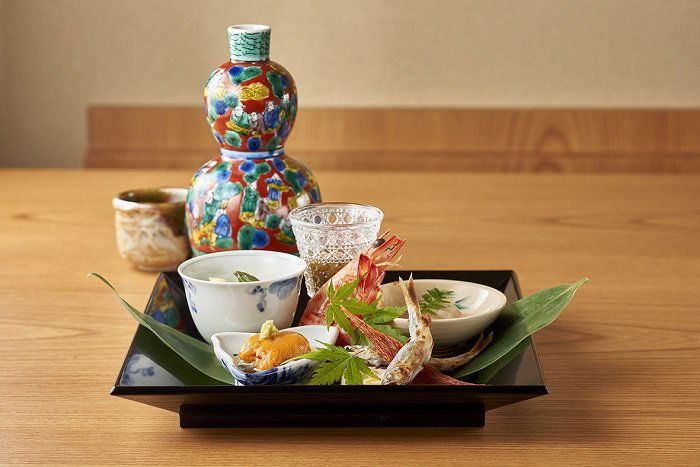

Teruya
Japanese · Chūō, Osaka
Restaurant in Osaka, Japan
The Read
Dashi-Centred Kaiseki
Price
¥¥¥¥
Dress
Smart Casual
Why go
Michelin-starred kaiseki counter in Osaka's Chuo Ward, serving Kyoto-trained dashi-forward cuisine with seasonal sourcing and antique tableware. The chef's light, ingredient-first approach rewards attention over spectacle. Book hard, expect ¥¥¥¥ pricing, come for subtlety rather than bold umami.
About Teruya
Is Teruya worth considering in Osaka? Yes, if you value subtle Japanese cooking and a dashi-forward approach. The verified details are limited, but the available description points to an owner-chef who uses a versatile sensibility and technique honed in Kyoto, with particular care taken when blending dashi. Expect a ¥¥¥¥ Japanese restaurant where light flavour and restraint are central to the appeal.
Kyoto Technique in Osaka
Teruya is described as a Japanese restaurant in Osaka shaped by Kyoto-honed technique. The dashi is the foundation: prepared with a light flavour, it is intended to draw out the character of the ingredients rather than overwhelm them. That emphasis suggests a dining experience built around balance, restraint, careful calibration.
The result is a restaurant for diners who appreciate subtle shifts in flavour and technique. This is not a page with verified details on a specific menu format, seating layout, chef name, opening year, or service style, so those points should be confirmed directly before booking. If you prefer comparing options, consider other named peers such as Hozan, Kirari, Oimatsu Hisano, Shunzen Kiraku, or Yugen, or explore Osaka dining more generally.
What Is Verified
The grounded facts for Teruya are concise: it is a Japanese restaurant in Osaka, it sits in the ¥¥¥¥ price tier, the dress code is smart casual. Its defining verified culinary note is the owner-chef's careful handling of dashi, using a light flavour to draw out subtle qualities in the food.
Because there are no verified details here on specific seasonal ingredients, tableware, lunch service, private rooms, seat count, beverage program, take-out, delivery, or allergy accommodations, those details should not be assumed. For visitors exploring Osaka's dining scene, Teruya is best understood from the verified record as a refined Japanese restaurant centred on subtle flavour and Kyoto-honed technique.
Planning details
- Location
- Japan, 〒542-0064 Osaka, Chuo Ward, Ueshio, 2 Chome−1−24 グレース上汐 101
- Website
- teruya-osaka.jp
- Phone
- +81 80-5638-7455
The take
The Take
The Vibe
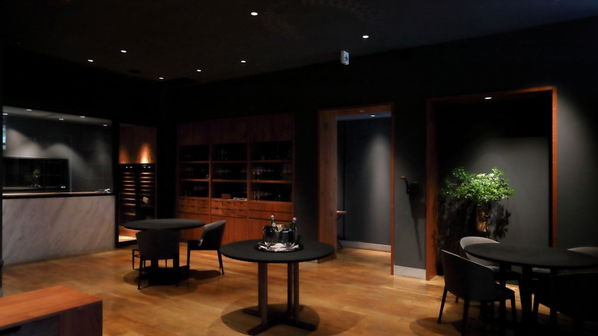
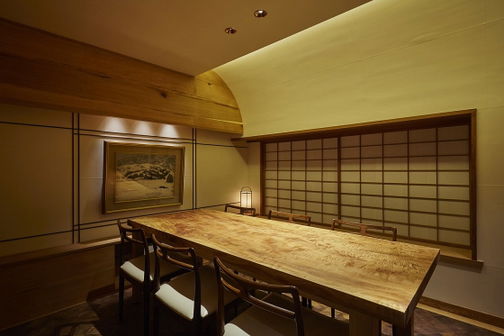
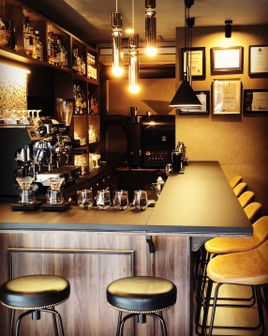
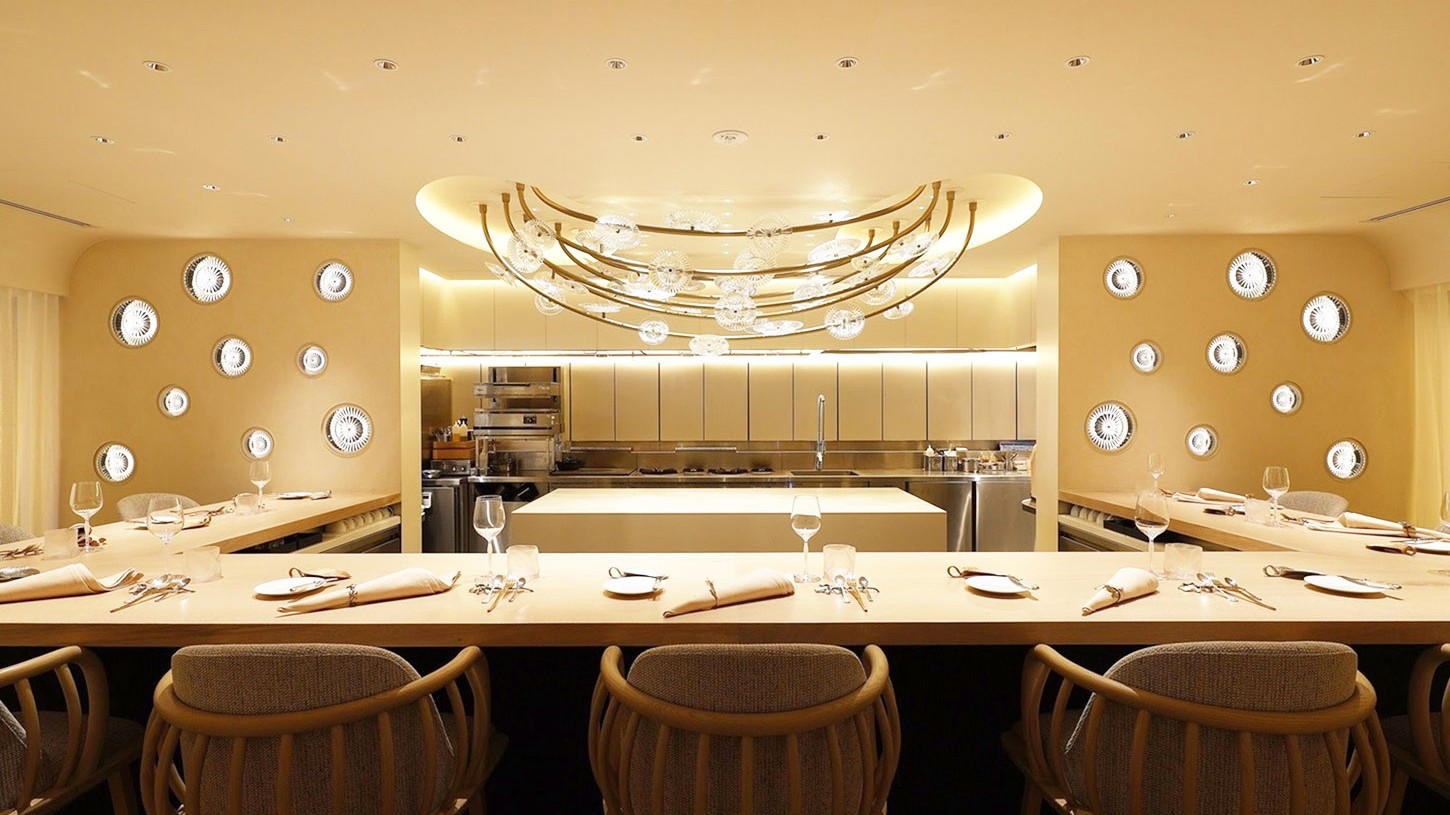
Teruya presents a quietly refined kaiseki counter where restraint and detail govern the experience. The room is modest and deliberately low-key: antique and contemporary ceramics frame each course and become part of the dish itself. Service is attentive and hushed, and the kitchen’s Kyoto training shows in a tanpaku approach to flavour—dashi is coaxed to support ingredients rather than overwhelm them. The Michelin one-star recognition speaks to a meticulous technical register rather than theatricality. Overall, the dining room feels intimate and elegant, built for close attention to texture, seasonality and the delicate architecture of broth.
Best For
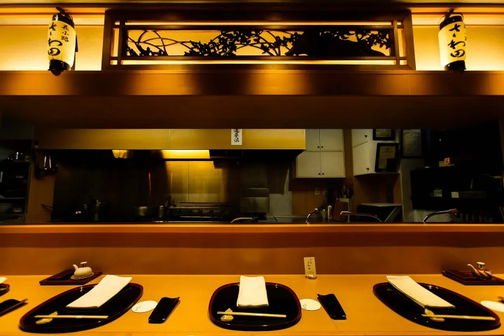
Teruya is best experienced as a focused dinner destination for two or a very small party celebrating a special night. The counter seating and small number of covers make it ideal for date nights or intimate occasions where the quiet, attentive service and multi-course structure can be savoured. The kitchen’s emphasis on subtle Kansai dashi and kaiseki-style sequences rewards diners who want a composed, ingredient-led progression rather than casual, loud dining. Given the compact scale and curated pacing, guests should expect a measured, contemplative evening centered on culinary craftsmanship.
Ordering Tips
Lean into the chef’s sequence: Teruya’s menu centers on dashi-led courses and kaiseki conventions such as wanmono, so opt for the full multi-course progression to appreciate how the broths and plating interact. The house-cured grey mullet roe is a signature item worth noting. Counter seating places you close to the service ritual and the plated ceramics—both are integral to the experience—so book ahead given the small number of covers. Ask staff about the day’s dashi approach if you want technical context; otherwise trust the kitchen’s deliberate restraint.
Planning details
Location
Japan, 〒542-0064 Osaka, Chuo Ward, Ueshio, 2 Chome−1−24 グレース上汐 101 · Directions
Recognition and awards

Also consider
Also Consider
- Shunzen Kiraku, Japanese, ¥¥¥
- Oimatsu Hisano, Japanese, ¥¥¥¥
- Kirari, Japanese, ¥¥¥
- Hozan, Japanese, ¥¥¥
- Yugen, Japanese, ¥¥¥
Restaurant context
At ¥¥¥¥, Teruya sits at the top of Osaka's kaiseki price ladder alongside Oimatsu Hisano, which delivers similar Michelin-level technique but with a slightly richer, Osaka-native flavour profile. If you prefer Kyoto-style restraint and dashi-forward precision, Teruya is the better choice; if you want bold umami and more theatrical plating, Oimatsu Hisano edges ahead. Both are hard to book, both justify the price, both require advance planning.
For easier access and lower cost, Shunzen Kiraku, Kirari, and Hozan offer capable seasonal Japanese cooking at ¥¥¥, with friendlier booking windows and more flexible seating. Shunzen Kiraku is the strongest fallback if Teruya is full, it shares the same ingredient-first philosophy but with slightly less technical refinement. Yugen splits the difference at ¥¥¥, delivering cleaner execution than Kirari or Hozan without the ¥¥¥¥ barrier. If you're comparing purely on value, Yugen offers the best balance of quality and accessibility; if you're prioritising the Michelin credential and dashi mastery, Teruya is worth the premium.
Teruya's real advantage is its Kyoto-trained restraint in a city known for richer, more assertive flavours. If that's what you're seeking, you can secure a reservation, it's the top kaiseki pick in Osaka at this price tier. If you can't book or want to spend less, Yugen and Shunzen Kiraku are the next-best options, in that order.
Explore Osaka
Around this place
Discover more on Pearl
Unlock the full Teruya guide in Pearl, including awards, comparisons, FAQs, planning details, and nearby places.
Compare Teruya
| Venue | Cuisine | Price | Booking Difficulty | Awards |
|---|---|---|---|---|
| Teruya | Japanese | ¥¥¥¥ | Hard | Michelin Guide Kyoto Osaka 20262026 Michelin 1 Star2024 Michelin 1 Star |
| Shunzen Kiraku | Japanese | ¥¥¥ | Unknown | Michelin Guide Kyoto Osaka 20262025 Michelin Plate2024 Michelin Plate |
| Oimatsu Hisano | Japanese | ¥¥¥¥ | Unknown | 2026 Michelin 2 Stars2025 Michelin 2 Stars2024 Michelin 1 Star |
| Kirari | Japanese | ¥¥¥ | Unknown | Michelin Guide Kyoto Osaka 20262025 Michelin Plate2024 Michelin Plate |
| Hozan | Japanese | ¥¥¥ | Unknown | Michelin Guide Kyoto Osaka 20262025 Michelin Plate2024 Michelin Plate |
| Yugen | Japanese | ¥¥¥ | Unknown | Michelin Guide Kyoto Osaka 20262025 Michelin 2 Stars2024 Michelin 2 Stars |


.png?width=1200&quality=80)


Key differences to consider before you reserve.
FAQ
Frequently Asked Questions
What should I wear to Teruya?
Teruya's verified dress code is smart casual. Choose neat, polished clothing appropriate for a refined ¥¥¥¥ Japanese restaurant.