

Terada
Japanese · Tennōji, Osaka
Restaurant in Osaka, Japan
 Book with Pearl
The Read
Festive Hassun Tradition
Price
$150–200per person
Dress
Smart Casual
Why go
A Michelin one-star counter in Tennoji Ward where owner-chef Shigeru Terada serves seasonal Japanese cuisine shaped by the festival calendar and his family's farm in Mie Prefecture. The service is warm and personal rather than formally choreographed, making this one of Osaka's stronger bookings for a special occasion at the ¥¥¥ price point. Book well in advance: availability moves fast.
About Terada
The Experience at Terada
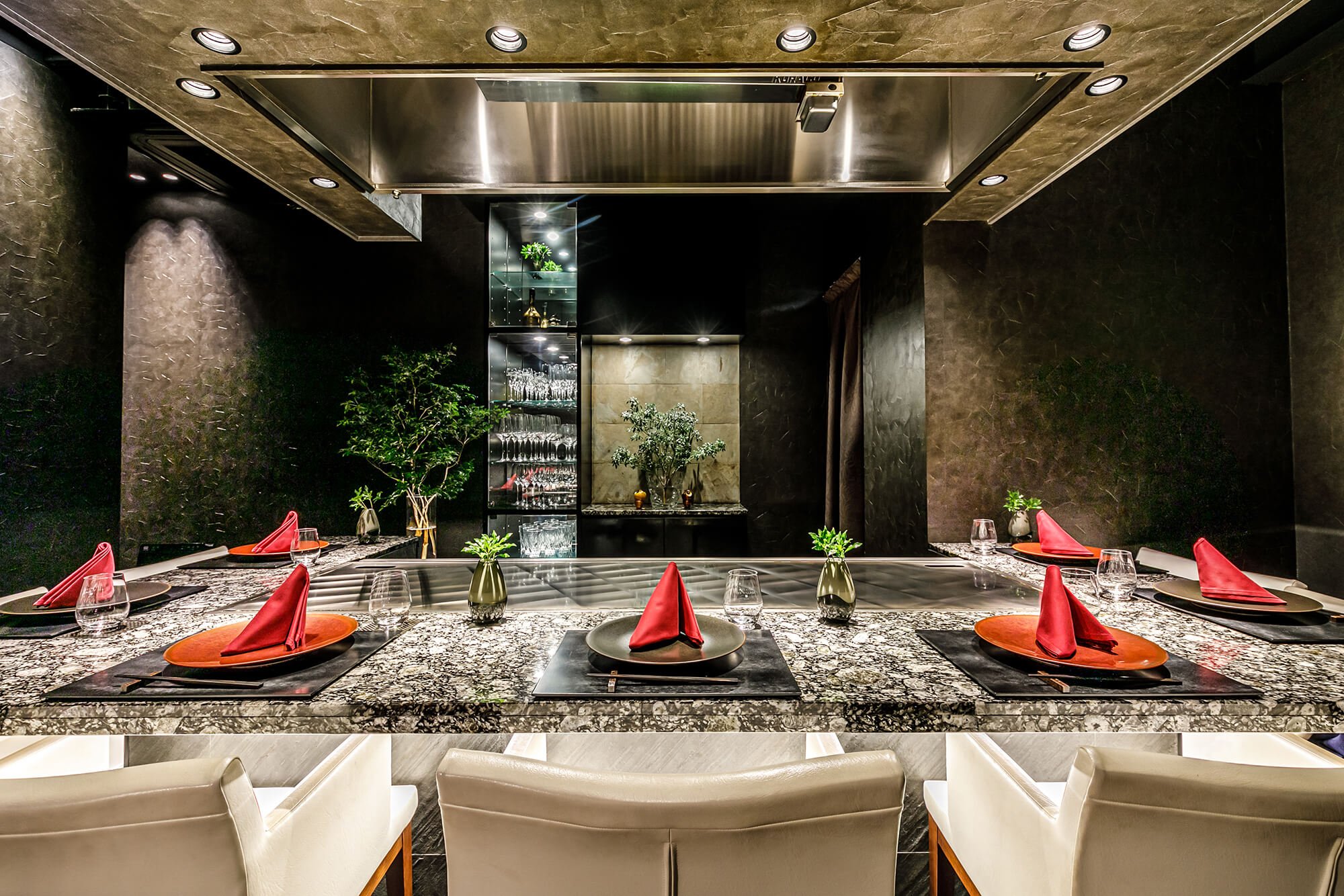
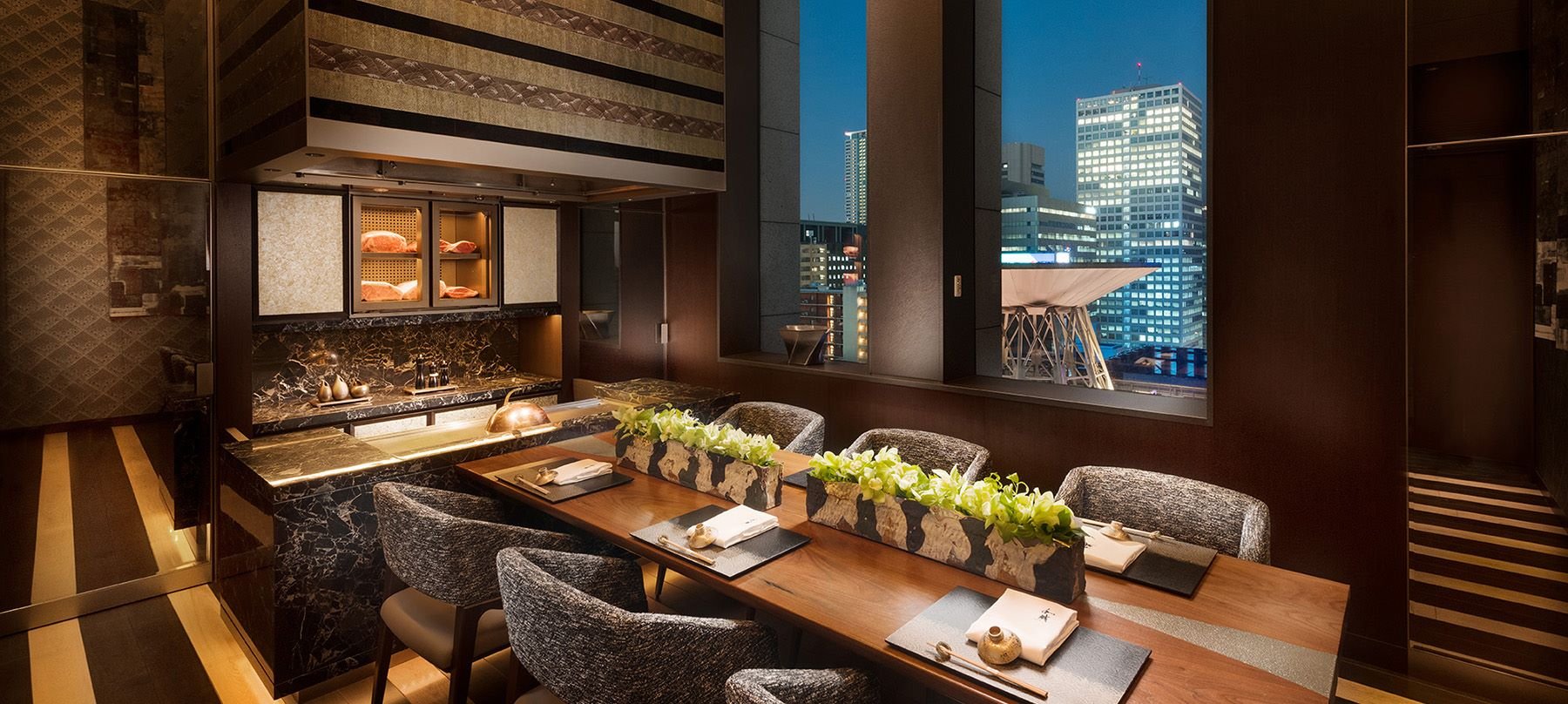
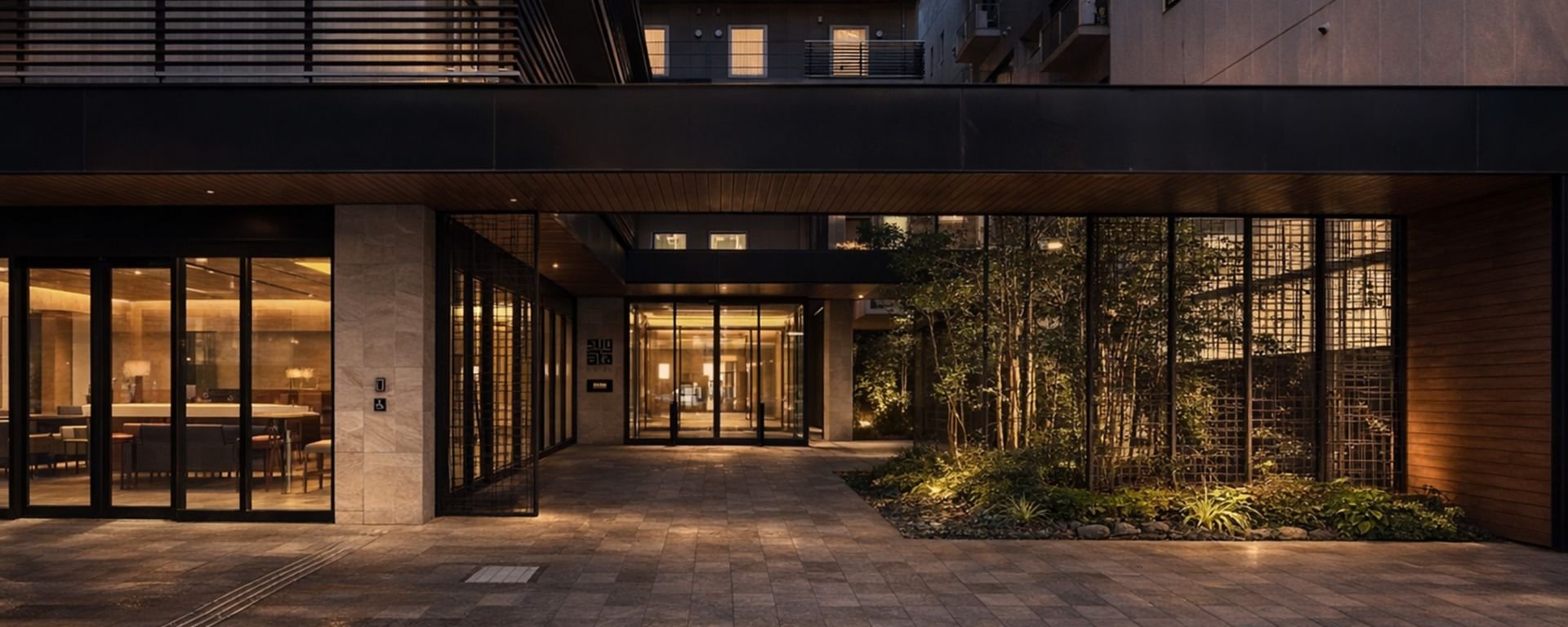
The room is on the second floor of the Tamatsukuri Suehiro Building in Tennoji Ward, designed by the chef's elder brother. That is not a detail to skip past: the interior was built by family, the coasters were painted by the chef's mother, and the vegetables on your plate were grown by his parents in Mie Prefecture. This is not a concept restaurant performing intimacy, it is a family operation that happens to hold a Michelin star. That distinction matters when you are deciding whether to spend at this level.
For a special occasion, this framing works strongly in Terada's favour. The service is not the choreographed formality you find at some Osaka kaiseki rooms. It is attentive and warm without the stiffness that can make high-end Japanese dining feel like an audition. Chef Terada serves with a ready smile, a phrase the Michelin guide uses, and one that tracks with the venue's 4.6 rating across real guest reviews. If you are booking for a birthday, an anniversary, or a business dinner where you want the other person to feel genuinely looked after rather than simply impressed, this is a more effective choice than a colder, more technically severe room.
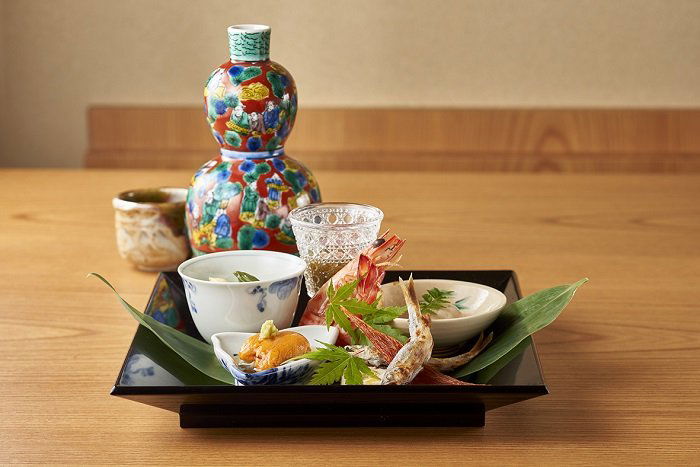
The hassun, the seasonal course that anchors the meal, changes with Japanese festivals and traditional events across the year. Right now, in the current season, that means the dishes arriving in front of you are shaped by whatever the Japanese calendar marks as significant at this moment. Chef Terada treats this as a structural principle, not a marketing angle. Seasons determine what arrives from Mie, and Mie determines what goes on the plate. The contemporary plates and bowls he selects are chosen deliberately so that diners experience the work of living ceramic and tableware artists alongside the food itself. You are not just eating; you are looking at objects that someone made recently, from a living craft tradition.
One honest note for guests with dietary restrictions: the chef has made a personal choice not to offer a fully plant-based menu. Fish, meat, and vegetables all appear, shaped by seasonal availability. If you or someone in your party requires a pure vegetarian or vegan menu, Terada is not the right booking. Contact the restaurant directly before you commit, and do so early, since tables here are not easy to secure.
Booking Terada
Booking difficulty here is high. Terada is a small, Michelin-starred operation in Osaka, and the combination of those two facts means availability moves fast. Do not leave this to the week before. If you are planning a trip to Osaka and Terada is a priority, build your dining reservation before you book flights. The format is chef's menu, which means your only real task on arrival is deciding whether you want to be there, the kitchen handles the rest. Pearl rates this as a hard booking. Use whatever reservation platform covers this venue and move quickly when a slot opens. For broader context on where to eat and stay around your visit, see our full Osaka restaurants guide, our full Osaka hotels guide, and our full Osaka bars guide.
Who Should Book Terada
Book Terada if you want a Michelin-starred meal in Osaka that feels personal rather than institutional. It suits couples on a special occasion, solo diners who want to sit at a counter and engage with a chef who actually enjoys the interaction, and anyone who values seasonal Japanese cooking grounded in a specific regional supply chain (Mie Prefecture vegetables, festival calendar, living craft tableware). It is not suited for large groups, guests requiring plant-based menus, or anyone who prefers the formal, silent-service model of traditional kaiseki. If you want rigorous kaiseki ceremony at ¥¥¥, Taian and Kashiwaya Osaka Senriyama are closer to that register. Terada is warmer, more expressive, and more personal, and at the same price tier, that is a genuine differentiator.
For reference points elsewhere in Japan's Michelin-starred Japanese dining scene, Gion Sasaki in Kyoto operates in a comparable spirit of personal, season-driven Japanese cooking. In Tokyo, Myojaku and Azabu Kadowaki offer useful comparisons for guests building a broader Japan itinerary. Closer to Osaka, akordu in Nara is worth adding if you are spending time in the Kansai region. Other strong Osaka options worth considering alongside Terada include Miyamoto, Oimatsu Hisano, Tenjimbashi Aoki, and Yugen. For dining beyond Japan's main cities, Goh in Fukuoka, 1000 in Yokohama, and 6 in Okinawa round out the picture for anyone building a Japan dining trip around starred experiences. And if Tokyo Japanese dining is on the agenda, Harutaka is a worthwhile benchmark. See also our full Osaka experiences guide and our full Osaka wineries guide for broader trip planning.
The Verdict
At ¥¥¥, Terada delivers Michelin-level cooking with a service warmth that many starred rooms at this price tier do not. The family supply chain, the festival-structured hassun, and the carefully chosen tableware give the meal a coherence and personal quality that is harder to find than the star count suggests. Book it for a special occasion, book it far in advance, and arrive ready to let the chef lead.
Frequently Asked Questions
Is Terada worth the price?
- Yes, at the ¥¥¥ price point, Terada delivers a Michelin one-star experience with a level of personal warmth that most rooms at this tier do not match. The seasonal supply chain from Mie Prefecture, the festival-structured menu, and the family-built environment give the meal genuine substance beyond the star. For comparable spend at a more formal kaiseki experience, Kashiwaya Osaka Senriyama or Taian are alternatives, but neither offers the same personal register.
What should I order at Terada?
- Terada operates on a set menu format, you do not order individually. The kitchen determines the progression, built around the current season and the Japanese festival calendar. The hassun is the structural centrepiece. Arrive without fixed expectations about specific dishes and let the chef lead; that is the format this restaurant is designed around.
Is Terada good for solo dining?
- Yes. The counter format and the chef's evident enjoyment of guest interaction make Terada a strong choice for a solo diner. You are not paying a premium for a table you do not fill, the experience is built around engagement with the kitchen, which is at its most direct one-on-one. For solo Michelin dining in Osaka at ¥¥¥, this is among the more comfortable options in the city.
Does Terada handle dietary restrictions?
- With an important caveat: the chef has made a personal decision not to offer a fully plant-based menu. Fish, meat, and vegetables all feature, driven by seasonal availability. If you require a vegetarian or vegan menu, Terada is not the right booking. For other dietary requirements, contact the restaurant directly and well in advance, this is a small kitchen and advance notice is essential.
What are alternatives to Terada in Osaka?
- At the same ¥¥¥ tier: Kashiwaya Osaka Senriyama for more formal kaiseki, and Taian for a rigorous kaiseki format. If budget allows ¥¥¥¥, HAJIME and Fujiya 1935 offer innovative French-influenced tasting menus at a higher price and ambition level. La Cime sits in the same ¥¥¥¥ bracket for French technique with Osaka ingredients.
Is Terada good for a special occasion?
- It is one of the stronger choices in Osaka for exactly this purpose. The warmth of service, the personal story behind the room, and the set-menu format mean you are not managing decisions across a meal, you are present for it. For a birthday or anniversary where you want the other person to feel genuinely welcomed rather than simply processed through a formal room, Terada's combination of Michelin quality and personal service is a meaningful advantage over more austere options at the same price tier.
Planning details
- Hours
- Monday: Closed · Tuesday: 11:30 AM–2 PM, 6–10 PM
- Location
- Japan, 〒543-0014 Osaka, Tennoji Ward, Tamatsukuri Motomachi, 2−35 玉造末広ビル 2F
- Reservations
- Book on the venue's website
- Website
- nihonryori-terada.com
- Phone
- +81 6-6191-3237
The take
The Take
The Vibe
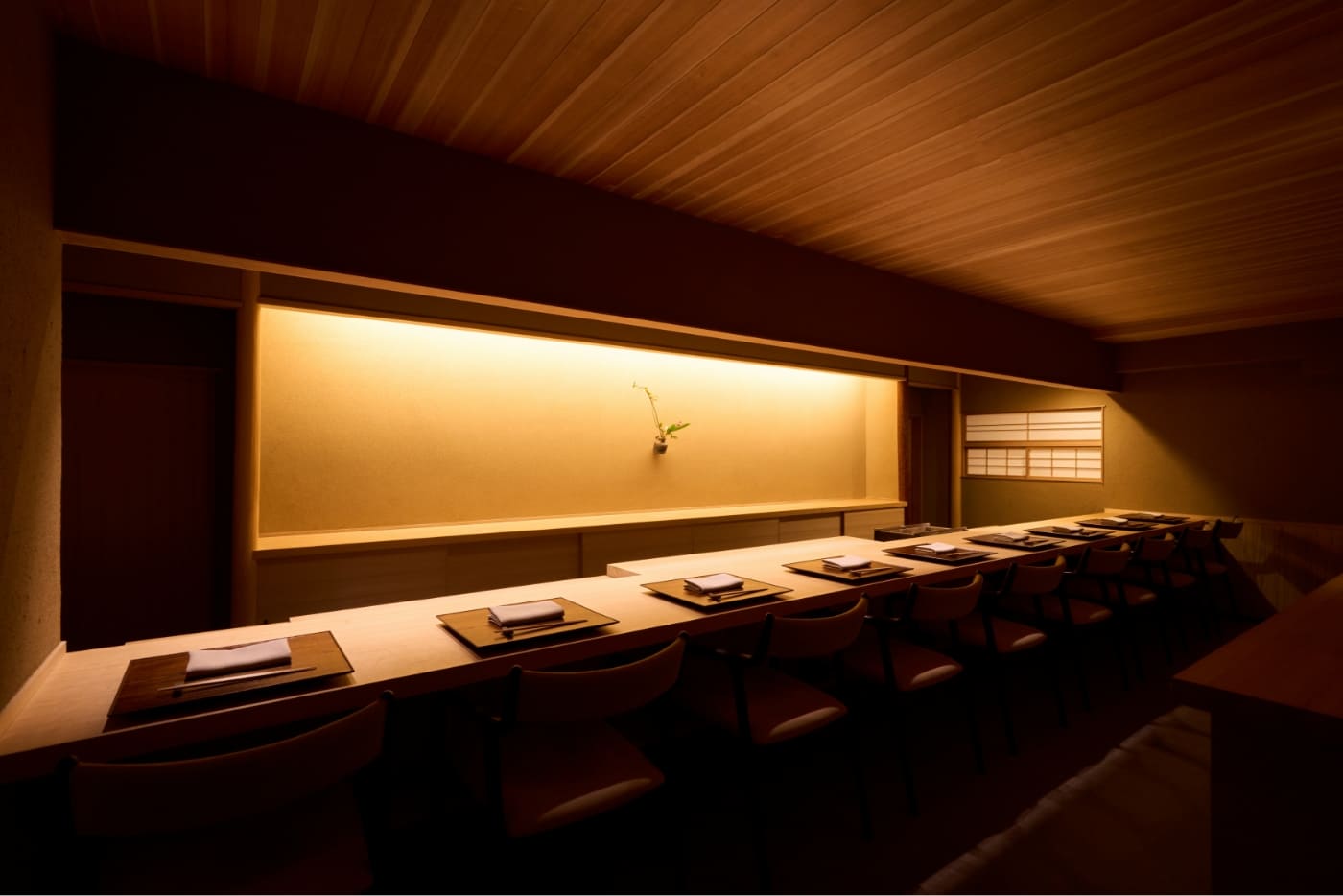
Terada presents as a quietly charming neighbourhood counter that sits modestly on the second floor of a Tamatsukuri building. It occupies a middle register in Osaka’s refined dining landscape: Michelin recognition and rigorous seasonal cooking meet a warmer, more participatory tone than the most formal kaiseki houses. The room reads less like a destination theatre and more like a neighbourhood secret: technically assured but approachable, with convivial counter seating that privileges conversation and the ritual of shared seasonal plates over ceremony.
Best For
Terada is best encountered in the evening as a focused, chef-led counter experience. It suits diners who want the discipline of seasonal kaiseki and omakase cooking without the heavy ceremony of top-tier tasting rooms. The Michelin-starred kitchen signals technical assurance, making it a fine choice for special evenings, considered date nights or business dinners where attentive, chef-centric service and seasonal precision matter more than spectacle. The modest, residential setting keeps the mood relaxed and quietly refined.
Ordering Tips
Treat the hassun and multi-course sequence as the point of the meal: Terada emphasizes seasonal compression and the hassun as a social object rather than a silent set piece. Opt for the counter to experience the participatory tone and the chef’s pacing of courses; the format rewards attention to small, seasonally framed preparations. Pricing sits in a ¥¥¥ counter bracket, so expect a structured tasting that highlights seasonal detail and technical polish rather than à la carte flexibility.
Venue details
Ambiance
Cozy and intimate with counter seating for watching the chef and contemporary tableware creating a journey through modern artistry.
Tags
Vibe
Best For
Experience
Sourcing
At the Table
- Dress Code
- Smart Casual
- Noise Level
- Quiet
- Service Style
- Formal
- Meal Pacing
- Leisurely
- Capacity
- Intimate
- Kitchen
- Modern
- Menu Format
- Omakase, Counter dining
- Drinks Focus
- Sake
- Private Dining
- Available
Signature Dishes
hassun
Know before you go
Know Before You Go
- Getting there
- Japan, 〒543-0014 Osaka, Tennoji Ward, Tamatsukuri Motomachi, 2−35 玉造末広ビル 2F
Planning details
Hours
- Monday
- Closed
- Tuesday
- 11:30 AM–2 PM, 6–10 PM
- Wednesday
- 11:30 AM–2 PM, 6–10 PM
- Thursday
- 11:30 AM–2 PM, 6–10 PM
- Friday
- 11:30 AM–2 PM, 6–10 PM
- Saturday
- 11:30 AM–2 PM, 6–10 PM
- Sunday
- 11:30 AM–2 PM, 6–10 PM
Location
Japan, 〒543-0014 Osaka, Tennoji Ward, Tamatsukuri Motomachi, 2−35 玉造末広ビル 2F · Directions
Recognition and awards
Also consider
Also Consider
- HAJIME: French, Innovative, ¥¥¥¥
- La Cime: French, ¥¥¥¥
- Kashiwaya Osaka Senriyama: Japanese, ¥¥¥
- Taian: Kaiseki, Japanese, ¥¥¥
- Fujiya 1935: Innovative, ¥¥¥¥
Restaurant context
Terada sits in the ¥¥¥ tier alongside Kashiwaya Osaka Senriyama and Taian, but the experience it offers is meaningfully different. Kashiwaya and Taian both lean into the formal kaiseki register: structured, reverential, and service that keeps a deliberate distance. Terada is warmer, more expressive, and built around a personal supply chain and festival calendar that gives each meal a specific seasonal identity. If you want rigorous kaiseki ceremony, book Taian. If you want a Michelin-starred Japanese meal that feels like a conversation rather than a presentation, Terada is the better call at this price tier.
Step up to ¥¥¥¥ and the comparison set shifts entirely. HAJIME and Fujiya 1935 are both operating at a higher level of technical ambition, with French-influenced innovation and multi-star credentials. La Cime is in the same bracket: French technique, Osaka produce, and a more contemporary global register. If you are deciding between Terada and any of these three, the question is whether you want Japanese tradition or Franco-Japanese innovation, and how much you want to spend. Terada is the more affordable and more personal option; HAJIME is the more technically ambitious one.
On booking difficulty, Terada is hard: comparable to Taian and significantly easier than HAJIME or Fujiya 1935, which can require months of lead time. If you are building an Osaka dining itinerary and want at least one starred meal, Terada is a realistic target with planning. It delivers the clearest value-for-money case among Osaka's one-star Japanese options: personal service, a genuine seasonal philosophy, and a family-built room that gives the meal a context most comparable venues cannot match at this price.
Explore Osaka
Around this place
Discover more on Pearl
Unlock the full Terada guide in Pearl, including awards, comparisons, FAQs, planning details, and nearby places.
Compare Terada
| Venue | Cuisine | Price | Awards | Booking Difficulty |
|---|---|---|---|---|
| Terada | Japanese | ¥¥¥ | Michelin Guide Kyoto Osaka 20262026 Michelin 1 StarWe're Smart World Top Restaurants 20252024 Michelin 1 Star | Hard |
| HAJIME | French, Innovative | ¥¥¥¥ | Star Wine Lists 2026 · #12026 Tabelog Bronze · #922026 OAD Top Restaurants in Japan Ranked · #98Michelin Guide Kyoto Osaka 20262026 La Liste Top RestaurantsTabelog 100 - Innovative / Creative cuisine - 2025 · #692025 Asia's 50 Best Restaurants · #832025 OAD Top Restaurants in Japan Ranked · #87We're Smart World Top Restaurants 2025 | Unknown |
| La Cime | French | ¥¥¥¥ | 2026 Asia's 50 Best Restaurants · #132026 OAD Top Restaurants in Japan Ranked · #1492026 Tabelog Bronze · #231Michelin Guide Kyoto Osaka 20262026 La Liste Top Restaurants2025 Asia's 50 Best Restaurants · #82025 World's 50 Best Restaurants · #44Tabelog 100 - French - WEST - 2025 · #932025 OAD Top Restaurants in Japan Ranked · #123 | Unknown |
| Kashiwaya Osaka Senriyama | Japanese | ¥¥¥ | 2026 Tabelog Bronze · #1682026 OAD Top Restaurants in Japan Recommended2026 Relais Chateaux RestaurantsMichelin Guide Kyoto Osaka 20262026 La Liste Top RestaurantsTabelog 100 - Japanese cuisine - WEST - 2025 · #772025 OAD Top Restaurants in Japan Ranked · #1552025 Relais Chateaux Award2025 Michelin 3 Stars | Unknown |
| Taian | Kaiseki, Japanese | ¥¥¥ | 2026 OAD Top Restaurants in Japan RecommendedMichelin Guide Kyoto Osaka 20262026 La Liste Top Restaurants2025 OAD Top Restaurants in Japan Ranked · #2042025 La Liste Top Restaurants2025 Michelin 3 Stars2024 OAD Top Restaurants in Japan Ranked · #1912024 Michelin 3 Stars2023 OAD Top Restaurants in Japan Highly Recommended | Unknown |
| Fujiya 1935 | Innovative | ¥¥¥¥ | 2026 Tabelog Bronze · #752026 OAD Top Restaurants in Japan RecommendedMichelin Guide Kyoto Osaka 20262026 La Liste Top Restaurants2025 Michelin 2 Stars2025 Tabelog Silver2025 La Liste Top Restaurants2024 OAD Top Restaurants in Japan Ranked · #2392024 Michelin 2 Stars | Unknown |









Side-by-side comparison to help you decide where to book.
FAQ
Frequently Asked Questions
Is Terada worth the price?
What makes the price feel justified is the personal service layer: vegetables from the chef's family farm in Mie Prefecture, a room designed by his brother, coasters painted by his mother. You are paying for cooking and a sense of care that most starred rooms do not offer at this tier.
What should I order at Terada?
Terada runs a set menu format built around seasonal ingredients, so there is no à la carte selection to navigate. The hassun course is central to the experience, with chef Shigeru Terada incorporating traditional festivals and seasonal events into each serving. Produce arrives from his parents' farm in Mie Prefecture, so whatever is on the menu reflects what is actually in season.
Is Terada good for solo dining?
It suits solo diners well. Counter-format Michelin-starred restaurants in Osaka tend to be more accommodating of solo guests than larger dining rooms, and Terada's warmth-first service philosophy makes eating alone here less isolating than at more formal starred venues. If solo kaiseki dining in Osaka is your format, this is a strong option.
Does Terada handle dietary restrictions?
With caveats. Chef Terada has stated that a fully plant-based menu is not possible here: that is a personal choice, not a logistical limit. Seasonal vegetables from his family's farm feature prominently, but fish and meat are part of the menu.
What are alternatives to Terada in Osaka?
For higher-end multi-star cooking in Osaka, Hajime (three Michelin stars) and Kashiwaya Osaka Senriyama (also multi-starred) operate at a different price and formality tier. La Cime and Fujiya 1935 offer French-influenced precision for diners who want a different format at comparable or higher price points. Taian is the closer alternative if you want traditional Japanese cooking with Michelin recognition and a similar intimate scale.
Is Terada good for a special occasion?
Yes, and it is better suited to occasions where the meal itself is the event rather than a backdrop for a large group. The intimate format, Michelin star, and personal service details (family-sourced produce, custom tableware by contemporary artists) make it a natural fit for couples or small groups marking something meaningful. For larger parties or a venue that reads as a bigger production, consider Kashiwaya Osaka Senriyama instead.