.png?width=1200&quality=80)
Tempura Sakugetsu
Tempura · Chūō, Osaka
Restaurant in Osaka, Japan
 Book with Pearl
The Read
Cottonseed-Sesame Precision
Price
¥¥¥
Dress
Smart Casual
Why go
A Michelin Plate-recognised tempura counter in Osaka's Shimanouchi district, operating under the Shunsaiten Tsuchiya group. The kitchen fries in cottonseed-sesame oil and skips tempura paper in favour of technique-controlled drainage — a meaningful departure that keeps each piece at its best. At ¥¥¥ with easy booking, it is a well-priced entry point into serious Osaka tempura.
About Tempura Sakugetsu
Verdict: A Michelin-Recognised Tempura Counter Worth Booking in Osaka's Shimanouchi District
This is not a tourist-friendly conveyor of prawn and sweet potato. The kitchen here is working through a defined philosophy — one that prioritises the quality of each individual piece and trusts skilled technique over convention. At the ¥¥¥ price point, it sits at the same tier as Kashiwaya Osaka Senriyama and Taian, and it more than holds its own for diners whose interest is specifically in fried cuisine done with discipline.
The Restaurant
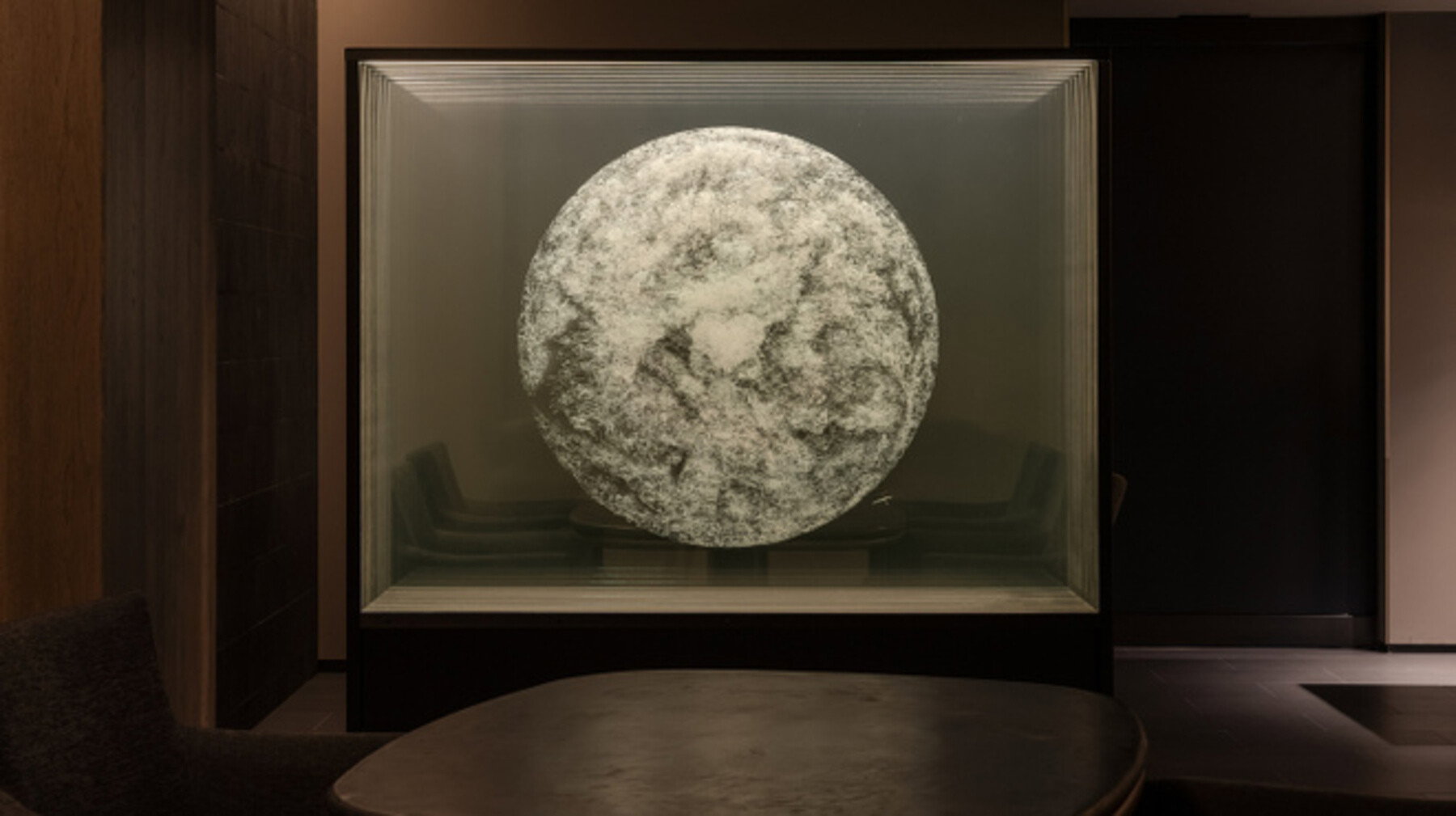
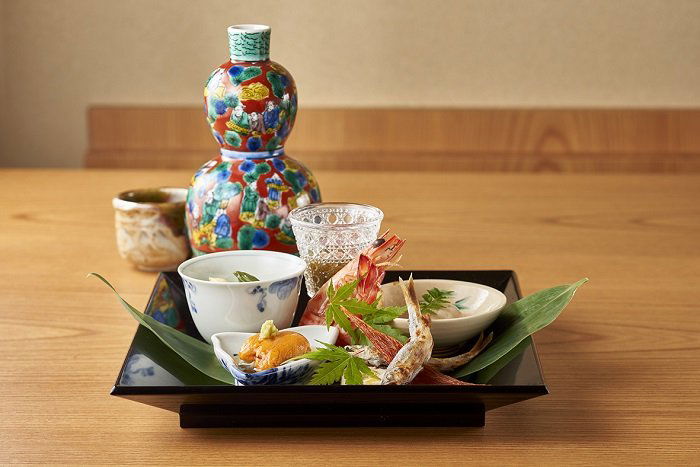
Sakugetsu operates under the broader umbrella of Shunsaiten Tsuchiya, one of Osaka's more respected Japanese dining groups, and the name itself — meaning 'new moon', signals the kitchen's intent: grounded in tradition, but pointing somewhere forward. The chef entrusted with this counter fries in a blend of cottonseed oil and sesame oil, a combination that produces a distinct fry profile, and has removed the standard practice of resting pieces on tempura paper to drain excess oil. Instead, oil is managed through technique alone. That decision is consequential, it means each piece arrives with a crust that has not steamed or softened from sitting on absorbent paper, and it places significant demand on the cook's timing and temperature control.
The progression of a meal here follows the logic of a composed tasting menu rather than a simple a la carte parade. Expect the kitchen to move through lighter, more delicate ingredients early, vegetables, white fish, before advancing to richer, more assertive pieces as the meal develops. That arc matters. The sequence is where the chef's point of view becomes most legible, and for the explorer-type diner who wants to read a meal as an argument rather than just a succession of bites, Sakugetsu delivers that kind of structure. For a sense of what this style of progression looks like at the highest level of tempura in Japan, the comparison benchmark is counters like Tempura Kondo and Tempura Ginya in Tokyo, both operating at higher price points. Sakugetsu sits below those in terms of Michelin recognition but shares their commitment to the piece-by-piece craft.
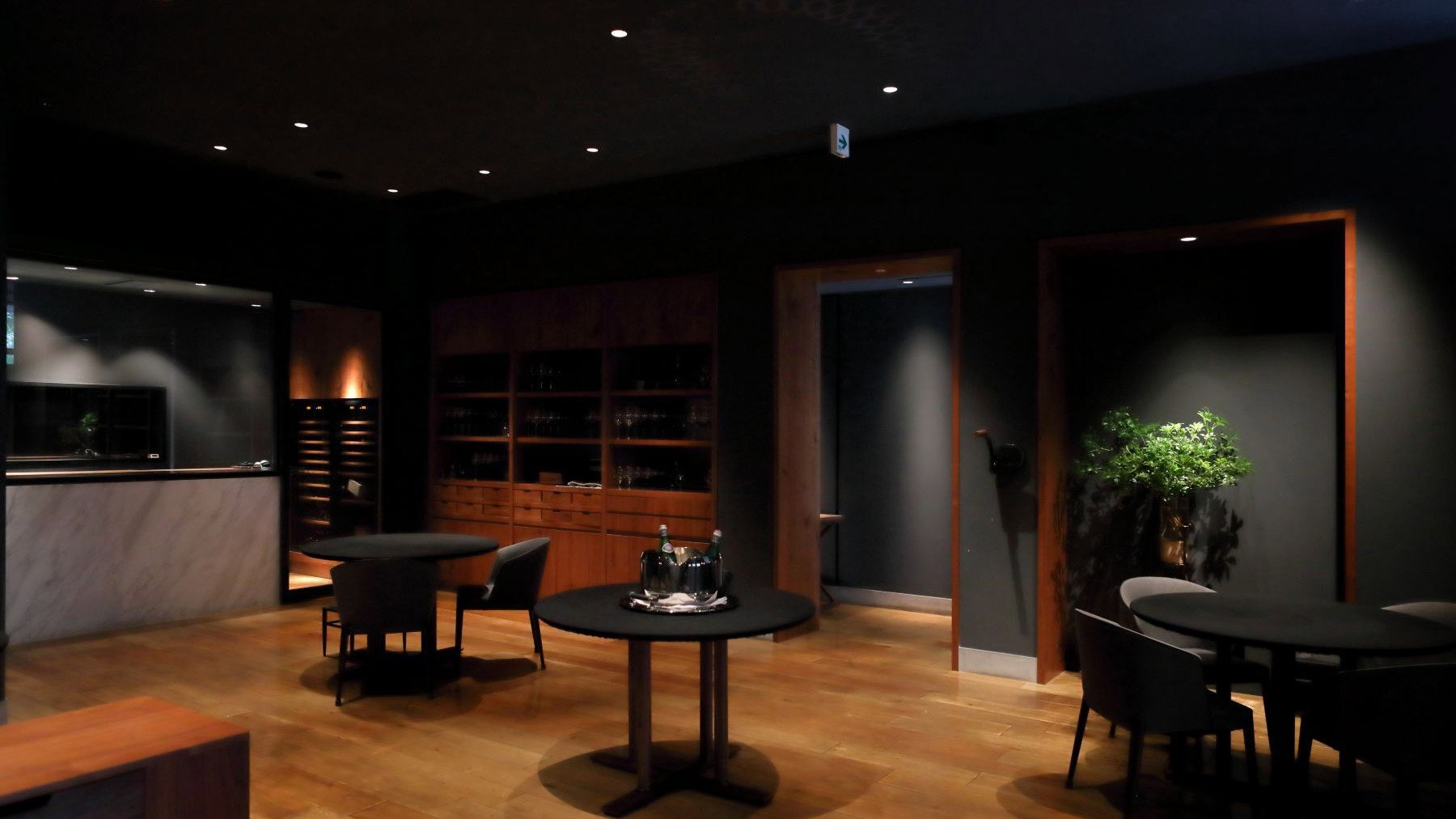
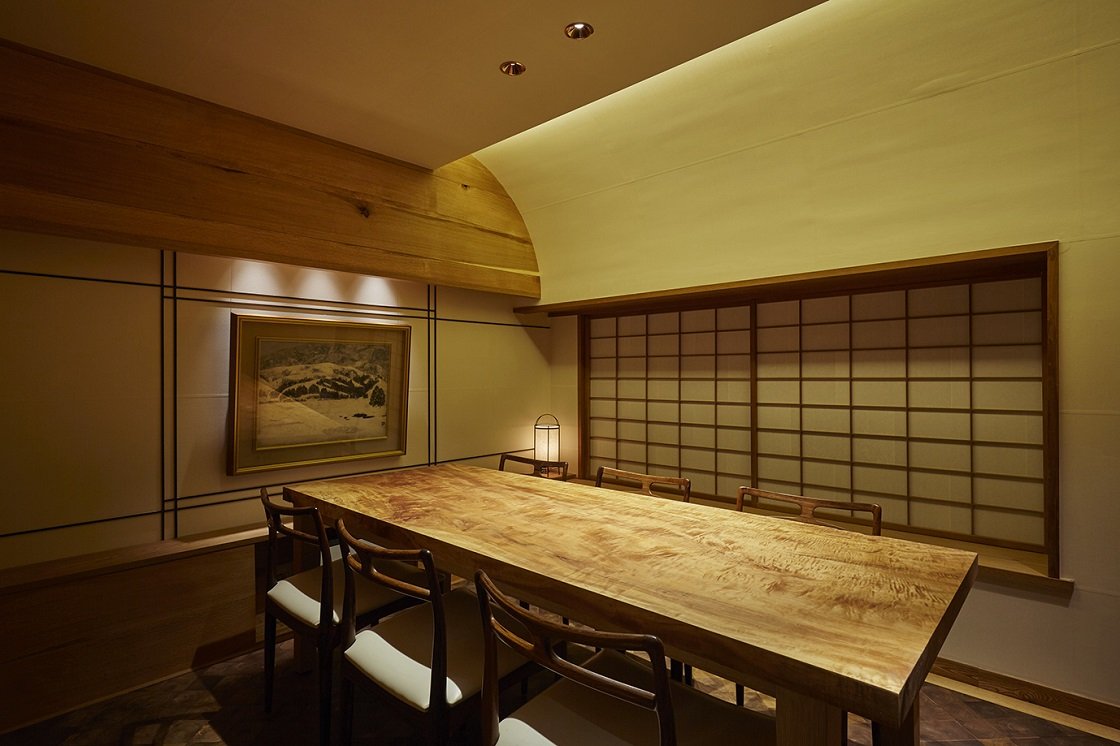
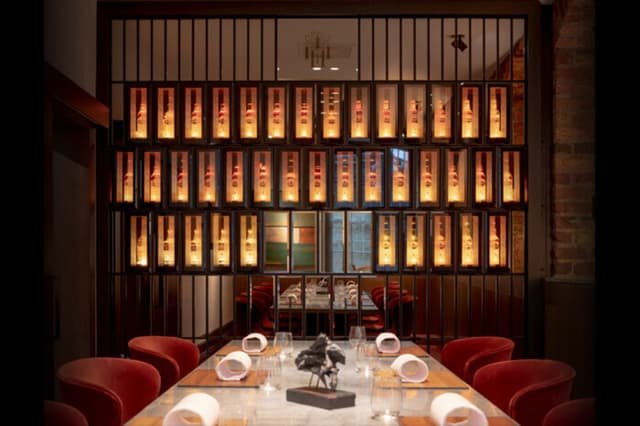
The atmosphere in Shimanouchi is contained and focused. Chuo Ward's Shimanouchi neighbourhood runs between the Dotonbori tourist corridor and the quieter canal streets further south, and a restaurant at this address sits away from the noise of Namba without feeling remote. Expect a room that is calm and attentive rather than lively, this is counter dining oriented toward the work happening in front of you, not toward social spectacle. If you want energy and conversation, Osaka has no shortage of izakaya and brasserie formats for that. Sakugetsu is better suited to diners who want to eat slowly and pay attention.
For context on what the Shunsaiten Tsuchiya group produces across its portfolio, it is worth reviewing that parent restaurant directly before booking Sakugetsu, the group's philosophy informs the standards across all its addresses. Similarly, Osaka's broader tempura scene includes venues like OIMATSU Tempura Suzuki and Hiraishi, and for a fuller picture of the city's dining options across categories, see our full Osaka restaurants guide. If you are building a broader Kansai itinerary, Gion Sasaki in Kyoto and akordu in Nara round out a serious food trip without doubling up on style or format. For Japan beyond Kansai, Harutaka in Tokyo, Goh in Fukuoka, 1000 in Yokohama, and 6 in Okinawa are all worth consideration depending on your route.
Osaka has its own local reference points worth comparing. Numata and Gochiso nene serve different styles and price points within the city, and for those planning around accommodation, our full Osaka hotels guide covers where to stay near the city's leading dining corridors. You can also explore Osaka bars, Osaka wineries, and Osaka experiences to build a complete visit around your meal.
When to Go
The practical answer for timing at a counter like Sakugetsu: a weeknight dinner, early in the week, gives you the leading chance of a calm room and unhurried pacing. Weekend slots at Michelin-recognised counters in Osaka fill faster and can shift the atmosphere toward more compressed, higher-turnover service. If you are visiting Osaka in autumn (October and November), the seasonal ingredient quality in Japanese kitchens peaks during this window, root vegetables, mushrooms, and late-season fish are typically at their strongest, and a tempura counter's reliance on ingredient quality makes that timing meaningful.
Practical Details
Booking: Booking difficulty is rated Easy, which is relatively unusual for a Michelin-recognised counter in Osaka, take advantage of it. Booking 1–2 weeks ahead should be sufficient for most weeknight slots, though weekend reservations may need more lead time. Dress: No dress code is listed; smart casual is appropriate for the neighbourhood and setting. Budget: ¥¥¥, expect a mid-to-upper range spend consistent with an omakase or tasting counter format. Confirm current pricing at time of booking as no specific figure is available in public records. Address: 2 Chome-9-26 Shimanouchi, Chuo Ward, Osaka, 1階. Getting there: Shimanouchi sits within walking distance of multiple Osaka Metro lines serving the Namba and Shinsaibashi area.
Planning details
- Location
- Japan, 〒542-0082 Osaka, Chuo Ward, Shimanouchi, 2 Chome−9−26 1階
- Website
- tempura-sakugetsu.myconciergejapan.net
- Phone
- +81 6-6755-8303
The take
The Take
The Vibe
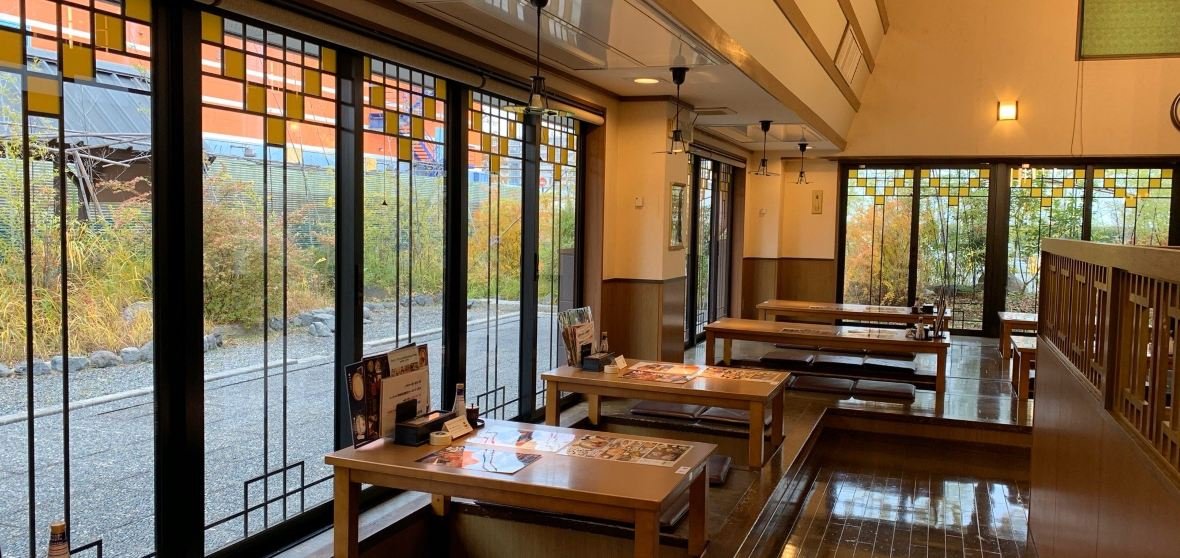
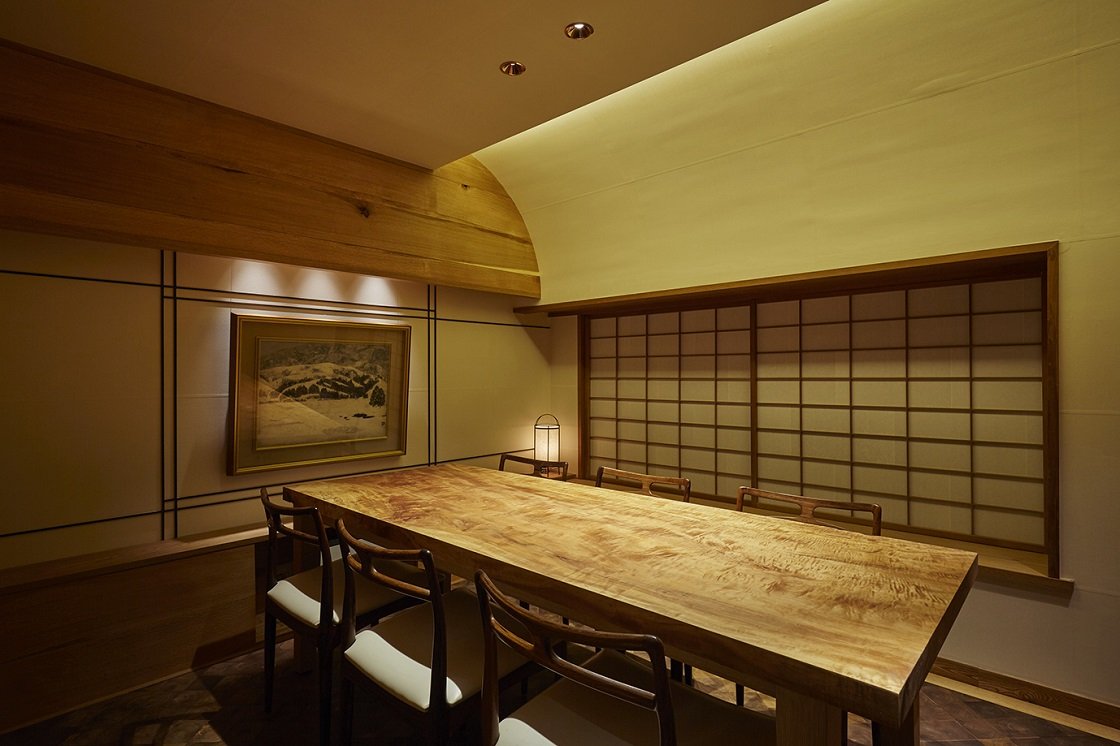
Tempura Sakugetsu reads as a quietly intense spot where technique and seasonality take center stage. The ground-floor, side-street setting in Shimanouchi and the series of small rooms create a compact, focused atmosphere: there’s little spectacle, and the cooking is allowed to speak for itself. The kitchen balances reverence for long-standing tempura tradition with a willingness to revise assumptions, giving the place a restrained modernity layered over classic technique. Expect a low-key, refined mood rather than theatrical dining—a place that rewards attention to detail more than loud atmospherics.
Best For
This is a destination for diners who prize focused, ingredient-driven Japanese cooking—enthusiasts of tempura and seasonal sourcing who appreciate careful production standards. Operating under the Shunsaiten Tsuchiya umbrella and positioned at a ¥¥¥ price point, it sits with serious specialists and kaiseki-inflected rooms, making it well suited to deliberate evening meals where technique and provenance matter. It works particularly well for solo diners who want an attentive, pared-back experience or for small, quiet special-occasion dinners that favor culinary rigor over spectacle.
Ordering Tips
Menus at Sakugetsu are intentionally concise and centered on seasonal discipline; the house’s lineage and the description of “short menus” indicate a focused program that emphasizes ingredient quality and execution. Let the kitchen’s selections guide you—this is a venue where technique and provenance are the point of interest. Given the shop’s compact rooms and concentrated approach, plan for an orderly, unembellished meal that showcases tempura as a technical craft rather than as theatrical dining; expect a streamlined menu that foregrounds seasonality and precision.
Venue details
Ambiance
Serene and relaxing counter-only space with 10 seats, offering a warm atmosphere focused on the vivid cooking scene.
Tags
Vibe
Best For
Experience
At the Table
- Dress Code
- Smart Casual
- Noise Level
- Quiet
- Service Style
- Upscale Casual
- Meal Pacing
- Leisurely
- Capacity
- Intimate
Know before you go
Know Before You Go
- Getting there
- Japan, 〒542-0082 Osaka, Chuo Ward, Shimanouchi, 2 Chome−9−26 1階
Planning details
Location
Japan, 〒542-0082 Osaka, Chuo Ward, Shimanouchi, 2 Chome−9−26 1階 · Directions
Recognition and awards
Also consider
Also Consider
- HAJIME, French, Innovative, ¥¥¥¥
- La Cime, French, ¥¥¥¥
- Kashiwaya Osaka Senriyama, Japanese, ¥¥¥
- Taian, Kaiseki, Japanese, ¥¥¥
- Fujiya 1935, Innovative, ¥¥¥¥
Restaurant context
At ¥¥¥, Sakugetsu sits in the same price tier as Kashiwaya Osaka Senriyama and Taian, but competes on entirely different terms. Kashiwaya and Taian are kaiseki-rooted experiences built on multi-element seasonal courses, broader in scope, longer in duration, and more demanding of the diner's time. Sakugetsu is narrower in focus: it does one thing and works through that format with precision. If you want a single-discipline counter where the kitchen's entire effort is directed at temperature control and ingredient quality in a fry, Sakugetsu is the better choice at this price point. If you want a broader seasonal Japanese meal with more variety and theatrical progression, Kashiwaya or Taian will serve you better.
The ¥¥¥¥ options, HAJIME, La Cime, and Fujiya 1935, are operating in a different register entirely. All three are French-influenced or innovative-format restaurants with significantly more Michelin recognition (HAJIME holds three stars) and correspondingly higher price tags. If your trip budget allows for one ¥¥¥¥ dinner in Osaka, HAJIME is the most decorated option. La Cime and Fujiya 1935 suit diners who want European-Japanese fusion at a high technical level. None of them replace Sakugetsu if your specific interest is in traditional Japanese tempura craft, they are complementary rather than competing choices.
On the booking side, Sakugetsu's Easy rating is a genuine advantage. The ¥¥¥¥ venues in Osaka, particularly HAJIME, require advance planning of weeks or months and may need Japanese-language reservations or hotel concierge assistance. If you are building a last-minute Osaka itinerary and want a Michelin-recognised dinner that you can actually secure, Sakugetsu is the most accessible option in this peer group. That accessibility does not signal a drop in quality, it reflects a counter that has not yet crossed into the reservation scarcity typical of Tokyo's top tempura addresses like Tempura Kondo.
Explore Osaka
Around this place
Discover more on Pearl
Unlock the full Tempura Sakugetsu guide in Pearl, including awards, comparisons, FAQs, planning details, and nearby places.
Compare Tempura Sakugetsu
| Venue | Cuisine | Awards | Booking Difficulty |
|---|---|---|---|
| Tempura Sakugetsu | Tempura | 2026 Michelin Plate2025 Michelin Plate2024 Michelin Plate | Easy |
| HAJIME | French, Innovative | Star Wine Lists 2026 · #12026 Tabelog Bronze · #922026 OAD Top Restaurants in Japan Ranked · #98Michelin Guide Kyoto Osaka 20262026 La Liste Top RestaurantsTabelog 100 - Innovative / Creative cuisine - 2025 · #692025 Asia's 50 Best Restaurants · #832025 OAD Top Restaurants in Japan Ranked · #87We're Smart World Top Restaurants 2025 | Unknown |
| La Cime | French | 2026 Asia's 50 Best Restaurants · #132026 OAD Top Restaurants in Japan Ranked · #1492026 Tabelog Bronze · #231Michelin Guide Kyoto Osaka 20262026 La Liste Top Restaurants2025 Asia's 50 Best Restaurants · #82025 World's 50 Best Restaurants · #44Tabelog 100 - French - WEST - 2025 · #932025 OAD Top Restaurants in Japan Ranked · #123 | Unknown |
| Kashiwaya Osaka Senriyama | Japanese | 2026 Tabelog Bronze · #1682026 OAD Top Restaurants in Japan Recommended2026 Relais Chateaux RestaurantsMichelin Guide Kyoto Osaka 20262026 La Liste Top RestaurantsTabelog 100 - Japanese cuisine - WEST - 2025 · #772025 OAD Top Restaurants in Japan Ranked · #1552025 Relais Chateaux Award2025 Michelin 3 Stars | Unknown |
| Taian | Kaiseki, Japanese | 2026 OAD Top Restaurants in Japan RecommendedMichelin Guide Kyoto Osaka 20262026 La Liste Top Restaurants2025 OAD Top Restaurants in Japan Ranked · #2042025 La Liste Top Restaurants2025 Michelin 3 Stars2024 OAD Top Restaurants in Japan Ranked · #1912024 Michelin 3 Stars2023 OAD Top Restaurants in Japan Highly Recommended | Unknown |
| Fujiya 1935 | Innovative | 2026 Tabelog Bronze · #752026 OAD Top Restaurants in Japan RecommendedMichelin Guide Kyoto Osaka 20262026 La Liste Top Restaurants2025 Michelin 2 Stars2025 Tabelog Silver2025 La Liste Top Restaurants2024 OAD Top Restaurants in Japan Ranked · #2392024 Michelin 2 Stars | Unknown |










How Tempura Sakugetsu stacks up against the competition.
FAQ
Frequently Asked Questions
How far ahead should I book Tempura Sakugetsu?
Book 1–2 weeks ahead and you should be fine. Booking difficulty is rated Easy for a Michelin-recognised counter in Osaka, which is relatively rare — most comparable spots require 4–6 weeks' notice minimum. Weeknight slots are your safest bet for availability.
Can I eat at the bar at Tempura Sakugetsu?
Counter seating is the natural format here — watching the chef fry each piece to order is central to the experience, not just an option. At a ¥¥¥ price point with a Michelin Plate for two consecutive years, the counter is where the technique-focused approach makes most sense to observe.
What should I order at Tempura Sakugetsu?
This is a tempura-focused counter, so a set or omakase-style progression is the expected format rather than à la carte selection. The kitchen uses cottonseed oil blended with sesame oil, and notably drains oil through technique rather than tempura paper — so the pieces themselves are the thing. Trust the chef's sequencing.
Is Tempura Sakugetsu good for solo dining?
Yes — counter-format tempura restaurants are among the best solo dining experiences in Japanese cuisine, and Sakugetsu's setup suits it well. A single diner gets the full counter rhythm without compromise, and the Easy booking rating means you're not fighting for a lone seat weeks in advance.