.png?width=1200&quality=80)
Tempura Kozaki
Tempura · Abeno, Osaka
Restaurant in Osaka, Japan
 Book with Pearl
The Read
Seasonal Sequence Tempura
Price
¥¥
Dress
Smart Casual
Why go
Tempura Kozaki is a Michelin Bib Gourmand-recognised counter in Osaka's Abeno Ward, serving a fixed ten-piece seasonal tempura procession at a ¥¥ price point. Two consecutive Bib Gourmand years (2024, 2025) confirm the value case. Book via the monthly reservation window, which opens three months in advance on the first Sunday of each month.
About Tempura Kozaki
A second visit to Tempura Kozaki hits differently
If you have been before, you already know the format: ten pieces, a procession that moves from tiger prawn through alternating vegetables and seafood, all fried in cottonseed oil and served alongside warm tentsuyu. What changes is the menu itself. The kitchen rotates ingredients season by season, so the vegetables and seafood slotted into those middle courses shift with what the market offers. A return visit in autumn will not mirror a spring meal, and that is precisely the point. If you are deciding whether to come back, the answer is yes — provided you are curious about what the current season is putting on the table.
What makes this worth booking now
Tempura Kozaki holds a Michelin Bib Gourmand for both 2024 and 2025, which places it in the upper tier of value-focused recognition: technically serious, priced accessibly. The ¥¥ price range makes this one of the more affordable routes into genuinely skilled tempura in Osaka, particularly given the depth of technique on show. The choice of ingredients such as deboned pike conger and Japanese mugwort gluten cake signals a kitchen that draws on broader Japanese culinary knowledge, not just frying skill. These are not default tempura ingredients — they indicate a chef thinking carefully about what is worth coating and at what moment in the year.
The cottonseed oil choice matters here. It produces a lighter, cleaner result than sesame oil blends common in less considered kitchens, and the warm tentsuyu served alongside is the right pairing: not too aggressive, letting the ingredient lead. The coating changes frequently across the meal, which is the visual marker of a practiced hand, adjusting thickness and texture to suit each ingredient rather than applying a single formula. For a food-focused traveller, these are the details that separate a good tempura dinner from one worth planning a trip around.
Booking and timing
This is a popular restaurant that fills every night. The most important logistical fact: for the first Sunday of each month, reservations open three months in advance. Plan around that window if you want a reliable booking. Outside of that structure, expect competition for seats. Book as early as your schedule allows. Walk-in availability is not documented, and given the consistent demand, counting on it would be a risk.
The Abeno Ward address puts the restaurant in the southern part of Osaka, away from the tourist concentration around Dotonbori and Namba. That is worth factoring into your evening, if you are staying centrally, allow time to get there and consider whether you want to explore the neighbourhood before or after the meal. There is no published dress code, but tempura restaurants at this level of recognition typically see guests in smart-casual attire. Nothing formal is required.
How It Compares
See the comparison section below for how Tempura Kozaki sits against other Osaka dining options across different price points and styles.
For the explorer planning a broader Japan trip
If Tempura Kozaki is part of a wider itinerary, it pairs well with the kind of single-discipline precision dining that Japan does particularly well. For tempura specifically, Tempura Ginya in Tokyo and Tempura Kondo in Tokyo offer useful points of comparison in the capital. Across the Kansai region, Gion Sasaki in Kyoto and akordu in Nara represent different angles on seasonal Japanese cooking. Further afield, Harutaka in Tokyo, Goh in Fukuoka, 1000 in Yokohama, and 6 in Okinawa round out a serious Japan dining itinerary.
Within Osaka specifically, Numata, Shunsaiten Tsuchiya, Hiraishi, and Gochiso nene are worth considering depending on your preferred format and price point. For another tempura-focused option in the city, OIMATSU Tempura Suzuki is the most direct peer. If you are still building your Osaka plan, our full Osaka restaurants guide covers the full range, and our guides to Osaka hotels, Osaka bars, Osaka wineries, and Osaka experiences will help fill out the rest of the trip.
Planning details
- Location
- Japan, 〒545-0053 Osaka, Abeno Ward, Matsuzakicho, 4 Chome−11−38 こざき
- Phone
- +81 6-6628-0063
The take
The Take
The Vibe
Tempura Kozaki presents a disciplined, pared-back dining experience centered on a single counter and a strict ten-piece sequence. The restaurant reads like an exercise in precision: each piece is fried to order and presented in a deliberate arc that recalls omakase tradition. The writing emphasizes craft over spectacle, a focused rhythm that alternates vegetables and seafood to manage oil temperature and pacing. Located away from busier nightlife corridors, the place feels quietly refined—reserved for diners who appreciate technical control, carefully staged progression, and the subtle pleasures of perfectly executed tempura.
Best For
This is best for diners who want a concentrated tasting-style meal rather than à la carte variety. The fixed ten-piece format means the chef sets the ordering, pace, and progression, so it suits people who enjoy a guided, technique-forward experience and respect the culinary choreography of a counter. It is not designed for large groups or those who prefer to call the shots on individual dishes. Instead, the setting favors focused one-on-one meals or small parties who want to witness the craft of frying executed with consistency and discipline.
Ordering Tips
There is no menu and no à la carte options: Tempura Kozaki serves a fixed sequence of ten pieces that the chef dispenses in order. Expect tiger prawn to open the meal and a rhythm that alternates vegetables and seafood to manage temperature and texture. Pieces are fried to order and placed before you as the sequence progresses, so diners should be prepared to receive each course rather than request substitutions on the fly. Embrace the pace the chef sets—the structure is the point of the experience.
Venue details
Ambiance
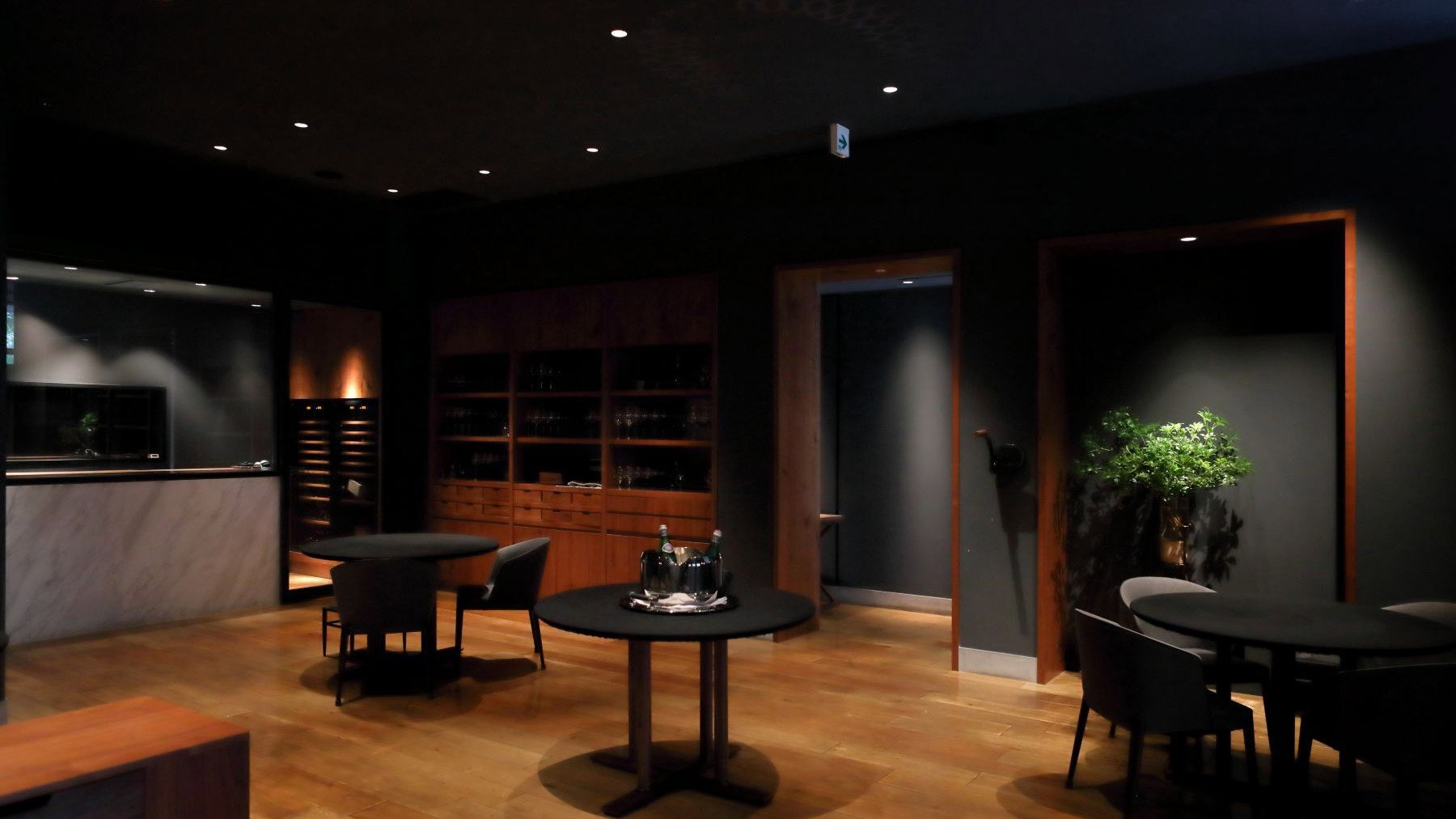
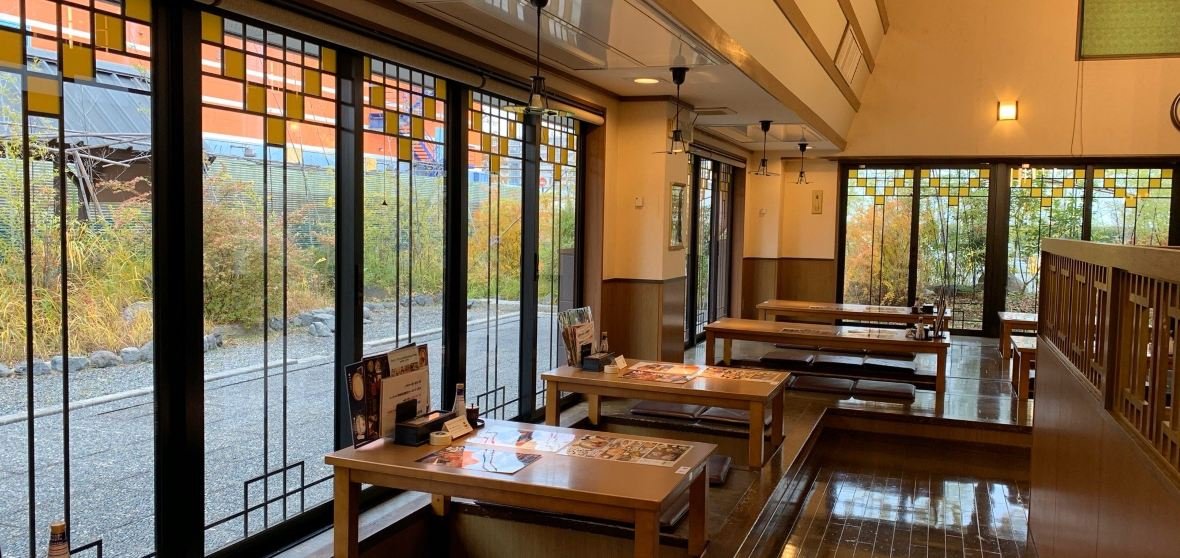
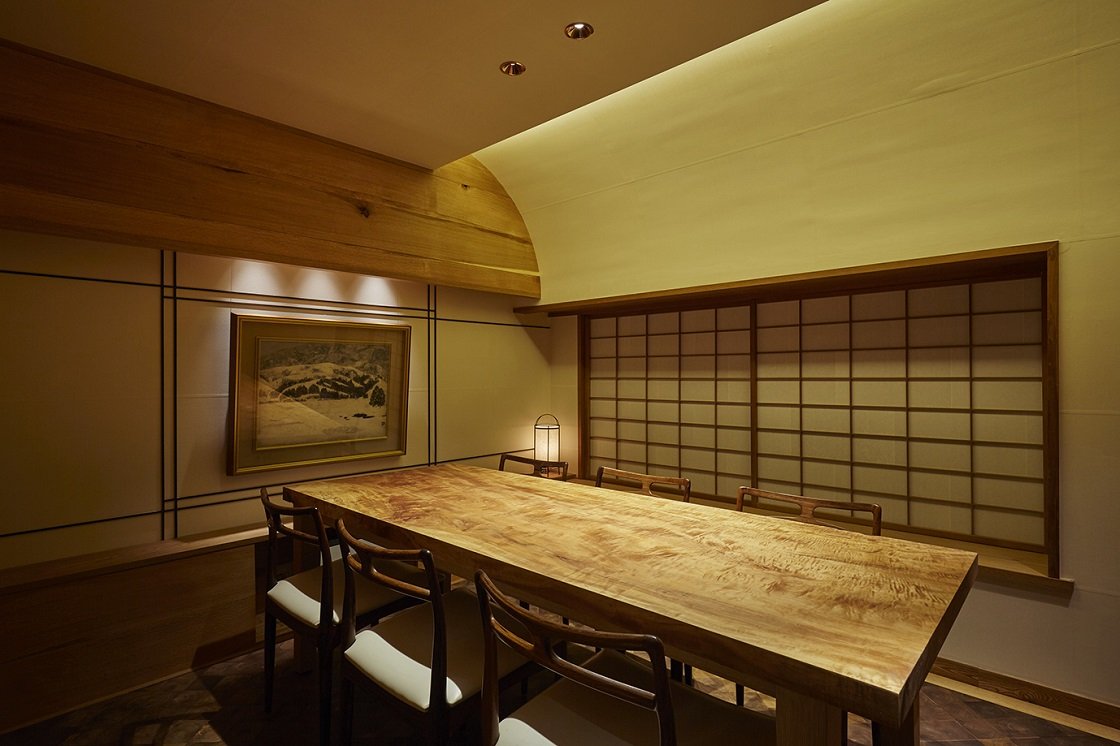
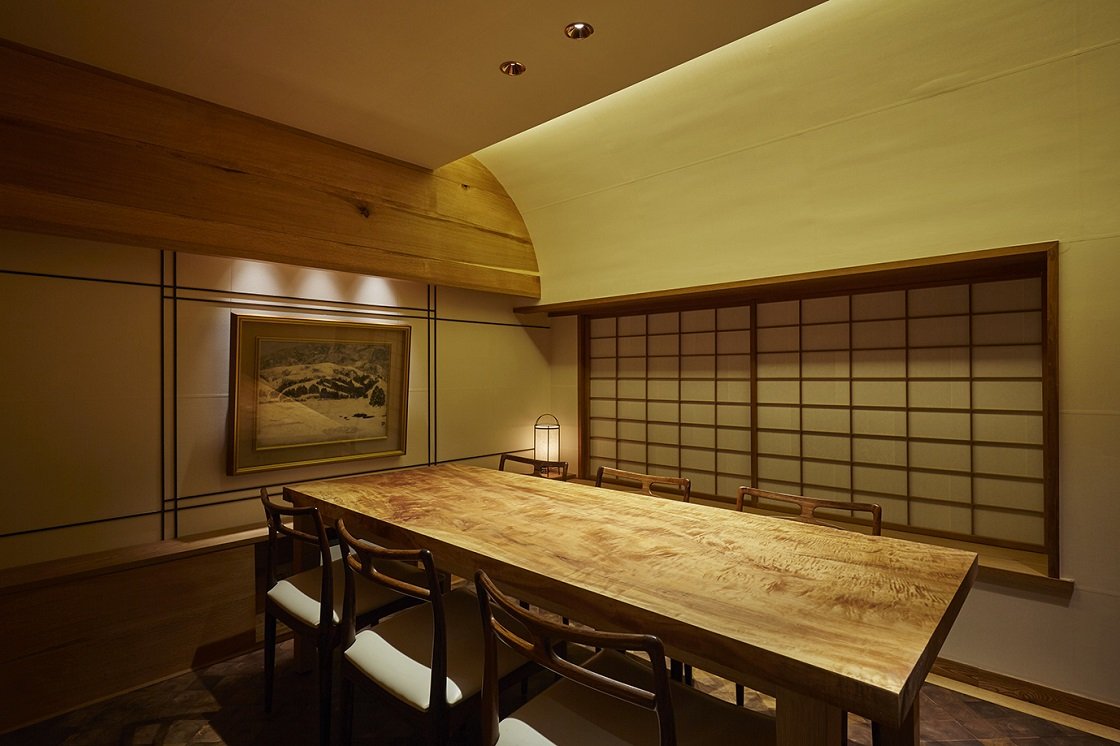
Cozy counter-only setting with friendly husband-and-wife team creating a comfortable, homey atmosphere.
Tags
Vibe
Best For
Experience
At the Table
- Dress Code
- Smart Casual
- Noise Level
- Quiet
- Service Style
- Upscale Casual
- Meal Pacing
- Leisurely
- Capacity
- Intimate
Signature Dishes
- tiger prawn tempura
- seasonal vegetables and seafood tempura
Know before you go
Know Before You Go
- Getting there
- Japan, 〒545-0053 Osaka, Abeno Ward, Matsuzakicho, 4 Chome−11−38 こざき
Planning details
Location
Japan, 〒545-0053 Osaka, Abeno Ward, Matsuzakicho, 4 Chome−11−38 こざき · Directions
Recognition and awards
Also consider
Also Consider
- HAJIME, French, Innovative, ¥¥¥¥
- La Cime, French, ¥¥¥¥
- Kashiwaya Osaka Senriyama, Japanese, ¥¥¥
- Taian, Kaiseki, Japanese, ¥¥¥
- Fujiya 1935, Innovative, ¥¥¥¥
Restaurant context
Tempura Kozaki sits at ¥¥, which puts it well below Osaka's most decorated dining options in terms of price, and that gap matters when you are planning a multi-restaurant itinerary. Against HAJIME, La Cime, and Fujiya 1935, all operating at ¥¥¥¥, Kozaki costs a fraction of the price and delivers a narrower but technically focused experience. Those three are the right choice if you want a full multi-course tasting format with French or innovative influences. Kozaki is the right choice if you want to eat seriously good seasonal tempura without committing to a ¥¥¥¥ evening.
At ¥¥¥, Taian and Kashiwaya Osaka Senriyama offer kaiseki-format seasonal Japanese cooking with more courses and broader ingredient range. If you want to understand Osaka through a wider seasonal lens, those venues cover more ground. Kozaki is more singular: ten pieces, one discipline, one clear point of view on what tempura can be. For a food traveller with limited nights in the city, the practical question is whether you want depth in one format or breadth across several courses.
For tempura specifically, OIMATSU Tempura Suzuki is the most direct peer in Osaka. Between the two, Kozaki's consecutive Bib Gourmand recognition and the documented specificity of its ingredient choices give it a slight edge in the value argument. If you are only booking one tempura counter in Osaka, Kozaki is the stronger recommendation on current evidence.
Explore Osaka
Around this place
Discover more on Pearl
Unlock the full Tempura Kozaki guide in Pearl, including awards, comparisons, FAQs, planning details, and nearby places.
Compare Tempura Kozaki
| Venue | Awards | Price |
|---|---|---|
| Tempura Kozaki | 2026 Bib GourmandMichelin Guide Kyoto Osaka 20262025 Michelin Bib Gourmand2024 Michelin Bib Gourmand | ¥¥ |
| HAJIME | Star Wine Lists 2026 · #12026 Tabelog Bronze · #922026 OAD Top Restaurants in Japan Ranked · #98Michelin Guide Kyoto Osaka 20262026 La Liste Top RestaurantsTabelog 100 - Innovative / Creative cuisine - 2025 · #692025 Asia's 50 Best Restaurants · #832025 OAD Top Restaurants in Japan Ranked · #87We're Smart World Top Restaurants 2025 | ¥¥¥¥ |
| La Cime | 2026 Asia's 50 Best Restaurants · #132026 OAD Top Restaurants in Japan Ranked · #1492026 Tabelog Bronze · #231Michelin Guide Kyoto Osaka 20262026 La Liste Top Restaurants2025 Asia's 50 Best Restaurants · #82025 World's 50 Best Restaurants · #44Tabelog 100 - French - WEST - 2025 · #932025 OAD Top Restaurants in Japan Ranked · #123 | ¥¥¥¥ |
| Kashiwaya Osaka Senriyama | 2026 Tabelog Bronze · #1682026 OAD Top Restaurants in Japan Recommended2026 Relais Chateaux RestaurantsMichelin Guide Kyoto Osaka 20262026 La Liste Top RestaurantsTabelog 100 - Japanese cuisine - WEST - 2025 · #772025 OAD Top Restaurants in Japan Ranked · #1552025 Relais Chateaux Award2025 Michelin 3 Stars | ¥¥¥ |
| Taian | 2026 OAD Top Restaurants in Japan RecommendedMichelin Guide Kyoto Osaka 20262026 La Liste Top Restaurants2025 OAD Top Restaurants in Japan Ranked · #2042025 La Liste Top Restaurants2025 Michelin 3 Stars2024 OAD Top Restaurants in Japan Ranked · #1912024 Michelin 3 Stars2023 OAD Top Restaurants in Japan Highly Recommended | ¥¥¥ |
| Fujiya 1935 | 2026 Tabelog Bronze · #752026 OAD Top Restaurants in Japan RecommendedMichelin Guide Kyoto Osaka 20262026 La Liste Top Restaurants2025 Michelin 2 Stars2025 Tabelog Silver2025 La Liste Top Restaurants2024 OAD Top Restaurants in Japan Ranked · #2392024 Michelin 2 Stars | ¥¥¥¥ |











Key differences to consider before you reserve.
FAQ
Frequently Asked Questions
What are alternatives to Tempura Kozaki in Osaka?
For a step up in price and format, Taian or Fujiya 1935 offer multi-course precision dining with higher price tags to match. If you want to stay in the value-focused Michelin tier but shift cuisine style, La Cime brings a French-Japanese approach at a higher price point. Tempura Kozaki is the clearest choice in Osaka for serious tempura at ¥¥ pricing with Bib Gourmand recognition behind it.
Can Tempura Kozaki accommodate groups?
This is a popular restaurant that fills every night, which suggests a compact dining room typical of focused single-discipline venues in Osaka. The booking structure, where reservations for the first Sunday of each month open three months in advance, points to limited capacity. Groups larger than four should verify availability directly; this is not a venue built around large party dining.
What should a first-timer know about Tempura Kozaki?
The format is fixed: ten pieces of tempura served in a set procession, starting with tiger prawn and alternating between vegetables and seafood, with warm tentsuyu on the side. You are not choosing from a menu. The Michelin Bib Gourmand (2024 and 2025) signals that the kitchen is technically serious at a price point that does not require a special-occasion budget. Book well in advance — this place fills every night.
Is the tasting menu worth it at Tempura Kozaki?
At ¥¥ pricing with back-to-back Michelin Bib Gourmand recognition in 2024 and 2025, the ten-piece set represents strong value for the level of technique involved. Ingredients like deboned pike conger and Japanese mugwort gluten cake signal kitchen experience that goes beyond standard tempura. If you want à la carte flexibility, this is not the right format — but for a fixed, seasonal procession done with precision, it earns its reputation.
How far ahead should I book Tempura Kozaki?
For the first Sunday of each month, reservations open exactly three months in advance — that window fills fast given the restaurant is full night after night. For other sittings, book as early as you practically can. Do not assume last-minute availability; this is one of the harder reservations to secure at its price point in Osaka.
What should I order at Tempura Kozaki?
There is no à la carte ordering — the kitchen serves a fixed ten-piece tempura procession for everyone. It opens with tiger prawn, then moves through alternating vegetables and seafood courses, all fried in cottonseed oil and served with warm tentsuyu. Seasonal ingredient selection, including deboned pike conger and Japanese mugwort gluten cake, changes with what is available, so the menu shifts across the year.