
Tempura Fukana
Tempura · Kita, Osaka
Restaurant in Osaka, Japan
 Book with Pearl
The Read
Featherweight Tempura Precision
Price
¥¥¥
Dress
Smart Casual
Why go
Tempura Fukana is a Michelin Plate-recognised counter in Dojima, Osaka, where a single chef fries to order at ¥¥¥ pricing. The kitchen highlights sea urchin and wagyu tempura alongside lighter, precisely coated standards. It is the right booking for a food-focused date or small celebration, and easier to secure than most comparable venues in the city.
About Tempura Fukana
Who Should Book Tempura Fukana — and When
If you are planning a special occasion dinner in Osaka and want something more personal than a kaiseki room but more considered than a casual fry counter, Tempura Fukana is worth serious attention. This is a counter-first experience in Dojima, Kita Ward, where the format rewards couples and small groups who want to watch their meal come together piece by piece. The ideal time to visit is a weekday evening, when the pace is unhurried and the counter interaction is at its most focused. Weekend dinners fill faster and the atmosphere shifts toward busier service.
The Counter Experience
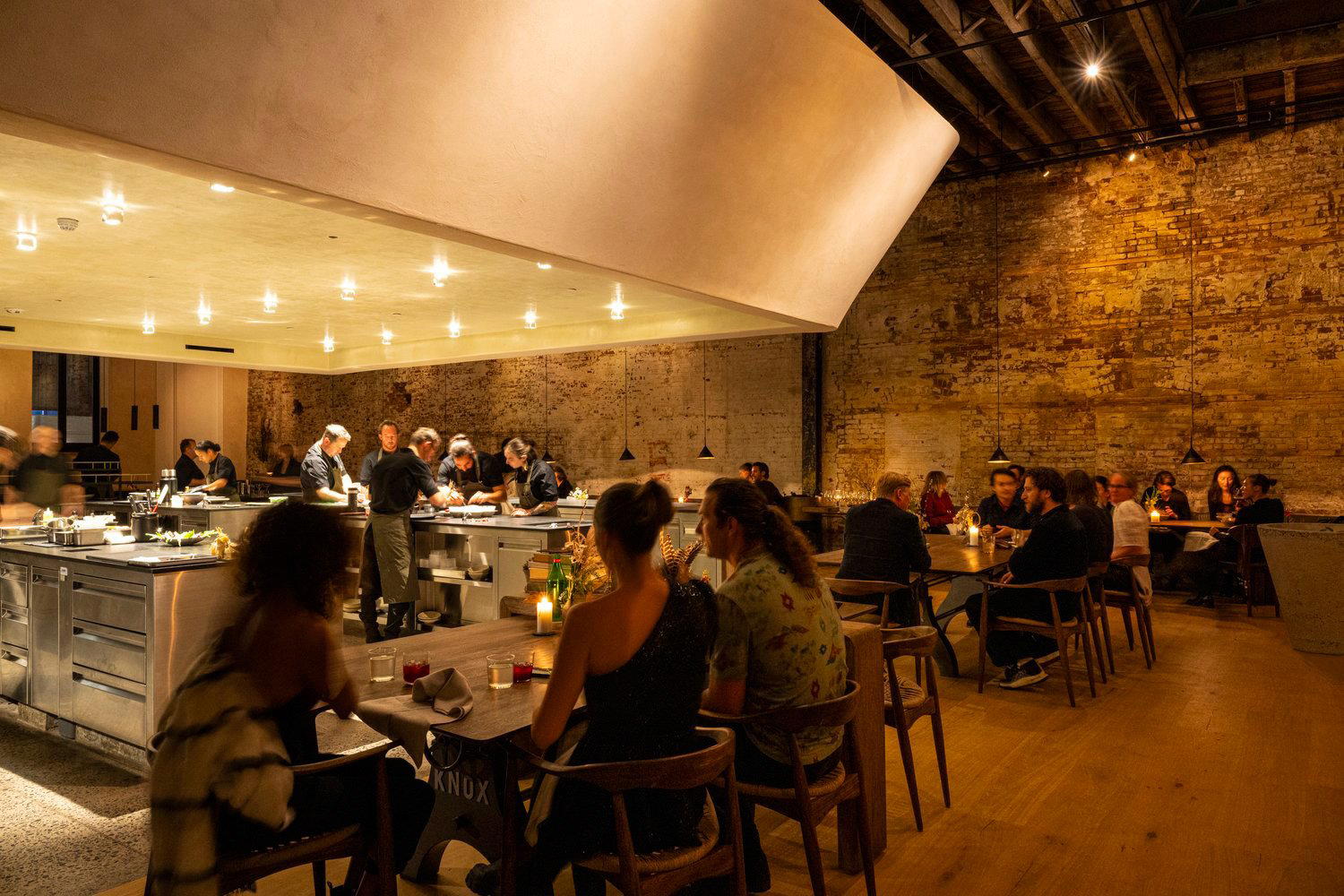
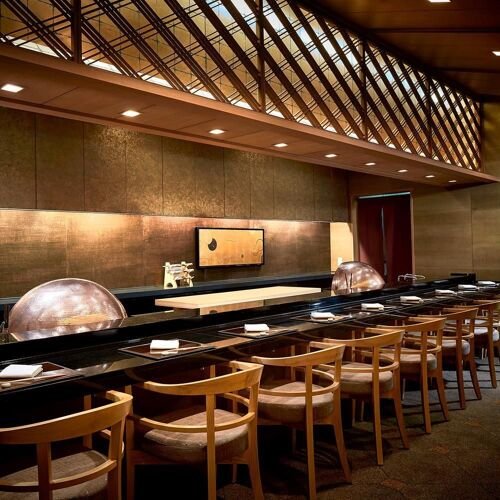
Tempura Fukana operates in a basement-level space on Dojima, and the counter is the room. This is not a venue where you sit at a table and plates arrive from a distant kitchen. At a tempura counter of this kind, each piece is fried to order and served immediately, which means you are eating the dish at the precise moment it is ready. That immediacy is the whole point of the format, and it is what separates a serious tempura counter from a restaurant that simply offers tempura as a menu category.
The chef's stated aim is tempura so light the diner would not register the coating as fried food. Pieces are lightly battered and aromatic from the oil, not heavy or greasy. The kitchen highlights sea urchin and nori tempura as points of distinction, alongside wagyu beef fillet wrapped in perilla leaf. These are not standard tempura-counter offerings. Sea urchin tempura is technically demanding because the ingredient is delicate and the margin for error in oil temperature is narrow. Wagyu wrapped in perilla brings a different fat profile and fragrance into the frying format. Both signal a kitchen operating with some ambition beyond the reliable prawn-and-vegetable rotation.
The sign above the entrance was written by the chef's mother, a calligraphy instructor. That detail is worth noting not as sentiment but as a signal about the scale and ownership of this place: this is an independent, owner-operated restaurant, not a group concept. That tends to mean more consistency in the cooking and a more direct relationship between the person frying and the people eating.
Awards and Trust Signals
Tempura Fukana holds a Michelin Plate in both 2024 and 2025. The Michelin Plate recognises restaurants that the inspectors consider to offer good cooking without reaching the threshold for a star. For a single-chef tempura counter in Osaka, consecutive Plate recognition across two years is a meaningful data point. It suggests the kitchen is consistent and the inspectors are watching. For context on what Michelin recognition means in Osaka's competitive dining environment, you can cross-reference venues like Kashiwaya Osaka Senriyama and Taian, both of which operate at the ¥¥¥ tier with Japanese-cuisine credentials.
Price and Value
Tempura Fukana is priced at ¥¥¥, which in Osaka's fine-dining context puts it below the top-tier multi-course French restaurants like HAJIME and Fujiya 1935 at ¥¥¥¥, and roughly on par with other considered Japanese dining options in the city. For a Michelin-recognised tempura counter with specialist ingredients including sea urchin and wagyu, the price positioning is reasonable. If your comparison point is Tokyo tempura counters like Tempura Kondo or Tempura Ginya, Fukana offers a comparable format in a smaller, more personal room.
Special Occasions
Tempura Fukana works well for a date or a small celebratory dinner precisely because the counter format creates a shared focal point. You are both watching the same thing happen at the same time. That is more engaging than parallel menus at a table. For a business dinner where conversation needs to dominate, the counter format can feel slightly constraining, and a more conventional room might serve better. For a romantic dinner or a food-focused celebration, the counter is the right call.
Osaka has a wide range of special-occasion options. If your priority is kaiseki ceremony, Taian and Shunsaiten Tsuchiya offer that format. If you want a more local, neighbourhood feel for a celebration, Gochiso nene is worth considering. Tempura Fukana sits in a different register: focused, technically specific, and built around a single craft.
Booking and Logistics
Booking difficulty is rated Easy. The restaurant is located at 2 Chome-1-25 Dojima, Kita Ward, Osaka, in the basement of the Dojima Urban Life building. Dojima is well connected within central Osaka and accessible from the main hotel and business districts in Kita. No phone or website is listed in the available data, so reservations are most reliably made through a booking platform or hotel concierge if you are staying in the area.
For other Tempura options in the city, OIMATSU Tempura Suzuki is the nearest direct comparison. Beyond tempura, Numata and Hiraishi represent Osaka's broader fine-dining options at a similar price tier.
If you are building a wider Kansai itinerary, Pearl covers dining across the region: Gion Sasaki in Kyoto and akordu in Nara are both worth including depending on your schedule. For planning beyond the restaurants, see our full Osaka restaurants guide, our full Osaka hotels guide, our full Osaka bars guide, our full Osaka wineries guide, and our full Osaka experiences guide.
Further afield, Pearl covers fine dining across Japan including Harutaka in Tokyo, Goh in Fukuoka, 1000 in Yokohama, and 6 in Okinawa.
Quick reference: Tempura Fukana, Dojima B1, Kita Ward, Osaka. Price: ¥¥¥. Michelin Plate 2024 and 2025. Booking difficulty: Easy. Leading for: counter dining, date nights, food-focused celebrations.
Planning details
- Location
- Japan, 〒530-0003 Osaka, Kita Ward, Dojima, 2 Chome−1−25 堂島アーバンライフ B1
- Website
- tempura-fukana.com
- Phone
- +81 6-6690-8278
The take
The Take
The Vibe
Tempura Fukana sits one floor below ground in Dojima and delivers a quiet, restrained counter experience where the exchange between chef and guest is deliberate. The kitchen prizes disappearance of batter, producing light, aromatic fritters that emphasize texture over weight. The space’s small scale and seasonally returning regulars create a concentrated atmosphere—calm, focused and intimate without fanfare. Michelin Plate awards in 2024 and 2025 underline the craft being served rather than any excess of décor, so diners encounter a classic, understated tempura counter that centers technique and timing above theatricality.
Best For
This is a place for diners who value close-up technique and attentive service: people who appreciate a chef-led counter, sequences that move from delicate to rich, and seasonal sourcing. It suits solo diners who want a focused meal, diners on business visits seeking a discreet, high-quality evening, and couples or small groups who prefer quiet, chef-directed tasting sequences. The basement counter rewards patience and attention; guests who enjoy restrained, traditional craft and a measured progression of flavors get the most out of the experience.
Ordering Tips
Follow the kitchen’s intended sequence and let the progression run from lighter pieces to richer ones—the description stresses that regulars read the menu for what the kitchen is signaling. Highlighted preparations include Sea Urchin wrapped in nori, where the nori crisps and the uni warms without overcooking, and Wagyu fillet wrapped in perilla for a fat-to-herb contrast that extends the usual tempura arc. The counter’s seasonal turnover and the note that regulars 'book their way back each season' imply making a reservation in advance and trusting the chef’s pacing.
Venue details
Ambiance
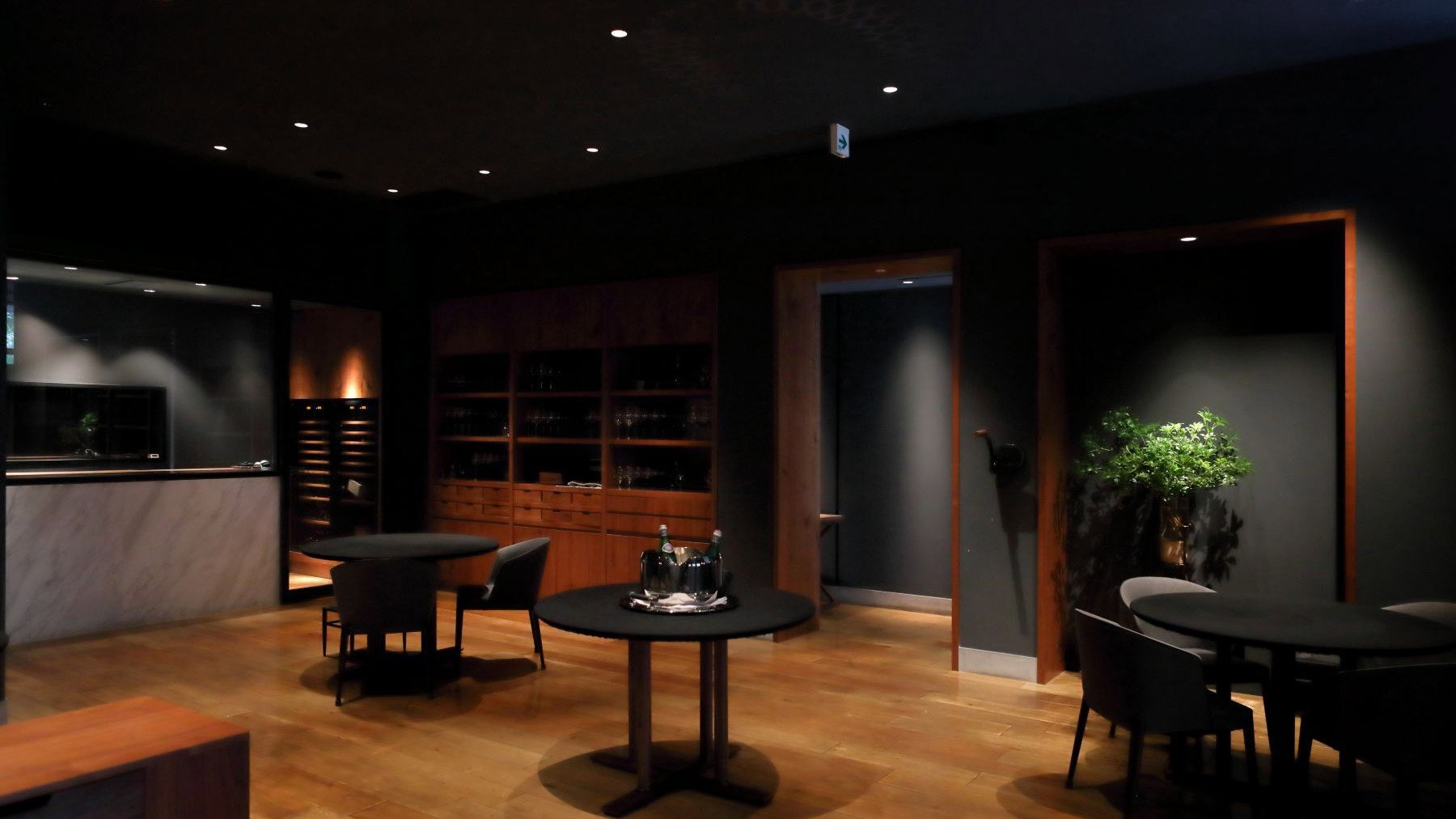
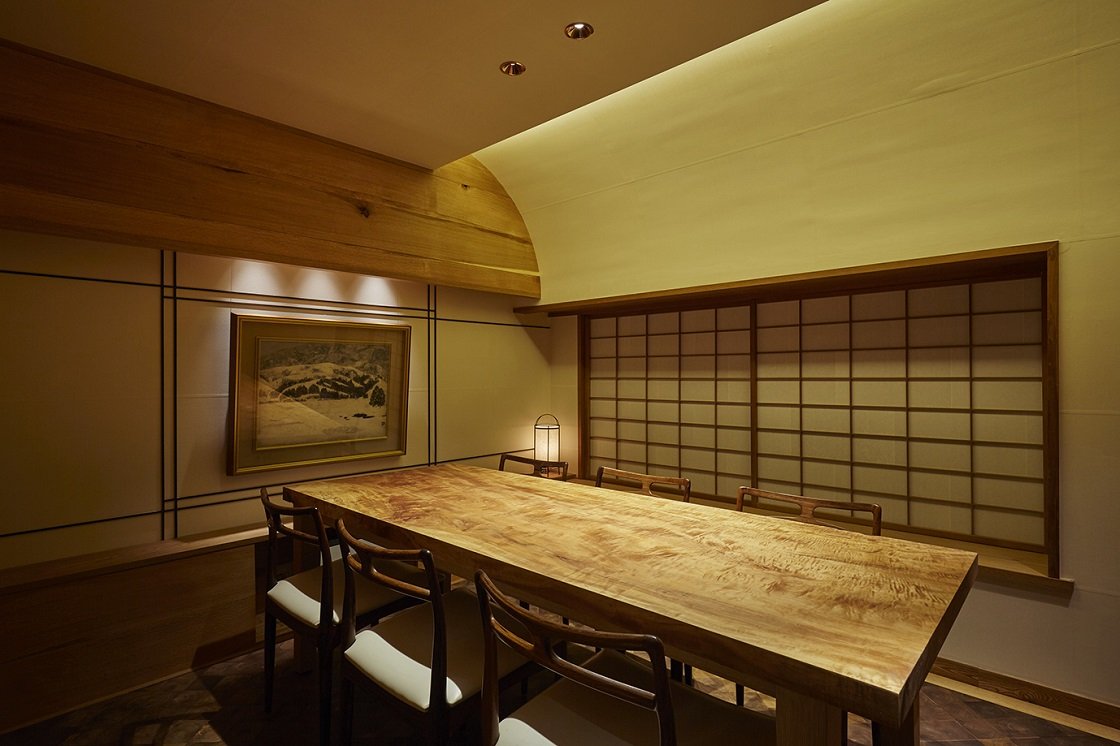
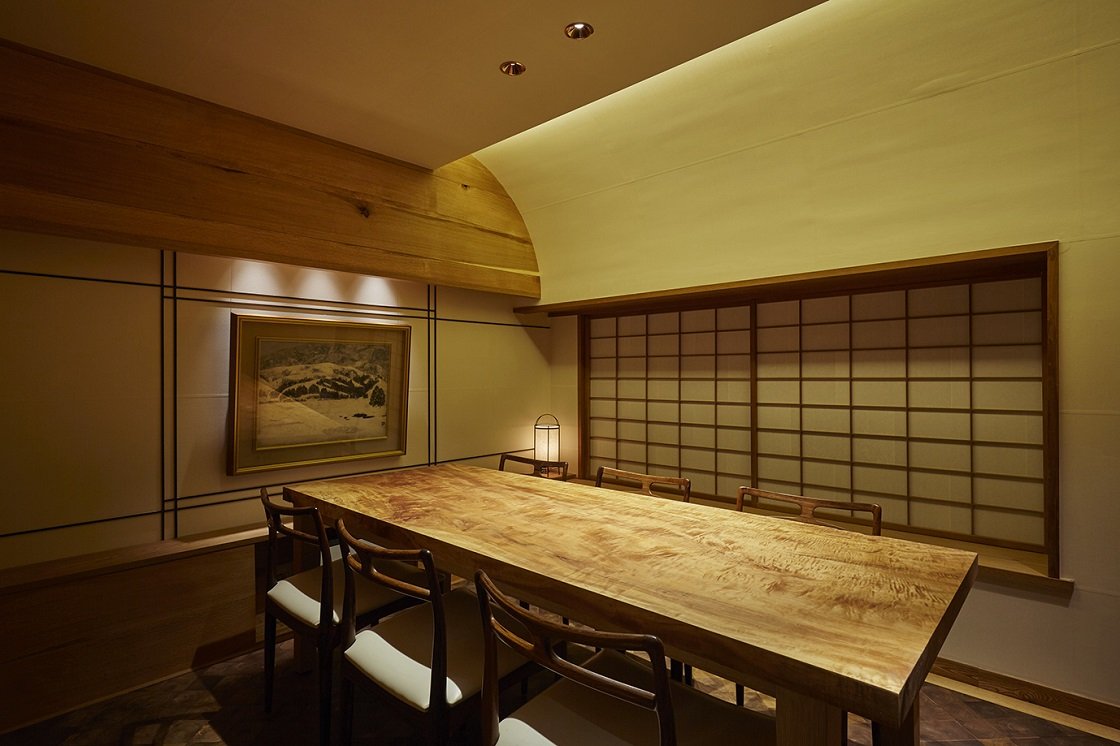
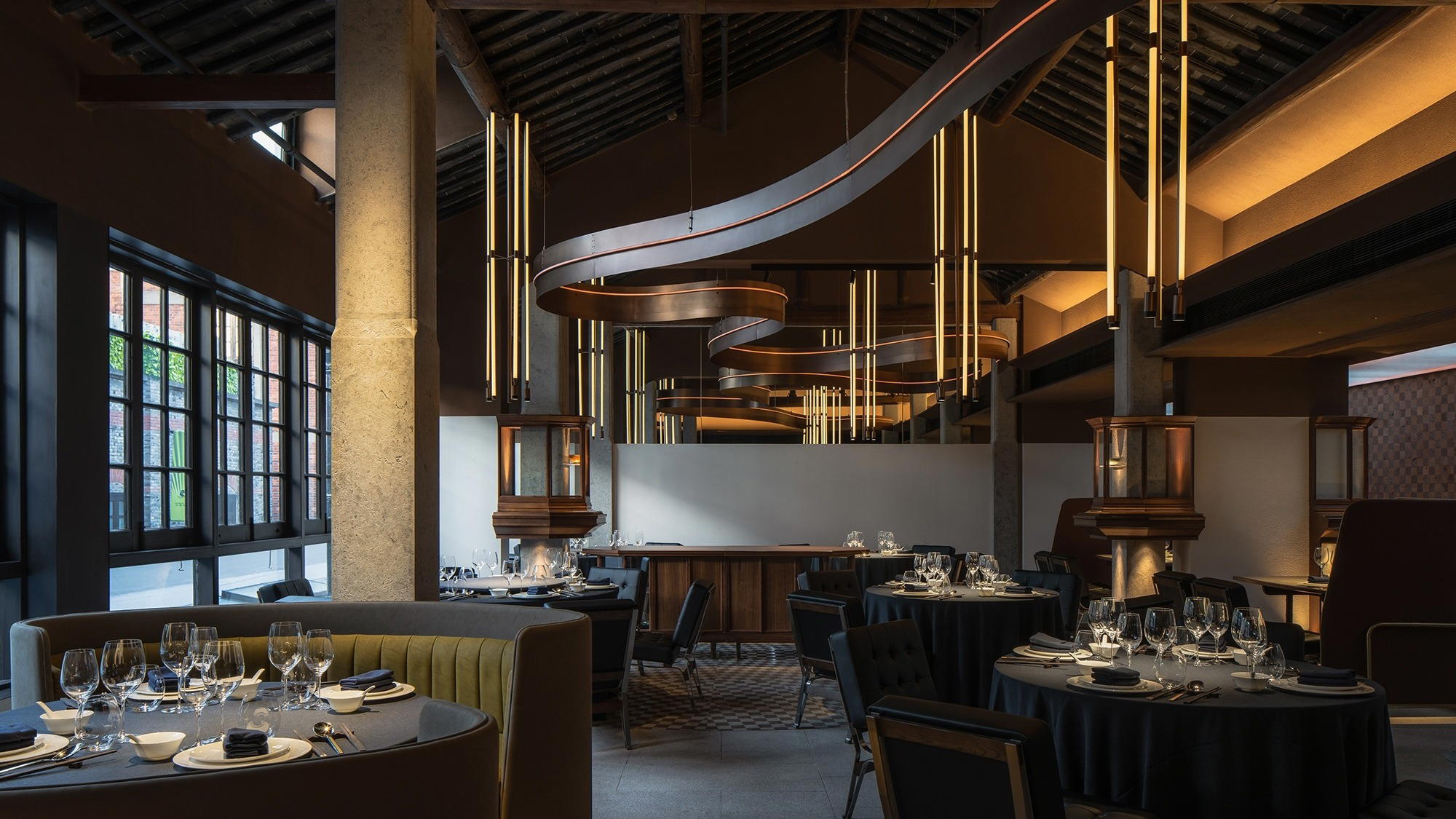
Refined, intimate basement setting with warm natural cedar counter and minimalist Japanese-modern design; guests watch the chef work at close range.
Tags
Vibe
Best For
Experience
Sourcing
At the Table
- Dress Code
- Smart Casual
- Noise Level
- Quiet
- Service Style
- Omakase Bar
- Meal Pacing
- Extended Experience
- Capacity
- Intimate
Signature Dishes
- Sea Urchin Tempura in Nori
- Wagyu Beef Fillet in Perilla Leaf
- Seasonal Seafood Tempura
- Shark Fin Tempura
Know before you go
Know Before You Go
- Getting there
- Japan, 〒530-0003 Osaka, Kita Ward, Dojima, 2 Chome−1−25 堂島アーバンライフ B1
Planning details
Location
Japan, 〒530-0003 Osaka, Kita Ward, Dojima, 2 Chome−1−25 堂島アーバンライフ B1 · Directions
Recognition and awards
Also consider
Also Consider
- HAJIME, French, Innovative, ¥¥¥¥
- La Cime, French, ¥¥¥¥
- Kashiwaya Osaka Senriyama, Japanese, ¥¥¥
- Taian, Kaiseki, Japanese, ¥¥¥
- Fujiya 1935, Innovative, ¥¥¥¥
Restaurant context
Tempura Fukana at ¥¥¥ sits in a different category from Osaka's top-tier splurge options. HAJIME and Fujiya 1935 both operate at ¥¥¥¥ and deliver multi-course innovative tasting menus with significant production. If your goal is a single-format, craft-focused dinner that does not require a ¥¥¥¥ outlay, Fukana is the more practical choice. Those two venues are harder to book and ask more of the diner in terms of time and budget commitment. La Cime is also at ¥¥¥¥ and French in orientation, a different evening entirely.
At the same ¥¥¥ tier, the comparison shifts to format preference. Taian and Kashiwaya Osaka Senriyama both offer Japanese fine dining with kaiseki structure and a broader course sequence. If you want ceremony and multiple technique expressions across an evening, those venues deliver that more completely. Fukana is narrower in scope, everything is tempura, which is either a strength or a limitation depending on what you want from the meal. For a diner who specifically wants to eat well-executed tempura in an intimate setting, Fukana is the cleaner choice over either kaiseki option.
On booking difficulty, Fukana is rated Easy, which gives it a practical advantage over venues like Taian that require more advance planning. If you are organising a trip with limited lead time and want a Michelin-recognised dinner in central Osaka without the booking anxiety, Fukana is the most accessible option in this comparison set. For Tokyo tempura as a reference point, Tempura Kondo operates in a similar counter format at higher prices and in a more competitive booking environment. Fukana offers comparable craft at lower friction.
Explore Osaka
Around this place
Discover more on Pearl
Unlock the full Tempura Fukana guide in Pearl, including awards, comparisons, FAQs, planning details, and nearby places.
Compare Tempura Fukana
| Venue | Cuisine | Awards | Booking Difficulty |
|---|---|---|---|
| Tempura Fukana | Tempura | Michelin Guide Kyoto Osaka 20262026 Michelin Plate2025 Michelin Plate2024 Michelin Plate | Easy |
| HAJIME | French, Innovative | Star Wine Lists 2026 · #12026 Tabelog Bronze · #922026 OAD Top Restaurants in Japan Ranked · #98Michelin Guide Kyoto Osaka 20262026 La Liste Top RestaurantsTabelog 100 - Innovative / Creative cuisine - 2025 · #692025 Asia's 50 Best Restaurants · #832025 OAD Top Restaurants in Japan Ranked · #87We're Smart World Top Restaurants 2025 | Unknown |
| La Cime | French | 2026 Asia's 50 Best Restaurants · #132026 OAD Top Restaurants in Japan Ranked · #1492026 Tabelog Bronze · #231Michelin Guide Kyoto Osaka 20262026 La Liste Top Restaurants2025 Asia's 50 Best Restaurants · #82025 World's 50 Best Restaurants · #44Tabelog 100 - French - WEST - 2025 · #932025 OAD Top Restaurants in Japan Ranked · #123 | Unknown |
| Kashiwaya Osaka Senriyama | Japanese | 2026 Tabelog Bronze · #1682026 OAD Top Restaurants in Japan Recommended2026 Relais Chateaux RestaurantsMichelin Guide Kyoto Osaka 20262026 La Liste Top RestaurantsTabelog 100 - Japanese cuisine - WEST - 2025 · #772025 OAD Top Restaurants in Japan Ranked · #1552025 Relais Chateaux Award2025 Michelin 3 Stars | Unknown |
| Taian | Kaiseki, Japanese | 2026 OAD Top Restaurants in Japan RecommendedMichelin Guide Kyoto Osaka 20262026 La Liste Top Restaurants2025 OAD Top Restaurants in Japan Ranked · #2042025 La Liste Top Restaurants2025 Michelin 3 Stars2024 OAD Top Restaurants in Japan Ranked · #1912024 Michelin 3 Stars2023 OAD Top Restaurants in Japan Highly Recommended | Unknown |
| Fujiya 1935 | Innovative | 2026 Tabelog Bronze · #752026 OAD Top Restaurants in Japan RecommendedMichelin Guide Kyoto Osaka 20262026 La Liste Top Restaurants2025 Michelin 2 Stars2025 Tabelog Silver2025 La Liste Top Restaurants2024 OAD Top Restaurants in Japan Ranked · #2392024 Michelin 2 Stars | Unknown |
.png?width=1200&quality=80)









How Tempura Fukana stacks up against the competition.
FAQ
Frequently Asked Questions
What are alternatives to Tempura Fukana in Osaka?
For a bigger-budget special occasion, HAJIME and Fujiya 1935 offer multi-course Western-influenced tasting menus at a higher price point. La Cime is a strong option if you want modern French technique over traditional Japanese formats. If you want to stay within Japanese fine dining at a comparable spend, Taian and Kashiwaya Osaka Senriyama both offer kaiseki-style experiences with more ceremonial structure than a tempura counter.
Can I eat at the bar at Tempura Fukana?
The counter is the only way to eat at Tempura Fukana. The basement-level space on Dojima is built around a single counter, so every seat puts you directly in front of the chef. This is the experience, not a secondary option.
Can Tempura Fukana accommodate groups?
A counter-format restaurant is not well-suited to large groups. Tempura Fukana works for parties of two to four who can sit in sequence at the counter. If you are planning a celebration for six or more, a venue with a private dining room, such as Kashiwaya Osaka Senriyama, is a more practical choice.
Is Tempura Fukana worth the price?
At ¥¥¥, Tempura Fukana sits below Osaka's top-tier fine dining rooms in cost but delivers a focused, high-craft experience backed by consecutive Michelin Plate recognition in 2024 and 2025. If tempura is the format you want, the value is there. If you are weighing this against a full kaiseki or multi-course French dinner at a similar spend, the narrower format is a trade-off worth considering.
Is the tasting menu worth it at Tempura Fukana?
The counter format at Tempura Fukana is structured as a sequential tasting experience, with pieces served as the chef fries them. The kitchen's stated aim is tempura light enough that you do not register the frying, with highlights including sea urchin, nori, and wagyu fillet in perilla leaf. At ¥¥¥ with a Michelin Plate in both 2024 and 2025, the format delivers enough craft to justify the spend if you are committed to the tempura format.
Is Tempura Fukana good for a special occasion?
Yes, for parties of two or three. The counter format creates a natural shared focus, and the Michelin Plate recognition gives it enough credibility to mark an occasion without the formality or cost of a full kaiseki room. It is a better fit for an intimate dinner than a group celebration. If you need a private room or a longer, more ceremonial format, Kashiwaya Osaka Senriyama is the stronger option.