
tamanegi
Italian · Nishi, Osaka
Restaurant in Osaka, Japan
 Book with Pearl
The Read
Piemontese Couple-Kitchen
Price
¥¥
Dress
Smart Casual
Why go
A couple-run Italian restaurant in Osaka's Nishi Ward, tamanegi holds a Michelin Plate for 2024 and 2025 and draws on the chef's Piemonte training for hand-made pasta and free-range beef, paired with organic wines chosen by a former French restaurant sommelier. At the ¥¥ price range, it is one of the most accessible Michelin-recognised Italian options in the city.
About tamanegi
Verdict: A Piemonte-trained kitchen in Osaka's Nishi Ward, at a price point that makes it one of the most accessible Italian options in the city
If you have already eaten once at tamanegi and are wondering whether a return visit holds up, the short answer is yes — and for a first-timer, the case is even stronger. The menu draws on the chef's training in Italy's Piemonte region, and the couple-run format means the kitchen and the floor operate as a single unit rather than two departments. At the ¥¥ price range, this is among the most affordable Piemonte-influenced Italian cooking you will find in Osaka, and the Michelin Plate recognition in both 2024 and 2025 gives you a credible signal that the quality is consistent, not occasional.
The Room and the Experience
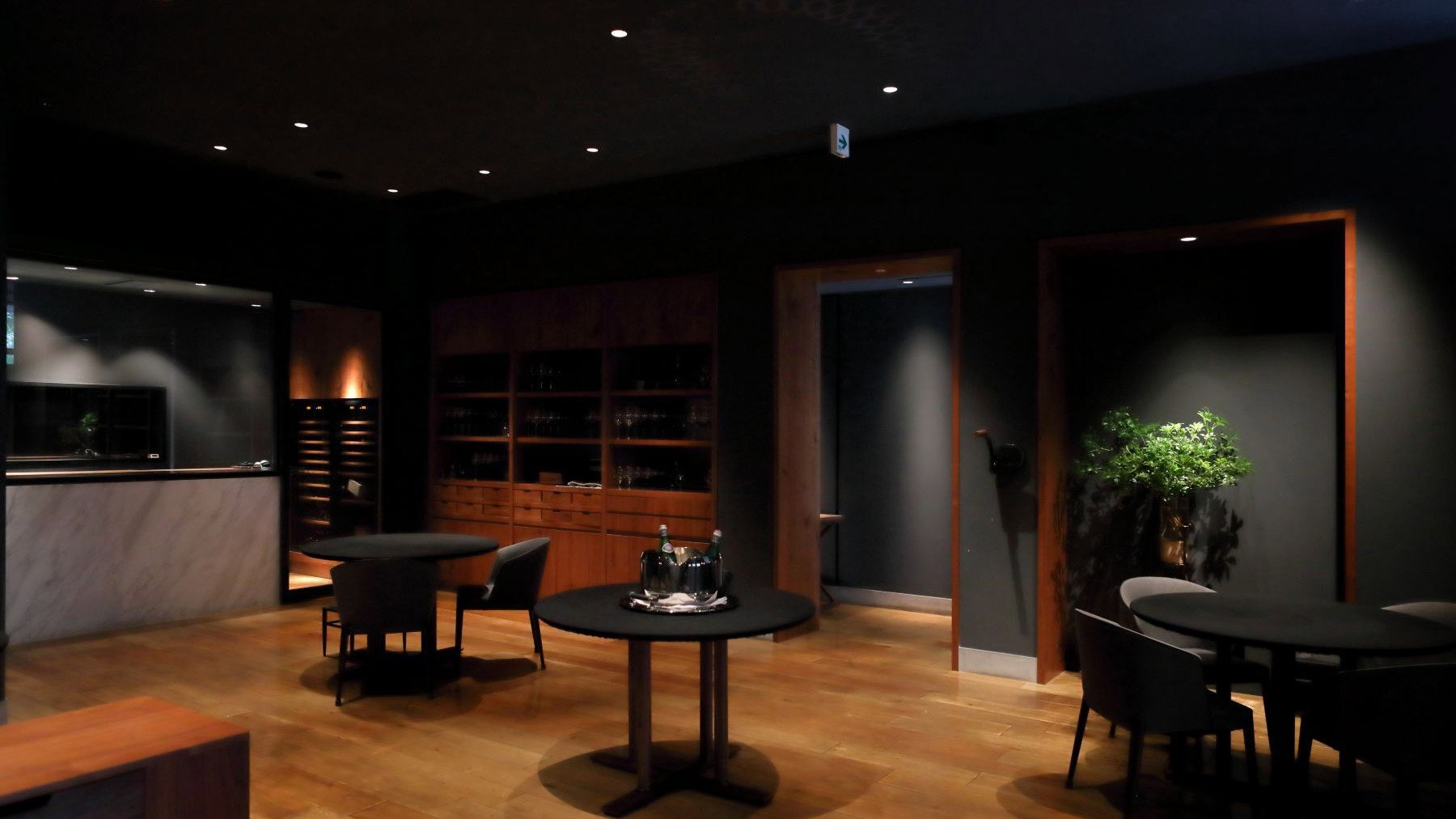
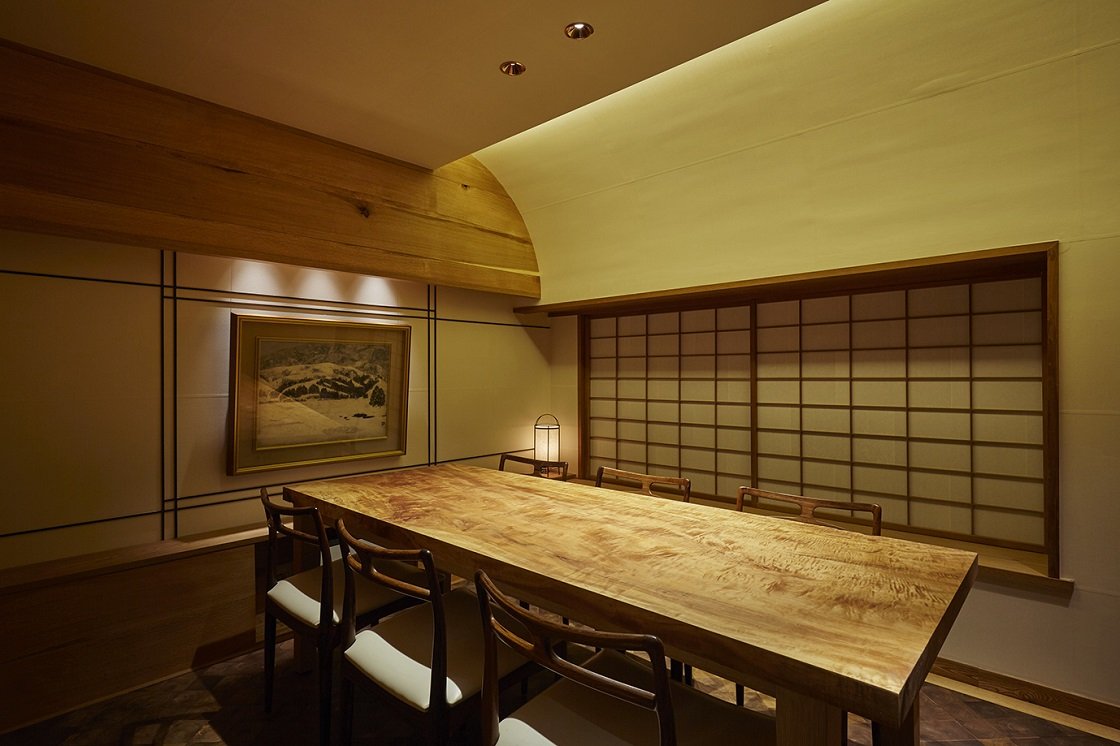
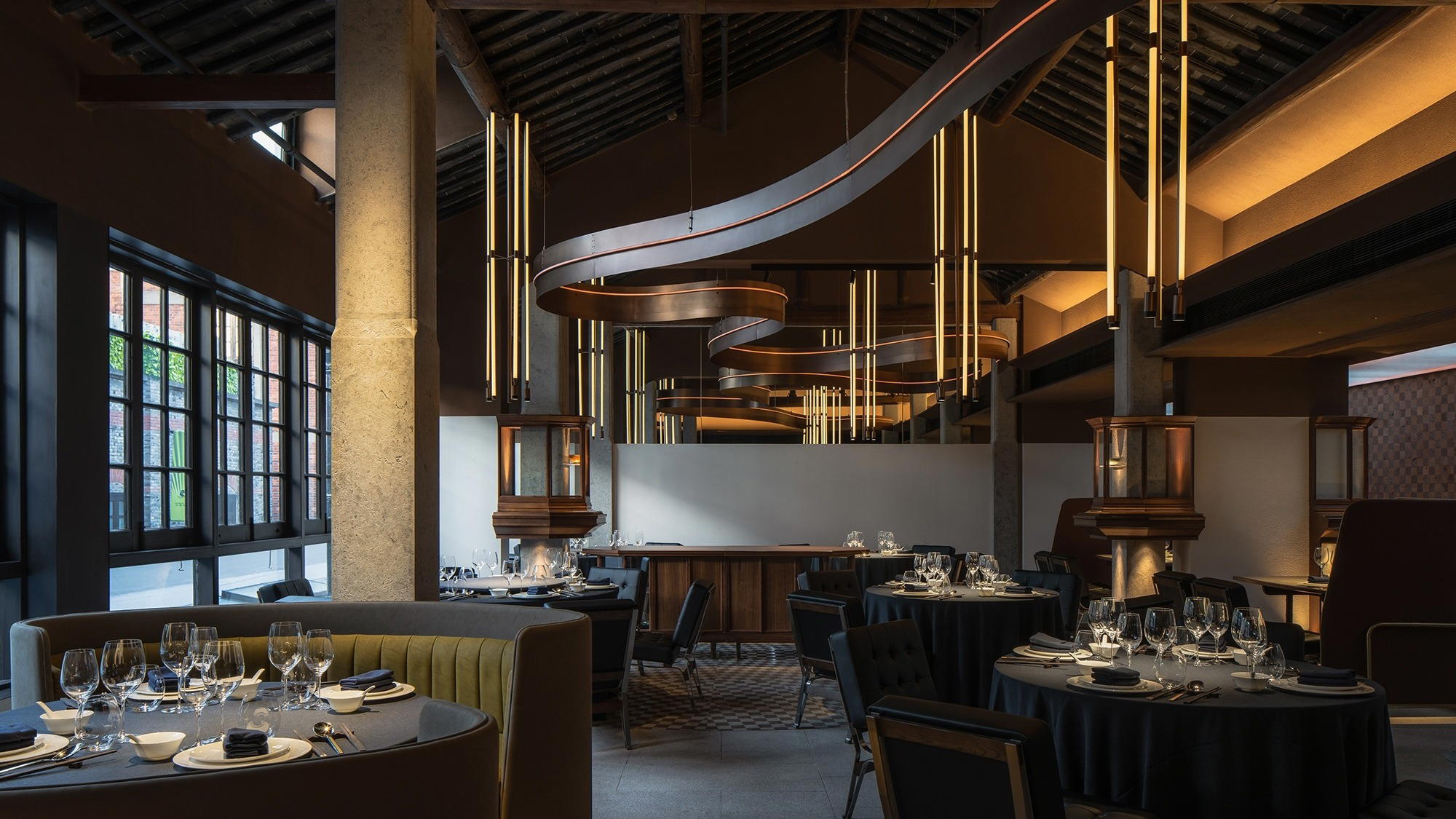
The visual detail that orients you immediately is the ceiling: onion-shaped lamps hang overhead, a reference to the restaurant's name (tamanegi is Japanese for onion) and the ingredient's shared importance in both Italian and French cooking. The choice is deliberate — the husband's background is as a sommelier at a French restaurant, and the wife's culinary training took place in Piemonte. The room communicates that duality before you have read a menu.
For a first-timer, the couple-run scale is worth understanding before you arrive. This is not a large operation with a full front-of-house team. The intimacy is a feature, not a limitation: you get direct access to the people responsible for both the food and the wine, which makes the counter or table seating feel more like a focused conversation than a transactional meal. If you are comparing this format to larger Italian restaurants in Osaka such as il Centrino or La Lucciola, tamanegi is the choice when you want proximity to the cooking rather than a more formal dining room experience.
The Counter Angle
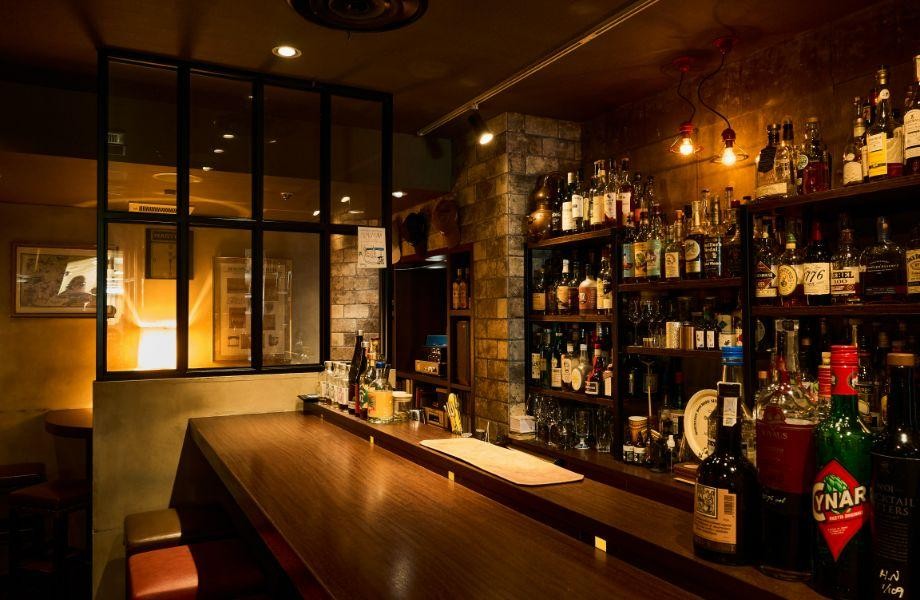
The counter or close-proximity seating in a small couple-run restaurant like tamanegi delivers something that larger rooms cannot replicate at this price. With the husband handling the wine and the wife running the kitchen, the hand-made pasta and free-range beef dishes arrive with context you can actually ask about. Piemonte-style pasta technique is specific, the dough ratios, the shaping, the sauce philosophy, and being able to speak directly with the person who trained in that region changes how you read the plate. For solo diners or pairs who want to understand what they are eating rather than just consume it, this format is the right one. Compare this to the bar experience at P greco or YUNiCO, where the energy is different and the proximity to the kitchen team is less direct.
The wine side is worth flagging separately. The sommelier background means the organic wine list is curated with intention, not assembled as an afterthought. For Italian in Japan, organic wine pairings that align with the Piemonte register of the food are not guaranteed at every ¥¥ restaurant, and here it appears to be a considered pairing rather than a generic list.
Practical Context: Italian in Osaka Beyond tamanegi
Osaka has a growing set of Italian options at different price points. La Casa TOM Curiosa operates at a different register, and La Lucciola offers a more formal Italian dining room if the couple-run intimacy of tamanegi is not what you are looking for on a given night. If you are building a wider Kansai itinerary, the Italian category is also covered at cenci in Kyoto and the benchmark for Italian in Asia at this tier is set by 8½ Otto e Mezzo Bombana in Hong Kong, useful context for calibrating what ¥¥ Italian looks like against the regional ceiling.
For other Japanese cities, akordu in Nara offers a European-influenced approach at a comparable scale, and Harutaka in Tokyo, Gion Sasaki in Kyoto, and Goh in Fukuoka all demonstrate the kind of owner-operator intimacy that tamanegi shares, even though the cuisine categories differ. If smaller-scale, owner-driven restaurants are your preference as a format, 1000 in Yokohama and 6 in Okinawa are worth adding to the same trip framework.
For a broader view of where tamanegi sits in Osaka's dining scene, see our full Osaka restaurants guide. If you are planning accommodation around the meal, our Osaka hotels guide covers the Nishi Ward area. The Osaka bars guide, wineries guide, and experiences guide round out the full visit.
Know Before You Go
- Location: 1 Chome-20-15 Shinmachi, Nishi Ward, Osaka, 550-0013, Japan
- Price range: ¥¥, mid-range; one of the more accessible price points for Michelin-recognised Italian in Osaka
- Awards: Michelin Plate 2024 and 2025
- Format: Couple-run; wife trained in Piemonte (Italian cuisine), husband is a former French restaurant sommelier
- Booking difficulty: Easy
- Wine: Organic wines, curated by an experienced sommelier
- Key ingredient note: Free-range beef and hand-made Piemonte-style pasta feature in the menu
- Phone / website: Not publicly listed, check Google Maps or walk in to confirm hours and availability
Planning details
- Location
- 1 Chome-20-15 Shinmachi, Nishi Ward, Osaka, 550-0013, Japan
- Website
- facebook.com/profile.php?id=100057377293188
- Phone
- +81 6-6536-0085
The take
The Take
The Vibe
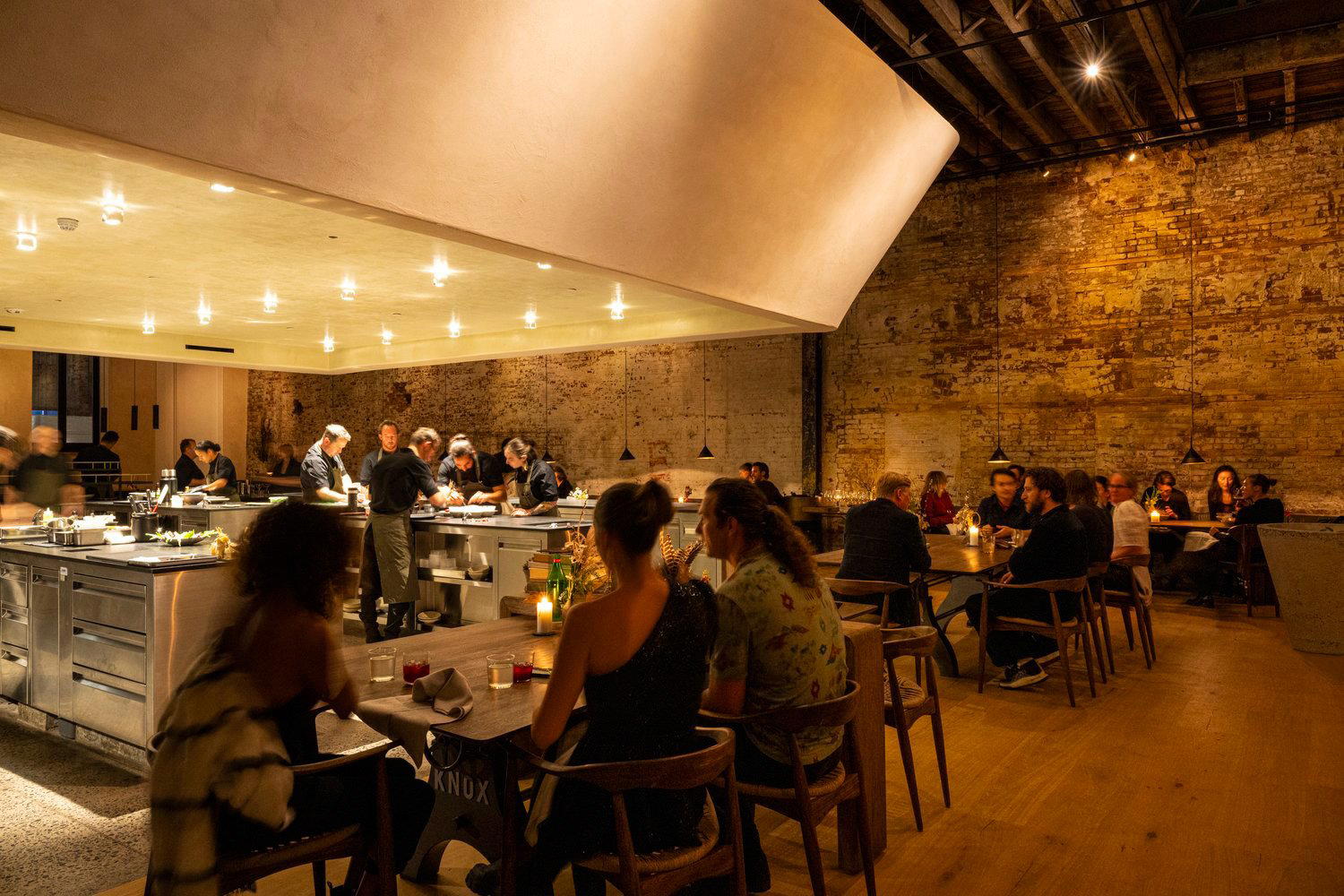
Tamanegi makes its design motif literal: onion-shaped lamps hang from the ceiling, casting a warm, amber glow that sets a quietly inviting tone. The dining room feels domestic in scale, favoring provenance and technique over theatricality. That restrained aesthetic pairs with a strong Piemontese influence — hand-rolled tajarin and plin signaling a kitchen anchored in regional tradition. The result is a classic, warm little restaurant where careful sourcing and artisanal technique are the point. It reads less like a flashy chef project and more like an attentive neighborhood spot with a measured, refined character.
Best For
This is a dinner-focused spot that suits diners who prioritize ingredient provenance and handmade pasta. It fills weekday evenings, which makes it a reliable choice for an accessible night out rather than a purely formal tasting-menu experience. The room’s small scale and attentive cooking also make it appropriate for date nights and modest celebrations, while its sensible pricing opens it to regular visits by locals. If you want a thoughtfully sourced Italian meal in Nishi Ward without the formality of a multi-course spectacle, this is the kind of place to book for an evening.
Ordering Tips
Start with the place’s signature pastas: handmade tajarin and agnolotti dal plin are highlighted specialties rooted in Piedmontese technique, and the kitchen emphasizes precision and quality of flour and dough. The free-range beef is another featured item that reflects the restaurant’s focus on provenance. Because the menu leans on regionally specific ingredients (the write-up even references Fassona and truffle-driven traditions), prioritize dishes that showcase those sourced components. Given the small scale and sourcing emphasis, ask staff about daily specials or ingredient provenance to get the most representative dishes.
Venue details
Ambiance
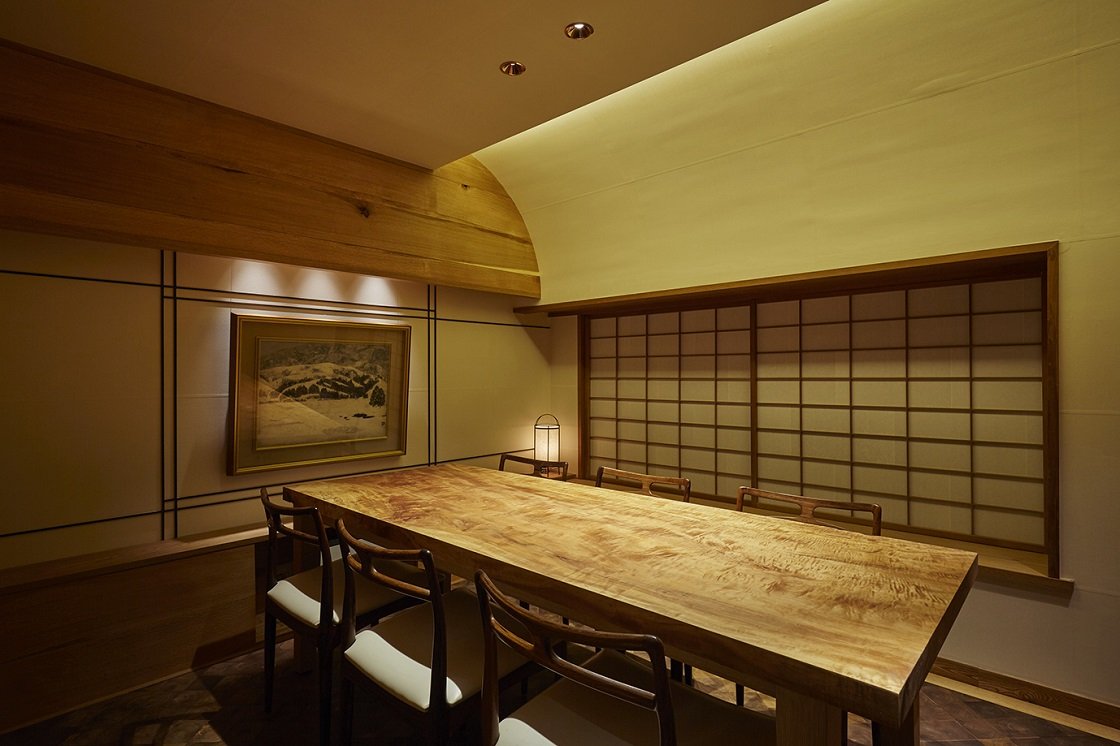
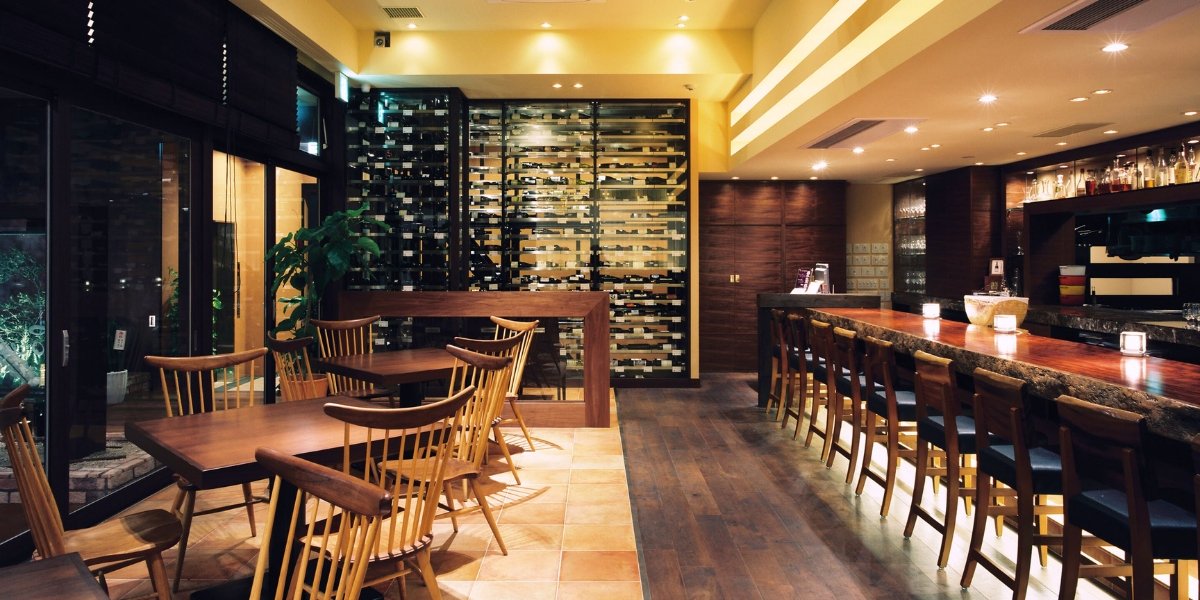
Warmly modern with natural woods, soft glow from sculptural onion lamps, and serene acoustics that invite conversation.
Tags
Vibe
Best For
Experience
Sourcing
At the Table
- Dress Code
- Smart Casual
- Noise Level
- Quiet
- Service Style
- Upscale Casual
- Meal Pacing
- Leisurely
- Capacity
- Intimate
Signature Dishes
- handmade_tajarin
- agnolotti_del_plin
- free_range_beef
Know before you go
Know Before You Go
- Getting there
- 1 Chome-20-15 Shinmachi, Nishi Ward, Osaka, 550-0013, Japan
Planning details
Location
1 Chome-20-15 Shinmachi, Nishi Ward, Osaka, 550-0013, Japan · Directions
Recognition and awards
Also consider
Also Consider
- HAJIME, French, Innovative, ¥¥¥¥
- La Cime, French, ¥¥¥¥
- Kashiwaya Osaka Senriyama, Japanese, ¥¥¥
- Taian, Kaiseki, Japanese, ¥¥¥
- Fujiya 1935, Innovative, ¥¥¥¥
Restaurant context
At ¥¥, tamanegi is priced far below Osaka's four-symbol Italian and French peers, and the Michelin Plate puts it in a credible bracket without demanding the outlay of a three-course tasting menu. If your priority is spending a controlled amount on a well-executed, Piemonte-focused Italian meal, book tamanegi. If you want a full-scale tasting experience at the top of the Osaka market, HAJIME (¥¥¥¥, French/Innovative) and Fujiya 1935 (¥¥¥¥, Innovative) are both Michelin three-star operations and the investment is substantially higher, worth it for special occasions, not an everyday dinner.
La Cime (¥¥¥¥, French) competes on format, it is also owner-led and smaller in scale, but sits two full price tiers above tamanegi. If you want French-influenced cooking in Osaka and budget is a consideration, tamanegi's husband-wife dynamic, with the husband's French sommelier background, gives you a version of that sensibility at a fraction of the cost. For Japanese cuisine at the ¥¥¥ tier, Kashiwaya Osaka Senriyama and Taian (Kaiseki) are the obvious alternatives if you would rather eat Japanese on the same trip, both are more formal and harder to book than tamanegi.
The practical booking comparison is straightforward: tamanegi is rated easy to book, while HAJIME, La Cime, Taian, and Kashiwaya Senriyama all require more lead time and some require advance planning of weeks or months. If you are building a last-minute Osaka itinerary or want a low-friction dinner with a credible quality signal, tamanegi is the most sensible choice in this peer group. For diners who want intimacy, owner-operator contact, and the counter experience rather than a white-tablecloth procession, tamanegi is the right call over every ¥¥¥¥ option listed here.
Explore Osaka
Around this place
Discover more on Pearl
Unlock the full tamanegi guide in Pearl, including awards, comparisons, FAQs, planning details, and nearby places.
Compare tamanegi
| Venue | Cuisine | Price | Booking Difficulty | Awards |
|---|---|---|---|---|
| tamanegi | Italian | ¥¥ | Easy | Michelin Guide Kyoto Osaka 20262026 Michelin Plate2025 Michelin Plate2024 Michelin Plate |
| HAJIME | French, Innovative | ¥¥¥¥ | Unknown | Star Wine Lists 2026 · #12026 Tabelog Bronze · #922026 OAD Top Restaurants in Japan Ranked · #98Michelin Guide Kyoto Osaka 20262026 La Liste Top RestaurantsTabelog 100 - Innovative / Creative cuisine - 2025 · #692025 Asia's 50 Best Restaurants · #832025 OAD Top Restaurants in Japan Ranked · #87We're Smart World Top Restaurants 2025 |
| La Cime | French | ¥¥¥¥ | Unknown | 2026 Asia's 50 Best Restaurants · #132026 OAD Top Restaurants in Japan Ranked · #1492026 Tabelog Bronze · #231Michelin Guide Kyoto Osaka 20262026 La Liste Top Restaurants2025 Asia's 50 Best Restaurants · #82025 World's 50 Best Restaurants · #44Tabelog 100 - French - WEST - 2025 · #932025 OAD Top Restaurants in Japan Ranked · #123 |
| Kashiwaya Osaka Senriyama | Japanese | ¥¥¥ | Unknown | 2026 Tabelog Bronze · #1682026 OAD Top Restaurants in Japan Recommended2026 Relais Chateaux RestaurantsMichelin Guide Kyoto Osaka 20262026 La Liste Top RestaurantsTabelog 100 - Japanese cuisine - WEST - 2025 · #772025 OAD Top Restaurants in Japan Ranked · #1552025 Relais Chateaux Award2025 Michelin 3 Stars |
| Taian | Kaiseki, Japanese | ¥¥¥ | Unknown | 2026 OAD Top Restaurants in Japan RecommendedMichelin Guide Kyoto Osaka 20262026 La Liste Top Restaurants2025 OAD Top Restaurants in Japan Ranked · #2042025 La Liste Top Restaurants2025 Michelin 3 Stars2024 OAD Top Restaurants in Japan Ranked · #1912024 Michelin 3 Stars2023 OAD Top Restaurants in Japan Highly Recommended |
| Fujiya 1935 | Innovative | ¥¥¥¥ | Unknown | 2026 Tabelog Bronze · #752026 OAD Top Restaurants in Japan RecommendedMichelin Guide Kyoto Osaka 20262026 La Liste Top Restaurants2025 Michelin 2 Stars2025 Tabelog Silver2025 La Liste Top Restaurants2024 OAD Top Restaurants in Japan Ranked · #2392024 Michelin 2 Stars |
.png?width=1200&quality=80)









Comparing your options in Osaka for this tier.
FAQ
Frequently Asked Questions
Does tamanegi handle dietary restrictions?
Piemonte-style Italian cooking relies heavily on pasta, beef, and wine-based preparations, so the kitchen's core format is not naturally vegetarian or gluten-free. Given the restaurant is couple-run and small, your best move is to flag restrictions clearly at the time of booking. The sourcing detail — free-range beef, organic wines — suggests the kitchen cares about ingredients, but no specific dietary accommodation policy is on record.
Can I eat at the bar at tamanegi?
The restaurant's setup — onion-lamp ceiling, couple-run service, Piemonte-focused menu — points to close-proximity counter or bar seating as a genuine option rather than a fallback. Counter seating here is actually the format that works best: you get direct sight of the kitchen and the sommelier husband's wine guidance without the distance of a larger table. Book the counter if you can.
What should a first-timer know about tamanegi?
This is not a red-sauce Italian restaurant — the kitchen is trained in Piemonte, which means richer, more restrained northern Italian cooking: handmade pasta, free-range beef, and organic wine pairings. The Michelin Plate in both 2024 and 2025 confirms consistent execution. At ¥¥, it is one of the more accessible entry points into serious Italian cooking in Osaka, but the small scale means tables move quickly — book ahead.
What should I wear to tamanegi?
No formal dress code is on record, and a couple-run neighbourhood Italian in Shinmachi at ¥¥ is not a black-tie setting. Neat casual fits the room — the kind of thing you'd wear to a quality neighbourhood restaurant in Italy. Overdressing would feel out of step with the format; underdressing (think beachwear or sportswear) would not match the care the kitchen puts in.