
Sushitsune
Sushi · Kita, Osaka
Restaurant in Osaka, Japan
 Book with Pearl
The Read
Generational Oshizushi Precision
Price
¥¥
Chef
Ishikawa Satoru
Dress
Smart Casual
Why go
Sushitsune is Osaka's fourth-generation oshizushi specialist, recognized by Michelin's Bib Gourmand in both 2024 and 2025. At a ¥¥ price point, chef Ishikawa Satoru's bateira, pressed mackerel with white-sheet kombu, delivers generational craft that most cities can't match at this cost. Book if you want the most direct encounter with Osaka's pressed sushi tradition without the commitment of a ¥¥¥¥ tasting menu.
About Sushitsune
Verdict: Osaka's pressed sushi tradition at a price that makes it easy to say yes
The common assumption about Bib Gourmand-listed sushi restaurants is that you're trading refinement for value. At Sushitsune, that assumption is wrong. The craft on display here is the kind that takes generations to build, not the kind that gets explained on a laminated menu card. If you are visiting Osaka and serious about eating well without committing to a ¥¥¥¥ kaiseki budget, book this.
What makes Sushitsune worth your time
Start with what Sushitsune is, because it is not a nigiri counter in the Edomae mold. The format here is oshizushi, pressed sushi, the form that Osaka refined and claimed as its own over centuries. The bateira is the dish to understand before you arrive: pickled mackerel pressed onto sushi rice in a boat-shaped wooden frame, then dressed with white-sheet kombu. This is not a modern interpretation. The recipe traces directly to Sushitsune's founding generation, chef Ishikawa Satoru is the fourth person in that lineage to execute it. The kombu softens over the mackerel, the rice holds its shape with just the right compression, the vinegar cure on the fish balances the fat in a way that is specific to this style and this tradition. That combination is why Osaka food culture built an identity around it, why this address in Tenjinbashi has continued to draw diners across generations.
Beyond the bateira, the menu includes bozushi of horse mackerel and conger eel, temarizushi, the hand-formed ball-shaped variety. Each of these is a document of Naniwa oshizushi, the regional pressed sushi tradition associated with Osaka's historical identity as Japan's kitchen. If you want to understand why Osaka's food culture developed differently from Tokyo's, this is a more direct lesson than any amount of reading. The cuisine developed around preservation, precision in rice preparation, the use of local fish in ways that extended their quality rather than simply presenting them raw. Sushitsune sits at the center of that story.
Chef Ishikawa's technique is specific: applying force to unravel the pressed rice correctly, so the sushi neither crumbles nor clumps, requires practice measured in years, not months. That level of craft being available at a ¥¥ price point is the core argument for booking. You are not paying a premium for a name or a room design. You are paying for food, the food-to-price ratio here is the reason Michelin keeps returning this venue to its Bib Gourmand list rather than placing it in the starred category, which rewards different things.
Timing and practical context
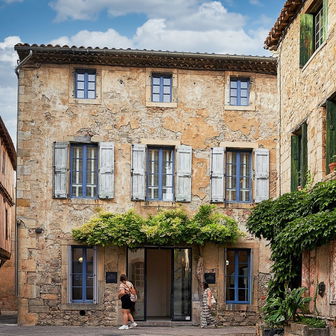
Sushitsune is located at 2 Chome-4-3 Tenjinbashi in Kita Ward, Osaka, close to the Tenjinbashisuji shopping arcade, one of the longer covered shopping streets in Japan. That location makes it a natural stop on a broader day in the area rather than a standalone destination requiring a dedicated trip. Midweek lunches will be quieter than weekend visits, if your priority is relaxed eating rather than the full atmosphere of a busy service, a Tuesday or Wednesday lunch is a reasonable approach. Booking is rated as easy, which is consistent with the venue's pricing tier, though the Bib Gourmand recognition has broadened its audience and some advance planning remains sensible.
For travelers building a broader Osaka food itinerary, Sushitsune fits naturally alongside other sushi-focused stops in the city. Sushi Harasho, Matsuzushi, Sushi Hoshiyama, Sushi Murakami Jiro, and Sushi Sanshin are all worth considering as part of a wider exploration of the city's sushi culture. Our full Osaka restaurants guide covers the broader dining picture, if you're planning accommodation and activities around the meal, our Osaka hotels guide, bars guide, and experiences guide are worth checking before your trip.
For context across the Kansai region, Gion Sasaki in Kyoto and akordu in Nara represent different but equally considered approaches to the region's food culture. If your Japan trip extends further, Harutaka in Tokyo is the Edomae sushi reference point worth knowing for comparison. For sushi outside Japan entirely, Sushi Shikon in Hong Kong and Shoukouwa in Singapore are the regional benchmarks.
Who should book
Sushitsune is the right choice if you want a direct encounter with Osaka's most distinctive sushi tradition, at a price that does not require advance budget planning. It is particularly well-suited for solo diners and pairs, for food-focused travelers who want historical context on the plate rather than just a good meal, for anyone whose Japan itinerary is heavy on Tokyo-style Edomae sushi and wants to understand what Osaka developed independently. It is not a multi-course tasting experience in the kaiseki format, if a long, staged meal is what you're after, look elsewhere. But for what it is; a focused, technically accomplished specialist with direct generational lineage and back-to-back Michelin recognition; the case for booking is direct.
Quick reference: Sushitsune, Tenjinbashi, Kita Ward, Osaka. Cuisine: oshizushi (pressed sushi). Price: ¥¥. Awards: Michelin Bib Gourmand 2024 and 2025. Booking: easy. Leading for: solo diners, pairs, food-focused travelers. Optimal timing: midweek lunch.
How It Compares
Frequently Asked Questions
Is the tasting menu worth it at Sushitsune?
- Sushitsune operates at a ¥¥ price point with Michelin Bib Gourmand recognition in both 2024 and 2025, which signals strong value relative to the quality on offer. Whether a set or tasting format is available is not confirmed in the available data, but the venue is recognized specifically for its pressed sushi preparations, including the signature bateira, bozushi, temarizushi. At this price tier, you are getting generational craft at an accessible cost, which is the core of the value argument.
Is Sushitsune good for solo dining?
- Yes. An oshizushi specialist in Osaka at ¥¥ pricing is a natural fit for solo diners. The format is focused and the setting is not a large group venue. If you are eating alone in Osaka and want a concentrated experience of the city's pressed sushi tradition, Sushitsune works well. For solo Edomae-style sushi in a counter setting, consider comparing with Sushi Harasho or Sushi Sanshin depending on your format preference.
How far ahead should I book Sushitsune?
- Booking is rated easy, but Bib Gourmand recognition since 2024 has increased visitor awareness. A few days to a week in advance should be sufficient in most cases, though if you are visiting during peak tourist periods in Osaka, booking slightly further ahead is sensible. This is not a venue where you need to plan months out, unlike starred restaurants in the same city.
What should a first-timer know about Sushitsune?
- This is not a nigiri counter. The entire point of the visit is oshizushi, specifically the pressed mackerel bateira with white-sheet kombu, which is the dish that traces directly to the founding generation of the restaurant. Come expecting a focused, tradition-driven meal, not a wide-ranging sushi tasting. The price is ¥¥, the chef is fourth-generation, the Michelin Bib Gourmand is awarded for value as much as for quality. Read up on Naniwa oshizushi before you go and you will get considerably more out of the experience.
Is Sushitsune good for a special occasion?
- It depends on what the occasion calls for. Sushitsune delivers genuine culinary craft and a meaningful connection to Osaka food history, which makes it a strong choice for a food-focused celebration. However, it is a ¥¥ venue, not a high-spend destination with private dining rooms or elaborate ceremony. For a special occasion where atmosphere and service formality are as important as the food, Kashiwaya Osaka Senriyama at ¥¥¥ or Taian at ¥¥¥ would be closer matches.
What are alternatives to Sushitsune in Osaka?
- For sushi specifically, Sushi Harasho, Matsuzushi, Sushi Hoshiyama, Sushi Murakami Jiro, and Sushi Sanshin are the relevant comparisons in the city. For a completely different style at a higher price, Taian and Kashiwaya Osaka Senriyama offer kaiseki formats at ¥¥¥. Our full Osaka restaurants guide covers the full range of options across price tiers and cuisine styles.
Is Sushitsune worth the price?
- At ¥¥ with consecutive Michelin Bib Gourmand recognition, Sushitsune is one of the clearest value propositions for serious eating in Osaka. You are getting fourth-generation craft in a regional tradition that is specific to this city, at a price that is accessible by any standard. Compare that to ¥¥¥¥ venues like HAJIME or Fujiya 1935, where the spend is several multiples higher and the experience is structured around innovation rather than tradition. For the price, yes: Sushitsune is worth it.
Planning details
- Location
- 2 Chome-4-3 Tenjinbashi, Kita Ward, Osaka, 530-0041, Japan
- Website
- ryusdc.net/sushitsune
- Phone
- +81 6-6351-9886
The take
The Take
The Vibe
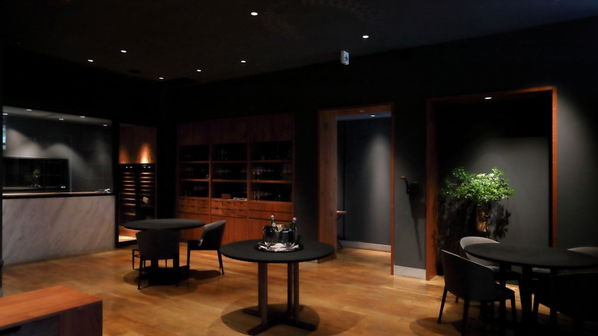
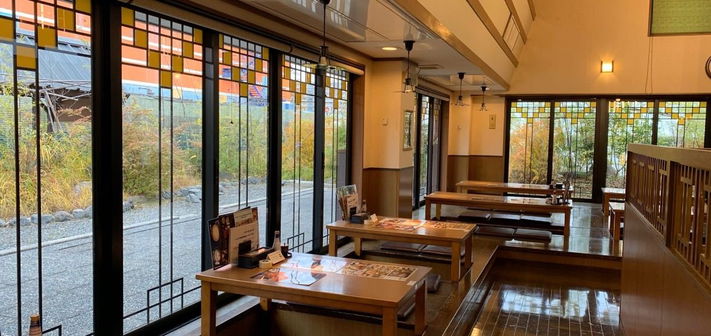
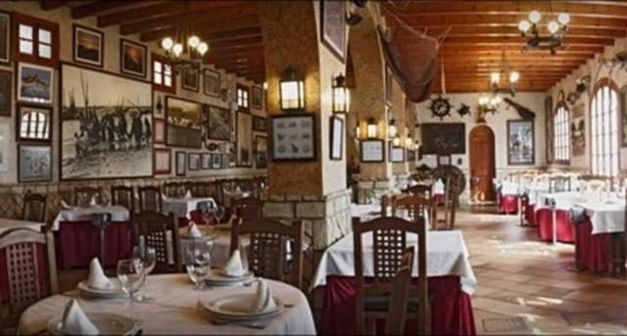
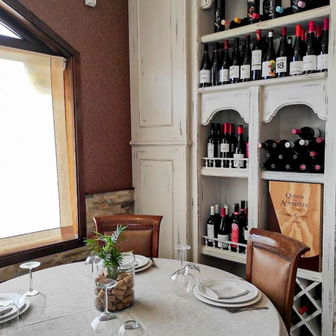
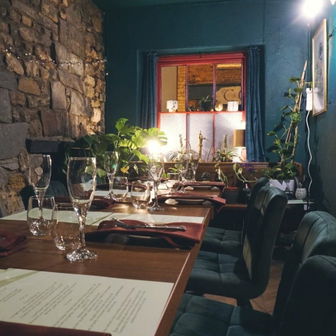
Sushitsune presents a quietly deliberate dining experience rooted in Osaka's mercantile past. The room favors understatement over spectacle: there are no theatrical flourishes or omakase drama, and attention is trained on the craft of oshizushi itself. Four generations of unbroken practice shape a measured mood where technique and restraint matter more than showmanship. On Tenjinbashi’s long covered shopping street, the restaurant feels unassuming and time-honored — an intimate, focused place for diners who value precision, regional identity, and the calm of a traditional sushi discipline.
Best For
This is a place for guests who come to study and savor pressed sushi rather than be entertained. It suits solo diners and quiet date nights as well as small special occasions where conversation and the food take precedence. The menu emphasizes oshizushi like battera, so people who appreciate texture, precision, and a distinct Osaka sushi lineage get the most from a visit. Expect a modest, practice-driven service that highlights generations of technique rather than theatrical omakase presentation.
Ordering Tips
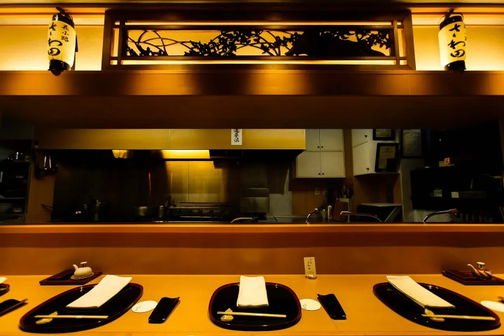
When you order, lean into the pressed-sushi tradition: try the signature battera and any oshizushi variations available, and ask the staff to explain their pressing methods. Portions are made to be held and eaten without ceremony, so taste each piece deliberately rather than treating the meal as a spectacle. Don’t expect Tokyo-style nigiri theatrics — the enjoyment here comes from precision and restraint. If counter seating is available, take it to watch the steady, practiced motions that define Sushitsune’s craft.
Planning details
Location
2 Chome-4-3 Tenjinbashi, Kita Ward, Osaka, 530-0041, Japan · Directions
Recognition and awards

Also consider
Also Consider
- HAJIME; French, Innovative, ¥¥¥¥
- La Cime; French, ¥¥¥¥
- Kashiwaya Osaka Senriyama; Japanese, ¥¥¥
- Taian; Kaiseki, Japanese, ¥¥¥
- Fujiya 1935; Innovative, ¥¥¥¥
Restaurant context
Sushitsune sits in a different category from most of Osaka's recognized dining addresses. HAJIME, La Cime, and Fujiya 1935 are all ¥¥¥¥ venues with French-influenced or innovative tasting menus that require advance planning and a larger budget commitment. If your priority is a long, multi-course experience with wine pairing and formal service, those are the right addresses. Sushitsune does not compete with them on those terms, it does not need to. It competes on the quality of a specific tradition executed with decades of precision, at a fraction of the price.
Kashiwaya Osaka Senriyama and Taian at ¥¥¥ are closer in spirit to Sushitsune in that both draw on Japanese culinary tradition rather than European frameworks, but both operate in the kaiseki format with corresponding service levels and price points. Choose one of those if the occasion calls for a longer, more ceremonial meal. Choose Sushitsune if you want focused, technically serious food in a more relaxed setting and at a price that allows you to eat well again the same evening.
Within Osaka's sushi category specifically, Sushi Harasho, Matsuzushi, and Sushi Murakami Jiro are the relevant peer comparisons for sushi-focused diners. Sushitsune's distinction within that group is its oshizushi specialization and its direct generational lineage. If Edomae-style nigiri is your preference, those alternatives may be a better match. If you want to understand what makes Osaka's sushi culture distinct from Tokyo's, Sushitsune is the clearest answer in the city.
Explore Osaka
Around this place
Discover more on Pearl
Unlock the full Sushitsune guide in Pearl, including awards, comparisons, FAQs, planning details, and nearby places.
Compare Sushitsune
| Venue | Cuisine | Price | Booking Difficulty | Awards |
|---|---|---|---|---|
| Sushitsune | Sushi | ¥¥ | Easy | Michelin Guide Kyoto Osaka 20262026 Bib Gourmand2025 Michelin Bib Gourmand2024 Michelin Bib Gourmand |
| HAJIME | French, Innovative | ¥¥¥¥ | Unknown | Star Wine Lists 2026 · #12026 Tabelog Bronze · #922026 OAD Top Restaurants in Japan Ranked · #98Michelin Guide Kyoto Osaka 20262026 La Liste Top RestaurantsTabelog 100 - Innovative / Creative cuisine - 2025 · #692025 Asia's 50 Best Restaurants · #832025 OAD Top Restaurants in Japan Ranked · #87We're Smart World Top Restaurants 2025 |
| La Cime | French | ¥¥¥¥ | Unknown | 2026 Asia's 50 Best Restaurants · #132026 OAD Top Restaurants in Japan Ranked · #1492026 Tabelog Bronze · #231Michelin Guide Kyoto Osaka 20262026 La Liste Top Restaurants2025 Asia's 50 Best Restaurants · #82025 World's 50 Best Restaurants · #44Tabelog 100 - French - WEST - 2025 · #932025 OAD Top Restaurants in Japan Ranked · #123 |
| Kashiwaya Osaka Senriyama | Japanese | ¥¥¥ | Unknown | 2026 Tabelog Bronze · #1682026 OAD Top Restaurants in Japan Recommended2026 Relais Chateaux RestaurantsMichelin Guide Kyoto Osaka 20262026 La Liste Top RestaurantsTabelog 100 - Japanese cuisine - WEST - 2025 · #772025 OAD Top Restaurants in Japan Ranked · #1552025 Relais Chateaux Award2025 Michelin 3 Stars |
| Taian | Kaiseki, Japanese | ¥¥¥ | Unknown | 2026 OAD Top Restaurants in Japan RecommendedMichelin Guide Kyoto Osaka 20262026 La Liste Top Restaurants2025 OAD Top Restaurants in Japan Ranked · #2042025 La Liste Top Restaurants2025 Michelin 3 Stars2024 OAD Top Restaurants in Japan Ranked · #1912024 Michelin 3 Stars2023 OAD Top Restaurants in Japan Highly Recommended |
| Fujiya 1935 | Innovative | ¥¥¥¥ | Unknown | 2026 Tabelog Bronze · #752026 OAD Top Restaurants in Japan RecommendedMichelin Guide Kyoto Osaka 20262026 La Liste Top Restaurants2025 Michelin 2 Stars2025 Tabelog Silver2025 La Liste Top Restaurants2024 OAD Top Restaurants in Japan Ranked · #2392024 Michelin 2 Stars |
.png?width=144&height=144&quality=80)










Comparing your options in Osaka for this tier.
FAQ
Frequently Asked Questions
Is the tasting menu worth it at Sushitsune?
Sushitsune's format is oshizushi, not a conventional omakase tasting menu, so the decision is less about course count and more about whether pressed sushi is what you want. At ¥¥ pricing with two consecutive Michelin Bib Gourmand awards (2024 and 2025), the value case is strong. The bateira pressed mackerel and bozushi are the dishes to anchor your visit around; order those before anything else.
Is Sushitsune good for solo dining?
Yes. Oshizushi counters and smaller traditional sushi shops in Osaka are generally comfortable for solo diners, Sushitsune's format suits a single person working through the key dishes at their own pace. The ¥¥ price range means you can eat well without a large spend, there is no pressure to fill a table.
What should a first-timer know about Sushitsune?
This is not Edomae nigiri; Sushitsune serves oshizushi, the Osaka-style pressed sushi tradition in which fish is layered onto rice in a wooden mould. The bateira (pickled mackerel pressed with white-sheet kombu) is the dish that defined the restaurant under its founding generation and remains the reference point. Chef Ishikawa Satoru is the fourth-generation practitioner of this technique, so what you are eating is a living lineage, not a trend.
Is Sushitsune good for a special occasion?
It depends on what kind of occasion. Sushitsune is not a high-ceremony venue in the way a Michelin-starred counter might be; it is a Bib Gourmand restaurant at ¥¥, meaning accessible rather than grand. For a meaningful meal that connects to Osaka's culinary identity, it works well. For a formal celebration where setting and service theatre are part of the point, consider Kashiwaya or Taian instead.
What are alternatives to Sushitsune in Osaka?
For a more formal dining experience in Osaka, Kashiwaya in Senriyama and Taian are the reference points at the top of the market. La Cime handles modern European cooking with serious technical precision if you want a break from Japanese formats. Hajime and Fujiya 1935 are both options for high-investment contemporary Japanese dining. None of these offer the same specific thing as Sushitsune; oshizushi at accessible prices; so they are alternatives only if the format matters less than the occasion.
Is Sushitsune worth the price?
At ¥¥ with back-to-back Michelin Bib Gourmand recognition, Sushitsune is one of the clearer yes decisions in Osaka. The price point puts it well below the city's fine-dining tier, what you get is a fourth-generation practitioner of a sushi tradition that originated in this restaurant. The bateira alone justifies the visit for anyone interested in Osaka food culture.