
Sushisho Nehachi
Sushi · Fukushima, Osaka
Restaurant in Osaka, Japan
 Book with Pearl
The Read
Sesame-Rice Omakase Counter
Price
¥¥¥
Dress
Smart Casual
Why go
A Michelin Plate-recognized omakase counter in Osaka's Fukushima Ward, Sushisho Nehachi delivers technically precise nigiri and ingredient-driven sourcing at ¥¥¥ — one of the more accessible entry points to serious Osaka sushi. With easy booking relative to the city's starred counters, it is the right choice for first-timers who want verified quality without a top-tier spend.
About Sushisho Nehachi
The Verdict: A Michelin-Recognized Omakase in Fukushima Worth Booking
The most common assumption about Sushisho Nehachi is that it sits somewhere in the middle of Osaka's sushi hierarchy — a neighborhood spot that trades on location rather than craft. That assumption is wrong. At ¥¥¥, it gives first-timers a credible entry point into serious Osaka sushi without the four-figure-per-head commitment of the city's starred establishments. Book it.
What to Expect: Sourcing, Craft, and the Logic of the Menu
The name translates loosely as "sushi smile" — the chef's stated intention that guests leave in a relaxed mood. That warmth is a genuine signal about the dining format: this is an omakase that does not perform austerity. The room does not demand that you whisper or defer. What it does demand is that you pay attention, because the menu rewards it.
Progression begins with a snack, a small but deliberate move that signals the kitchen's priorities. Bright perilla cuts through at the opening, its sharp, herbal edge clearing the palate for what follows. Grilled fish marinated in soy arrives next, carrying a toasted, savoury depth that the Michelin assessors specifically noted as evidence of the chef's experience. These are not decorative amuse-bouche choices, they are sourcing decisions made visible. The use of perilla and soy-grilled fish at the menu's start tells you something about how the chef thinks about seasonality and ingredient sequence.
Nigiri section is where the sourcing philosophy becomes most legible. Clams are broiled until they reach a pungent, concentrated fragrance, the kind of aroma that signals a specific technique rather than a shortcut. Sweet shrimp arrives with roe marinated in soy sauce, a preparation that requires both good raw material and precise timing. Neither dish works without the right ingredient at the right moment. The rice itself carries roasted sesame seeds through the vinegar mixture, producing an aroma that is immediately distinctive and that signals the chef is making considered choices all the way down to what most kitchens treat as a neutral base. This is the most important detail for a first-timer to understand: at Sushisho Nehachi, the rice is not background. It is a sourcing and technique decision that informs every piece of nigiri you eat.
For those visiting Osaka's sushi scene for the first time and comparing options, it helps to place this restaurant in context. Sushi Harasho, Matsuzushi, Sushi Hoshiyama, Sushi Murakami Jiro, and Sushi Sanshin all operate within the same city, but Nehachi's Michelin recognition at the ¥¥¥ tier places it in a specific band: technically serious, sourcing-conscious, and more accessible by price than the starred counters. If you are deciding between these options, Nehachi is the one to choose when you want verifiable quality without committing to the highest spend bracket.
The Fukushima Ward address, a short distance from central Osaka, keeps the venue from the tourist circuits that cluster around Namba and Shinsaibashi. That separation works in your favor as a first-time visitor: you are more likely to be seated alongside local regulars, which shifts the room's atmosphere toward something closer to a neighborhood counter than a destination set piece. For context on where to stay and what else to do in the area, see our full Osaka hotels guide, our full Osaka bars guide, and our full Osaka experiences guide.
Booking and Logistics
Booking difficulty is rated Easy. This is a meaningful advantage over Osaka's starred sushi counters, many of which require advance planning weeks or months out, credit card guarantees, and sometimes Japanese-language reservation systems. Nehachi does not carry that friction. That said, the Michelin Plate recognition has increased visibility, so do not assume walk-in availability on evenings or weekends. Book ahead when you can. Specific hours and contact details are not publicly listed, so approach through the address or check current listings at the time of your visit. The address is 4 Chome-1-70 Fukushima, Fukushima Ward, Osaka 553-0003.
Dress expectations at a ¥¥¥ omakase counter in Japan lean toward neat and considered rather than formal. Smart casual is appropriate and will not feel out of place. Avoid anything that carries strong fragrance, in a small counter setting with aroma-forward dishes, competing scents are genuinely intrusive.
Ratings at a Glance
- Michelin Plate: 2024, 2025
- Price Tier: ¥¥¥
- Booking Difficulty: Easy
How It Compares
See the comparison section below for how Sushisho Nehachi sits against Osaka's broader dining scene, including French and kaiseki alternatives at higher price tiers.
Practical Details
| Detail | Sushisho Nehachi | Typical ¥¥¥¥ Osaka Counter |
|---|---|---|
| Price Tier | ¥¥¥ | ¥¥¥¥ |
| Michelin Recognition | Plate (2024, 2025) | Varies (1–3 stars) |
| Booking Difficulty | Easy | Moderate to Very Hard |
| Format | Omakase | Omakase / Kaiseki |
| 4.8 | Varies | |
| Location | Fukushima Ward | City-wide |
Beyond Osaka
If this style of sushi-forward omakase appeals to you and you are traveling more broadly through Japan, Harutaka in Tokyo and Gion Sasaki in Kyoto are worth considering at a higher price tier. For regional alternatives, Goh in Fukuoka and akordu in Nara offer strong options in adjacent cities. Further afield, Sushi Shikon in Hong Kong and Shoukouwa in Singapore are the regional benchmarks for Japanese sushi exported beyond Japan. For the full Osaka picture, see our full Osaka restaurants guide.
Also Worth Knowing
For additional context on Osaka's broader culinary options beyond sushi, see our full Osaka wineries guide and 1000 in Yokohama for a sense of how Japan's regional fine dining scene connects. 6 in Okinawa rounds out the picture for those moving through Japan's southern islands.
Planning details
- Location
- Japan, 〒553-0003 Osaka, Fukushima Ward, Fukushima, 4 Chome−1−70 ミモレ堂島
- Website
- instagram.com/nehachi1128
- Phone
- +81 90-3278-1109
The take
The Take
The Vibe
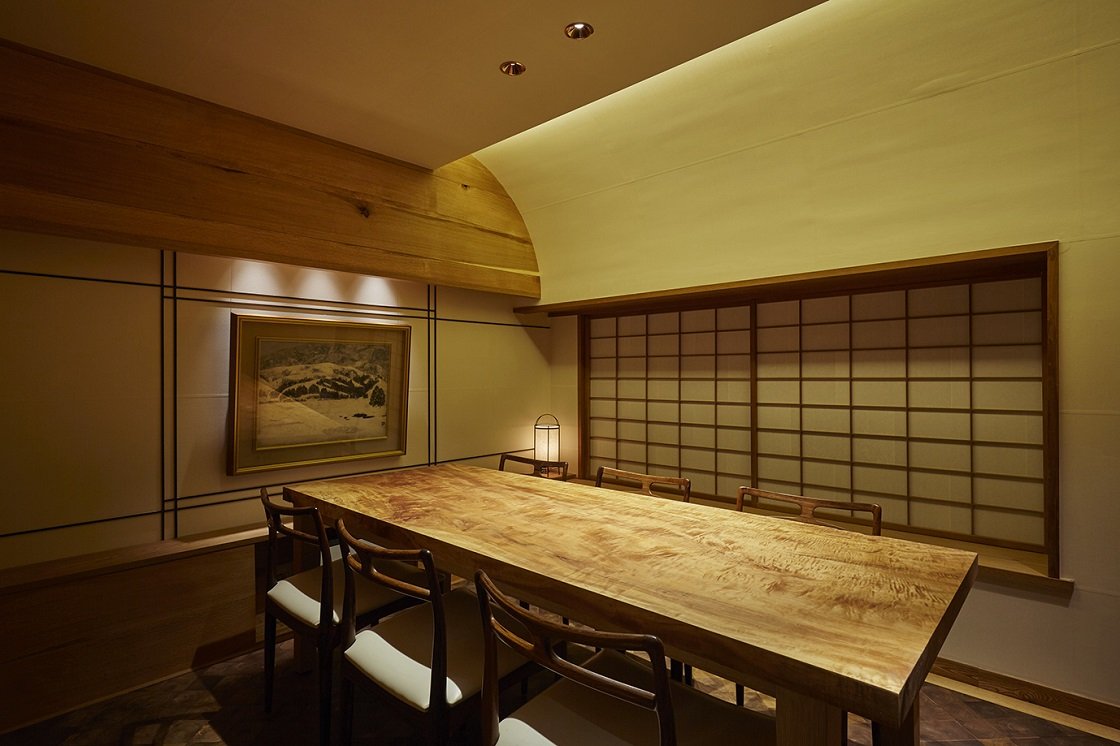
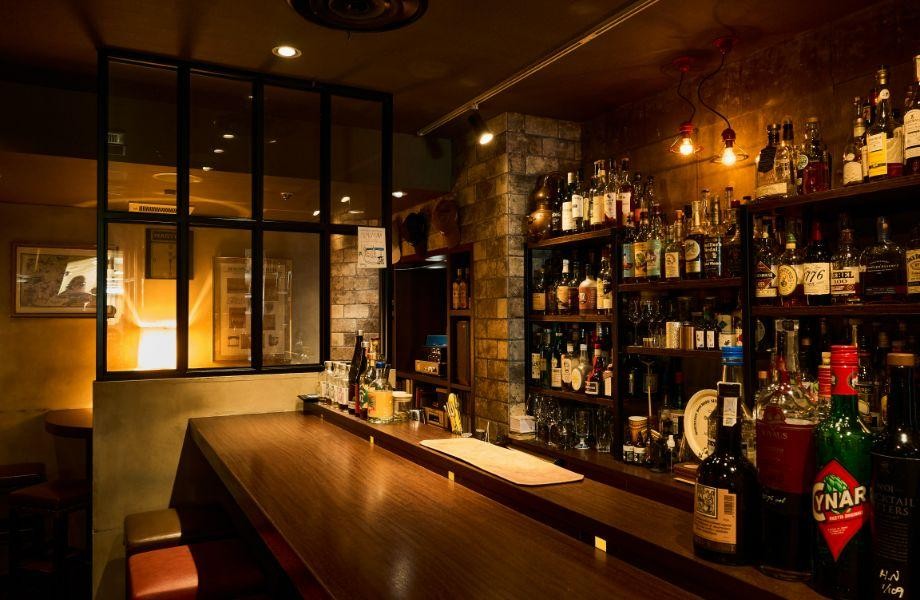
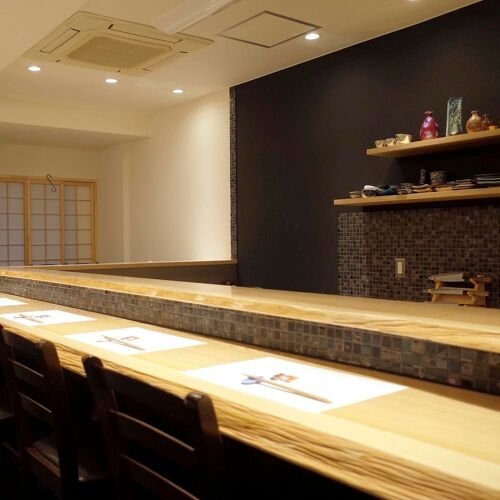
Sushisho Nehachi reads like a classic Osaka counter: compact, focused and quietly confident. The room favors craft and warmth over ceremony, rooted in the city’s merchant-culture tradition where aji (flavor) matters as much as presentation. With only a handful of counter seats and an emphasis on technical discipline, the place feels intimate and deliberately scaled — small in footprint but serious in ambition. Consecutive Michelin Plate recognition underlines a steady standard rather than flash, so the atmosphere is measured and refined: polished without stiffness, and quietly civic-minded about flavour and repetition.
Best For
This is a venue for compact, intentional dining — think special occasions and date nights where intimacy and technical skill matter. The tiny counter and small-format layout make it best suited to parties that can be accommodated at a counter and to diners who value focused tasting experiences rather than boisterous group meals. Given the weeks-deep booking cycle and the restaurant’s peer set at the ¥¥¥ price point, it’s also appropriate for visitors seeking a serious Osaka sushi counter rather than casual, walk-in dining.
Ordering Tips
Book well in advance: the description explicitly notes counter seats measured in single digits and bookings that run weeks deep. Expect a tightly regimented service that prioritises consistent rice seasoning, controlled aging and a disciplined progression of courses; the consecutive Michelin Plate mentions underline repeatable technical standards. Treat the visit as a small-format counter experience — plan for limited seating and a focused menu flow rather than à la carte, and be prepared for a refined, craft-forward meal at a ¥¥¥ price tier.
Venue details
Ambiance
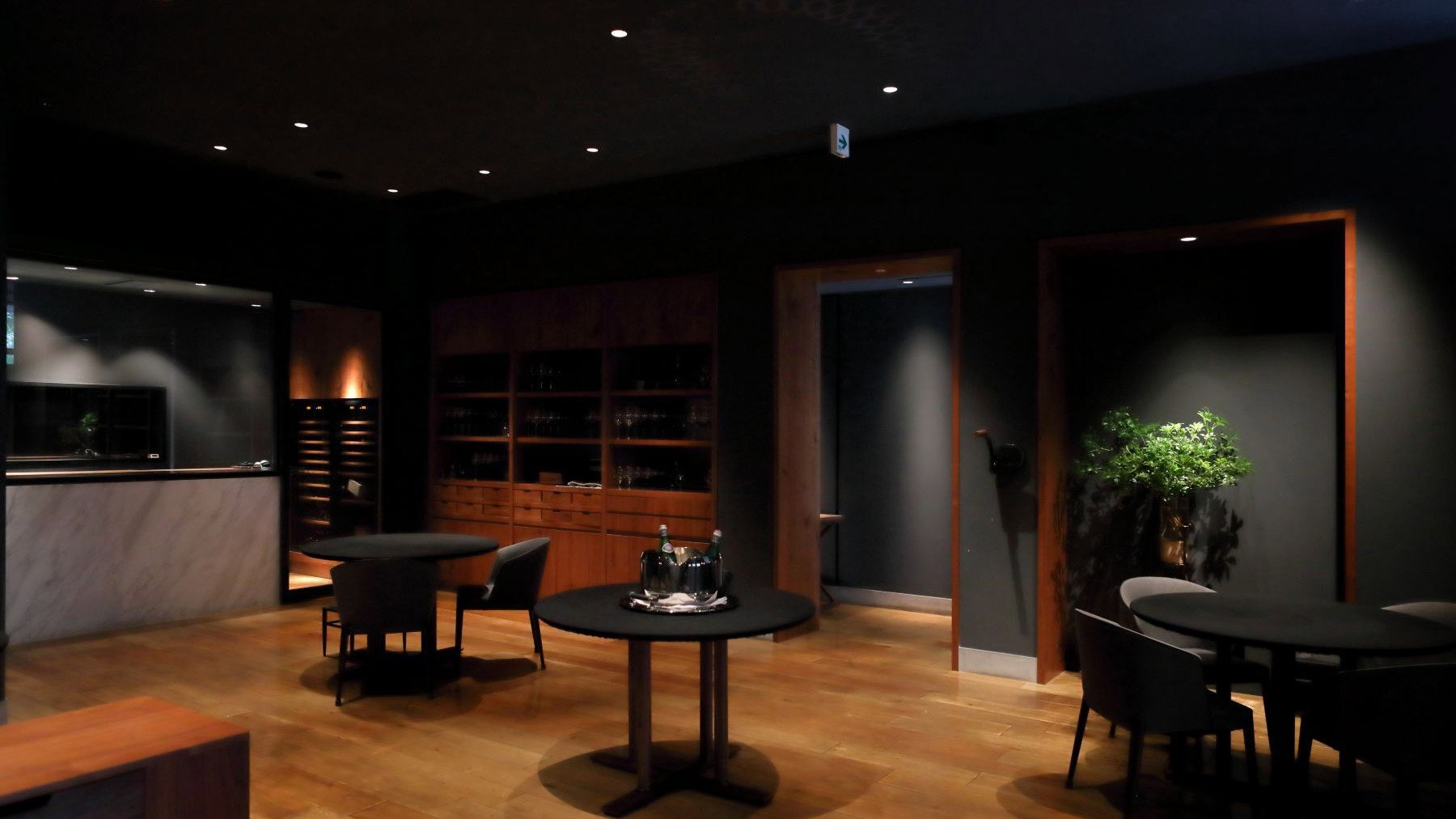
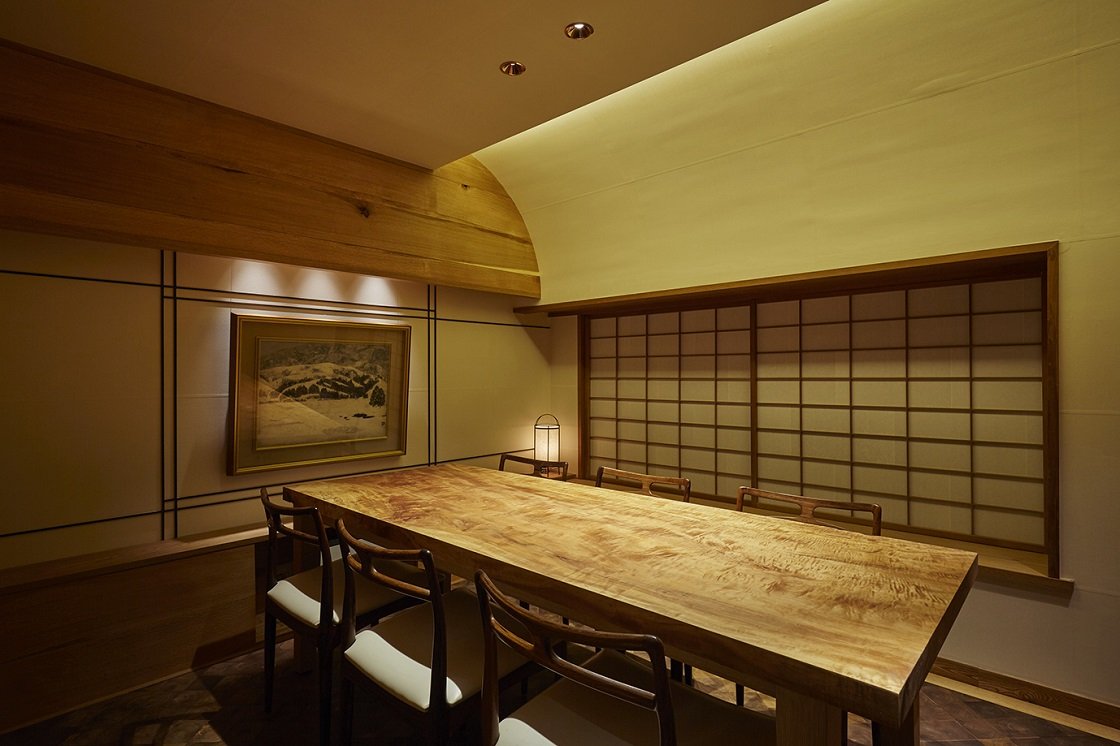
Cozy, stylish, and relaxing counter-only space with careful attention to detail in a quiet neighborhood setting.
Tags
Vibe
Best For
Experience
At the Table
- Dress Code
- Smart Casual
- Noise Level
- Quiet
- Service Style
- Omakase Bar
- Meal Pacing
- Extended Experience
- Capacity
- Intimate
Know before you go
Know Before You Go
- Getting there
- Japan, 〒553-0003 Osaka, Fukushima Ward, Fukushima, 4 Chome−1−70 ミモレ堂島
Planning details
Location
Japan, 〒553-0003 Osaka, Fukushima Ward, Fukushima, 4 Chome−1−70 ミモレ堂島 · Directions
Recognition and awards
Also consider
Also Consider
- HAJIME, French, Innovative, ¥¥¥¥
- La Cime, French, ¥¥¥¥
- Kashiwaya Osaka Senriyama, Japanese, ¥¥¥
- Taian, Kaiseki, Japanese, ¥¥¥
- Fujiya 1935, Innovative, ¥¥¥¥
Restaurant context
At ¥¥¥, Sushisho Nehachi sits in a different bracket from most of Osaka's celebrated dining options. HAJIME, La Cime, and Fujiya 1935 all operate at ¥¥¥¥, are considerably harder to book, and deliver an entirely different format, French and innovative tasting menus rather than sushi omakase. If your priority is Osaka's most technically ambitious dining and format is secondary, those venues are worth the added cost and booking effort. But if sushi is your specific intention and you want Michelin-recognized quality without the four-figure spend or advance planning pressure, Nehachi is the cleaner choice.
Against Kashiwaya Osaka Senriyama and Taian, both ¥¥¥ and Japanese in format, Sushisho Nehachi offers a sushi-specific counter experience rather than kaiseki. If you are deciding between them, the choice comes down to format preference: kaiseki at Kashiwaya or Taian versus nigiri-focused omakase at Nehachi. All three carry Michelin recognition and sit at the same price tier. Nehachi has the easiest booking of the group, which is a genuine practical advantage for visitors planning on shorter lead times.
For first-timers to Osaka who want one serious sushi counter at a manageable price point, Sushisho Nehachi is the most straightforward recommendation. The ¥¥¥¥ alternatives deliver more elaborate experiences, but they require more planning and a higher budget. Nehachi gives you verifiable craft and Michelin recognition at a tier that does not require weeks of advance coordination.
Explore Osaka
Around this place
Discover more on Pearl
Unlock the full Sushisho Nehachi guide in Pearl, including awards, comparisons, FAQs, planning details, and nearby places.
Compare Sushisho Nehachi
| Venue | Cuisine | Awards | Booking Difficulty |
|---|---|---|---|
| Sushisho Nehachi | Sushi | Michelin Guide Kyoto Osaka 20262026 Michelin Plate2025 Michelin Plate2024 Michelin Plate | Easy |
| HAJIME | French, Innovative | Star Wine Lists 2026 · #12026 Tabelog Bronze · #922026 OAD Top Restaurants in Japan Ranked · #98Michelin Guide Kyoto Osaka 20262026 La Liste Top RestaurantsTabelog 100 - Innovative / Creative cuisine - 2025 · #692025 Asia's 50 Best Restaurants · #832025 OAD Top Restaurants in Japan Ranked · #87We're Smart World Top Restaurants 2025 | Unknown |
| La Cime | French | 2026 Asia's 50 Best Restaurants · #132026 OAD Top Restaurants in Japan Ranked · #1492026 Tabelog Bronze · #231Michelin Guide Kyoto Osaka 20262026 La Liste Top Restaurants2025 Asia's 50 Best Restaurants · #82025 World's 50 Best Restaurants · #44Tabelog 100 - French - WEST - 2025 · #932025 OAD Top Restaurants in Japan Ranked · #123 | Unknown |
| Kashiwaya Osaka Senriyama | Japanese | 2026 Tabelog Bronze · #1682026 OAD Top Restaurants in Japan Recommended2026 Relais Chateaux RestaurantsMichelin Guide Kyoto Osaka 20262026 La Liste Top RestaurantsTabelog 100 - Japanese cuisine - WEST - 2025 · #772025 OAD Top Restaurants in Japan Ranked · #1552025 Relais Chateaux Award2025 Michelin 3 Stars | Unknown |
| Taian | Kaiseki, Japanese | 2026 OAD Top Restaurants in Japan RecommendedMichelin Guide Kyoto Osaka 20262026 La Liste Top Restaurants2025 OAD Top Restaurants in Japan Ranked · #2042025 La Liste Top Restaurants2025 Michelin 3 Stars2024 OAD Top Restaurants in Japan Ranked · #1912024 Michelin 3 Stars2023 OAD Top Restaurants in Japan Highly Recommended | Unknown |
| Fujiya 1935 | Innovative | 2026 Tabelog Bronze · #752026 OAD Top Restaurants in Japan RecommendedMichelin Guide Kyoto Osaka 20262026 La Liste Top Restaurants2025 Michelin 2 Stars2025 Tabelog Silver2025 La Liste Top Restaurants2024 OAD Top Restaurants in Japan Ranked · #2392024 Michelin 2 Stars | Unknown |
.png?width=1200&quality=80)









What to weigh when choosing between Sushisho Nehachi and alternatives.
FAQ
Frequently Asked Questions
What should I order at Sushisho Nehachi?
There is no ordering — the format is omakase only, so the chef decides. Based on the Michelin-recognized menu description, expect a snack to open, followed by nigiri that spans broiled clams, sweet shrimp with soy-marinated roe, and rice seasoned with roasted sesame-spiked vinegar. Perilla and grilled soy-marinated fish feature in the early courses. Let it run its course; the progression is intentional.
What should a first-timer know about Sushisho Nehachi?
The name translates as 'sushi smile,' and the chef's stated intention is that guests leave relaxed — this is not a high-tension, reverential counter experience. It holds a Michelin Plate in both 2024 and 2025, which signals consistent quality without the pressure or pricing of a starred room. Booking difficulty is rated Easy, which is a real differentiator in Osaka's sushi scene, so a spontaneous or short-notice visit is more feasible here than at most comparable counters.
What should I wear to Sushisho Nehachi?
No dress code is specified in the venue record. At a ¥¥¥ omakase counter in Japan, neat, understated clothing is the practical baseline — avoid heavy perfume or cologne, as it interferes with the food. This is not a jacket-required setting based on available information, but turning up in beachwear would be out of step with the room.
How far ahead should I book Sushisho Nehachi?
Booking difficulty is rated Easy, which makes this one of the more accessible omakase counters in Osaka at the ¥¥¥ tier. A week's notice is likely sufficient in most cases, though weekends in peak travel periods may tighten availability. Compare this to Osaka's starred counters, which routinely require weeks of lead time, and Sushisho Nehachi becomes an appealing option for visitors with shorter planning windows.
Is Sushisho Nehachi good for solo dining?
Yes — omakase counters are one of the few dining formats where solo is genuinely the ideal configuration. You get full counter access, direct interaction with the chef, and no logistical trade-offs. At ¥¥¥ and with an Easy booking rating, Sushisho Nehachi is a practical solo choice in Osaka without the lead time or price barrier of the city's starred alternatives.
Can Sushisho Nehachi accommodate groups?
Group size limitations are not documented in the venue record, but sushi counters in Japan are typically small — a counter of 8 to 12 seats is the norm at this format. Parties of more than four should contact the venue before assuming availability, and large groups should consider whether a kaiseki or French alternative in Osaka would be a more practical fit.