
Sushiroku
Sushi · Kita, Osaka
Restaurant in Osaka, Japan
 Book with Pearl
The Read
Dual-Shari Edomae Precision
Price
¥¥¥
Dress
Smart Casual
Why go
A Michelin-starred Edomae sushi counter in Osaka's Nishitenma district, Sushiroku earns its star through technical rice work — dual shari matched to each topping — and a chef whose silence lets the craft speak. At ¥¥¥, it's the right call for a focused special-occasion dinner for two, but requires booking four to six weeks ahead and rewards diners who know the format.
About Sushiroku
Who Should Book Sushiroku — and When
Sushiroku is the right call for a serious sushi dinner in Osaka: a Michelin-starred counter in Nishitenma where the format is intimate, the pacing is chef-led, and the rice work is technical enough to hold the attention of anyone who cares about Edomae tradition. Book it for a date night, a solo splurge, or a business dinner where you want quality without the spectacle of a larger room. If you are looking for a high-energy group meal, this is not the place. If you want to sit at a hinoki cypress counter and watch a chef who communicates through his work rather than his words, it earns its star.
The Room
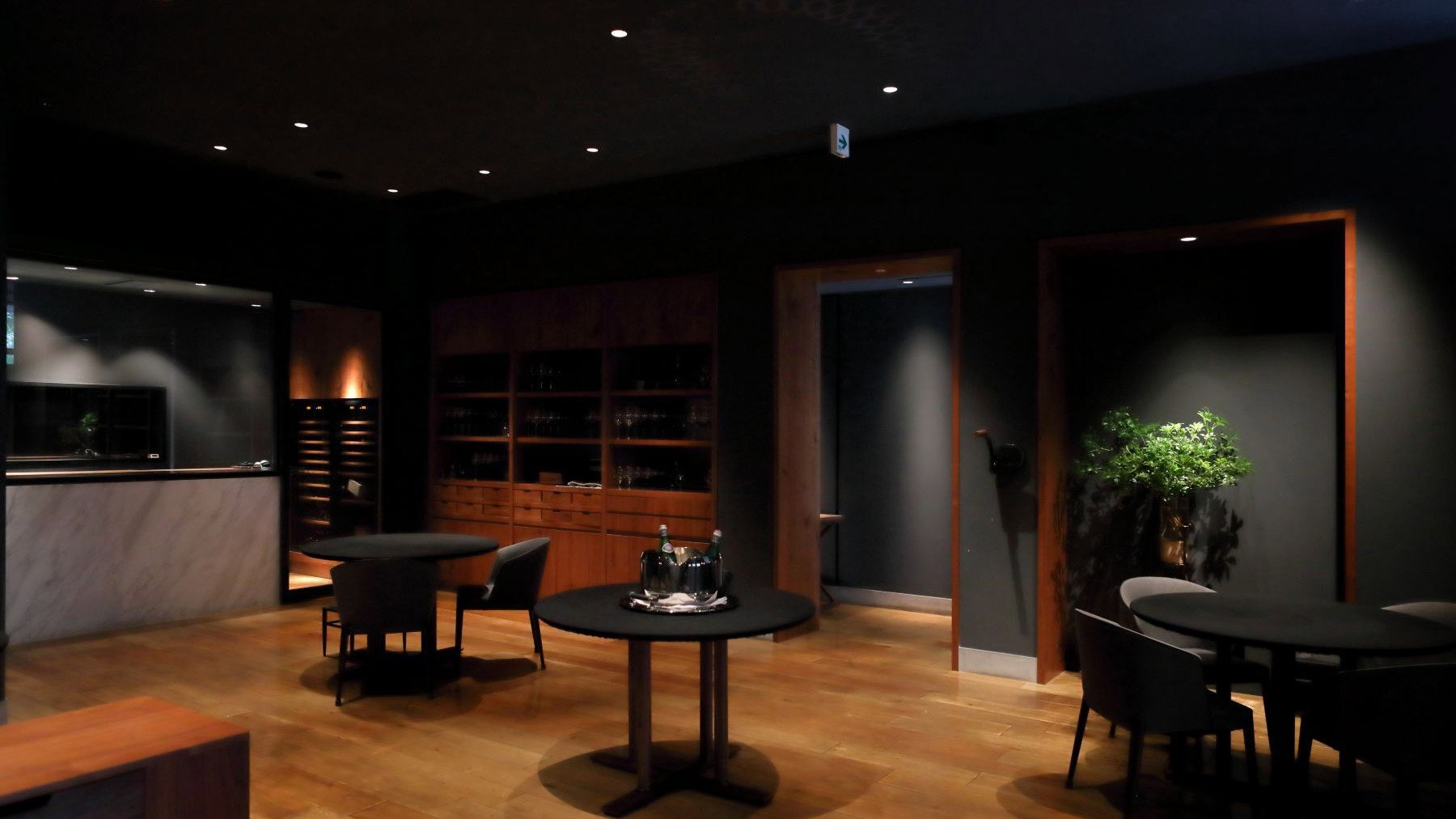
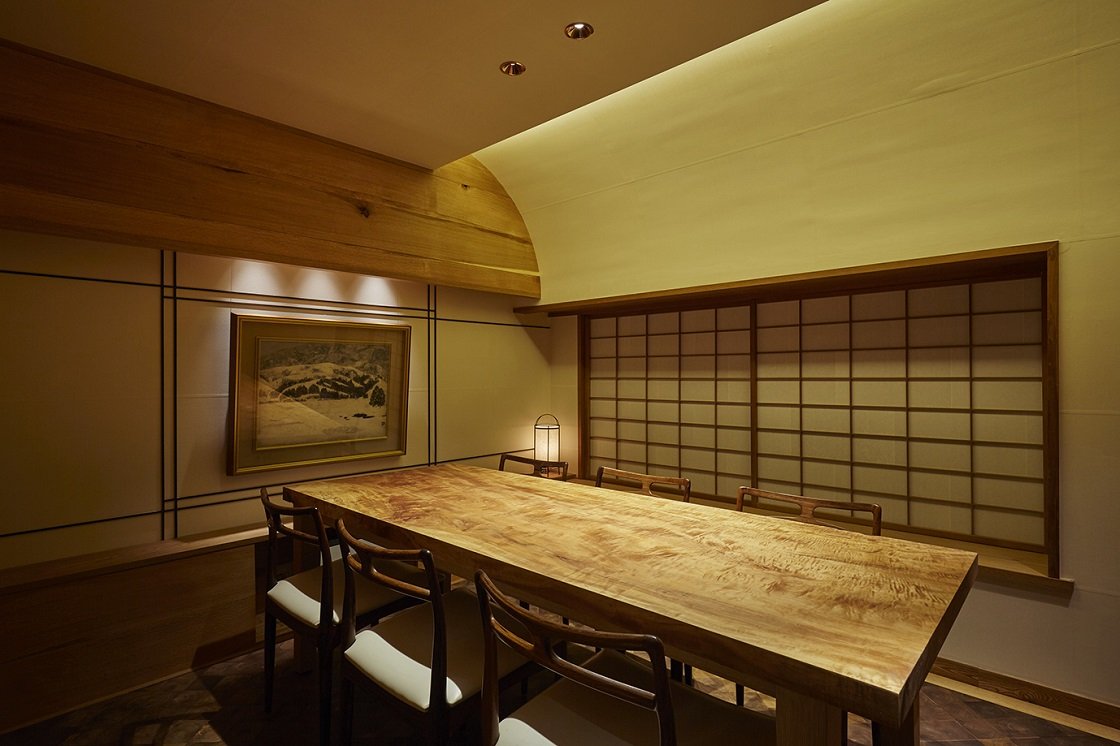
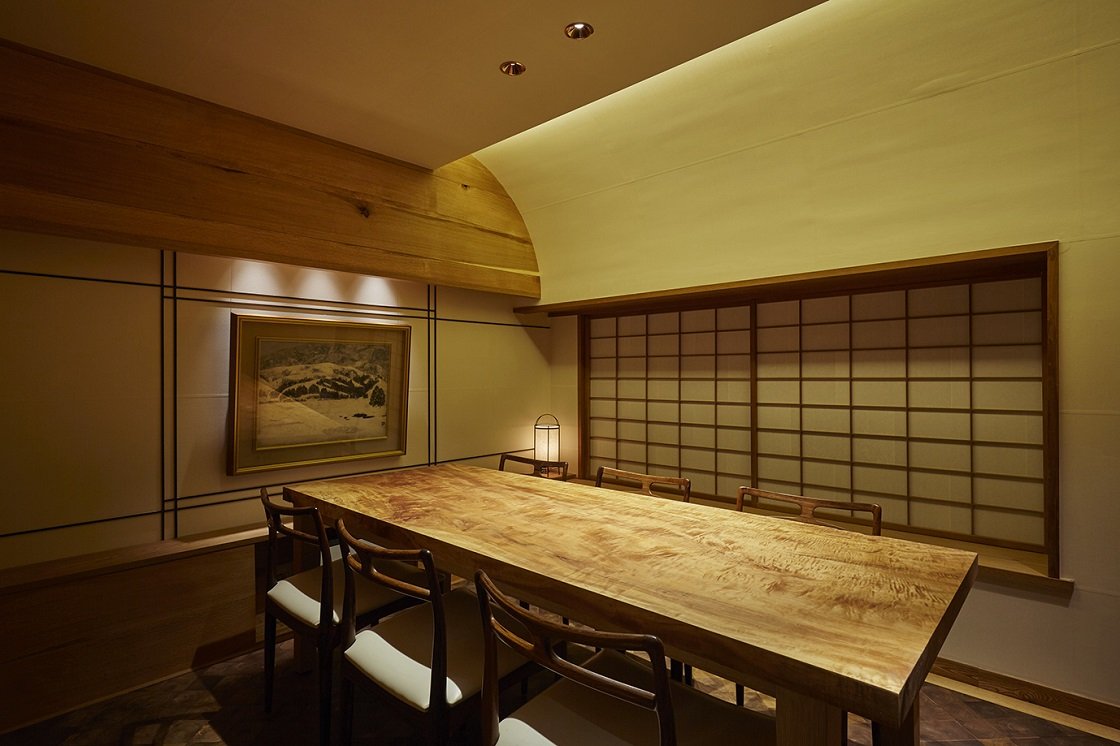
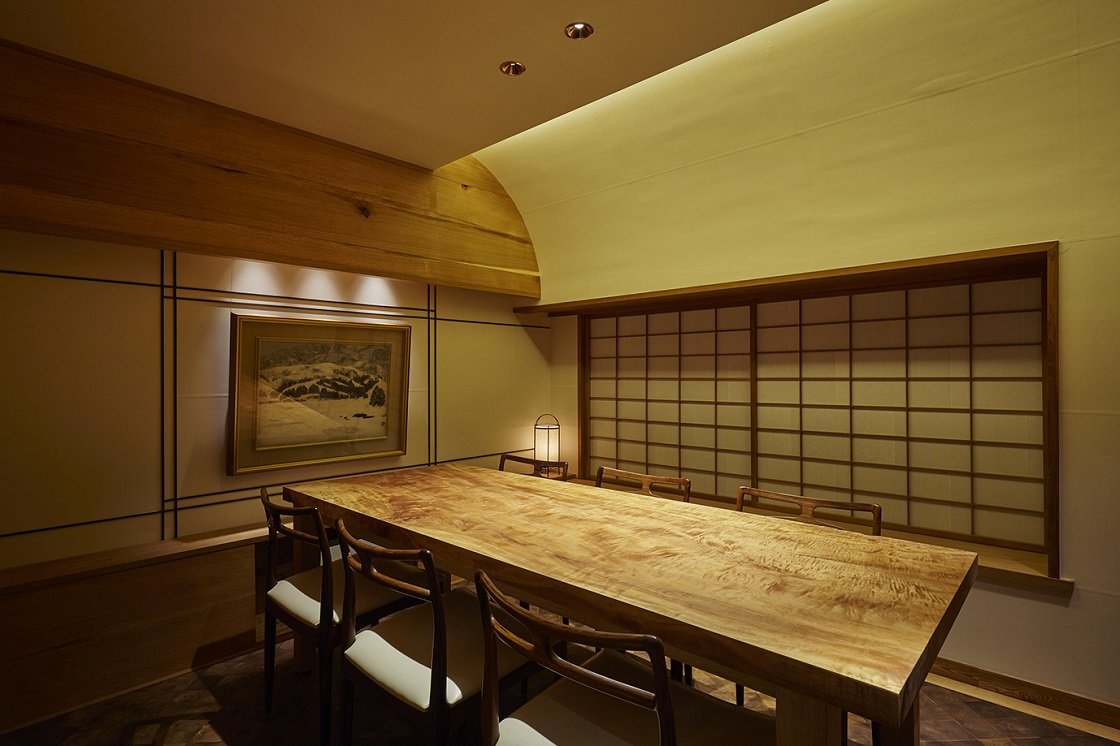
The counter at Sushiroku is hinoki cypress — the traditional material of choice for serious sushi bars in Japan, chosen for its faint natural scent and the warmth it brings to an otherwise spare setting. The interior is described as cosy, which in this context means compact and counter-focused: the room is built around the chef's workspace, not around ambient atmosphere. There are no distractions from the sushi itself. For a special-occasion dinner, that focus works in your favour, the experience is about what is placed in front of you, not the decor around it. Compared to the larger dining rooms at Kashiwaya Osaka Senriyama or Taian, the scale here is deliberately minimal.
The Sushi
The technical detail at Sushiroku is what justifies the ¥¥¥ price point. The chef uses two types of shari, sushi rice, depending on what is being served: rice vinegar with white-fleshed fish, red vinegar with fatty cuts. That level of rice calibration is not standard practice, and it reflects a kitchen that is thinking about harmony between rice and topping rather than applying a single formula across the entire omakase. Soy-marinated tuna is formed and then wrapped in nori in the style of tekkamaki, adding a textural layer and a nod to classical Edomae technique. The foundation is Edomae sushi, but the chef incorporates Kansai sensibility, a distinction that matters in Osaka, where local culinary culture has its own strong identity and diners notice when it is acknowledged. The 2025 Michelin Plate and 2024 Michelin Star confirm this is cooking that the guide has consistently rated as worth a special journey.
Service Philosophy and Whether It Earns the Price
Service model at Sushiroku is built around the chef's silence. He is described explicitly as a man of few words, and the experience is framed around observation rather than explanation. For some diners, that restraint reads as respect, the food speaks, the chef does not narrate. For others, especially first-timers to the omakase format, the absence of verbal context can feel like a missed opportunity to understand what is being served and why it matters. At ¥¥¥, you are paying for craft, not performance. If you want a chef who walks you through the sourcing and technique behind each piece, Sushiroku may not match your expectations. If you want to sit quietly at a counter and let the food carry the evening, it fits precisely.
For comparison, Harutaka in Tokyo operates in a similarly restrained register for Edomae sushi, and the experience at that level typically rewards diners who arrive having eaten lightly and with time to spare. The same applies here. Do not come to Sushiroku hungry for theatre. Come for precision.
Booking and Logistics
Sushiroku holds a Michelin Star, is located in Nishitenma, one of Osaka's most concentrated dining districts, and operates a counter format that limits covers by design. Expect booking difficulty to be high. No phone number or direct booking URL is available in our current data, so the most reliable route is through a concierge service or a dedicated Japan restaurant reservation platform. Leave at least four to six weeks if you are booking around a fixed travel date; for weekend evenings, extend that window further. Walk-in is not a realistic option at this level.
Sushiroku is at 4 Chome-12-22 Nishitenma, Kita Ward, Osaka, centrally located and accessible from major transport hubs in the city. For a broader view of dining in the city, see our full Osaka restaurants guide, and for where to stay nearby, our full Osaka hotels guide. If you are extending your trip, our full Osaka bars guide, our full Osaka wineries guide, and our full Osaka experiences guide cover the rest.
For sushi elsewhere in Osaka, Sushi Harasho, Matsuzushi, Sushi Hoshiyama, Sushi Murakami Jiro, and Sushi Sanshin are all worth comparing at booking stage. Beyond Osaka, Gion Sasaki in Kyoto and akordu in Nara are strong options if you are building a wider Kansai itinerary. For sushi benchmarks further afield, Sushi Shikon in Hong Kong and Shoukouwa in Singapore sit in the same serious register. For regional Japanese dining outside the Kansai area, Goh in Fukuoka, 1000 in Yokohama, and 6 in Okinawa are worth knowing.
Quick reference: Michelin 1 Star (2024), Michelin Plate (2025), ¥¥¥, counter seating, Nishitenma Kita Ward Osaka, booking difficulty: high, no walk-ins.
Planning details
- Location
- 4 Chome-12-22 Nishitenma, Kita Ward, Osaka, 530-0047, Japan
- Website
- sushi-roku.com
- Phone
- +81 6-6367-5040
The take
The Take
The Vibe
Sushiroku presents a restrained, highly focused counter experience built around a pale hinoki cypress rail and a single chef working in near silence. The room favors quiet precision over performance; service is purposeful rather than theatrical, and every motion is about technique and timing. Culinary ideas sit between Edomae rigor and Kansai subtlety, so the mood feels both classical and refined. The result is a serene, sophisticated setting where the material warmth of the timber counter meets an almost meditative attention to rice and fish—an environment that foregrounds the food and the hands that make it.
Best For
This is a dinner destination for diners who prize restraint, classical technique and close attention at the counter. It suits date nights and special occasions when a low‑key, highly polished experience is the point, and it also works well for solo guests who want an up‑close view of the chef’s work. The quiet room and chef‑led focus reward visitors who appreciate subtle seasoning and the dialogue between Edomae and Kansai traditions—expect an evening centered on discreet, deliberate service and carefully considered sushi.
Ordering Tips
Book counter seating if you want the full effect: the room is built around a hinoki cypress counter and the chef works directly in front of guests. Ask about the restaurant’s specialties and prioritize the signature pieces—uni sushi, zuke‑maguro and the persimmon‑leaf sushi are highlighted. Come prepared for a restrained service style and a tasting sequence that emphasizes rice, curing and seasoning; the focus here is on technique and balance rather than theatrical flourish.
Venue details
Ambiance
Cozy hinoki cypress counter in a simple, quiet space offering a private and refined atmosphere.
Tags
Vibe
Best For
Experience
Sourcing
At the Table
- Dress Code
- Smart Casual
- Noise Level
- Quiet
- Service Style
- Omakase Bar
- Meal Pacing
- Leisurely
- Capacity
- Intimate
Signature Dishes
- uni sushi
- zuke-maguro
- persimmon leaf sushi
Know before you go
Know Before You Go
- Getting there
- 4 Chome-12-22 Nishitenma, Kita Ward, Osaka, 530-0047, Japan
Planning details
Location
4 Chome-12-22 Nishitenma, Kita Ward, Osaka, 530-0047, Japan · Directions
Recognition and awards
Also consider
Also Consider
- HAJIME, French, Innovative, ¥¥¥¥
- La Cime, French, ¥¥¥¥
- Kashiwaya Osaka Senriyama, Japanese, ¥¥¥
- Taian, Kaiseki, Japanese, ¥¥¥
- Fujiya 1935, Innovative, ¥¥¥¥
Restaurant context
Within Osaka's serious dining tier, Sushiroku sits at ¥¥¥ alongside Kashiwaya Osaka Senriyama and Taian, making it one of three strong options at this price point. The difference is format: Sushiroku is a sushi counter built around Edomae precision, while Kashiwaya and Taian offer kaiseki progression with more variety across a meal. If sushi technique is the specific draw, Sushiroku is the call. If you want a broader Japanese dining experience with more courses and a warmer service register, Kashiwaya or Taian will feel more accommodating, particularly for guests who are new to Japanese fine dining.
The ¥¥¥¥ tier in Osaka, HAJIME, La Cime, and Fujiya 1935, represents a meaningfully different proposition: French-influenced and innovative cooking at higher spend per head. If the occasion demands a showpiece meal with more theatrical range, HAJIME or Fujiya 1935 justify the premium. But for a diner whose priority is specifically the quality of the sushi and the integrity of the Edomae format, Sushiroku at ¥¥¥ delivers at Michelin Star level without requiring the budget of the tier above.
On booking difficulty, all five comparison venues are competitive. Sushiroku's counter format limits covers more sharply than table-service restaurants, so plan further ahead for Sushiroku than you might for La Cime or Taian. For value relative to quality, Sushiroku is among the strongest options in Osaka at its price tier, a Michelin Star at ¥¥¥ is the practical case for booking it over a ¥¥¥¥ alternative if your focus is specifically sushi.
Explore Osaka
Around this place
Discover more on Pearl
Unlock the full Sushiroku guide in Pearl, including awards, comparisons, FAQs, planning details, and nearby places.
Compare Sushiroku
| Venue | Awards | Price |
|---|---|---|
| Sushiroku | Michelin Guide Kyoto Osaka 20262026 Michelin Plate2025 Michelin Plate2024 Michelin 1 Star | ¥¥¥ |
| HAJIME | Star Wine Lists 2026 · #12026 Tabelog Bronze · #922026 OAD Top Restaurants in Japan Ranked · #98Michelin Guide Kyoto Osaka 20262026 La Liste Top RestaurantsTabelog 100 - Innovative / Creative cuisine - 2025 · #692025 Asia's 50 Best Restaurants · #832025 OAD Top Restaurants in Japan Ranked · #87We're Smart World Top Restaurants 2025 | ¥¥¥¥ |
| La Cime | 2026 Asia's 50 Best Restaurants · #132026 OAD Top Restaurants in Japan Ranked · #1492026 Tabelog Bronze · #231Michelin Guide Kyoto Osaka 20262026 La Liste Top Restaurants2025 Asia's 50 Best Restaurants · #82025 World's 50 Best Restaurants · #44Tabelog 100 - French - WEST - 2025 · #932025 OAD Top Restaurants in Japan Ranked · #123 | ¥¥¥¥ |
| Kashiwaya Osaka Senriyama | 2026 Tabelog Bronze · #1682026 OAD Top Restaurants in Japan Recommended2026 Relais Chateaux RestaurantsMichelin Guide Kyoto Osaka 20262026 La Liste Top RestaurantsTabelog 100 - Japanese cuisine - WEST - 2025 · #772025 OAD Top Restaurants in Japan Ranked · #1552025 Relais Chateaux Award2025 Michelin 3 Stars | ¥¥¥ |
| Taian | 2026 OAD Top Restaurants in Japan RecommendedMichelin Guide Kyoto Osaka 20262026 La Liste Top Restaurants2025 OAD Top Restaurants in Japan Ranked · #2042025 La Liste Top Restaurants2025 Michelin 3 Stars2024 OAD Top Restaurants in Japan Ranked · #1912024 Michelin 3 Stars2023 OAD Top Restaurants in Japan Highly Recommended | ¥¥¥ |
| Fujiya 1935 | 2026 Tabelog Bronze · #752026 OAD Top Restaurants in Japan RecommendedMichelin Guide Kyoto Osaka 20262026 La Liste Top Restaurants2025 Michelin 2 Stars2025 Tabelog Silver2025 La Liste Top Restaurants2024 OAD Top Restaurants in Japan Ranked · #2392024 Michelin 2 Stars | ¥¥¥¥ |

.png?width=1200&quality=80)









A quick look at how Sushiroku measures up.
FAQ
Frequently Asked Questions
How far ahead should I book Sushiroku?
Book at least four to six weeks in advance. Sushiroku holds a Michelin Star and operates a small counter format in Nishitenma, one of Osaka's most competitive dining districts — seats go fast. If you are travelling from abroad, lock this in before you book flights.
Can Sushiroku accommodate groups?
Counter-format sushi bars in Japan typically seat between eight and twelve guests, which means groups larger than four will likely be split or face scheduling constraints. Sushiroku's intimate room is built for pairs or small groups of three to four — it is not a practical choice for a party of six or more.
What should I order at Sushiroku?
Sushiroku serves omakase — the chef decides the progression, so there is no à la carte menu to select from. The kitchen's documented approach includes dual shari technique (rice vinegar for white-fleshed fish, red vinegar for fatty cuts) and soy-marinaded tuna wrapped in nori as tekkamaki. Let the chef lead; that is the format.
Can I eat at the bar at Sushiroku?
The counter is the restaurant. Sushiroku is a counter-only venue built around a hinoki cypress bar, so every seat puts you directly in front of the chef. There is no separate dining room or table seating.
What should a first-timer know about Sushiroku?
The chef is described as a man of few words — the experience is quiet and chef-led, not conversational. It follows Edomae sushi principles with deliberate nods to Kansai culture, so expect technique-forward pacing rather than theatrical presentation. At ¥¥¥, this is a commitment; go in knowing the format suits you before booking.
What should I wear to Sushiroku?
The venue data does not specify a dress code, but a Michelin-starred counter in Nishitenma at ¥¥¥ pricing warrants neat, understated clothing. Avoid strong perfume or cologne — it conflicts with the subtle scent of hinoki cypress and the delicate flavours of the sushi.