.png?width=1200&quality=80)
Sushidokoro SHIN
Sushi · Kita, Osaka
Restaurant in Osaka, Japan
 Book with Pearl
The Read
Dual-Vinegar Shari Precision
Price
$150–200per person
Dress
Smart Casual
Why go
A Michelin Selected sushi counter in Osaka's Kita Ward, Sushidokoro SHIN earns its ¥¥¥ price tier through technique-first nigiri: the chef selects between red and white vinegared rice piece by piece, and applies resting and marinating methods drawn from an Edo-mae tradition. Booking is straightforward relative to the city's starred houses, making it a practical choice for a special occasion counter dinner without the scramble.
About Sushidokoro SHIN
Book Sushidokoro SHIN If Technique Is What You're After
At the ¥¥¥ price tier, Sushidokoro SHIN in Osaka's Kita Ward earns its place as a considered choice for anyone who wants serious nigiri without paying the premium of a multi-starred house. A Michelin Plate recognition in 2024 tells you this is a kitchen that meets the standard — not a destination showpiece, but a practitioner-led counter where the craft is the point. If you are planning a special occasion dinner or a solo counter meal built around genuine sushi technique, this is worth booking. If you want Osaka's most theatrical high-end experience, look elsewhere.
What Makes This Counter Worth Your Time
The chef behind SHIN grew up in a fishing family and has carried that proximity to raw material into a distinctive technical approach. The most telling detail is the rice decision: rather than defaulting to a single vinegar style for every piece, the chef selects between red-vinegared and white-vinegared sushi rice depending on the character of each fish. Red vinegar carries more depth and a slightly darker colour, pairing naturally with fattier, richer cuts; white vinegar is cleaner and brighter, better suited to delicate white fish. Making that call piece by piece is not a minor detail — it reflects the kind of fish-first thinking that separates a technically serious sushi counter from one that simply has good sourcing.
The format at SHIN interweaves nigiri with side dishes rather than running straight through a nigiri sequence. That structure serves two purposes. It prevents palate fatigue, which matters across a long omakase sitting, and it builds a rhythm of anticipation between pieces. For a special occasion dinner, that pacing is worth considering: it makes the meal feel composed rather than mechanical. For a solo diner at the counter, it also gives the meal a narrative shape that straight nigiri sequences sometimes lack.
Resting and marinating techniques applied to the nigiri pieces are the other defining characteristic. Resting fish before service affects both texture and temperature; marinating is an older Edo-mae practice that concentrates flavour and extends the window of optimal condition for certain fish. That these techniques are central to the kitchen's identity, rather than occasional flourishes, suggests a chef who is working within a considered framework rather than improvising for effect.
Practical Details
SHIN is located in Tenjinbashi, Kita Ward, one of Osaka's more accessible northern neighbourhoods, and a reasonable choice for guests staying in or around Umeda. The address is 7-Chome-12-14 Tenjinbashi, within the Gracey Tenjinbashi building. Booking is rated easy relative to Osaka's more competitive counters, so you are not facing the weeks-long scramble required at the city's Michelin-starred heavyweights. That said, the counter format means capacity is limited, and booking ahead is still advisable rather than turning up and hoping. Phone and website details are not listed in our current database; your leading route is through a reservation platform or a concierge who can confirm current booking channels.
Hours are not confirmed in our records, so verify before planning an evening around it. Dress code information is also not available, but for a Michelin Plate sushi counter in Japan, smart casual is a safe baseline. Arrive on time: counter dining at this level tends to move on a set schedule, and late arrivals disrupt the kitchen's rhythm as much as other guests' experience.
Who Should Book This
SHIN is a good fit for the solo diner who wants a technically serious sushi counter without the formality or price of a starred house. It works well for a date or small-group special occasion dinner where quality of execution matters more than spectacle. It is not the right call if you are specifically looking for Osaka's most celebrated address or a room with design ambition, for that, the comparison venues below will orient you. For sushi specifically, Osaka has strong options at various levels; if you are comparing within the nigiri tradition, Sushi Harasho, Matsuzushi, Sushi Hoshiyama, Sushi Murakami Jiro, and Sushi Sanshin are all worth assessing before you commit.
Beyond Osaka, if you are moving through the Kansai region, Gion Sasaki in Kyoto and akordu in Nara are worth planning around. For sushi at a similar level in other parts of Japan, Harutaka in Tokyo is a useful benchmark for what serious nigiri technique looks like at the top of the category. Internationally, Sushi Shikon in Hong Kong and Shoukouwa in Singapore both demonstrate how Edo-mae sushi has translated outside Japan. For a fuller picture of what Osaka offers, our Osaka restaurants guide, hotels guide, bars guide, wineries guide, and experiences guide cover the broader picture. You might also consider Goh in Fukuoka, 1000 in Yokohama, or 6 in Okinawa if your Japan itinerary extends further.
Ratings at a Glance
- Michelin: Plate (2024)
- Price tier: ¥¥¥
- Booking difficulty: Easy
Planning details
- Location
- Japan, 〒531-0041 Osaka, Kita Ward, Tenjinbashi, 7 Chome−12−14 グレーシィ天神橋
- Reservations
- Book on TableCheck
- Website
- sushidokoro-shin.com
- Phone
- +81 6-6352-1139
The take
The Take
The Vibe
Sushidokoro SHIN reads like an intimate, quietly elegant counter tucked into Tenjinbashi’s everyday shopping arcades. It feels like a hidden gem within a neighbourhood better known for kushikatsu and izakaya, but the kitchen’s exacting approach and a Michelin Plate recognition give the room an unmistakably sophisticated air. The experience prioritizes technical rigor over theatrical excess: a focused counter where the chef’s philosophy and rice technique shape each piece, and the atmosphere leans toward concentrated attention rather than noisy conviviality.
Best For
This is a counter for diners who want a carefully constructed omakase without the full-star scale or price. It suits date nights and small special occasions where the goal is to experience thoughtful technique and seasonal sourcing rather than a bustling izakaya outing. Because the venue sits in the ¥¥¥ tier and carries Michelin Plate recognition, it’s a fitting choice for celebrations that reward culinary discipline and for guests who value the subtleties of shari and ingredient calibration.
Ordering Tips
Opt for the omakase progression to appreciate what sets SHIN apart: the kitchen alternates shari styles and builds a menu architecture designed to unfold gradually. Pay attention to the rice and the way pairs are chosen — the chef balances two vinegar approaches depending on each fish — and consider sake pairings where offered to match the delicate shifts in acidity and texture. Calibrate expectations to the ¥¥¥ price band: this is technical, carefully paced sushi rather than casual quick bites.
Venue details
Ambiance
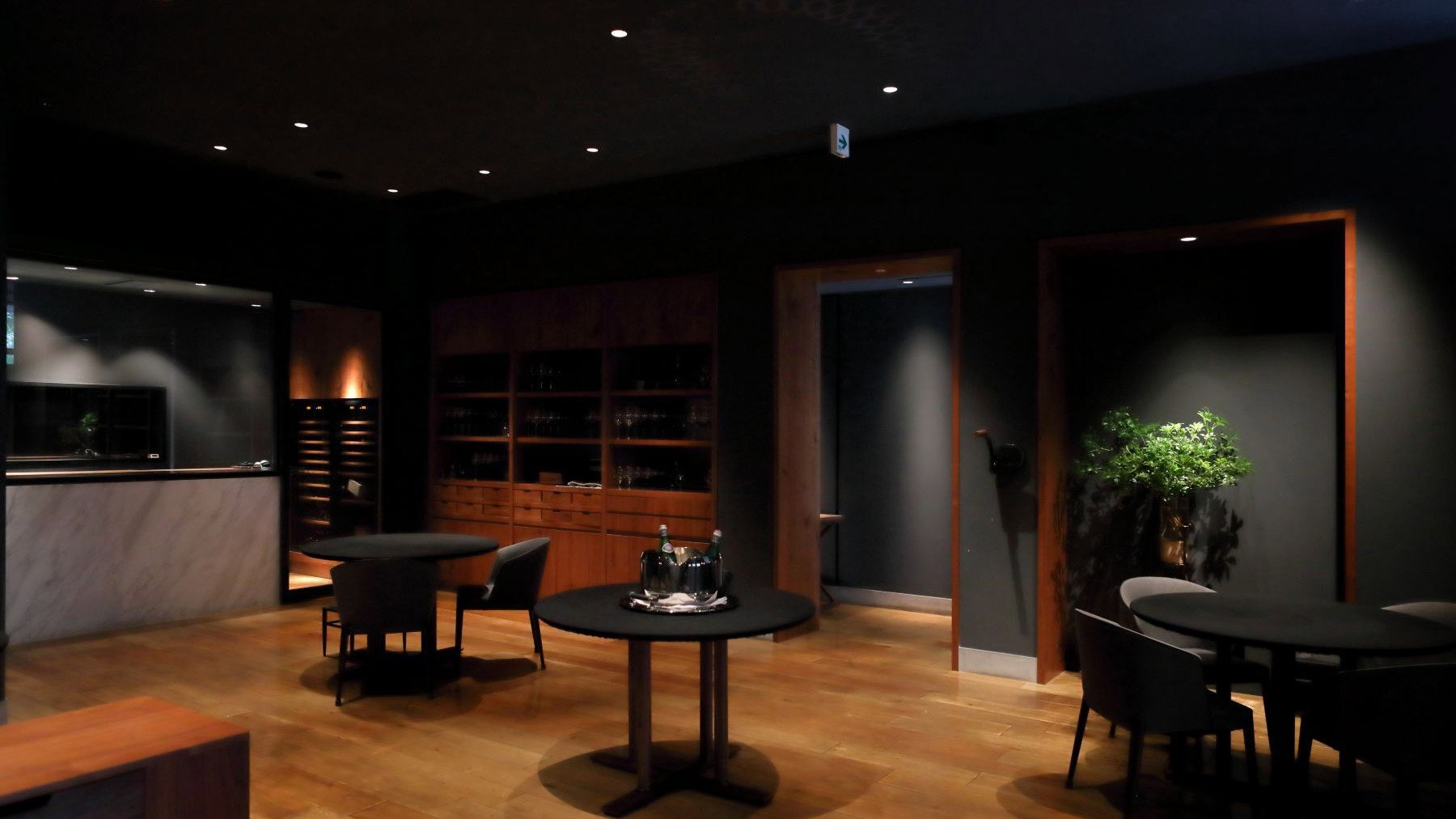
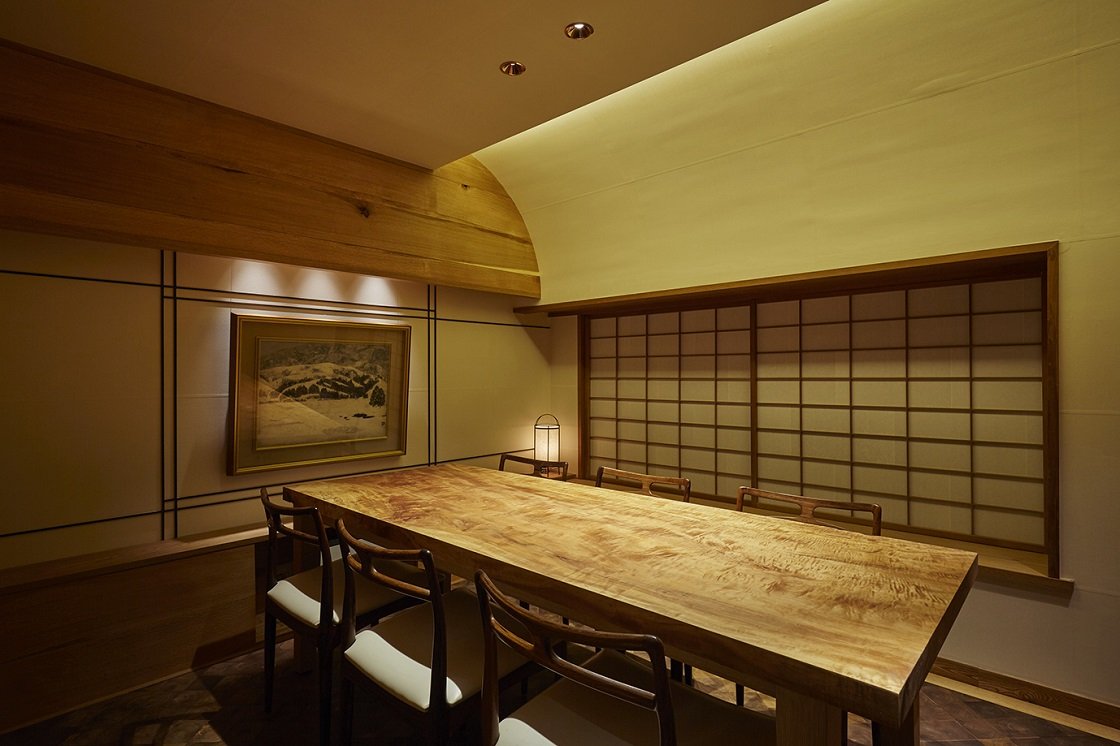
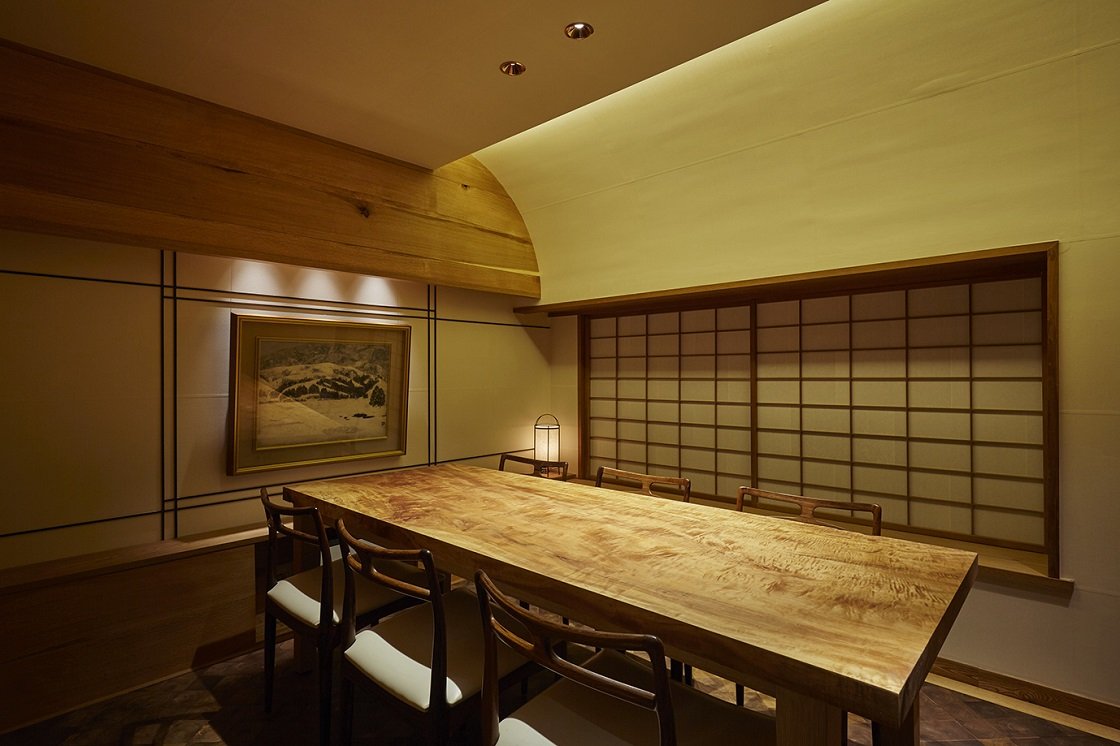
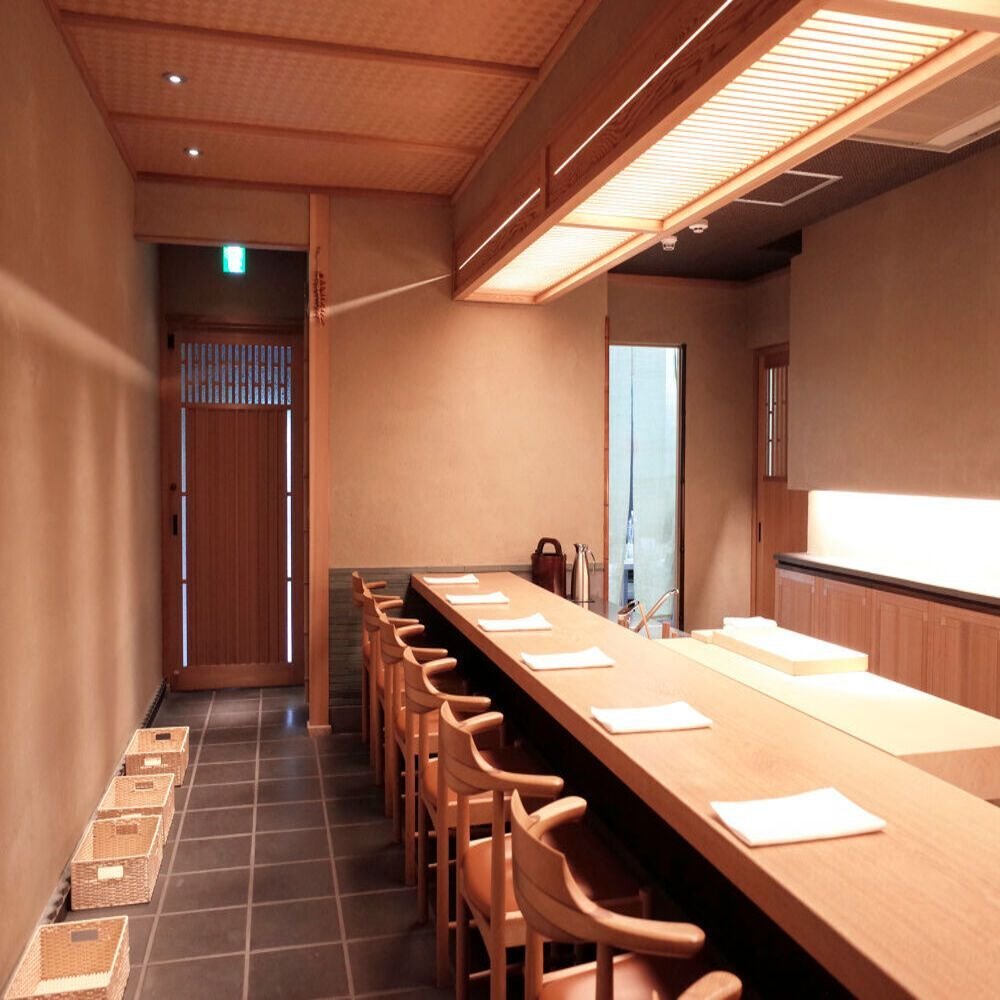
Cozy, relaxing hideaway with counter seating only, creating an intimate atmosphere where guests sit close to the chef; minimalist and unpretentious despite high-end quality.
Tags
Vibe
Best For
Experience
Sourcing
At the Table
- Dress Code
- Smart Casual
- Noise Level
- Conversational
- Service Style
- Omakase Bar
- Meal Pacing
- Extended Experience
- Capacity
- Intimate
- Kitchen
- Traditional
- Menu Format
- Omakase, Counter dining, Set menu
- Wine Program
- Curated
- Drinks Focus
- Sake
- Dietary
- Allergy accommodating
- Private Dining
- Available
Signature Dishes
- Nigirizushi with resting and marinating techniques
- Sashimi appetizers
- Sake pairings
Know before you go
Know Before You Go
- Getting there
- Japan, 〒531-0041 Osaka, Kita Ward, Tenjinbashi, 7 Chome−12−14 グレーシィ天神橋
Planning details
Location
Japan, 〒531-0041 Osaka, Kita Ward, Tenjinbashi, 7 Chome−12−14 グレーシィ天神橋 · Directions
Recognition and awards
Also consider
Also Consider
- HAJIME, French, Innovative, ¥¥¥¥
- La Cime, French, ¥¥¥¥
- Kashiwaya Osaka Senriyama, Japanese, ¥¥¥
- Taian, Kaiseki, Japanese, ¥¥¥
- Fujiya 1935, Innovative, ¥¥¥¥
Restaurant context
Within Osaka's broader dining scene, SHIN occupies a specific lane: technically serious sushi at the ¥¥¥ tier, with easier booking than the city's starred counters and a craft focus that rewards diners who care about what is happening with the rice as much as the fish. If your priority is sushi specifically, it is a stronger choice than spending up to ¥¥¥¥ for a format that isn't meaningfully different. For diners who want Japanese cuisine but are open to kaiseki, Taian and Kashiwaya Osaka Senriyama both operate at ¥¥¥ and offer more elaborate multicourse structures with a broader palette of techniques and ingredients. If the meal format matters as much as the cuisine type, those two are worth comparing directly before committing.
At the ¥¥¥¥ end of Osaka's market, HAJIME, La Cime, and Fujiya 1935 all operate in French-influenced or innovative territory and are significantly more expensive. They deliver a different kind of experience, grander rooms, more theatrical service, and a cooking approach that has more in common with European fine dining than with a traditional sushi counter. If you are looking for Osaka's most celebrated address or a room with serious design ambition, those venues justify the price step. If you want rigorous sushi at a manageable price with an easy booking window, SHIN is the more practical call.
The honest comparison within the sushi category comes down to this: SHIN is the right choice if you want a technically focused counter experience without paying starred-house prices or competing for a table weeks in advance. Diners who want the highest-ceiling sushi experience in the region, or who are building a trip around a single marquee reservation, should look at what the Michelin-starred counters in Osaka and Kyoto are offering. For everyone else, solo travellers, couples on a special occasion, or visitors who want serious sushi without the booking difficulty, SHIN earns its place at the ¥¥¥ tier.
Explore Osaka
Around this place
Discover more on Pearl
Unlock the full Sushidokoro SHIN guide in Pearl, including awards, comparisons, FAQs, planning details, and nearby places.
Compare Sushidokoro SHIN
| Venue | Awards | Price |
|---|---|---|
| Sushidokoro SHIN | 2026 Michelin PlateMichelin Guide Kyoto Osaka 20262025 Michelin Plate2024 Michelin Plate | ¥¥¥ |
| HAJIME | Star Wine Lists 2026 · #12026 Tabelog Bronze · #922026 OAD Top Restaurants in Japan Ranked · #98Michelin Guide Kyoto Osaka 20262026 La Liste Top RestaurantsTabelog 100 - Innovative / Creative cuisine - 2025 · #692025 Asia's 50 Best Restaurants · #832025 OAD Top Restaurants in Japan Ranked · #87We're Smart World Top Restaurants 2025 | ¥¥¥¥ |
| La Cime | 2026 Asia's 50 Best Restaurants · #132026 OAD Top Restaurants in Japan Ranked · #1492026 Tabelog Bronze · #231Michelin Guide Kyoto Osaka 20262026 La Liste Top Restaurants2025 Asia's 50 Best Restaurants · #82025 World's 50 Best Restaurants · #44Tabelog 100 - French - WEST - 2025 · #932025 OAD Top Restaurants in Japan Ranked · #123 | ¥¥¥¥ |
| Kashiwaya Osaka Senriyama | 2026 Tabelog Bronze · #1682026 OAD Top Restaurants in Japan Recommended2026 Relais Chateaux RestaurantsMichelin Guide Kyoto Osaka 20262026 La Liste Top RestaurantsTabelog 100 - Japanese cuisine - WEST - 2025 · #772025 OAD Top Restaurants in Japan Ranked · #1552025 Relais Chateaux Award2025 Michelin 3 Stars | ¥¥¥ |
| Taian | 2026 OAD Top Restaurants in Japan RecommendedMichelin Guide Kyoto Osaka 20262026 La Liste Top Restaurants2025 OAD Top Restaurants in Japan Ranked · #2042025 La Liste Top Restaurants2025 Michelin 3 Stars2024 OAD Top Restaurants in Japan Ranked · #1912024 Michelin 3 Stars2023 OAD Top Restaurants in Japan Highly Recommended | ¥¥¥ |
| Fujiya 1935 | 2026 Tabelog Bronze · #752026 OAD Top Restaurants in Japan RecommendedMichelin Guide Kyoto Osaka 20262026 La Liste Top Restaurants2025 Michelin 2 Stars2025 Tabelog Silver2025 La Liste Top Restaurants2024 OAD Top Restaurants in Japan Ranked · #2392024 Michelin 2 Stars | ¥¥¥¥ |










Side-by-side comparison to help you decide where to book.
FAQ
Frequently Asked Questions
Is Sushidokoro SHIN good for solo dining?
Yes — SHIN is one of the more practical solo dining options at the ¥¥¥ tier in Osaka. A counter-format sushi bar suits a single diner well, and the omakase structure means you don't need a group to get the full experience. If solo omakase in Osaka is your goal, SHIN is a sensible first call before moving up to a starred house.
How far ahead should I book Sushidokoro SHIN?
Booking at least two to three weeks out is a reasonable baseline for a Michelin Plate counter in Osaka. SHIN's Tenjinbashi location isn't in the tourist centre, which may ease demand slightly compared to Namba or Shinsaibashi sushi spots, but the counter size at venues like this is typically small. Don't leave it to the week before, especially on weekends.
What should I order at Sushidokoro SHIN?
SHIN runs an omakase format, so ordering is handled for you. The chef structures the menu to alternate side dishes with nigiri, and selects either red-vinegared or white-vinegared rice depending on the fish — that's a deliberate technical choice, not a default. Trust the progression rather than requesting substitutions.
Is the tasting menu worth it at Sushidokoro SHIN?
At ¥¥¥, SHIN sits below Osaka's top-tier starred omakase houses, which makes the technical rigour here — resting and marinating techniques, vinegar selection by fish type — a strong value proposition. If you want to assess serious nigiri craft without paying Michelin-starred prices, the omakase format here makes a clear case for itself.
Is Sushidokoro SHIN worth the price?
At ¥¥¥, yes — particularly relative to what comparable technique costs at a one-star Osaka sushi counter. The 2024 Michelin Plate recognition positions SHIN as a house the guide considers quality-consistent, and the chef's vinegar and marination methodology is more considered than most counters at this price point. It won't match the theatre of a starred house, but value per piece of nigiri is solid.
Is Sushidokoro SHIN good for a special occasion?
It works for a low-key celebration between two people who care about technique over atmosphere. SHIN is not the choice if you want the full formal occasion experience — that points toward a Michelin-starred counter. For a meaningful dinner that won't carry a one-star price tag, it's a reasonable call, particularly for guests who want the food to do the talking.
What are alternatives to Sushidokoro SHIN in Osaka?
For higher-end sushi with full Michelin recognition in the Osaka region, Kashiwaya Osaka Senriyama is the most direct step up in prestige. If you're open to broader Japanese fine dining rather than strictly sushi, La Cime and Fujiya 1935 operate at higher price tiers with stronger award credentials. Taian is worth considering if kaiseki format suits your group.