

Sushi Yuden
Sushi · Tennōji, Osaka
Restaurant in Osaka, Japan
 Book with Pearl
The Read
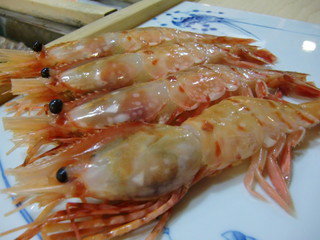
Kuromon-Sourced Edo Precision
Price
$200–300per person
Dress
Smart Casual
Why go
A MICHELIN Guide sushi counter in Tennoji Ward, Osaka, Sushi Yuden offers omakase dining built around daily sourcing from Kuromon Market. At ¥¥¥ pricing, it sits below Osaka's most expensive fine-dining tier while delivering Michelin-recognised precision. Booking is hard, plan four to six weeks ahead, but the counter format rewards repeat visits across different seasons.
About Sushi Yuden
Is Sushi Yuden worth booking on your next visit to Osaka?
Yes: and if you have already been once, it is worth planning a return. Sushi Yuden holds a Michelin Star (awarded 2024) and a Michelin Plate (2025), which places it among the more credible sushi counters in Tennoji Ward. At ¥¥¥ pricing, it occupies a position that is more accessible than Osaka's ¥¥¥¥ fine-dining circuit while delivering Michelin-recognised precision. If you are deciding between a first visit and a second, the answer below should help you think through both.
The Counter, the Room, and What to Expect Spatially
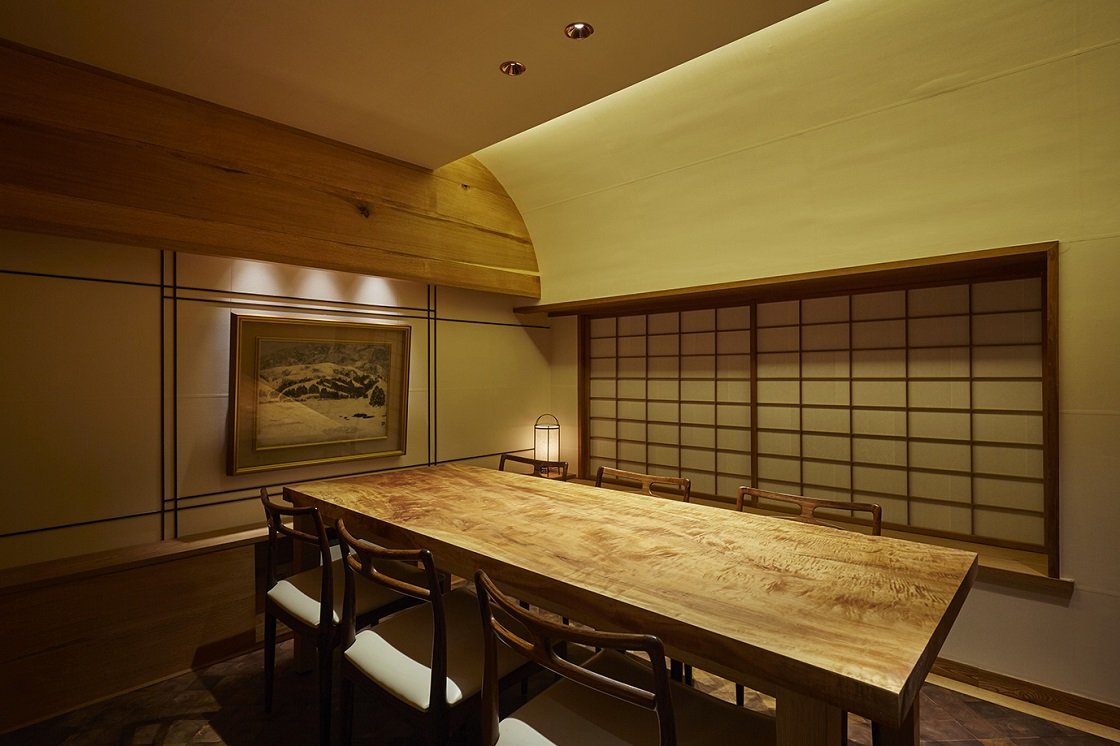
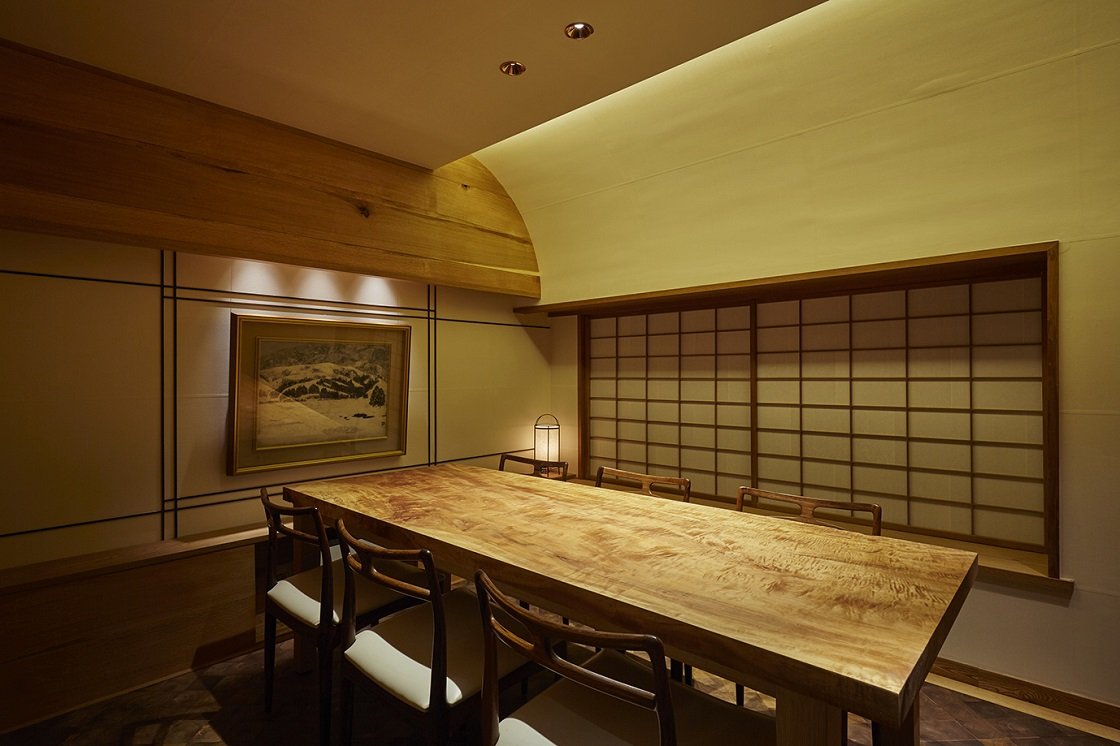
Sushi Yuden operates from a ground-floor space in Kitaoka Building in Ueshio, Tennoji Ward. The defining feature of the room is the traditional sushi counter, which positions chef Yuya Nishimura directly in the guest's line of sight throughout the meal. This is not incidental: it is the format the restaurant is built around. Counter dining at this level is deliberately intimate: you watch the sourcing logic play out in real time as the chef works, which makes the experience read differently from a kaiseki room or a modern tasting-menu restaurant where the kitchen is hidden. If you are coming from a background in omakase dining, this spatial dynamic will feel familiar. If you are newer to the format, expect a focused, quiet room rather than a convivial dining hall. The counter configuration also means capacity is limited, which directly affects booking difficulty, more on that below.
What to Prioritise Across Visits
The editorial angle here is deliberate: Sushi Yuden is the kind of counter that rewards return visits rather than a single, check-the-box booking. On a first visit, the priority is understanding Nishimura's sourcing approach. His supply comes from Kuromon Market, Osaka's central ingredient market, and the selection reflects what Osaka food culture values above other considerations: freshness over theatrics. On a first visit, let the omakase sequence run without interrupting it with requests, you will learn more about the kitchen's logic that way.
On a second visit, you are better positioned to engage with the seasonal rhythm. Sushi at this level changes with the catch, and Kuromon Market's supply shifts meaningfully across the calendar year. Winter brings different pressures on the menu than late spring or autumn. A second visit at a different time of year will not feel redundant, it will feel like a different read of the same philosophy. If you visited in summer, book a return in late autumn or winter. The contrast is worth it.
A third visit, for those who commit to it, is when the counter format starts to reward familiarity in the way it is designed to. Nishimura's stated philosophy, carrying on traditions and techniques with a style that is his own, becomes more legible when you have seen how he applies it across different seasonal contexts. This is the stage where you move from observing the counter to genuinely reading it.
Timing Your Visit
For optimal timing, avoid peak weekend evenings if booking flexibility is your priority. The counter's limited capacity means that prime slots, particularly Friday and Saturday evenings, are the first to go. If you can book a weekday evening, you are more likely to secure your preferred seat position at the counter. Lunch, where available, is also worth considering for a first visit, the room reads differently in daylight, and the pace is often slightly less compressed than dinner service. Tennoji Ward in Osaka sits in a part of the city that is busy year-round, so there is no off-season as such, but avoiding national holiday periods will give you more booking room.
Booking Sushi Yuden
Booking is hard. This is a small counter with Michelin recognition, and demand consistently outpaces availability. Visitors to Osaka who are also planning meals at counters like Sushi Harasho, Matsuzushi, or Sushi Hoshiyama should sequence their bookings together, since availability windows at this tier tend to move in parallel. For broader Osaka dining planning, Pearl's full Osaka restaurants guide covers the category in detail.
Ratings at a Glance
- Michelin Star: 2024
- Michelin Plate: 2025
- Price tier: ¥¥¥
- Booking difficulty: Hard
How It Compares
Practical Details
Sushi Yuden is located at 3 Chome-8-25 Ueshio, Tennoji Ward, Osaka, on the ground floor of Kitaoka Building. It sits within reach of Tennoji Station, which connects to central Osaka via multiple lines. If you are pairing your Osaka visit with time in the wider Kansai region, note that Gion Sasaki in Kyoto and akordu in Nara are both bookable on the same trip. For those extending the journey further, Harutaka in Tokyo and Goh in Fukuoka represent different ends of the Japan dining spectrum worth comparing against. If sushi is your primary format across Asia, Sushi Shikon in Hong Kong and Shoukouwa in Singapore offer useful reference points for what Michelin-level sushi looks like outside Japan. Pearl's Osaka hotels guide, bars guide, and experiences guide are worth consulting alongside this if you are building a full itinerary.
Pearl Picks: Other Sushi Counters in Osaka Worth Knowing
Planning details
- Hours
- Monday: Closed · Tuesday: 5:30–11 PM
- Location
- Japan, 〒543-0002 Osaka, Tennoji Ward, Ueshio, 3 Chome−8−25 北岡ビル 1階
- Website
- sushi-yuuden.net
- Phone
- +81 90-3475-8883
The take
The Take
The Vibe
Sushi Yuden presents a quietly authoritative interpretation of Osaka’s sushi tradition where the counter is the room. The restaurant foregrounds ritual and craft: rice is seasoned and fish is cut in full view, turning service into a focused performance. The place reads as a classic, neighbourhood sushi bar elevated by precise technique and Michelin attention, a low-key find in a part of the city that flies under tourist radar. The experience feels measured and intimate, inviting diners to watch the chef’s work and to let the sourcing and seasonality dictate the rhythm of the meal.
Best For
This is a venue for diners who want to be close to the action: couples and small parties seeking a focused, chef-led experience and solo guests who benefit from counter seating. The emphasis on market-driven sequencing and fresh ingredients makes it especially suited to special meals where trust in the cook matters: milestone dinners, quiet celebrations and those who prize direct contact with the chef. Because the format revolves around the counter and a progression, it is not aimed at large groups or casual, spread-out dining.
Ordering Tips
Treat the meal as a guided sequence: the kitchen selects and presents courses based on that morning’s market picks rather than a printed à la carte list. Sit at the counter to see how fish is handled and to engage with the chef: this proximity is central to the experience. Trust the chef’s choices and expect a progression that prioritises freshness and seasonality; ask concise questions if you have preferences or allergies but otherwise let the cook set the rhythm of the meal.
Venue details
Ambiance
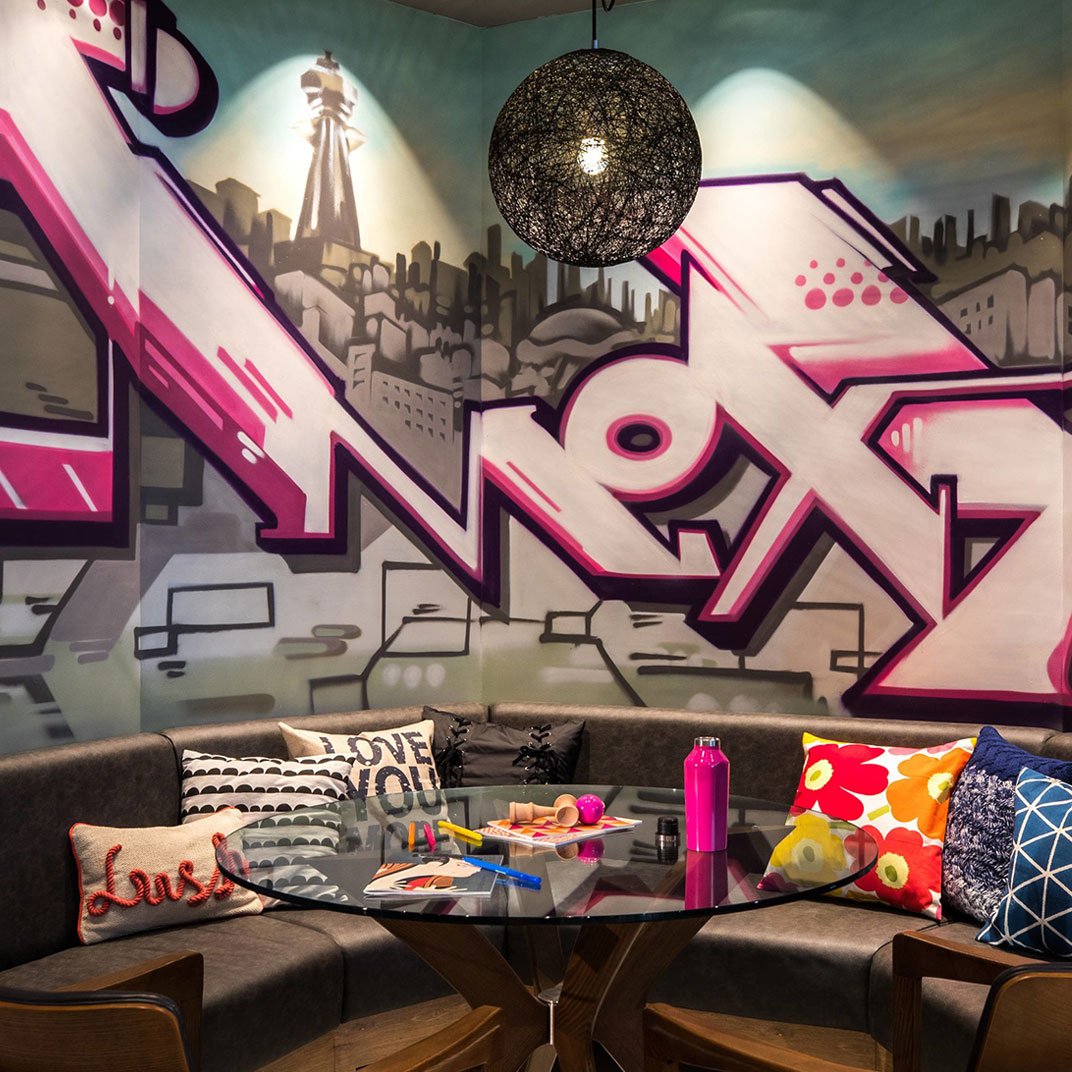
Warm and tranquil atmosphere with a counter from 160-year-old cypress wood, creating an intimate omakase setting.
Tags
Vibe
Best For
Experience
Sourcing
At the Table
- Dress Code
- Smart Casual
- Noise Level
- Quiet
- Service Style
- Omakase Bar
- Meal Pacing
- Leisurely
- Capacity
- Intimate
- Kitchen
- Traditional
- Menu Format
- Omakase, Counter dining
- Drinks Focus
- Sake
Signature Dishes
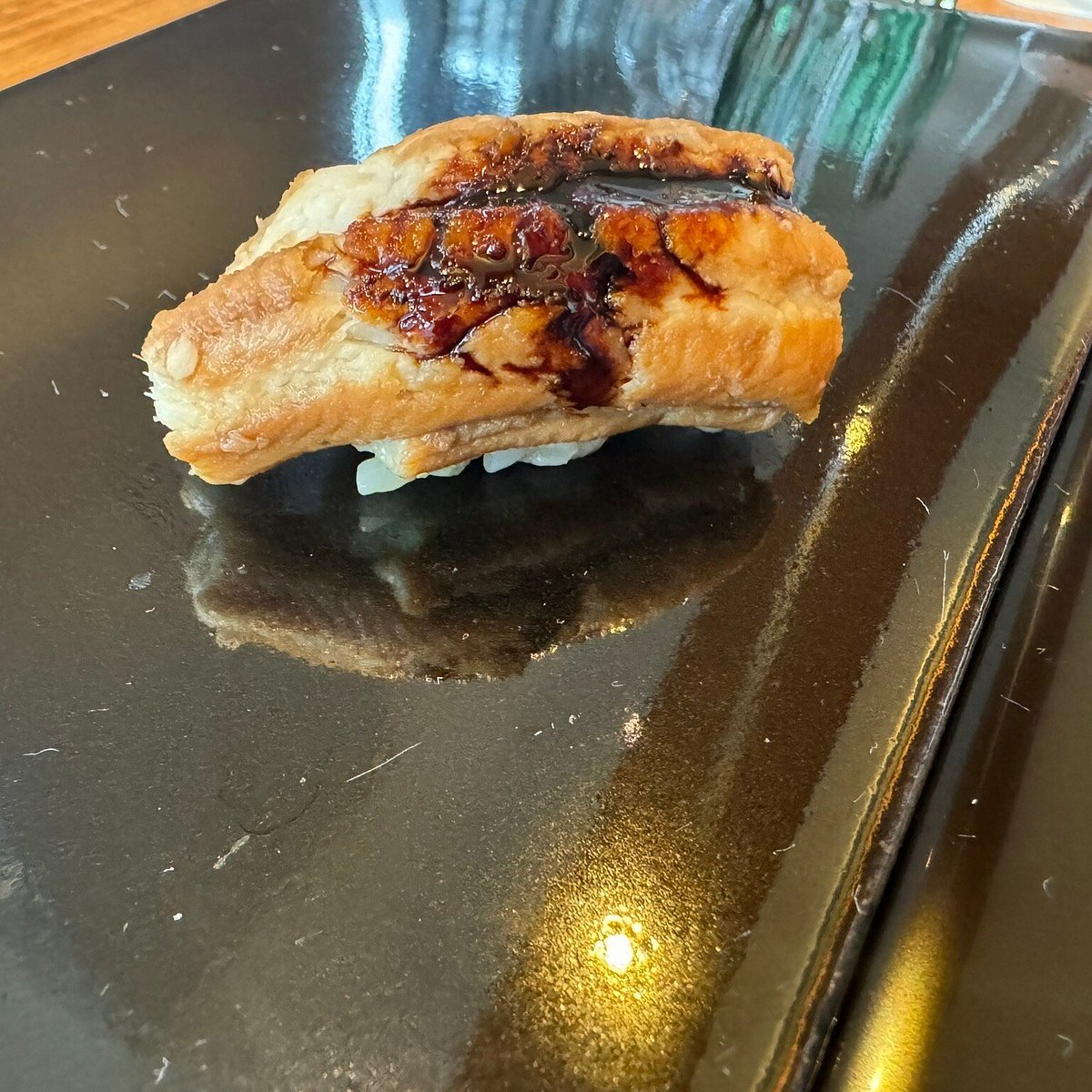
- simmered octopus
- marinated akami tuna
- otoro
- uni
Know before you go
Know Before You Go
- Getting there
- Japan, 〒543-0002 Osaka, Tennoji Ward, Ueshio, 3 Chome−8−25 北岡ビル 1階
Planning details
Hours
- Monday
- Closed
- Tuesday
- 5:30–11 PM
- Wednesday
- 5:30–11 PM
- Thursday
- 5:30–11 PM
- Friday
- 5:30–11 PM
- Saturday
- 5:30–11 PM
- Sunday
- 5:30–11 PM
Location
Japan, 〒543-0002 Osaka, Tennoji Ward, Ueshio, 3 Chome−8−25 北岡ビル 1階 · Directions

Also consider
Also Consider
- HAJIME: French, Innovative, ¥¥¥¥
- La Cime: French, ¥¥¥¥
- Kashiwaya Osaka Senriyama: Japanese, ¥¥¥
- Taian: Kaiseki, Japanese, ¥¥¥
- Fujiya 1935: Innovative, ¥¥¥¥
Restaurant context
Within Osaka's Michelin-recognised dining tier, Sushi Yuden occupies a specific and useful position: a ¥¥¥ sushi counter, competing in a city where most of the other decorated restaurants operate at ¥¥¥¥ and in different formats entirely. If you are weighing where to spend your one serious dinner in Osaka, the comparison is less about sushi peers and more about format. Taian and Kashiwaya Osaka Senriyama are both ¥¥¥ Japanese restaurants with strong reputations, but they operate in kaiseki rather than sushi: a different rhythm, different room dynamic, and a different relationship between guest and chef. If sushi is your format, Yuden is the more focused choice.
For diners considering the ¥¥¥¥ tier, HAJIME, La Cime, and Fujiya 1935 are all innovative French or French-influenced restaurants: a different dining proposition entirely. If you are deciding between Sushi Yuden and one of those three, the real question is whether you want a traditional Japanese counter experience or a contemporary tasting-menu format. There is no overlap in what they deliver, so the choice is about format preference more than quality ranking. On price alone, Yuden's ¥¥¥ position gives you more room to add a second meal to your Osaka trip without the same budget pressure.
For a multi-meal Osaka visit, a practical sequence would be Sushi Yuden for a sushi counter experience and either Taian or Kashiwaya for a kaiseki contrast: both give you Osaka's ingredient-first food culture expressed through different frameworks. If you are also considering sushi counters elsewhere in the city, Pearl's listings for Sushi Harasho and Sushi Murakami Jiro are worth checking before you finalise your itinerary. See Pearl's full Osaka restaurants guide for a broader view of the category and our Osaka wineries guide if you are planning a longer stay in the region.
Explore Osaka
Around this place
Discover more on Pearl
Unlock the full Sushi Yuden guide in Pearl, including awards, comparisons, FAQs, planning details, and nearby places.
Compare Sushi Yuden
| Venue | Price | Booking Difficulty | Awards |
|---|---|---|---|
| Sushi Yuden | ¥¥¥ | Hard | 2026 OAD Top Restaurants in Japan RecommendedMichelin Guide Kyoto Osaka 20262026 Michelin Plate2025 Michelin Plate2024 Michelin 1 Star |
| HAJIME | ¥¥¥¥ | Unknown | Star Wine Lists 2026 · #12026 Tabelog Bronze · #922026 OAD Top Restaurants in Japan Ranked · #98Michelin Guide Kyoto Osaka 20262026 La Liste Top RestaurantsTabelog 100 - Innovative / Creative cuisine - 2025 · #692025 Asia's 50 Best Restaurants · #832025 OAD Top Restaurants in Japan Ranked · #87We're Smart World Top Restaurants 2025 |
| La Cime | ¥¥¥¥ | Unknown | 2026 Asia's 50 Best Restaurants · #132026 OAD Top Restaurants in Japan Ranked · #1492026 Tabelog Bronze · #231Michelin Guide Kyoto Osaka 20262026 La Liste Top Restaurants2025 Asia's 50 Best Restaurants · #82025 World's 50 Best Restaurants · #44Tabelog 100 - French - WEST - 2025 · #932025 OAD Top Restaurants in Japan Ranked · #123 |
| Kashiwaya Osaka Senriyama | ¥¥¥ | Unknown | 2026 Tabelog Bronze · #1682026 OAD Top Restaurants in Japan Recommended2026 Relais Chateaux RestaurantsMichelin Guide Kyoto Osaka 20262026 La Liste Top RestaurantsTabelog 100 - Japanese cuisine - WEST - 2025 · #772025 OAD Top Restaurants in Japan Ranked · #1552025 Relais Chateaux Award2025 Michelin 3 Stars |
| Taian | ¥¥¥ | Unknown | 2026 OAD Top Restaurants in Japan RecommendedMichelin Guide Kyoto Osaka 20262026 La Liste Top Restaurants2025 OAD Top Restaurants in Japan Ranked · #2042025 La Liste Top Restaurants2025 Michelin 3 Stars2024 OAD Top Restaurants in Japan Ranked · #1912024 Michelin 3 Stars2023 OAD Top Restaurants in Japan Highly Recommended |
| Fujiya 1935 | ¥¥¥¥ | Unknown | 2026 Tabelog Bronze · #752026 OAD Top Restaurants in Japan RecommendedMichelin Guide Kyoto Osaka 20262026 La Liste Top Restaurants2025 Michelin 2 Stars2025 Tabelog Silver2025 La Liste Top Restaurants2024 OAD Top Restaurants in Japan Ranked · #2392024 Michelin 2 Stars |

.png?width=1200&quality=80)








Side-by-side comparison to help you decide where to book.
FAQ
Frequently Asked Questions
Is Sushi Yuden good for solo dining?
Yes: the traditional counter format at Sushi Yuden is designed for solo diners. Sitting directly in front of chef Yuya Nishimura at the sushi counter is the intended experience, and a single seat is easier to secure than a pair. Solo visitors also tend to get more engagement from the chef. This is one of the stronger cases for booking alone.
Can Sushi Yuden accommodate groups?
Groups larger than two or three will find this counter a poor fit. Sushi Yuden operates from a small ground-floor space in Tennoji Ward with limited seats, and Michelin recognition means availability is already tight. For a group dining occasion in Osaka, Kashiwaya Osaka Senriyama offers a setting and format better suited to larger parties.
Is Sushi Yuden worth the price?
At the ¥¥¥ price point with a Michelin Star awarded in 2024, Sushi Yuden sits in line with what you would expect to pay for credentialed omakase in Osaka. Chef Nishimura's daily sourcing from Kuromon Market and his personal counter presence justify the spend if you value the traditional counter format. If you are looking for comparable quality at a lower price in Osaka, the city has strong mid-range sushi: but not many with this level of recognition.
Is the tasting menu worth it at Sushi Yuden?
Yes, on the condition that the omakase counter format suits you. Sushi Yuden's Michelin Star (2024) and the chef's approach, sourcing from Kuromon Market, working directly in front of guests, makes the tasting sequence the right way to eat here. If you prefer to order individually or control the pace of a meal, this counter will feel constraining. For that, look elsewhere in Osaka.