
Sushi Enishi
Sushi · Kita, Osaka
Restaurant in Osaka, Japan
 Book with Pearl
The Read
Relationship-Led Omakase
Price
¥¥¥
Dress
Smart Casual
Why go
Sushi Enishi in Osaka's Kita Ward holds a Michelin Plate for 2024 and 2025 and, with fish sourced from Temma and Kizu markets. At ¥¥¥ with easier booking than most serious counters in the city, it delivers a technically grounded, warmly run meal that competes well above its reservation difficulty.
About Sushi Enishi
Should You Book Sushi Enishi?
Getting a table at Sushi Enishi is easier than at most Osaka sushi counters worth your attention, which makes it one of the more accessible entries in the city's serious sushi scene. That accessibility is not a warning sign. It is an opportunity. If you have been once and are wondering whether to return, the answer is yes. If you are deciding between this and a harder-to-book alternative, read on.
The Counter, the Fish, and the Technique
Sushi Enishi sits in Kita Ward, Osaka's commercial and transport core, at 11-1 Kurosakicho. The chef sources fish from two of Osaka's most respected wholesale markets, Temma and Kizu, which positions the ingredient quality well above what the ¥¥¥ price tier might suggest. This is not shortcut sourcing.
What makes the approach at Enishi distinctive within Osaka's sushi category is the cross-disciplinary thinking applied to a traditional format. Dashi stock is drawn from kombu kelp and dried bonito flakes, standard in technique but refined by the addition of vegetables, a detail that reflects the chef's training across multiple disciplines of Japanese cuisine rather than sushi alone. The result is a flavour profile with more structural complexity than a strictly orthodox counter would produce.
Temperature variation in the toppings and the targeted use of citrus acidity are the two tools the chef uses to modulate flavour across a meal. For a returning guest, this is the detail worth paying attention to: the sequencing of courses is deliberate, and the contrast between warmer and cooler preparations is not accidental. The meal has architecture.
The name, Enishi, translates as "connection" in Japanese, and the service reflects that framing. First-time guests are treated with the same attention as regulars. That is rarer than it sounds at counters where regulars are visibly prioritised. For a repeat visit, the quality of engagement with the chef tends to deepen, and the meal becomes more personalised. This is a counter worth cultivating a relationship.
How Enishi Fits Into Your Osaka Dining Plan
If you are building an Osaka sushi itinerary, Enishi belongs on the list alongside Sushi Harasho, Matsuzushi, Sushi Hoshiyama, Sushi Murakami Jiro, and Sushi Sanshin. Its position in Kita Ward makes it logistically convenient if you are also planning to explore Osaka's bar and dining scene nearby. See our full Osaka restaurants guide, our full Osaka hotels guide, our full Osaka bars guide, our full Osaka wineries guide, and our full Osaka experiences guide for broader planning context.
For sushi beyond Osaka, Harutaka in Tokyo operates at a higher technical ceiling but at a steeper price and with considerably more booking friction. If you are travelling through the Kansai region, Gion Sasaki in Kyoto offers a kaiseki-inflected alternative for evenings in that city. Further afield, akordu in Nara, Goh in Fukuoka, 1000 in Yokohama, and 6 in Okinawa each represent different regional expressions of serious Japanese dining. For international sushi benchmarks, Sushi Shikon in Hong Kong and Shoukouwa in Singapore are the closest comparators in Southeast Asia.
Booking and Practical Details
Know Before You Go
- Address: 11-1 Kurosakicho, Kita Ward, Osaka, 530-0023, Japan
- Price tier: ¥¥¥
- Cuisine: Sushi (with cross-disciplinary Japanese technique)
- Booking difficulty: Easy — advance planning is still advisable, but this is not a months-long waitlist counter
- Awards: Michelin Plate 2024, Michelin Plate 2025
- Fish sourcing: Temma and Kizu markets, Osaka
- Phone / website: Not publicly listed — book via concierge or Tabelog
- Hours: Not confirmed in current data, verify before visiting
How It Compares
Within Osaka's ¥¥¥ Japanese dining tier, Sushi Enishi's closest peer in format is Kashiwaya Osaka Senriyama and Taian, both kaiseki-oriented and similarly priced. Those counters offer a more ceremonial structure and a longer, more elaborate sequence of courses. Enishi's strength is the depth of its sushi technique within a less formal register, it delivers serious cooking without the atmosphere of an occasion-only destination. For a weeknight dinner or a meal where the food matters more than the setting's gravity, Enishi is the stronger call at this price point.
If budget is not a constraint, HAJIME, La Cime, and Fujiya 1935 operate at ¥¥¥¥ and represent Osaka's French-influenced fine dining tier. They are not direct sushi comparators, but if you are choosing between a high-end Japanese dinner and a high-end French dinner in Osaka, the comparison matters. HAJIME and Fujiya 1935 are among Japan's most decorated innovative restaurants; La Cime is the more accessible entry point to that tier. None of them replaces the specific experience of a sushi counter done well. Enishi and that group serve different decisions.
On booking difficulty alone, Enishi has a clear advantage over most of its peers. If your travel dates are fixed and flexibility is limited, that practicality is a real reason to prioritise it. A meal at a Michelin Plate counter with a 4.9 rating that you can actually book is worth more than a reservation at a three-star venue that requires a four-month lead time.
Planning details
- Location
- 11-1 Kurosakicho, Kita Ward, Osaka, 530-0023, Japan
- Website
- sushi-enishi.com
- Phone
- +81 6-4256-7255
The take
The Take
The Vibe
Sushi Enishi centers around a traditional counter experience where familiarity is the point. The writing emphasizes relationship over spectacle: the chef names the place Enishi—‘connection’—and the service is built for returning guests as much as for first-timers. It wears its recognition lightly (Michelin Plate, excellent Google scores) and balances professional technique with an approachable neighborhood sensibility. The narrative on sourcing—fish from both Temma and Kizu markets—signals a place rooted in Osaka’s working culinary culture, where craft and regular patronage shape a quietly sophisticated, classic sushi counter.
Best For
This is an intimate, polished counter that suits date-night and special-occasion evenings as well as repeat visits from local regulars. Priced in the mid-premium ¥¥¥ band, it sits between high-end trophy destinations and everyday lunch counters, which makes it a good match for diners who want serious sushi without the rarified formality of a top-tier kaiseki house. Its location in Kita Ward keeps it convenient for people moving between Osaka’s commercial core and transport hubs, reinforcing its role as a finely tuned neighborhood counter.
Ordering Tips
Sit at the counter and engage with the chef—Enishi’s identity is built around the relational counter experience, so counter seats give the clearest sense of the kitchen’s rhythm. Ask about the day’s market picks: the kitchen sources from both Temma (wholesale) and Kizu (retail), and those distinctions inform the fish selection. Given the restaurant’s Michelin Plate recognition and strong local following, expect focused, market-driven preparations rather than an expansive à la carte program; get recommendations from staff about what’s best that day.
Venue details
Ambiance
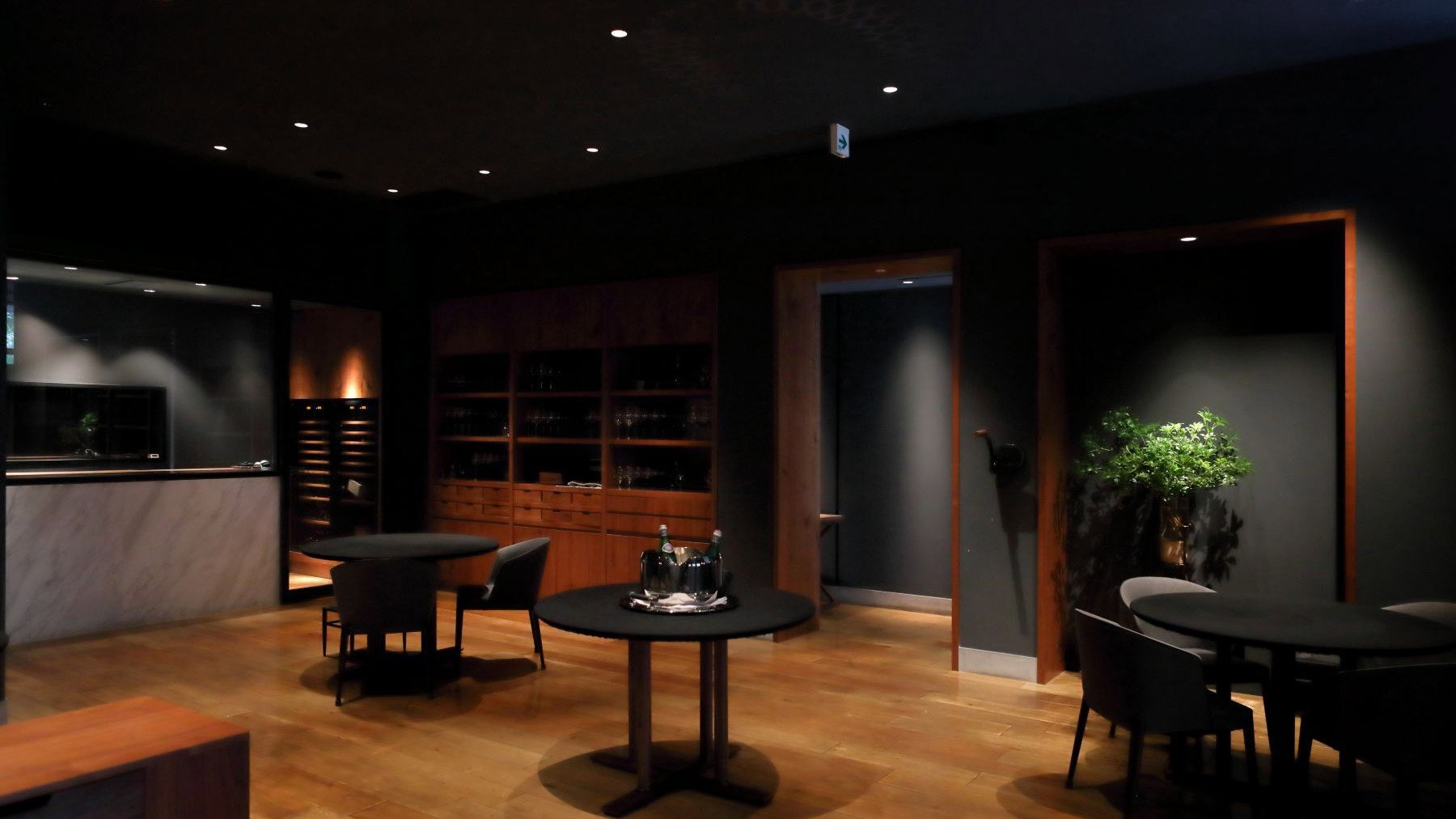
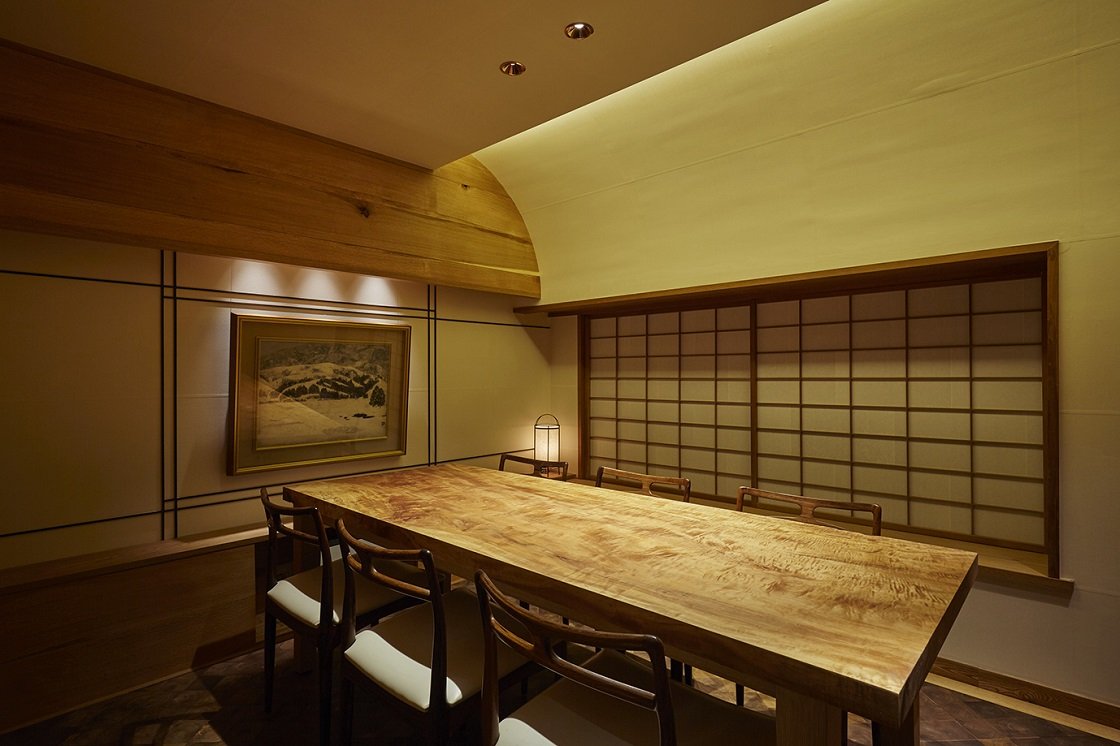
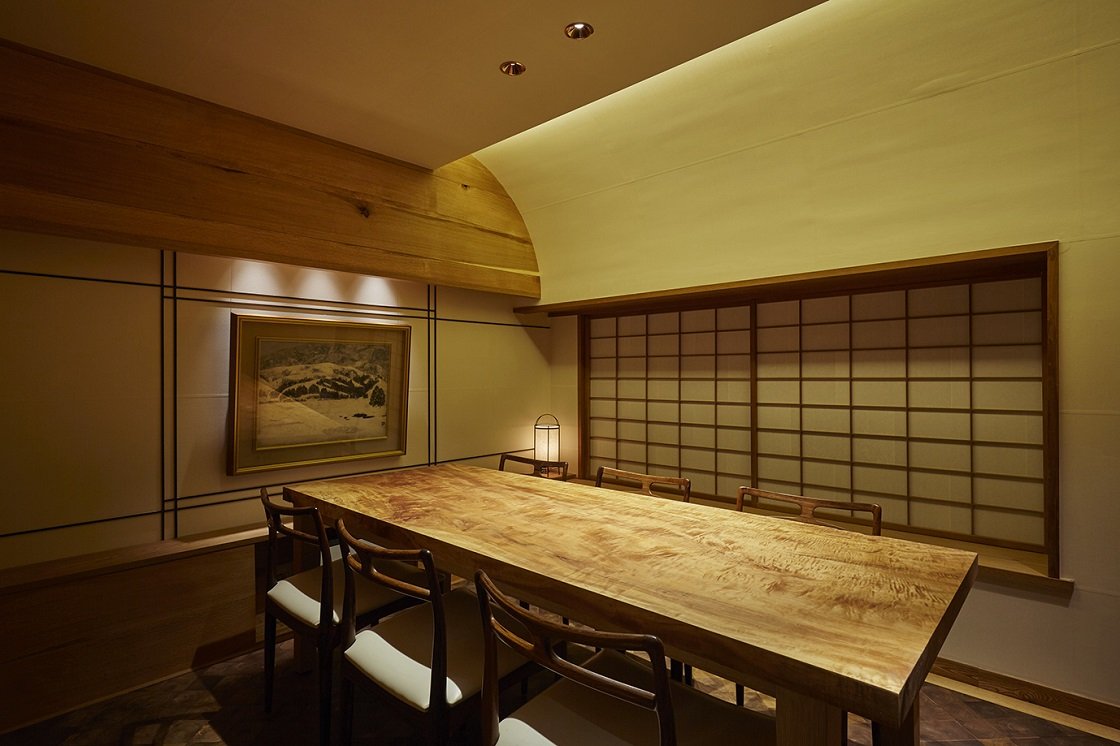
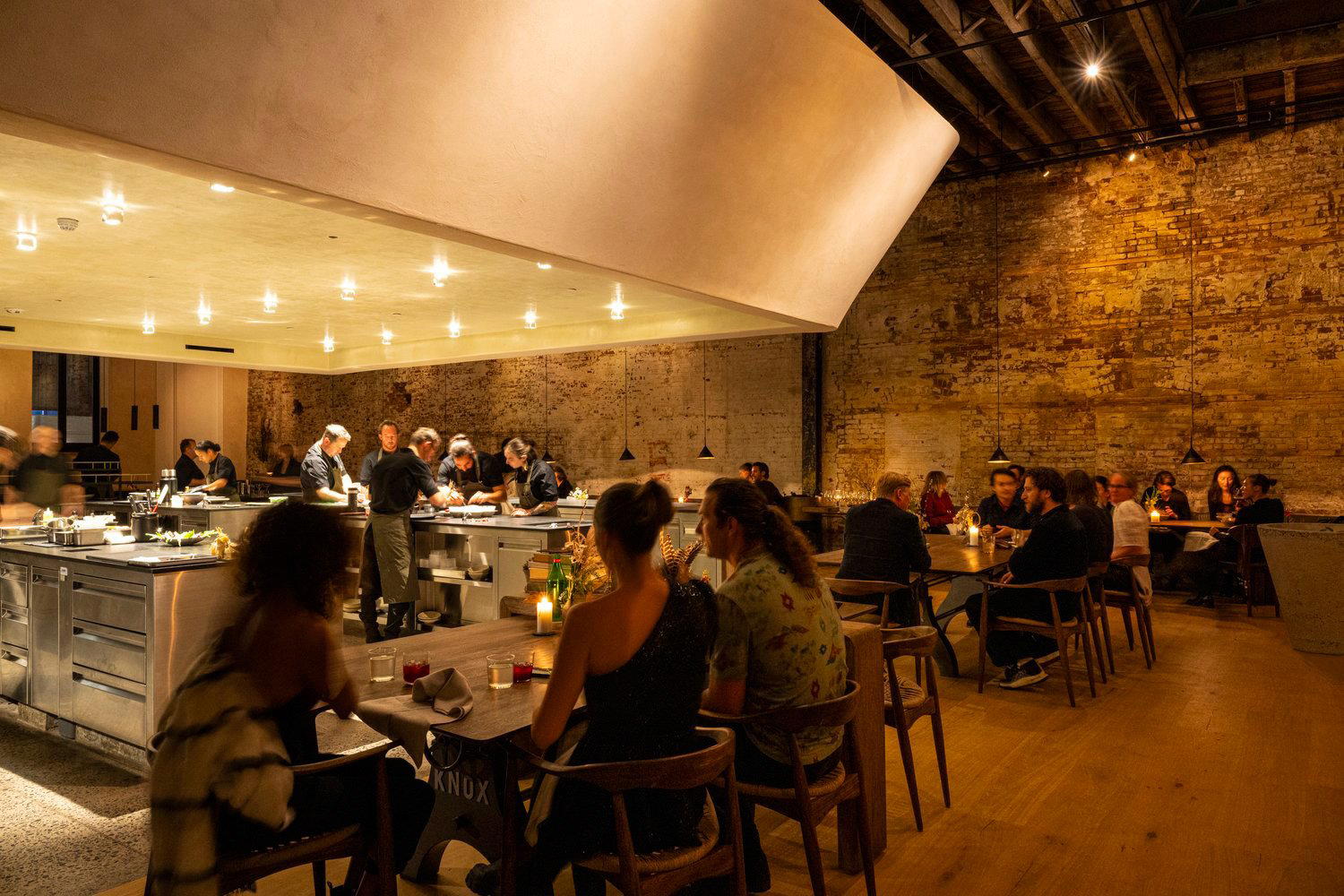
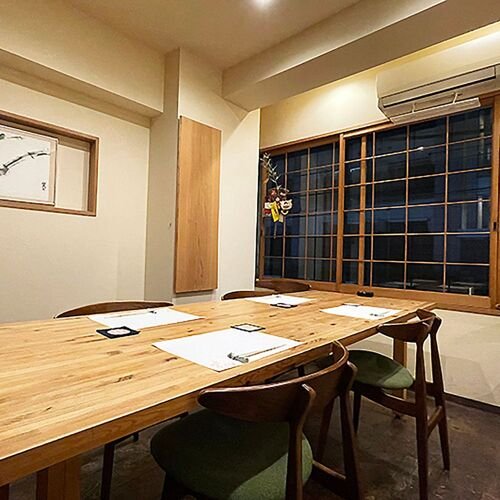
Refined restraint with a calm, relaxing atmosphere focused on the sushi craftsmanship at the counter.
Tags
Vibe
Best For
Experience
At the Table
- Dress Code
- Smart Casual
- Noise Level
- Quiet
- Service Style
- Omakase Bar
- Meal Pacing
- Leisurely
- Capacity
- Intimate
Know before you go
Know Before You Go
- Getting there
- 11-1 Kurosakicho, Kita Ward, Osaka, 530-0023, Japan
Planning details
Location
Recognition and awards
Also consider
Also Consider
- HAJIME, French, Innovative, ¥¥¥¥
- La Cime, French, ¥¥¥¥
- Kashiwaya Osaka Senriyama, Japanese, ¥¥¥
- Taian, Kaiseki, Japanese, ¥¥¥
- Fujiya 1935, Innovative, ¥¥¥¥
Restaurant context
Within Osaka's ¥¥¥ tier, Sushi Enishi sits alongside Kashiwaya Osaka Senriyama and Taian on price, but the experiences are different in register. Kashiwaya and Taian are kaiseki-format restaurants with a more ceremonial structure and longer, multi-course sequences. Enishi is tighter in scope and more personal in delivery. For a diner who wants serious Japanese craft without the formal occasion weight, Enishi is the more comfortable choice at this price tier, and meaningfully easier to book.
If you are prepared to move up to ¥¥¥¥, HAJIME, La Cime, and Fujiya 1935 represent Osaka's French-influenced fine dining ceiling. HAJIME is one of Japan's most decorated innovative restaurants; Fujiya 1935 operates at a similar level with a different sensibility; La Cime is the most accessible of the three. None of these is a sushi counter, so the comparison only applies if you are choosing a format, not just a venue. For sushi specifically, Enishi has no direct ¥¥¥¥ competitor on this list, which is itself useful information.
On pure value-for-effort, Enishi wins. It holds Michelin recognition, a near-perfect public rating, and high-quality market sourcing at a price point that does not require a special-occasion budget, with booking difficulty that does not require months of advance planning. If your Osaka itinerary has one sushi slot at the ¥¥¥ level, this is where to put it.
Explore Osaka
Around this place
Discover more on Pearl
Unlock the full Sushi Enishi guide in Pearl, including awards, comparisons, FAQs, planning details, and nearby places.
Compare Sushi Enishi
| Venue | Cuisine | Awards | Booking Difficulty |
|---|---|---|---|
| Sushi Enishi | Sushi | Michelin Guide Kyoto Osaka 20262026 Michelin Plate2025 Michelin Plate2024 Michelin Plate | Easy |
| HAJIME | French, Innovative | Star Wine Lists 2026 · #12026 Tabelog Bronze · #922026 OAD Top Restaurants in Japan Ranked · #98Michelin Guide Kyoto Osaka 20262026 La Liste Top RestaurantsTabelog 100 - Innovative / Creative cuisine - 2025 · #692025 Asia's 50 Best Restaurants · #832025 OAD Top Restaurants in Japan Ranked · #87We're Smart World Top Restaurants 2025 | Unknown |
| La Cime | French | 2026 Asia's 50 Best Restaurants · #132026 OAD Top Restaurants in Japan Ranked · #1492026 Tabelog Bronze · #231Michelin Guide Kyoto Osaka 20262026 La Liste Top Restaurants2025 Asia's 50 Best Restaurants · #82025 World's 50 Best Restaurants · #44Tabelog 100 - French - WEST - 2025 · #932025 OAD Top Restaurants in Japan Ranked · #123 | Unknown |
| Kashiwaya Osaka Senriyama | Japanese | 2026 Tabelog Bronze · #1682026 OAD Top Restaurants in Japan Recommended2026 Relais Chateaux RestaurantsMichelin Guide Kyoto Osaka 20262026 La Liste Top RestaurantsTabelog 100 - Japanese cuisine - WEST - 2025 · #772025 OAD Top Restaurants in Japan Ranked · #1552025 Relais Chateaux Award2025 Michelin 3 Stars | Unknown |
| Taian | Kaiseki, Japanese | 2026 OAD Top Restaurants in Japan RecommendedMichelin Guide Kyoto Osaka 20262026 La Liste Top Restaurants2025 OAD Top Restaurants in Japan Ranked · #2042025 La Liste Top Restaurants2025 Michelin 3 Stars2024 OAD Top Restaurants in Japan Ranked · #1912024 Michelin 3 Stars2023 OAD Top Restaurants in Japan Highly Recommended | Unknown |
| Fujiya 1935 | Innovative | 2026 Tabelog Bronze · #752026 OAD Top Restaurants in Japan RecommendedMichelin Guide Kyoto Osaka 20262026 La Liste Top Restaurants2025 Michelin 2 Stars2025 Tabelog Silver2025 La Liste Top Restaurants2024 OAD Top Restaurants in Japan Ranked · #2392024 Michelin 2 Stars | Unknown |
.png?width=1200&quality=80)









Key differences to consider before you reserve.
FAQ
Frequently Asked Questions
Is Sushi Enishi worth the price?
At ¥¥¥ with a Michelin Plate for 2024 and 2025, Sushi Enishi delivers above its price tier: fish sourced from Temma and Kizu markets, temperature-modulated toppings, and citrus-balanced flavours reflect technique that usually costs more in Osaka. It is not competing with ¥¥¥¥ omakase counters in precision, but within the ¥¥¥ tier it is a strong return on spend — especially compared to peers like Kashiwaya Osaka Senriyama, which tilts kaiseki rather than sushi.
Is Sushi Enishi good for solo dining?
Yes — a sushi counter is the natural format for solo diners, and Sushi Enishi's emphasis on human connection (the name 'enishi' means 'connection') suggests the chef engages guests directly rather than running a transactional service. Solo diners often get the most out of counter seating here, with full access to the chef's rhythm and sourcing decisions.
What should I wear to Sushi Enishi?
The venue data does not specify a dress code, but at a ¥¥¥ Michelin-recognised sushi counter in Kita Ward, neat, non-casual clothing is the practical default — think business casual rather than formal. Avoid heavy perfume or cologne, which is standard etiquette at fish-focused counters in Japan where aroma interference matters.
Is Sushi Enishi good for a special occasion?
It works well for a considered special occasion, particularly one where intimacy and craft matter more than spectacle. The venue's name — 'enishi', or 'connection' — signals that service here is attentive even for first-time guests, which is specifically noted in the Michelin record. For milestone celebrations requiring private rooms or wine pairings, check availability directly, as the venue database does not confirm those options.
Is the tasting menu worth it at Sushi Enishi?
At ¥¥¥, the omakase format at Sushi Enishi is the entire point of the visit — fish from Temma and Kizu markets, dashi drawn from kombu and bonito, and technique that modulates topping temperatures to adjust flavour balance. This is not a venue where ordering à la carte is the move. If you want flexibility over a set progression, consider a different format; if you want to eat Osaka-sourced sushi guided by a chef who takes the counter seriously, the tasting menu is worth it.