
Sui Oya
Japanese · Kita, Osaka
Restaurant in Osaka, Japan
 Book with Pearl
The Read
Boundary-Crossing Kappo
Price
¥¥¥
Dress
Smart Casual
Why go
A Michelin-starred kappo in Osaka's Tenma neighbourhood that earns its place through format flexibility and consistent execution. At the ¥¥¥ price tier, it offers better value than the city's ¥¥¥¥ rooms, with Western-style side dish options and wine pairings alongside the core Japanese sequence. Hard to book; reserve weeks in advance through your concierge.
About Sui Oya
Verdict
Sui Oya earns its Michelin star honestly. This Kita Ward kappo earns a visit if you want technically grounded Japanese cuisine with enough creative latitude to keep things interesting across courses. At the ¥¥¥ price tier, it sits in a more accessible bracket than Osaka's French-leaning four-symbol rooms, the willingness to offer Western-style side dishes alongside sake and wine pairings means it works for guests who want a Japanese meal without an entirely orthodox format. If you've been once and played it safe, come back and push into the crab cream croquettes or the beef cutlet; that's where the kitchen's thinking outside the kappo convention becomes clearest.
Portrait
The name tells you something useful. 'Sui' means green; chosen by the chef to anchor the restaurant to the season of fresh leaves, both his birth month and the month he went independent. That's not a branding exercise; it's a statement of where the cooking comes from. The chef trained under a Naniwa kappo mentor, a lineage that grounds the menu in the precise, ingredient-led hospitality of Osaka's own culinary tradition. But the execution here is deliberately less rigid than a classical kappo sequence would suggest.
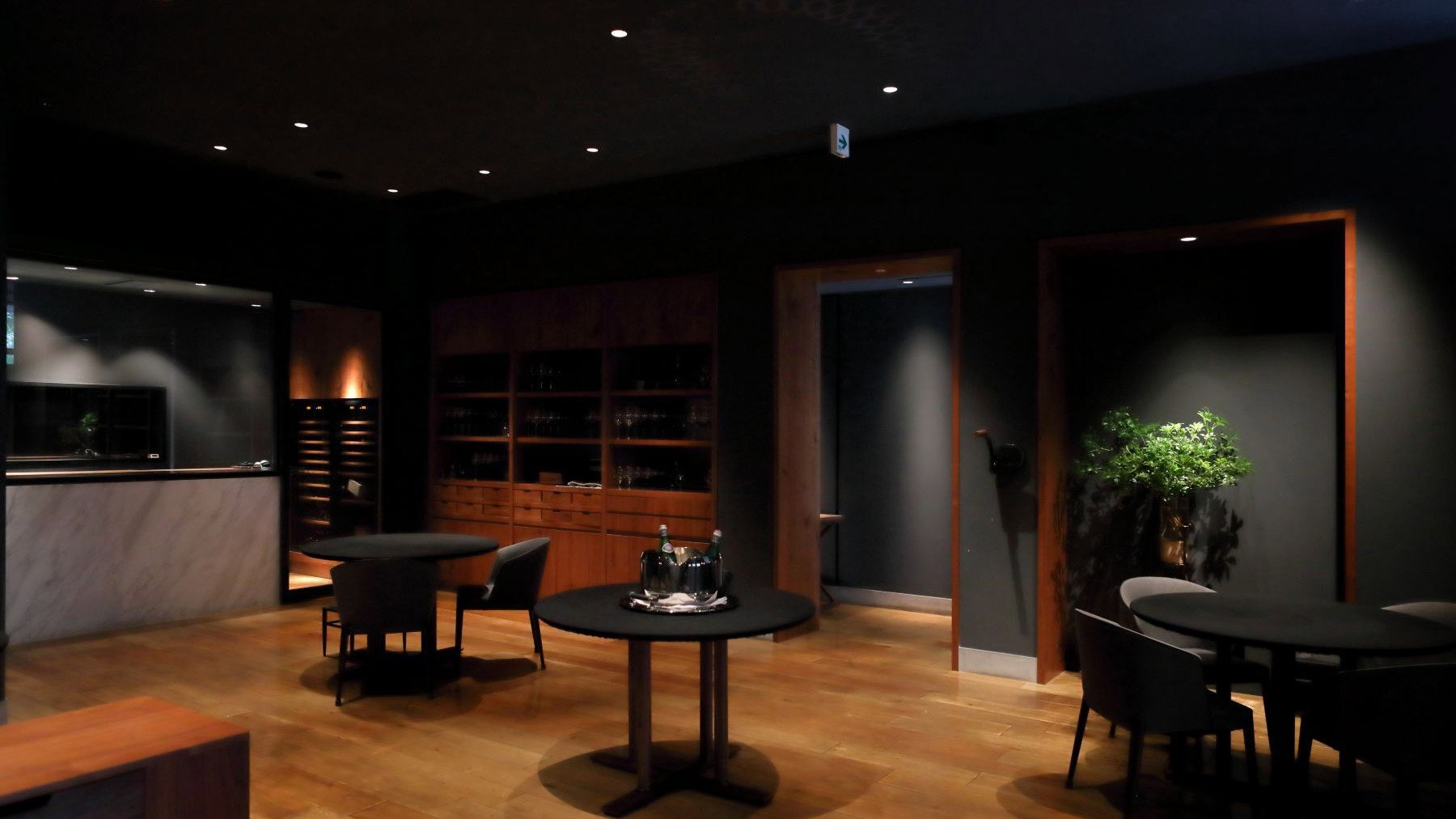
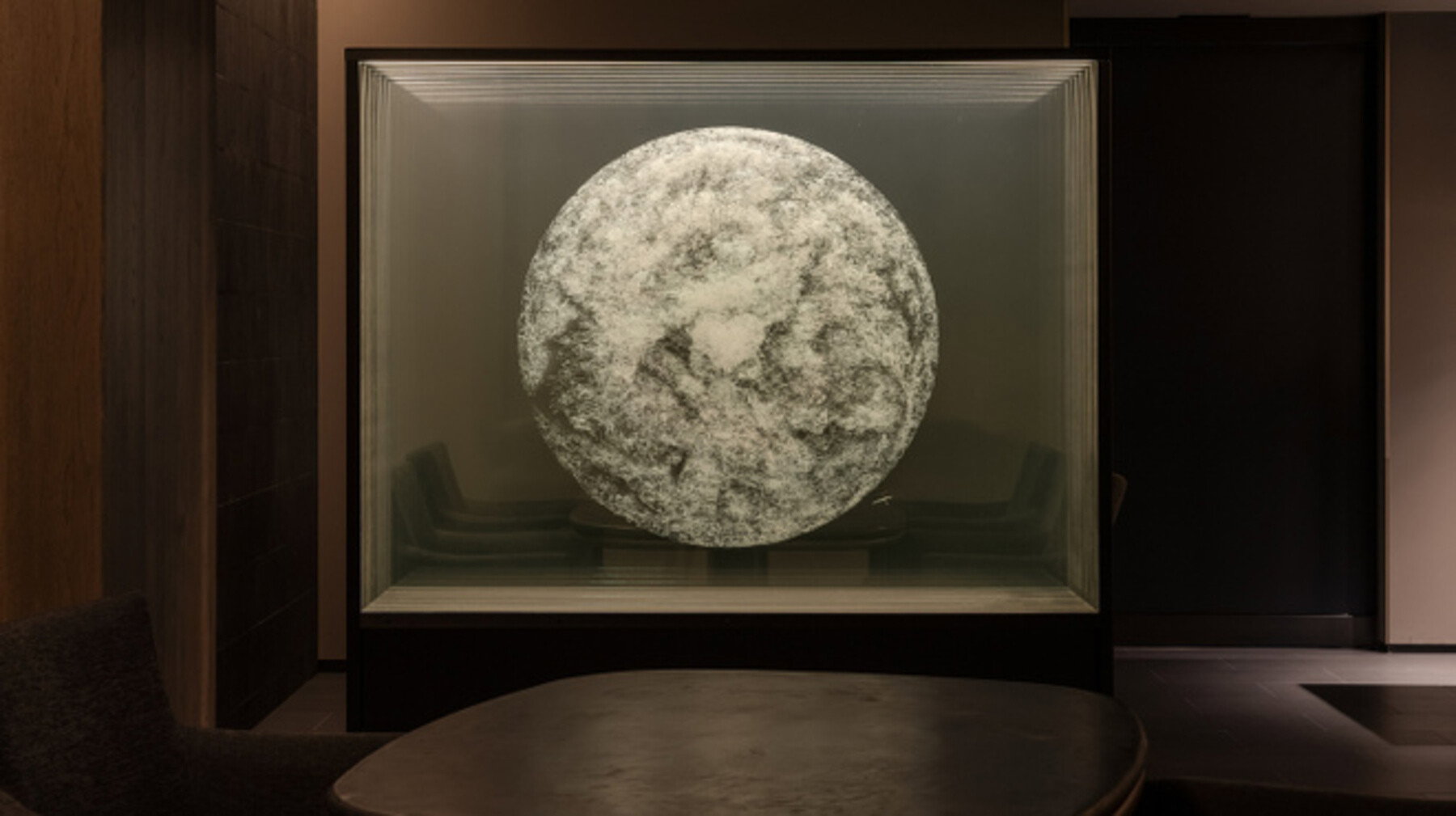
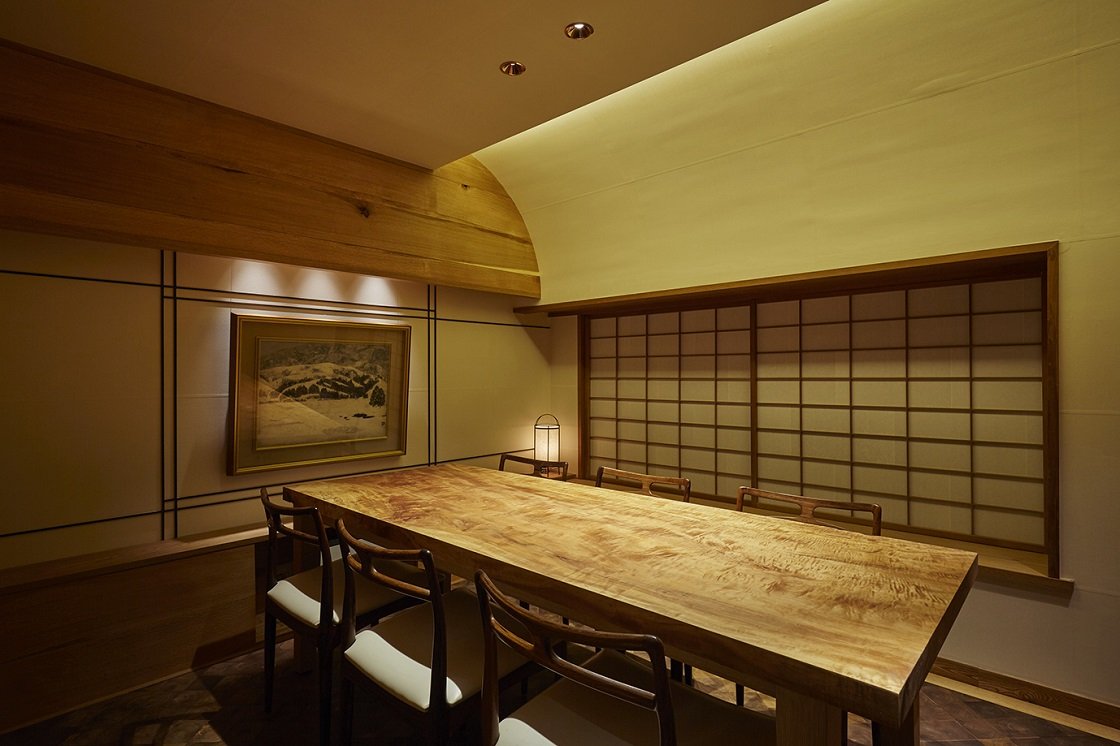
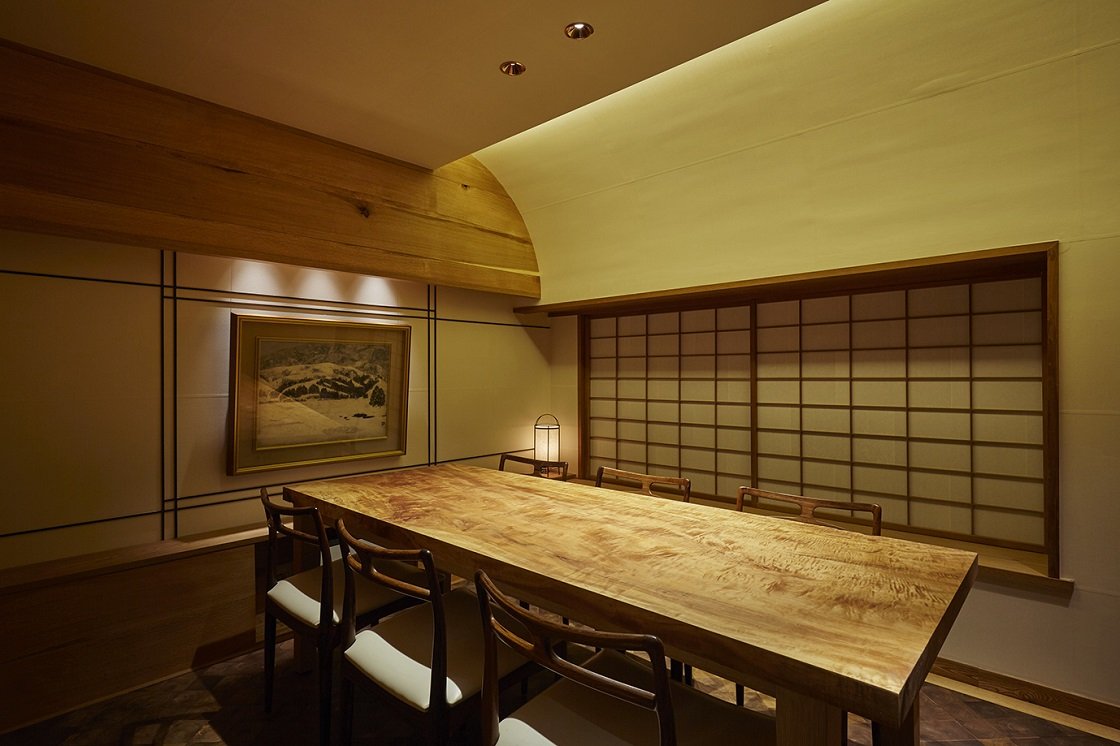
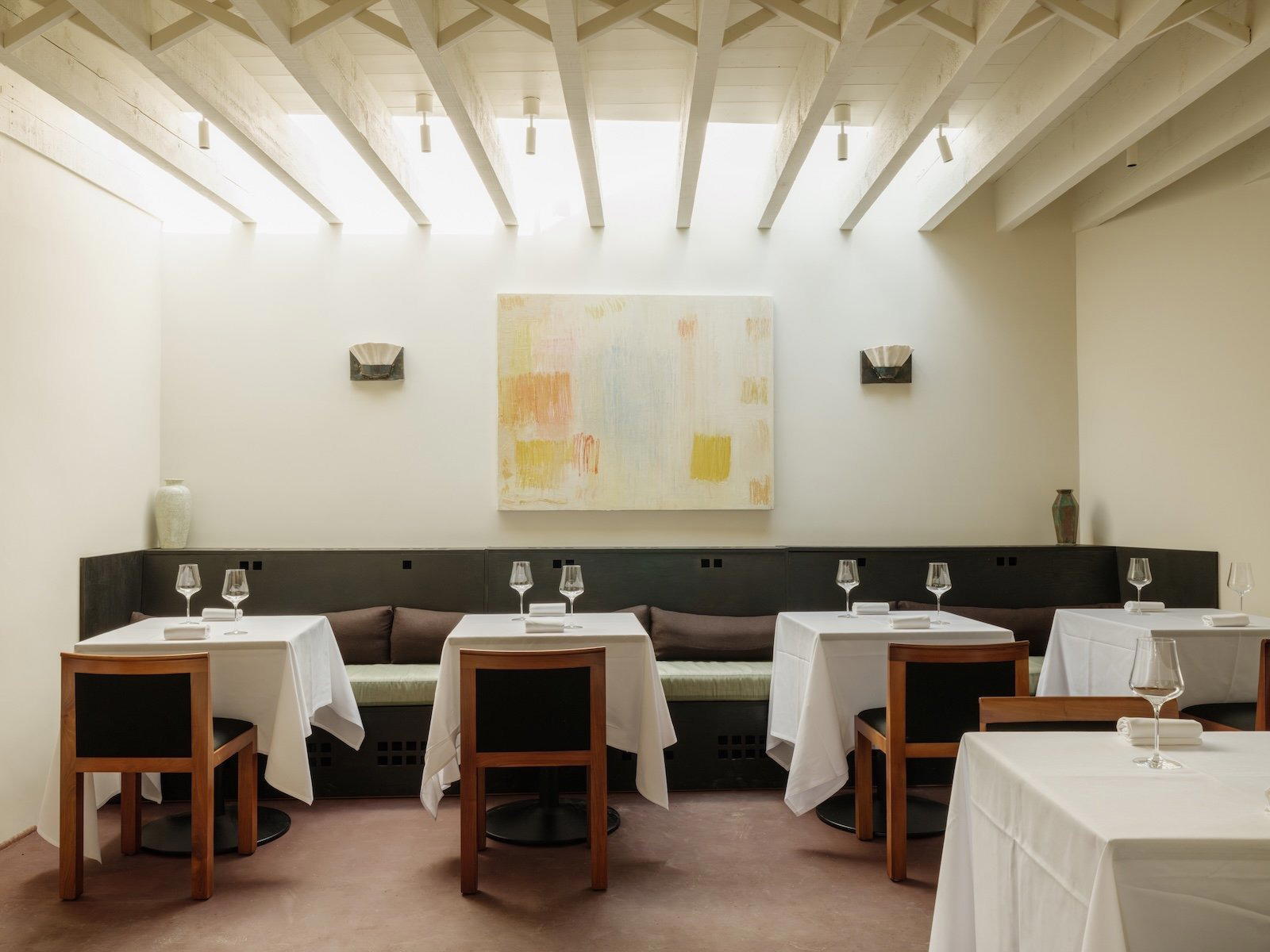
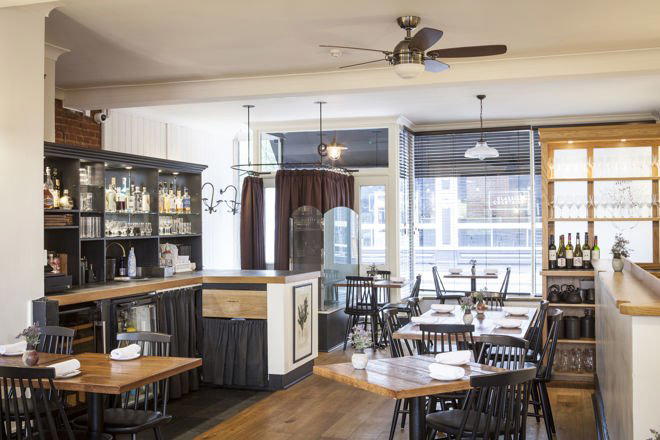
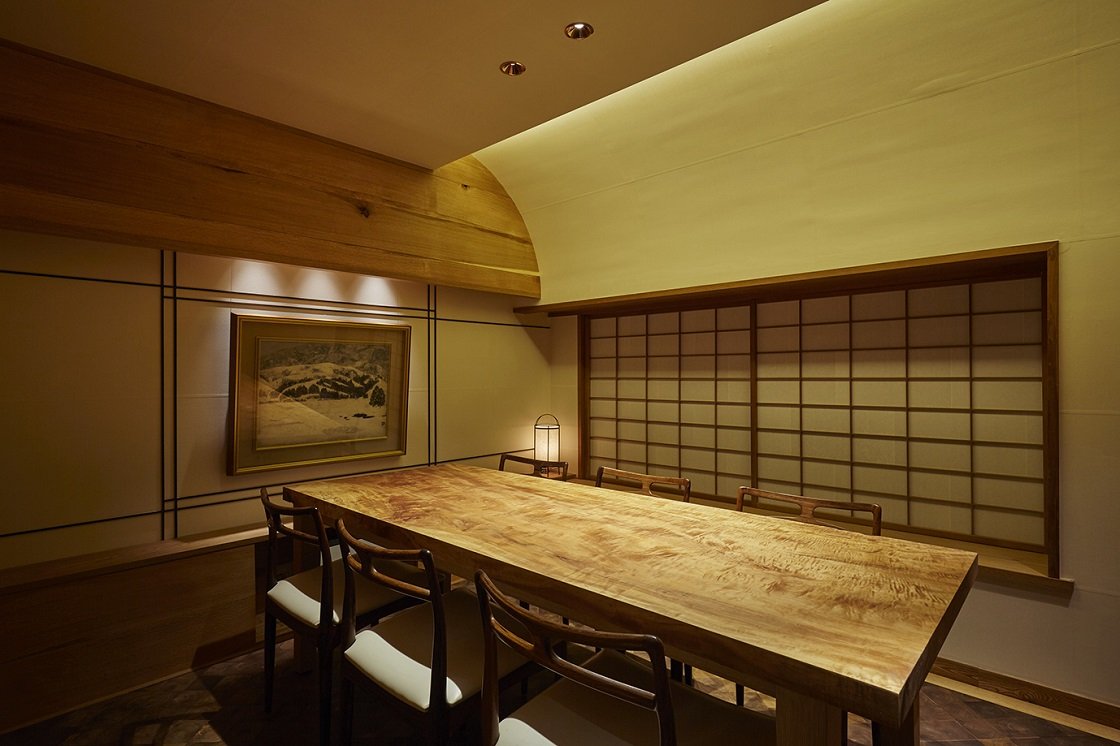
Visually, the room sits on the second floor of a building in Tenma, Kita Ward, an area that rewards the kind of explorer who has already covered Shinsaibashi and Namba and is ready to eat where Osaka actually eats. The setting is not designed to announce itself. What you see when you sit down is a counter-focused space where the food is the visual subject, not the interior. Guests who have been to Tenjimbashi Aoki or Miyamoto will recognise the format: chef-facing counter seating, a menu that moves through courses, a room that keeps the focus tightly on what's in front of you.
The structural flexibility here is worth understanding before you book. Guests can choose an extra side dish, those options include Western-style preparations, crab cream croquettes, beef cutlet, sitting alongside the core Japanese sequence. This is not fusion for its own sake. It reflects a kappo philosophy that has always been more conversational than ceremonial: you order what you want, the kitchen responds. For a return visitor, this is the move, use the side dish option to test where the kitchen goes when it steps outside the traditional framework. The drink pairings follow the same logic: sake is there, but so is a curated wine selection, which is less common at this price point in Osaka's Japanese dining category.
Lunch vs. Dinner at Sui Oya
This is a key decision variable. Michelin-recognised kappo restaurants in Osaka typically run more accessible lunch formats at lower price points, with dinner menus expanding in scope and in cost. Sui Oya's ¥¥¥ positioning suggests its dinner experience is the primary draw, but if lunch service is available (confirm directly when booking), it may represent a sharper entry point for first-time visitors or for those who want to assess the kitchen before committing to the full evening format. The comparison to Taian is instructive here: at the same ¥¥¥ tier, Taian runs kaiseki sequences where lunch offers a compressed but still serious version of the dinner menu. Sui Oya's kappo format is inherently more flexible, which means the gap between lunch and dinner may be less pronounced, but get confirmation from the restaurant before building your itinerary around either slot.
For a return visitor who has already done dinner, a lunch visit is the natural next move. You will likely see the same quality of ingredient sourcing in a shorter sequence, the Western-inflected side dishes may feature more prominently at lunch. The wine list, given its presence at dinner, is worth asking about specifically at the lunch counter.
Booking
Booking difficulty at Sui Oya is rated Hard. A Michelin star in a relatively compact Tenma venue means demand consistently outpaces availability. Book as far in advance as your schedule allows, several weeks minimum is a realistic baseline for international visitors. There is no website or phone number listed in Pearl's current data; reservation method should be confirmed through your hotel concierge or a specialist Japan reservation service. Do not assume walk-in availability.
Practical Details
| Detail | Sui Oya | Kashiwaya Osaka Senriyama | Taian |
|---|---|---|---|
| Cuisine | Kappo / Japanese | Japanese | Kaiseki / Japanese |
| Price tier | ¥¥¥ | ¥¥¥ | ¥¥¥ |
| Michelin | 1 Star (2024) | Starred | Starred |
| Booking difficulty | Hard | Hard | Hard |
| Format flexibility | High (side dish choice, wine pairing) | Traditional | Set kaiseki sequence |
| Location | Tenma, Kita Ward | Senriyama | Osaka |
Explore More in Osaka and Beyond
Sui Oya sits within a rich cluster of serious Japanese dining in Kita Ward. Nearby, Oimatsu Hisano and Yugen offer alternative perspectives on Osaka's Japanese dining category at comparable commitment levels. For the full picture of where to eat, drink, stay in the city, see our full Osaka restaurants guide, our full Osaka bars guide, our full Osaka hotels guide, our full Osaka wineries guide, and our full Osaka experiences guide.
If you are building a wider Japan itinerary around this level of Japanese dining, the reference points are: Harutaka in Tokyo, Gion Sasaki in Kyoto, akordu in Nara, Goh in Fukuoka, 1000 in Yokohama, and 6 in Okinawa. For Tokyo-based Japanese dining that shares Sui Oya's genre, Myojaku and Azabu Kadowaki are the comparison points worth knowing.
Planning details
- Location
- Japan, 〒530-0043 Osaka, Kita Ward, Tenma, 3 Chome−1−2 TSビル 2F
- Website
- sui-ohya.myconciergejapan.net
- Phone
- +81 6-6358-7497
The take
The Take
The Vibe
Sui Oya reads like a neighbourhood kappo that balances technical precision with an unshowy warmth. Tucked on the second floor of a Tenma side street, it feels deliberately local — removed from the tourist routes and keyed to regulars who book ahead. The chef works in open view at a counter, so the mood is intimate and hands-on rather than ceremonially distant. The kitchen’s willingness to fold yoshoku elements into a kappo progression keeps the experience familiar and slightly playful while remaining rooted in classic Osaka craftsmanship.
Best For
This is a restaurant built for focused, evening dining where the sequence and the chef’s choices matter. The counter format and course-driven kappo progression make it ideal for date nights, business dinners, and small special occasions — and it also suits solo diners who want to watch the cooking unfold. Because Sui Oya serves a local clientele and operates by expectation and booking, plan for a deliberate pace: come prepared to be taken through individually plated courses rather than a quick shared meal.
Ordering Tips
Read the menu structure before you arrive and be open to the chef-led flow: Sui Oya follows a kappo progression but explicitly offers optional side courses that break the sequence, from crab cream croquettes to beef cutlet. If you can, choose counter seating to watch the chef in open view. Consider opting into an occasional yoshoku side to see how the kitchen threads Western-influenced dishes into traditional sequencing, and leave room for signature items mentioned in the write-up — charred seven-spice seafood, eel with shibazuke, marbled beef and the snow crab preparations.
Venue details
Ambiance
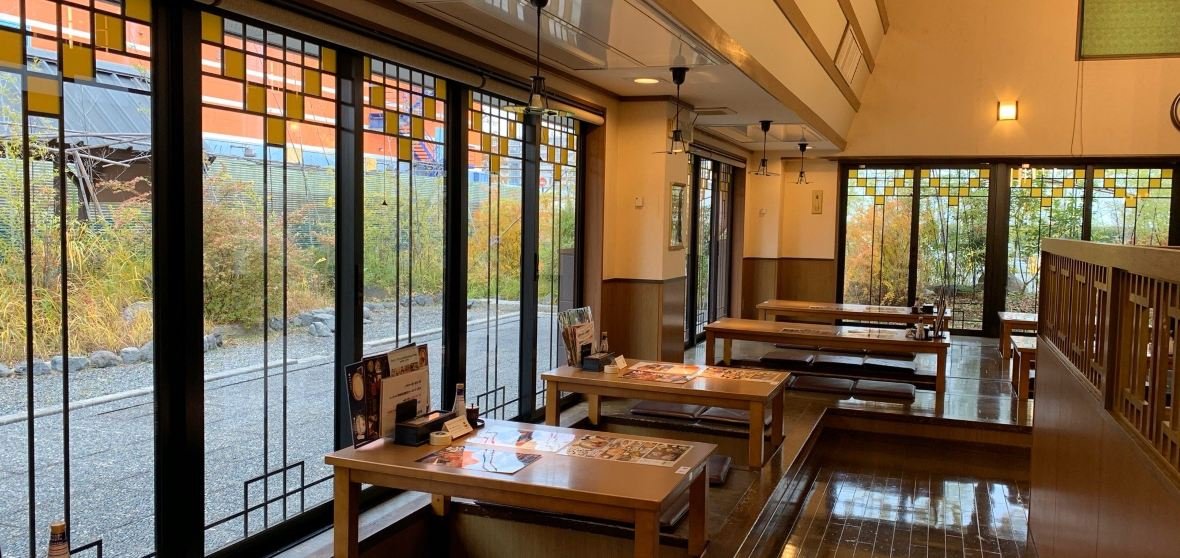
Calm and contemplative with refined, sensory-focused atmosphere; soft lighting from antique and contemporary crockery; river views from large windows overlooking the Okawa River.
Tags
Vibe
Best For
Experience
Sourcing
View
At the Table
- Dress Code
- Smart Casual
- Noise Level
- Quiet
- Service Style
- Formal
- Meal Pacing
- Extended Experience
- Capacity
- Intimate
Signature Dishes
- charred seafood with seven-spice
- eel with shibazuke
- marbled beef
- white miso ice cream
- snow crab with chrysanthemum
Planning details
Location
Japan, 〒530-0043 Osaka, Kita Ward, Tenma, 3 Chome−1−2 TSビル 2F · Directions
Recognition and awards
Also consider
Also Consider
- HAJIME; French, Innovative, ¥¥¥¥
- La Cime; French, ¥¥¥¥
- Kashiwaya Osaka Senriyama; Japanese, ¥¥¥
- Taian; Kaiseki, Japanese, ¥¥¥
- Fujiya 1935; Innovative, ¥¥¥¥
Restaurant context
Sui Oya's most direct competitors are Kashiwaya Osaka Senriyama and Taian; both Michelin-recognised, both Japanese-cuisine focused, both at the ¥¥¥ tier. If you want the most traditional expression of Osaka's Japanese dining heritage, Kashiwaya is the pick. For a kaiseki sequence with a clear formal structure, Taian delivers that more explicitly than Sui Oya's kappo format. Where Sui Oya differentiates itself is flexibility: the ability to add Western-inflected side dishes and to pair with wine rather than sake alone makes it the better choice for diners who want a starred Japanese meal without a fully orthodox experience. For a return visitor who has already done kaiseki, Sui Oya is the natural next move.
At the ¥¥¥¥ tier, the decision shifts considerably. HAJIME and La Cime are Osaka's French-leaning flagships; technically ambitious and production-heavy in a way that Sui Oya does not attempt to replicate. Fujiya 1935 occupies a creative-innovative position that sits apart from any of the Japanese-cuisine options. If the format question is Japanese cooking vs. French-influenced cooking, Sui Oya is the answer when you want the former done with some latitude. If budget is not the constraint and you want Osaka's most ambitious kitchen output, HAJIME is the reference point; but at a meaningfully higher price and with a very different register.
Booking difficulty is similarly hard across all five comparison venues; none of these is an easy walk-in. The practical difference is that Sui Oya's kappo format, with its inherent conversational flexibility, may be more forgiving for guests who are new to the Japanese fine dining counter format than a fixed kaiseki sequence would be.
Explore Osaka
Around this place
Discover more on Pearl
Unlock the full Sui Oya guide in Pearl, including awards, comparisons, FAQs, planning details, and nearby places.
Compare Sui Oya
| Venue | Cuisine | Awards | Booking Difficulty |
|---|---|---|---|
| Sui Oya | Japanese | Michelin Guide Kyoto Osaka 20262026 Michelin 1 Star2024 Michelin 1 Star | Hard |
| HAJIME | French, Innovative | Star Wine Lists 2026 · #12026 Tabelog Bronze · #922026 OAD Top Restaurants in Japan Ranked · #98Michelin Guide Kyoto Osaka 20262026 La Liste Top RestaurantsTabelog 100 - Innovative / Creative cuisine - 2025 · #692025 Asia's 50 Best Restaurants · #832025 OAD Top Restaurants in Japan Ranked · #87We're Smart World Top Restaurants 2025 | Unknown |
| La Cime | French | 2026 Asia's 50 Best Restaurants · #132026 OAD Top Restaurants in Japan Ranked · #1492026 Tabelog Bronze · #231Michelin Guide Kyoto Osaka 20262026 La Liste Top Restaurants2025 Asia's 50 Best Restaurants · #82025 World's 50 Best Restaurants · #44Tabelog 100 - French - WEST - 2025 · #932025 OAD Top Restaurants in Japan Ranked · #123 | Unknown |
| Kashiwaya Osaka Senriyama | Japanese | 2026 Tabelog Bronze · #1682026 OAD Top Restaurants in Japan Recommended2026 Relais Chateaux RestaurantsMichelin Guide Kyoto Osaka 20262026 La Liste Top RestaurantsTabelog 100 - Japanese cuisine - WEST - 2025 · #772025 OAD Top Restaurants in Japan Ranked · #1552025 Relais Chateaux Award2025 Michelin 3 Stars | Unknown |
| Taian | Kaiseki, Japanese | 2026 OAD Top Restaurants in Japan RecommendedMichelin Guide Kyoto Osaka 20262026 La Liste Top Restaurants2025 OAD Top Restaurants in Japan Ranked · #2042025 La Liste Top Restaurants2025 Michelin 3 Stars2024 OAD Top Restaurants in Japan Ranked · #1912024 Michelin 3 Stars2023 OAD Top Restaurants in Japan Highly Recommended | Unknown |
| Fujiya 1935 | Innovative | 2026 Tabelog Bronze · #752026 OAD Top Restaurants in Japan RecommendedMichelin Guide Kyoto Osaka 20262026 La Liste Top Restaurants2025 Michelin 2 Stars2025 Tabelog Silver2025 La Liste Top Restaurants2024 OAD Top Restaurants in Japan Ranked · #2392024 Michelin 2 Stars | Unknown |










Comparing your options in Osaka for this tier.
FAQ
Frequently Asked Questions
What should I wear to Sui Oya?
Kappo restaurants at the ¥¥¥ price point in Osaka generally expect neat, understated dress; nothing formal, but nothing casual either. Think clean, well-fitted clothes without logos. Sui Oya's creative approach to kappo suggests an atmosphere that is serious about food without rigid ceremony, so over-dressing is unnecessary.
Is Sui Oya good for solo dining?
Yes. Kappo is one of the formats most suited to solo dining in Japan; counter seating means you eat in front of the kitchen, which suits single guests well. A Michelin-starred kappo at ¥¥¥ in a compact Tenma venue will typically have counter spots, making this a reasonable solo booking if you can secure a reservation.
Does Sui Oya handle dietary restrictions?
The menu structure at Sui Oya includes optional Western-style side dishes such as crab cream croquettes and beef cutlet alongside the kappo progression, which suggests some flexibility in the format. That said, kappo menus are chef-led and ingredient-driven; if you have serious dietary restrictions, flag them at the time of booking rather than assuming accommodation.
What are alternatives to Sui Oya in Osaka?
For traditional kappo without the Western-inflected sides, Oimatsu Hisano in Kita Ward is a close comparison. If you want a more structured tasting format with stronger wine pairing credentials, La Cime in central Osaka operates at a higher price tier. Taian and Fujiya 1935 are worth considering if you want Japanese cuisine at the two-star level.
Is Sui Oya worth the price?
At ¥¥¥ with a 2024 Michelin star, Sui Oya sits in the mid-tier of Osaka's serious Japanese dining; more accessible than the city's two-star rooms, but priced above casual kappo. The creative angle (Western-style side options, wine pairings alongside sake) adds range that justifies the spend if you want a kappo meal that moves beyond strictly traditional formats. If you prefer rigorous classical kappo, Oimatsu Hisano may suit you better at a comparable price.