
Sui Okazaki
Japanese · Chūō, Osaka
Restaurant in Osaka, Japan
 Book with Pearl
The Read
Soy-Marinated Sashimi Precision
Price
¥¥¥
Dress
Smart Casual
Why go
At ¥¥¥, Sui Okazaki delivers creative, technically grounded cooking — soy-marinated sashimi, enamelled-pot dashi — without the spend or booking difficulty of Osaka's starred rooms. A strong choice for food-focused travellers who want ambition at a reachable price.
About Sui Okazaki
Should You Book Sui Okazaki?
If you have already eaten once at Sui Okazaki and are weighing a return visit, the honest answer is yes. The cooking here does not stand still. The chef's stated purpose is to honour the techniques he absorbed during his apprenticeship at the restaurant called Sui, while pushing those lessons into territory the original never mapped. That means the sashimi preparation you saw last time may have evolved, the dashi method is consistent but the dishes built around it shift, and the kitchen's willingness to experiment is not performative — it is the whole point. For a first-timer, the Michelin Plate recognition in both 2024 and 2025 is a credible signal that the output is solid enough to justify the trip to Higashishinsaibashi.
The Portrait
Sui Okazaki sits on the second floor of Shinsaibashi Stage A Building in Higashishinsaibashi, the commercial and dining spine that runs through Chuo Ward, Osaka. This is not a neighbourhood that needs a restaurant to put it on the map — Shinsaibashi is already one of the most concentrated dining districts in Japan, but Sui Okazaki occupies a specific register within it. At ¥¥¥, it sits below the top-tier spend of Osaka's Michelin-starred rooms, which makes it the kind of place the neighbourhood actually uses: reachable for a considered weeknight dinner, not just a once-a-year occasion.
The kitchen's approach to Japanese cuisine is methodical in its foundations and restless in its execution. The chef draws dashi in an enamelled pot, working from the premise that the vessel produces a cleaner, purer umami extraction. That choice is a technical conviction, not a marketing point, and it anchors the flavour logic of the menu. Around that foundation, the experimentation is real: sashimi marinated in soy sauce, sashimi wrapped in nori, preparations that compress or extend the traditional format rather than abandon it. For a food traveller with context across Japan's regional kitchens, this is a more interesting proposition than a room that executes tradition without friction. Compare it, for reference, to the rigour of Gion Sasaki in Kyoto or the precision of Harutaka in Tokyo: Sui Okazaki is operating at a different price level, but the seriousness of intent is comparable.
A 4.9 on a meaningful sample is harder to sustain than a 5.0 on a dozen reviews, and it suggests consistent delivery rather than a single exceptional evening skewing the average. The Michelin Plate designation in consecutive years reinforces this: the guide's inspectors are noting quality and a coherent point of view, even if the room has not yet crossed into starred territory.
Name itself is deliberate. 'Sui' is a direct tribute to the restaurant where the chef trained, and wearing that name publicly is a form of accountability. It signals that the cooking here is not attempting to erase its lineage but to extend it. For a diner who values that kind of culinary honesty, the framing matters. It is worth comparing this ethos to other Osaka rooms where the cooking and the backstory are in clear alignment, including Taian and Kashiwaya Osaka Senriyama, both of which carry their traditions with similar transparency.
For the explorer-type diner passing through Osaka as part of a broader Japan itinerary that might include akordu in Nara, Goh in Fukuoka, or 1000 in Yokohama, Sui Okazaki fills a particular slot: a serious Japanese kitchen at a price point that does not require you to treat it as the centrepiece meal of the trip. That flexibility is genuinely useful when you are eating at a high level across multiple cities.
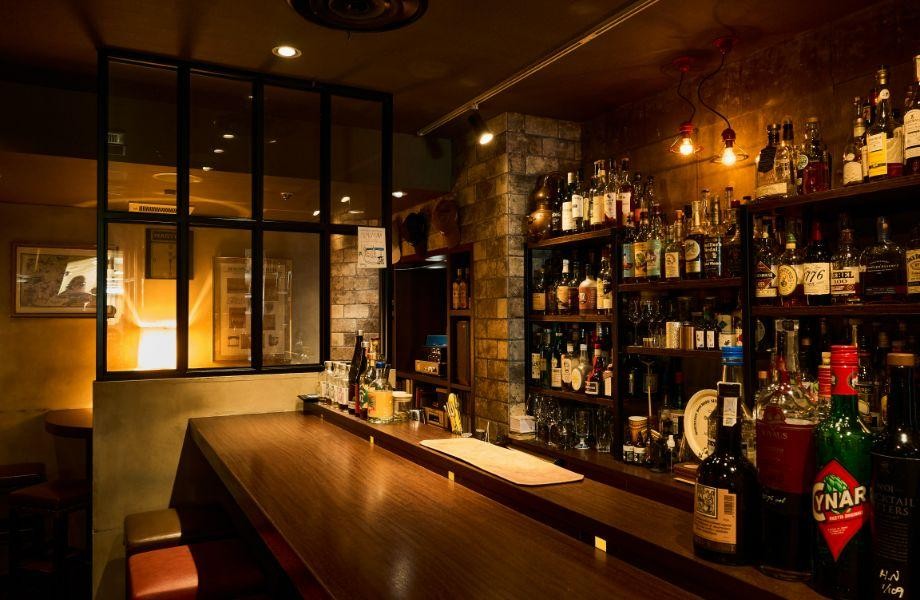
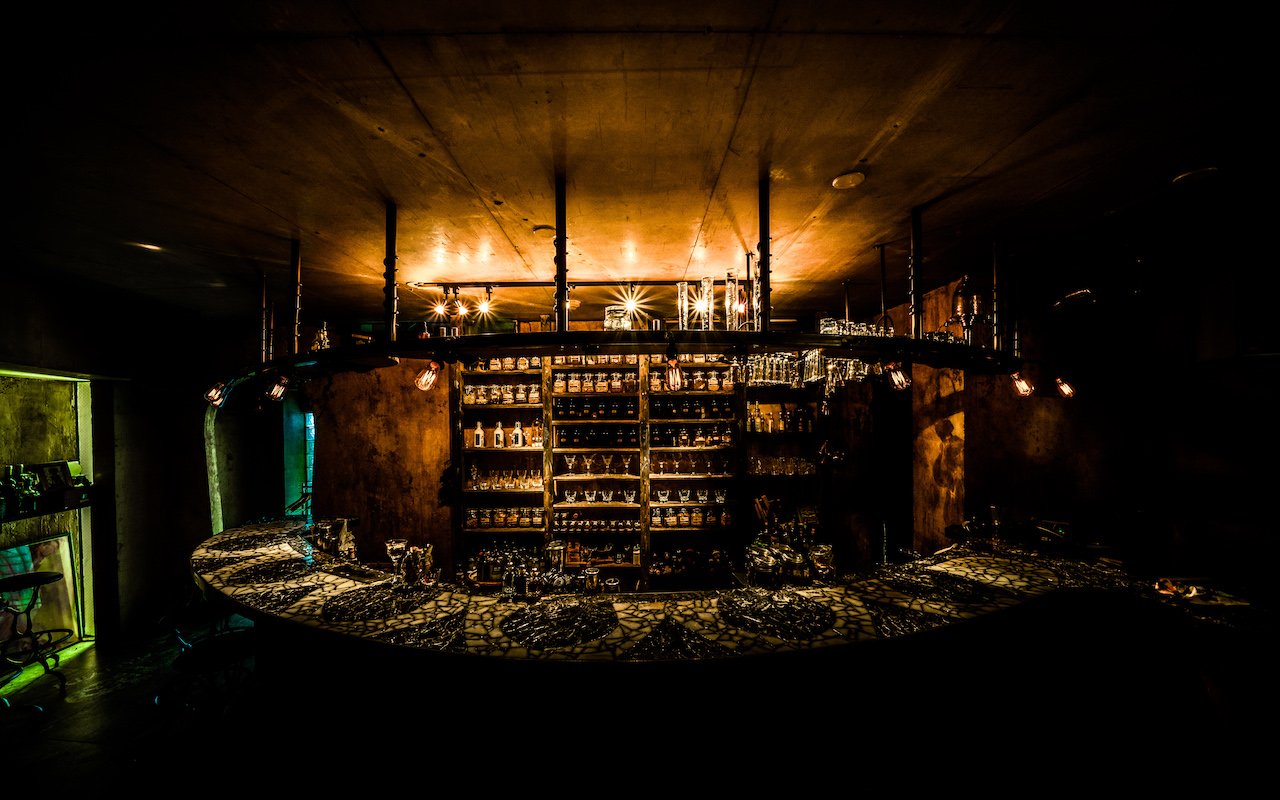
Within Osaka itself, the restaurant sits in a district that gives it walk-in proximity to the broader Shinsaibashi dining circuit. If you are planning a full evening in the area, Osaka's bar scene is dense enough to make a proper night of it before or after. For broader orientation on where Sui Okazaki fits within the city's dining offer, our full Osaka restaurants guide maps the field. Nearby rooms worth knowing in context include Miyamoto, Yugen, Oimatsu Hisano, and Tenjimbashi Aoki.
One practical note on sensory expectation: the kitchen's focus on dashi and fermented or cured preparations means the aromatic register of the room is likely to be quieter and more savoury than the brash, high-heat fragrance you get from teppanyaki or robata rooms. That is not a criticism. It is a calibration point. The cooking here is about depth and precision, and the atmosphere of the room follows accordingly.
For Tokyo-based diners already familiar with the quiet intensity of rooms like Myojaku or Azabu Kadowaki, Sui Okazaki will feel immediately legible. For someone newer to this register of Japanese dining, it is a well-priced entry point into a serious kitchen without the financial and logistical commitment of Osaka's top-starred rooms.
Quick reference: Price range ¥¥¥. Higashishinsaibashi, Chuo Ward, Osaka. Booking difficulty: Easy.
Ratings at a Glance
- Michelin recognition: Plate (2024, 2025)
- Price range: ¥¥¥
- Cuisine: Japanese, innovation-led, tradition-anchored
Booking
Booking difficulty is rated Easy, which at ¥¥¥ in a busy Osaka neighbourhood likely means you can secure a table without weeks of advance planning. That said, Michelin Plate venues in Shinsaibashi do fill on weekends. Aim to book at least a week ahead for Friday or Saturday. Phone and website details are not currently listed in Pearl's data; check Google Maps or a concierge booking service for current contact information. This is a kitchen with genuine technical ambition, dashi drawn in an enamelled pot, sashimi pushed beyond the conventional, at a price point well below Osaka's starred rooms. If you want creative Japanese cooking without the ¥¥¥¥ commitment of rooms like HAJIME or Fujiya 1935, Sui Okazaki is a credible choice.
Also in the Region
If you are building a wider Japan itinerary, Pearl covers serious dining across the country. See 6 in Okinawa for the south, Goh in Fukuoka for Kyushu, and akordu in Nara for a day-trip distance alternative. Osaka's broader offering covers experiences and wineries beyond the restaurant circuit.
Planning details
- Location
- Japan, 〒542-0083 Osaka, Chuo Ward, Higashishinsaibashi, 1 Chome−16−20 心斎橋ステージアビル 2階
- Website
- sui-okazaki.com
- Phone
- +81 6-6227-8578
The take
The Take
The Vibe
Sui Okazaki sits quietly within Shinsaibashi, carving a measured path between classical kaiseki restraint and Osaka’s taste for direct, flavour-forward cooking. The room matches that intention: unobtrusive and focused on the food, with the kitchen’s technical choices—most notably its enamelled pot for dashi—taking centre stage. Michelin Plate recognition in consecutive years underlines a practice built on consistency rather than theatrical novelty. The result is a composed, modern take on traditional Japanese technique: familiar reference points are present, but the kitchen’s precise, deliberate choices keep the experience contemporary and refined.
Best For
Sui Okazaki is best suited to evenings when diners are seeking carefully made Japanese cooking without the excess of higher-priced kaiseki counters. Its ¥¥¥ price positioning and Michelin Plate status make it a natural choice for celebratory dinners and intimate date nights where technical mastery matters as much as flavour. The menu rewards attention to umami and craft—guests who appreciate clarity in stock work and precise sashimi will find a reliable, repeatable experience. In Shinsaibashi’s dense dining ecosystem, Sui stands out as a restaurant for diners who prefer considered, skill-first cooking over gimmickry.
Ordering Tips
Focus your order on what the kitchen emphasizes: pristine sashimi and carefully prepared wagyu are signature highlights, and dishes built around dashi reveal the restaurant’s technical intent. Ask staff which courses showcase the enamelled-pot dashi or any seasonal preparations that let the stock’s clarity lead the plate. Given the restaurant’s emphasis on consistency and precision, choose dishes that foreground texture and umami rather than heavy seasoning—this is a place to taste subtlety and technique. Reservations are sensible in this busy neighbourhood, but confirm specifics with the venue.
Venue details
Ambiance
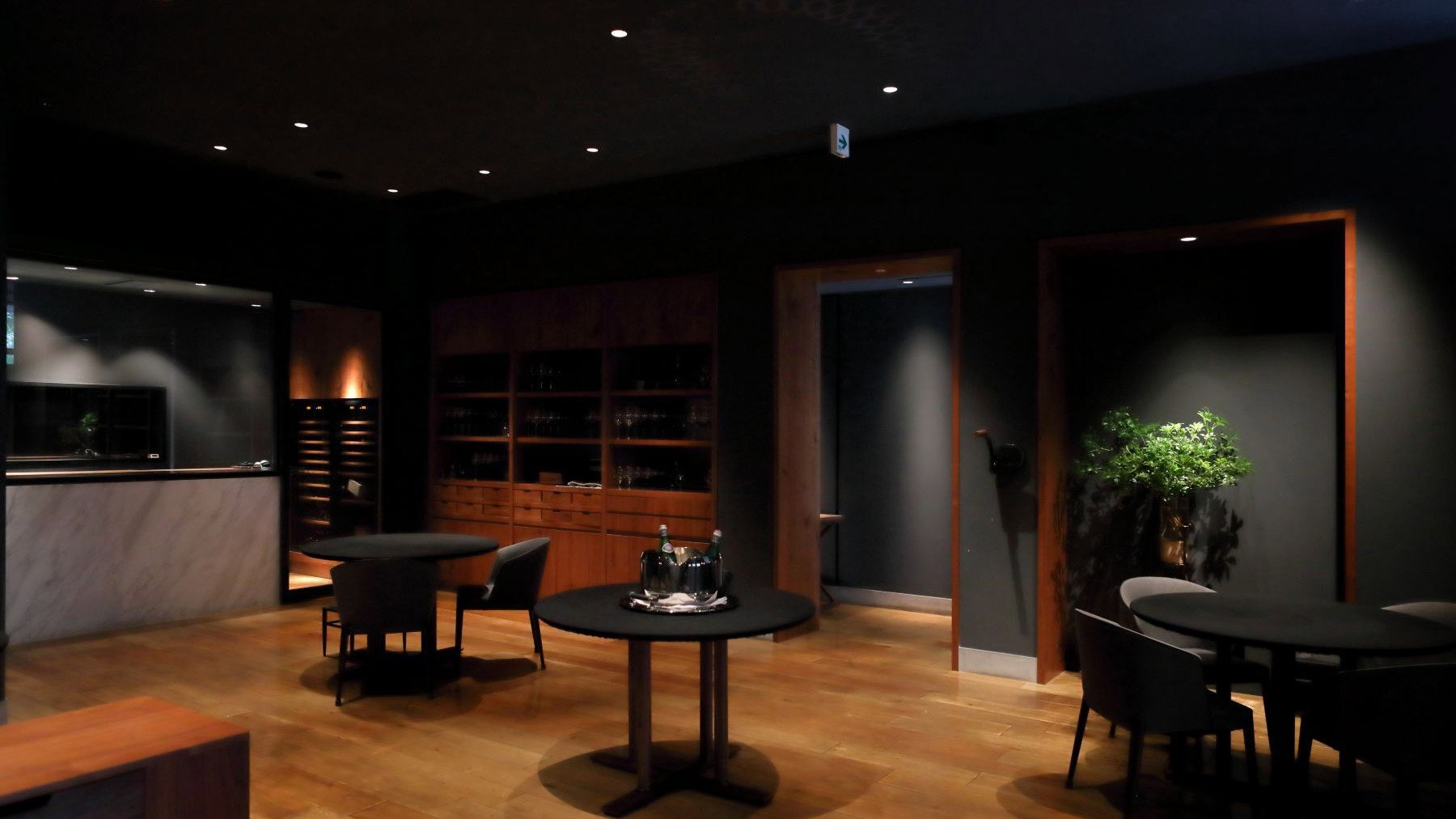
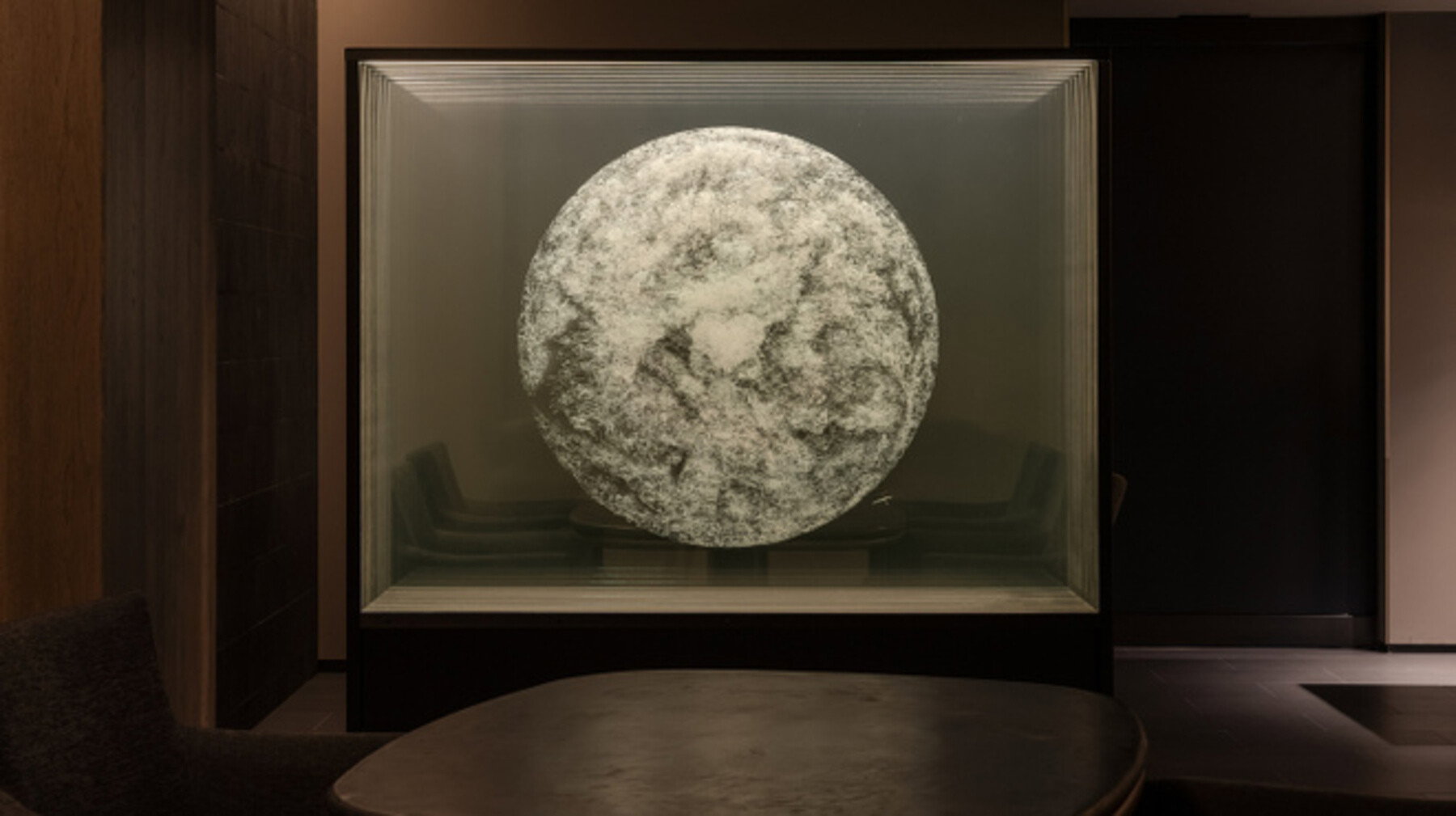
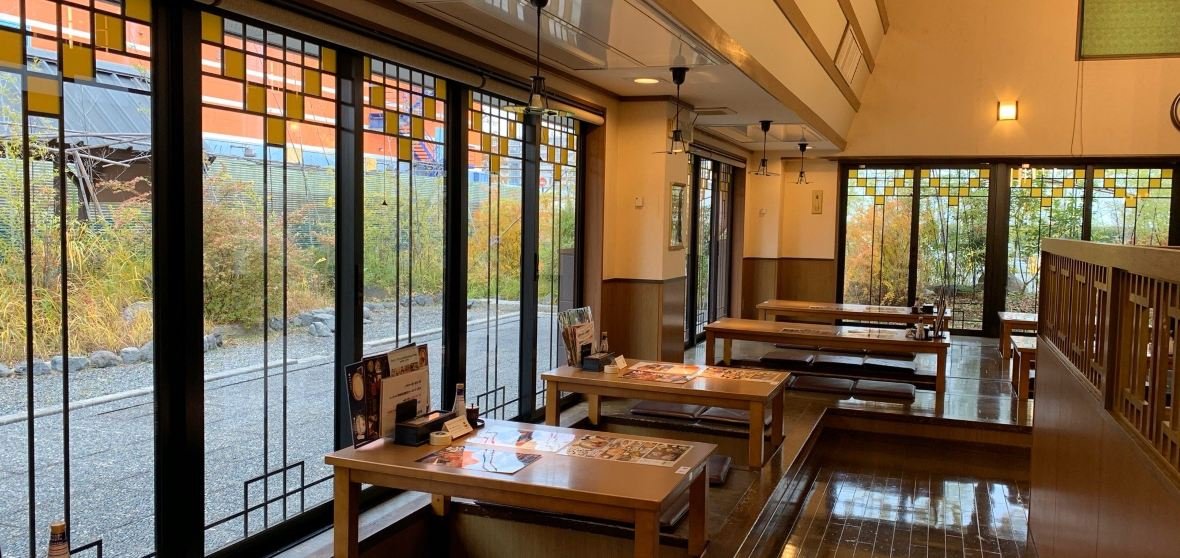
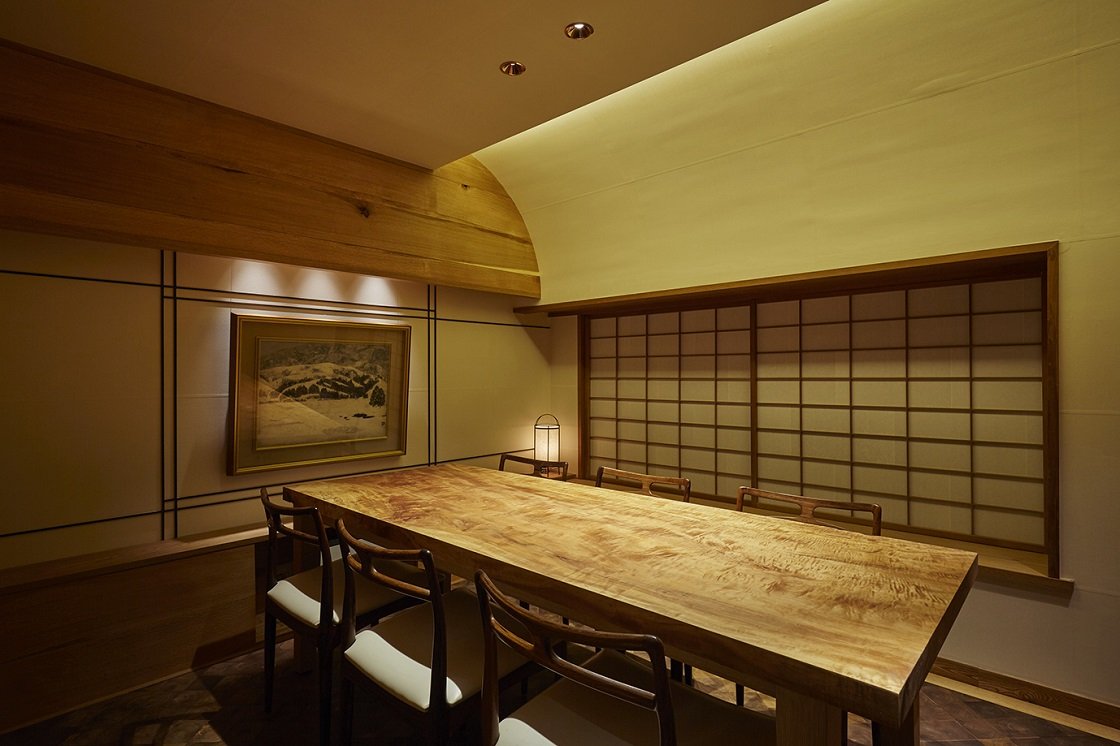
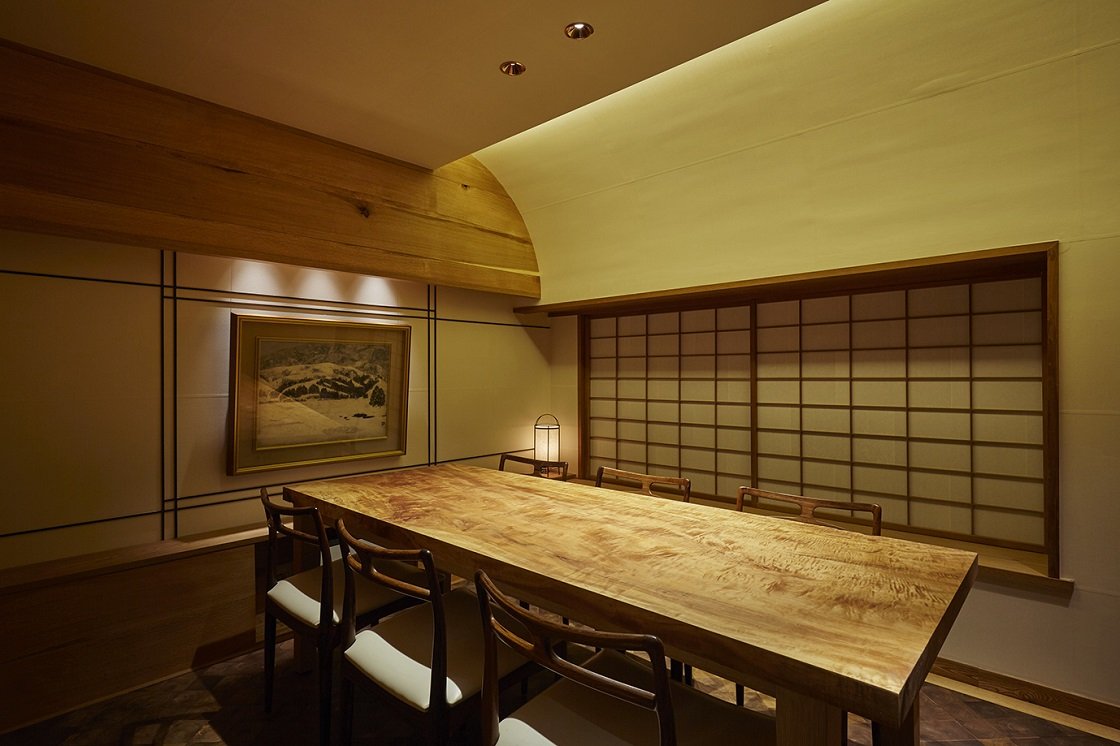
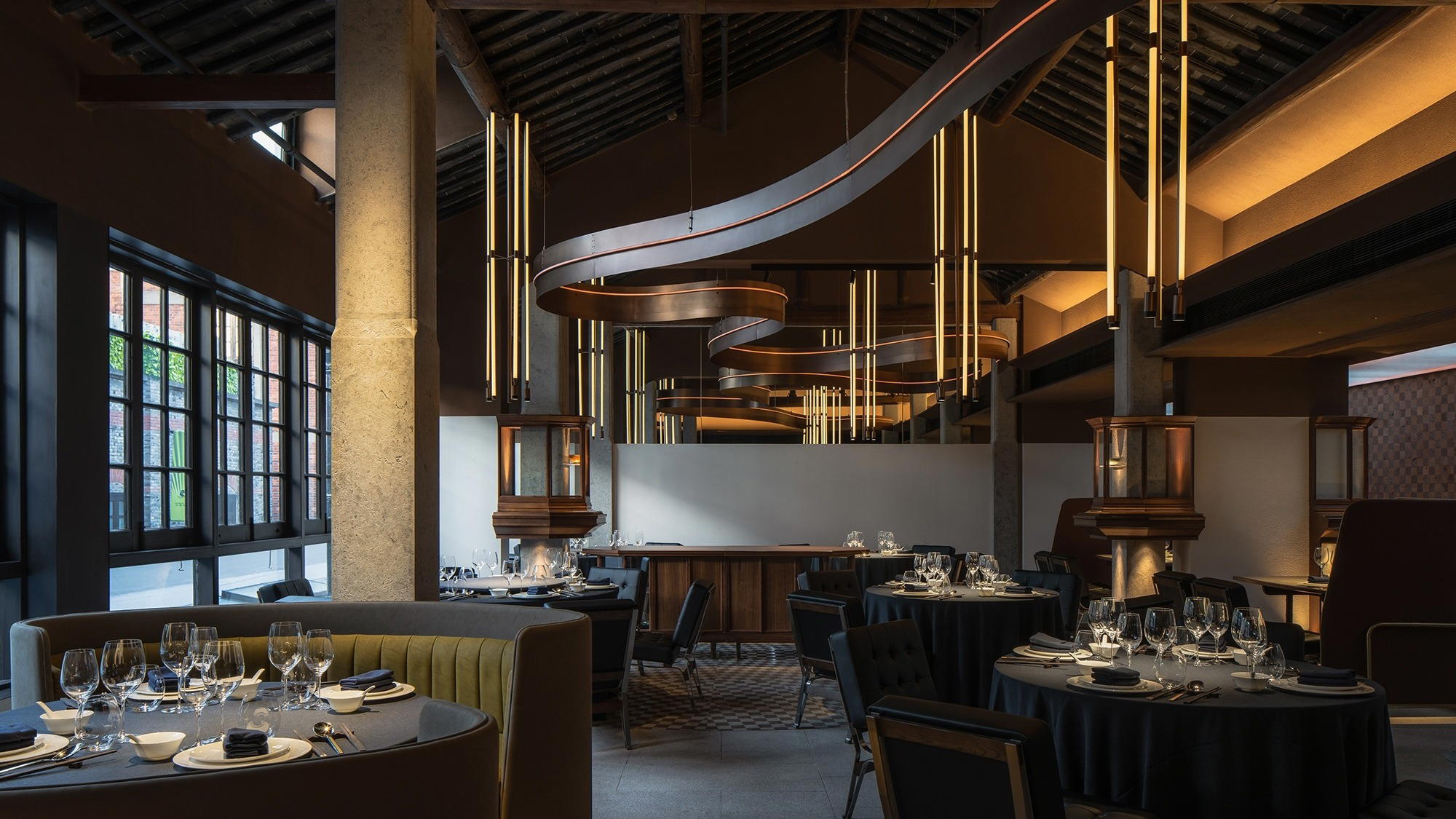
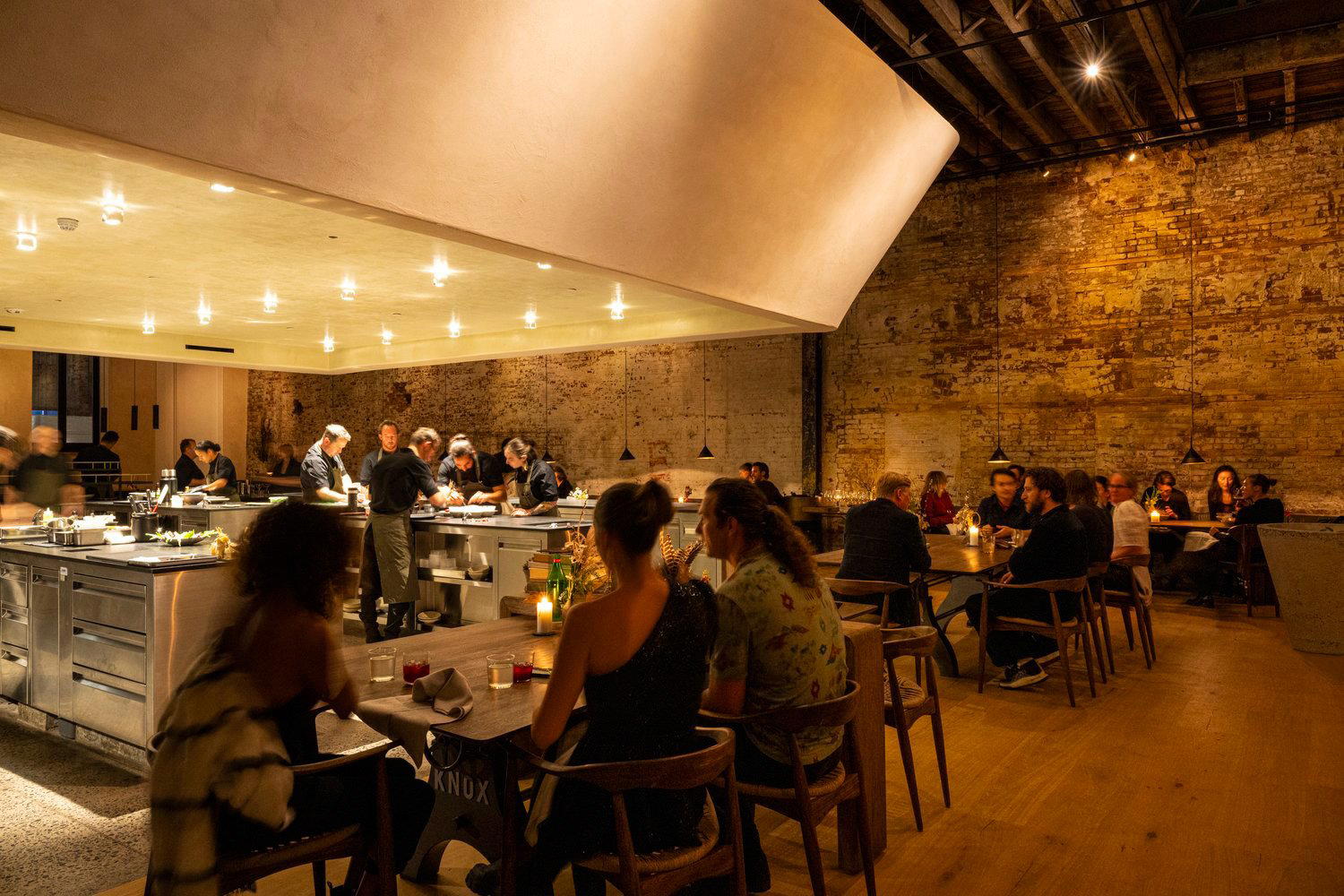
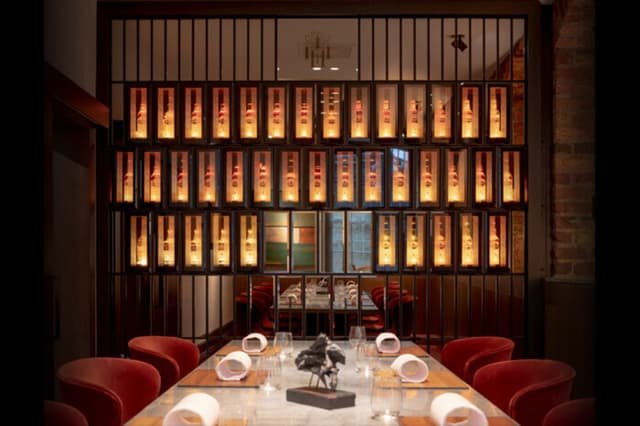
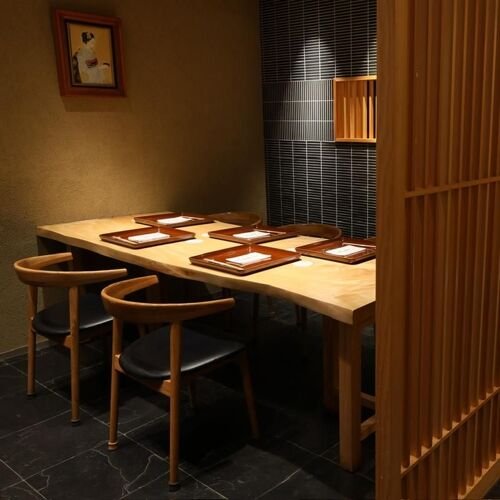
Serene Japanese-inspired space with warm wooden counter, relaxing atmosphere, and cozy private rooms.
Tags
Vibe
Best For
Experience
At the Table
- Dress Code
- Smart Casual
- Noise Level
- Quiet
- Service Style
- Upscale Casual
- Meal Pacing
- Leisurely
- Capacity
- Intimate
Signature Dishes
- sashimi
- wagyu beef
Know before you go
Know Before You Go
- Getting there
- Japan, 〒542-0083 Osaka, Chuo Ward, Higashishinsaibashi, 1 Chome−16−20 心斎橋ステージアビル 2階
Planning details
Location
Japan, 〒542-0083 Osaka, Chuo Ward, Higashishinsaibashi, 1 Chome−16−20 心斎橋ステージアビル 2階 · Directions
Recognition and awards
Also consider
Also Consider
- HAJIME, French, Innovative, ¥¥¥¥
- La Cime, French, ¥¥¥¥
- Kashiwaya Osaka Senriyama, Japanese, ¥¥¥
- Taian, Kaiseki, Japanese, ¥¥¥
- Fujiya 1935, Innovative, ¥¥¥¥
Restaurant context
How It Compares
Within Osaka's Japanese dining tier at ¥¥¥, Sui Okazaki's closest comparisons are Kashiwaya Osaka Senriyama and Taian. Both carry their traditions seriously and operate at similar price levels. The distinction is in disposition: Kashiwaya and Taian are rooted in kaiseki formality, while Sui Okazaki is explicitly pushing its inherited techniques into less mapped territory. If you want the most disciplined, classical Japanese experience in the ¥¥¥ range, Kashiwaya or Taian are the safer picks. If you want a kitchen that is actively testing its own assumptions, Sui Okazaki has the stronger case.
The ¥¥¥¥ tier in Osaka is a different conversation. HAJIME and La Cime are French-led rooms operating at a starred level with significantly higher spend. Fujiya 1935 is Osaka's most experimental kitchen, again at ¥¥¥¥. Sui Okazaki does not compete with those rooms on price or on the density of their accolades, but it does offer something none of them do at its price point: serious Japanese cooking with a clear creative agenda and Easy booking access.
The practical verdict: book Sui Okazaki if you want creative Japanese cuisine at ¥¥¥ without the advance planning or budget allocation that the ¥¥¥¥ rooms require. Choose Kashiwaya or Taian if tradition and kaiseki structure matter more than innovation. Step up to HAJIME or Fujiya 1935 only if you are making this the centrepiece meal of the Osaka leg of your trip and the spend is accounted for.
Explore Osaka
Around this place
Discover more on Pearl
Unlock the full Sui Okazaki guide in Pearl, including awards, comparisons, FAQs, planning details, and nearby places.
Compare Sui Okazaki
| Venue | Awards | Price |
|---|---|---|
| Sui Okazaki | Michelin Guide Kyoto Osaka 20262026 Michelin Plate2025 Michelin Plate2024 Michelin Plate | ¥¥¥ |
| HAJIME | Star Wine Lists 2026 · #12026 Tabelog Bronze · #922026 OAD Top Restaurants in Japan Ranked · #98Michelin Guide Kyoto Osaka 20262026 La Liste Top RestaurantsTabelog 100 - Innovative / Creative cuisine - 2025 · #692025 Asia's 50 Best Restaurants · #832025 OAD Top Restaurants in Japan Ranked · #87We're Smart World Top Restaurants 2025 | ¥¥¥¥ |
| La Cime | 2026 Asia's 50 Best Restaurants · #132026 OAD Top Restaurants in Japan Ranked · #1492026 Tabelog Bronze · #231Michelin Guide Kyoto Osaka 20262026 La Liste Top Restaurants2025 Asia's 50 Best Restaurants · #82025 World's 50 Best Restaurants · #44Tabelog 100 - French - WEST - 2025 · #932025 OAD Top Restaurants in Japan Ranked · #123 | ¥¥¥¥ |
| Kashiwaya Osaka Senriyama | 2026 Tabelog Bronze · #1682026 OAD Top Restaurants in Japan Recommended2026 Relais Chateaux RestaurantsMichelin Guide Kyoto Osaka 20262026 La Liste Top RestaurantsTabelog 100 - Japanese cuisine - WEST - 2025 · #772025 OAD Top Restaurants in Japan Ranked · #1552025 Relais Chateaux Award2025 Michelin 3 Stars | ¥¥¥ |
| Taian | 2026 OAD Top Restaurants in Japan RecommendedMichelin Guide Kyoto Osaka 20262026 La Liste Top Restaurants2025 OAD Top Restaurants in Japan Ranked · #2042025 La Liste Top Restaurants2025 Michelin 3 Stars2024 OAD Top Restaurants in Japan Ranked · #1912024 Michelin 3 Stars2023 OAD Top Restaurants in Japan Highly Recommended | ¥¥¥ |
| Fujiya 1935 | 2026 Tabelog Bronze · #752026 OAD Top Restaurants in Japan RecommendedMichelin Guide Kyoto Osaka 20262026 La Liste Top Restaurants2025 Michelin 2 Stars2025 Tabelog Silver2025 La Liste Top Restaurants2024 OAD Top Restaurants in Japan Ranked · #2392024 Michelin 2 Stars | ¥¥¥¥ |
.png?width=1200&quality=80)









Key differences to consider before you reserve.
FAQ
Frequently Asked Questions
Is the tasting menu worth it at Sui Okazaki?
At ¥¥¥ pricing, Sui Okazaki sits in mid-to-upper territory for Osaka dining and delivers a clear point of view: the chef applies classic Japanese technique with deliberate creative moves, including soy-marinated sashimi and dashi drawn in an enamelled pot for cleaner umami. Two consecutive Michelin Plate recognitions (2024 and 2025) confirm the cooking is consistent. If you want a meal that has a defined chef's voice without paying Michelin-starred prices, the value case is solid.
What should I wear to Sui Okazaki?
The venue sits on the second floor of a commercial building in Shinsaibashi, one of Osaka's busiest dining and retail corridors, which suggests a polished but not ceremonial setting. At ¥¥¥ with Michelin recognition, neat, dressy-casual clothing is a reasonable baseline. No dress code is documented for Sui Okazaki specifically, so avoid overly casual attire but a jacket is unlikely to be required.
What should I order at Sui Okazaki?
The kitchen's documented signatures include sashimi marinated in soy sauce, sashimi wrapped in nori, and dashi prepared in an enamelled pot. These dishes reflect the chef's core philosophy of advancing traditional Japanese technique rather than abandoning it. A tasting-format meal that spans these preparations will give you the fullest read on what Sui Okazaki is doing.
How far ahead should I book Sui Okazaki?
Booking difficulty is rated Easy for Sui Okazaki, which at ¥¥¥ in Shinsaibashi is a meaningful signal: you are unlikely to need weeks of advance planning the way you would for heavily demand-constrained Osaka spots. A week or two ahead is a reasonable target, though checking availability closer to your date may also work for off-peak sittings.
What are alternatives to Sui Okazaki in Osaka?
For a step up in formal credential, La Cime and Fujiya 1935 hold Michelin stars and represent the top of Osaka's tasting-menu tier. Taian and Kashiwaya Osaka Senriyama offer serious kaiseki in a more traditional register. HAJIME is the highest-credential option in the city with three Michelin stars, but comes with a corresponding price and booking challenge. Sui Okazaki makes most sense if you want Michelin-recognised cooking at ¥¥¥ without the lead-time pressure of the starred rooms.