
Shunzen Kiraku
Japanese · Chūō, Osaka
Restaurant in Osaka, Japan
 Book with Pearl
The Read
Diner-Directed Kappo
Price
¥¥¥
Dress
Smart Casual
Why go
A Michelin Plate-recognised Naniwa kappo counter in Osaka's Chuo Ward, Shunzen Kiraku delivers a procession of seafood, grilled, simmered dishes with a chef who adjusts preparations to individual preference. At the ¥¥¥ price tier with easy booking, it's one of the more accessible entry points into Osaka kappo dining with verified quality credentials.
About Shunzen Kiraku
Worth Booking Again; Here's What to Expect the Second Time
If you've already eaten at Shunzen Kiraku, you already know the format works. The question on a return visit is whether it holds up; whether the kappo structure still feels considered rather than rote, whether the chef's willingness to adjust dishes to your preference carries any real weight or is just good hospitality theater. The short answer: it holds up. Book it again, particularly if you're going with someone who hasn't been.
What Shunzen Kiraku Actually Is
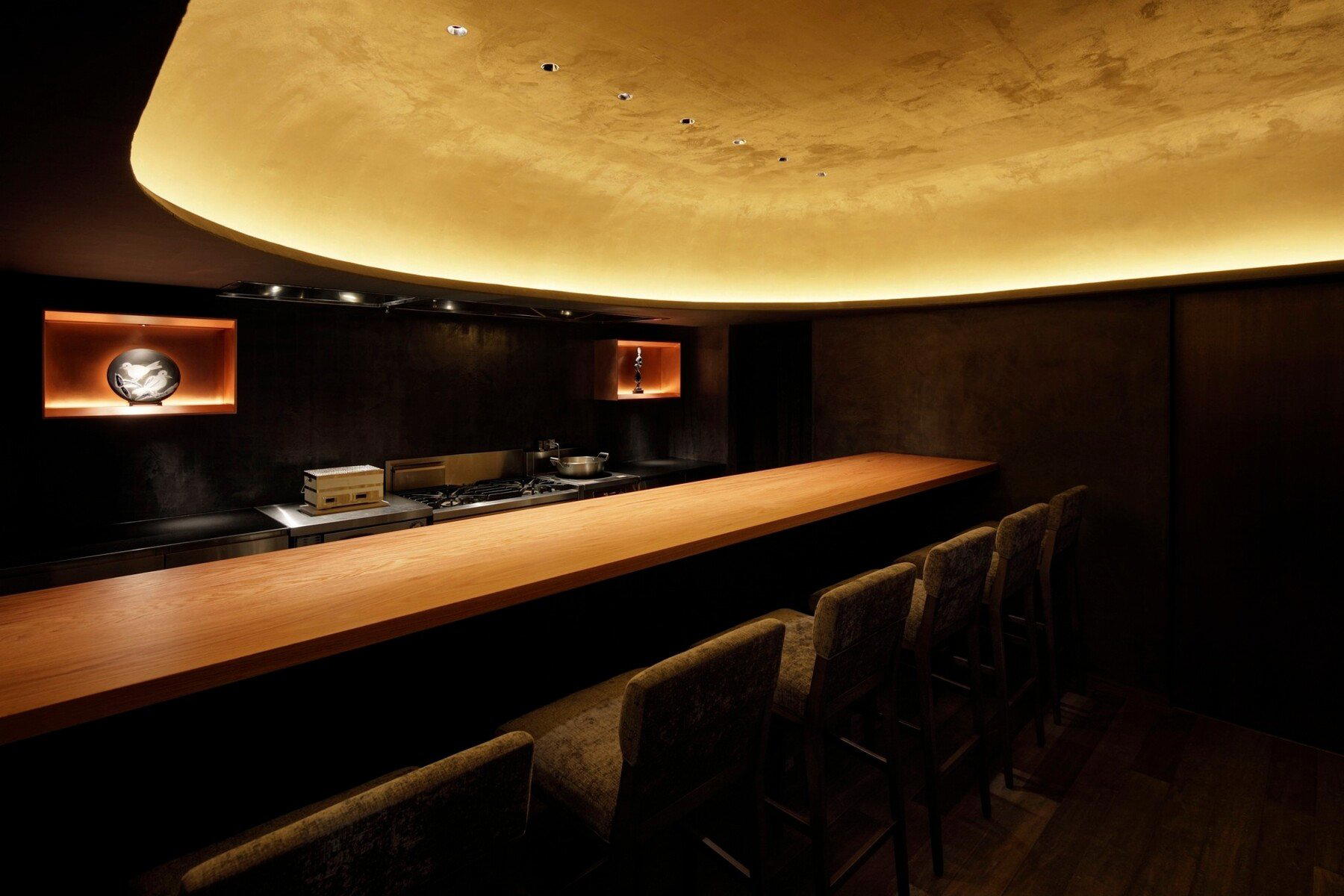
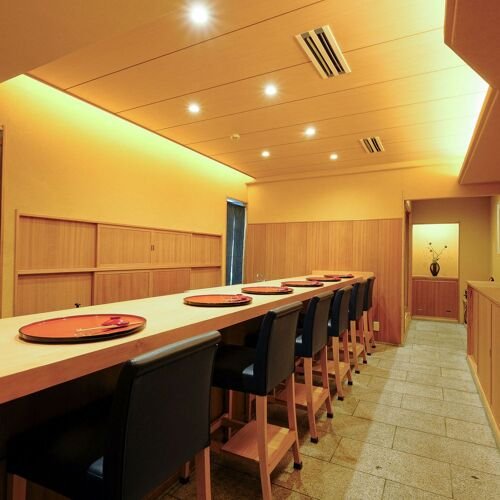
Shunzen Kiraku operates in the Naniwa kappo tradition, which is specific to Osaka and distinct from kaiseki in ways that matter to how you eat. Kappo is counter-forward, chef-driven, interactive, the meal unfolds in front of you rather than arriving as a predetermined sequence from a distant kitchen. The procession here opens with a combination platter of seafood, vegetables, sushi, then moves through grilled and simmered dishes that anchor the menu in classical technique. What pulls it out of the purely traditional category are the occasional creative departures: bisques and frites sit alongside the more orthodox preparations, signalling a kitchen that isn't frozen in formalism.
The philosophy in the kitchen is explicitly about tailoring each dish to the diner. Indicate a preference, a protein you want more of, a preparation style you favor, something you'd rather avoid, the chef adjusts. That isn't a marketing claim; it's described as the core teaching the chef carries from his mentor. Whether you engage with it or let the set procession run is up to you, but the option is there and it's worth using.
The venue holds a Michelin Plate in both 2024 and 2025. That designation doesn't carry the weight of a star, but it does represent Michelin's acknowledgment of a kitchen with good-quality cooking. In Osaka's kappo category, which includes some serious competition, landing two consecutive Michelin Plates at the ¥¥¥ price tier is meaningful positioning, it puts Shunzen Kiraku in the range where quality is without the price ceiling of the starred rooms.
On the Wine Program
Shunzen Kiraku's database record doesn't document a formal wine program, that's not unusual for an Osaka kappo in this tier. The traditional pairing at a kappo counter is sake, shochu, or Japanese whisky, beverages that are built for the flavour register of grilled, simmered, seafood-forward cooking. If you're a wine drinker looking for a deep list with sommelier guidance, this is probably not the right room. If you're open to exploring the Japanese spirits category alongside the food, the match is likely stronger here than any wine pairing would be. For food-and-drink depth in the wine direction, Yugen in Osaka takes a more Western-influenced approach that may suit better.
How to Book and When to Go
Shunzen Kiraku is listed as easy to book, which is a genuine advantage in a city where the leading kappo and kaiseki rooms can require planning weeks or months in advance. That said, easy doesn't mean walk-in reliable, for a kappo counter in Chuo Ward, a reservation is the right approach. If you're planning around a specific date, booking a week or two out should be sufficient. This is a notably lower friction experience than comparable rooms at venues like Taian or Kashiwaya Osaka Senriyama, where demand outpaces availability more aggressively.
The address is in Chuo Ward, Tohei, on the Uemachi plateau, a residential-feeling pocket of central Osaka that sits above the denser commercial streets. The area is walkable from the major subway lines but requires a bit of navigation. Worth confirming your route before you go, particularly if arriving after dark.
Know Before You Go
- Cuisine: Naniwa (Osaka) kappo, Japanese
- Price range: ¥¥¥
- Awards: Michelin Plate 2024 and 2025
- Booking difficulty: Easy, book 1–2 weeks out
- Location: Chuo Ward, Tohei, Uemachi, Osaka
- Format: Kappo counter; chef adjusts dishes to preference on request
- Leading for: Food enthusiasts who want interactive, counter-led Japanese dining at a mid-tier price point
- Drink pairing: Traditional Japanese pairings (sake, shochu) likely more at home here than wine
How It Compares
See the comparison section below for peer venues in Osaka.
Explore More in Osaka and Beyond
For more options in Osaka's Japanese dining scene, Miyamoto, Oimatsu Hisano, and Tenjimbashi Aoki are worth considering at a similar price tier. Our full Osaka restaurants guide covers the broader category. If you're building an itinerary around the Kansai region, Gion Sasaki in Kyoto and akordu in Nara are strong additions. For Tokyo kappo and Japanese counter dining comparisons, Harutaka, Myojaku, and Azabu Kadowaki provide useful reference points for what this format delivers at different price levels. Beyond the restaurant scene, see our guides to Osaka hotels, Osaka bars, Osaka wineries, and Osaka experiences.
Planning details
- Location
- Japan, 〒542-0063 Osaka, Chuo Ward, Tohei, 1 Chome−3 16W上町台 1階
- Website
- shunzen-kiraku.com
- Phone
- +81 90-3238-9696
The take
The Take
The Vibe
Shunzen Kiraku presents a focused Naniwa kappo identity that leans into Osaka’s sociable, counter-driven dining culture. The kitchen is open and the chef is present, so the room hums with exchange—the running conversation between cook and guest shapes the experience. The format balances tradition and approachability: it feels rooted in classic techniques while remaining immediate and personal. Michelin Plate recognition and a mid-to-upper price positioning give the place an elevated tone without the full ceremony of kaiseki. Overall, the dining room reads intimate and classic, with a quietly charming, guest-forward energy.
Best For
This kappo counter is best experienced at dinner, when the meal’s rhythm—partly dictated by the kitchen and partly by the room—unfolds. It suits couples and diners who prize direct engagement with the cook and appreciate a meal that moves through shared introductions, grilled and simmered items, and more creative preparations. The restaurant’s ¥¥¥ price point and Michelin Plate status make it appropriate for special evenings that call for attention to technique without excessive formality. Its location in Chuo Ward keeps it accessible to those exploring Shinsaibashi and Tanimachi neighborhoods.
Ordering Tips
Expect the evening to begin communally: the meal opens with a combination platter of seafood, vegetables and sushi that functions as an introduction to the kitchen’s current register. Kappo is conversational and negotiable rather than a fixed sequence, so be prepared to let the chef and the room set the pace. Opt to trust the chef’s flow rather than rigidly ordering à la carte; share plates and engage with the staff if you enjoy a give-and-take approach. Arrive ready for a social, counter-forward service style that rewards curiosity and participation.
Venue details
Ambiance
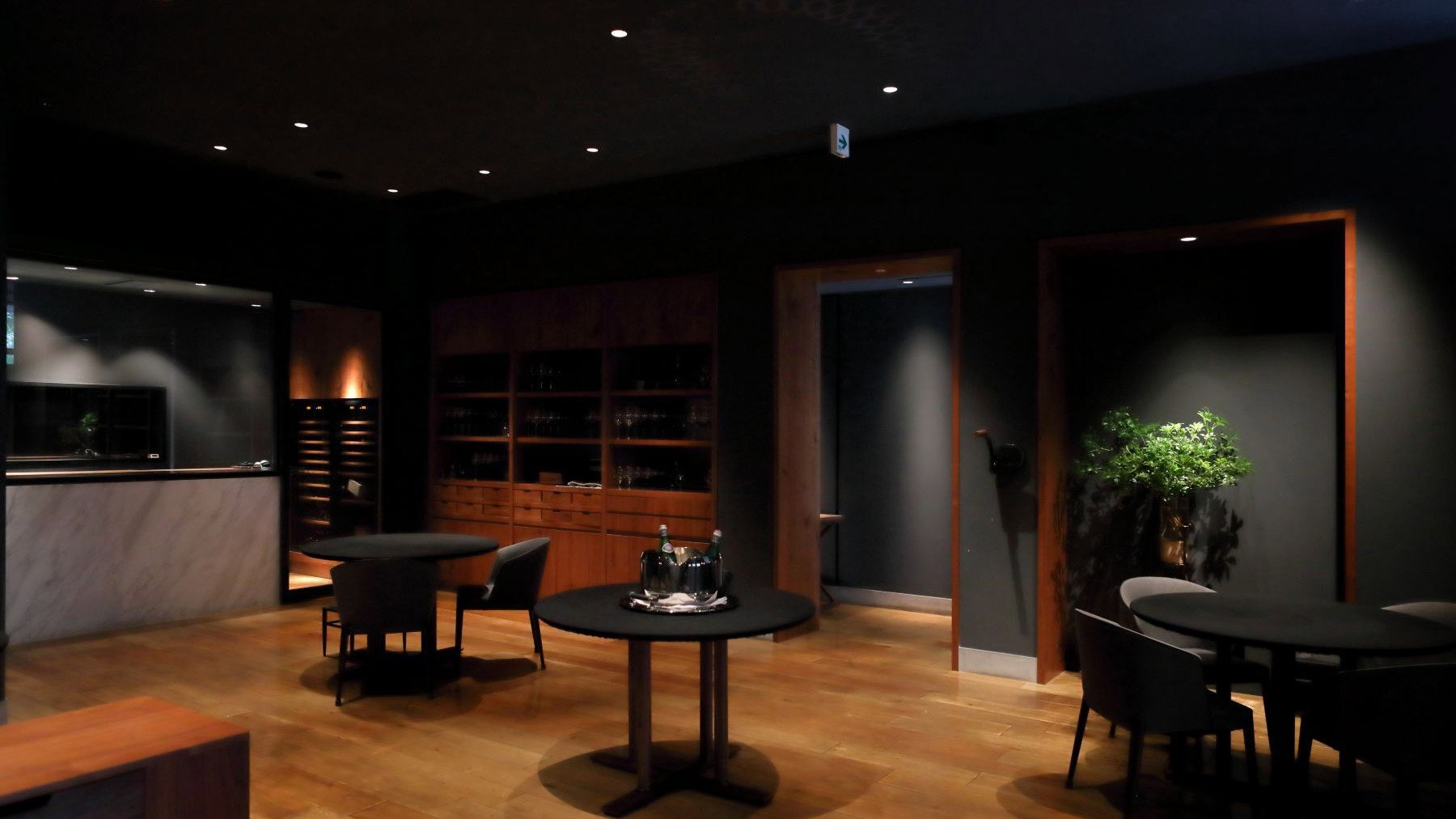
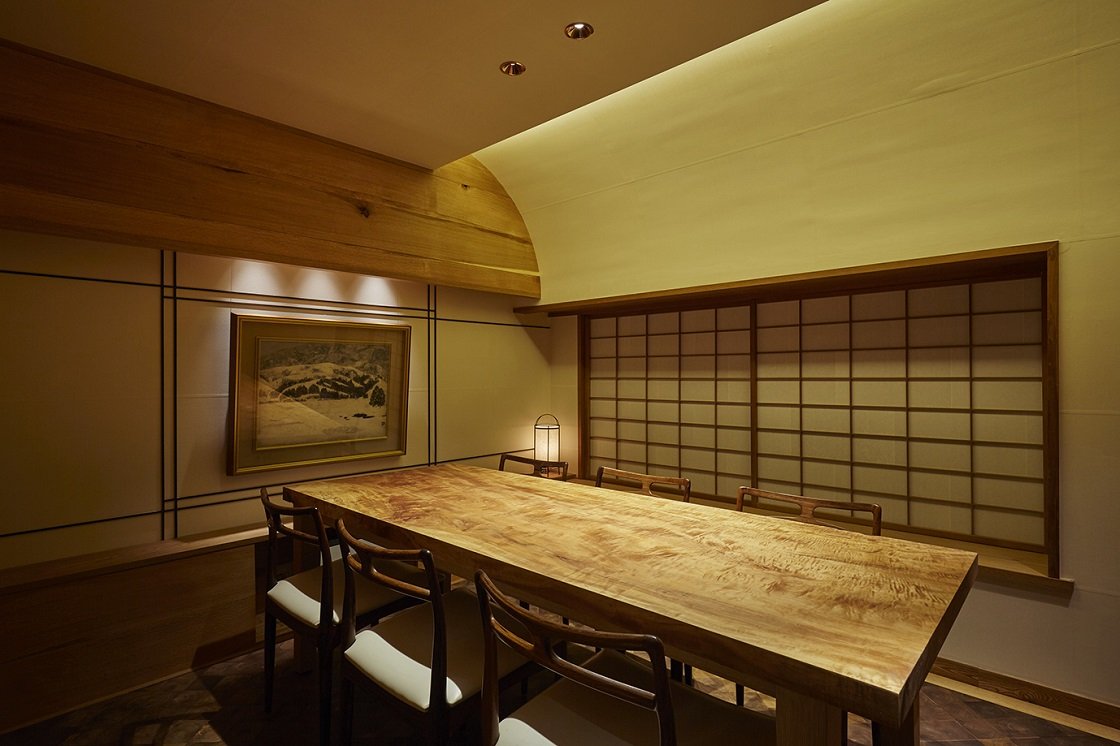
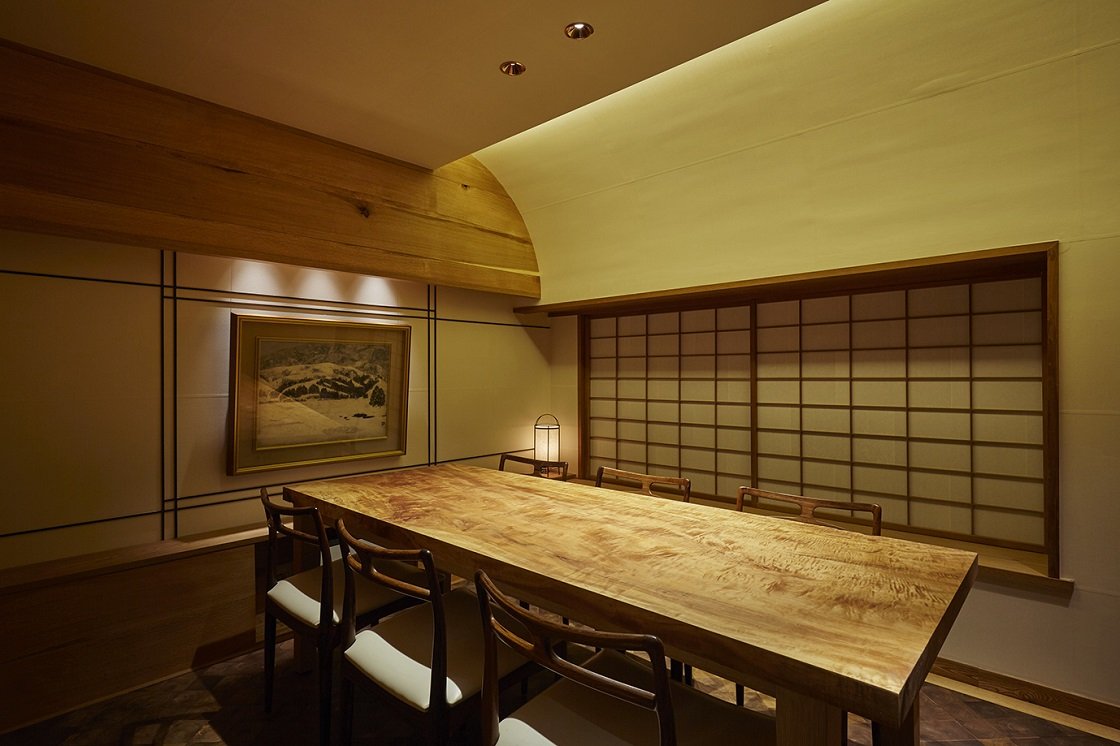
Cozy and interactive kappo-style atmosphere focused on chef-diner connection.
Tags
Vibe
Best For
At the Table
- Dress Code
- Smart Casual
- Noise Level
- Conversational
- Service Style
- Upscale Casual
- Meal Pacing
- Leisurely
- Capacity
- Intimate
Planning details
Location
Japan, 〒542-0063 Osaka, Chuo Ward, Tohei, 1 Chome−3 16W上町台 1階 · Directions
Recognition and awards
Also consider
Also Consider
- HAJIME; French, Innovative, ¥¥¥¥
- La Cime; French, ¥¥¥¥
- Kashiwaya Osaka Senriyama; Japanese, ¥¥¥
- Taian; Kaiseki, Japanese, ¥¥¥
- Fujiya 1935; Innovative, ¥¥¥¥
Restaurant context
Within Osaka's mid-tier Japanese dining category, Shunzen Kiraku sits alongside Taian and Kashiwaya Osaka Senriyama as ¥¥¥ options with Michelin recognition. The practical difference is booking friction: Shunzen Kiraku is notably easier to secure than either of those rooms, which see stronger demand. On format, Taian operates as kaiseki; a more structured, table-service experience; while Shunzen Kiraku's kappo counter is more interactive and less ceremonial. If the interactive, chef-driven counter experience is what you're after and you want a meal this week rather than next month, Shunzen Kiraku wins on accessibility without sacrificing quality credentials.
If your budget extends to ¥¥¥¥ and you want Osaka's most serious kitchens, HAJIME (three Michelin stars, French-innovative) and La Cime (two stars, French) are in a different league in terms of ambition and recognition; but they're also a significant step up in price and booking difficulty. Fujiya 1935 at ¥¥¥¥ offers an innovative format with strong Michelin credentials and sits between Shunzen Kiraku and HAJIME in terms of formality. If the meal is a once-in-a-trip priority and price is secondary, the ¥¥¥¥ rooms outperform. If you want reliable quality at a more measured spend, Shunzen Kiraku is the right call.
The clearest decision framework: book Shunzen Kiraku if you want Naniwa kappo specifically, value a chef who adapts to your preferences, want to avoid the planning overhead of the harder-to-book rooms. Book Taian or Kashiwaya if you prefer kaiseki's structure and don't mind booking further in advance. Book HAJIME or La Cime if the meal is the centrepiece of the trip and you're willing to pay and plan accordingly.
Explore Osaka
Around this place
Discover more on Pearl
Unlock the full Shunzen Kiraku guide in Pearl, including awards, comparisons, FAQs, planning details, and nearby places.
Compare Shunzen Kiraku
| Venue | Cuisine | Price | Awards | Booking Difficulty |
|---|---|---|---|---|
| Shunzen Kiraku | Japanese | ¥¥¥ | Michelin Guide Kyoto Osaka 20262026 Michelin Plate2025 Michelin Plate2024 Michelin Plate | Easy |
| HAJIME | French, Innovative | ¥¥¥¥ | Star Wine Lists 2026 · #12026 Tabelog Bronze · #922026 OAD Top Restaurants in Japan Ranked · #98Michelin Guide Kyoto Osaka 20262026 La Liste Top RestaurantsTabelog 100 - Innovative / Creative cuisine - 2025 · #692025 Asia's 50 Best Restaurants · #832025 OAD Top Restaurants in Japan Ranked · #87We're Smart World Top Restaurants 2025 | Unknown |
| La Cime | French | ¥¥¥¥ | 2026 Asia's 50 Best Restaurants · #132026 OAD Top Restaurants in Japan Ranked · #1492026 Tabelog Bronze · #231Michelin Guide Kyoto Osaka 20262026 La Liste Top Restaurants2025 Asia's 50 Best Restaurants · #82025 World's 50 Best Restaurants · #44Tabelog 100 - French - WEST - 2025 · #932025 OAD Top Restaurants in Japan Ranked · #123 | Unknown |
| Kashiwaya Osaka Senriyama | Japanese | ¥¥¥ | 2026 Tabelog Bronze · #1682026 OAD Top Restaurants in Japan Recommended2026 Relais Chateaux RestaurantsMichelin Guide Kyoto Osaka 20262026 La Liste Top RestaurantsTabelog 100 - Japanese cuisine - WEST - 2025 · #772025 OAD Top Restaurants in Japan Ranked · #1552025 Relais Chateaux Award2025 Michelin 3 Stars | Unknown |
| Taian | Kaiseki, Japanese | ¥¥¥ | 2026 OAD Top Restaurants in Japan RecommendedMichelin Guide Kyoto Osaka 20262026 La Liste Top Restaurants2025 OAD Top Restaurants in Japan Ranked · #2042025 La Liste Top Restaurants2025 Michelin 3 Stars2024 OAD Top Restaurants in Japan Ranked · #1912024 Michelin 3 Stars2023 OAD Top Restaurants in Japan Highly Recommended | Unknown |
| Fujiya 1935 | Innovative | ¥¥¥¥ | 2026 Tabelog Bronze · #752026 OAD Top Restaurants in Japan RecommendedMichelin Guide Kyoto Osaka 20262026 La Liste Top Restaurants2025 Michelin 2 Stars2025 Tabelog Silver2025 La Liste Top Restaurants2024 OAD Top Restaurants in Japan Ranked · #2392024 Michelin 2 Stars | Unknown |
.png?width=1200&quality=80)









A quick look at how Shunzen Kiraku measures up.
FAQ
Frequently Asked Questions
Can I eat at the bar at Shunzen Kiraku?
Shunzen Kiraku operates in the kappo format, which typically centres on counter seating where the chef cooks in front of guests; so bar-style dining is likely the core experience here, not an add-on. This is part of what distinguishes Naniwa kappo from a kaiseki dining room. If counter interaction with the chef matters to you, this format suits that better than most Osaka options at the ¥¥¥ tier.
Can Shunzen Kiraku accommodate groups?
Kappo restaurants in this tier tend to run small rooms, Shunzen Kiraku's address places it in a compact 1階 (ground floor) space, so larger groups may be constrained by seat count. Parties of two or four are the natural fit for a counter-forward kappo. For larger gatherings, a venue with a private room option would be more practical.
Does Shunzen Kiraku handle dietary restrictions?
Yes; this is one of the stronger cases for booking here. The chef's stated philosophy, reflected in his Michelin recognition, is that the true measure of a chef is tailoring each dish to the individual diner. Indicate a preference and he will adjust. That said, communicate restrictions clearly when booking; omakase-style kappo menus require advance notice to accommodate significant dietary needs.
Is the tasting menu worth it at Shunzen Kiraku?
At ¥¥¥ pricing and with a Michelin Plate in both 2024 and 2025, the value proposition holds for what you get: a seafood-led kappo progression that opens with a combination platter and moves through grilled, simmered, more creative preparations including bisques and frites. The personalisation element; the chef will cook dishes the way you prefer; adds genuine value over more rigid tasting formats. If you want a fixed kaiseki structure, look elsewhere; if you want something more responsive, this is the right call.
Is Shunzen Kiraku good for a special occasion?
It works well for a two-person special occasion, particularly if you want the chef involved in shaping the meal around you. The kappo format is interactive rather than ceremonial, which suits anniversaries or celebratory dinners better than formal kaiseki. It carries two consecutive Michelin Plates (2024, 2025), which gives it enough credential to feel like a considered choice rather than a casual booking.
What are alternatives to Shunzen Kiraku in Osaka?
For a higher-commitment kappo or kaiseki experience, Taian and Kashiwaya Osaka Senriyama operate in the same city at a higher price point with stronger Michelin credentials. Tenjimbashi Aoki and Oimatsu Hisano are worth comparing at a similar ¥¥¥ tier. If you want a contrast in format; French technique at a comparable creative level; La Cime in Osaka is a practical alternative.