

Shunten Shin
Tempura · Tennōji, Osaka
Restaurant in Osaka, Japan
 Book with Pearl
The Read
Thin-Batter Tempura Precision
Price
¥¥¥
Dress
Smart Casual
Why go
A Michelin Plate-recognised tempura counter in Osaka's Tennoji Ward, Shunten Shin earns attention for its precise, ingredient-led approach: thin batter, carefully selected sesame and corn oils, and per-ingredient timing. At ¥¥¥, it is a serious, focused meal without the ¥¥¥¥ commitment. The signature egg yolk and raw uni rice bowl is the dish to know.
About Shunten Shin
Is Shunten Shin worth booking for tempura in Osaka?
Yes — if you want to understand what disciplined, technique-led tempura actually tastes like, Shunten Shin in Tennoji Ward is worth your time and money. This is not a venue that coasts on the category's reputation. The kitchen has a clear philosophy — thin batter, controlled oil, ingredient-specific timing, and it executes that philosophy with enough consistency to earn Michelin Plate recognition in both 2024 and 2025. At a ¥¥¥ price point, it sits in the same tier as Kashiwaya Osaka Senriyama and Taian, making it one of the more focused and accessible serious meals in Osaka's mid-to-upper dining range.
What makes Shunten Shin different
The kitchen's approach to sourcing and preparation is tightly reasoned. Batter is applied in a thin, almost minimal layer, a deliberate choice to keep the oil from overwhelming the ingredient underneath. The cooking medium is primarily sesame and corn oil, selected for aromatic quality rather than neutrality. What you get is tempura with a refined scent, not the heavy, greasy profile that gives the format a bad name at lesser venues.
The ingredient handling is where the kitchen's attention becomes most apparent. Red aubergine is cooked to retain its natural juiciness rather than allowing oil saturation to flatten the texture. Asparagus tips and stalks are served separately, at different points in the sequence, because each part reaches the right firmness at a different time. This is the kind of detail that only matters if the cook is paying close attention, and at Shunten Shin, they are.
Dish most associated with the venue is a bowl of rice topped with tempura made from egg yolk and raw uni. It is, by most accounts, the kitchen's clearest statement: a combination that should be rich to the point of excess but is kept precise by the restraint of the batter and the quality of the ingredients. For food-focused visitors to Osaka, this dish alone justifies the reservation. For context on how this level of ingredient-specific technique compares elsewhere in Japan, consider how Tempura Kondo and Tempura Ginya approach the same format in Tokyo, both operate at a similar philosophy but in a very different city context.
Atmosphere and setting
Shunten Shin is in the Ueshio area of Tennoji Ward, a quieter, residential-leaning part of Osaka that sits away from the tourist corridors of Dotonbori and Shinsaibashi. The energy here is calm rather than charged. This is not a loud, high-turnover dining room; the format of tempura served as a counter or tasting sequence lends itself to a more deliberate pace. Expect a focused, unhurried atmosphere. If you want the buzz of a room in full swing, this is the wrong choice, but if the meal itself is the point, the low ambient noise is an asset. The setting rewards the kind of diner who wants to watch technique and taste with attention, not compete with a sound system.
Who should book
Shunten Shin suits food-focused travellers who want a technically serious meal without committing to the ¥¥¥¥ price tier of HAJIME, La Cime, or Fujiya 1935. It is a strong option for solo diners and couples who appreciate watching a single-format kitchen work at full focus. It is also a reasonable choice for a special occasion at the ¥¥¥ tier, provided the occasion is about the food rather than a grand setting or theatrical service. Osaka has other serious tempura options, OIMATSU Tempura Suzuki is a notable comparison, but Shunten Shin's specific approach to oil, batter weight, and ingredient timing gives it a distinct identity.
If you are building a wider Osaka itinerary, Pearl's full Osaka restaurants guide covers the range of the city's dining, alongside the Osaka hotels guide, bars guide, and experiences guide. For comparison across the Kansai region, Gion Sasaki in Kyoto and akordu in Nara offer entirely different formats at comparable or higher price points. Further afield, Harutaka in Tokyo, Goh in Fukuoka, 1000 in Yokohama, and 6 in Okinawa provide useful benchmarks for what serious Japanese restaurant cooking looks like across different cities.
Within Osaka's broader restaurant set, other venues worth considering in the same neighbourhood radius include Numata, Shunsaiten Tsuchiya, Hiraishi, and Gochiso nene. Each covers different formats, so the choice depends on what kind of meal you are prioritising.
Know Before You Go
- Cuisine: Tempura (owner-chef counter format)
- Price range: ¥¥¥
- Location: 3 Chome-8-10 Ueshio, Tennoji Ward, Osaka
- Awards: Michelin Plate 2024 and 2025
- Booking difficulty: Easy, reservations are advisable but not hard to secure
- Leading for: Solo diners, couples, food-focused travellers, special occasions at the ¥¥¥ tier
- Note: Hours and booking method not confirmed, check directly with the venue before visiting
Pearl's verdict
Shunten Shin earns its Michelin Plate on the strength of a coherent, ingredient-led approach to tempura. The kitchen makes specific choices, oil type, batter weight, per-ingredient timing, that produce a noticeably cleaner result than the category average. At ¥¥¥, it is one of the more honest value propositions in Osaka's mid-tier dining range. Book it if tempura is on your list and you want a version that will change how you think about the format.
Planning details
- Location
- 3 Chome-8-10 Ueshio, Tennoji Ward, Osaka, 543-0002, Japan
- Website
- instagram.com/syuntenshin?r=nametag
- Phone
- +81 80-2471-3998
The take
The Take
The Vibe
Shunten Shin reads like a neighborhood counter refined by kaiseki thinking: restrained, precise and quietly elevated. The Tennoji setting — a quieter, residential pocket — encourages repeat local trade and an atmosphere that prizes consistency over spectacle. The kitchen’s focus on texture, sequence and oil management reinforces a minimalist, elegant presentation; batter is applied thinly and the sesame–corn oil blend adds aroma without weight. Dining at the counter feels intimate and calm, the sort of place where the technique and pacing of the tempura progression are the evening’s main attraction rather than theatrical flourishes.
Best For
This is a counter-forward tempura destination that suits date nights, solo diners and small special occasions where attention to technique matters. The multi-course, kaiseki-informed progression makes the meal feel intentional and primarily evening-focused, rewarding guests who arrive with time to savor the sequence from lighter vegetables through richer proteins and rice to finish. Locals who return for consistency are as typical as visitors seeking a carefully executed tempura experience; the counter format keeps the focus on the kitchen’s discipline and the intimate rhythm of service.
Ordering Tips
Trust the sequence and let the kitchen guide the progression: the tempura here is built around a lighter-to-richer logic with rice to close. The batter is intentionally thin and the team uses a sesame-and-corn oil blend to impart aroma without heaviness, so expect delicate flavours and a fragrant texture. Prioritize the signatures — like the egg-yolk tempura uni donburi, red aubergine tempura and clam tempura — and avoid overwhelming the pieces with extra sauce so you can appreciate the oil management and textural contrasts the chef is aiming for.
Venue details
Ambiance
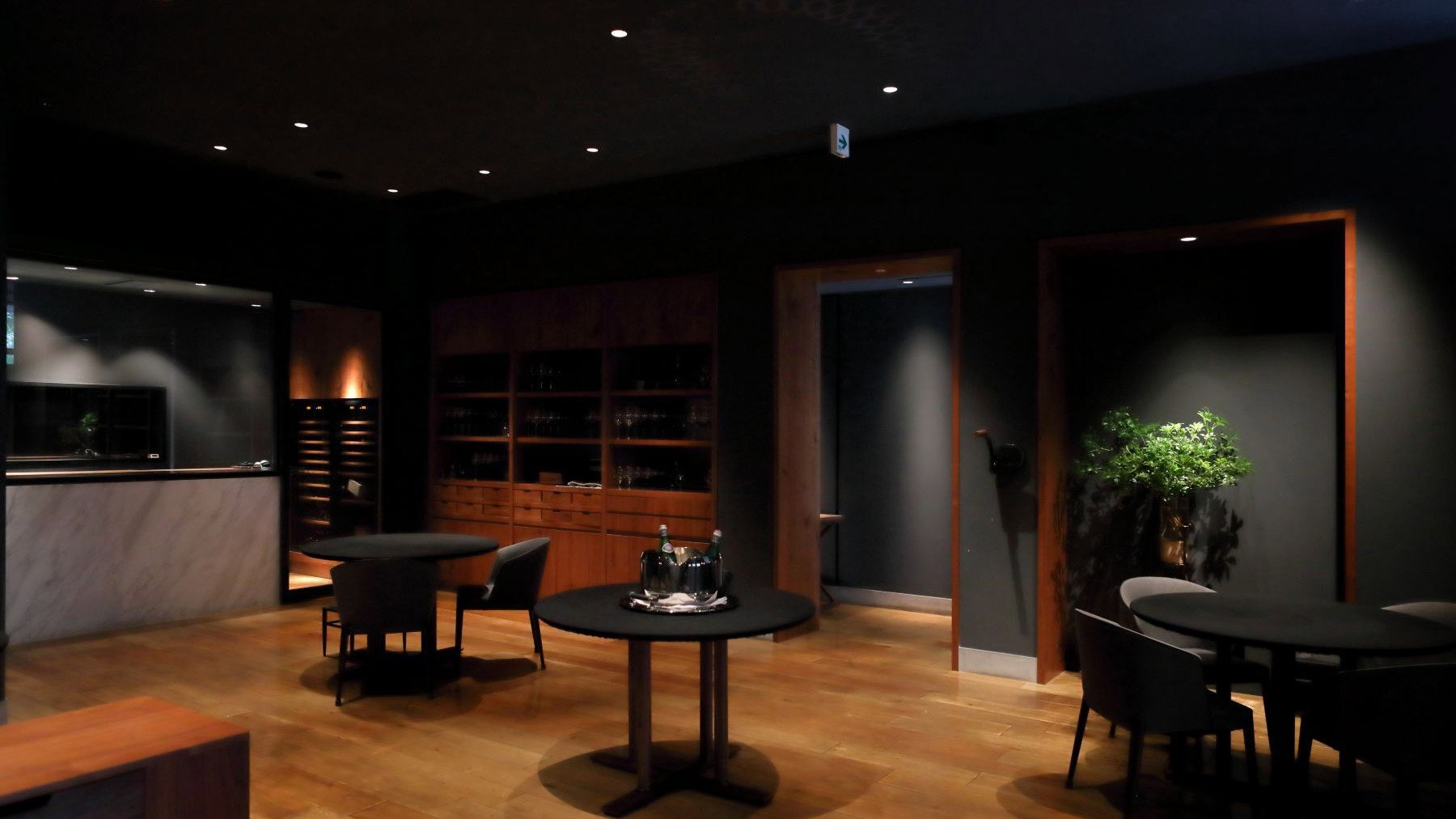
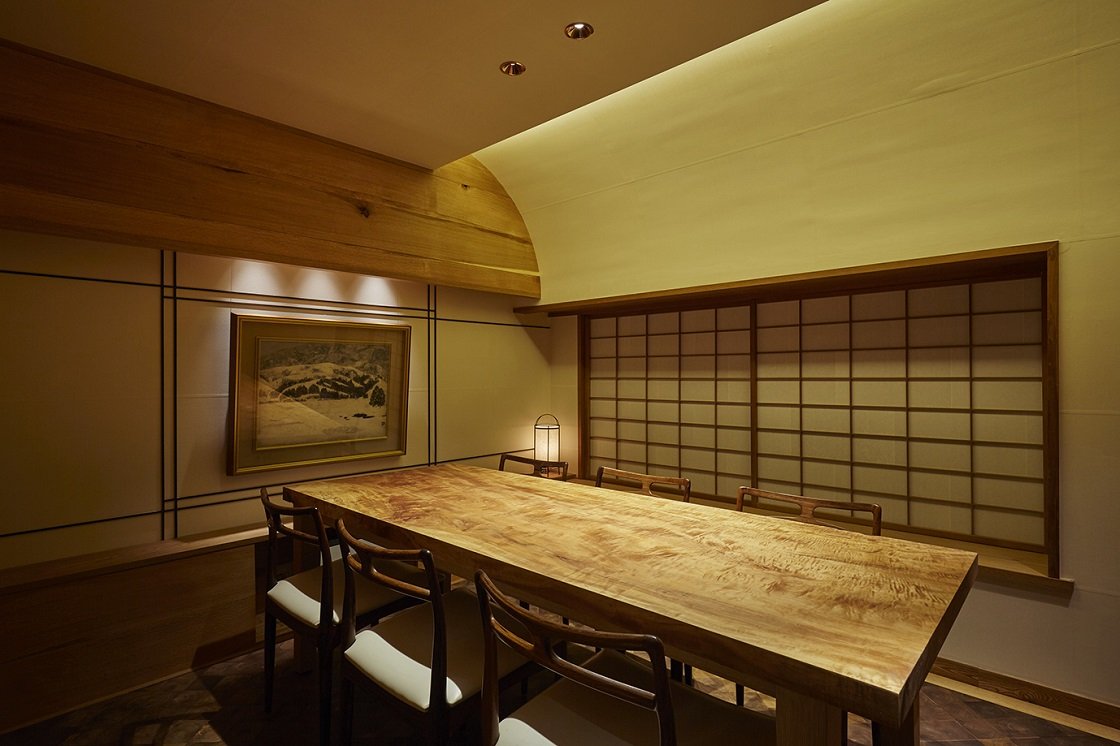
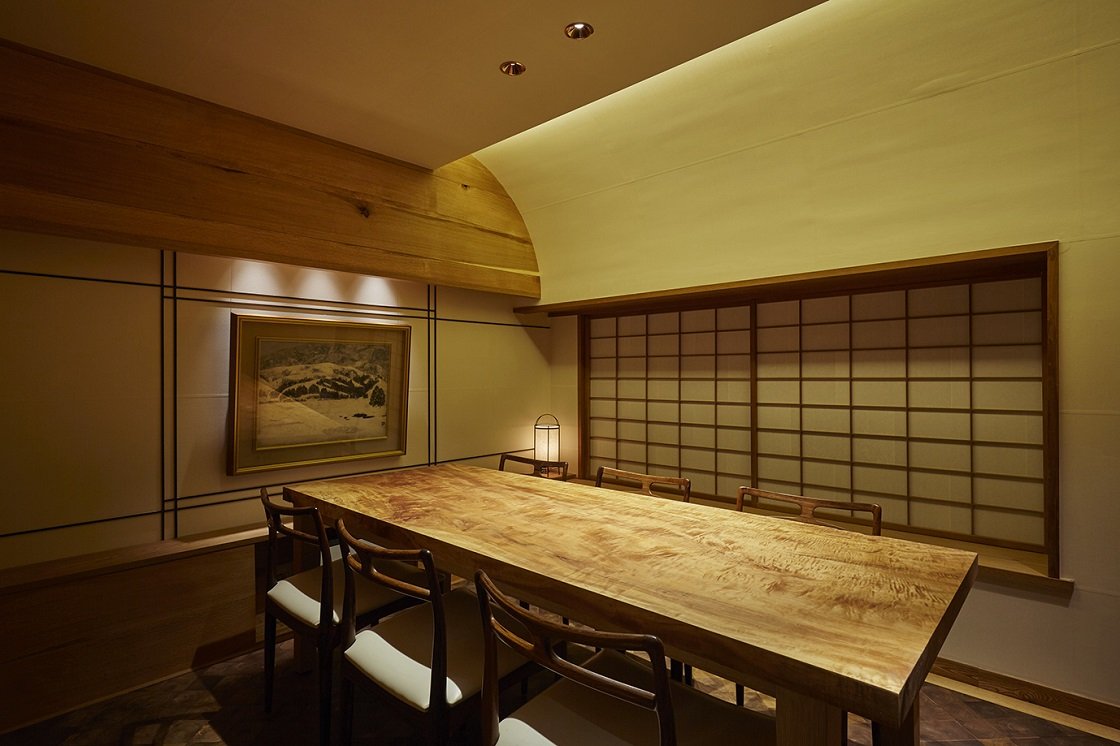
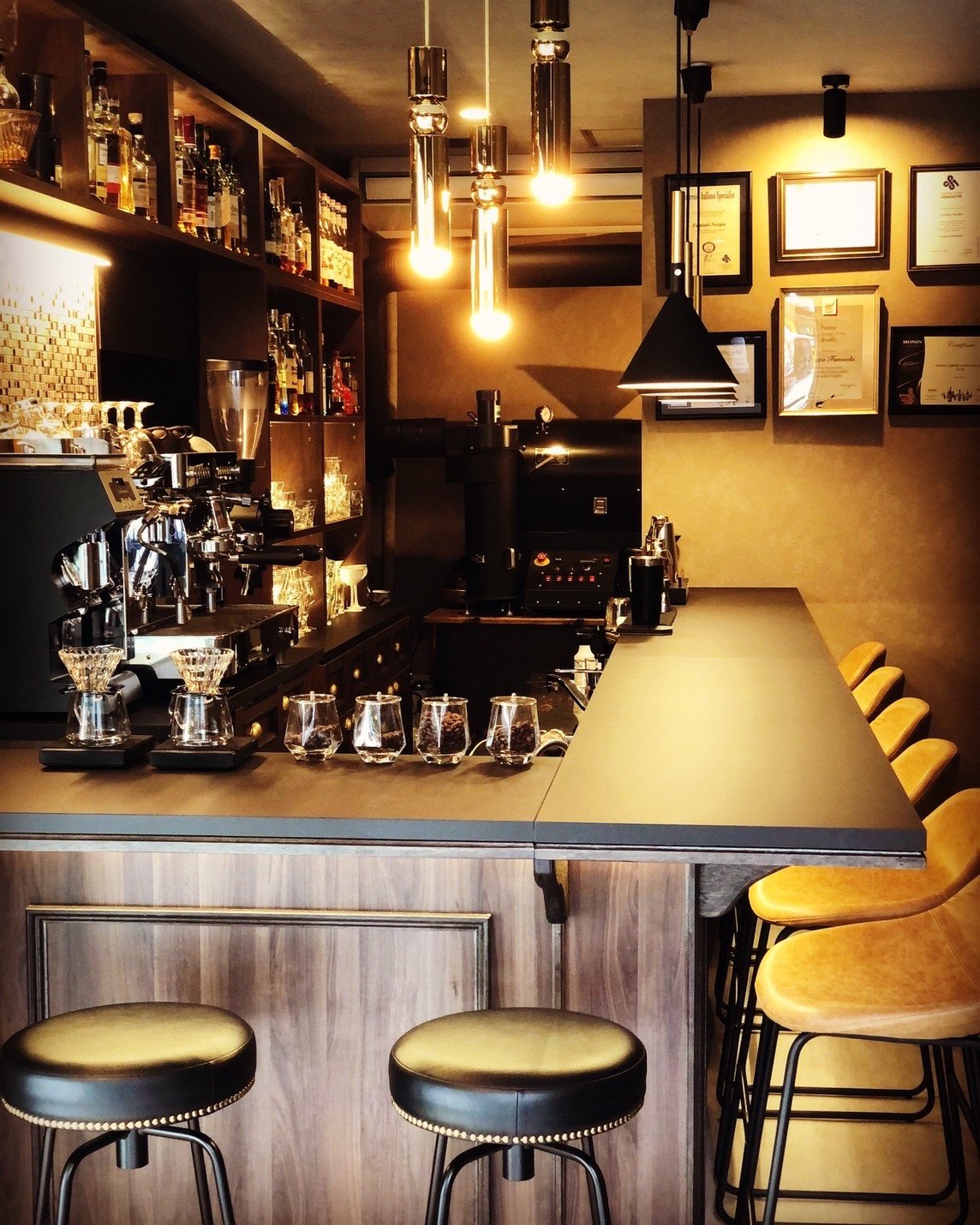
Natural woods, muted tones, and soft lighting create a calm, intimate counter space filled with the fragrance of sesame oil and crunch of batter.
Tags
Vibe
Best For
Experience
Sourcing
At the Table
- Dress Code
- Smart Casual
- Noise Level
- Quiet
- Service Style
- Formal
- Meal Pacing
- Leisurely
- Capacity
- Intimate
Signature Dishes
- egg-yolk tempura uni donburi
- red aubergine tempura
- clam tempura
Know before you go
Know Before You Go
- Getting there
- 3 Chome-8-10 Ueshio, Tennoji Ward, Osaka, 543-0002, Japan
Planning details
Location
3 Chome-8-10 Ueshio, Tennoji Ward, Osaka, 543-0002, Japan · Directions
Recognition and awards
Also consider
Also Consider
- HAJIME, French, Innovative, ¥¥¥¥
- La Cime, French, ¥¥¥¥
- Kashiwaya Osaka Senriyama, Japanese, ¥¥¥
- Taian, Kaiseki, Japanese, ¥¥¥
- Fujiya 1935, Innovative, ¥¥¥¥
Restaurant context
How It Compares
Shunten Shin occupies a clear position in Osaka's dining range: a technically serious, single-format kitchen at ¥¥¥, which puts it in direct comparison with Kashiwaya Osaka Senriyama and Taian on price, though the formats are very different. Kashiwaya and Taian both operate in the kaiseki and Japanese fine-dining register, broader in scope, longer in duration, and more service-intensive. If you want a full multi-course Japanese meal with seasonal range across many categories, either of those is a stronger fit. If you want to eat one format executed with precision and leave understanding tempura better than when you arrived, Shunten Shin is the sharper choice at the same price tier.
The ¥¥¥¥ venues in Osaka, HAJIME, La Cime, and Fujiya 1935, are operating in a different league by ambition and price. HAJIME and Fujiya 1935 are for diners who want innovative, concept-driven cooking with full tasting menu architecture. La Cime sits in the French fine-dining register. None of them are competition for Shunten Shin's specific offer; they are answers to a different question. If budget allows and you want the most ambitious meal in Osaka, HAJIME is the choice. If the goal is focused, affordable precision, Shunten Shin delivers more per yen at the ¥¥¥ level.
For booking ease, Shunten Shin compares favourably across the board. The higher-profile ¥¥¥¥ venues in Osaka can require significant lead time and in some cases demand reservations through Japanese-language channels. For food-focused travellers who want quality without the reservation logistics of Osaka's most-booked tables, it is one of the more practical options in the city.
Explore Osaka
Around this place
Discover more on Pearl
Unlock the full Shunten Shin guide in Pearl, including awards, comparisons, FAQs, planning details, and nearby places.
Compare Shunten Shin
| Venue | Price | Booking Difficulty | Awards |
|---|---|---|---|
| Shunten Shin | ¥¥¥ | Easy | Michelin Guide Kyoto Osaka 20262026 Michelin PlateTabelog 100 - Tempura - 2025 · #952025 Michelin Plate2024 Michelin Plate |
| HAJIME | ¥¥¥¥ | Unknown | Star Wine Lists 2026 · #12026 Tabelog Bronze · #922026 OAD Top Restaurants in Japan Ranked · #98Michelin Guide Kyoto Osaka 20262026 La Liste Top RestaurantsTabelog 100 - Innovative / Creative cuisine - 2025 · #692025 Asia's 50 Best Restaurants · #832025 OAD Top Restaurants in Japan Ranked · #87We're Smart World Top Restaurants 2025 |
| La Cime | ¥¥¥¥ | Unknown | 2026 Asia's 50 Best Restaurants · #132026 OAD Top Restaurants in Japan Ranked · #1492026 Tabelog Bronze · #231Michelin Guide Kyoto Osaka 20262026 La Liste Top Restaurants2025 Asia's 50 Best Restaurants · #82025 World's 50 Best Restaurants · #44Tabelog 100 - French - WEST - 2025 · #932025 OAD Top Restaurants in Japan Ranked · #123 |
| Kashiwaya Osaka Senriyama | ¥¥¥ | Unknown | 2026 Tabelog Bronze · #1682026 OAD Top Restaurants in Japan Recommended2026 Relais Chateaux RestaurantsMichelin Guide Kyoto Osaka 20262026 La Liste Top RestaurantsTabelog 100 - Japanese cuisine - WEST - 2025 · #772025 OAD Top Restaurants in Japan Ranked · #1552025 Relais Chateaux Award2025 Michelin 3 Stars |
| Taian | ¥¥¥ | Unknown | 2026 OAD Top Restaurants in Japan RecommendedMichelin Guide Kyoto Osaka 20262026 La Liste Top Restaurants2025 OAD Top Restaurants in Japan Ranked · #2042025 La Liste Top Restaurants2025 Michelin 3 Stars2024 OAD Top Restaurants in Japan Ranked · #1912024 Michelin 3 Stars2023 OAD Top Restaurants in Japan Highly Recommended |
| Fujiya 1935 | ¥¥¥¥ | Unknown | 2026 Tabelog Bronze · #752026 OAD Top Restaurants in Japan RecommendedMichelin Guide Kyoto Osaka 20262026 La Liste Top Restaurants2025 Michelin 2 Stars2025 Tabelog Silver2025 La Liste Top Restaurants2024 OAD Top Restaurants in Japan Ranked · #2392024 Michelin 2 Stars |
.png?width=1200&quality=80)








How Shunten Shin stacks up against the competition.
FAQ
Frequently Asked Questions
Can Shunten Shin accommodate groups?
Shunten Shin is a small counter-format tempura restaurant in Tennoji Ward — not the right fit for large groups. Parties of more than four will likely find it tight, and the precision-led, course-style format is designed around individual attention to each piece. For a group dinner in Osaka at the ¥¥¥ tier, Taian or Kashiwaya Osaka Senriyama offer more flexible seating arrangements.
Is Shunten Shin good for solo dining?
Yes — solo is arguably the ideal format here. Counter tempura restaurants in Osaka are built around the interaction between chef and diner, and Shunten Shin's owner-chef approach to each piece (thin batter, precise oil choice, ingredient-specific timing) rewards close attention. A solo diner misses nothing and may get more of that interaction than a table booking would allow.
Is Shunten Shin good for a special occasion?
It works for a food-focused special occasion, but read the setting correctly first: Ueshio is a quiet residential area of Tennoji Ward, not a glamorous dining district. The occasion case is built entirely on the cooking — the Michelin Plate recognition and the kitchen's specific techniques — rather than on atmosphere or ceremony. If theatre and setting matter as much as the food, HAJIME or La Cime deliver more on that front.
Can I eat at the bar at Shunten Shin?
Counter seating is the standard format at a restaurant of this type and scale in Osaka. Watching tempura fried to order is part of the point — the owner-chef's decisions around batter thickness and oil type (sesame and corn) are visible in real time at the counter. Phone and booking details are not publicly listed, so confirming seat options requires direct contact with the restaurant.
Is Shunten Shin worth the price?
At ¥¥¥, yes — especially relative to what you'd pay for comparable Michelin-recognised cooking elsewhere in Osaka. The kitchen holds two consecutive Michelin Plate awards (2024, 2025) and applies a level of ingredient logic — asparagus served in two stages by firmness, red aubergine fried to preserve interior moisture — that justifies the spend. If you want to spend less, there are cheaper tempura options in Osaka; if you want more prestige signalling, Fujiya 1935 or HAJIME sit at ¥¥¥¥.