.png?width=1200&quality=80)
Shokudo Uchino
Japanese · Kita, Osaka
Restaurant in Osaka, Japan
 Book with Pearl
The Read
Monthly Prix Fixe Shokudo
Price
$100–150per person
Dress
Smart Casual
Why go
Shokudo Uchino is a Japanese restaurant in Osaka's Kita Ward, earning with a monthly-changing prix fixe menu that mixes chawanmushi and gyudon with more playful dishes. At ¥¥¥, it delivers a personal, counter-led experience that is more approachable than traditional kaiseki. Book here for relaxed, chef-driven dining; go to Taian if ceremony is what you want.
About Shokudo Uchino
A Michelin Plate Restaurant Earning Its Recognition the Hard Way
The question worth answering before you book: is Shokudo Uchino the right call for your Osaka meal, or should you be looking elsewhere?
The short answer is yes, book it, particularly if you want a monthly-changing prix fixe experience that feels genuinely personal rather than formulaic. This is a self-taught chef working alongside a partner with a background in Japanese cuisine, and the restaurant they built together is shaped by a clear philosophy: keep it approachable, keep it changing, keep it grounded in Japanese culinary traditions without treating those traditions as untouchable. The name itself, shokudo, meaning cafeteria or dining hall, signals the intent from the start. This is not a restaurant trying to intimidate you.
What Makes This Restaurant Worth Your Time in Osaka
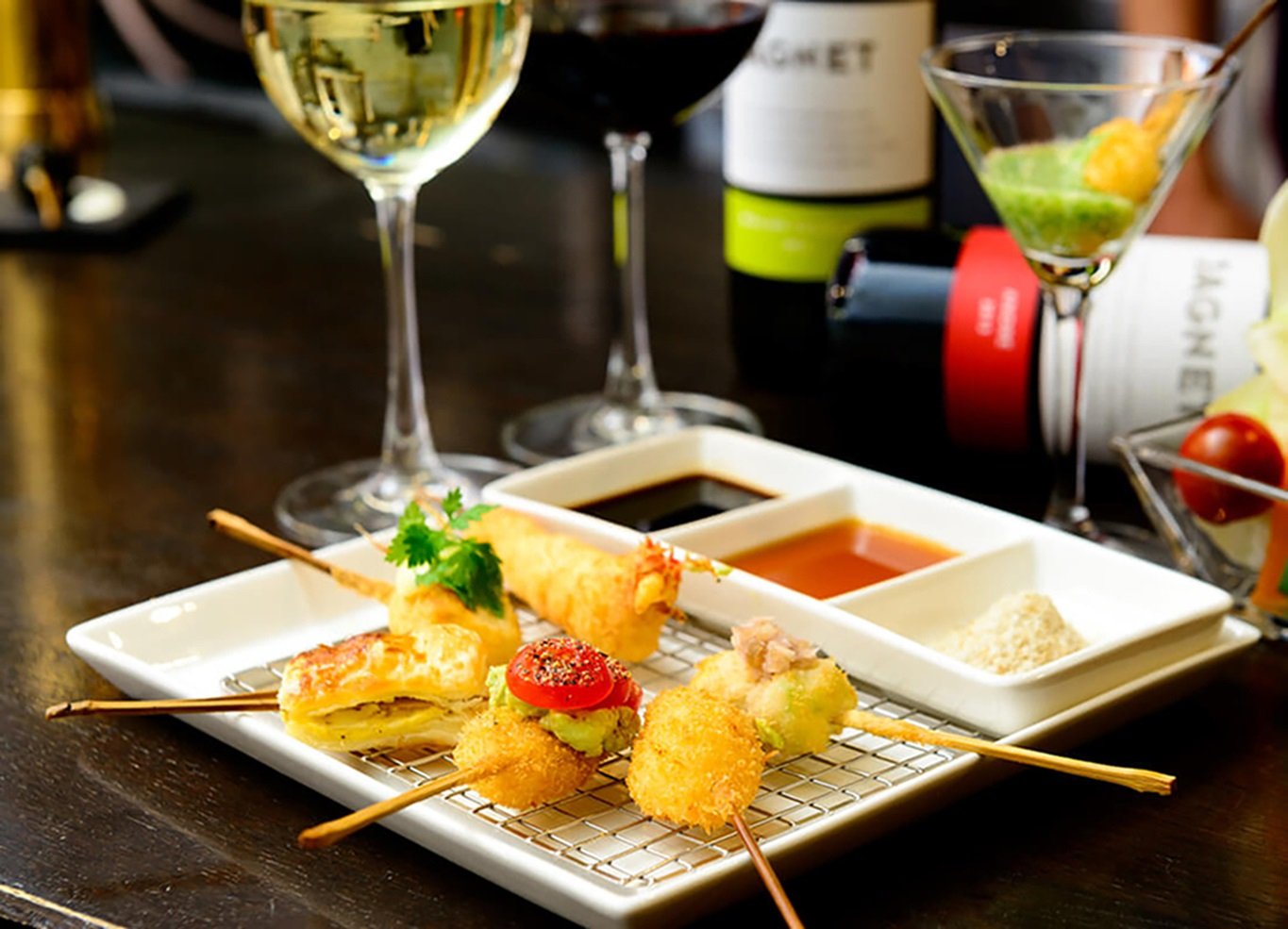
The monthly-changing prix fixe format is the defining structural choice here, and it is the right one for this kitchen. It means the menu you eat in April is not the menu someone ate in February, and that keeps the cooking honest. Returning guests have reason to come back; first-timers get a snapshot of where the kitchen is right now. Known highlights include chawanmushi, a dish that rewards technical precision and is a dependable indicator of a kitchen's care, and mini burgers, which suggest the chef is comfortable borrowing from outside the canon when the idea is good enough. The gyudon is a deliberate callback to the duo's earlier career running a late-night eatery, a piece of culinary autobiography that lands as warmth rather than nostalgia.
¥¥¥ pricing puts Shokudo Uchino in a competitive bracket. You are spending meaningfully here, but you are not at the level of Osaka's ¥¥¥¥ heavyweights. For that price, the monthly prix fixe format needs to deliver real value, and by all available evidence it does.
The Counter Experience at Shokudo Uchino
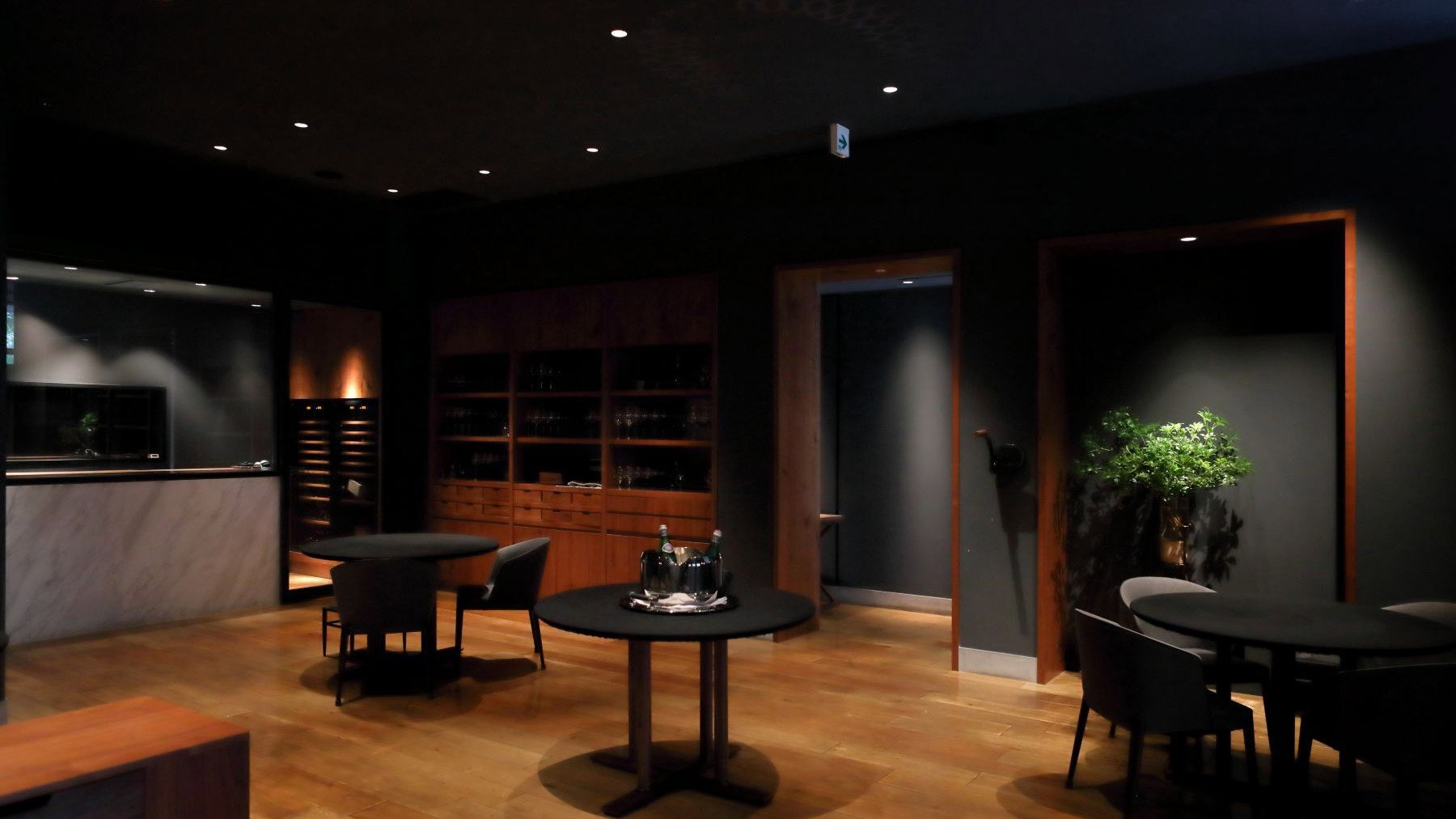
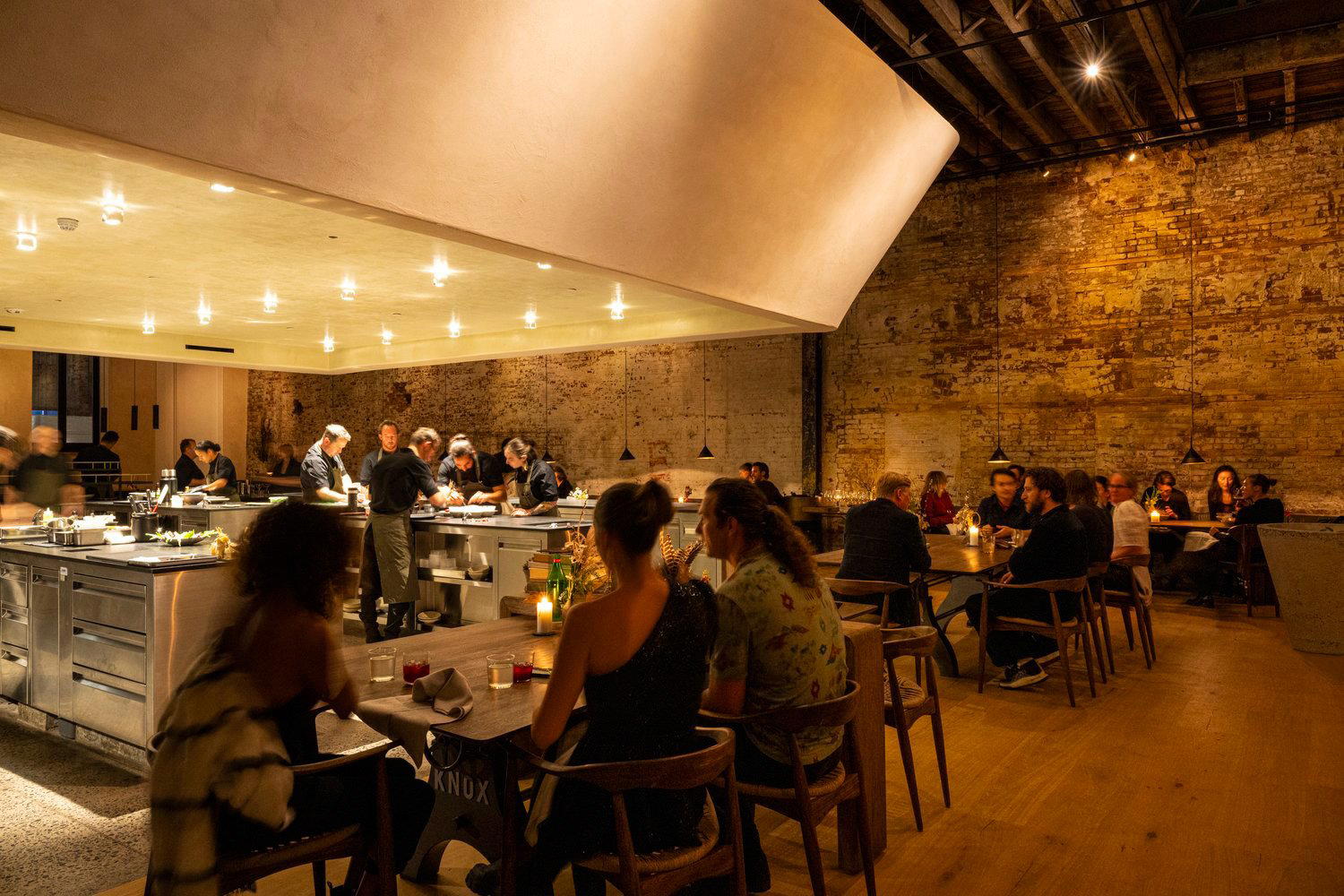
Dojima location, on the fourth floor of a building in Kita Ward, is a format common to some of Osaka's most interesting smaller restaurants. Counter seating at this kind of restaurant changes the meal fundamentally. You are close to the kitchen activity, the pacing is visible, and the interaction with the people cooking your food is possible in a way it simply is not at a table across a large dining room. For a self-taught chef running a monthly-changing menu, that proximity matters. The counter turns the meal into a conversation rather than a transaction.
If you are travelling solo or as a pair, counter seating at Shokudo Uchino is the format to aim for. The intimacy of the space and the prix fixe structure make this one of the more coherent single-diner experiences available in this price range in Osaka. Compare that to a larger kaiseki operation where solo diners can sometimes feel like an afterthought, and the argument for Uchino gets stronger. For context on what the wider Osaka dining scene offers, see our full Osaka restaurants guide.
How It Compares
Shokudo Uchino sits in a different bracket from Osaka's ¥¥¥¥ restaurants, and that is part of its value. HAJIME and Fujiya 1935 are three-star and two-star Michelin operations respectively, with price points and booking difficulty to match. La Cime is another ¥¥¥¥ French-leaning choice with serious critical recognition. If your budget or your mood points toward something less formal and less expensive, Shokudo Uchino is more comparable to Kashiwaya Osaka Senriyama and Taian, both ¥¥¥ Japanese restaurants with Michelin recognition. The key differentiator with Uchino is tone: where traditional kaiseki at Taian can feel ceremonial, Shokudo Uchino's self-declared shokudo identity keeps the atmosphere relaxed.
For food enthusiasts planning a wider Japan trip, the closest analogues in terms of chef-driven, approachable prix fixe dining can be found at Gion Sasaki in Kyoto and Goh in Fukuoka. In Tokyo, Myojaku and Azabu Kadowaki offer useful comparisons for how Japanese restaurants in this tier handle creative menus grounded in tradition.
Know Before You Go
- Location: 1 Chome-4-7 Dojima, Kita Ward, Osaka — fourth floor, Douhama Annex Building
- Price range: ¥¥¥
- Awards: Michelin Plate 2024, Michelin Plate 2025
- Menu format: Monthly-changing prix fixe
- Booking difficulty: Easy — but book ahead; Michelin recognition increases demand
- Leading for: Solo diners, pairs, food enthusiasts who want a personal, counter-led experience
- Dress code: No confirmed dress code; smart casual is a safe default at ¥¥¥ in Osaka
- Dietary restrictions: Contact the restaurant directly in advance, prix fixe format means flexibility is limited without prior notice
- Getting around Osaka: See our full Osaka experiences guide for transport and neighbourhood context
Who Should Book Shokudo Uchino
Book Shokudo Uchino if you want a Michelin-recognised Japanese restaurant at ¥¥¥ that does not take itself too seriously. The monthly prix fixe format rewards guests who like their meals to feel considered and current rather than static. The self-taught chef's willingness to mix chawanmushi with mini burgers and gyudon suggests a kitchen that is confident enough to be playful, and that makes for a more interesting meal than a restaurant simply executing someone else's tradition.
Skip it if you are after a deep kaiseki experience with elaborate multi-course ceremony and seasonal ritual. For that, Taian or Kashiwaya Osaka Senriyama are better choices. And if your budget and appetite lean toward Osaka's international restaurant scene, HAJIME or La Cime are worth the step up in spend.
For broader planning across the city, our full Osaka hotels guide, bars guide, and wineries guide cover the rest of your stay. Nearby restaurants worth considering in the same city tier include Miyamoto, Yugen, Oimatsu Hisano, and Tenjimbashi Aoki. And if Osaka is part of a wider Kansai or Japan itinerary, akordu in Nara and Harutaka in Tokyo are worth adding to your shortlist. For the Yokohama and Okinawa legs of a longer trip, 1000 in Yokohama and 6 in Okinawa round out the options.
Planning details
- Location
- Japan, 〒530-0003 Osaka, Kita Ward, Dojima, 1 Chome−4−7 堂浜アネックスビル 4F
- Reservations
- Book on TableCheck
- Website
- shokudo-uchino.com
- Phone
- +81 50-3091-8512
The take
The Take
The Vibe
Shokudo Uchino presents a quietly confident kind of hospitality: a fourth-floor dining room tucked into an Osaka office building that deliberately rejects theatricality. The name — shokudo, a word for cafeteria or communal dining hall — signals a low-register approach, and the team builds around informality and directness even as the kitchen earns Michelin Plate recognition. The result is unpretentious but carefully considered: food-forward, modestly appointed, and intent on proving that seriousness of technique need not come with solemn ceremony. It feels like a local discovery rather than a destination theater.
Best For
The restaurant sits in Osaka’s mid-range ¥¥¥ tier, making it appeal to diners who want high-quality, Michelin-recognised cooking without the formality of full kaiseki houses. Its restrained, communal-dining ethos suits people seeking serious flavours in an approachable setting — solo diners, couples and small parties who appreciate craft without ceremony. Because it lives above street level in an office block, it also fits those who know the city’s layered dining scene and are comfortable finding restaurants off the beaten path. Expect an evening-focused meal that stresses directness over pomp.
Ordering Tips
Lean into the menu’s concise pleasures: the signature gyudon, silky chawanmushi and playful mini burgers capture the restaurant’s balance of comfort and technique. Remember that the name and review copy emphasise a cafeteria-style, communal approach, so the experience is about straightforward, well-executed dishes rather than formal presentations. Note the practical detail that the restaurant occupies a fourth-floor space with no dramatic street-level entrance; look for the building address rather than a storefront. Pricing sits in the ¥¥¥ bracket, so anticipate mid-range, thoughtfully priced plates.
Venue details
Ambiance
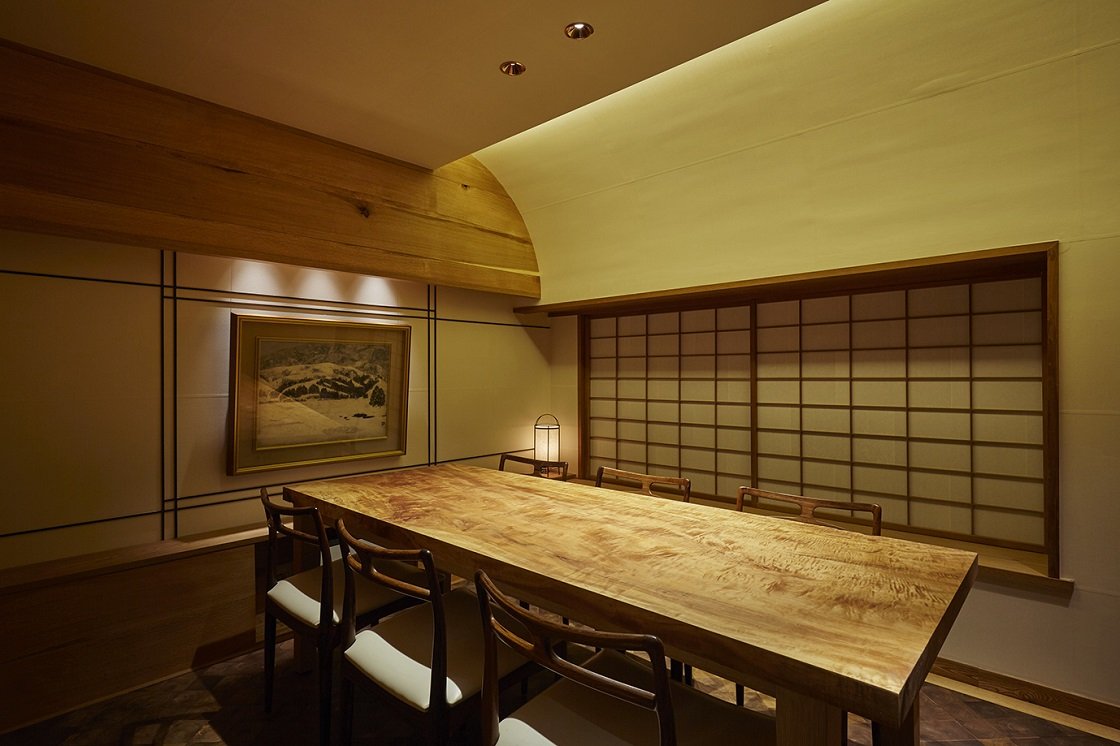
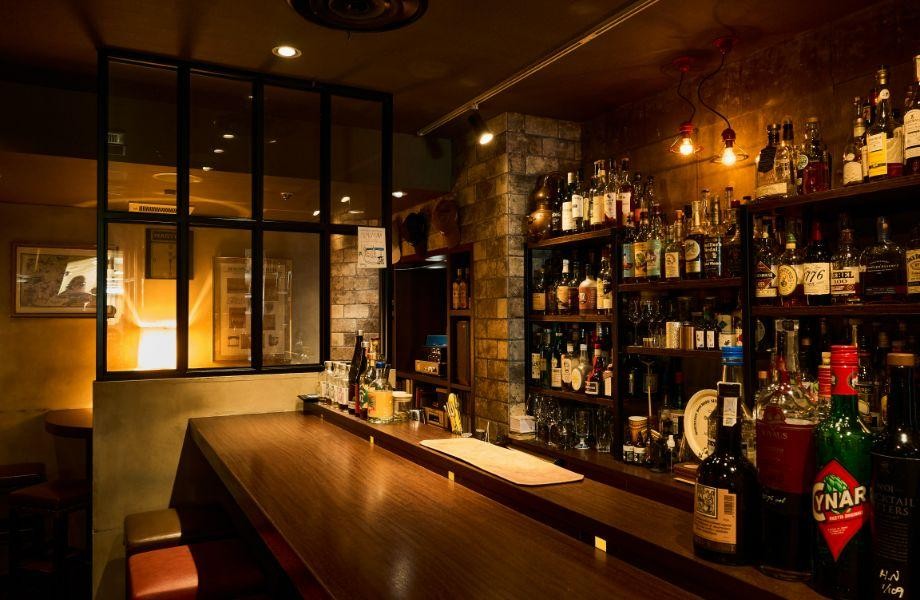
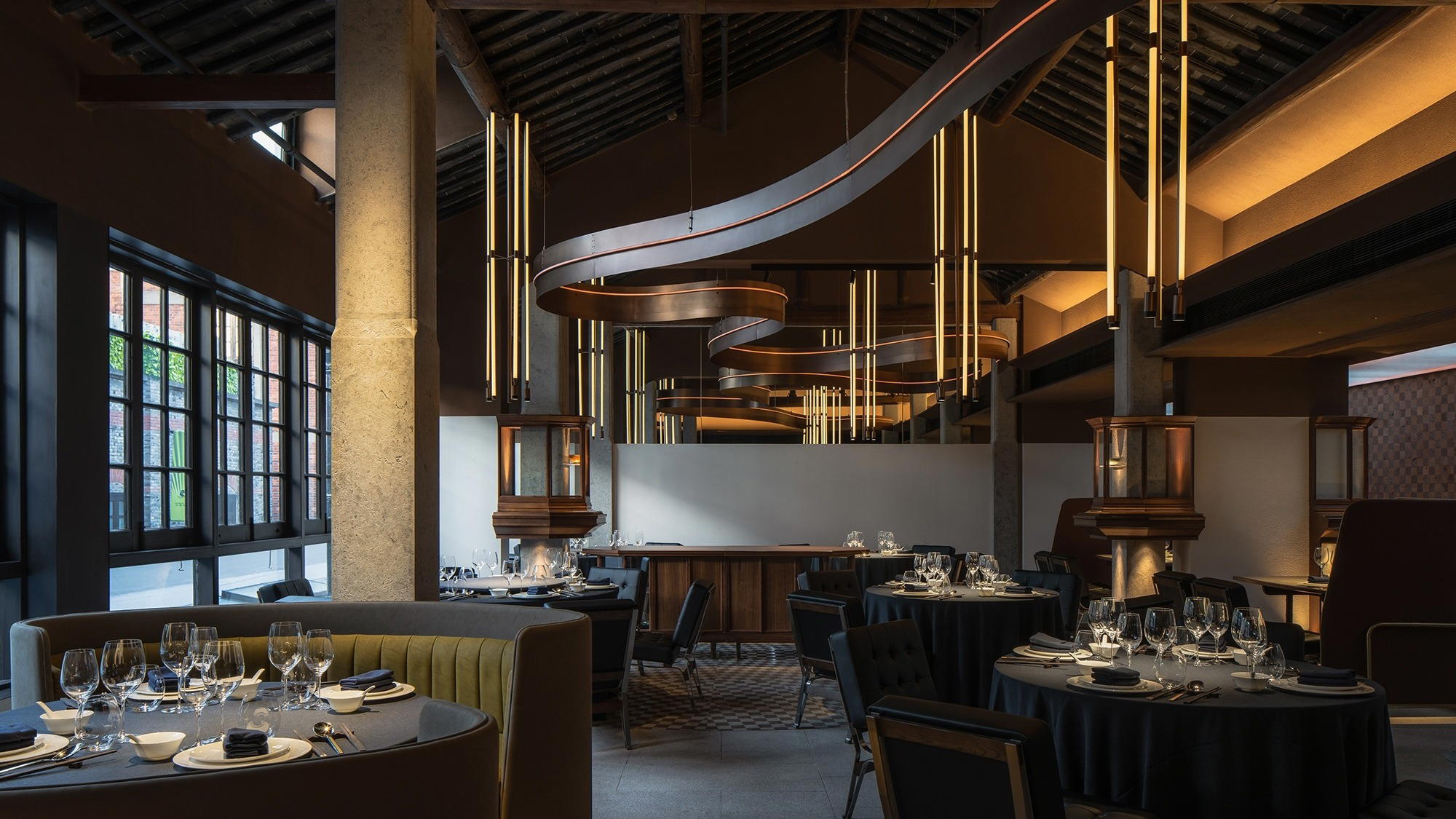
Homely and easy-going atmosphere with warm hospitality in a small 10-seat counter dining space.
Tags
Vibe
Best For
Experience
At the Table
- Dress Code
- Smart Casual
- Noise Level
- Conversational
- Service Style
- Upscale Casual
- Meal Pacing
- Leisurely
- Capacity
- Intimate
- Kitchen
- Modern
- Menu Format
- Omakase, Prix fixe
- Wine Program
- Curated
- Drinks Focus
- Sake program
- Dietary
- Vegetarian friendly
Signature Dishes
- gyudon
- chawanmushi
- mini burgers
Know before you go
Know Before You Go
- Getting there
- Japan, 〒530-0003 Osaka, Kita Ward, Dojima, 1 Chome−4−7 堂浜アネックスビル 4F
Planning details
Location
Japan, 〒530-0003 Osaka, Kita Ward, Dojima, 1 Chome−4−7 堂浜アネックスビル 4F · Directions
Recognition and awards
Also consider
Also Consider
- HAJIME, French, Innovative, ¥¥¥¥
- La Cime, French, ¥¥¥¥
- Kashiwaya Osaka Senriyama, Japanese, ¥¥¥
- Taian, Kaiseki, Japanese, ¥¥¥
- Fujiya 1935, Innovative, ¥¥¥¥
Restaurant context
At ¥¥¥, Shokudo Uchino is priced below most of Osaka's Michelin-starred heavy hitters, which is its clearest advantage. HAJIME (three Michelin stars, ¥¥¥¥) and Fujiya 1935 (two stars, ¥¥¥¥) are both serious commitments in time, money, and booking effort. La Cime at ¥¥¥¥ is similarly demanding. If your Osaka trip has one slot for a high-effort, high-spend dinner, those three are the candidates. Shokudo Uchino is the better call when you want a second dinner in the city, or when the budget or mood calls for something genuinely relaxed rather than ceremonial.
Within the ¥¥¥ tier, the more direct comparisons are Kashiwaya Osaka Senriyama and Taian. Both carry Michelin recognition and both lean into traditional Japanese and kaiseki formats. If structured, seasonal kaiseki is what you are after, Taian is the stronger choice on format. Kashiwaya Osaka Senriyama suits guests who want a more classic Japanese dining room. Shokudo Uchino wins when you want something more personal and less formal, with a monthly-changing menu that reflects a chef's current thinking rather than an inherited tradition.
For solo diners and pairs in particular, Shokudo Uchino's counter-led format and Michelin Plate recognition make it the most practical booking in this bracket. It is easier to secure than the starred restaurants above it, more approachable in tone than kaiseki alternatives at the same price, and consistent enough (4.7 from 107 reviews) to justify the spend. Book Uchino if flexibility and personality matter; book Taian or Kashiwaya if ceremony and tradition are the priority.
Explore Osaka
Around this place
Discover more on Pearl
Unlock the full Shokudo Uchino guide in Pearl, including awards, comparisons, FAQs, planning details, and nearby places.
Compare Shokudo Uchino
| Venue | Price | Awards |
|---|---|---|
| Shokudo Uchino | ¥¥¥ | 2026 Michelin Plate2025 Michelin Plate2024 Michelin Plate |
| HAJIME | ¥¥¥¥ | Star Wine Lists 2026 · #12026 Tabelog Bronze · #922026 OAD Top Restaurants in Japan Ranked · #98Michelin Guide Kyoto Osaka 20262026 La Liste Top RestaurantsTabelog 100 - Innovative / Creative cuisine - 2025 · #692025 Asia's 50 Best Restaurants · #832025 OAD Top Restaurants in Japan Ranked · #87We're Smart World Top Restaurants 2025 |
| La Cime | ¥¥¥¥ | 2026 Asia's 50 Best Restaurants · #132026 OAD Top Restaurants in Japan Ranked · #1492026 Tabelog Bronze · #231Michelin Guide Kyoto Osaka 20262026 La Liste Top Restaurants2025 Asia's 50 Best Restaurants · #82025 World's 50 Best Restaurants · #44Tabelog 100 - French - WEST - 2025 · #932025 OAD Top Restaurants in Japan Ranked · #123 |
| Kashiwaya Osaka Senriyama | ¥¥¥ | 2026 Tabelog Bronze · #1682026 OAD Top Restaurants in Japan Recommended2026 Relais Chateaux RestaurantsMichelin Guide Kyoto Osaka 20262026 La Liste Top RestaurantsTabelog 100 - Japanese cuisine - WEST - 2025 · #772025 OAD Top Restaurants in Japan Ranked · #1552025 Relais Chateaux Award2025 Michelin 3 Stars |
| Taian | ¥¥¥ | 2026 OAD Top Restaurants in Japan RecommendedMichelin Guide Kyoto Osaka 20262026 La Liste Top Restaurants2025 OAD Top Restaurants in Japan Ranked · #2042025 La Liste Top Restaurants2025 Michelin 3 Stars2024 OAD Top Restaurants in Japan Ranked · #1912024 Michelin 3 Stars2023 OAD Top Restaurants in Japan Highly Recommended |
| Fujiya 1935 | ¥¥¥¥ | 2026 Tabelog Bronze · #752026 OAD Top Restaurants in Japan RecommendedMichelin Guide Kyoto Osaka 20262026 La Liste Top Restaurants2025 Michelin 2 Stars2025 Tabelog Silver2025 La Liste Top Restaurants2024 OAD Top Restaurants in Japan Ranked · #2392024 Michelin 2 Stars |










A quick look at how Shokudo Uchino measures up.
FAQ
Frequently Asked Questions
Can Shokudo Uchino accommodate groups?
Groups are possible but this is a small fourth-floor restaurant in Dojima — not a large-format dining room. Parties of 2–4 are the natural fit for a counter-style prix fixe setting at ¥¥¥. Larger groups should confirm capacity directly before planning around this venue.
What should a first-timer know about Shokudo Uchino?
The menu changes monthly, so what you eat depends entirely on when you go — there is no à la carte fallback. The format is a prix fixe built on creative Japanese cooking, with recurring items like chawanmushi and gyudon grounding the rotation. It holds a Michelin Plate for 2024 and 2025, which signals consistent quality without the rigidity of a starred tasting-menu experience.
How far ahead should I book Shokudo Uchino?
Book as early as you can once your Osaka dates are confirmed. A Michelin Plate restaurant at ¥¥¥ with a monthly-changing menu draws repeat local diners, which compresses availability faster than the venue's low profile might suggest. No specific booking window is documented, but last-minute seats are a risk not worth taking.
Does Shokudo Uchino handle dietary restrictions?
The monthly prix fixe format limits flexibility by design — the kitchen cooks a set menu, not a customisable one. Specific dietary accommodation policies are not documented. If restrictions are non-negotiable, confirm with the restaurant before booking rather than assuming flexibility.
What should I wear to Shokudo Uchino?
The restaurant named itself 'Shokudo' — meaning cafeteria or dining hall — out of a deliberate desire to keep the atmosphere easy-going. That framing points away from formal dress. Neat, comfortable clothes fit the intent; a suit or cocktail attire would be out of step with what this kitchen is going for.
Can I eat at the bar at Shokudo Uchino?
Counter seating is consistent with the small fourth-floor format common to Osaka's better independent restaurants. Based on the venue's scale and style, counter dining is likely available, but seat-type specifics are not documented. Confirm when booking if counter placement matters to you.
Is Shokudo Uchino good for solo dining?
Yes — a monthly prix fixe at a small Dojima counter is one of the better solo dining formats in Osaka at ¥¥¥. You are eating a set menu, so there is no ordering pressure, and a Michelin Plate credential gives the meal enough structure to feel intentional rather than incidental.