
Shinchi Yamamoto
Japanese · Kita, Osaka
Restaurant in Osaka, Japan
 Book with Pearl
The Read
Seasonal Kappo Transparency
Price
$300–500per person
Dress
Smart Casual
Why go
Michelin 1 Star counter in Kitashinchi, Osaka, with an open kitchen and a seasonal menu built around all four seasons: bamboo shoots, sweetfish, matsutake mushrooms, and crab. Priced at ¥¥¥¥ and rated Hard to book, it delivers strong value for counter kaiseki specialists. Visit in autumn for the matsutake season. Book four to six weeks out minimum.
About Shinchi Yamamoto
Verdict: A Michelin-Starred Counter in Kitashinchi Worth the Difficulty of Booking
At the ¥¥¥¥ price tier, Shinchi Yamamoto is one of the clearest cases in Osaka for spending serious money on a kaiseki-style counter dinner. The kitchen is open to view, the soup stock is drawn tableside, and the meal moves through all four seasons in a single sitting: bamboo shoots, sweetfish, matsutake mushrooms, and crab, in sequence. If counter kaiseki is your format and Kitashinchi is your neighbourhood, this is where to book. If you want more flexibility on price or a slightly easier reservation, look at Kashiwaya Osaka Senriyama instead, which sits at ¥¥¥ and is somewhat more accessible.
Portrait: What Shinchi Yamamoto Actually Is
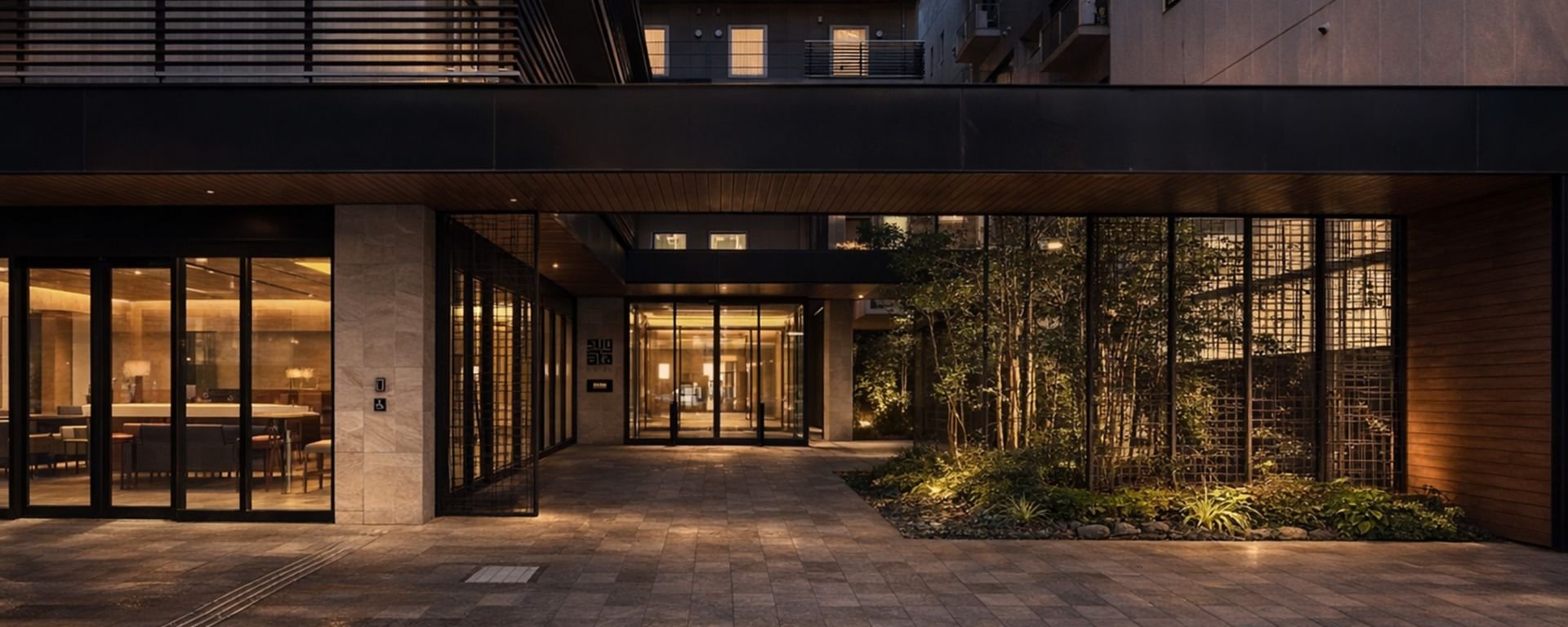
Shinchi Yamamoto sits on the ground floor of the Rise Hotel Osaka in Dojima, Kita Ward: squarely inside Kitashinchi, Osaka's densest concentration of high-end restaurants and bars. The address matters here. Kitashinchi has long functioned as the city's de facto fine-dining district, and a Michelin 1 Star in this postcode carries real weight precisely because the competition is so concentrated. Holding that star in this neighbourhood is a harder test than holding it elsewhere in the city.
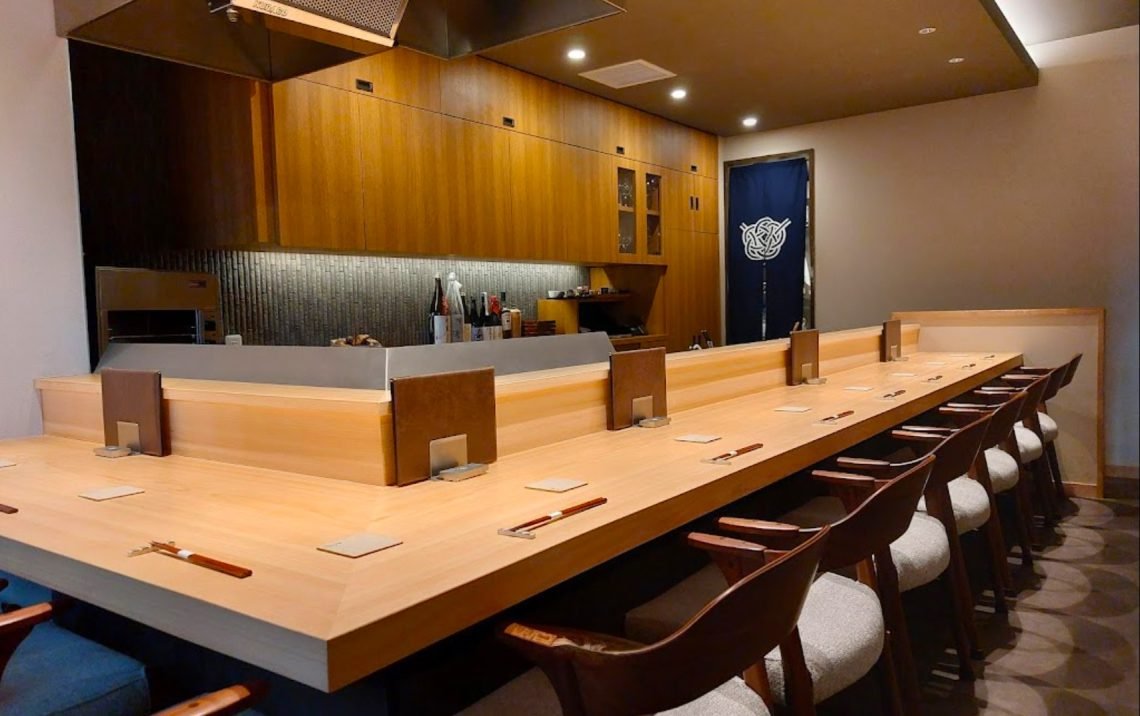
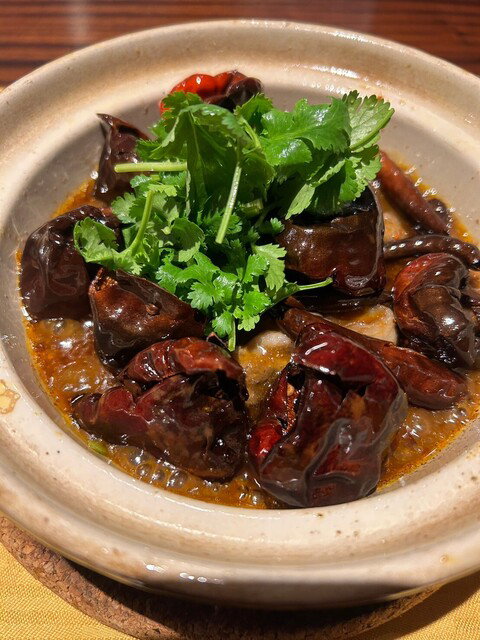
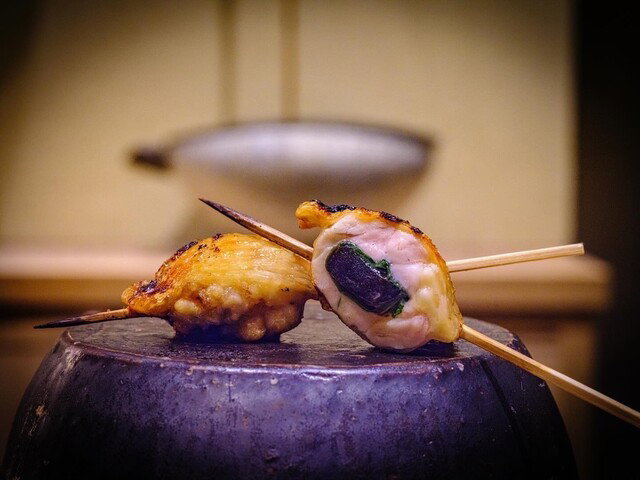
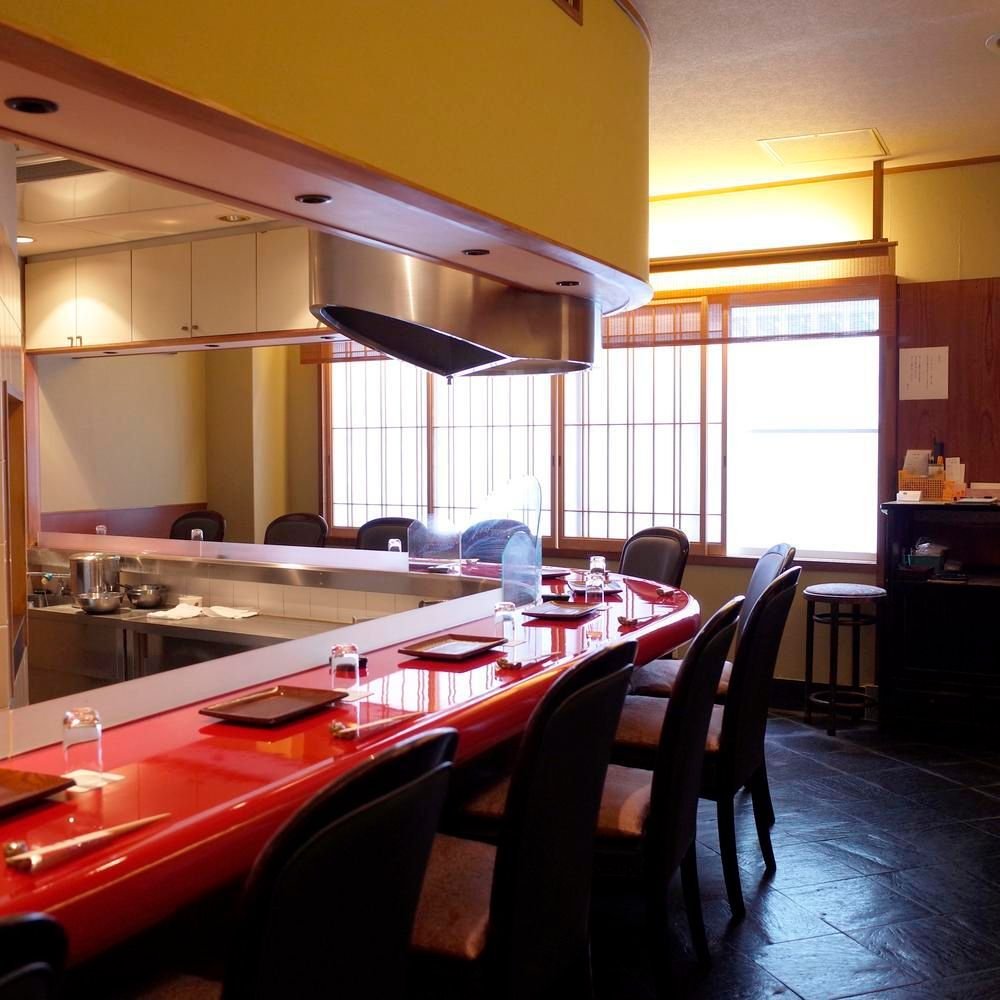
The format is counter-first. Guests watch the kitchen directly, which is not incidental theatre, it is the structure of the meal. The chef draws soup stock in front of you. Charcoal-grilled dishes and pot preparations are completed in view. The arrangement of ingredients on the plate is kept spare, deliberately so, to let the ingredients read clearly rather than be dressed up. For a food-focused traveller who wants to understand what they are eating and why, this is a more instructive setting than a curtained private room or a multi-course tasting menu served from the back.
The seasonal logic running through the menu is explicit: four ingredients, four seasons, one meal. Bamboo shoots for spring, sweetfish for summer, matsutake mushrooms for autumn, crab for winter. This is not a novel framework in Japanese cooking, but the execution at Shinchi Yamamoto, using it as the structural spine of the feast rather than as garnish, gives the menu a coherence that rewards diners who arrive with some context about Japanese seasonal ingredients. If you have eaten at comparable counters like Harutaka in Tokyo or Gion Sasaki in Kyoto, you will recognise the vocabulary immediately. If this is your first counter at this level, the open kitchen means you can follow the cooking as it happens, which helps.
For broader context on the Osaka fine-dining circuit, see our full Osaka restaurants guide.
Timing: When to Go
Autumn is the strongest season to book if you have flexibility. Matsutake mushrooms, among the most prized and expensive ingredients in the Japanese larder, peak between September and November, and the seasonal menu at a counter like this will be built around them during that window. The crab season that follows in winter is the second-leading window. Spring, when bamboo shoots are in, is the third. Summer is valid but the least dramatic of the four in terms of ingredient prestige. Book for the season that matches the ingredient you most want to eat, the four-seasons framework makes that calculation direct.
For day-of-week timing, Friday and Saturday evenings are the hardest seats to secure and the most likely to feel full. A Tuesday or Wednesday booking, if your schedule allows, gives you a quieter room and the same kitchen. Counter seats at this level are always more interesting when the chef is not managing a full house.
Kitashinchi as a district is worth arriving early for. The streets around Dojima have a high density of bars worth exploring before or after dinner. See our full Osaka bars guide for specifics. If you are building a longer trip around the region, akordu in Nara and Goh in Fukuoka are both worth pairing with an Osaka itinerary.
Booking: Expect Difficulty
Booking difficulty is rated Hard. At a Michelin-starred counter in Kitashinchi with low seat volume, that is expected. If you are travelling from abroad, plan a minimum of four to six weeks out, and treat any booking inside two weeks as a long shot. Autumn bookings, given the matsutake peak, should be secured further in advance.
For comparable Osaka options with potentially easier access, Miyamoto, Oimatsu Hisano, Tenjimbashi Aoki, and Yugen are all worth considering depending on your format preference. For high-end Japanese counter experiences elsewhere in Japan, Myojaku and Azabu Kadowaki in Tokyo operate at a comparable register.
Practical Details
| Detail | Shinchi Yamamoto | Kashiwaya Osaka Senriyama | Taian |
|---|---|---|---|
| Price tier | ¥¥¥¥ | ¥¥¥ | ¥¥¥ |
| Michelin recognition | 1 Star (2024) | Starred | Starred |
| Format | Counter kaiseki | Traditional kaiseki | Kaiseki |
| Booking difficulty | Hard | Moderate | Moderate–Hard |
| Location | Kitashinchi, Osaka | Senriyama, Osaka | Osaka |
| Open kitchen | Yes, counter format |
For hotels near the Kitashinchi district, see our full Osaka hotels guide. For broader trip planning including experiences and day trips, see our full Osaka experiences guide and our full Osaka wineries guide.
Planning details
- Hours
- Monday: 6–11 PM · Tuesday: 6–11 PM
- Location
- Japan, 〒530-0003 Osaka, Kita Ward, Dojima, 1 Chome−1−13 1F ライズホテル大阪北新地1階
- Reservations
- Book on Omakase
- Website
- m.facebook.com/%E6%96%B0%E5%9C%B0%E3%82%84%E3%81%BE%E6%9C%AC-179384242682922
- Phone
- +81 6-6147-8227
The take
The Take
The Vibe
Shinchi Yamamoto reads as a focused kappo counter in the middle of Kita-Shinchi’s dense dining block. The room privileges the counter: the kitchen operates in full view and the sequence of the meal unfolds around live preparation. That commitment produces a quiet, attentive energy: chefs and guests trade timing and temperature in close collaboration rather than through a pass. The restaurant’s setting on the ground floor of the Rise Hotel places it among professionals and industry regulars, so the mood tilts serious and workmanlike rather than theatrical, underscoring tradition and technical precision over flash.
Best For
This is principally an evening destination, with a paced, multi-course approach best experienced at dinner. The layout and service style make it well suited to date nights and special-occasion meals where the choreography of the kitchen matters, and its regular clientele of working professionals also makes it a plausible choice for business dinners. The counter format favors small parties who want an engaged, course-by-course exchange with the cooks.
Ordering Tips
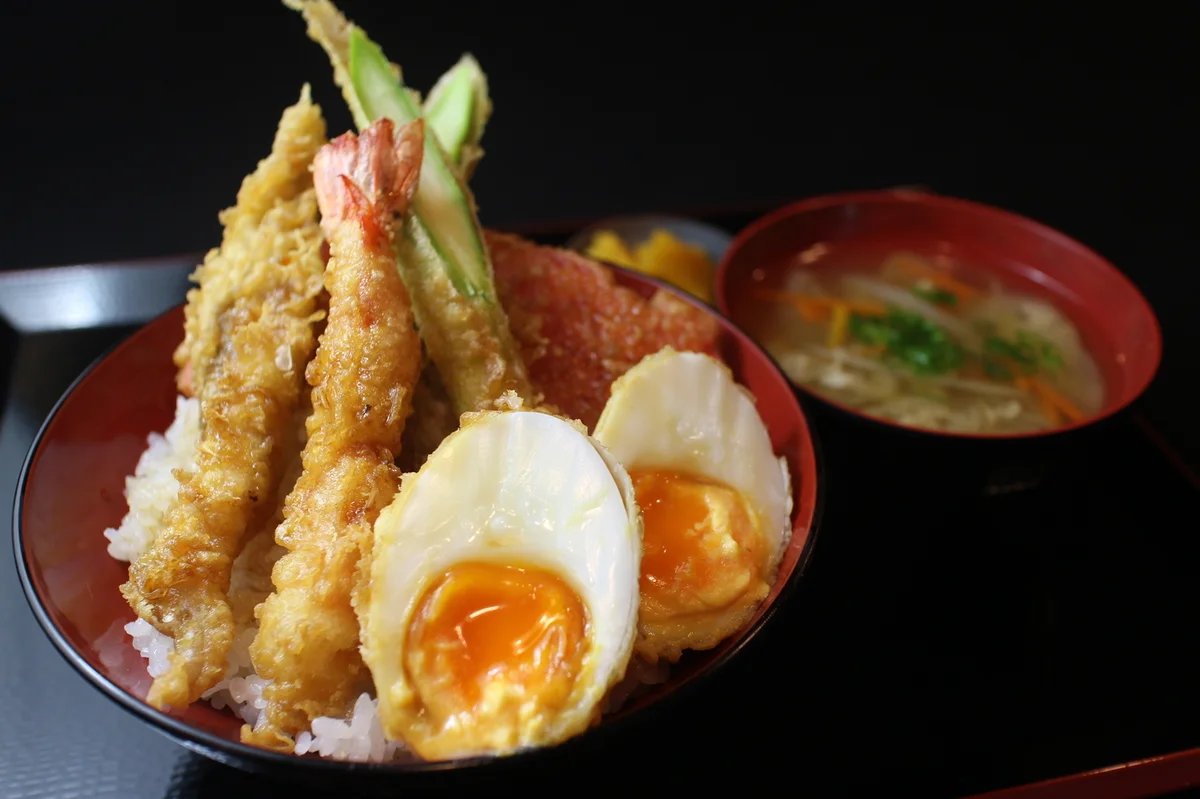
Book for counter seating and embrace the kitchen’s pacing: the kappo format at Shinchi Yamamoto is structured around live preparation and a constant exchange between cook and guest. Expect elements like dashi to be drawn in front of you: trust the sequence rather than trying to rush dishes. When available, sample signature seasonal items (for example the hassun seasonal platter) and classic preparations such as the hand-deboned eel bowl or Miyazaki beef, which align with the restaurant’s focus on freshness and timing.
Venue details
Ambiance
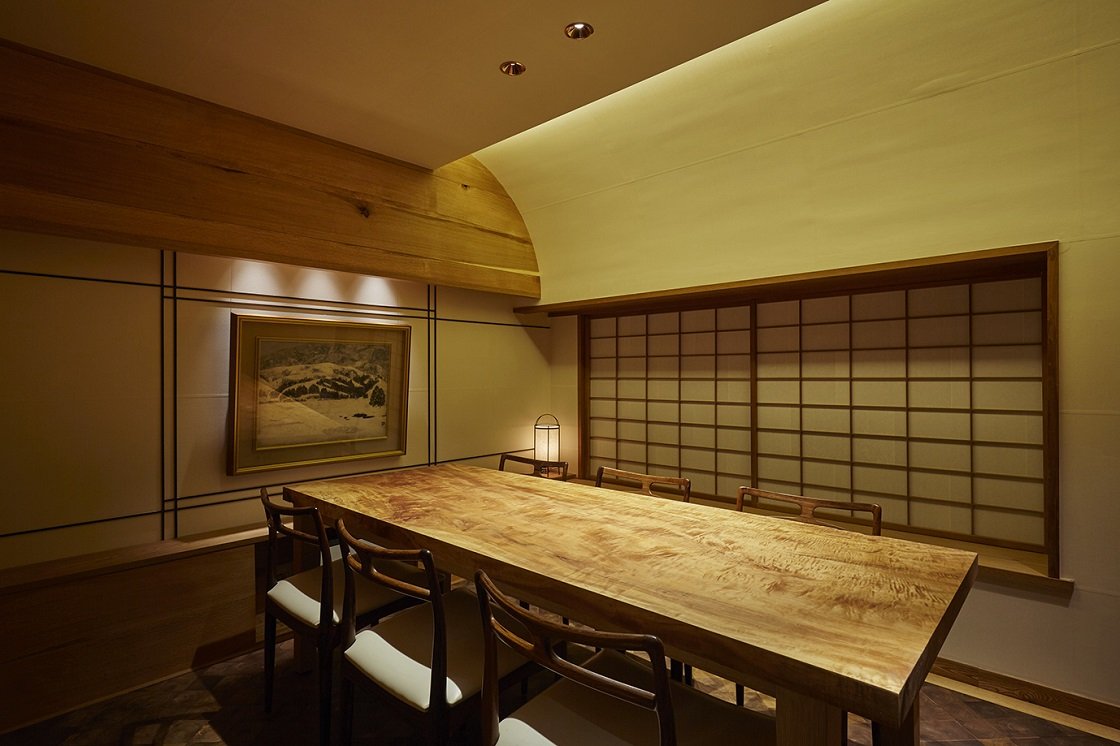
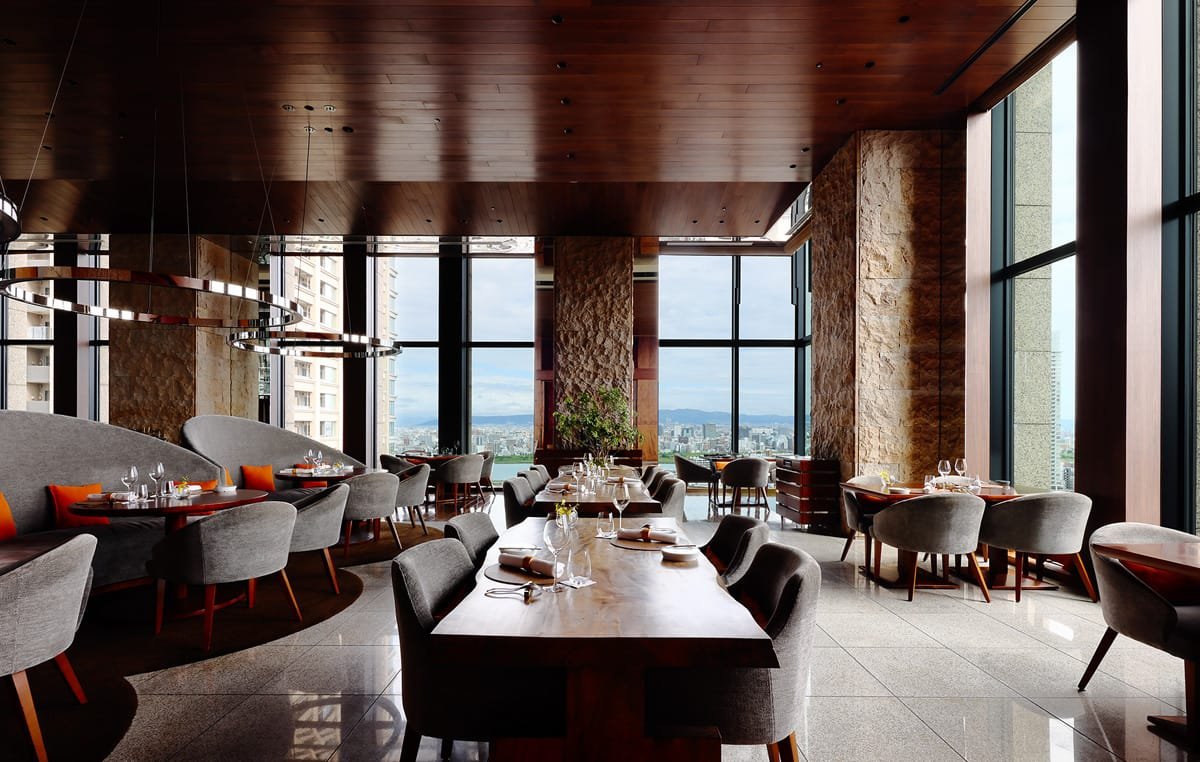
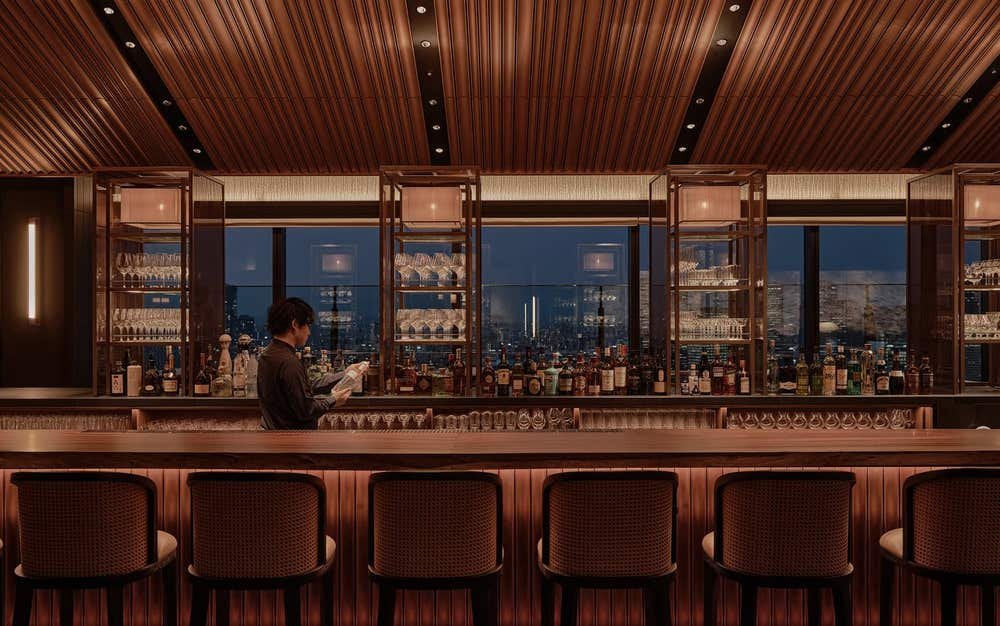
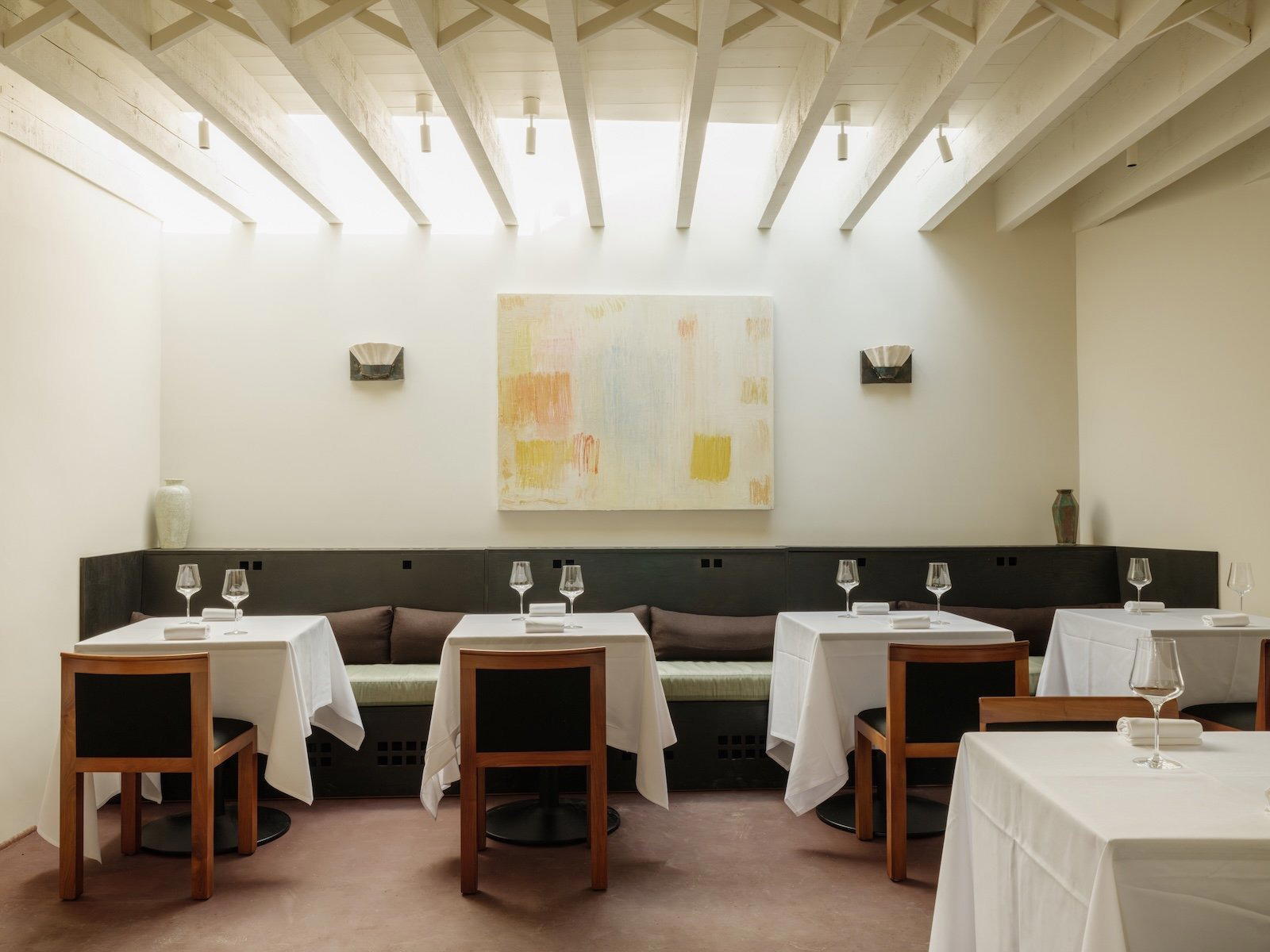
Calm minimalism with soft targeted lighting, muted wood and stone finishes referencing Kyoto restraint, focused on the open kitchen counter.
Tags
Vibe
Best For
Experience
At the Table
- Dress Code
- Smart Casual
- Noise Level
- Quiet
- Service Style
- Formal
- Meal Pacing
- Leisurely
- Capacity
- Intimate
- Kitchen
- Modern
- Menu Format
- Omakase, Counter dining
Signature Dishes
- hassun seasonal platter
- hand-deboned eel bowl
- Miyazaki beef
Know before you go
Know Before You Go
- Getting there
- Japan, 〒530-0003 Osaka, Kita Ward, Dojima, 1 Chome−1−13 1F ライズホテル大阪北新地1階
Planning details
Hours
- Monday
- 6–11 PM
- Tuesday
- 6–11 PM
- Wednesday
- 6–11 PM
- Thursday
- 6–11 PM
- Friday
- 6–11 PM
- Saturday
- 6–11 PM
- Sunday
- Closed
Location
Japan, 〒530-0003 Osaka, Kita Ward, Dojima, 1 Chome−1−13 1F ライズホテル大阪北新地1階 · Directions
m.facebook.com/%E6%96%B0%E5%9C%B0%E3%82%84%E3%81%BE%E6%9C%AC-179384242682922
Recognition and awards
Also consider
Also Consider
- HAJIME: French, Innovative, ¥¥¥¥
- La Cime: French, ¥¥¥¥
- Kashiwaya Osaka Senriyama: Japanese, ¥¥¥
- Taian: Kaiseki, Japanese, ¥¥¥
- Fujiya 1935: Innovative, ¥¥¥¥
Restaurant context
At the ¥¥¥¥ tier in Osaka, Shinchi Yamamoto competes directly with HAJIME, La Cime, and Fujiya 1935. Of these, Shinchi Yamamoto is the most traditional in format: counter kaiseki with visible cooking, seasonal Japanese ingredients, spare plating. HAJIME and La Cime both operate in the French-inflected innovative lane, which is a different experience entirely. If you are in Osaka specifically to eat Japanese seasonal cooking at a high level, Shinchi Yamamoto is the cleaner choice over either French option at this price tier. If you want to see where Japanese craft and French technique intersect, HAJIME is the more interesting ticket.
Against the ¥¥¥ options, Kashiwaya Osaka Senriyama and Taian both offer traditional kaiseki at a meaningfully lower spend. If budget is a factor, Kashiwaya Osaka Senriyama is the sensible alternative: comparable Japanese seasonal focus, lower price point, and somewhat easier to book. Taian is the best option for kaiseki purists who want to spend less and still eat well in Osaka. Neither offers the open-counter format or the explicit four-seasons structure that defines Shinchi Yamamoto's appeal.
For innovative cooking at ¥¥¥¥, Fujiya 1935 is the most forward-looking option in Osaka at this tier. It is the right call if you want to eat something unexpected rather than something traditional. But if the draw is watching a chef work at a charcoal brazier and understanding exactly what you are eating and why, Shinchi Yamamoto is the more purposeful booking for a food-focused traveller.
Explore Osaka
Around this place
Discover more on Pearl
Unlock the full Shinchi Yamamoto guide in Pearl, including awards, comparisons, FAQs, planning details, and nearby places.
Compare Shinchi Yamamoto
| Venue | Awards | Price |
|---|---|---|
| Shinchi Yamamoto | 2026 Michelin 1 StarMichelin Guide Kyoto Osaka 20262024 Michelin 1 Star | ¥¥¥¥ |
| HAJIME | Star Wine Lists 2026 · #12026 Tabelog Bronze · #922026 OAD Top Restaurants in Japan Ranked · #98Michelin Guide Kyoto Osaka 20262026 La Liste Top RestaurantsTabelog 100 - Innovative / Creative cuisine - 2025 · #692025 Asia's 50 Best Restaurants · #832025 OAD Top Restaurants in Japan Ranked · #87We're Smart World Top Restaurants 2025 | ¥¥¥¥ |
| La Cime | 2026 Asia's 50 Best Restaurants · #132026 OAD Top Restaurants in Japan Ranked · #1492026 Tabelog Bronze · #231Michelin Guide Kyoto Osaka 20262026 La Liste Top Restaurants2025 Asia's 50 Best Restaurants · #82025 World's 50 Best Restaurants · #44Tabelog 100 - French - WEST - 2025 · #932025 OAD Top Restaurants in Japan Ranked · #123 | ¥¥¥¥ |
| Kashiwaya Osaka Senriyama | 2026 Tabelog Bronze · #1682026 OAD Top Restaurants in Japan Recommended2026 Relais Chateaux RestaurantsMichelin Guide Kyoto Osaka 20262026 La Liste Top RestaurantsTabelog 100 - Japanese cuisine - WEST - 2025 · #772025 OAD Top Restaurants in Japan Ranked · #1552025 Relais Chateaux Award2025 Michelin 3 Stars | ¥¥¥ |
| Taian | 2026 OAD Top Restaurants in Japan RecommendedMichelin Guide Kyoto Osaka 20262026 La Liste Top Restaurants2025 OAD Top Restaurants in Japan Ranked · #2042025 La Liste Top Restaurants2025 Michelin 3 Stars2024 OAD Top Restaurants in Japan Ranked · #1912024 Michelin 3 Stars2023 OAD Top Restaurants in Japan Highly Recommended | ¥¥¥ |
| Fujiya 1935 | 2026 Tabelog Bronze · #752026 OAD Top Restaurants in Japan RecommendedMichelin Guide Kyoto Osaka 20262026 La Liste Top Restaurants2025 Michelin 2 Stars2025 Tabelog Silver2025 La Liste Top Restaurants2024 OAD Top Restaurants in Japan Ranked · #2392024 Michelin 2 Stars | ¥¥¥¥ |










Comparing your options in Osaka for this tier.
FAQ
Frequently Asked Questions
Is Shinchi Yamamoto worth the price?
At ¥¥¥¥, yes: with the right expectations. The Michelin 1-star recognition (2024) reflects a kitchen that runs seasonal ingredients like matsutake mushrooms, sweetfish, and crab through counter-facing live preparation, including soup stock drawn tableside and charcoal-grilled courses cooked in view. If you want theatrical kaiseki-style cooking where the ingredient takes precedence over elaborate presentation, this is a strong case for the spend.
What should I wear to Shinchi Yamamoto?
The venue sits inside the Rise Hotel Osaka in Kitashinchi, a district where evening dining tends toward neat, subdued dress. Business casual is a reasonable baseline: no shorts or sports shoes. The counter format means you are in close proximity to other guests throughout the meal, so dress that does not distract is practical as well as appropriate.
What are alternatives to Shinchi Yamamoto in Osaka?
For Michelin-level counter dining at a comparable or higher tier, Kashiwaya Osaka Senriyama and Taian are the most direct kaiseki alternatives in the Osaka market. La Cime is the choice if you want French-influenced technique rather than a traditional Japanese format. Fujiya 1935 sits at the intersection of avant-garde and Japanese, while HAJIME operates at three-star level and a substantially higher price point.
Does Shinchi Yamamoto handle dietary restrictions?
Counter kaiseki formats are generally built around a fixed seasonal progression, which can make significant substitutions difficult. Communicating any restrictions at the time of reservation, rather than on arrival, gives the kitchen the best chance of accommodating you without compromising the meal structure.