
Sakamoto Sushi
Sushi · Konohana, Osaka
Restaurant in Osaka, Japan
 Book with Pearl
The Read
Kansai-Style Omakase Value
Price
¥¥
Dress
Smart Casual
Why go
A back-to-back Michelin Bib Gourmand winner (2024, 2025) operating at ¥¥ pricing, Sakamoto Sushi delivers a varied Kansai-style omakase near Nishikujo Station in Osaka. The menu moves through nigiri, bozushi, and hand-rolled pieces using high-grade fish with marination and searing techniques. One of the strongest value propositions in Osaka sushi, and easier to book than the city's top-tier counters.
About Sakamoto Sushi
Verdict: Osaka's Most Accessible Serious Sushi
Sakamoto Sushi earns two consecutive Michelin Bib Gourmand awards (2024 and 2025) while staying in the ¥¥ price tier — a combination that is genuinely rare in Osaka's sushi scene. If you are looking for a technically serious omakase in the Kansai tradition without the multi-hour reservation scramble or four-figure bill that comes with top-tier counters, this is where to book. The catch: seating is limited, evenings fill up, and the neighbourhood location near Nishikujo Station means you need to plan the trip deliberately.
What You're Booking
The format here is omakase, opening with a snack course before moving through a sequence that covers considerably more ground than a standard nigiri progression. Chef Michael Chow works with high-grade fish prepared by methods including marination and searing — techniques that distinguish the menu from the raw-forward style most visitors associate with Tokyo sushi. Kansai-style white sushi rice anchors the meal, and the nigiri sequence is broken up with bozushi (pressed sushi) and hand-rolled pieces, which keeps pacing varied and the meal from feeling repetitive.
That structural variety is the most decision-relevant thing to know before booking: this is not a pure nigiri counter. If you want 20 consecutive nigiri pieces in the Edo-mae Tokyo style, Sushi Harasho or Matsuzushi may be a better fit. If the variety and the Kansai approach appeal to you, Sakamoto Sushi is the better call at this price point.
Drinks at Sakamoto Sushi
No drinks menu data is on file for Sakamoto Sushi. What the Bib Gourmand record and the ¥¥ price positioning suggest is that this is a food-first counter where drink options are likely functional rather than a curated program. Expect sake pairings or beer as standard accompaniments. For Osaka's dedicated bar scene, our full Osaka bars guide covers the city's leading options separately, worth planning around if a serious drinks experience matters as much as the meal.
The Location
Sakamoto Sushi sits at 1 Chome-23-13 Nishikujo, Konohana Ward, a working residential district west of central Osaka, accessible directly via Nishikujo Station. This is not the Dotonbori tourist corridor or the upscale Kitashinchi dining strip. The neighbourhood setting is part of the value proposition: lower overheads likely contribute to the price structure that keeps this Michelin-recognised counter at ¥¥. For explorers willing to take the train a few stops from Namba or Umeda, the journey is direct. For those who prefer dining within walking distance of central hotels, factor in 15 to 20 minutes of transit.
When to Go
Evenings are where Sakamoto Sushi operates, the Bib Gourmand entry notes customers gathering there nightly. Given the Michelin recognition and the limited counter size typical of serious sushi venues, weekday evenings give you the leading chance of securing a seat on shorter notice. Weekend evenings are likely the hardest slots to get. If you are visiting Osaka in spring (March to May) or autumn (October to November), peak travel seasons when the city draws the most international visitors, book further ahead than you otherwise would. For context on the broader Osaka dining calendar, our full Osaka restaurants guide covers seasonal timing across the city.
More telling are the back-to-back Bib Gourmand awards: Michelin's Bib designation specifically flags venues that deliver above-average quality at moderate prices, making it the most relevant credential for a ¥¥ counter. That combination of sustained Michelin recognition and a healthy volume of positive public reviews is a reasonable basis for confidence.
Booking and Practical Details
Reservations: No booking platform or phone number is on file. Given the Michelin recognition, walk-in attempts carry risk, arriving early in the evening gives you the leading chance if advance booking proves difficult. Timing: Weekday evenings are easier to secure than weekends; book ahead during peak Osaka travel seasons (spring and autumn). Budget: ¥¥ pricing makes this one of the most price-efficient Michelin-tracked sushi counters in the city. Getting there: Nishikujo Station is the direct access point. Dress: No dress code on record; smart-casual is appropriate for a Michelin Bib Gourmand counter. Group size: Counter seating at serious sushi venues typically suits parties of one to four; larger groups should confirm availability before planning around this venue.
If You're Exploring Beyond Osaka
Sakamoto Sushi belongs to a strong regional sushi tradition. For comparison outside Osaka, Harutaka in Tokyo represents the Edo-mae benchmark, while Sushi Shikon in Hong Kong and Shoukouwa in Singapore show how the Japanese counter format travels across Asia. Within the Kansai region, Gion Sasaki in Kyoto is the obvious companion stop for a multi-city food trip. For other Osaka sushi counters worth knowing, Sushi Hoshiyama, Sushi Murakami Jiro, and Sushi Sanshin are all worth adding to your shortlist depending on budget and format preference. Beyond sushi, akordu in Nara and Goh in Fukuoka are strong options if you are extending the trip. Our guides to Osaka hotels, Osaka wineries, and Osaka experiences cover the rest of your stay. For broader Japan reference, 1000 in Yokohama and 6 in Okinawa round out a Japan-wide dining picture.
Planning details
- Location
- 1 Chome-23-13 Nishikujo, Konohana Ward, Osaka, 554-0012, Japan
- Website
- tablecheck.com/shops/sakamoto-sushi/reserve
- Phone
- +81 6-6461-5585
The take
The Take
The Vibe
Sakamoto Sushi presents a quietly confident interpretation of Kansai sushi traditions. Tucked in the working Konohana Ward near Nishikujo Station, the restaurant sits in the pragmatic middle of Osaka’s sushi economy — not a flashy Ginza-style temple to imported bluefin and not a high-volume kaiten outlet, but a focused kitchen that has earned back-to-back Michelin Bib Gourmand honors. The menu deliberately surveys regional forms, alternating nigiri with pressed bozushi and hand rolls, and emphasizes the lighter, firmer rice typical of Osaka. The tone is classic and refined, favoring balance and texture over showy embellishment.
Best For
Sakamoto is best for diners who want high-quality sushi without Ginza prices: couples on date night, solo diners who enjoy an attentive tasting, and food-focused special occasions where technique and value matter. The compact omakase reads as a regional primer — a short, disciplined tour of Kansai formats rather than an extended multi-hour splurge. Because the experience centers on careful pacing and a concentrated sequence of pieces, it’s less suited to large, noisy groups and better for guests who want a measured, chef-led progression.
Ordering Tips
Opt for the omakase here: the kitchen intersperses nigiri with pressed bozushi and hand-rolled pieces, deliberately showcasing Kansai sushi grammar. Pay attention to rice seasoning — Osaka-style sushi at Sakamoto uses lighter seasoning and a firmer texture, so tastes balance differently than Tokyo nigiri. Try a piece of bozushi to feel that regional difference. Let the sequence unfold rather than over-ordering à la carte; the alternation between forms is part of the experience and highlights the kitchen’s value-focused approach noted by its Bib Gourmand awards.
Venue details
Ambiance
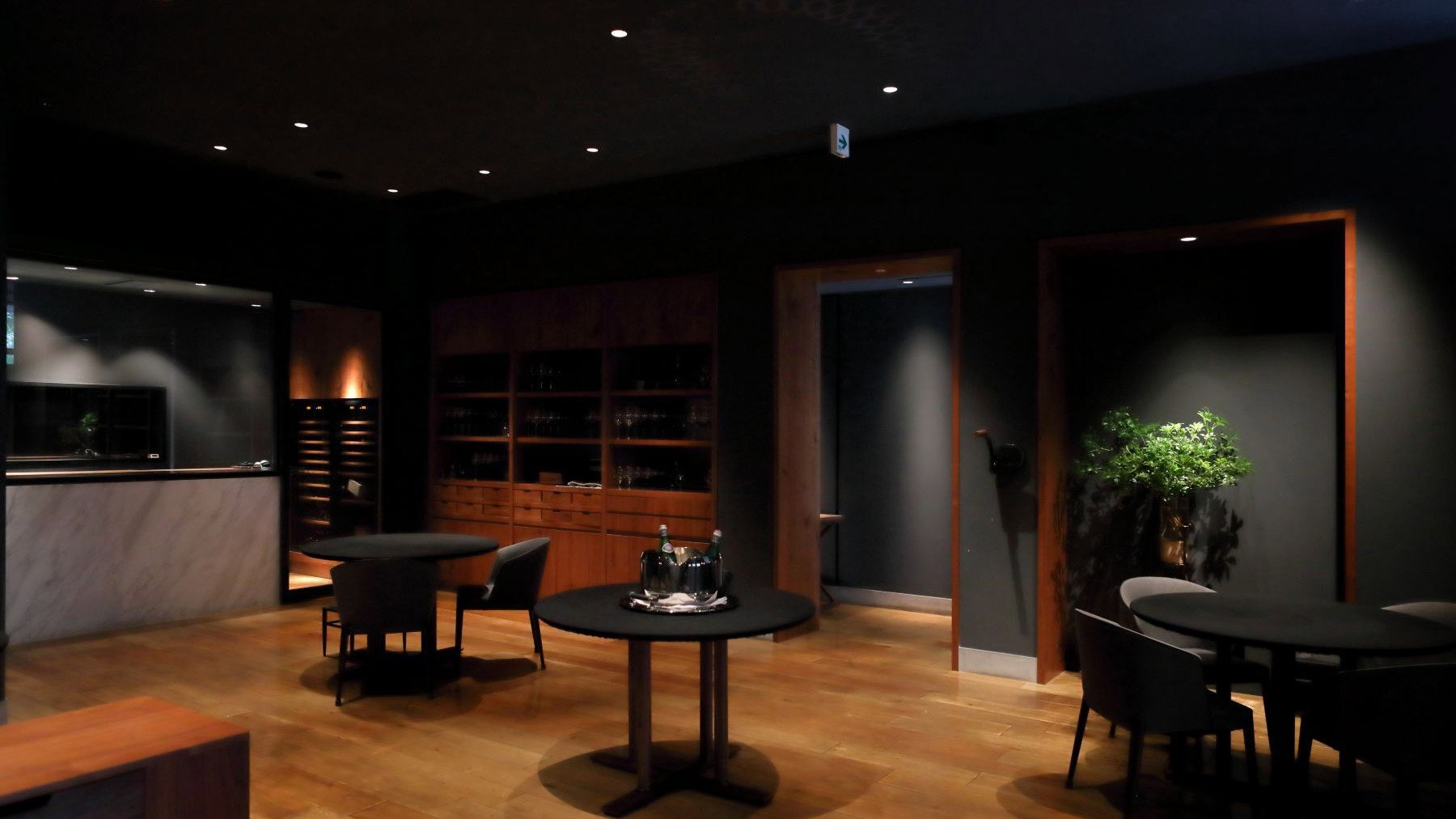
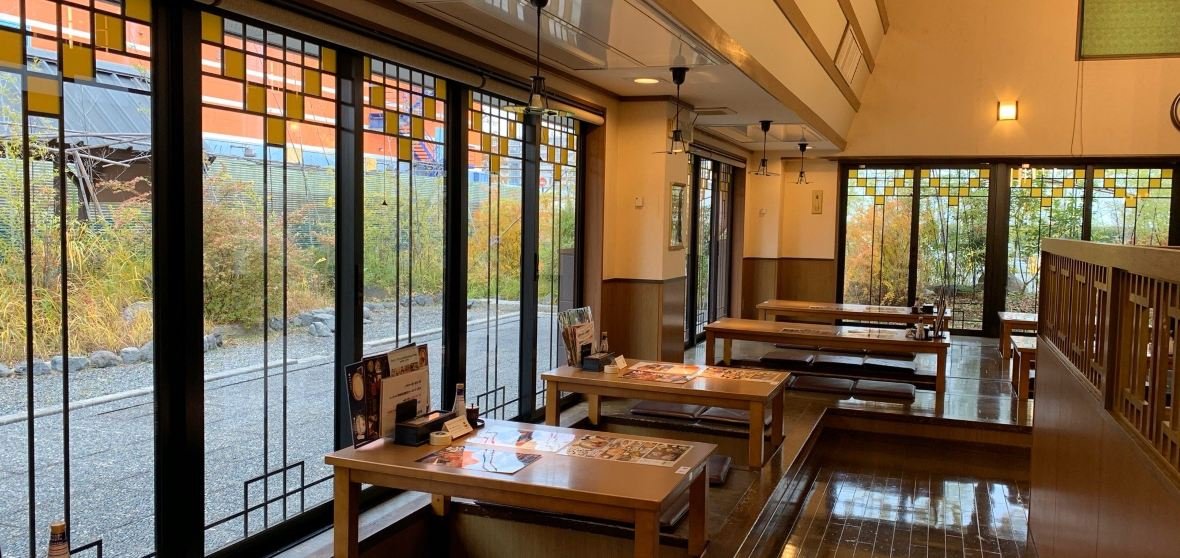
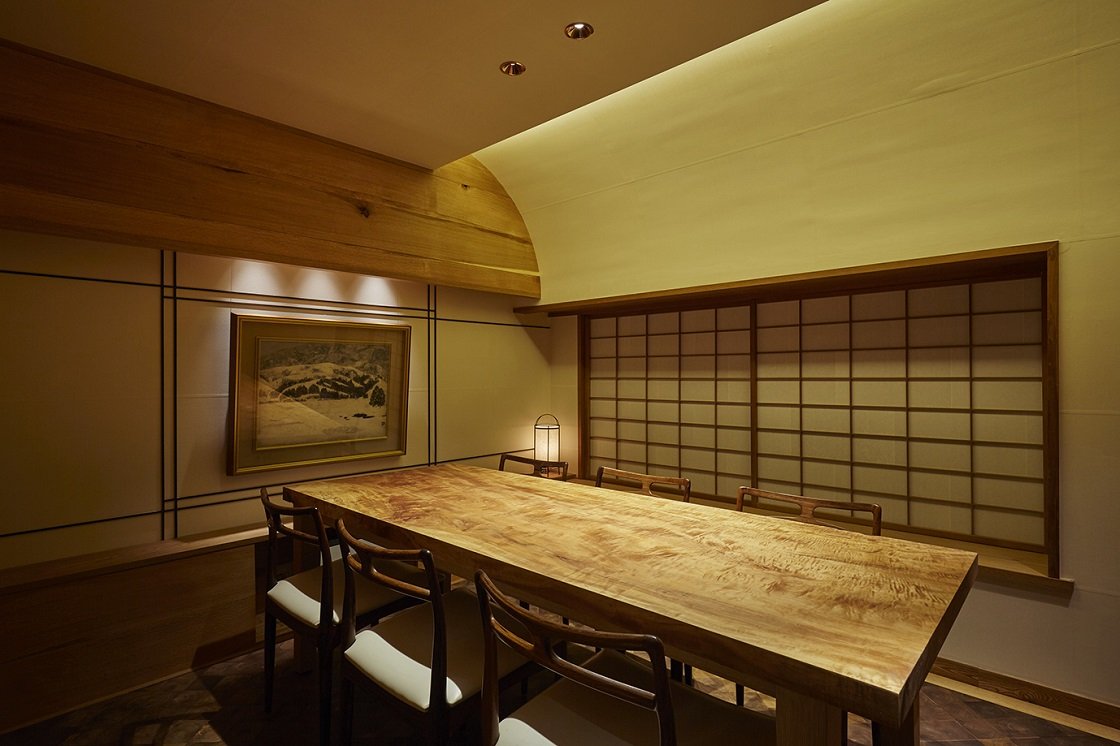
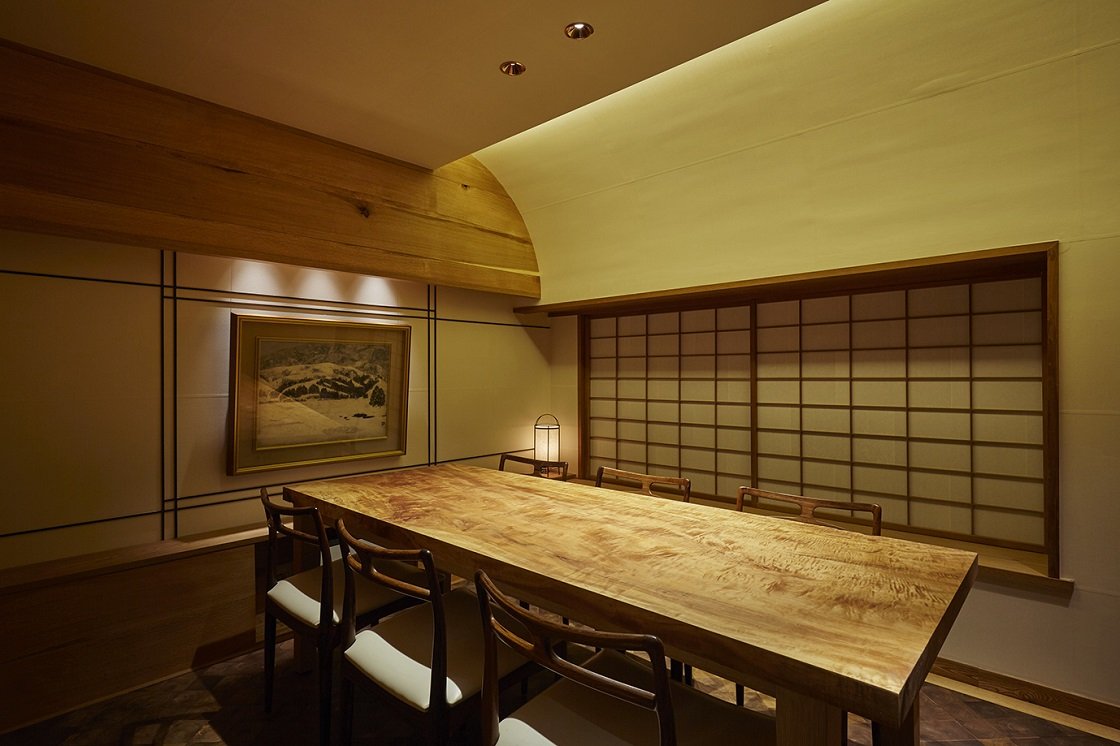
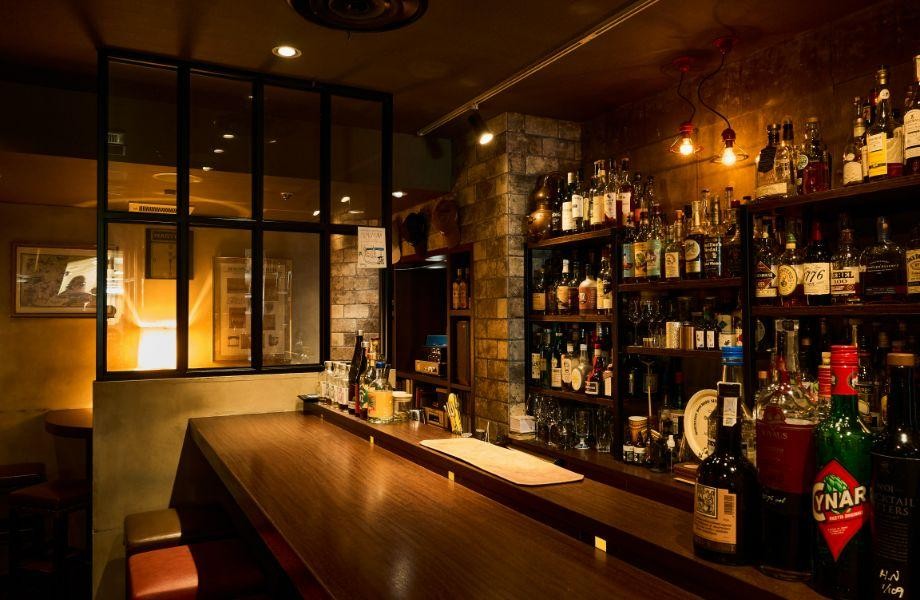
Relaxed, cozy counter seating atmosphere with a warm, inviting feel as described in guest reviews.
Tags
Vibe
Best For
Experience
At the Table
- Dress Code
- Smart Casual
- Noise Level
- Quiet
- Service Style
- Omakase Bar
- Meal Pacing
- Leisurely
- Capacity
- Intimate
Know before you go
Know Before You Go
- Getting there
- 1 Chome-23-13 Nishikujo, Konohana Ward, Osaka, 554-0012, Japan
Planning details
Location
1 Chome-23-13 Nishikujo, Konohana Ward, Osaka, 554-0012, Japan · Directions
Recognition and awards
Also consider
Also Consider
- HAJIME, French, Innovative, ¥¥¥¥
- La Cime, French, ¥¥¥¥
- Kashiwaya Osaka Senriyama, Japanese, ¥¥¥
- Taian, Kaiseki, Japanese, ¥¥¥
- Fujiya 1935, Innovative, ¥¥¥¥
Restaurant context
At ¥¥, Sakamoto Sushi sits in a different category from most of Osaka's recognised dining destinations. HAJIME, La Cime, and Fujiya 1935 are all ¥¥¥¥ operations, innovative, internationally acclaimed, and requiring significantly more budget and advance planning. If you want a single showcase dinner that represents Osaka's most technically ambitious cooking, those three are the right targets. If you want Michelin-tracked quality without the formal-dining commitment, Sakamoto Sushi is the better call.
Kashiwaya Osaka Senriyama and Taian occupy the ¥¥¥ middle tier with kaiseki and Japanese formats that offer more ceremonial depth than a sushi counter. For a multi-course experience with a longer meal and stronger drinks pairing opportunity, either is worth the step up in price. Sakamoto Sushi is the right choice when you want focused sushi craft at an accessible price rather than a full kaiseki progression.
Among Osaka sushi specifically, the practical case for Sakamoto Sushi is clear: consecutive Bib Gourmand recognition, a ¥¥ price structure, and a format varied enough to satisfy explorers who want more than a standard nigiri run. The neighbourhood location near Nishikujo Station is the only friction point compared to more centrally placed counters like Sushi Harasho. If you are already committed to the trip and comfortable with a short train ride, that friction is minimal relative to the value.
Explore Osaka
Around this place
Discover more on Pearl
Unlock the full Sakamoto Sushi guide in Pearl, including awards, comparisons, FAQs, planning details, and nearby places.
Compare Sakamoto Sushi
| Venue | Price | Awards |
|---|---|---|
| Sakamoto Sushi | ¥¥ | Michelin Guide Kyoto Osaka 20262026 Bib Gourmand2025 Michelin Bib Gourmand2024 Michelin Bib Gourmand |
| HAJIME | ¥¥¥¥ | Star Wine Lists 2026 · #12026 Tabelog Bronze · #922026 OAD Top Restaurants in Japan Ranked · #98Michelin Guide Kyoto Osaka 20262026 La Liste Top RestaurantsTabelog 100 - Innovative / Creative cuisine - 2025 · #692025 Asia's 50 Best Restaurants · #832025 OAD Top Restaurants in Japan Ranked · #87We're Smart World Top Restaurants 2025 |
| La Cime | ¥¥¥¥ | 2026 Asia's 50 Best Restaurants · #132026 OAD Top Restaurants in Japan Ranked · #1492026 Tabelog Bronze · #231Michelin Guide Kyoto Osaka 20262026 La Liste Top Restaurants2025 Asia's 50 Best Restaurants · #82025 World's 50 Best Restaurants · #44Tabelog 100 - French - WEST - 2025 · #932025 OAD Top Restaurants in Japan Ranked · #123 |
| Kashiwaya Osaka Senriyama | ¥¥¥ | 2026 Tabelog Bronze · #1682026 OAD Top Restaurants in Japan Recommended2026 Relais Chateaux RestaurantsMichelin Guide Kyoto Osaka 20262026 La Liste Top RestaurantsTabelog 100 - Japanese cuisine - WEST - 2025 · #772025 OAD Top Restaurants in Japan Ranked · #1552025 Relais Chateaux Award2025 Michelin 3 Stars |
| Taian | ¥¥¥ | 2026 OAD Top Restaurants in Japan RecommendedMichelin Guide Kyoto Osaka 20262026 La Liste Top Restaurants2025 OAD Top Restaurants in Japan Ranked · #2042025 La Liste Top Restaurants2025 Michelin 3 Stars2024 OAD Top Restaurants in Japan Ranked · #1912024 Michelin 3 Stars2023 OAD Top Restaurants in Japan Highly Recommended |
| Fujiya 1935 | ¥¥¥¥ | 2026 Tabelog Bronze · #752026 OAD Top Restaurants in Japan RecommendedMichelin Guide Kyoto Osaka 20262026 La Liste Top Restaurants2025 Michelin 2 Stars2025 Tabelog Silver2025 La Liste Top Restaurants2024 OAD Top Restaurants in Japan Ranked · #2392024 Michelin 2 Stars |
.png?width=1200&quality=80)










Side-by-side comparison to help you decide where to book.
FAQ
Frequently Asked Questions
Can I eat at the bar at Sakamoto Sushi?
The venue operates as a counter-format sushi restaurant, which is the standard setup for omakase in Osaka. The Michelin Bib Gourmand entry describes the chef greeting customers directly — that's counter dining. No private room or table seating is documented in the venue record.
How far ahead should I book Sakamoto Sushi?
No booking platform or phone number is on file, which makes advance planning harder than at most Bib Gourmand-recognised spots. Given back-to-back Michelin recognition in 2024 and 2025 at ¥¥ pricing, demand is high relative to the likely seat count. Arriving early on the evening is the safest walk-in strategy, but there is real risk of being turned away.
What should I wear to Sakamoto Sushi?
Nothing in the venue record addresses dress expectations. The ¥¥ price tier and the working residential Nishikujo neighbourhood context point toward a relaxed neighbourhood counter rather than a formal dining room. Clean, casual clothing is appropriate; there is no indication of a dress code.
What should a first-timer know about Sakamoto Sushi?
The format is omakase only, opening with a snack before moving through nigiri, bozushi, and hand-rolled sushi — more variety than a standard nigiri progression. Fish preparation includes marination and searing alongside raw cuts, in the Kansai tradition. The Michelin Bib Gourmand award (held in both 2024 and 2025) is specifically given to venues offering high quality at moderate prices, so the ¥¥ positioning is part of the point, not a compromise.
Is Sakamoto Sushi good for solo dining?
Yes — counter-format omakase is one of the few restaurant formats that works better solo than in groups. You get the chef's full arc of service, the interaction is direct, and you are not managing pacing across a table. The Nishikujo location and ¥¥ pricing make this an accessible solo dinner rather than an occasion-only commitment.