
Rooots Nakanoshima
Contemporary · Kita, Osaka
Restaurant in Osaka, Japan
 Book with Pearl
The Read
Hiroshima-Rooted Franco-Italian
Price
¥¥¥
Dress
Smart Casual
Why go
A Michelin Plate-recognised Franco-Italian kitchen on Nakanoshima island, with produce from the Kinki region and Hiroshima. The potato gnocchi is the signature dish. At ¥¥¥, it's one of the most accessible serious European addresses in Osaka, easier to book and lighter on the budget than HAJIME or La Cime, and worth reserving for couples or small groups seeking depth over spectacle.
About Rooots Nakanoshima
Verdict
If you're in Osaka and want a serious European kitchen working with Kinki-region ingredients at a ¥¥¥ price point, Rooots Nakanoshima is worth booking. This is the sister restaurant to a Hiroshima original, run by a chef who trained in Italy and layered French technique on top of that foundation. The result is a Franco-Italian menu grounded in local produce, anchored by a signature potato gnocchi that has become the kitchen's calling card. A 2024 Michelin Plate confirms the cooking is at a recognised standard. At this price tier, it sits more accessibly than the ¥¥¥¥ Osaka heavyweights, making it a practical first move if you want contemporary European cooking without committing to a full-scale tasting menu spend.
About the Restaurant
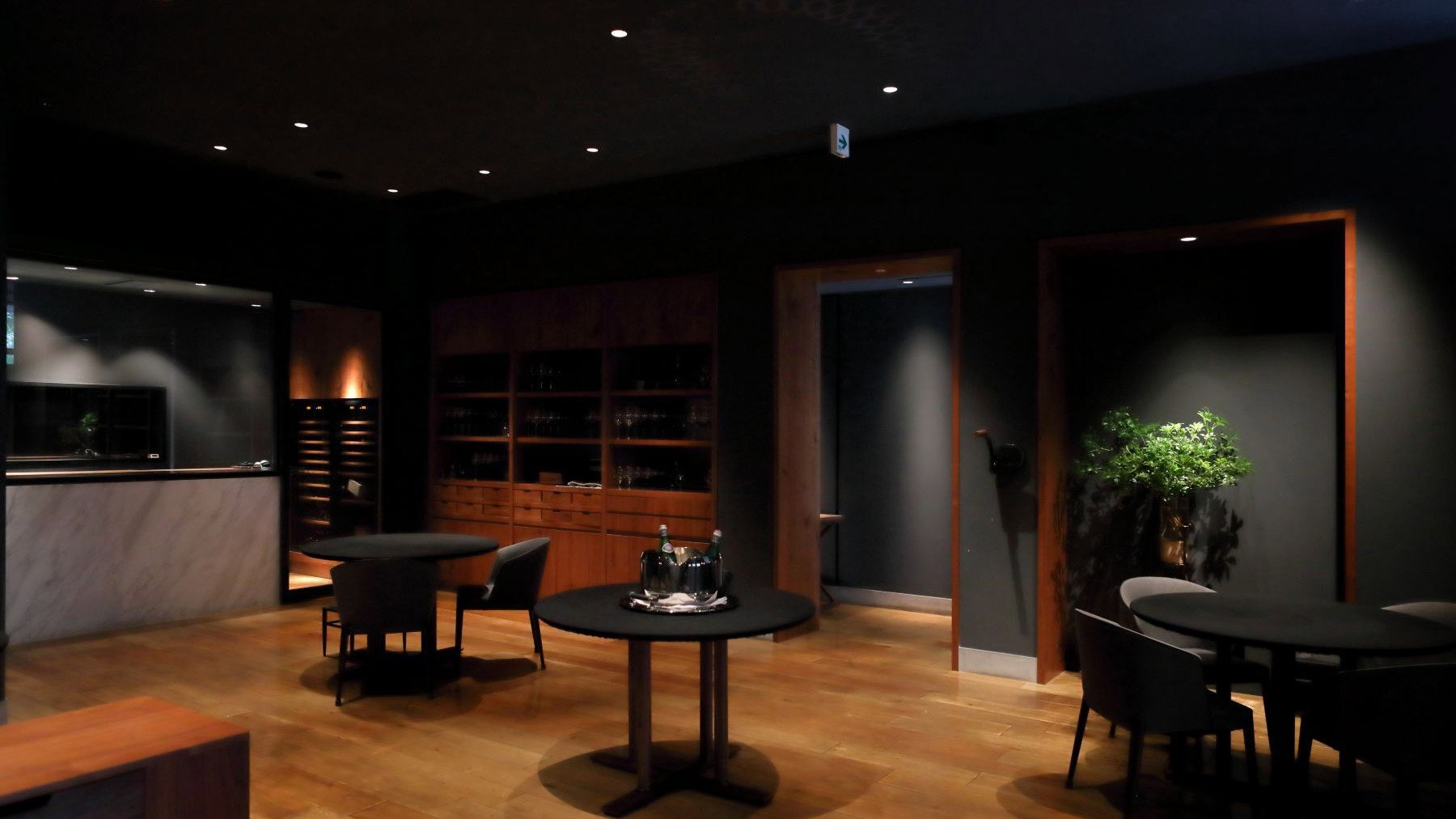
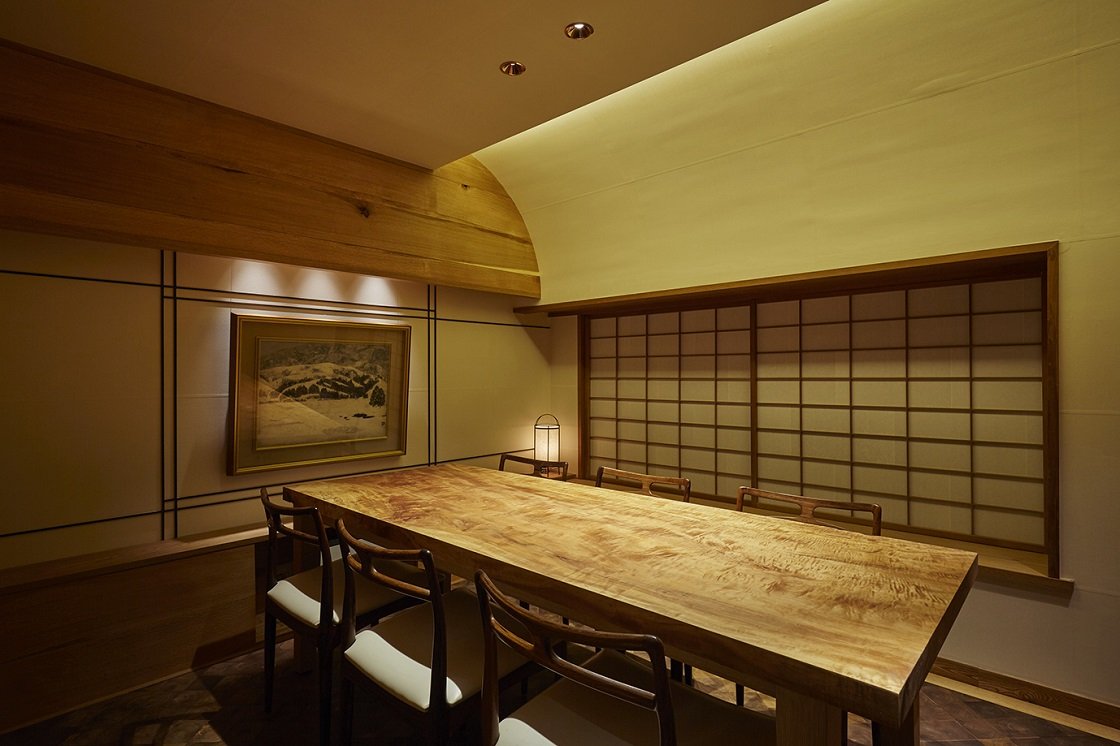
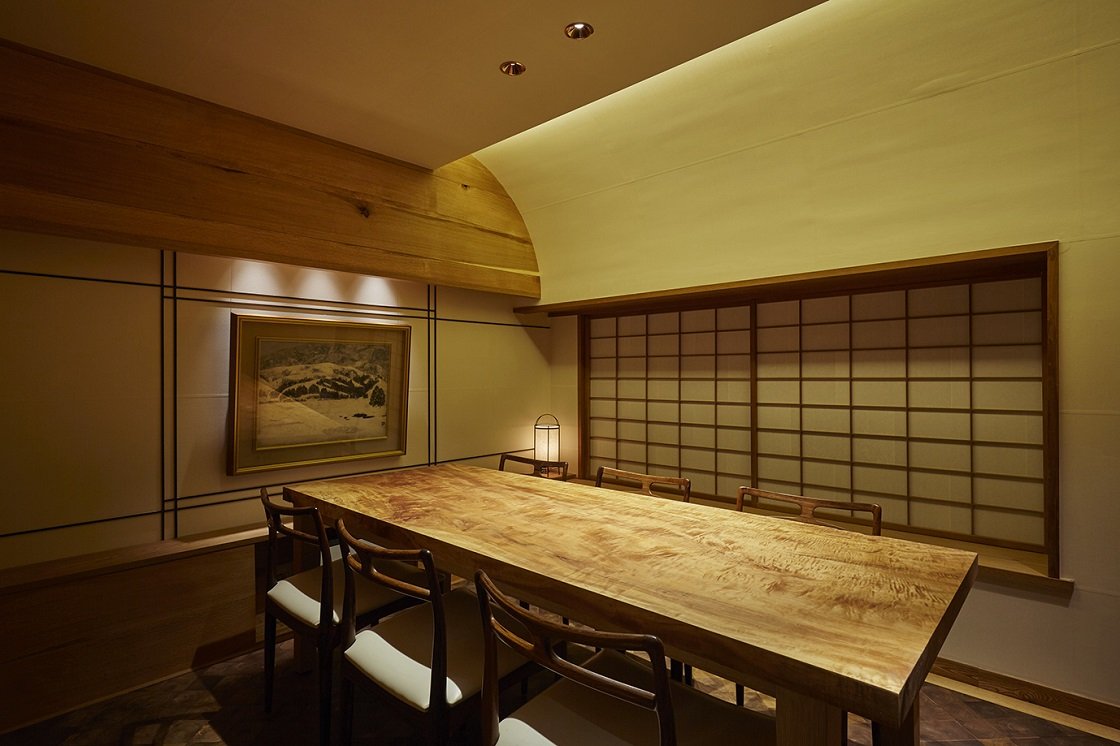
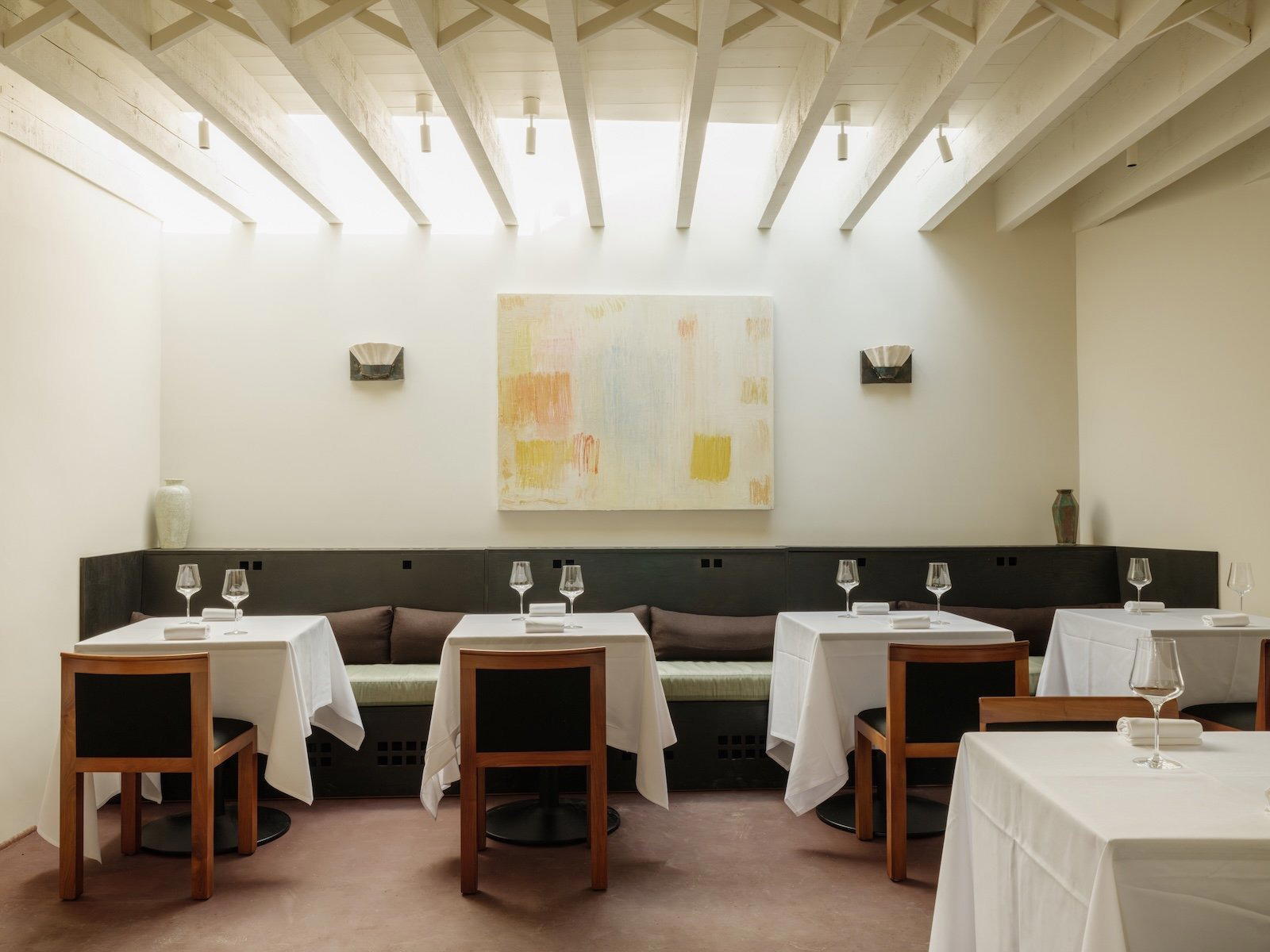
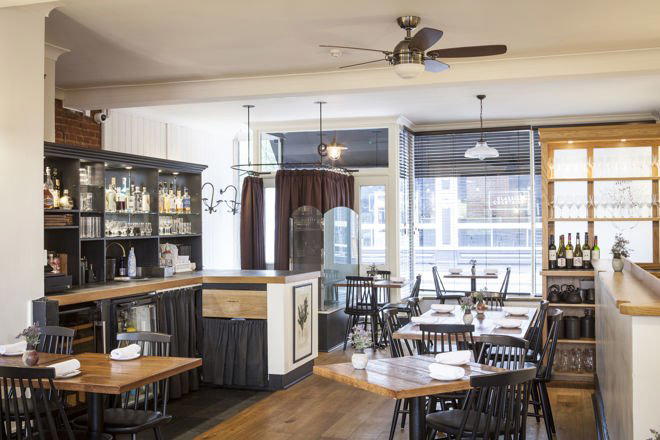
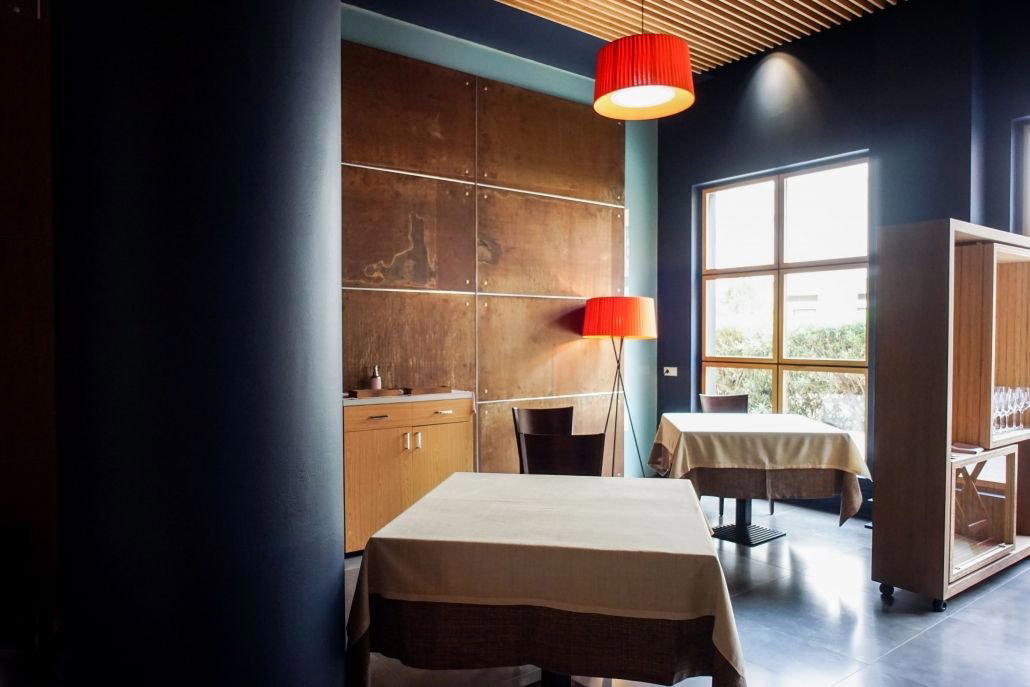
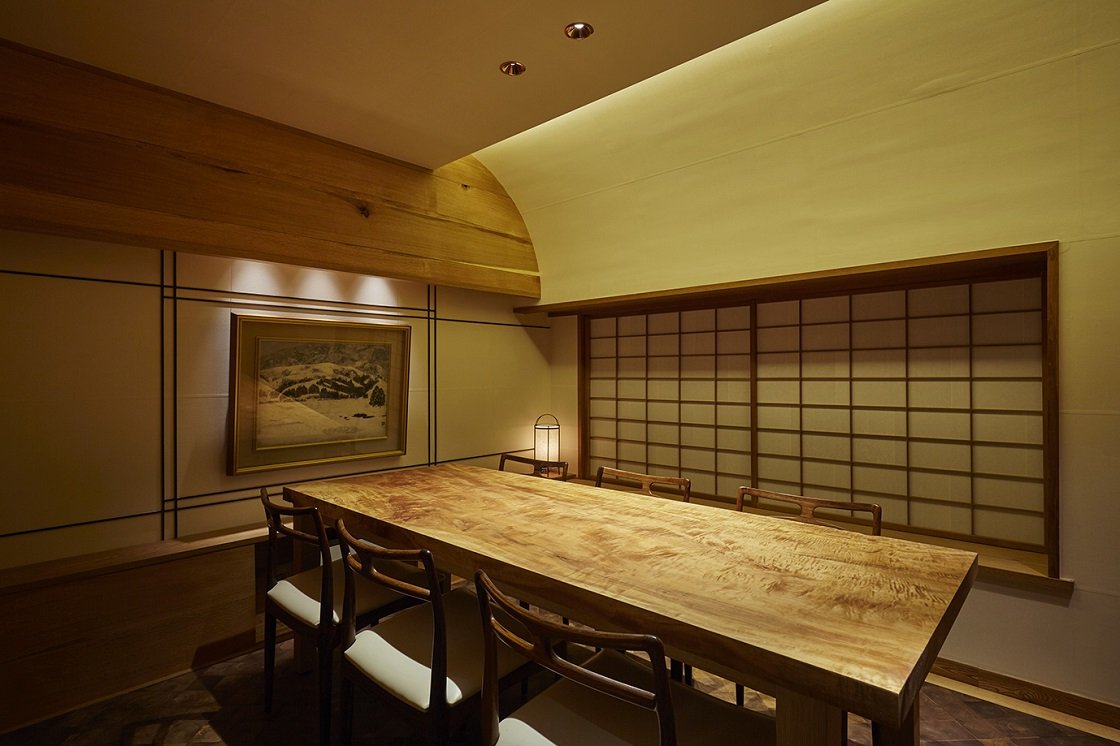
Rooots Nakanoshima occupies a ground-floor unit in a residential and commercial building on Nakanoshima, the island district between the Dojima and Tosabori rivers in Osaka's Kita Ward. Nakanoshima has a particular character: it houses the Osaka Museum of History, the city hall, and a cluster of low-key dining addresses that attract locals rather than heavy tourist traffic. The physical setting here is compact and intimate rather than grand. Based on the address format, this is a small-unit space, and with the Franco-Italian cooking style, you should expect a room that reads European in sensibility: close tables, attentive service, and a format built for conversation rather than spectacle.
The naming is deliberate. The extra 'o' in Rooots signals that the concept takes its origins seriously, with roots running into both Hiroshima, where the flagship operates, and Nakanoshima itself. The chef's Italian training is the technical base; French influences from the Hiroshima flagship are layered on leading. This is not fusion in any imprecise sense. The menu follows a logic: Italian structure (pasta, gnocchi, the rhythm of courses) with French finishing technique and Japanese produce sourced from the Kinki region, which covers Osaka, Kyoto, Hyogo, Nara, Wakayama, and Mie prefectures. If you've eaten at akordu in Nara, which takes a similarly European-over-Japanese-produce approach, Rooots Nakanoshima operates in recognisable territory, though the Hiroshima connection gives it a distinct regional identity. Comparable cross-regional approaches appear at Goh in Fukuoka and 1000 in Yokohama, both working at the intersection of European technique and Japanese ingredient sourcing.
The signature potato gnocchi is the dish to benchmark the kitchen against. Gnocchi is a technically demanding dish: the potato-to-flour ratio, the texture of the dough, the sauce composition — all of it exposes a kitchen's precision. That this dish has become the house signature at a Michelin Plate-recognised address suggests the kitchen executes it with consistency. First-timers should order it.
Wine Program
Venue data does not specify a wine list, and inventing details here would be misleading. What the editorial angle does support, however, is a considered inference: a Franco-Italian kitchen working at ¥¥¥ in Osaka, with Michelin recognition, would typically pair its menu with a European-leaning wine selection. Italian and French bottles tend to anchor kitchens of this style and training background, and the dual-cuisine identity gives a sommelier or the kitchen team clear structural logic for wine pairings. If wine pairing matters to your booking decision, contact the restaurant directly before you go. For comparison, European-leaning wine programs at this price tier in Japan tend to emphasise small-producer Italian and Burgundy selections, often sourced through Tokyo importers. Whether Rooots Nakanoshima follows this pattern is not confirmed in the available record. Ask specifically about pairing options when you reserve.
How It Compares
Against Osaka's ¥¥¥¥ tier, Rooots Nakanoshima offers a more accessible entry point to serious European cooking. HAJIME and La Cime both operate at higher spend levels with deeper tasting menu commitments, and Fujiya 1935 pushes into avant-garde territory that not every diner wants. At ¥¥¥, Rooots sits alongside Kashiwaya Osaka Senriyama and Taian on price, but those are kaiseki and traditional Japanese addresses. If you specifically want Franco-Italian cooking with regional Japanese produce at a controlled spend, Rooots Nakanoshima has no direct equivalent at the same price tier in this city.
Practical Details
Reservations: Booking difficulty is rated Easy, so you should be able to secure a table without long lead time, though calling or emailing ahead is advisable given the small-unit format. Budget: ¥¥¥ — a mid-to-upper price point in Osaka's dining range, below the ¥¥¥¥ tasting menu tier. Address: フクエイ中之島 102, 6 Chome-1-45 Nakanoshima, Kita Ward, Osaka. Recognition: Michelin Plate (2024). Phone/Website: Not available in current records; check local reservation platforms or Google Maps for current contact details.
Who Should Book
Rooots Nakanoshima is well suited to diners who want European technique applied to Japanese ingredients in a focused, intimate setting, without paying ¥¥¥¥ prices. It's a good fit for food-and-travel explorers who understand the Franco-Italian canon and want to see it interpreted through a Hiroshima-Osaka lens. It works for couples or small groups; the intimate room format does not favour large parties. For a broader view of where this restaurant fits in the city's dining options, see our full Osaka restaurants guide. If you're planning a wider Japan trip, comparable European-meets-Japan approaches are worth tracking at Harutaka in Tokyo and Gion Sasaki in Kyoto. For Osaka dining neighbours with a different register, Kamado, RiVi, and Tosara are worth considering depending on your preferred cuisine direction.
Planning details
- Location
- Japan, 〒530-0005 Osaka, Kita Ward, Nakanoshima, 6 Chome−1−45 フクエイ中之島 102
- Website
- omakase.in/r/zl506493
- Phone
- +81 6-7777-0822
The take
The Take
The Vibe
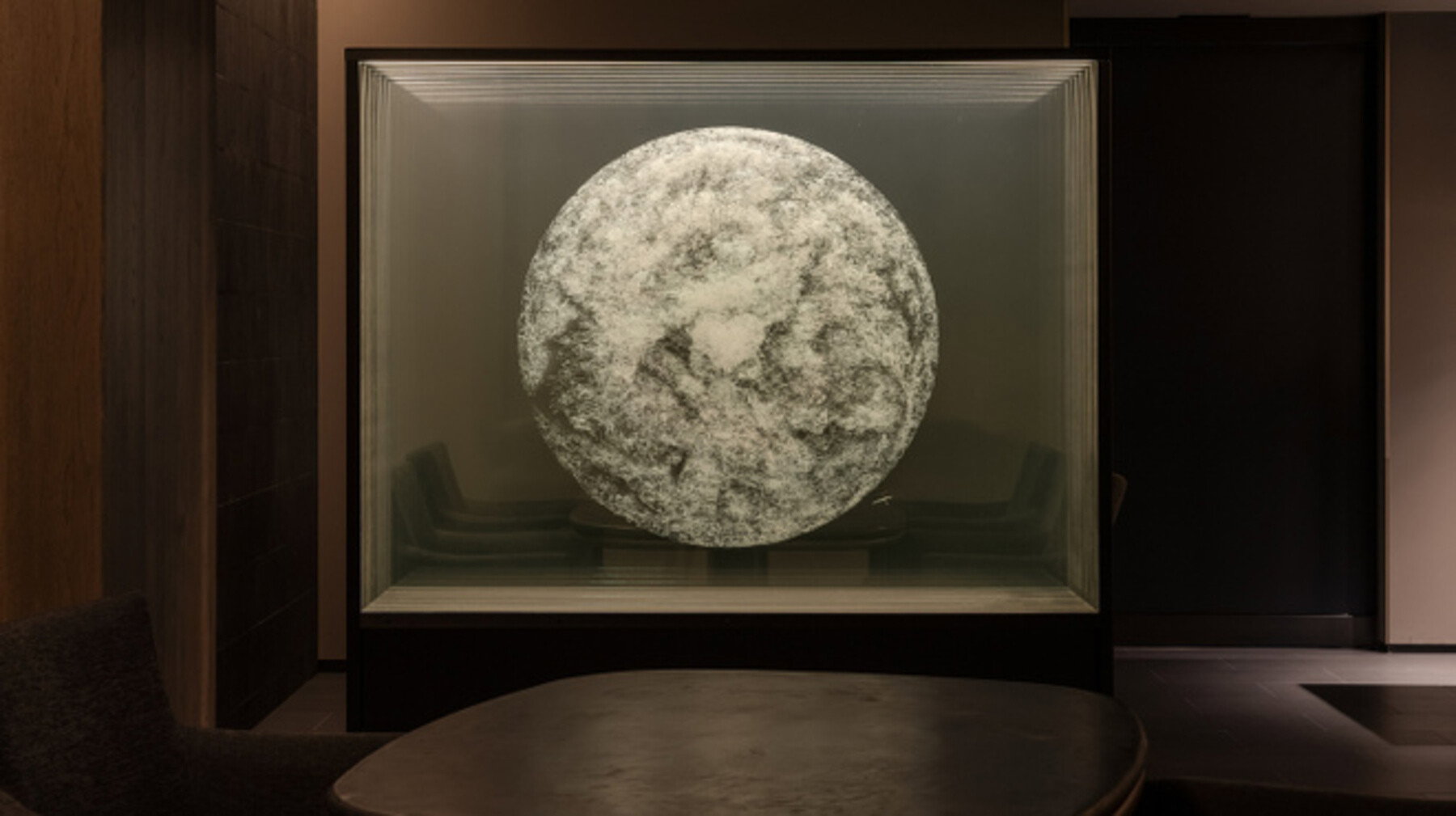
Rooots Nakanoshima reads as a low-key, considered spot where Franco‑Italian technique is presented without fanfare. It leans into the island’s civic, professional rhythm: understated interiors and disciplined plating that favor the food over theatrics. The cooking bridges Italian structure with French refinement, and the service matches that restraint, catering to a local crowd that values precision more than spectacle. Overall the restaurant feels quietly refined and intimate, the sort of neighbourhood destination that attracts repeat visits from diners who appreciate thoughtful cross‑Mediterranean cuisine in a calm, unpretentious setting.
Best For
This is a neighbourhood restaurant that suits intimate evenings and business dinners where focus and restraint matter. Located on Nakanoshima, it attracts a professional, local clientele rather than tourists, so bookings tend to feel like gatherings among people who know the area. It’s positioned in the mid‑high price bracket for Osaka’s European dining tier, making it appropriate for special evenings that value technique and thoughtful plates without the formality of a destination tasting room. The restrained atmosphere keeps the focus on food and conversation.
Ordering Tips
Rooots emphasizes a Franco‑Italian register, so let technique guide your choices: seek out dishes that showcase the kitchen’s blend of Italian structure and French nuance. The Potato Gnocchi is listed as a signature item and is a safe must‑try to understand the restaurant’s approach. Expect focused, carefully composed plates rather than large, theatrical presentations; ordering one or two standout courses and savoring them suits the venue’s restrained style. The restaurant’s local, professional clientele suggests the kitchen values consistency, so follow the server’s recommendations if you want a concise snapshot of its strengths.
Venue details
Ambiance
Sophisticated and refined setting with stylish, relaxing counter-only space emphasizing an intimate, high-end dining experience.
Tags
Vibe
Best For
Experience
Sourcing
At the Table
- Dress Code
- Smart Casual
- Noise Level
- Quiet
- Service Style
- Formal
- Meal Pacing
- Leisurely
- Capacity
- Intimate
Signature Dishes
Potato Gnocchi
Know before you go
Know Before You Go
- Getting there
- Japan, 〒530-0005 Osaka, Kita Ward, Nakanoshima, 6 Chome−1−45 フクエイ中之島 102
Planning details
Location
Japan, 〒530-0005 Osaka, Kita Ward, Nakanoshima, 6 Chome−1−45 フクエイ中之島 102 · Directions
Recognition and awards
Also consider
Also Consider
- HAJIME, French, Innovative, ¥¥¥¥
- La Cime, French, ¥¥¥¥
- Kashiwaya Osaka Senriyama, Japanese, ¥¥¥
- Taian, Kaiseki, Japanese, ¥¥¥
- Fujiya 1935, Innovative, ¥¥¥¥
Restaurant context
Rooots Nakanoshima sits in a distinct position among Osaka's European-influenced restaurants. At ¥¥¥, it costs less than HAJIME or La Cime, both of which operate at ¥¥¥¥ and require significant advance planning. If your priority is technical Franco-Italian cooking without the full commitment of a high-spend tasting menu evening, Rooots is the more practical choice. HAJIME offers more ambitious plating and a deeper dining-event experience, but you pay for it in both spend and booking difficulty. La Cime leans heavily into French fine dining polish. Rooots offers something narrower and more personal: a Hiroshima-rooted kitchen applying Italian and French training to Kinki-region ingredients.
At the same ¥¥¥ price tier, Kashiwaya Osaka Senriyama and Taian are the main competitors on spend, but both are kaiseki addresses working firmly within the Japanese culinary tradition. If you want to experience kaiseki-calibre attention to seasonal ingredients through a Japanese lens, those are stronger choices. If you want European structure and pasta-based cooking, they're not substitutes for Rooots. Fujiya 1935 at ¥¥¥¥ brings a more experimental, avant-garde approach that will appeal to a different type of diner altogether.
The clearest booking logic: choose Rooots Nakanoshima if you want Michelin-recognised Franco-Italian cooking at a controlled price point and don't need the full production of a ¥¥¥¥ tasting menu. Choose HAJIME or La Cime if the occasion warrants a larger investment and a longer table commitment. Choose Kashiwaya or Taian if Japanese cuisine is the priority over European technique.
Explore Osaka
Around this place
Discover more on Pearl
Unlock the full Rooots Nakanoshima guide in Pearl, including awards, comparisons, FAQs, planning details, and nearby places.
Compare Rooots Nakanoshima
| Venue | Awards | Price |
|---|---|---|
| Rooots Nakanoshima | 2026 Michelin 1 Star2024 Michelin Plate | ¥¥¥ |
| HAJIME | Star Wine Lists 2026 · #12026 Tabelog Bronze · #922026 OAD Top Restaurants in Japan Ranked · #98Michelin Guide Kyoto Osaka 20262026 La Liste Top RestaurantsTabelog 100 - Innovative / Creative cuisine - 2025 · #692025 Asia's 50 Best Restaurants · #832025 OAD Top Restaurants in Japan Ranked · #87We're Smart World Top Restaurants 2025 | ¥¥¥¥ |
| La Cime | 2026 Asia's 50 Best Restaurants · #132026 OAD Top Restaurants in Japan Ranked · #1492026 Tabelog Bronze · #231Michelin Guide Kyoto Osaka 20262026 La Liste Top Restaurants2025 Asia's 50 Best Restaurants · #82025 World's 50 Best Restaurants · #44Tabelog 100 - French - WEST - 2025 · #932025 OAD Top Restaurants in Japan Ranked · #123 | ¥¥¥¥ |
| Kashiwaya Osaka Senriyama | 2026 Tabelog Bronze · #1682026 OAD Top Restaurants in Japan Recommended2026 Relais Chateaux RestaurantsMichelin Guide Kyoto Osaka 20262026 La Liste Top RestaurantsTabelog 100 - Japanese cuisine - WEST - 2025 · #772025 OAD Top Restaurants in Japan Ranked · #1552025 Relais Chateaux Award2025 Michelin 3 Stars | ¥¥¥ |
| Taian | 2026 OAD Top Restaurants in Japan RecommendedMichelin Guide Kyoto Osaka 20262026 La Liste Top Restaurants2025 OAD Top Restaurants in Japan Ranked · #2042025 La Liste Top Restaurants2025 Michelin 3 Stars2024 OAD Top Restaurants in Japan Ranked · #1912024 Michelin 3 Stars2023 OAD Top Restaurants in Japan Highly Recommended | ¥¥¥ |
| Fujiya 1935 | 2026 Tabelog Bronze · #752026 OAD Top Restaurants in Japan RecommendedMichelin Guide Kyoto Osaka 20262026 La Liste Top Restaurants2025 Michelin 2 Stars2025 Tabelog Silver2025 La Liste Top Restaurants2024 OAD Top Restaurants in Japan Ranked · #2392024 Michelin 2 Stars | ¥¥¥¥ |
.png?width=1200&quality=80)










What to weigh when choosing between Rooots Nakanoshima and alternatives.
FAQ
Frequently Asked Questions
Is Rooots Nakanoshima good for solo dining?
Yes, it works well for solo diners. Booking difficulty is rated easy, so securing a single seat without advance hassle is realistic. A focused European kitchen at ¥¥¥ with a Michelin Plate is a practical solo choice in Osaka — you get a complete meal without the commitment of a ¥¥¥¥ tasting-menu room like HAJIME.
What should a first-timer know about Rooots Nakanoshima?
The kitchen applies Italian and French technique to ingredients sourced from the Kinki region and Hiroshima, with potato gnocchi as the signature dish. This is a sister to a Hiroshima original, so the cooking has a clear identity rather than being a generic European restaurant. Book in advance even though reservations are currently rated easy, and expect a focused, intimate setting rather than a large dining room.
What are alternatives to Rooots Nakanoshima in Osaka?
For European cooking at a comparable price, Rooots Nakanoshima sits comfortably in the ¥¥¥ tier. If you want to spend more for a higher-stakes European meal, La Cime and HAJIME are the natural next step up. For Japanese kaiseki at a similar level, Taian or Kashiwaya Osaka Senriyama are the relevant comparisons, though the cuisine format is entirely different.
Is the tasting menu worth it at Rooots Nakanoshima?
The format is European in structure, and at ¥¥¥ with a Michelin Plate (2024), the price-to-quality ratio is reasonable for Osaka. The signature gnocchi and the Kinki-region sourcing give the menu a clearer identity than most mid-tier European restaurants in the city. If you are already considering a ¥¥¥¥ room like La Cime, Rooots offers a lower-stakes way to test the style first.
Is Rooots Nakanoshima worth the price?
At ¥¥¥, yes. The Michelin Plate (2024) confirms a minimum standard, and the Italian-French kitchen working with Hiroshima and Kinki-region produce gives the meal more specificity than the price point might suggest. Against Osaka's top European rooms, which run ¥¥¥¥, this is a materially cheaper option without a significant drop in seriousness.
Is Rooots Nakanoshima good for a special occasion?
It works for a low-key special occasion — a birthday dinner or a focused date night — where intimacy and quality cooking matter more than spectacle. For a milestone celebration where atmosphere and ceremony are central, the ¥¥¥¥ rooms such as HAJIME or La Cime will feel more occasion-ready. At ¥¥¥ with a Michelin Plate, Rooots sits in a practical middle ground: serious enough to feel like a treat, without the formality of the top tier.