
Rakushin
Japanese · Fukushima, Osaka
Restaurant in Osaka, Japan
 Book with Pearl
The Read
Tradition-Anchored Evolution
Price
¥¥¥¥
Dress
Smart Casual
Why go
A ¥¥¥¥ tasting menu restaurant in Fukushima, Osaka, where Chef Shintaro Katayama builds seasonal Japanese menus with deliberate Western influence. The course progression is the main event: formal enough to satisfy kaiseki expectations, flexible enough to feel like a personal statement. Booking is relatively easy for the price tier confirms the kitchen delivers consistently.
About Rakushin
The Verdict
If you have already been to Rakushin once, you have seen the premise: a Japanese kitchen in Fukushima, Osaka, where Chef Shintaro Katayama frames seasonal cooking as something between discipline and play. The question on your second visit is whether the tasting menu holds the same structural logic and the same calibration of Western influence against traditional technique. Book it again, this time pay closer attention to the progression of courses; that is where Katayama earns his reputation.
Portrait
The restaurant's name carries two meanings simultaneously: rakushin means 'spirit of fun', and it also references the chef's given name, Shintaro. That dual identity is not decorative; it sets the actual terms of the menu. You are going to encounter lacquered wooden trays and dishes garnished with flowers that mark the season, presented with the kind of formality that signals respect for kaiseki tradition. And then, within that frame, Katayama introduces Western elements absorbed through sustained contact with chefs abroad. The result is a tasting menu that moves through a recognisable Japanese arc while periodically stepping outside it in ways that feel considered rather than disruptive.
For anyone returning to Rakushin, the progression of the meal is the thing worth tracking most carefully. Katayama has spoken publicly about the evolution of Japanese cuisine as his goal, the tasting format is where that ambition becomes visible course by course. The early sequences tend to anchor in seasonal produce rendered with minimal interference, establishing a flavor baseline that the middle courses then reframe. The Western-influenced sections arrive when the palate has already been oriented by something more classical, which means the contrast lands with clarity rather than confusion. That sequencing is deliberate, if you ate here previously without paying attention to the architecture, a return visit rewards the closer read.
The Fukushima address in Osaka's ward of the same name puts Rakushin in a neighborhood that has become one of the city's more active dining corridors without yet carrying the tourist volume of Namba or Shinsaibashi. If you are planning a broader Osaka evening, it sits practically alongside other serious kitchens, the area is navigable from central Osaka. For wider context on dining in the city, see our full Osaka restaurants guide.
Katayama's framing of cuisine as 'a mirror of the soul' reads more meaningfully in the context of the tasting menu than it might as a standalone statement. What it describes practically is a menu in which the chef's personality is present in the selections and the transitions, not just in individual dishes. The joy he takes in cooking is meant to be legible. Whether it is, depends partly on the diner's willingness to follow the sequence rather than treat the meal as a collection of individual courses. For returning guests who already know the room and the format, that is the more rewarding way to approach it.
For reference points on how this kind of Japanese tasting format works at comparable levels, Gion Sasaki in Kyoto operates with stricter kaiseki orthodoxy and no Western integration. Harutaka in Tokyo focuses on a purer single-cuisine format. Rakushin sits between those poles, more formal than a contemporary fusion kitchen, more flexible than a traditional kaiseki house. If that middle position is what you want, Rakushin delivers it with consistency.
Within Osaka specifically, restaurants like Miyamoto, Oimatsu Hisano, Tenjimbashi Aoki, and Yugen each occupy distinct positions in the city's Japanese dining tier. Rakushin's combination of seasonal formality and chef-led creative latitude puts it in a category worth booking specifically, not just as a backup if your first choice is unavailable. See also Kashiwaya Osaka Senriyama for a more traditional expression at a lower price point.
If you are building a broader Japan itinerary, kitchens worth considering in other cities include akordu in Nara for European-Japanese crossover, Goh in Fukuoka for contemporary Japanese, Myojaku or Azabu Kadowaki in Tokyo for Japanese tasting formats at a comparable level of intent. For other Osaka planning, the Osaka hotels guide, Osaka bars guide, Osaka wineries guide, and Osaka experiences guide cover the full picture. Further afield, 1000 in Yokohama and 6 in Okinawa represent the range of what serious Japanese tasting menus look like across the country.
Practical Details
| Detail | Rakushin | Kashiwaya Osaka Senriyama | Taian |
|---|---|---|---|
| Price tier | ¥¥¥¥ | ¥¥¥ | ¥¥¥ |
| Cuisine | Japanese (tasting menu) | Japanese | Kaiseki |
| Booking difficulty | Easy | Moderate | Moderate |
| Location | Fukushima, Osaka | Senriyama, Osaka | Osaka |
Planning details
- Location
- 1 Chome-6-27 Fukushima, Fukushima Ward, Osaka, 553-0003, Japan
- Website
- restaurant.ikyu.com/111768
- Phone
- +81 6-6451-2323
The take
The Take
The Vibe
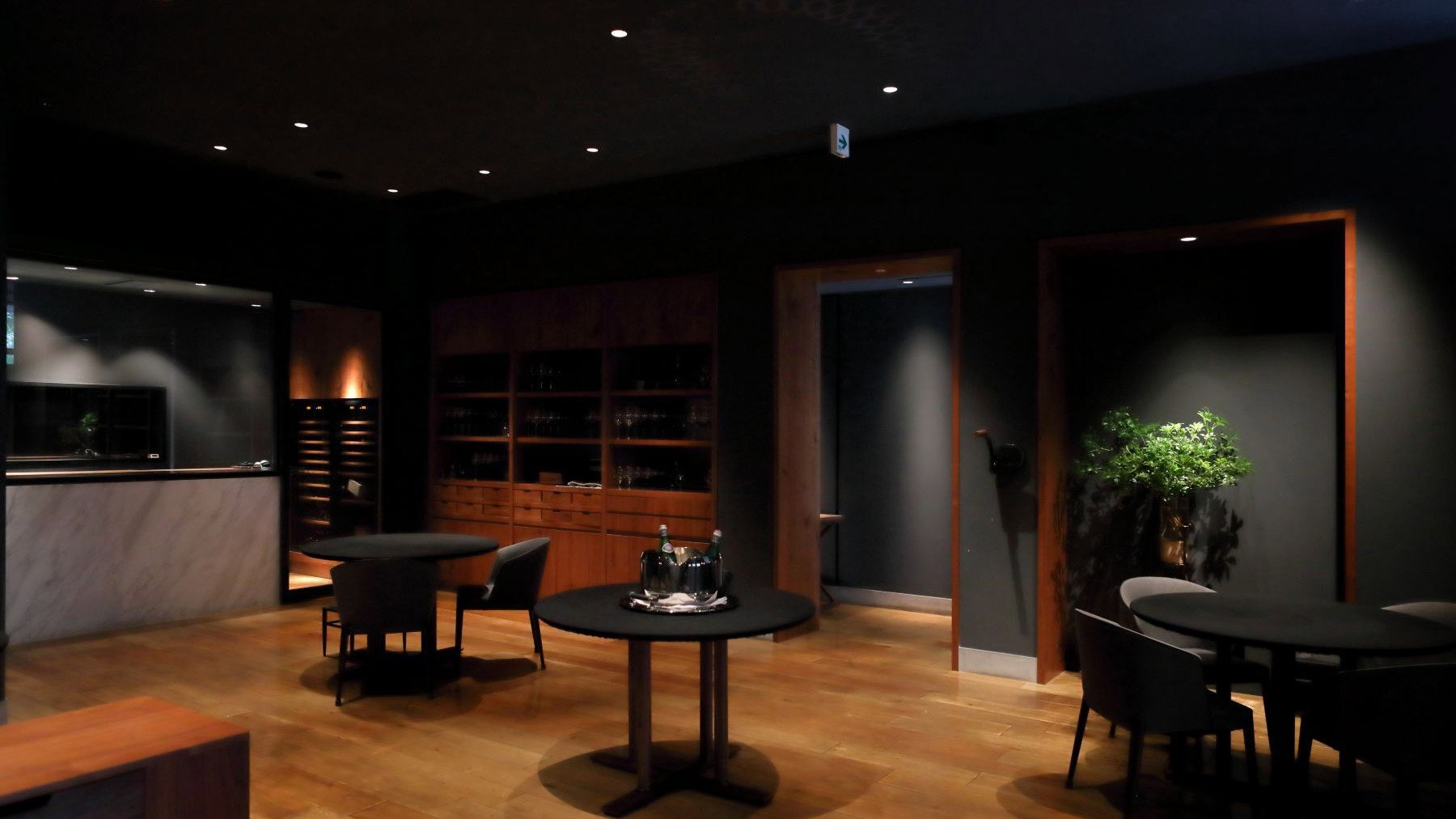
Rakushin reads as a study in quiet seriousness. Situated in Fukushima rather than the tourist-heavy cores, it caters to locals and diners who come with clear expectations. The kitchen balances playful intent and reverence — the chef’s name and the restaurant’s title are deliberately double-voiced — and that tension animates the room. Dining here is ritualized: lacquered wooden trays, flower-garnished dishes and a deliberate multi-course sequence make seasonality legible at every turn. The tone is calm and exacting rather than theatrical; the overall feeling is of a refined, discreet place where craft and timing matter as much as ingredients.
Best For
Rakushin is best approached as an intentional evening experience. Priced and paced like high-end multi-course Japanese restaurants, it suits date nights and special occasions and can accommodate business dinners for guests who appreciate formality and focus. The neighbourhood context—Fukushima’s quieter, locally minded dining scene—means the room draws regulars and serious diners rather than casual passersby. It’s a place to settle in for a measured sequence of courses, to let the service and presentation orient you to seasonality, and to treat the meal as an occasion rather than a quick outing.
Ordering Tips
Treat Rakushin as a crafted multi-course experience rather than à la carte casual dining. The description emphasizes ritual pacing and presentation, so allow the sequence to unfold and pay attention to seasonal gestures: lacquered trays and flower garnishes are part of the narrative. Signature items to note from the listing include the hassun appetisers and the clay-pot rice — natural highlights to expect within the progression. Because the menu communicates time and season, follow the intended pacing and view each course as an element of the whole.
Venue details
Ambiance
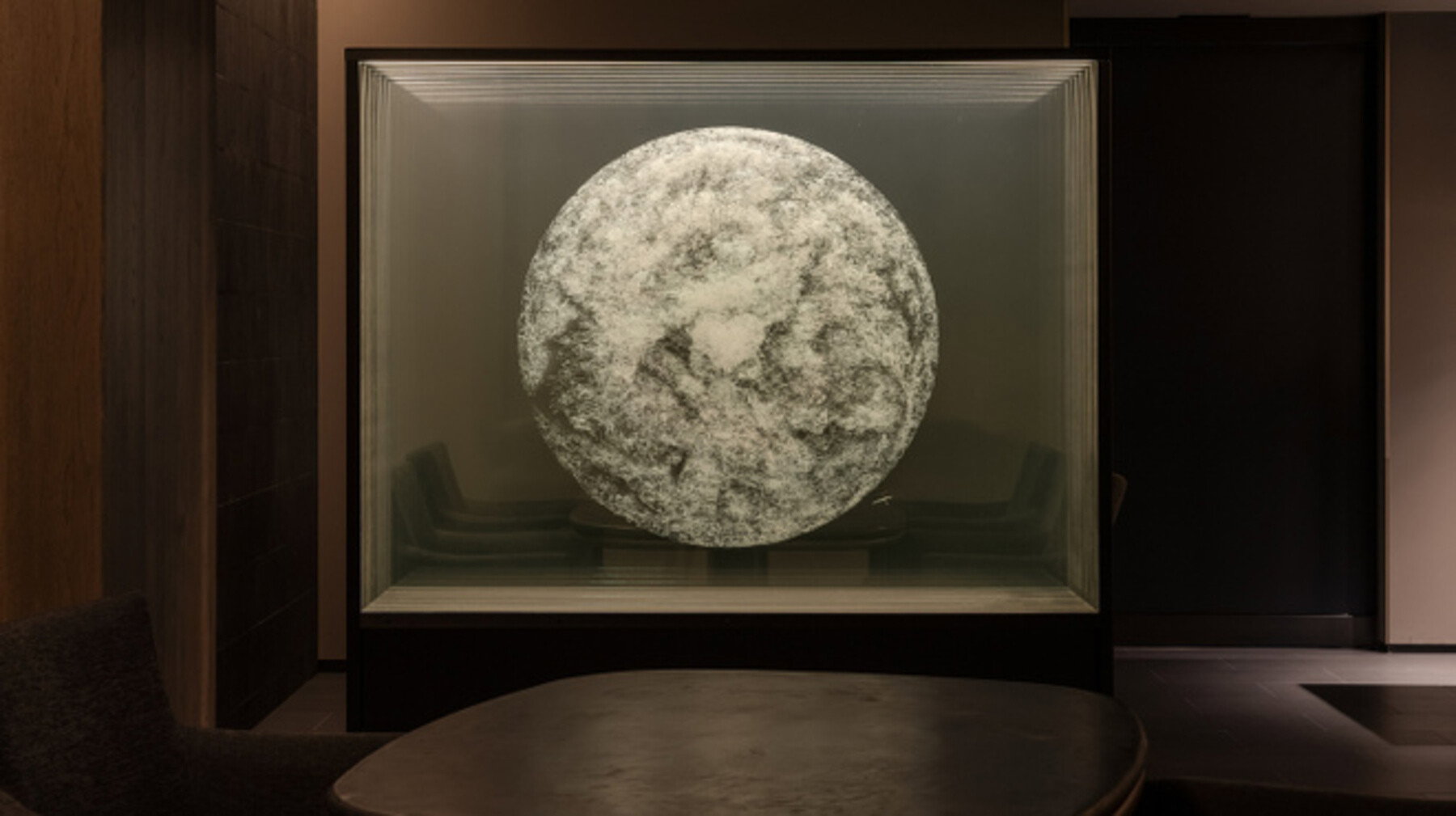
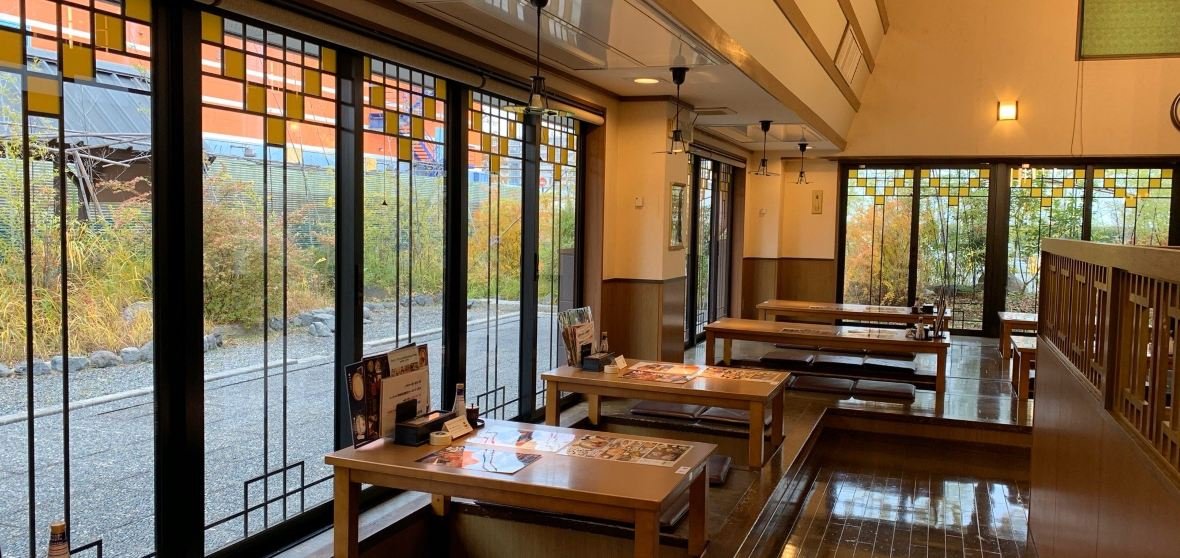
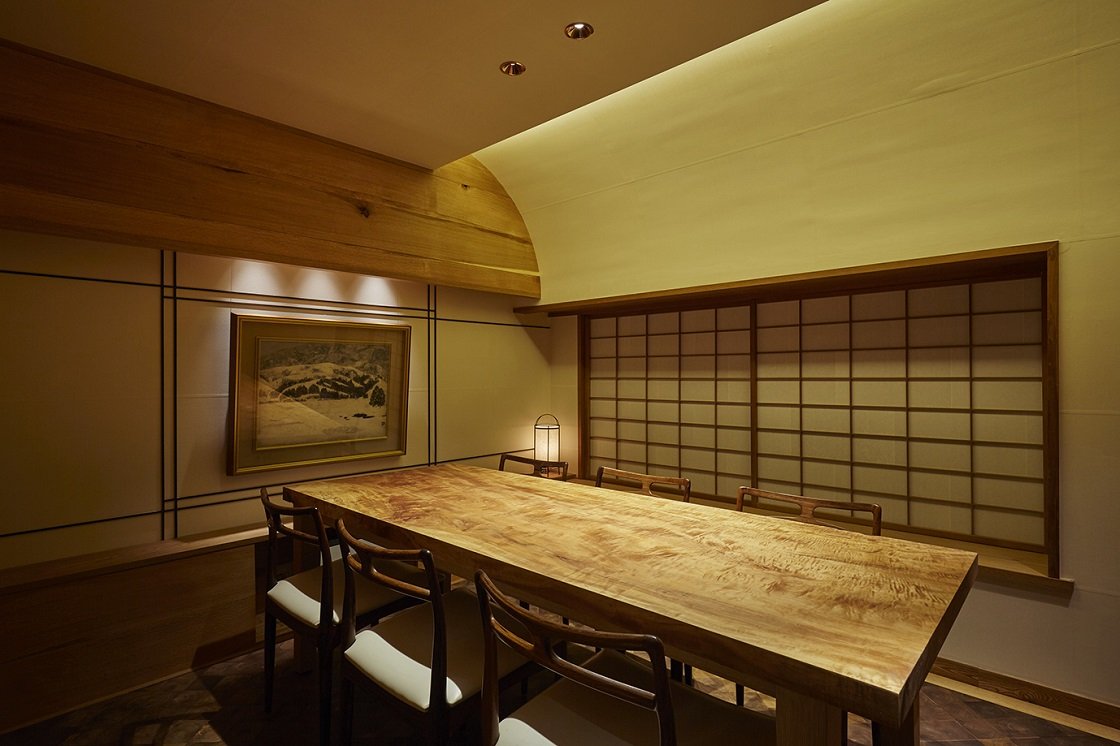
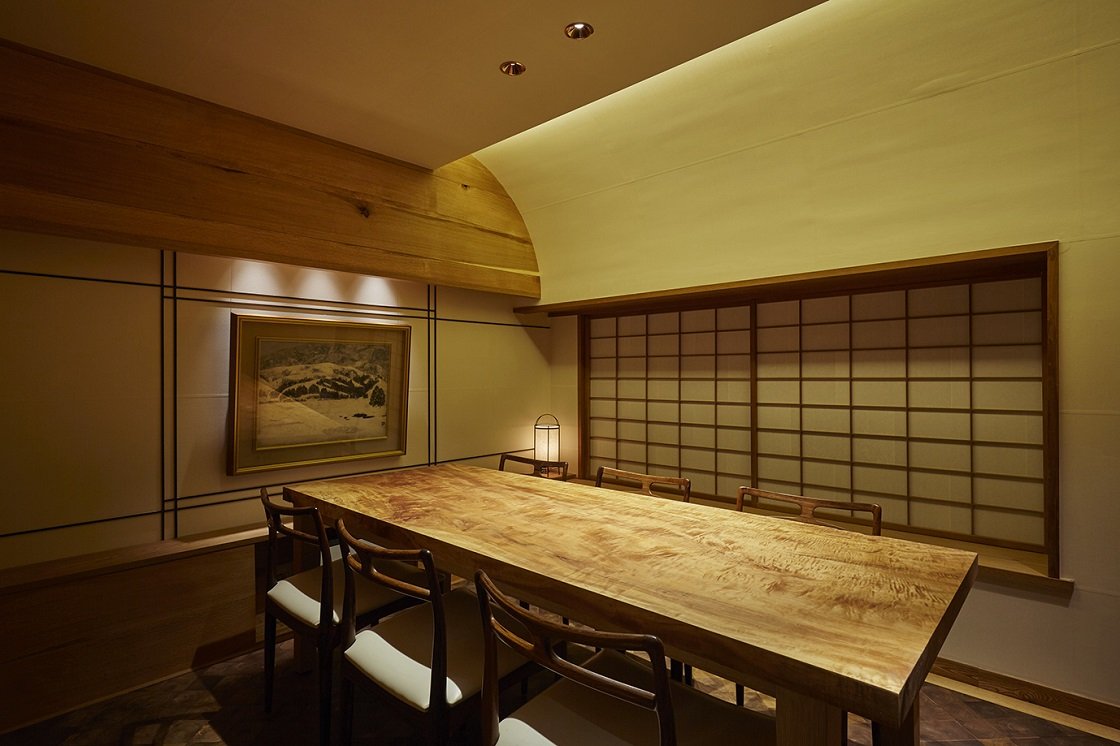
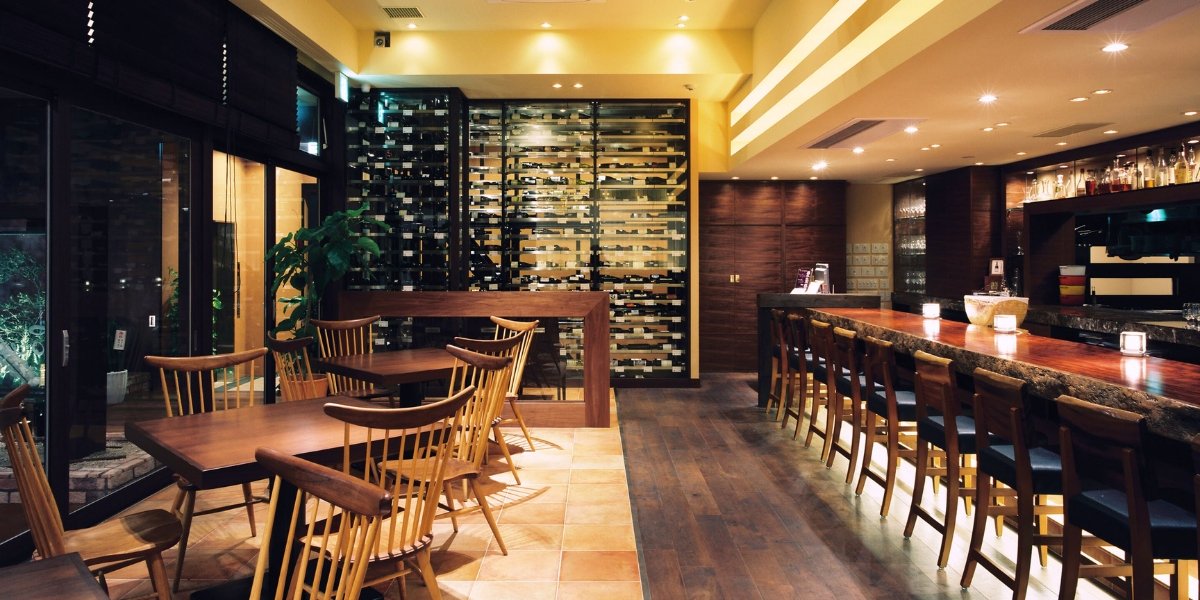
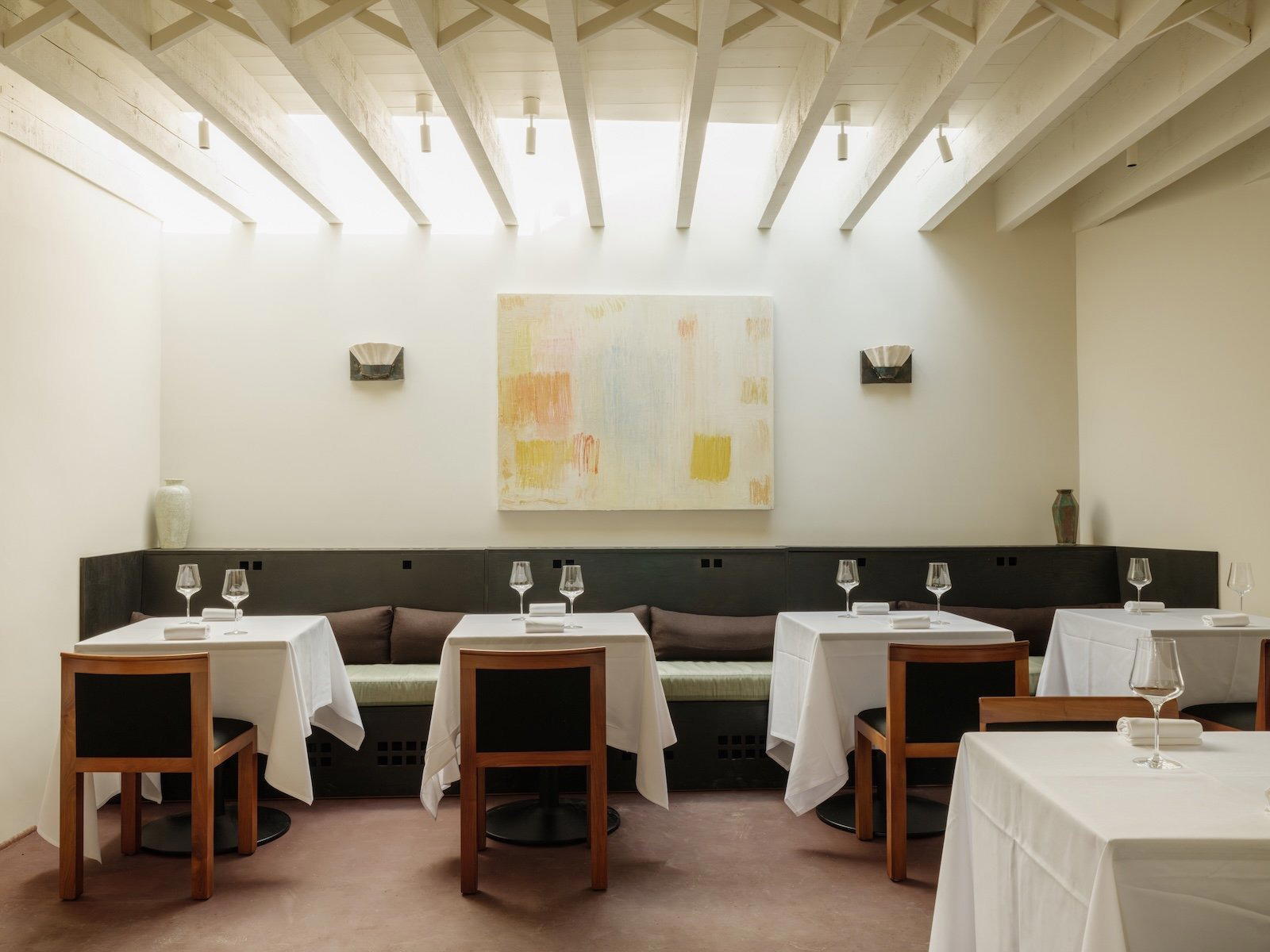
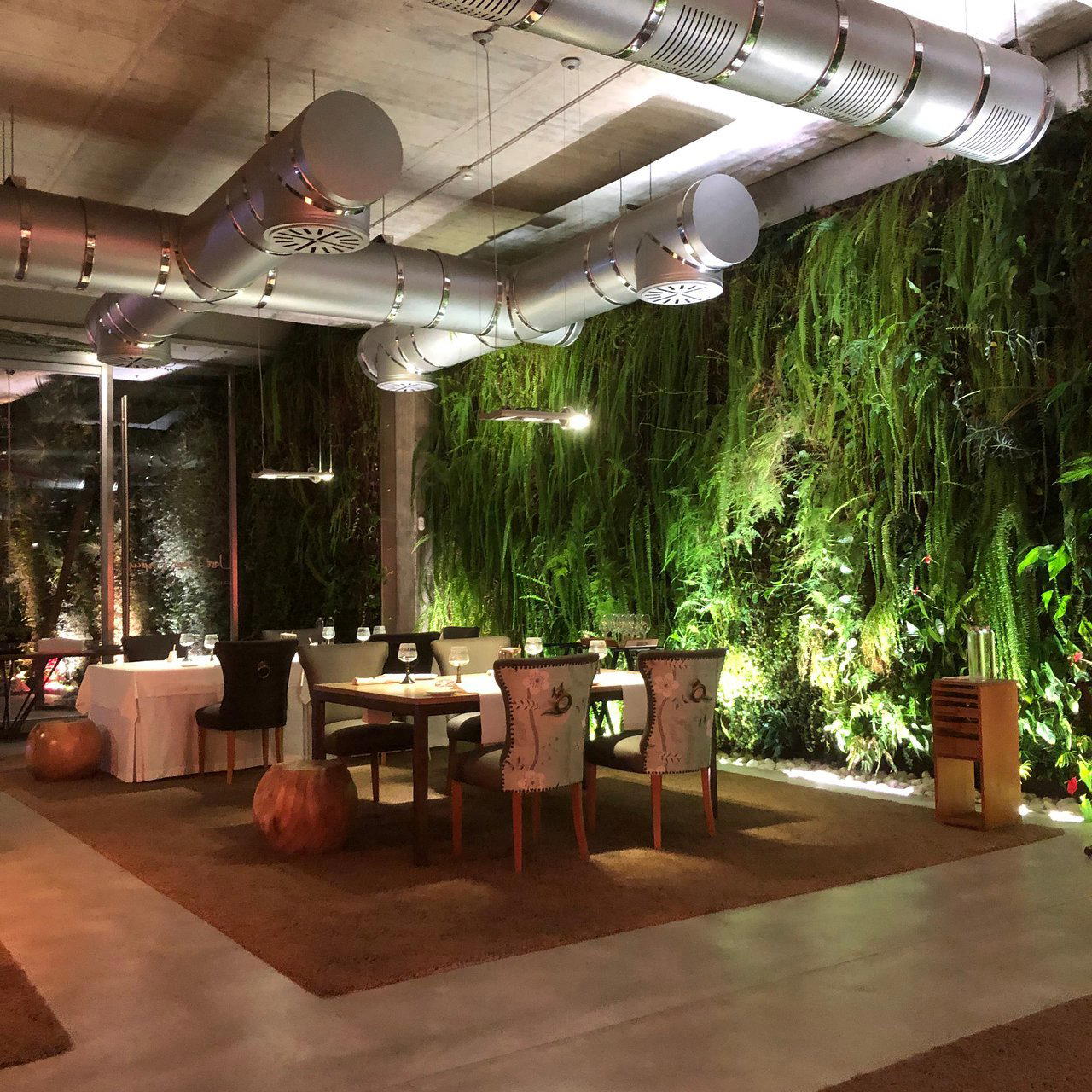
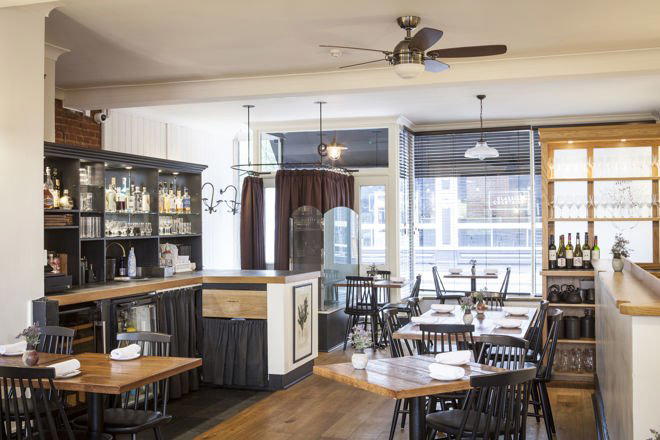
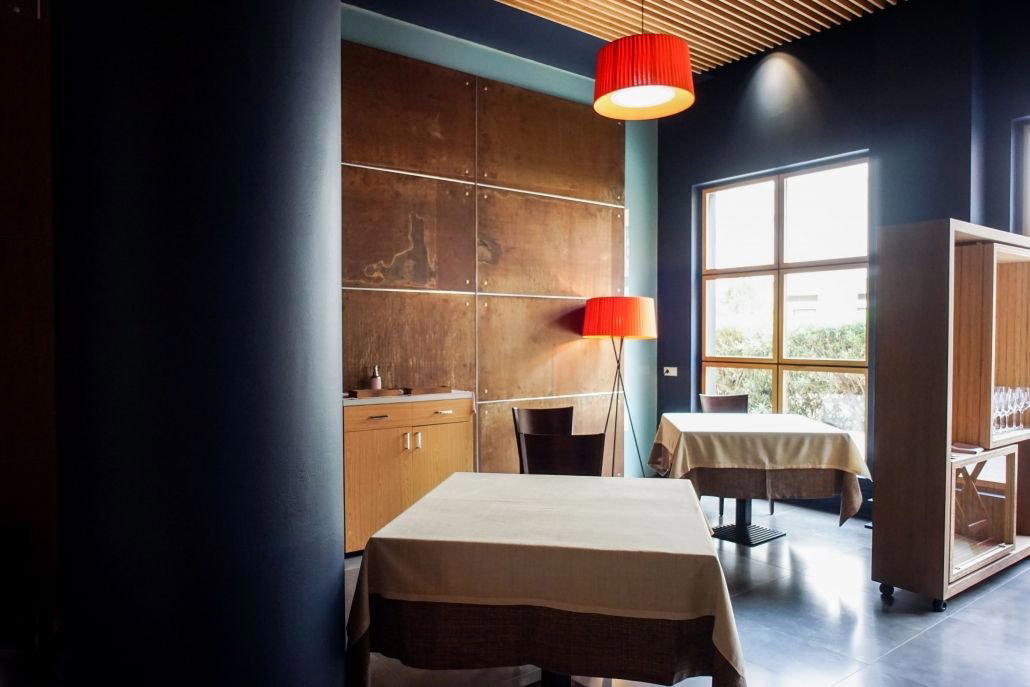
Calm and reflective atmosphere with modern interior elements like ginkgo timber counter, vermillion seats, mortar ink-painting walls, seasonal visuals such as cherry blossoms and crickets, and garden views.
Tags
Vibe
Best For
Experience
View
Accessibility
At the Table
- Dress Code
- Smart Casual
- Noise Level
- Quiet
- Service Style
- Formal
- Meal Pacing
- Leisurely
- Capacity
- Intimate
Signature Dishes
- hassun appetisers
- clay-pot rice
Planning details
Location
1 Chome-6-27 Fukushima, Fukushima Ward, Osaka, 553-0003, Japan · Directions
Recognition and awards
Also consider
Also Consider
- HAJIME; French, Innovative, ¥¥¥¥
- La Cime; French, ¥¥¥¥
- Kashiwaya Osaka Senriyama; Japanese, ¥¥¥
- Taian; Kaiseki, Japanese, ¥¥¥
- Fujiya 1935; Innovative, ¥¥¥¥
Restaurant context
At the ¥¥¥¥ tier in Osaka, Rakushin competes with HAJIME and Fujiya 1935 for guests who want creative Japanese cooking rather than strict tradition. HAJIME operates at a higher level of international recognition and is harder to book; Fujiya 1935 leans further into avant-garde technique. Rakushin sits between them: less conceptually extreme than either, more personally expressive than a conventional kaiseki house. If you want the most ambitious cooking at this price tier in Osaka, HAJIME is the call. If you want creative latitude within a recognisably Japanese framework and an easier reservation, Rakushin is the more accessible choice.
La Cime is the other ¥¥¥¥ option, but the comparison is less direct; La Cime operates in French cuisine with Japanese influence, while Rakushin inverts that dynamic. Choose based on which culinary direction you want to lead the meal. For guests who prefer either at a lower price point, both Kashiwaya Osaka Senriyama and Taian offer serious Japanese tasting menus at ¥¥¥ with slightly different profiles; Kashiwaya leaning traditional, Taian focused on kaiseki precision. Neither integrates Western influence the way Rakushin does.
On booking difficulty, Rakushin has a practical advantage over most of its ¥¥¥¥ peers in Osaka. HAJIME and Fujiya 1935 both require more forward planning. If your travel window is short or you are booking close to your dates, Rakushin's easier availability makes it the sensible choice without stepping down to the ¥¥¥ tier. For value at the ¥¥¥¥ level, Rakushin delivers a focused, chef-led experience; the trade-off versus HAJIME is international profile, not quality of intent.
Explore Osaka
Around this place
Discover more on Pearl
Unlock the full Rakushin guide in Pearl, including awards, comparisons, FAQs, planning details, and nearby places.
Compare Rakushin
| Venue | Cuisine | Price | Booking Difficulty | Awards |
|---|---|---|---|---|
| Rakushin | Japanese | ¥¥¥¥ | Easy | Michelin Guide Kyoto Osaka 20262026 Michelin 1 Star2024 Michelin 1 Star |
| HAJIME | French, Innovative | ¥¥¥¥ | Unknown | Star Wine Lists 2026 · #12026 Tabelog Bronze · #922026 OAD Top Restaurants in Japan Ranked · #98Michelin Guide Kyoto Osaka 20262026 La Liste Top RestaurantsTabelog 100 - Innovative / Creative cuisine - 2025 · #692025 Asia's 50 Best Restaurants · #832025 OAD Top Restaurants in Japan Ranked · #87We're Smart World Top Restaurants 2025 |
| La Cime | French | ¥¥¥¥ | Unknown | 2026 Asia's 50 Best Restaurants · #132026 OAD Top Restaurants in Japan Ranked · #1492026 Tabelog Bronze · #231Michelin Guide Kyoto Osaka 20262026 La Liste Top Restaurants2025 Asia's 50 Best Restaurants · #82025 World's 50 Best Restaurants · #44Tabelog 100 - French - WEST - 2025 · #932025 OAD Top Restaurants in Japan Ranked · #123 |
| Kashiwaya Osaka Senriyama | Japanese | ¥¥¥ | Unknown | 2026 Tabelog Bronze · #1682026 OAD Top Restaurants in Japan Recommended2026 Relais Chateaux RestaurantsMichelin Guide Kyoto Osaka 20262026 La Liste Top RestaurantsTabelog 100 - Japanese cuisine - WEST - 2025 · #772025 OAD Top Restaurants in Japan Ranked · #1552025 Relais Chateaux Award2025 Michelin 3 Stars |
| Taian | Kaiseki, Japanese | ¥¥¥ | Unknown | 2026 OAD Top Restaurants in Japan RecommendedMichelin Guide Kyoto Osaka 20262026 La Liste Top Restaurants2025 OAD Top Restaurants in Japan Ranked · #2042025 La Liste Top Restaurants2025 Michelin 3 Stars2024 OAD Top Restaurants in Japan Ranked · #1912024 Michelin 3 Stars2023 OAD Top Restaurants in Japan Highly Recommended |
| Fujiya 1935 | Innovative | ¥¥¥¥ | Unknown | 2026 Tabelog Bronze · #752026 OAD Top Restaurants in Japan RecommendedMichelin Guide Kyoto Osaka 20262026 La Liste Top Restaurants2025 Michelin 2 Stars2025 Tabelog Silver2025 La Liste Top Restaurants2024 OAD Top Restaurants in Japan Ranked · #2392024 Michelin 2 Stars |










How Rakushin stacks up against the competition.
FAQ
Frequently Asked Questions
What should I wear to Rakushin?
Dress conservatively and neatly. At ¥¥¥¥ pricing in a traditional Japanese setting where lacquered trays and seasonal garnishes set the tone, casual streetwear reads as out of place. Think neat trousers and a collared shirt or equivalent for women. Trainers are a risk.
What should a first-timer know about Rakushin?
The format is omakase-led: Chef Katayama drives the menu, weaving Western techniques into a Japanese seasonal framework. The restaurant's name doubles as the chef's given name (Shintaro), which signals how personal this project is. Expect a composed, course-by-course progression rather than à la carte flexibility. At ¥¥¥¥, this is a commitment; go in knowing the format suits you.
Does Rakushin handle dietary restrictions?
No dietary policy is published. With an omakase format built around Chef Katayama's seasonal vision, restrictions that conflict with the menu's structure may be difficult to accommodate. Communicate any requirements when booking; the earlier, the better. Severe allergies or strict vegetarian requirements carry real risk in this format; La Cime may offer more flexibility.
How far ahead should I book Rakushin?
Book at least four to six weeks out, further in advance for weekends or special occasions. Chef Katayama's restaurant in Fukushima, Osaka has a defined following, ¥¥¥¥ omakase counters rarely hold open seats. No online booking platform is listed, so pursue a reservation through your hotel concierge or direct contact with the restaurant.
Is Rakushin good for solo dining?
Yes, this is one of the stronger solo formats in Osaka at this price point. Omakase counter seating is built around the individual experience; you're eating on Chef Katayama's timeline, a single seat is as complete as a table for two. Solo diners often get more engagement from the kitchen. Book the counter explicitly when reserving.