.png?width=1200&quality=80)
Oudon Yomogi
Udon · Fukushima, Osaka
Restaurant in Osaka, Japan
 Book with Pearl
The Read
Kappo-Style Udon Closure
Price
¥¥
Dress
Smart Casual
Why go
Oudon Yomogi holds back-to-back Michelin Bib Gourmand recognition (2024–2025) for good reason: it brings a kappo-inflected counter experience to house-made udon at a ¥¥ price point in Osaka's Fukushima Ward. The structured dinner format — appetiser, hassun, then à la carte noodles and sake — rewards repeat visits. One of the strongest value propositions in the city for a food-focused traveller.
About Oudon Yomogi
Verdict
Oudon Yomogi earns its back-to-back Michelin Bib Gourmand (2024, 2025) by doing something most udon shops do not attempt: framing a humble noodle format within the architecture of a kappo dining experience. At a ¥¥ price point in Fukushima Ward, Osaka, this is one of the strongest value propositions in the city for a food-focused visit. Book it — but understand the format before you arrive, because how you sequence your visits matters more here than at a direct noodle counter.
What Oudon Yomogi Is
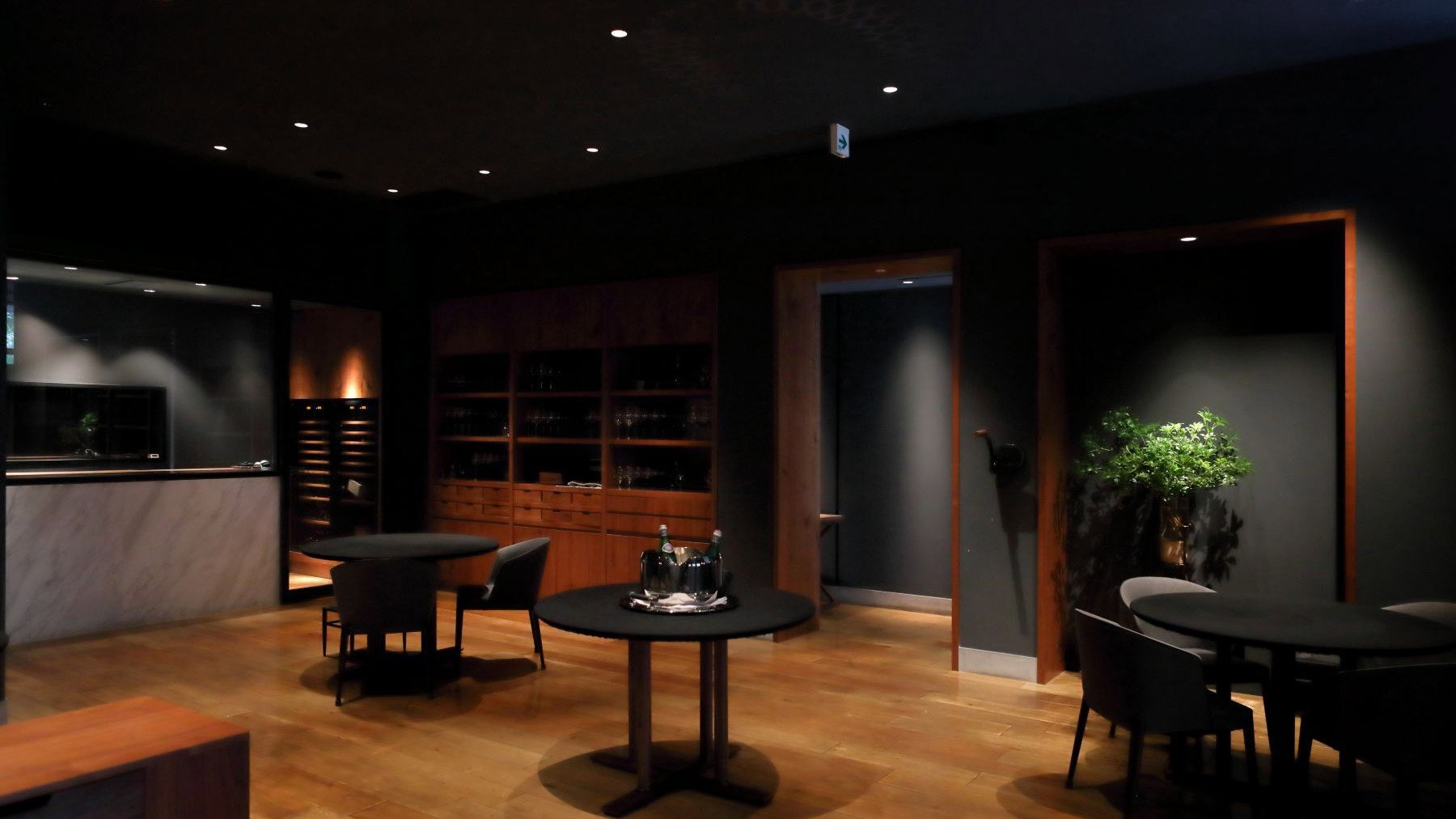
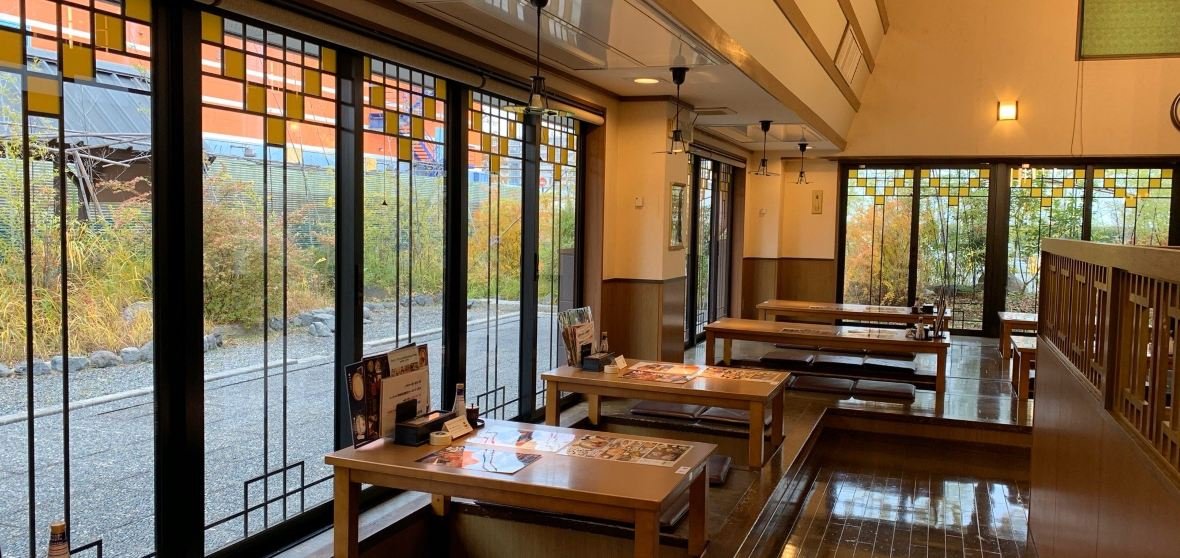
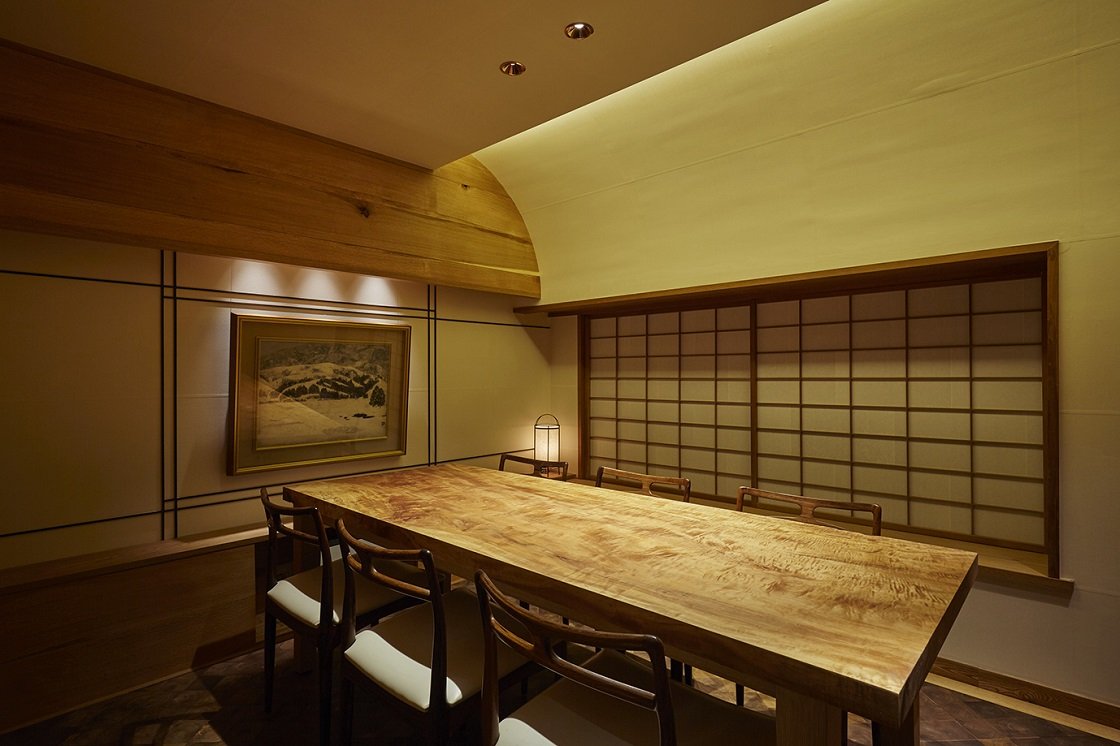
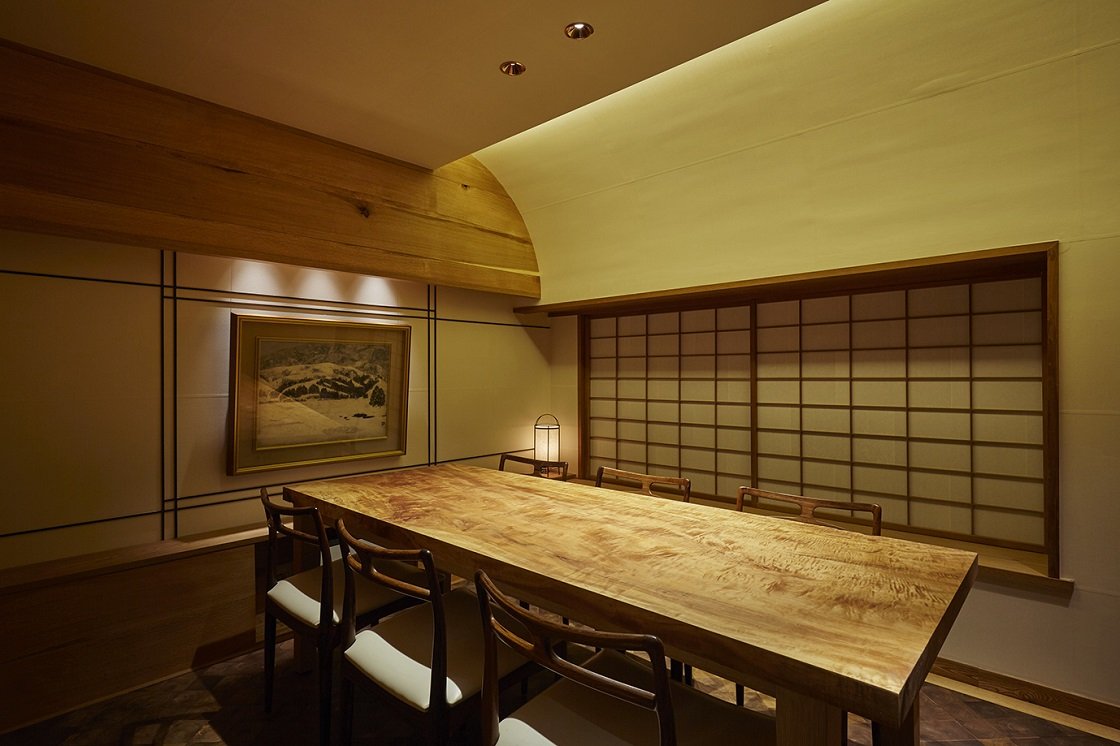
Oudon Yomogi is a side project of the proprietress behind the Japanese restaurant Miyamoto, and that parentage shapes everything about the experience. The room reads kappo: plain-wood counter, bamboo accents, a calm and deliberate atmosphere that sits closer to a serious sake bar than a busy udon-ya. The noise level is low and the pace is unhurried. If you arrive expecting the efficient, tray-and-ticket rhythm of a station-side noodle shop, recalibrate. This is a sit-down, counter-service experience with presence.
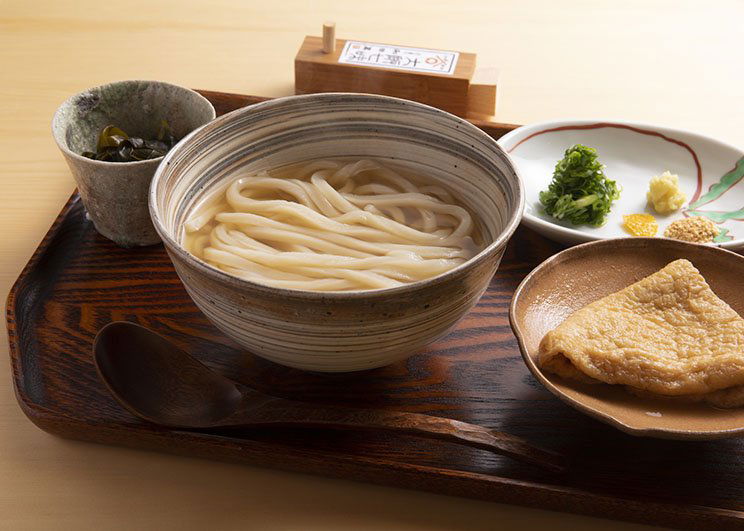
The house-made udon noodles are central, but the broth is the thing to pay attention to: light and clear, in the tradition of Japanese clear soups rather than the heavier, cloudier broths you find in many popular udon formats. Dinner service follows a structure — it opens with a set offering of appetiser and hassun before moving into à la carte udon ordering. Lunch is à la carte throughout. The meal closes with udon rather than soba, which is a deliberate inversion of kaiseki convention and one of the restaurant's distinguishing decisions. Side dishes and sake are available across both services.
Multi-Visit Strategy
Oudon Yomogi rewards return visits in a way that few ¥¥ venues do, because the lunch and dinner formats are genuinely different experiences rather than the same menu served at different times of day.
First visit: dinner. The structured dinner format, appetiser, hassun, then à la carte udon with sake and sides, is the better introduction to what the restaurant is doing. The progression from small plates to noodles mirrors the logic of a kappo meal compressed into an accessible format. Order sake alongside; it is not incidental here. The hassun course, a seasonal small-plate arrangement in Japanese dining, gives you the clearest read on the kitchen's sensibility before you reach the noodles.
Second visit: lunch. Returning for lunch gives you the à la carte udon without the set structure, which lets you focus entirely on the noodles and broth. It is a faster, lighter meal, and a good way to compare how the kitchen performs across contexts. Lunch also tends to be more accessible logistically for itinerary-building, given Fukushima Ward's position relative to central Osaka dining clusters.
Third visit: sake and sides focus. If you are a serious sake drinker or want to understand the full range of the side dish menu, a third evening visit with that as the primary aim rounds out the picture. The kappo aesthetic is not decorative, the sake list and side dishes are intended to function as a coherent sequence alongside the udon, not as add-ons.
For visitors with only one evening in Osaka, dinner is the correct choice. For those treating this as a day-trip anchor or a repeat Osaka visit, the two-visit lunch-then-dinner approach gives the most complete read on the restaurant.
Booking and Logistics
Oudon Yomogi sits in Fukushima Ward at 2 Chome-10-6 Sagisu, Osaka 553-0002. Booking difficulty is rated Easy, which is consistent with a Bib Gourmand venue at this price tier, demand is real but not at the level of a Michelin-starred counter. That said, the intimate counter format and the structured dinner service mean seats are finite. Plan ahead rather than walking in for dinner; lunch walk-in prospects are more realistic but not guaranteed. No phone number or website is listed in current data, so approach booking through your hotel concierge or a third-party reservation platform with Japan coverage. Hours are not confirmed in available data; verify locally before visiting.
The address places Oudon Yomogi in Fukushima Ward, west of Osaka's central dining axis around Namba and Shinsaibashi. It is a residential-commercial neighbourhood without heavy tourist foot traffic, which contributes to the calm atmosphere inside. If you are building a broader Osaka evening, pairing this with a drink at a nearby Fukushima bar is direct given the neighbourhood's density of low-key drinking options. For more on eating and drinking in the city, see our full Osaka restaurants guide, our full Osaka bars guide, and our full Osaka hotels guide.
Who Should Book
Oudon Yomogi is the right call for food-focused visitors who want a credentialled, counter-based meal at a price point that does not require a special-occasion budget. The kappo-inflected format makes it particularly well-suited to solo diners and pairs who appreciate a quiet room and a structured progression. It is less appropriate for groups wanting a lively, shared-plates atmosphere, or for anyone who primarily wants thick, hearty udon in a casual setting, the broth here is light and precise, and the experience is closer to a considered dinner than a comfort-food stop.
For udon at a similar accessible price point in the region, Gion Yorozuya in Kyoto offers a different regional interpretation worth comparing. In Osaka itself, Ogimachi Udonya Asuro and Udondokoro Shigemi are the most relevant local peers for a direct udon comparison. For a broader view of the Japanese noodle format across borders, Hyun Udon in Seoul shows how the format translates in a different culinary context.
If your Osaka trip includes higher-budget dinners, Kashiwaya Osaka Senriyama and Taian sit at ¥¥¥ and occupy the kaiseki tier above Oudon Yomogi. Oudon Yomogi is not competing with them on ambition or price, it is a different kind of meal. The comparison to make is with other Bib Gourmand counters, and on that basis it is among the more interesting options in the city's current listing.
The Bib Gourmand recognition in both 2024 and 2025 is the more reliable signal here. For other well-regarded dining options across Japan, see Harutaka in Tokyo, Gion Sasaki in Kyoto, akordu in Nara, Goh in Fukuoka, and 6 in Okinawa. For broader Osaka planning, our full Osaka experiences guide and our full Osaka wineries guide cover the rest of the city. Aozora Blue is worth knowing for a contrasting Osaka dining register. 1000 in Yokohama rounds out the wider Japan context for serious diners building a multi-city itinerary.
Planning details
- Location
- Japan, 〒553-0002 Osaka, Fukushima Ward, Sagisu, 2 Chome−10−6 10番地6号
- Website
- oudon-yomogi.com
- Phone
- +81 90-2432-0688
The take
The Take
The Vibe
Oudon Yomogi reads like a pared-back kappo room set around a plain-wood counter with bamboo accents. The design vocabulary is restrained and deliberately composed, steering the experience away from a speedy noodle shop toward a measured, refined meal. That framing—tied to the Miyamoto lineage—makes the place feel composed and intimate, where craftsmanship and sequence matter as much as ingredient quality. The result is a quietly sophisticated spot that folds traditional kappo structure into a cozy, low-key setting, delivering a sense of ritual without the airs of high-end formalism.
Best For
The restaurant is best for diners who want a paced, course-driven dinner that culminates in udon. Its evening service is explicitly structured—a set of appetisers and hassun arrives first, and the meal closes with the house udon—so it suits those who appreciate deliberation and technique over quick counter dining. Recognized with Michelin Bib Gourmand nods in 2024 and 2025 and operating at a moderate ¥¥ price point, it’s a smart choice for date nights, solo counter experiences, or families seeking thoughtful, accessible tasting-style udon.
Ordering Tips
Opt into the dinner set to experience the restaurant’s intended sequence: appetisers and hassun are served before the udon, and the progression is central to the concept. The venue frames udon as a closing course rather than a standalone quick order, so leaving room for the seasonal udon is part of the experience. The Bib Gourmand mentions signal reliable value, so let the set menu guide you rather than treating the udon as an isolated dish—this is how the kitchen’s approach is most legible.
Venue details
Ambiance
Hushed and calming atmosphere with candlelight, honed cedar, linen, and relaxing stylish space evoking a small kaiseki restaurant.
Tags
Vibe
Best For
Accessibility
At the Table
- Dress Code
- Smart Casual
- Noise Level
- Quiet
- Service Style
- Upscale Casual
- Meal Pacing
- Leisurely
- Capacity
- Intimate
Signature Dishes
seasonal udon
Know before you go
Know Before You Go
- Getting there
- Japan, 〒553-0002 Osaka, Fukushima Ward, Sagisu, 2 Chome−10−6 10番地6号
Planning details
Location
Japan, 〒553-0002 Osaka, Fukushima Ward, Sagisu, 2 Chome−10−6 10番地6号 · Directions
Recognition and awards
Also consider
Also Consider
- HAJIME, French, Innovative, ¥¥¥¥
- La Cime, French, ¥¥¥¥
- Kashiwaya Osaka Senriyama, Japanese, ¥¥¥
- Taian, Kaiseki, Japanese, ¥¥¥
- Fujiya 1935, Innovative, ¥¥¥¥
Restaurant context
Oudon Yomogi sits in a different tier from most of Osaka's credentialled dining options, which makes direct comparisons more about what kind of evening you want than about quality ranking. At ¥¥ with Bib Gourmand recognition, it does not compete with HAJIME or La Cime on ambition or price, those are ¥¥¥¥ French tasting-menu destinations where the investment is several times higher and the format entirely different. If your Osaka trip includes one serious splurge dinner, HAJIME or La Cime belong on that list; Oudon Yomogi belongs on a different night, as a more accessible but no less considered experience.
The more relevant comparison is with Osaka's ¥¥¥ Japanese counters: Kashiwaya Osaka Senriyama and Taian both operate in kaiseki territory at a price tier above Oudon Yomogi. If you want the full kaiseki progression with seasonal ingredient sourcing as the main event, those are the correct choices. Oudon Yomogi is for diners who want the atmosphere and intentionality of a counter meal without the kaiseki price commitment. On pure value for money at the Bib Gourmand tier, Oudon Yomogi is among the more distinctive options currently listed in Osaka.
Fujiya 1935 at ¥¥¥¥ is Osaka's most internationally recognised innovative dining address and a different proposition entirely, worth booking if experimental cuisine is your focus, but not a substitute for what Oudon Yomogi offers. For itinerary planning: pair Oudon Yomogi with a ¥¥¥¥ dinner elsewhere in the same trip rather than treating it as a replacement. The two experiences are complementary rather than competitive.
Explore Osaka
Around this place
Discover more on Pearl
Unlock the full Oudon Yomogi guide in Pearl, including awards, comparisons, FAQs, planning details, and nearby places.
Compare Oudon Yomogi
| Venue | Price | Awards |
|---|---|---|
| Oudon Yomogi | ¥¥ | 2026 Bib GourmandMichelin Guide Kyoto Osaka 20262025 Michelin Bib Gourmand2024 Michelin Bib Gourmand |
| HAJIME | ¥¥¥¥ | Star Wine Lists 2026 · #12026 Tabelog Bronze · #922026 OAD Top Restaurants in Japan Ranked · #98Michelin Guide Kyoto Osaka 20262026 La Liste Top RestaurantsTabelog 100 - Innovative / Creative cuisine - 2025 · #692025 Asia's 50 Best Restaurants · #832025 OAD Top Restaurants in Japan Ranked · #87We're Smart World Top Restaurants 2025 |
| La Cime | ¥¥¥¥ | 2026 Asia's 50 Best Restaurants · #132026 OAD Top Restaurants in Japan Ranked · #1492026 Tabelog Bronze · #231Michelin Guide Kyoto Osaka 20262026 La Liste Top Restaurants2025 Asia's 50 Best Restaurants · #82025 World's 50 Best Restaurants · #44Tabelog 100 - French - WEST - 2025 · #932025 OAD Top Restaurants in Japan Ranked · #123 |
| Kashiwaya Osaka Senriyama | ¥¥¥ | 2026 Tabelog Bronze · #1682026 OAD Top Restaurants in Japan Recommended2026 Relais Chateaux RestaurantsMichelin Guide Kyoto Osaka 20262026 La Liste Top RestaurantsTabelog 100 - Japanese cuisine - WEST - 2025 · #772025 OAD Top Restaurants in Japan Ranked · #1552025 Relais Chateaux Award2025 Michelin 3 Stars |
| Taian | ¥¥¥ | 2026 OAD Top Restaurants in Japan RecommendedMichelin Guide Kyoto Osaka 20262026 La Liste Top Restaurants2025 OAD Top Restaurants in Japan Ranked · #2042025 La Liste Top Restaurants2025 Michelin 3 Stars2024 OAD Top Restaurants in Japan Ranked · #1912024 Michelin 3 Stars2023 OAD Top Restaurants in Japan Highly Recommended |
| Fujiya 1935 | ¥¥¥¥ | 2026 Tabelog Bronze · #752026 OAD Top Restaurants in Japan RecommendedMichelin Guide Kyoto Osaka 20262026 La Liste Top Restaurants2025 Michelin 2 Stars2025 Tabelog Silver2025 La Liste Top Restaurants2024 OAD Top Restaurants in Japan Ranked · #2392024 Michelin 2 Stars |











Comparing your options in Osaka for this tier.
FAQ
Frequently Asked Questions
Is Oudon Yomogi good for solo dining?
Yes, and arguably the best format for it. The plain-wood counter is the centrepiece of the room, and solo diners get the full experience without needing to coordinate a group around the set dinner structure. At ¥¥ pricing with back-to-back Michelin Bib Gourmand recognition, solo visits at both lunch and dinner are a low-stakes way to compare the two formats.
What should I wear to Oudon Yomogi?
The bamboo accents and counter setting signal a considered but informal space, not a white-tablecloth occasion. Neat casual is appropriate — there is no evidence of a dress code, but the kappo-influenced atmosphere means visibly relaxed effort fits better than shorts and sandals.
Is Oudon Yomogi worth the price?
At ¥¥, it is among the better-value Michelin-recognised meals in Osaka. Two consecutive Bib Gourmand awards (2024, 2025) are the clearest external signal that the price-to-quality ratio holds up. House-made udon noodles with a light, clear broth, sake, and side dishes form a complete meal without the bill climbing into Michelin-star territory.
Is the tasting menu worth it at Oudon Yomogi?
The dinner set — which opens with an appetiser and hassun before closing with udon — is the more considered format and worth choosing over lunch if your schedule allows. Closing a sake-accompanied meal with udon rather than soba is the defining move here, and it is what separates Oudon Yomogi from a standard noodle shop. Lunch is à la carte only, so if you want the full structured experience, book for dinner.
Can Oudon Yomogi accommodate groups?
The counter-based layout, which prioritises the solo and pair format, makes larger groups less practical. Groups of four or more should check availability directly, as counter seating typically limits the number of seats per booking and the à la carte plus set structure suits small parties better than group dining occasions.
What are alternatives to Oudon Yomogi in Osaka?
If budget is not the constraint, Taian or Kashiwaya Osaka Senriyama deliver full kaiseki at a significantly higher price point. For a comparable credentialled-but-affordable counter meal focused on craft and Japanese tradition, Oudon Yomogi has little direct competition at ¥¥ in Osaka. Fujiya 1935 and La Cime operate in a different category — modern and French-influenced — so they answer a different question entirely.
Is Oudon Yomogi good for a special occasion?
For a food-focused occasion where the bill matters, yes. The kappo-influenced setting and structured dinner service carry enough ceremony for a meaningful meal, even at ¥¥. For a milestone celebration where atmosphere and formality are the priority, venues like Kashiwaya Osaka Senriyama or Taian are better fits. Oudon Yomogi is the right special-occasion choice when the point is the food and the craft, not the occasion's backdrop.