
Otsuki
Japanese · Fukushima, Osaka
Restaurant in Osaka, Japan
 Book with Pearl
The Read
End-of-Season Creativity
Price
¥¥¥
Dress
Casual
Why go
Otsuki holds back-to-back Michelin Plates for a reason: chef Masakazu Nishiguchi tracks each season from its first harvest to its end, and the cooking shifts accordingly. At ¥¥¥ in Osaka's Fukushima Ward, it sits below the starred tier in price and profile but not in seriousness. Book ahead and visit at a seasonal turning point for the best experience.
About Otsuki
Otsuki, Osaka: Pearl Verdict
The common assumption about Michelin Plate recognition in Japan is that it signals a consolation prize, a restaurant that came close but didn't quite make the cut. At Otsuki in Fukushima, Osaka, that reading is wrong. Chef Masakazu Nishiguchi has held the Michelin Plate in both 2024 and 2025 not because the inspectors hedged, but because what he does here is deliberate, restrained, and seasonal in a way that resists the kind of theatrical flourish that earns stars. If you've eaten here once and left thinking it was simply pleasant, you missed the point. Go back with more attention to what's on the plate and when you're eating it.
Portrait: What Otsuki Actually Is
Otsuki sits at the ground floor of a building in Fukushima Ward, one of Osaka's quieter dining neighbourhoods, away from the tourist density of Dotonbori and closer to the local rhythm that characterises the leading mid-tier Japanese dining in the city. The price point sits at ¥¥¥, which in Osaka's Japanese dining context positions it well above a casual izakaya but below the four-symbol tier occupied by venues like HAJIME or Fujiya 1935. That gap matters: at Otsuki you're paying for craft and seasonality, not for room design or service theatre.
What drives Nishiguchi's cooking is a seasonal philosophy that is easier to describe than it is to execute well. Early in any ingredient's season, his approach is restrained. A bamboo shoot in spring arrives simmered, its own flavour allowed to speak without interference. As that same ingredient approaches the end of its season, the cooking shifts. The bamboo shoot that debuted simply may reappear as a Japanese-pepper-and-soy steak, or folded into a bowl of stew. This is not a gimmick. It is a considered approach to cooking that rewards diners who return across different months, or who are lucky enough to visit at a moment of seasonal transition when Nishiguchi's creativity is most visible on the plate. For a returning guest, timing your visit to a seasonal turning point is the single most important decision you can make.
Venues in this tier that accumulate high scores from a tight, local-leaning review base tend to be doing something quietly right rather than gaming for volume. For context, comparable seasonal Japanese restaurants at the ¥¥¥ tier in Osaka, such as Kashiwaya Osaka Senriyama and Taian, carry Michelin stars and attract more international attention. Otsuki has a smaller profile and, arguably, less booking pressure as a result.
Service Philosophy and Whether It Earns the Price
At ¥¥¥ in Osaka, the question of whether service earns the price point is worth asking directly. Japanese dining at this level typically involves a format where the chef or kitchen dictates the pace, the guest follows, and the interaction is precise rather than effusive. Otsuki's Michelin recognition specifically notes Nishiguchi's attention to creativity and seasonal awareness, not to service design, which is itself a signal. The experience here is built around the food, not the performance of hospitality. If you are looking for the kind of attentive tableside service and explanatory depth you would find at a starred kaiseki counter, venues like Kashiwaya Osaka Senriyama or Oimatsu Hisano may suit you better. If the food is the reason you're there and you are comfortable with a less ceremony-driven room, Otsuki's pricing is well-matched to what it delivers.
For a returning guest, this distinction becomes the decision pivot. The first visit to Otsuki is partly about calibration: understanding that the restraint is the point, not a limitation. The second visit, particularly if you return at a different point in the seasonal calendar, is where the kitchen's logic becomes clear. You will notice the contrast between an ingredient at the peak of its first appearance and the same ingredient reimagined near the end of its run. That contrast is what Nishiguchi is building his reputation on, and it is unusual enough in the ¥¥¥ tier that it warrants attention.
Practical Details
Otsuki is in Fukushima Ward, at 1 Chome-2-4, Fukushima, Osaka. Booking here is rated Easy, which is accurate for a Michelin Plate venue without the international draw of a starred restaurant. You should still book ahead rather than walk in speculatively, but you are unlikely to face the weeks-out wait that applies at venues like Tenjimbashi Aoki or Yugen. Fukushima is well connected by rail and is a practical base for exploring Osaka's dining scene more broadly. If you are building an itinerary around serious Japanese cooking, pairing Otsuki with a visit to Miyamoto gives you two distinct approaches to the same culinary tradition at a similar price tier.
For travellers who are using Osaka as a base for the wider Kansai region, the seasonal Japanese cooking at Otsuki sits in useful conversation with Gion Sasaki in Kyoto and akordu in Nara, both of which approach Japanese ingredients with a similar respect for seasonality, though from different culinary frameworks. Osaka's full dining and hotel landscape is covered in our full Osaka restaurants guide, and if you are staying in the city you can find accommodation options in our full Osaka hotels guide. For evening options beyond dinner, our full Osaka bars guide covers the neighbourhood options in Fukushima and across the city.
For broader Japan context, chefs with a comparable commitment to seasonal Japanese cooking include those behind Harutaka in Tokyo, Myojaku in Tokyo, and Azabu Kadowaki in Tokyo, though all operate in different formats and at higher price tiers. If you are travelling further, Goh in Fukuoka offers an interesting regional comparison, and 1000 in Yokohama and 6 in Okinawa round out the national picture for serious Japanese dining outside the major city centres.
Planning details
- Location
- Japan, 〒553-0003 Osaka, Fukushima Ward, Fukushima, 1 Chome−2−4 1F
- Website
- fukushima-otsuki.instatry.org
- Phone
- +81 90-5867-5678
The take
The Take
The Vibe
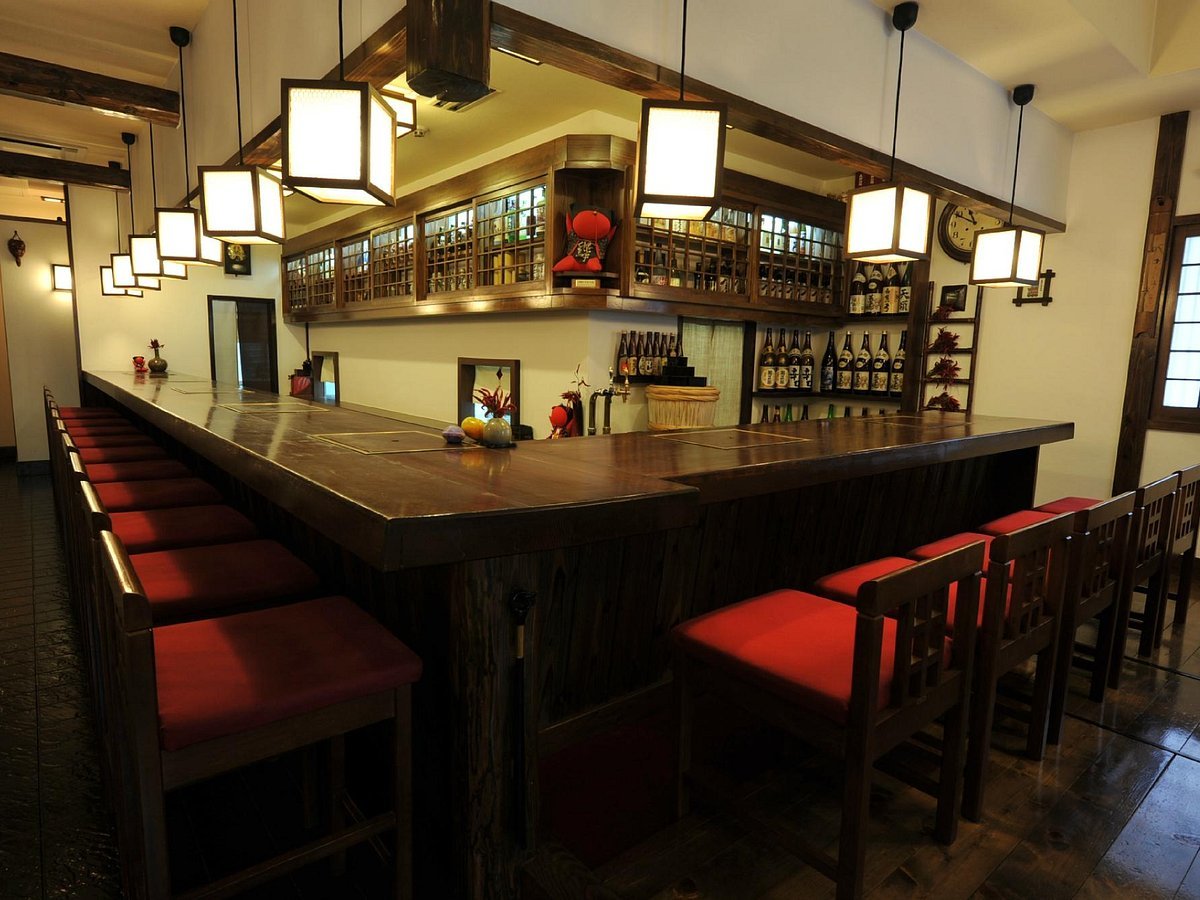
Otsuki sits quietly on a residential strip in Fukushima, offering a restrained, classic feel that values seasonal discipline over spectacle. The small counter format and neighborhood setting create a serene, tucked-away atmosphere: this is a restaurant that serves regulars as much as visitors who seek considered Japanese cooking. The kitchen's focus on tracking ingredients through their changing character, and the restaurant's consecutive Michelin Plate recognitions, reinforce a measured, craft-driven identity rather than flash — an intimate counter where technique and the arc of seasonality define the experience.
Best For
This counter is best for evening meals that reward attentive diners: date nights, solo visits, and other quiet special-occasion dinners fit naturally here. The mid-range ¥¥¥ positioning and kaiseki-adjacent discipline mean guests who care about seasonality and precise technique get the most from a visit. Seating at the counter puts you close to the action and the craft of preparation, making it an ideal spot for focused conversation and tasting rather than boisterous group nights or loud celebrations.
Ordering Tips
Focus on the house signatures and on seasonal choices that showcase the kitchen's approach. The menu highlights — Otsuki ramen, fugu roe, and the crab cream spring roll — are natural starting points to understand the chef's balance of comfort and refinement. At a small counter operation that emphasizes ingredient evolution, opt for dishes that track seasonality or are highlighted by the chef, and allow the counter vantage to reveal technique and plating as items arrive.
Venue details
Ambiance
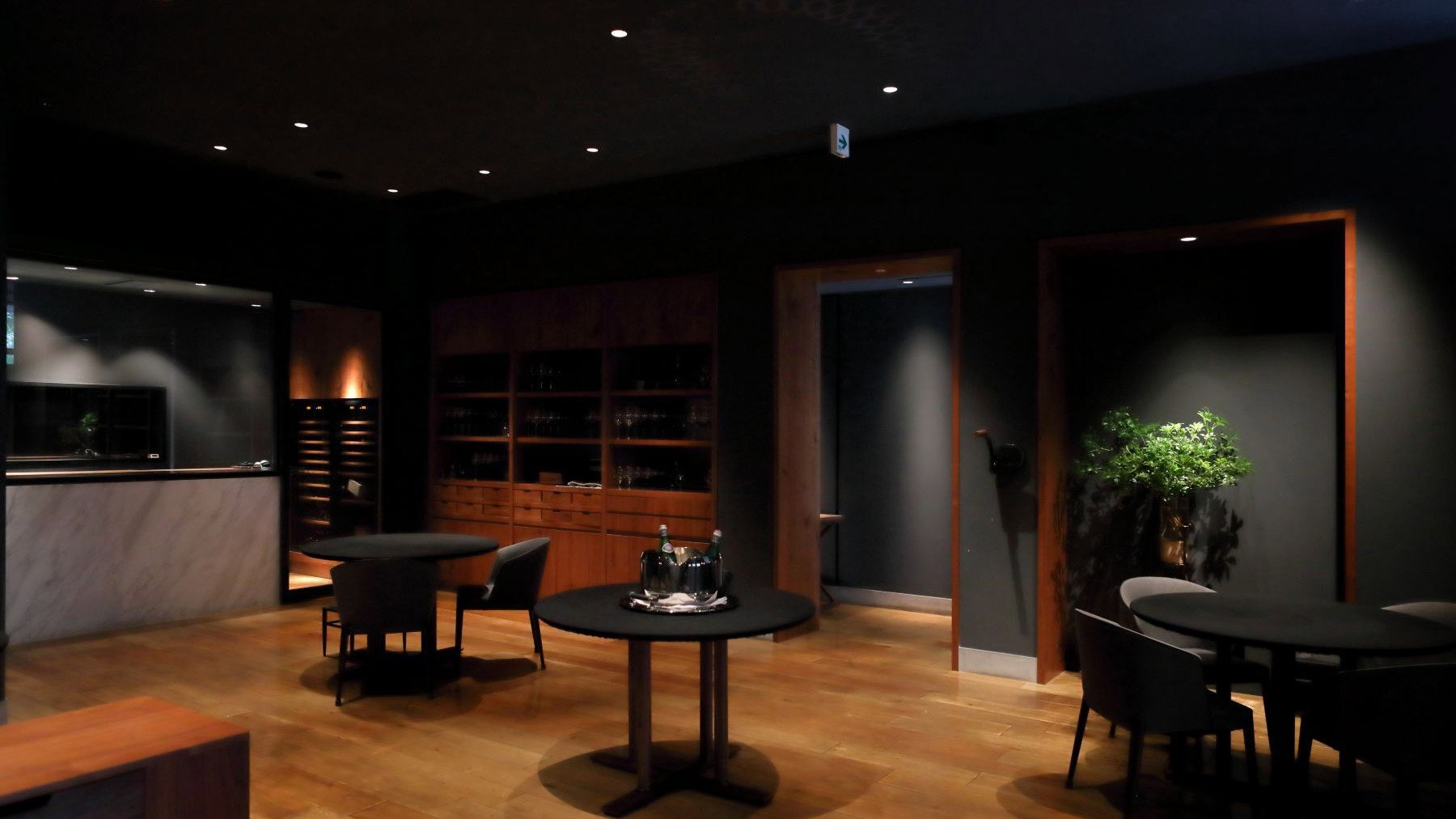
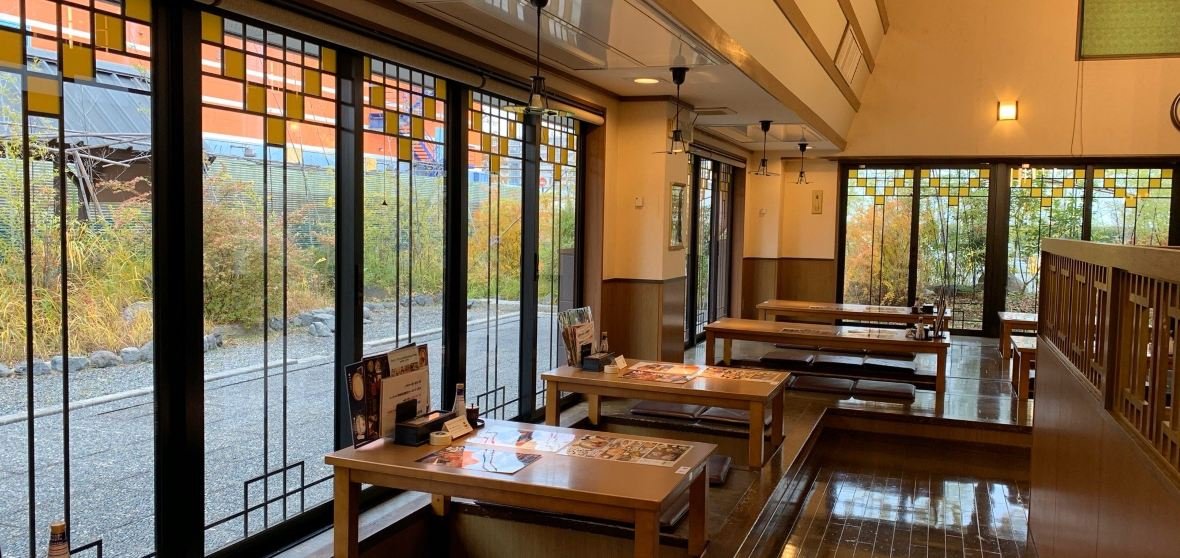
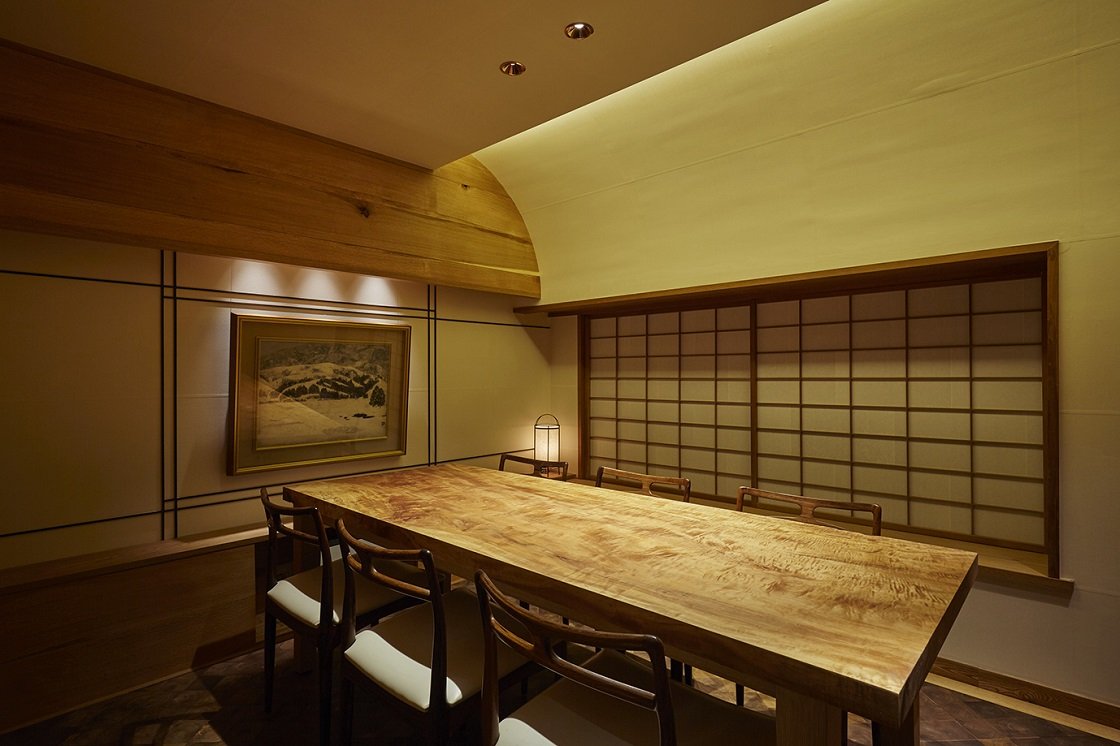
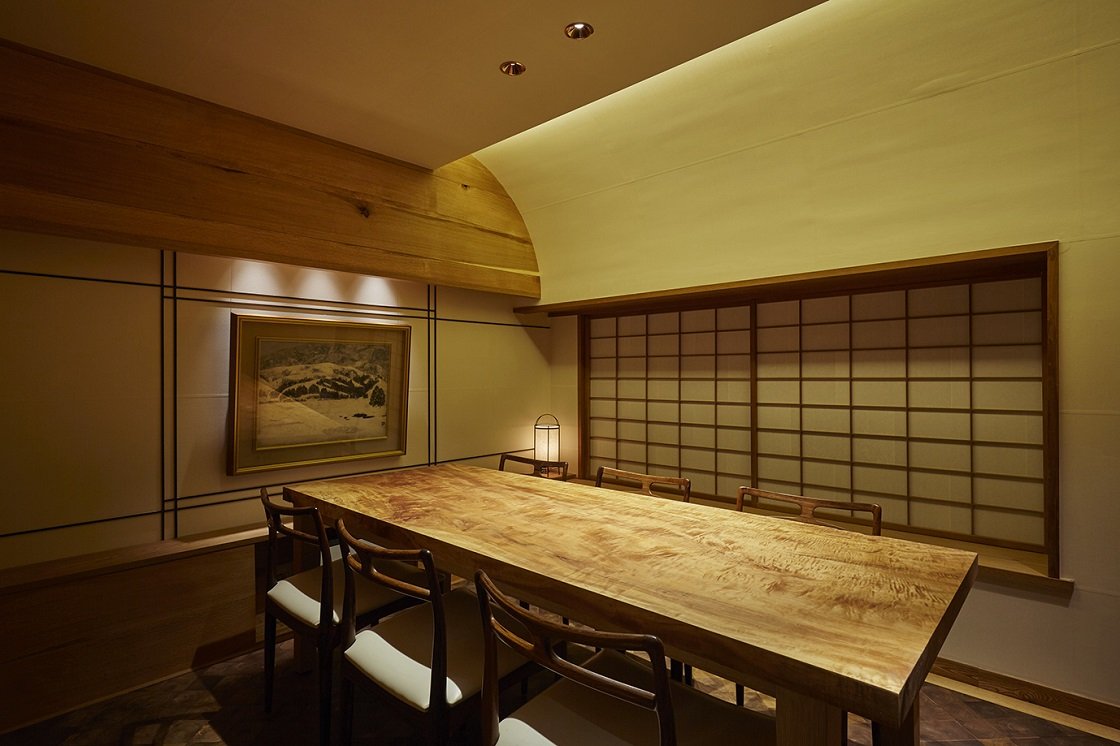
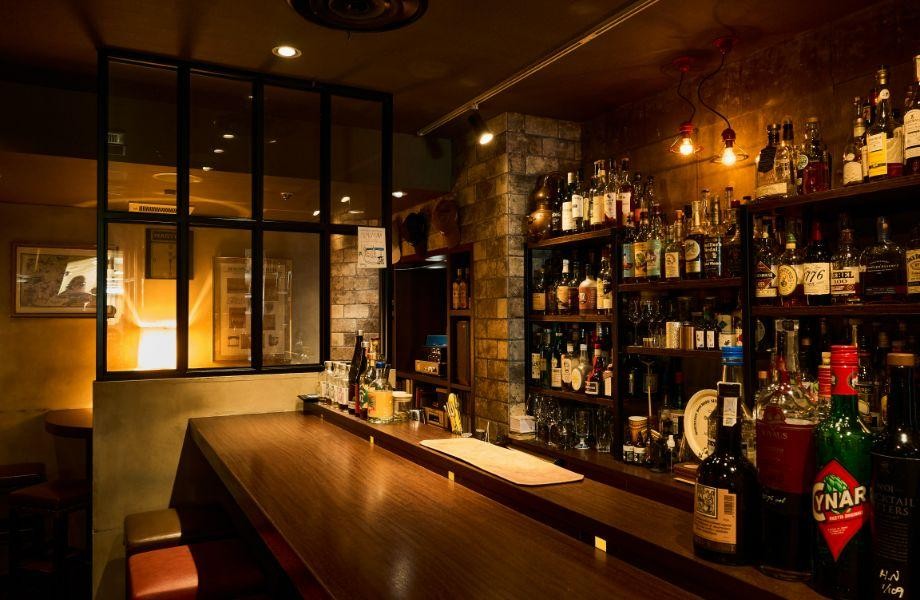
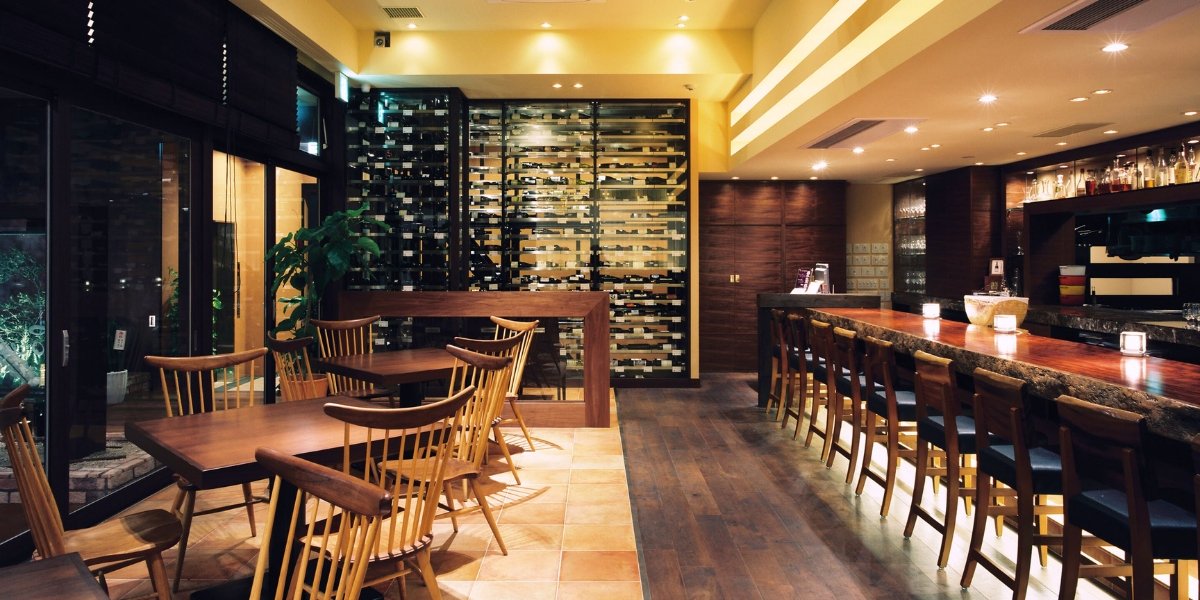
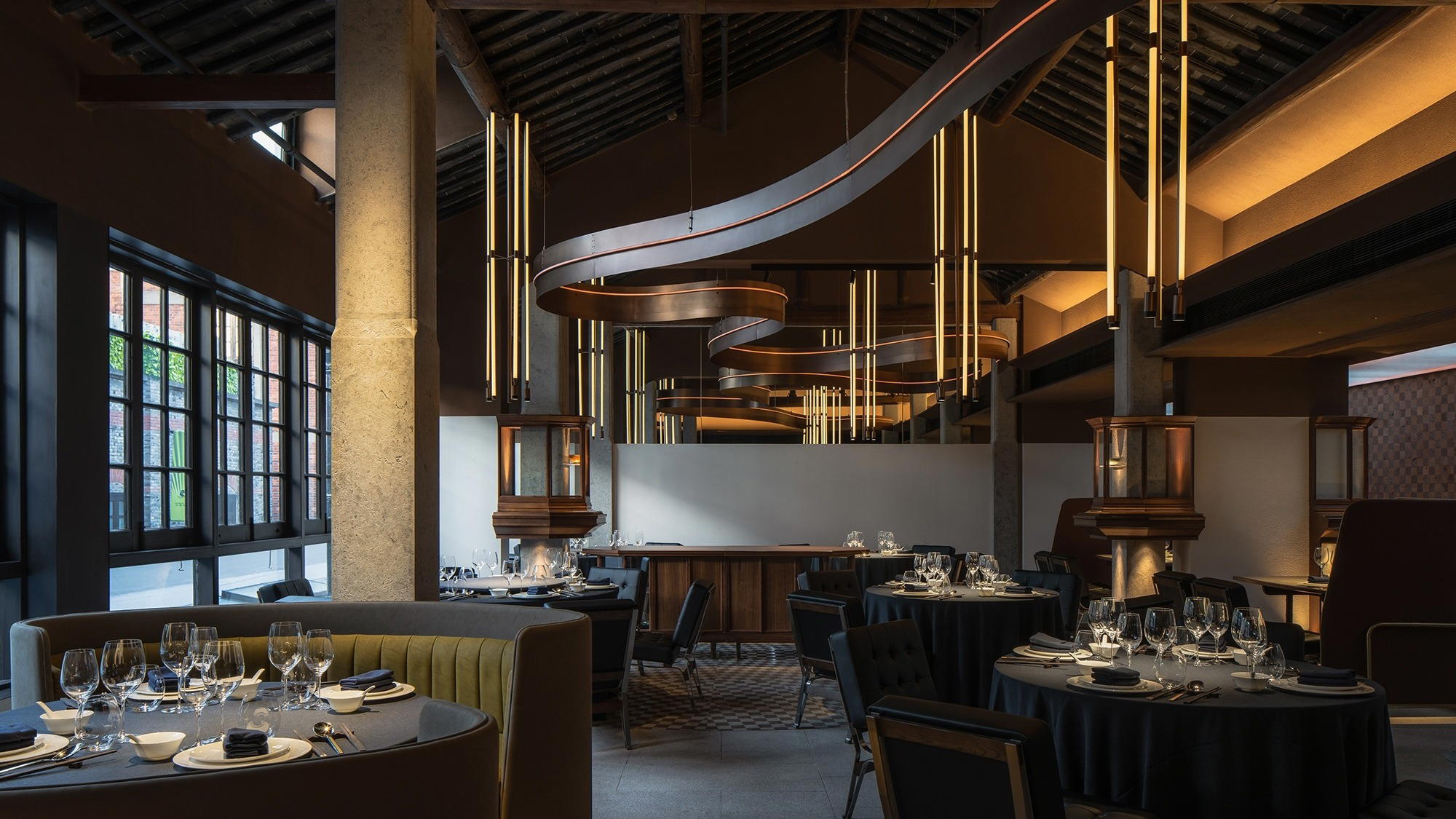
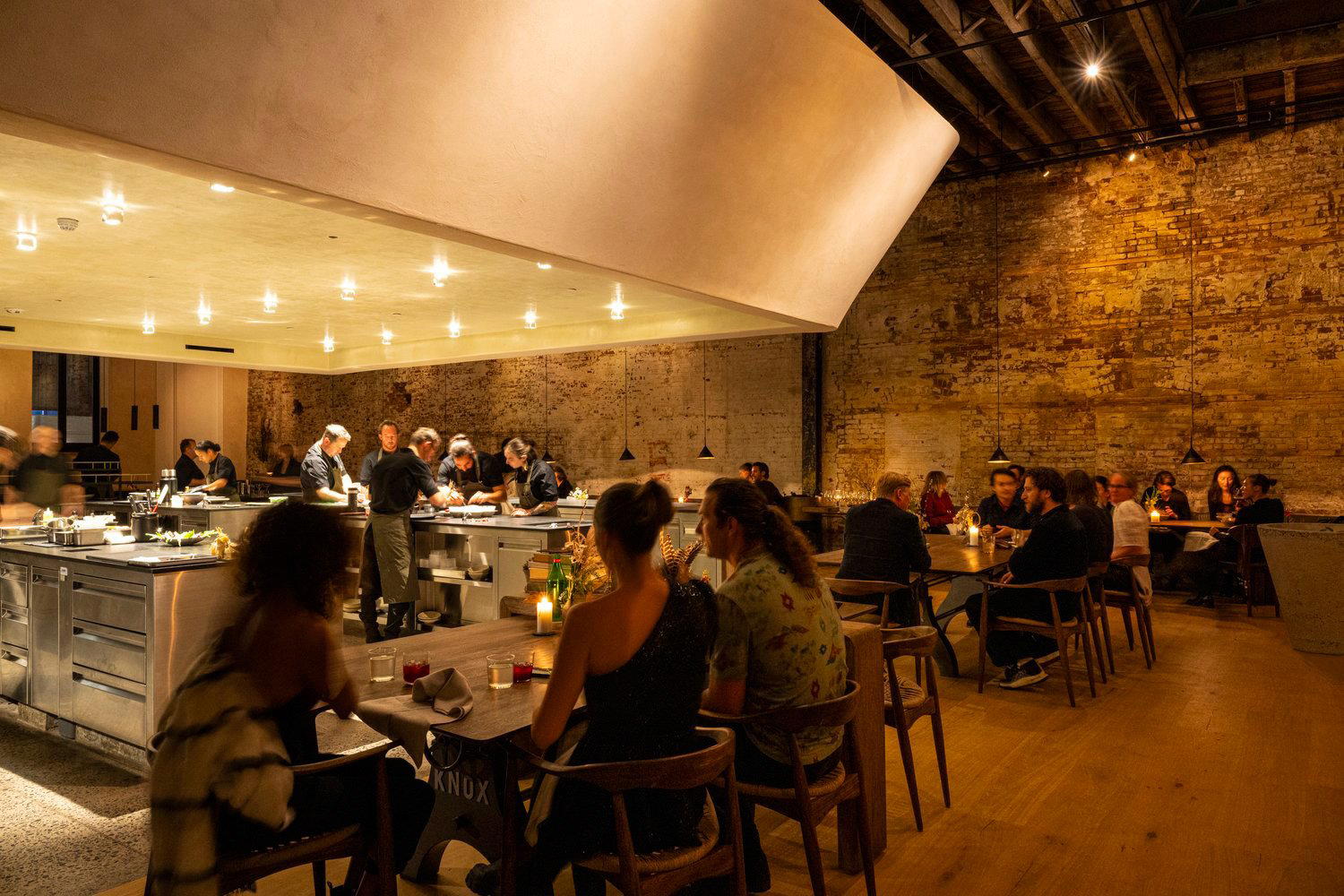
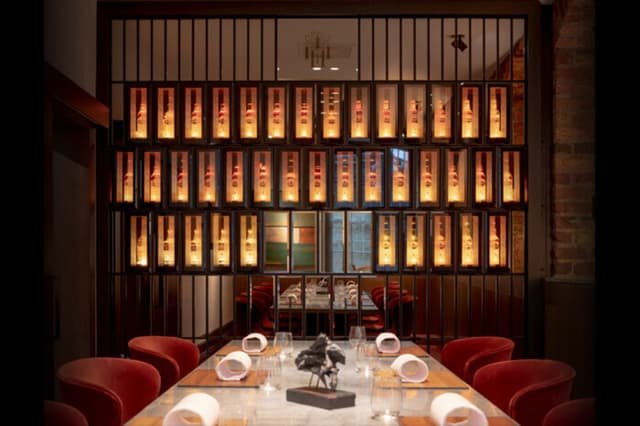
Warm interior with gentle lighting, natural textures, and a relaxing atmosphere balancing sophistication and comfort.
Tags
Vibe
Best For
Experience
At the Table
- Dress Code
- Casual
- Noise Level
- Quiet
- Service Style
- Upscale Casual
- Meal Pacing
- Leisurely
- Capacity
- Intimate
Signature Dishes
- Otsuki ramen
- fugu roe
- crab cream spring roll
Know before you go
Know Before You Go
- Getting there
- Japan, 〒553-0003 Osaka, Fukushima Ward, Fukushima, 1 Chome−2−4 1F
Planning details
Location
Japan, 〒553-0003 Osaka, Fukushima Ward, Fukushima, 1 Chome−2−4 1F · Directions
Recognition and awards
Also consider
Also Consider
- HAJIME, French, Innovative, ¥¥¥¥
- La Cime, French, ¥¥¥¥
- Kashiwaya Osaka Senriyama, Japanese, ¥¥¥
- Taian, Kaiseki, Japanese, ¥¥¥
- Fujiya 1935, Innovative, ¥¥¥¥
Restaurant context
Otsuki sits at the accessible end of serious Japanese dining in Osaka. At ¥¥¥, it shares a price tier with Kashiwaya Osaka Senriyama and Taian, both of which carry Michelin stars and operate in kaiseki formats with more formal service structures. If service depth and ceremony are a priority for your booking, either of those venues will deliver more on that axis. If the cooking itself is the reason you are going, Otsuki offers comparable seasonal rigour at a similar price with an easier booking window and less international competition for tables.
At the ¥¥¥¥ tier, HAJIME, La Cime, and Fujiya 1935 all operate with French or innovative frameworks, international critical profiles, and higher booking difficulty. They are the right choice if you want Osaka's most ambitious tasting menus and are willing to plan further ahead and spend more. They are a different category of experience rather than a direct comparison to Otsuki's seasonal Japanese format.
For a first-time visitor to Osaka with a single serious dinner in the budget, the practical recommendation is this: if you can secure a table at a Michelin-starred Japanese venue at ¥¥¥, take it. If those are unavailable or the booking lead time doesn't suit your trip, Otsuki is the right call over a lesser-known alternative at a similar price, with the Michelin Plate recognition providing a reliable floor for the experience.
Explore Osaka
Around this place
Discover more on Pearl
Unlock the full Otsuki guide in Pearl, including awards, comparisons, FAQs, planning details, and nearby places.
Compare Otsuki
| Venue | Price | Booking Difficulty | Awards |
|---|---|---|---|
| Otsuki | ¥¥¥ | Easy | Michelin Guide Kyoto Osaka 20262026 Michelin Plate2025 Michelin Plate2024 Michelin Plate |
| HAJIME | ¥¥¥¥ | Unknown | Star Wine Lists 2026 · #12026 Tabelog Bronze · #922026 OAD Top Restaurants in Japan Ranked · #98Michelin Guide Kyoto Osaka 20262026 La Liste Top RestaurantsTabelog 100 - Innovative / Creative cuisine - 2025 · #692025 Asia's 50 Best Restaurants · #832025 OAD Top Restaurants in Japan Ranked · #87We're Smart World Top Restaurants 2025 |
| La Cime | ¥¥¥¥ | Unknown | 2026 Asia's 50 Best Restaurants · #132026 OAD Top Restaurants in Japan Ranked · #1492026 Tabelog Bronze · #231Michelin Guide Kyoto Osaka 20262026 La Liste Top Restaurants2025 Asia's 50 Best Restaurants · #82025 World's 50 Best Restaurants · #44Tabelog 100 - French - WEST - 2025 · #932025 OAD Top Restaurants in Japan Ranked · #123 |
| Kashiwaya Osaka Senriyama | ¥¥¥ | Unknown | 2026 Tabelog Bronze · #1682026 OAD Top Restaurants in Japan Recommended2026 Relais Chateaux RestaurantsMichelin Guide Kyoto Osaka 20262026 La Liste Top RestaurantsTabelog 100 - Japanese cuisine - WEST - 2025 · #772025 OAD Top Restaurants in Japan Ranked · #1552025 Relais Chateaux Award2025 Michelin 3 Stars |
| Taian | ¥¥¥ | Unknown | 2026 OAD Top Restaurants in Japan RecommendedMichelin Guide Kyoto Osaka 20262026 La Liste Top Restaurants2025 OAD Top Restaurants in Japan Ranked · #2042025 La Liste Top Restaurants2025 Michelin 3 Stars2024 OAD Top Restaurants in Japan Ranked · #1912024 Michelin 3 Stars2023 OAD Top Restaurants in Japan Highly Recommended |
| Fujiya 1935 | ¥¥¥¥ | Unknown | 2026 Tabelog Bronze · #752026 OAD Top Restaurants in Japan RecommendedMichelin Guide Kyoto Osaka 20262026 La Liste Top Restaurants2025 Michelin 2 Stars2025 Tabelog Silver2025 La Liste Top Restaurants2024 OAD Top Restaurants in Japan Ranked · #2392024 Michelin 2 Stars |
.png?width=1200&quality=80)









What to weigh when choosing between Otsuki and alternatives.
FAQ
Frequently Asked Questions
What should I wear to Otsuki?
No dress code is specified for Otsuki, but at ¥¥¥ in a Michelin Plate Japanese restaurant in Osaka, tidy, understated clothing is the safe call. Avoid overly casual sportswear. Fukushima Ward diners tend to dress neatly without formality.
Is Otsuki worth the price?
At ¥¥¥ with back-to-back Michelin Plate recognition in 2024 and 2025, Otsuki is priced below Osaka's Michelin-starred tier and delivers cooking that is genuinely seasonal and creative rather than formulaic. For what you spend, the value holds — particularly if you book during a seasonal transition when chef Nishiguchi shifts from straightforward preparation to more inventive interpretations.
Is Otsuki good for a special occasion?
Yes, provided the occasion suits a quiet, considered meal rather than a celebratory, high-energy room. Chef Nishiguchi's approach, honest flavours early in a season shifting to inventive combinations as it closes, makes for a dinner with a clear narrative arc. That suits an anniversary or a milestone dinner better than a group birthday.
What are alternatives to Otsuki in Osaka?
For a step up in formality and star power, La Cime and Fujiya 1935 are the obvious moves. If you want kaiseki at a similar or higher tier with a long-established reputation, Kashiwaya Osaka Senriyama and Taian are the references to compare. HAJIME sits at the far end of the Osaka fine dining spectrum, with a very different format and price point.
Is the tasting menu worth it at Otsuki?
Based on the Michelin Plate recognition and the described philosophy of letting seasonal ingredients lead, the tasting format at Otsuki appears to be the intended way to experience what Nishiguchi is doing. Specific menu details and pricing are not confirmed in the current record, so contact the restaurant to verify current format before booking.