
Oryori Yamada
Japanese · Kita, Osaka
Restaurant in Osaka, Japan
 Book with Pearl
The Read
Naniwa-Rooted Counter Cuisine
Price
¥¥¥¥
Dress
Smart Casual
Why go
Oryori Yamada holds a 2024 Michelin star and delivers creative Japanese cooking with a strong Osakan identity — Naniwa heritage vegetables, inventive sashimi garnishes, and a generous three-rice finale. At ¥¥¥¥ pricing in Nishitenma, Kita Ward, this is a hard booking worth pursuing for a special occasion. Reserve at least three to four weeks out.
About Oryori Yamada
Verdict
Book Oryori Yamada if you want a Michelin-starred Japanese meal in Osaka that stays rooted in Naniwa tradition rather than chasing spectacle. The kitchen earns its 2024 Michelin star through careful, creative cooking — sashimi dressed with deep-fried onions and coarsely grated daikon, fish dishes accented with mushroom and vegetable sauces, and a three-part rice finale that signals generosity over austerity. At ¥¥¥¥ pricing, this is a serious special-occasion restaurant, not a casual dinner. If you are comparing it against Osaka's broader high-end Japanese field, Oryori Yamada's distinctly Osakan character and ingredient focus give it a personality that more internationally minded kitchens lack. Book well in advance — this is a hard reservation.
The Portrait
Oryori Yamada sits on the fourth floor of the San System Nishitenma Gastroplaza building in Kita Ward, a short distance from the Nishitenma area's cluster of high-end dining rooms. The address is not glamorous, a shared food complex rather than a standalone townhouse, but the cooking inside operates at a different register entirely. The Michelin inspectors rated it a star in 2024, and the citation they attached is specific enough to be useful: the menu reflects a chef who grew up Osakan, draws on Naniwa's traditional vegetables (a category of heritage produce tied specifically to this region), and structures the meal around generosity rather than minimalism. That last point matters for a special occasion. The three-rice finish, white rice with accompaniments, pickled fish on rice, and seasonal mixed rice, all with free refills, is a deliberate act of hospitality. You will not leave hungry.
The cooking style is creative Japanese rather than strict kaiseki. That distinction affects how you should think about the meal. Kaiseki at its most formal follows a rigid seasonal sequence; what Oryori Yamada does is looser and more personal. The sashimi garnishes (deep-fried onions, coarsely grated daikon) suggest a chef comfortable breaking with convention when it produces a better result. The mushroom and vegetable sauces on fish courses point to a kitchen interested in earthier, more complex pairings rather than the clean minimalism that dominates higher-end Japanese dining in Tokyo. If you are travelling from abroad or from another Japanese city, this Osaka-specific sensibility is part of the value. For comparison, Gion Sasaki in Kyoto and Harutaka in Tokyo offer their own regional anchors, but neither delivers this particular Naniwa vegetable focus.
On drinks pairing: the database record does not confirm a dedicated wine or sake program, so specific pairing recommendations would be speculative. What can be said is that at ¥¥¥¥ pricing in a 2024 Michelin-starred Osaka Japanese room, a considered beverage list is standard in this category. Creative Japanese cooking of this kind, particularly with mushroom and vegetable sauces on fish, tends to pair well with aged sake or lighter Burgundy-style wine, though what Oryori Yamada actually pours should be confirmed at booking. If drinks pairing depth is a priority for your occasion, ask the restaurant directly when you reserve. For context, Osaka's French-rooted ¥¥¥¥ restaurants such as HAJIME and La Cime are more likely to carry extensive European wine lists; Oryori Yamada's strength is in the food, and particularly in its regional Japanese character.
The practical logistics are lean. There is no website or phone number in the public record, which means reservations are likely handled through a third-party booking platform or directly through the building's concierge network. Treat this as a hard booking: aim for at least three to four weeks out for domestic visitors, longer if you are planning around international travel. If you are visiting from another Japanese city, akordu in Nara and Goh in Fukuoka operate in a similar creative Japanese register and are worth considering as part of a broader Kansai itinerary.
Seat count and hours are not confirmed in the record, which makes it harder to advise on optimal timing. Given the fourth-floor location in a gastroplaza and the meal structure described by Michelin, a multi-course menu ending in a generous rice service, this is almost certainly a dinner-only format. Arrive with time to settle. The rice course at the end is not a shortcut to the exit; it is the point. Rushing it would miss what the kitchen is doing.
Within Osaka's broader restaurant scene, Oryori Yamada sits comfortably alongside other Kita Ward Japanese specialists. Kashiwaya Osaka Senriyama operates at ¥¥¥ and offers more traditional kaiseki structure if that format suits your group better. Tenjimbashi Aoki and Miyamoto round out the neighbourhood's Japanese dining options at varying price points. For a fuller picture of where Oryori Yamada fits in the city's dining hierarchy, see our full Osaka restaurants guide. If you are planning a wider trip, our Osaka hotels guide, bars guide, and experiences guide cover the broader visit. Additional Japanese dining comparisons from around the country include Myojaku in Tokyo, Azabu Kadowaki in Tokyo, 1000 in Yokohama, and 6 in Okinawa.
Practical Details
Oryori Yamada is located at 4 Chome-7-7 Nishitenma, Kita Ward, Osaka (fourth floor, San System Nishitenma Gastroplaza). The price range is ¥¥¥¥. No website or phone is publicly listed; reservations should be pursued through a Japan-based booking platform or hotel concierge. Booking difficulty is rated hard. Hours are not confirmed, contact the restaurant or your concierge before planning your evening around it. Oimatsu Hisano and Yugen are additional Osaka Japanese options worth having as a contingency if you cannot secure a table here.
How It Compares
See the comparison section below for a full peer breakdown.
Planning details
- Location
- Japan, 〒530-0047 Osaka, Kita Ward, Nishitenma, 4 Chome−7−7 サン・システム西天満ガストロプラザ 4階
- Website
- oryori-yamada.myconciergejapan.net
- Phone
- +81 80-4013-9336
The take
The Take
The Vibe
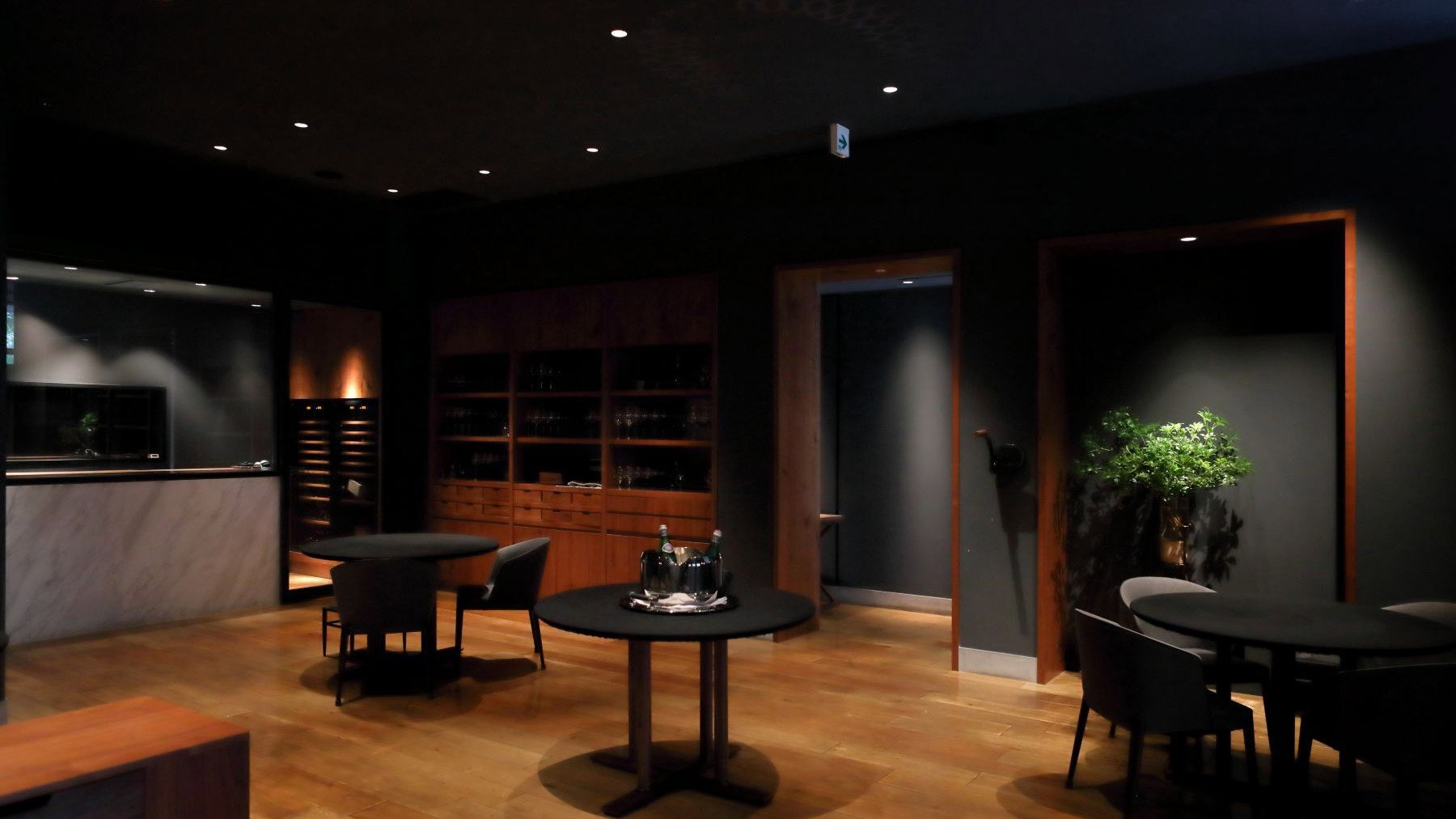
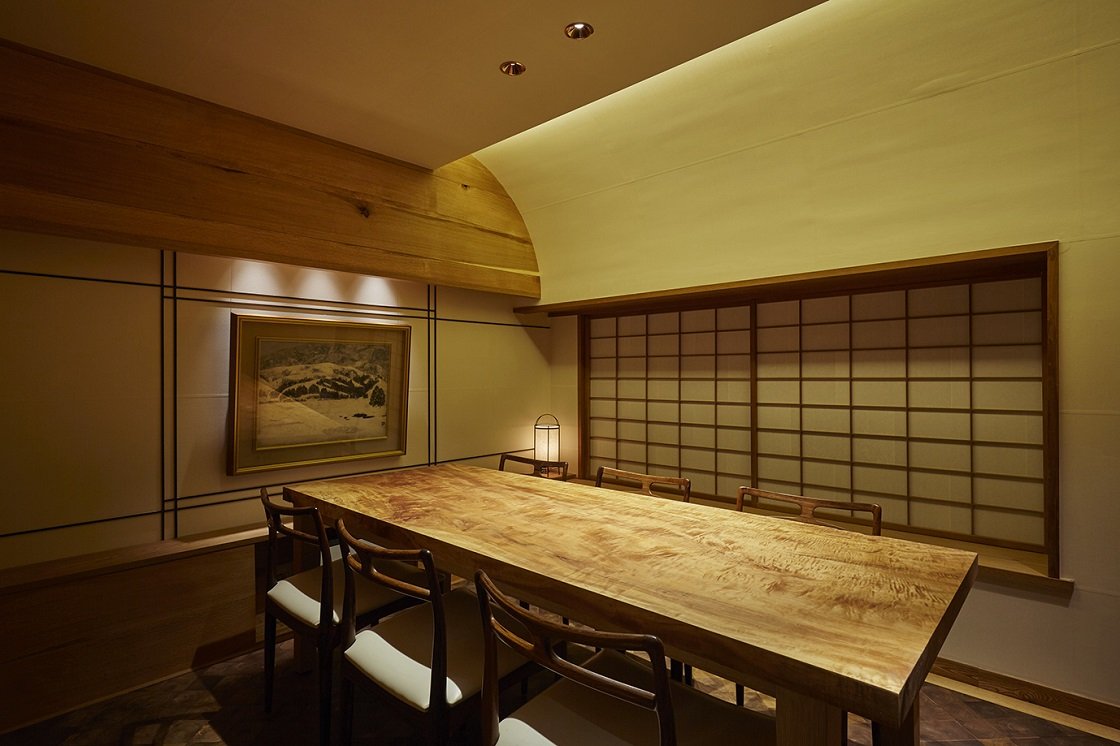
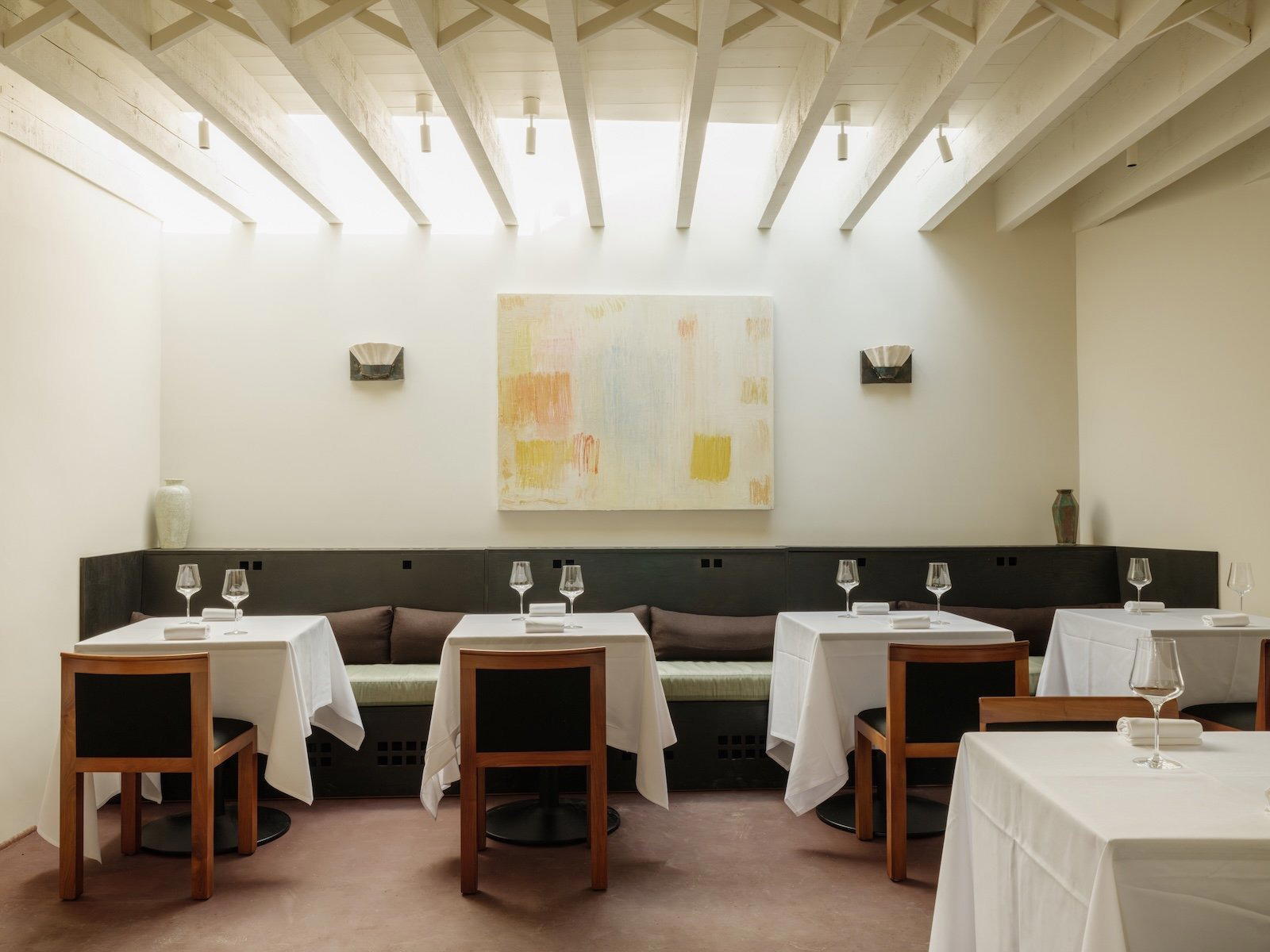
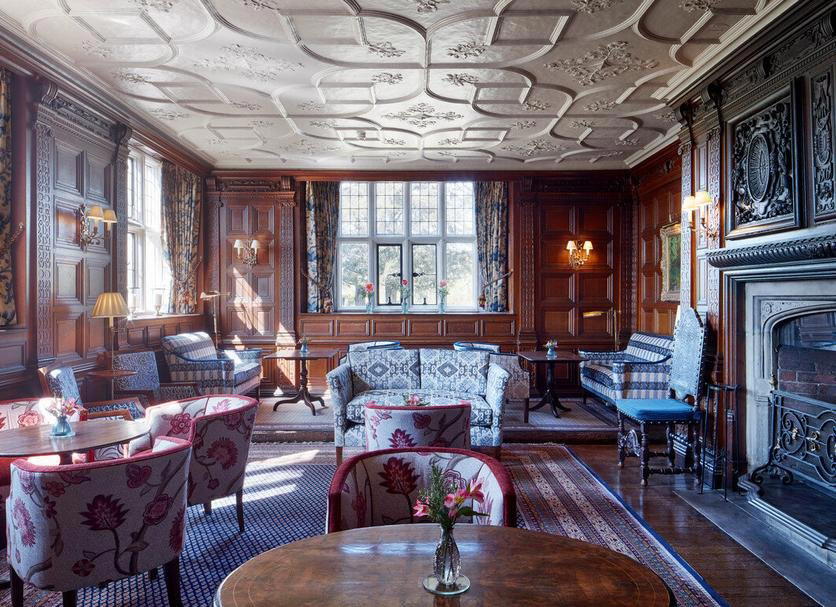
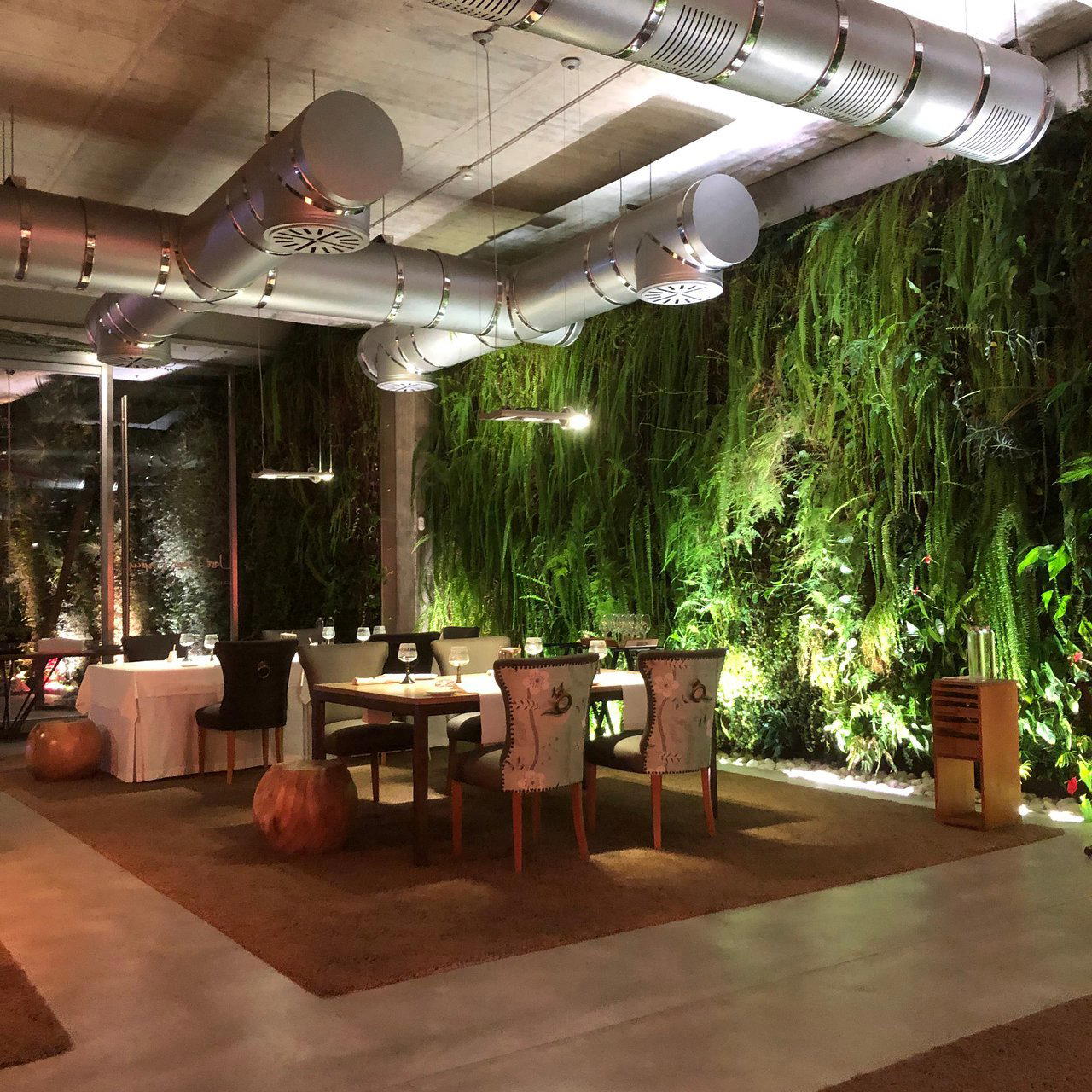
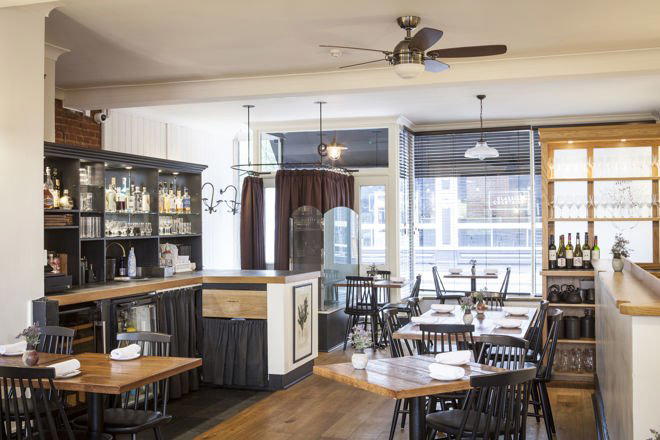
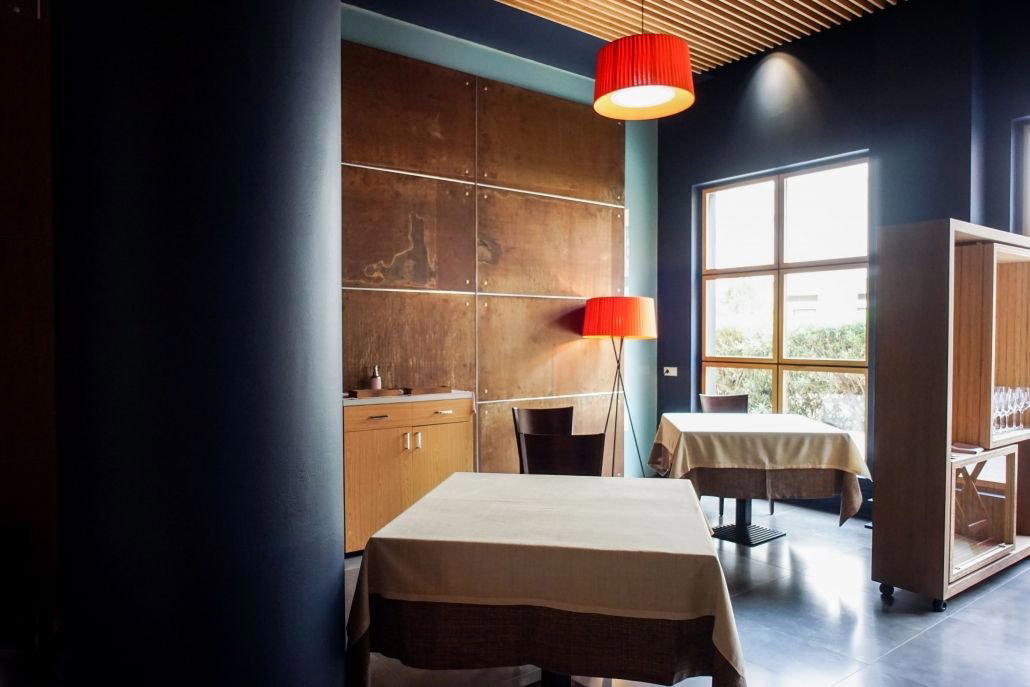
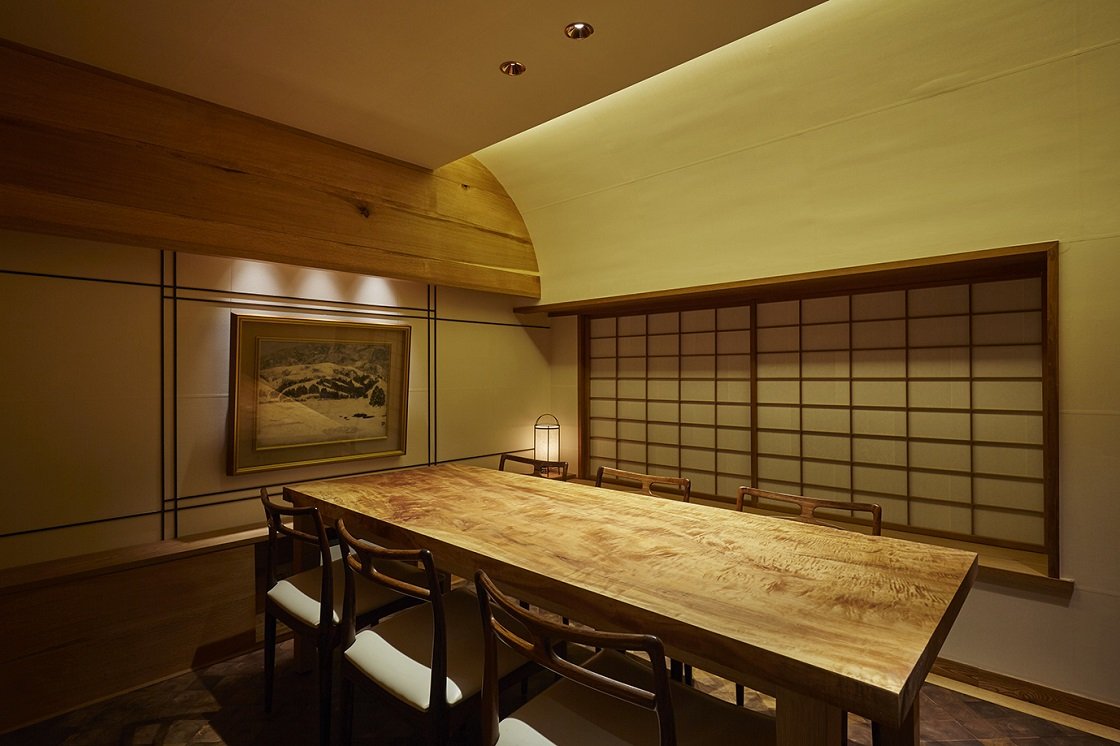
Oryori Yamada occupies a fourth-floor room in a vertical food complex, and the arrival by elevator immediately shifts the mood from casual street bustle to a quieter, more deliberate experience. The space privileges privacy and focus—fewer distractions let the cooking take center stage. The service and structure of the meal reward attentive repeat visits rather than one-off impressions, so the overall feel is refined, intimate and quietly confident rather than flashy. Diners who appreciate considered pacing and understatement will find the room’s restrained atmosphere exactly suited to the cuisine.
Best For
This is a place for diners who plan their meals deliberately: professionals who stop by at lunch and an evening crowd who choose the address rather than stumble in. With a tasting-menu approach and placement at the higher ¥¥¥¥ tier, it sits alongside destination-level restaurants in Osaka and is especially well suited to date nights, business dinners and special-occasion evenings. The structure of the menu—highlighted by a meaningful closing rice sequence—makes it a better fit for those settling in for a full, unhurried service rather than quick stops.
Ordering Tips
Treat the progression of the meal as intentional: the menu’s closing rice sequence is described as one of the most considered parts, not a formality. Plan to experience the full sequence rather than skipping the finale, and allow the pacing to unfold—return visits are rewarded as recurring elements gain resonance. Given the room’s privacy and focus, come prepared to engage with the tasting format and leave space for the concluding courses that complete the meal.
Venue details
Ambiance
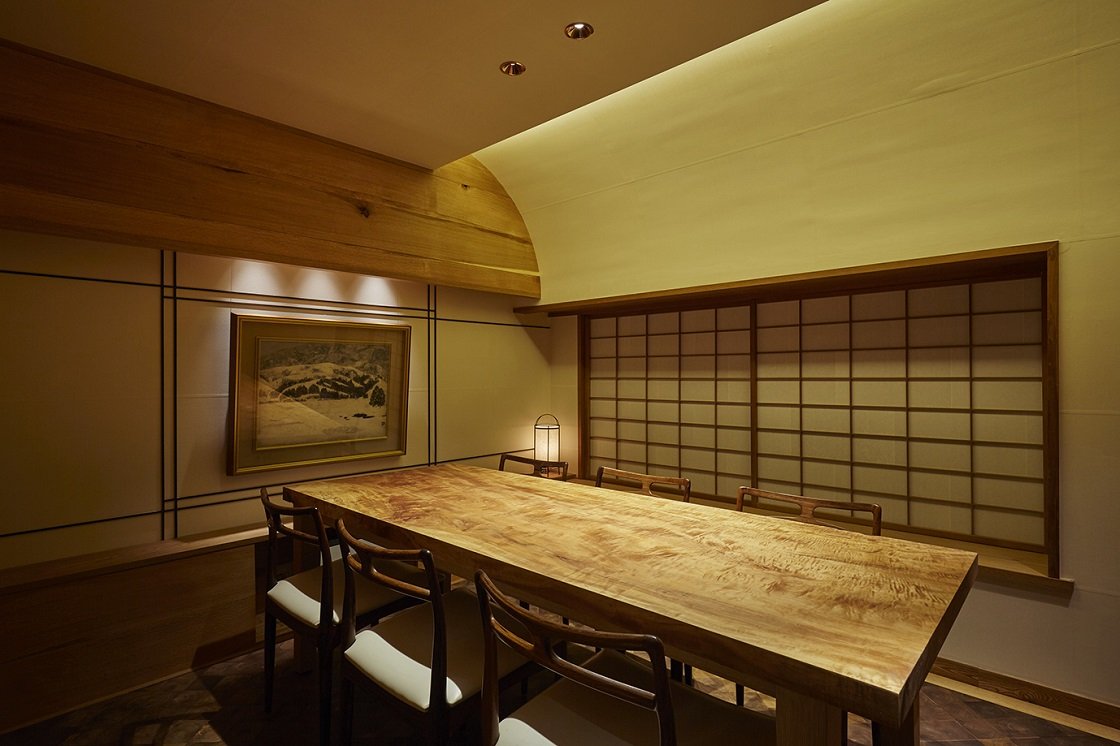
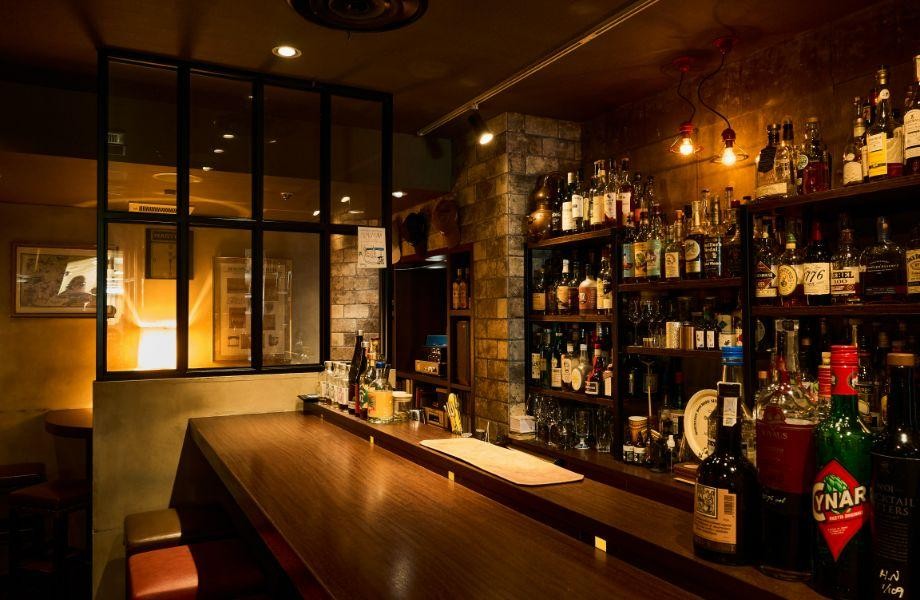
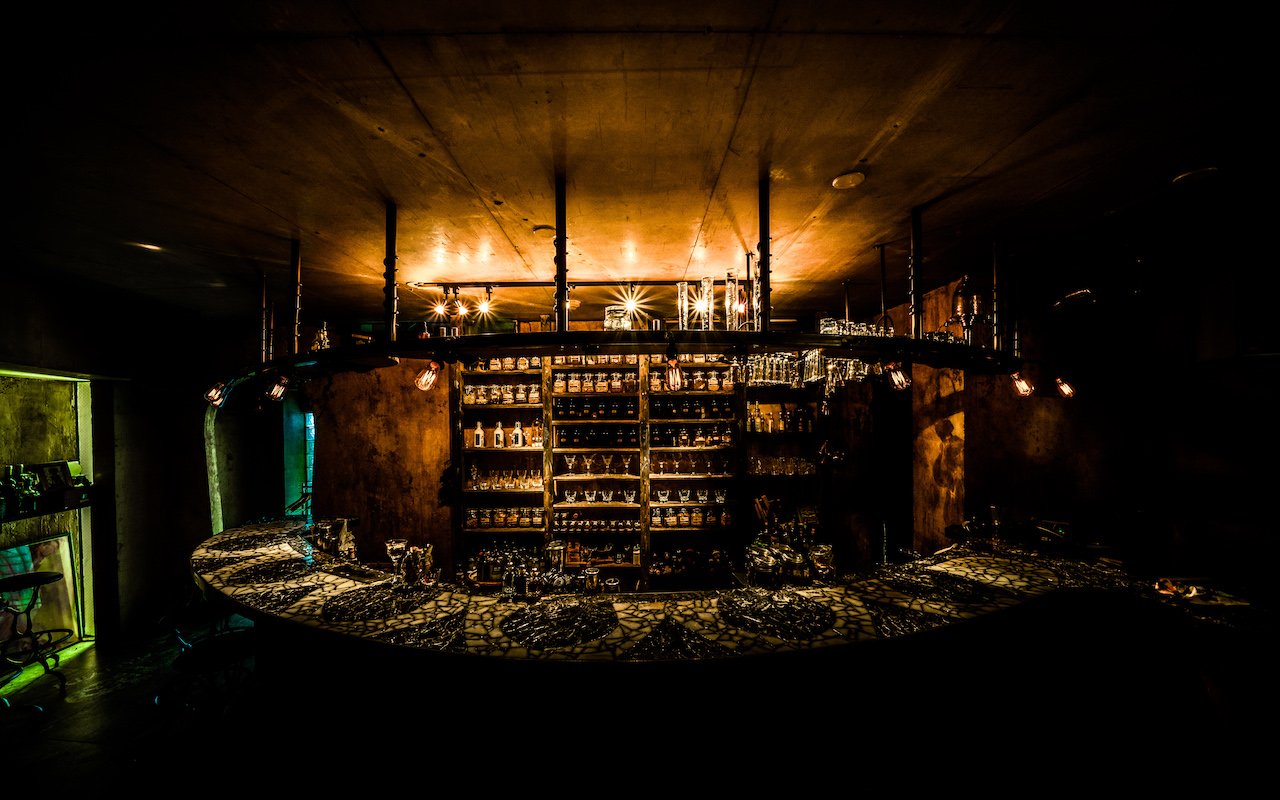
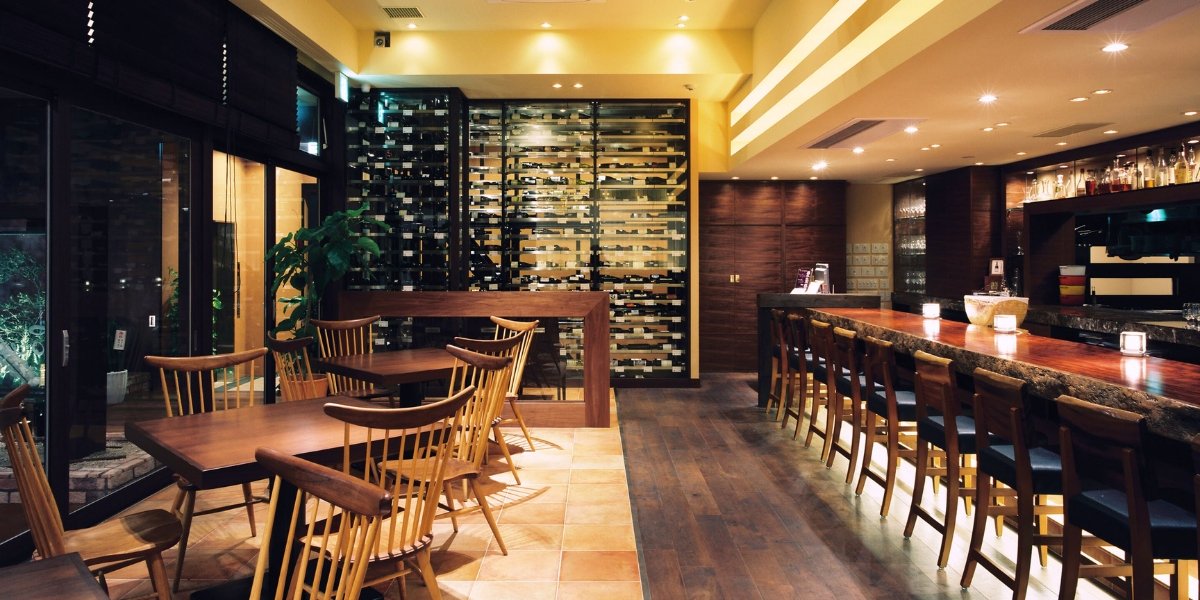
Dynamic counter with open kitchen or tranquil private room, intimate and memorable atmosphere.
Tags
Vibe
Best For
Experience
At the Table
- Dress Code
- Smart Casual
- Noise Level
- Quiet
- Service Style
- Formal
- Meal Pacing
- Leisurely
- Capacity
- Intimate
Know before you go
Know Before You Go
- Getting there
- Japan, 〒530-0047 Osaka, Kita Ward, Nishitenma, 4 Chome−7−7 サン・システム西天満ガストロプラザ 4階
Planning details
Location
Japan, 〒530-0047 Osaka, Kita Ward, Nishitenma, 4 Chome−7−7 サン・システム西天満ガストロプラザ 4階 · Directions
Recognition and awards
Also consider
Also Consider
- HAJIME, French, Innovative, ¥¥¥¥
- La Cime, French, ¥¥¥¥
- Kashiwaya Osaka Senriyama, Japanese, ¥¥¥
- Taian, Kaiseki, Japanese, ¥¥¥
- Fujiya 1935, Innovative, ¥¥¥¥
Restaurant context
Within Osaka's ¥¥¥¥ tier, Oryori Yamada's closest direct comparison is not a French kitchen but another Japanese room with a strong point of view. Kashiwaya Osaka Senriyama and Taian both operate at ¥¥¥ and offer more traditional kaiseki structure, if you want formal seasonal sequencing and a lower bill, either is a practical alternative. Oryori Yamada's extra spend buys you creative freedom: the kitchen breaks with convention deliberately, and the Michelin inspectors flagged that ingenuity explicitly in their citation. For diners who want to eat something distinctly Osakan at the starred level, Oryori Yamada is the more pointed choice.
If your preference runs toward French-rooted innovation at the same price tier, HAJIME and La Cime are the main ¥¥¥¥ rivals. Both carry deeper European wine programs than a Japanese room is likely to offer, which matters if beverage pairing is a priority for your occasion. HAJIME operates at the higher end of the prestige range and is the harder booking of the two. La Cime is more accessible and arguably the better value for diners who want French technique without a multi-hour ritual. Oryori Yamada sits apart from both: it is not competing on wine list depth or French technique, but on a specific regional Japanese identity that neither of those kitchens attempts.
Fujiya 1935 rounds out the ¥¥¥¥ innovative set and is worth considering if you want a more experimental, avant-garde experience. Of the group, Oryori Yamada is the clearest choice for a diner who wants Japanese food that feels genuinely local to Osaka rather than international in ambition. Book Kashiwaya or Taian if budget is a constraint. Book HAJIME or La Cime if the wine list is central to your evening. Book Oryori Yamada if the meal itself, creative, generous, rooted in Naniwa's ingredients, is the point.
Explore Osaka
Around this place
Discover more on Pearl
Unlock the full Oryori Yamada guide in Pearl, including awards, comparisons, FAQs, planning details, and nearby places.
Compare Oryori Yamada
| Venue | Cuisine | Price | Awards | Booking Difficulty |
|---|---|---|---|---|
| Oryori Yamada | Japanese | ¥¥¥¥ | 2026 Michelin 1 Star2024 Michelin 1 Star | Hard |
| HAJIME | French, Innovative | ¥¥¥¥ | Star Wine Lists 2026 · #12026 Tabelog Bronze · #922026 OAD Top Restaurants in Japan Ranked · #98Michelin Guide Kyoto Osaka 20262026 La Liste Top RestaurantsTabelog 100 - Innovative / Creative cuisine - 2025 · #692025 Asia's 50 Best Restaurants · #832025 OAD Top Restaurants in Japan Ranked · #87We're Smart World Top Restaurants 2025 | Unknown |
| La Cime | French | ¥¥¥¥ | 2026 Asia's 50 Best Restaurants · #132026 OAD Top Restaurants in Japan Ranked · #1492026 Tabelog Bronze · #231Michelin Guide Kyoto Osaka 20262026 La Liste Top Restaurants2025 Asia's 50 Best Restaurants · #82025 World's 50 Best Restaurants · #44Tabelog 100 - French - WEST - 2025 · #932025 OAD Top Restaurants in Japan Ranked · #123 | Unknown |
| Kashiwaya Osaka Senriyama | Japanese | ¥¥¥ | 2026 Tabelog Bronze · #1682026 OAD Top Restaurants in Japan Recommended2026 Relais Chateaux RestaurantsMichelin Guide Kyoto Osaka 20262026 La Liste Top RestaurantsTabelog 100 - Japanese cuisine - WEST - 2025 · #772025 OAD Top Restaurants in Japan Ranked · #1552025 Relais Chateaux Award2025 Michelin 3 Stars | Unknown |
| Taian | Kaiseki, Japanese | ¥¥¥ | 2026 OAD Top Restaurants in Japan RecommendedMichelin Guide Kyoto Osaka 20262026 La Liste Top Restaurants2025 OAD Top Restaurants in Japan Ranked · #2042025 La Liste Top Restaurants2025 Michelin 3 Stars2024 OAD Top Restaurants in Japan Ranked · #1912024 Michelin 3 Stars2023 OAD Top Restaurants in Japan Highly Recommended | Unknown |
| Fujiya 1935 | Innovative | ¥¥¥¥ | 2026 Tabelog Bronze · #752026 OAD Top Restaurants in Japan RecommendedMichelin Guide Kyoto Osaka 20262026 La Liste Top Restaurants2025 Michelin 2 Stars2025 Tabelog Silver2025 La Liste Top Restaurants2024 OAD Top Restaurants in Japan Ranked · #2392024 Michelin 2 Stars | Unknown |










How Oryori Yamada stacks up against the competition.
FAQ
Frequently Asked Questions
Is Oryori Yamada good for solo dining?
Yes, solo diners fit well in a counter-style Japanese restaurant of this format. The multi-course structure at Oryori Yamada, including its distinctive three-rice finale, gives a solo guest plenty to focus on without the social scaffolding a group dinner provides. At ¥¥¥¥, it is a serious spend for one, but the Michelin recognition (2024, one star) confirms the cooking justifies the seat.
What should a first-timer know about Oryori Yamada?
The kitchen leans into Osaka's own Naniwa vegetable traditions rather than a generic kaiseki template, so expect regional character over safe crowd-pleasing. Courses build toward a three-part rice sequence — white rice with accompaniments, pickled fish on rice, and seasonal mixed rice — with free refills, which is unusual at this price tier. Book well in advance; Michelin-starred counters in Osaka fill quickly, particularly since the 2024 star was awarded.
Is Oryori Yamada worth the price?
At ¥¥¥¥ with a 2024 Michelin star, the value case is solid if creative, tradition-rooted Japanese cuisine is your format. The menu shows genuine invention — sashimi with deep-fried onions and grated daikon, fish courses accented with mushroom and vegetable sauces — rather than formula. If you want more European-influenced finesse at a similar price point, La Cime in Osaka is the better comparison.
What are alternatives to Oryori Yamada in Osaka?
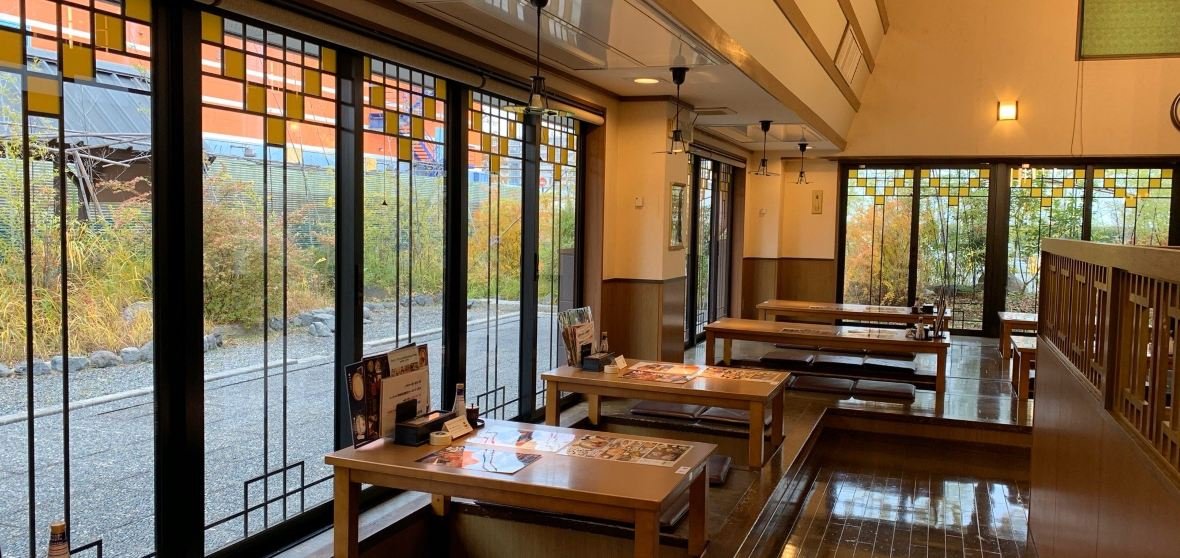
For French-Japanese fusion at a comparable or higher price point, La Cime (two Michelin stars) is the sharpest alternative. Taian and Kashiwaya Osaka Senriyama both offer traditional kaiseki if you want a more formal tatami-room experience. Fujiya 1935 suits diners who prefer a modernist approach with strong aesthetic presentation. Hajime sits at the highest tier — three Michelin stars — and warrants a separate budget conversation.
Is the tasting menu worth it at Oryori Yamada?
Based on the 2024 Michelin one-star recognition, yes. The menu's structure is specific enough to make a case: creative sashimi garnishes, vegetable-forward sauce work on fish courses, and the three-rice closing sequence with free refills show deliberate composition rather than a generic progression. For diners who prefer à la carte flexibility, this format will feel restrictive — but that is the trade-off at any serious Japanese counter.
Is Oryori Yamada good for a special occasion?
Yes, with a caveat on group size. The fourth-floor setting in Nishitenma's Gastroplaza building is not a grand dining room, so if you are planning a large celebration, check capacity before booking. For a dinner for two or a small group, the Michelin-starred multi-course format with its considered rice finale makes a natural occasion meal. Kita Ward has strong pre- and post-dinner options nearby if you want to build an evening around it.