
Oryori Matsumura
Japanese · Jōtō, Osaka
Restaurant in Osaka, Japan
 Book with Pearl
The Read
Ingredient-Purism Kaiseki
Price
¥¥¥
Dress
Smart Casual
Why go
Oryori Matsumura is a Michelin Plate-recognised Japanese restaurant in Osaka's Joto Ward, where chef Tomonori Matsumura applies ryotei foundations and French technique to create ingredient-driven cooking at the ¥¥¥ tier. With Easy booking difficulty, it is one of the more accessible serious Japanese tables in the city — and worth a second visit once you know what to look for.
About Oryori Matsumura
Verdict
It sits at ¥¥¥ pricing, which places it in the same accessible-premium tier as Kashiwaya Osaka Senriyama and Taian, rather than the ¥¥¥¥ range of Osaka's heaviest hitters. If you are looking for a chef with a clear, articulable cooking philosophy, a Franco-Japanese technique set, and a price point that does not require a special occasion to justify, Oryori Matsumura is worth booking. Booking is rated Easy, so there is no urgency pressure — but the small scale of the operation means that changes on short notice.
About Oryori Matsumura
Oryori Matsumura sits in Gamou, Joto Ward — not in the central dining precincts where Osaka's most-visited restaurants cluster. That address alone tells you something useful: this is not a venue engineered for tourist foot traffic. Chef Tomonori Matsumura trained at a traditional ryotei before spending time in France, and the influence of both is visible in his stated approach. His working principle, make ingredients taste even more like themselves, is a practical guide to what you will encounter here, not a marketing abstraction. Reduced shrimp stock layered into shrimp dishes, butter and fresh cream used sparingly to deepen rather than redirect flavour: this is refinement applied at the ingredient level, not decoration applied at the plate level.
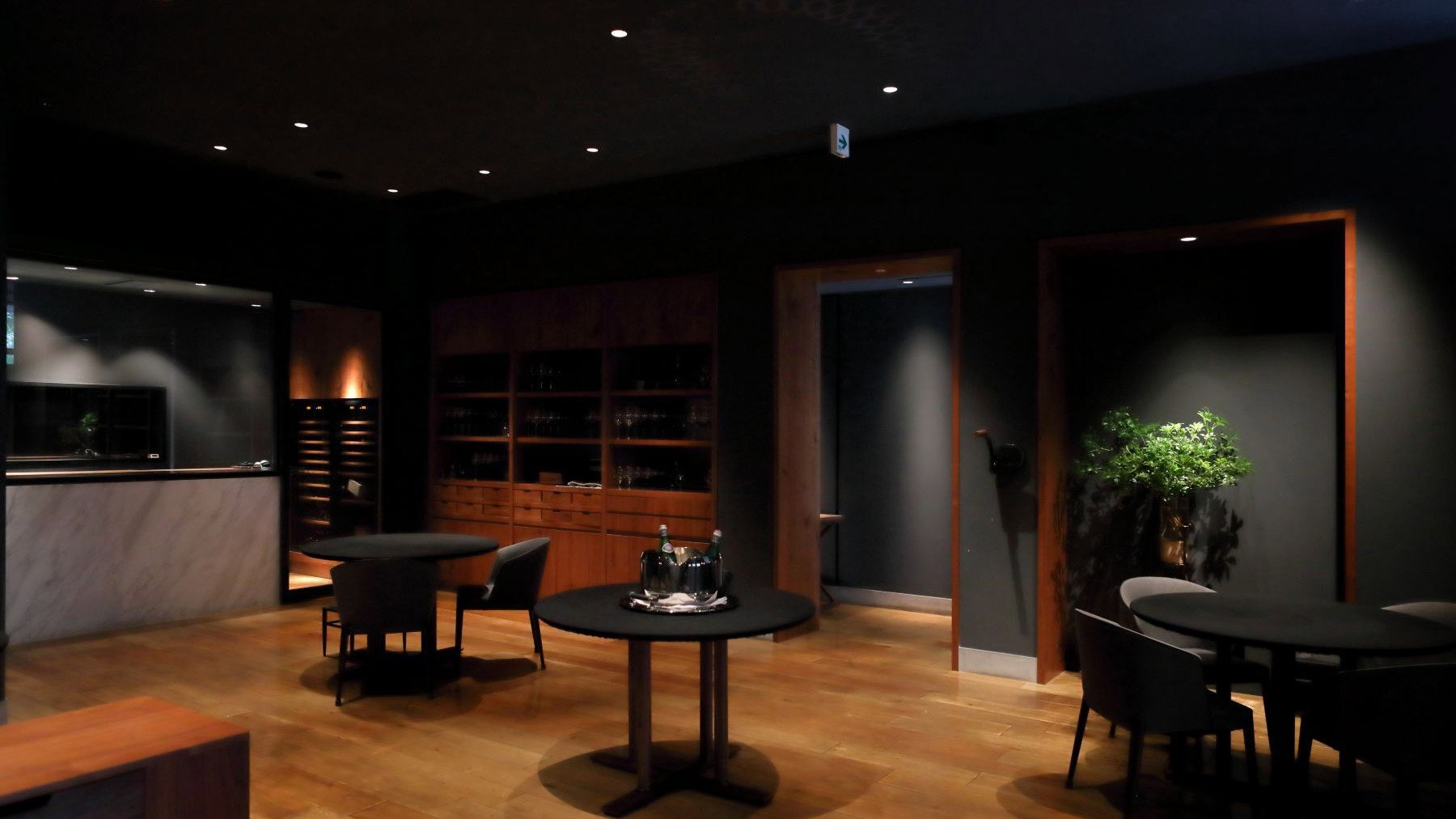
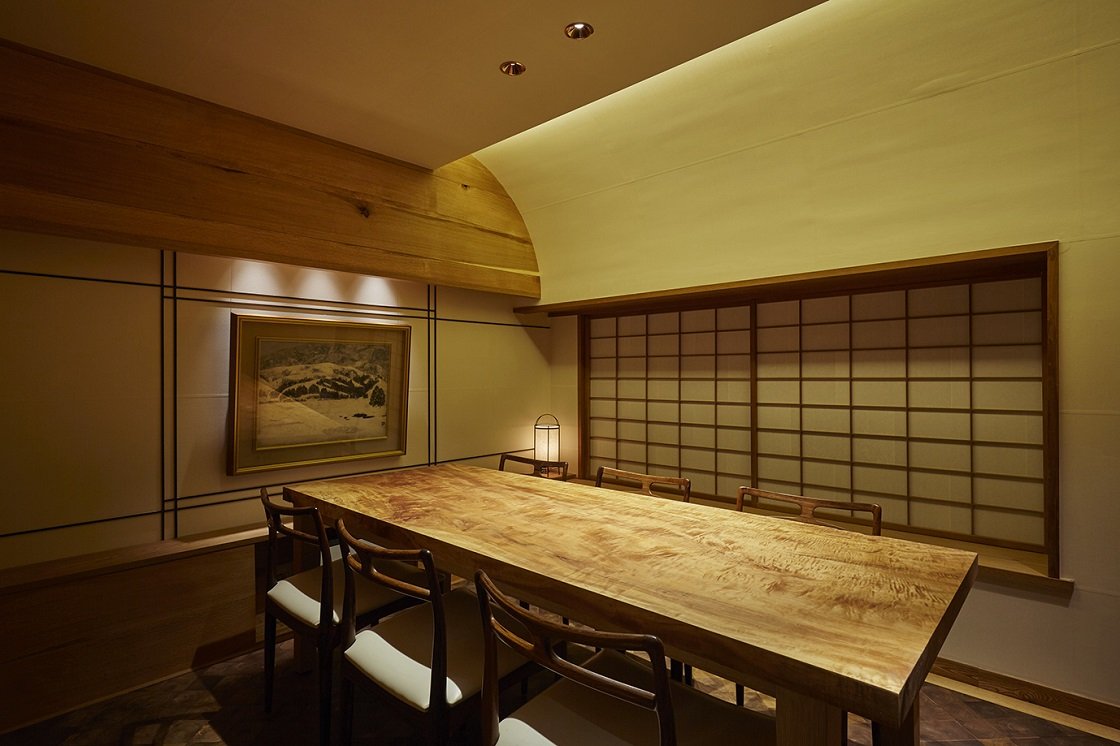
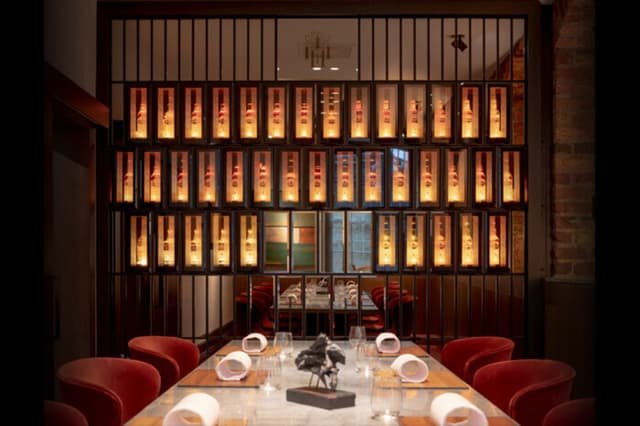
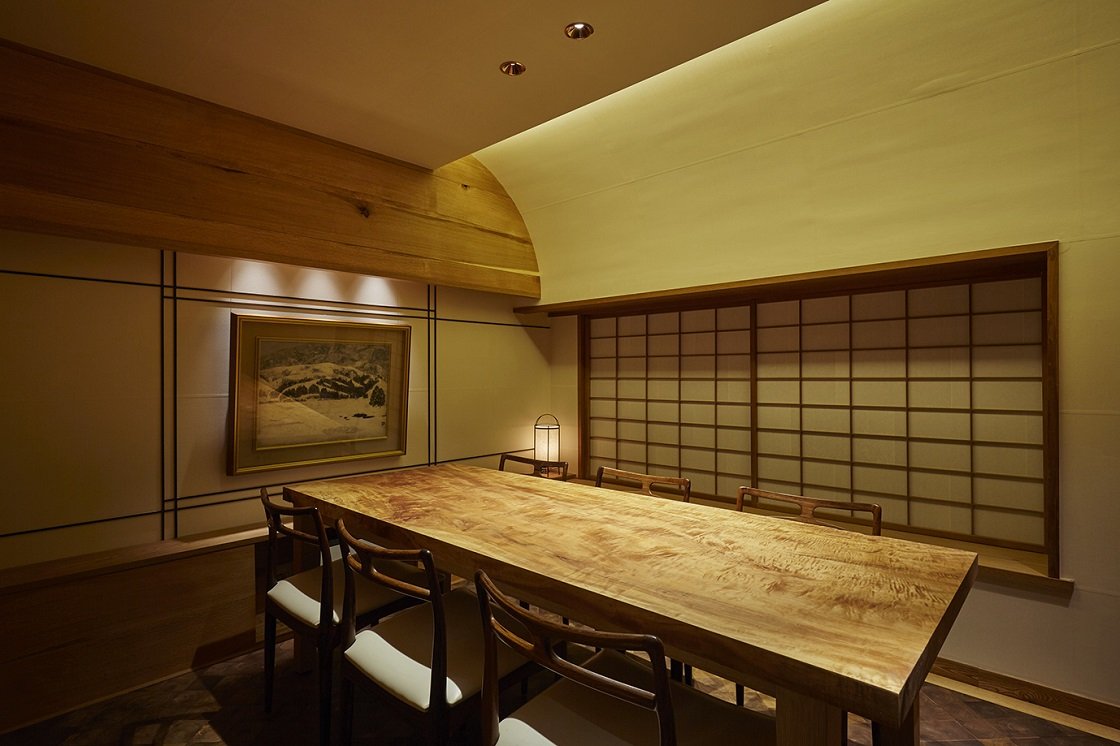
The spatial character of Oryori Matsumura is consistent with a chef-owner operation of this scale and location. Joto Ward is a residential and commercial district away from Namba or Shinsaibashi, which means the dining room is likely compact and intimate rather than architecturally grand. For a returning visitor, that intimacy is an asset: the counter or table proximity that comes with a small room is part of what makes a second visit feel different from a restaurant with 60 covers. You are not anonymous here. The service model at this price tier and scale tends toward attentive and personal rather than formal and choreographed, which is precisely where ¥¥¥ Japanese restaurants either earn their pricing or fall short. Based on the 4.9 rating, small sample, but consistent, the former appears to be the case.
Matsumura's ambition is explicitly long-range: his aim is to create Japanese cuisine that will be discussed for generations. That framing is not mere rhetoric, it signals a chef who is thinking about technique longevity rather than seasonal trend capture. The Franco-Japanese synthesis he practices has precedent in Osaka's dining scene, but his specific iteration, anchored in the ryotei tradition and refined with French method rather than French ingredient substitution, gives the cooking a grounded character. If you visited once and found the cooking precise but wanted to understand the logic better, a second visit with more intention, watching how the seasoning builds across a sequence of courses, is the right move.
For context on what this style of chef-driven Japanese cooking looks like at higher price points and with more international recognition, you can compare experiences at Gion Sasaki in Kyoto or Harutaka in Tokyo. Both operate at a higher price tier with longer booking windows. Oryori Matsumura offers a more accessible entry point to the same serious-cooking category.
Service and Price Calibration
The ¥¥¥ price point at Oryori Matsumura positions it clearly: this is not a casual neighbourhood dinner, but it is also not the kind of outlay that requires months of planning. The editorial question at this price tier is always whether the service justifies the step up from a ¥¥ neighbourhood restaurant. If you want the full theatrics of a multi-staff kaiseki service, Taian or Kashiwaya Osaka Senriyama are better calibrated for that expectation. What Matsumura offers instead is proximity to the chef's thinking, a service model where the food's internal logic is the main event, and the room supports rather than competes with it.
For returning diners, this distinction matters. The first visit is about orientation: understanding the rhythm of the menu, the weight of the flavour progression, the balance between Japanese restraint and French technique. The second visit is where Oryori Matsumura becomes genuinely interesting, because you arrive with a framework and can pay attention to the details, the stock reductions, the subtle cream applications, the way seasoning is built rather than added. That is the experience worth coming back for.
If you are travelling across Japan and building a dining itinerary, Oryori Matsumura fits well alongside akordu in Nara or Goh in Fukuoka for a picture of how Japanese chefs are working with cross-cultural technique at the ¥¥¥ tier. For Osaka dining more broadly, see our full Osaka restaurants guide. Other venues in Osaka worth comparing at a similar tier include Miyamoto, Yugen, Oimatsu Hisano, and Tenjimbashi Aoki.
Practical Details
| Detail | Oryori Matsumura | Kashiwaya Osaka Senriyama | Taian |
|---|---|---|---|
| Price tier | ¥¥¥ | ¥¥¥ | ¥¥¥ |
| Cuisine | Japanese (Franco-Japanese) | Japanese | Kaiseki / Japanese |
| Recognition | Michelin Plate (2024, 2025) | Michelin recognised | Michelin recognised |
| Booking difficulty | Easy | Moderate | Moderate |
| Location | Joto Ward (off-centre) | Senriyama | Central Osaka |
| N/A | N/A |
Explore More in Osaka and Beyond
- Our full Osaka restaurants guide
- Our full Osaka hotels guide
- Our full Osaka bars guide
- Our full Osaka wineries guide
- Our full Osaka experiences guide
- Myojaku, Japanese in Tokyo
- Azabu Kadowaki, Japanese in Tokyo
- 1000 in Yokohama
- 6 in Okinawa
FAQ
How far ahead should I book Oryori Matsumura?
- Booking difficulty is rated Easy, meaning you do not need to plan months in advance as you would for Osaka's most competed-for Michelin tables.
- That said, the small scale of the operation means availability can shift quickly. Booking one to two weeks out is a sensible baseline.
- If you are visiting Osaka during peak travel periods (Golden Week, autumn foliage season, cherry blossom in spring), add extra lead time as a precaution.
- For comparison: HAJIME at ¥¥¥¥ is considerably harder to secure; Oryori Matsumura is a more forgiving booking at a lower price point.
Is Oryori Matsumura good for solo dining?
- A chef-owner Japanese restaurant at ¥¥¥ in a compact, off-centre location is generally well-suited to solo diners.
- The cooking philosophy here, built around ingredient focus and technical precision, rewards close attention, which solo dining facilitates.
- If counter seating is available, request it: proximity to the kitchen gives you more context for the Franco-Japanese technique at work in the menu.
- Solo diners who want a similar experience in Tokyo should consider Harutaka or Myojaku for comparison.
Can Oryori Matsumura accommodate groups?
- Given the small scale and off-centre Joto Ward location, this venue is better suited to parties of two to four than large groups.
- If you are organising a group of six or more, contact the restaurant directly to confirm capacity before committing, seat count is not published.
- For larger group dining at the ¥¥¥ tier in Osaka, Kashiwaya Osaka Senriyama or Tenjimbashi Aoki may have more flexible configurations.
- At ¥¥¥ per head, a group booking here represents solid value relative to the ¥¥¥¥ alternatives, provided the room can accommodate your party size.
Planning details
- Location
- 4 Chome-20-11 Gamou, Joto Ward, Osaka, 536-0016, Japan
- Website
- o-matsumura.com
- Phone
- +81 6-6180-5976
The take
The Take
The Vibe
Oryori Matsumura feels like a purposeful discovery: a residential address east of Osaka’s busy cores that rewards visitors who make the detour. The dining room leans on ryotei discipline—quiet, ingredient-first cooking shaped by Kansai dashi and seasonal restraint—so the experience reads as classic and composed rather than showy. Michelin’s Plate nods to a kitchen focused on clarity and craft, and the place draws a local clientele rather than the tourist tide. Expect an understated, unhurried atmosphere where the food, not theatrics, frames the evening.
Best For
This is chiefly an evening destination—an intentional dinner spot for couples and small groups marking a special occasion. The ryotei roots and private-room format make it a natural choice for date nights or celebratory meals that prize formality and seasonal technique over casual bustle. Its placement in the ¥¥¥ tier and the Michelin Plate recognition position it as a serious, reservation-minded option for diners who seek classic Kansai flavors executed with restraint and a quietly refined service model.
Ordering Tips
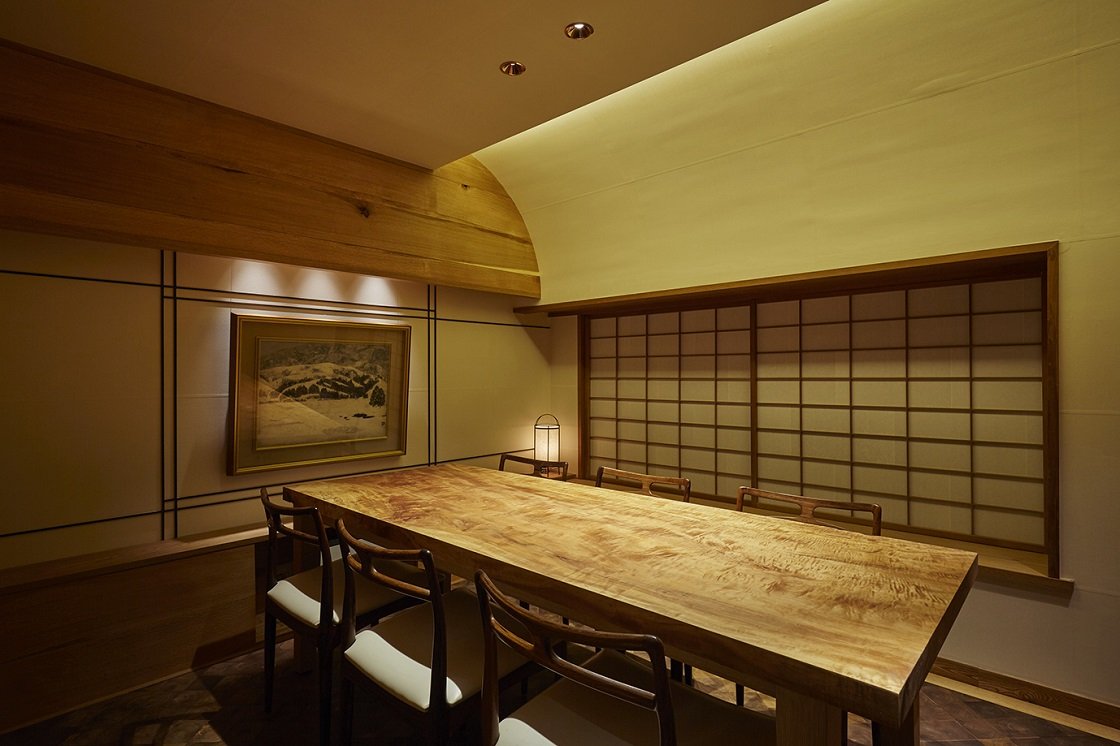
Book in advance and lean into the seasonal course structure: Chef Matsumura’s approach is rooted in ryotei discipline and Kansai dashi, so the house courses showcase the season. Signature items—sea-bream miso and shinjo—are emblematic of the kitchen’s focus and are good touchstones if offered. Given the restaurant’s out-of-center location and Michelin Plate recognition, allow the staff to guide selections within the seasonal course progression and request a private room if you want the full ryotei-style experience.
Venue details
Ambiance
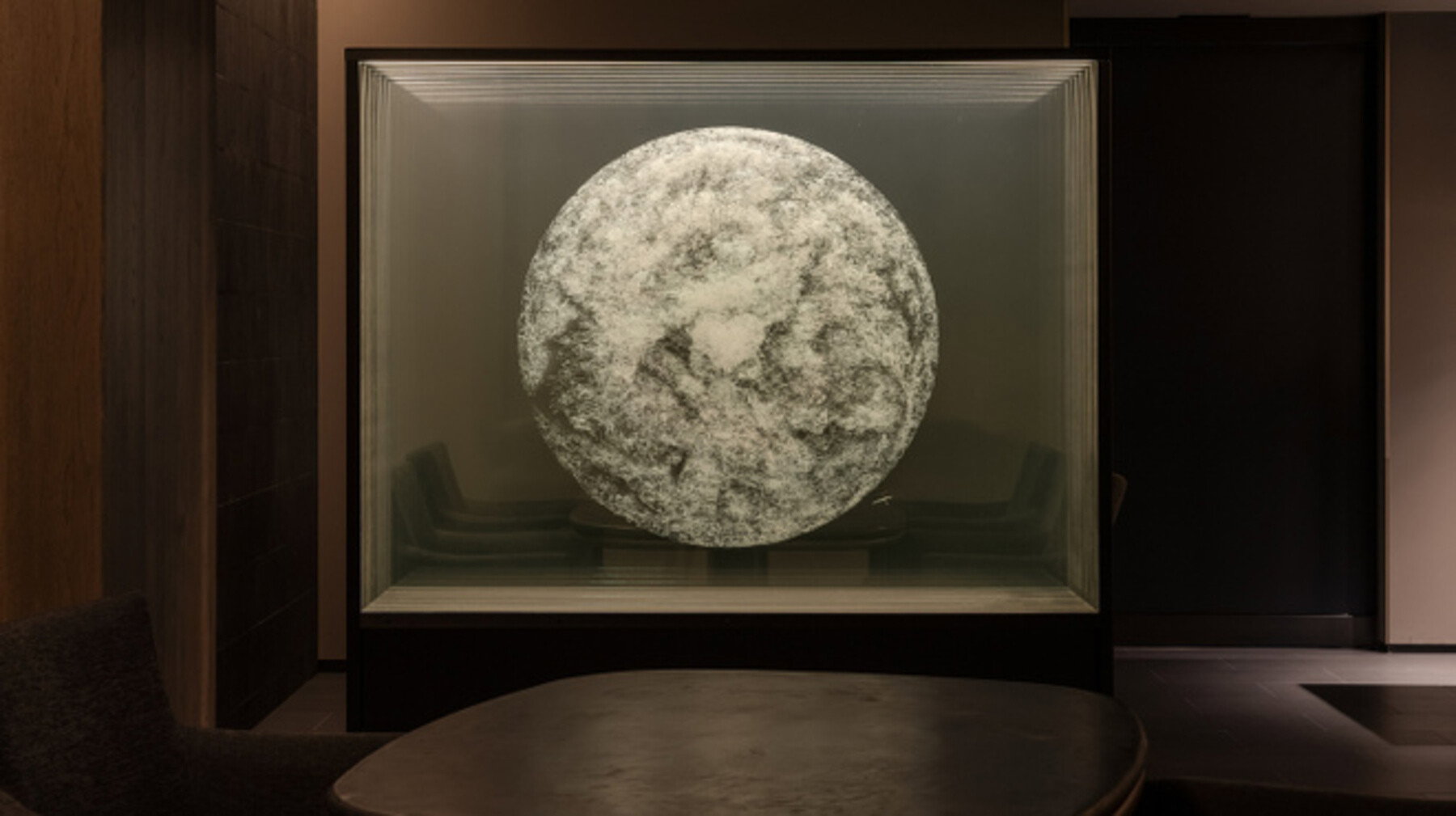
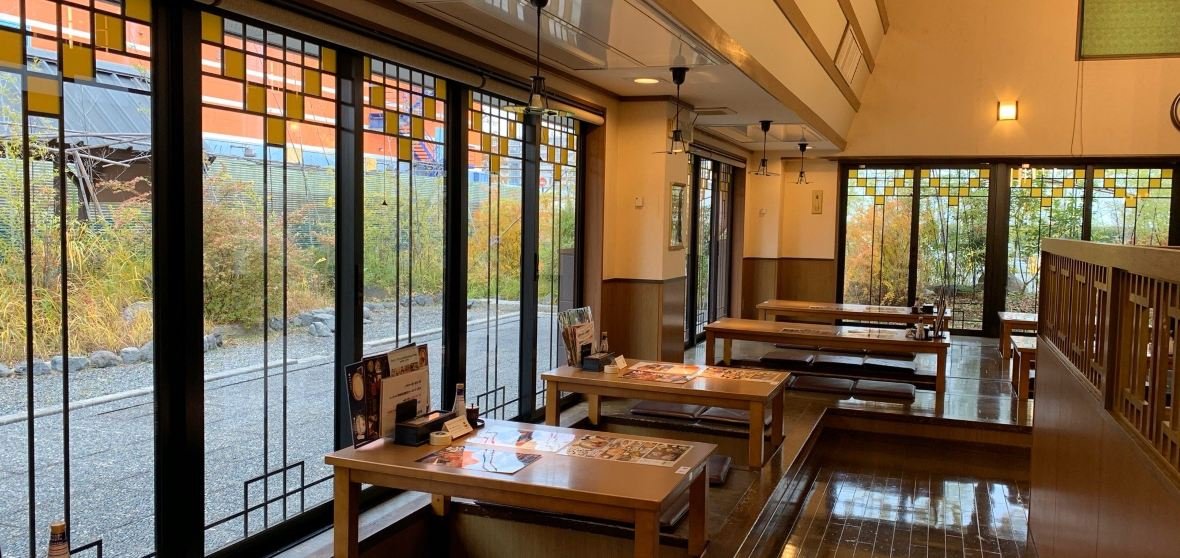
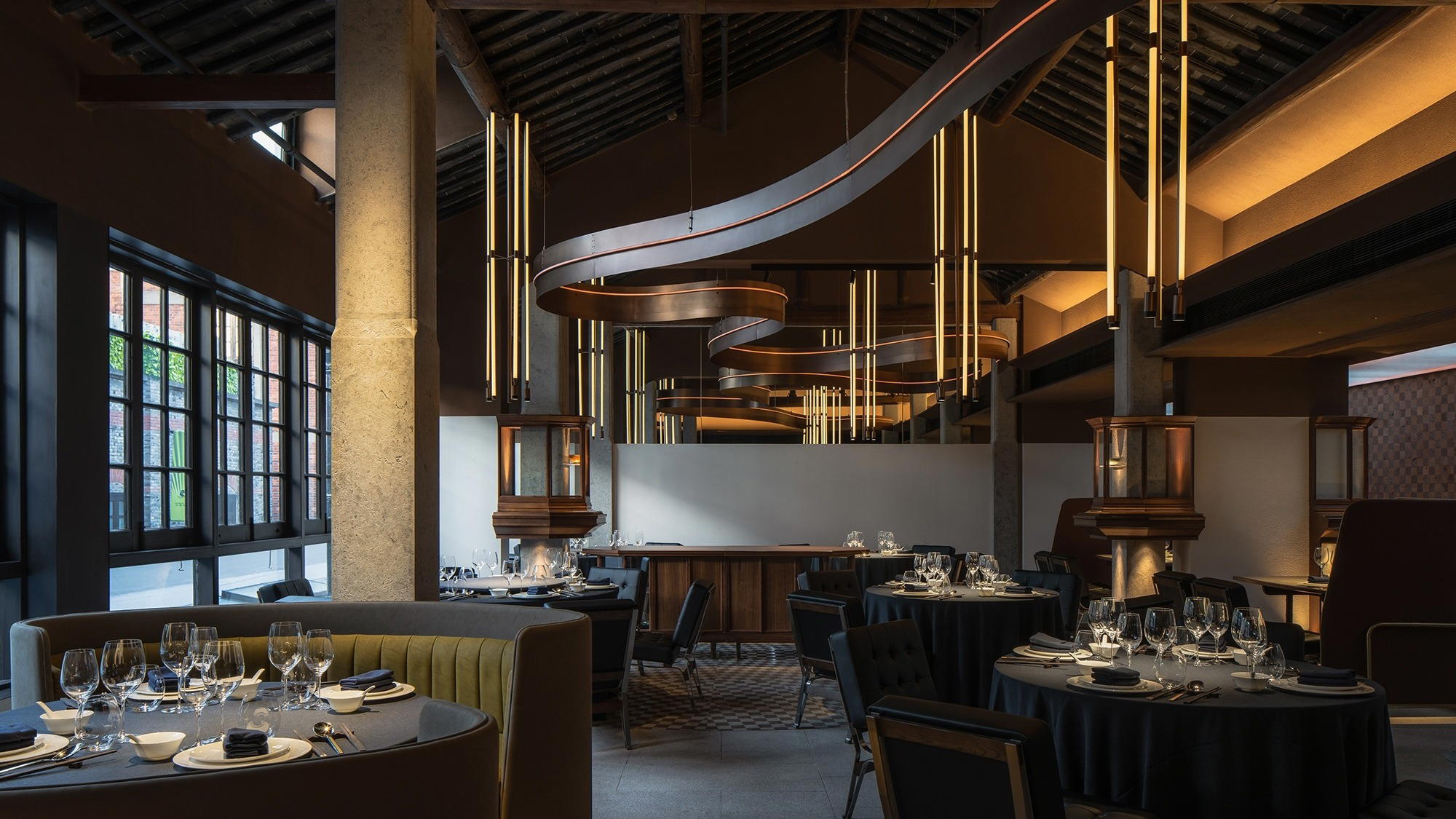
Calm residential-scale interior with natural materials, close table spacing, and focused lighting to highlight each plate.
Tags
Vibe
Best For
Experience
Sourcing
At the Table
- Dress Code
- Smart Casual
- Noise Level
- Quiet
- Service Style
- Formal
- Meal Pacing
- Leisurely
- Capacity
- Intimate
Signature Dishes
- sea-bream miso
- shinjo
- Kansai dashi courses
Know before you go
Know Before You Go
- Getting there
- 4 Chome-20-11 Gamou, Joto Ward, Osaka, 536-0016, Japan
Planning details
Location
Recognition and awards
Also consider
Also Consider
- HAJIME, French, Innovative, ¥¥¥¥
- La Cime, French, ¥¥¥¥
- Kashiwaya Osaka Senriyama, Japanese, ¥¥¥
- Taian, Kaiseki, Japanese, ¥¥¥
- Fujiya 1935, Innovative, ¥¥¥¥
Restaurant context
At ¥¥¥, Oryori Matsumura sits in a different conversation from Osaka's ¥¥¥¥ restaurants. HAJIME and Fujiya 1935 are operating at a higher price tier with significantly harder bookings and a more internationally-oriented approach to innovation. La Cime is similarly positioned at ¥¥¥¥ and leans French rather than Japanese. If your budget or preference runs toward those levels, the trade-off you are making at Oryori Matsumura is less ceremony and less booking difficulty in exchange for a more direct, chef-centred experience.
Within the ¥¥¥ tier, the more relevant comparisons are Kashiwaya Osaka Senriyama and Taian. Kashiwaya Osaka Senriyama offers a more traditional kaiseki framework with a formal service structure; it is the right choice if you want the full Japanese dining ritual. Taian is similarly kaiseki-oriented and centrally located, making it easier to combine with other Osaka plans. Oryori Matsumura's Franco-Japanese hybrid approach is a distinct offer from either of these, if classical kaiseki is what you are after, book Kashiwaya or Taian instead. If you want to see how French technique integrates into Japanese ingredient philosophy, Matsumura is the clearer choice at this price point.
On pure value-for-money within its tier: Oryori Matsumura's Easy booking status and ¥¥¥ pricing make it the lowest-friction option among the serious Japanese tables in Osaka. The Michelin Plate recognition in both 2024 and 2025 confirms it is operating above the neighbourhood restaurant level without requiring the planning overhead of a starred venue. For a diner who wants credentialed cooking without the booking anxiety, that combination is worth acting on.
Explore Osaka
Around this place
Discover more on Pearl
Unlock the full Oryori Matsumura guide in Pearl, including awards, comparisons, FAQs, planning details, and nearby places.
Compare Oryori Matsumura
| Venue | Cuisine | Awards | Booking Difficulty |
|---|---|---|---|
| Oryori Matsumura | Japanese | Michelin Guide Kyoto Osaka 20262026 Michelin Plate2025 Michelin Plate2024 Michelin Plate | Easy |
| HAJIME | French, Innovative | Star Wine Lists 2026 · #12026 Tabelog Bronze · #922026 OAD Top Restaurants in Japan Ranked · #98Michelin Guide Kyoto Osaka 20262026 La Liste Top RestaurantsTabelog 100 - Innovative / Creative cuisine - 2025 · #692025 Asia's 50 Best Restaurants · #832025 OAD Top Restaurants in Japan Ranked · #87We're Smart World Top Restaurants 2025 | Unknown |
| La Cime | French | 2026 Asia's 50 Best Restaurants · #132026 OAD Top Restaurants in Japan Ranked · #1492026 Tabelog Bronze · #231Michelin Guide Kyoto Osaka 20262026 La Liste Top Restaurants2025 Asia's 50 Best Restaurants · #82025 World's 50 Best Restaurants · #44Tabelog 100 - French - WEST - 2025 · #932025 OAD Top Restaurants in Japan Ranked · #123 | Unknown |
| Kashiwaya Osaka Senriyama | Japanese | 2026 Tabelog Bronze · #1682026 OAD Top Restaurants in Japan Recommended2026 Relais Chateaux RestaurantsMichelin Guide Kyoto Osaka 20262026 La Liste Top RestaurantsTabelog 100 - Japanese cuisine - WEST - 2025 · #772025 OAD Top Restaurants in Japan Ranked · #1552025 Relais Chateaux Award2025 Michelin 3 Stars | Unknown |
| Taian | Kaiseki, Japanese | 2026 OAD Top Restaurants in Japan RecommendedMichelin Guide Kyoto Osaka 20262026 La Liste Top Restaurants2025 OAD Top Restaurants in Japan Ranked · #2042025 La Liste Top Restaurants2025 Michelin 3 Stars2024 OAD Top Restaurants in Japan Ranked · #1912024 Michelin 3 Stars2023 OAD Top Restaurants in Japan Highly Recommended | Unknown |
| Fujiya 1935 | Innovative | 2026 Tabelog Bronze · #752026 OAD Top Restaurants in Japan RecommendedMichelin Guide Kyoto Osaka 20262026 La Liste Top Restaurants2025 Michelin 2 Stars2025 Tabelog Silver2025 La Liste Top Restaurants2024 OAD Top Restaurants in Japan Ranked · #2392024 Michelin 2 Stars | Unknown |
.png?width=1200&quality=80)









Side-by-side comparison to help you decide where to book.
FAQ
Frequently Asked Questions
Can Oryori Matsumura accommodate groups?
Small groups of 2–4 are the practical target here. Oryori Matsumura holds Michelin Plate status and operates at ¥¥¥ pricing, which signals an intimate, precision-driven format not typically suited to large parties. For groups of 6 or more looking for a comparable Osaka fine-dining experience with confirmed private room options, La Cime or Kashiwaya are worth exploring as alternatives.
Is Oryori Matsumura good for solo dining?
Yes, this is a strong solo choice. Chef Matsumura's philosophy — making each ingredient taste more intensely like itself — rewards focused, unhurried attention, and that format suits solo diners well. At ¥¥¥, the spend is meaningful but not prohibitive for a single cover. If counter seating is available, request it; it tends to offer the clearest view of the kitchen's approach.
What is Oryori Matsumura known for?
Oryori Matsumura is primarily known for Japanese in Osaka.