
Oryori Horikawa
Japanese · Kita, Osaka
Restaurant in Osaka, Japan
 Book with Pearl
The Read
Seasonal Kyoto kaiseki, where festivals bloom across the table
Price
$100–150per person
Dress
Smart Casual
Why go
Oryori Horikawa is a Michelin one-star Japanese restaurant in Osaka's Tenma neighbourhood, offering a seasonal menu rooted in Japan's festive calendar and ryotei-trained technique. At ¥¥¥ pricing, it is one of the stronger value propositions in Osaka's serious Japanese dining tier: but it is hard to book, dine-in only, and requires advance planning to secure a table.
About Oryori Horikawa
Should You Book Oryori Horikawa?
If you can get a reservation, yes: book it. Oryori Horikawa holds a Michelin one-star rating (2024) and operates in a price tier (¥¥¥) that makes it one of the more accessible entry points into serious kaiseki-influenced Japanese cuisine in Osaka's Kita Ward. The insider move: target a weeknight booking made well in advance through a hotel concierge in Osaka, as this is one of those small counter restaurants where a local intermediary dramatically improves your chances of securing a table. Walk-in attempts at a venue of this calibre and size are not a viable strategy.
The Venue
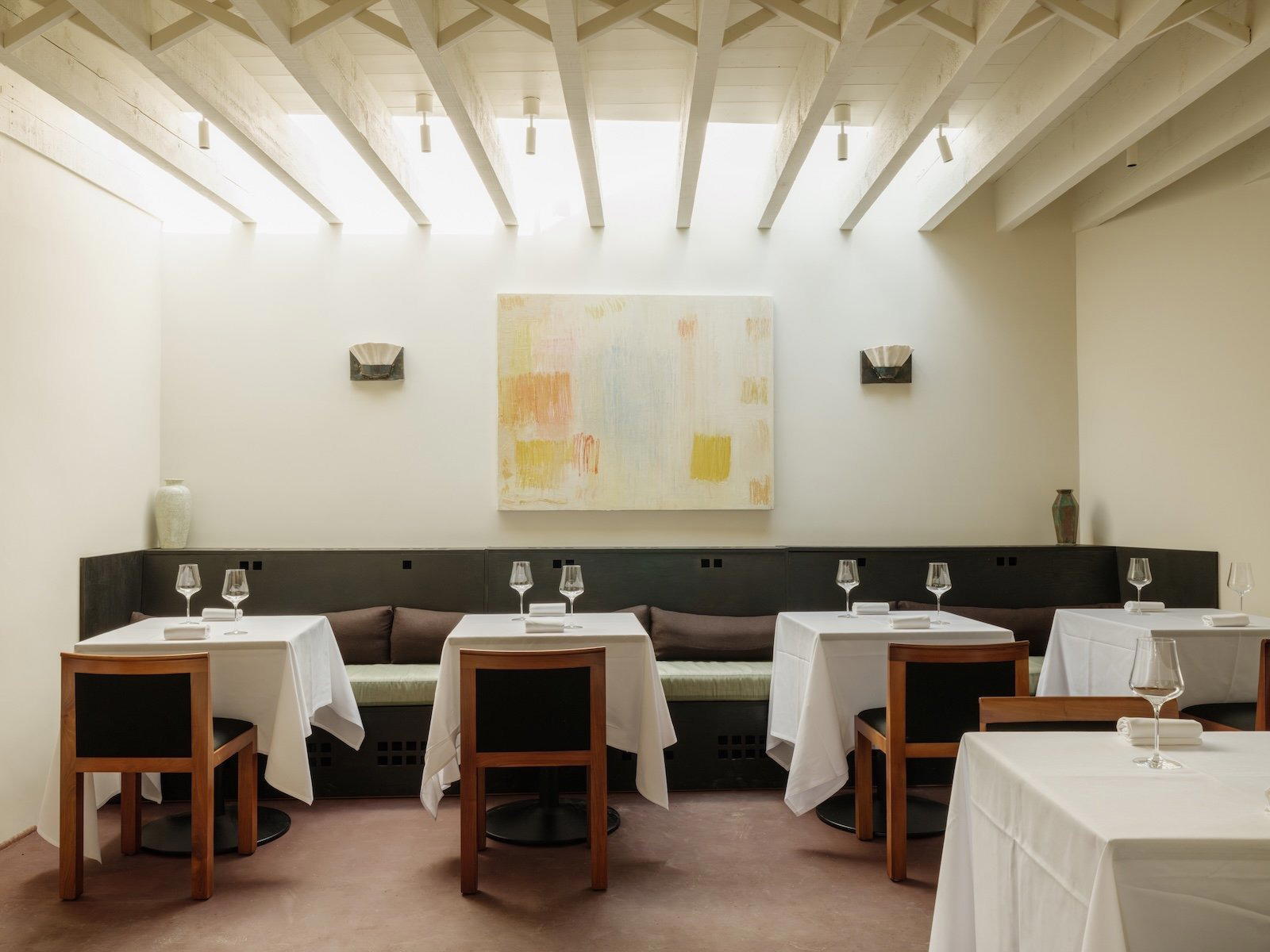
Oryori Horikawa is located on the ground floor of a building in Tenma, Kita Ward: a neighbourhood better known among Osaka regulars for its dense concentration of local drinking and eating culture than for high-end dining rooms. That contrast matters: the restaurant sits within everyday Osaka, not in a purpose-built luxury corridor, which tells you something about the philosophy at work here.
The Michelin description attached to Horikawa is specific and worth taking seriously. It frames the kitchen's approach around a calendar of annual festivities and seasonal transitions, a menu structure common to ryotei-trained chefs, where the sequence of dishes maps directly onto the Japanese culinary calendar rather than the chef's personal invention cycle. The proprietress plays a distinct role, explaining the provenance and customary usage of the ceramics and lacquerware as the meal progresses. This is not decorative storytelling; it is functional context that changes how you experience each course. If that kind of depth interests you, Horikawa delivers it at a price point below what comparable depth costs elsewhere in the city.
The training background referenced in the awards notes, skills developed at a ryotei, signals a specific technical lineage. Ryotei preparation is painstaking by design: ingredient sourcing, knife work, and presentation are treated as inseparable from the food itself. For diners coming from broader restaurant contexts, the pacing and deliberateness of a meal here will feel different from the rhythm of a Western tasting menu. Plan accordingly: this is not a 90-minute dinner.
On Takeout and Delivery
To be direct: Oryori Horikawa is not a venue where takeout or delivery is a meaningful option, and pursuing it would miss the point entirely. The Michelin citation specifically highlights the proprietress's role in contextualising each piece of tableware as part of the experience. That oral layer, combined with the precision of plating and temperature timing inherent to kaiseki-influenced cuisine, means the food is not designed to travel. The aroma of a dashi-based course, the visual composition of a seasonal arrangement, the moment-specific warmth of a grilled preparation, none of these survive a delivery container. If your situation requires takeout from a Michelin-starred Japanese restaurant in Osaka, redirect your search entirely. For Horikawa specifically, the room and the service are not incidental; they are structural to the experience you are paying for.
Recent Evolution
The 2024 Michelin one-star recognition represents the most recent documented milestone for Horikawa. For a small restaurant in Tenma, a neighbourhood not typically on the international fine-dining circuit, a Michelin star changes the booking arithmetic significantly. Expect demand to have increased since the listing, and plan your reservation timeline with that in mind. Venues at this scale and recognition level in Osaka's ¥¥¥ tier tend to fill their limited seats weeks out, not days.
Ratings & Trust Signals
- Michelin 1 Star (2024)
- Price tier: ¥¥¥
- Location: Tenma, Kita Ward, Osaka
Know Before You Go
- Price tier: ¥¥¥
- Awards: Michelin 1 Star (2024)
- Location: 4 Chome-8-17, Tenma, Kita Ward, Osaka
- Booking difficulty: Hard, use a hotel concierge or Japanese booking platform; no walk-ins
- Cuisine: Japanese / ryotei-influenced seasonal menu
- Hours: Not publicly listed, confirm directly when booking
- Phone/website: Not publicly listed, enquire through your accommodation
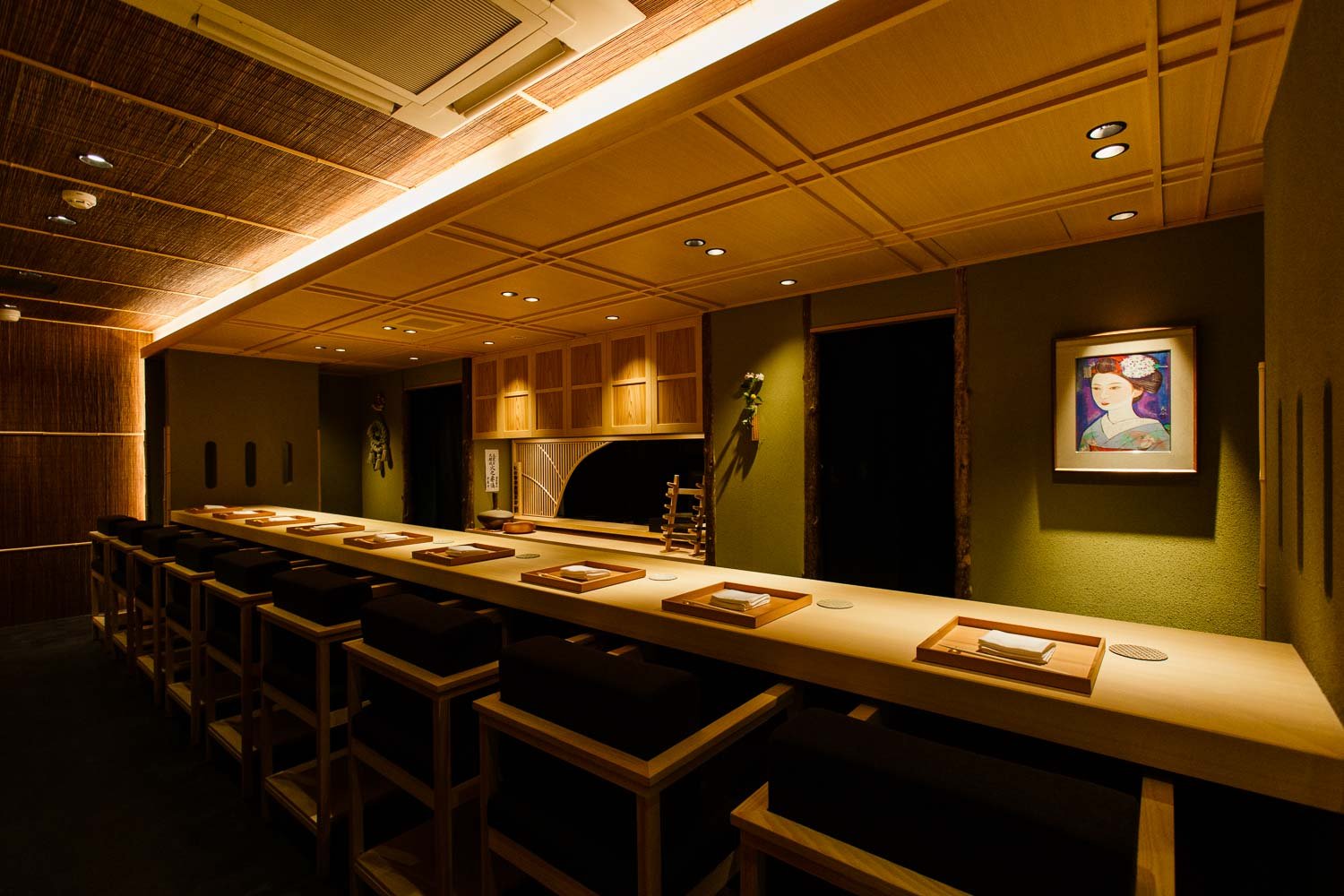
- Solo dining: Suitable, given the likely counter or small-room format
- Groups: Small groups possible; confirm capacity when booking
- Takeout/delivery: Not applicable, this is a dine-in only experience by design
How It Compares
See the comparison section below for how Horikawa sits against Osaka's broader fine-dining set.
Explore More in Osaka and Beyond
For other Japanese restaurants in Osaka worth serious consideration, see Kashiwaya Osaka Senriyama, Tenjimbashi Aoki, Yugen, Oimatsu Hisano, and Miyamoto. Our full Osaka restaurants guide covers the broader category. For planning the rest of your trip, browse our Osaka hotels guide, Osaka bars guide, Osaka wineries guide, and Osaka experiences guide.
If you are travelling the Kansai region more broadly, Gion Sasaki in Kyoto and akordu in Nara are worth adding to your shortlist. For Japanese fine dining reference points in Tokyo, Harutaka, Myojaku, and Azabu Kadowaki sit in the same serious-Japanese-dining tier. Further afield: Goh in Fukuoka, 1000 in Yokohama, and 6 in Okinawa each offer distinct regional takes on Japanese precision dining.
Planning details
- Hours
- Monday: 6–8 PM · Tuesday: 6–8 PM
- Location
- Japan, 〒530-0043 Osaka, Kita Ward, Tenma, 4 Chome−8−17 グレイスイン天満2番館 1F
- Website
- kdhc500.gorp.jp
- Phone
- +81 6-7173-9388
The take
The Take
The Vibe
Oryori Horikawa presents kaiseki as a quiet, contemplative performance of season and craft. The room favors understatement over flourish: courses arrive with exacting restraint, vessels and ingredients introduced with a scholar’s care, and the proprietress’s commentary deepens the sense of ritual. The overall effect is classical rather than showy: Kyoto’s traditions are honored in precise technique and minimal presentation. Diners move slowly through the menu, savoring layered, crystalline flavors and tactile ceramics; the mood is hushed and deliberate, ideal for those who appreciate nuance, cultural context, and a dining experience that privileges reflection over noise.
Best For
This is a place for an intentional evening: a seasonally driven kaiseki service that rewards attention and time. The restaurant suits travelers and locals seeking a refined, ceremonial meal: particularly suited to dinner when the multi-course program is at its fullest. Celebratory or nights (anniversaries, quiet business dinners, or visits by discerning travelers) fit the tone here, as the pacing and presentation invite conversation at a low volume and concentrated enjoyment of each course. Expect a formal, unhurried flow that foregrounds seasonal ingredients and the narratives woven through each dish and vessel.
Ordering Tips
Embrace the seasonal kaiseki menu rather than picking à la carte: the chef constructs menus as thematic, evolving narratives tied to festivals and the turn of the year. Pay attention to the proprietress’s introductions to dishes and ceramics: those moments illuminate provenance and technique and deepen appreciation of the courses. Signature elements such as delicately shaped tofu or seasonal squid appear as expressions of that seasonal philosophy; let the kitchen lead and allow the pacing to unfold. Reservations are implied given the ritualized service, and diners should plan for a deliberate, multi-course dinner rather than a quick meal.
Venue details
Ambiance
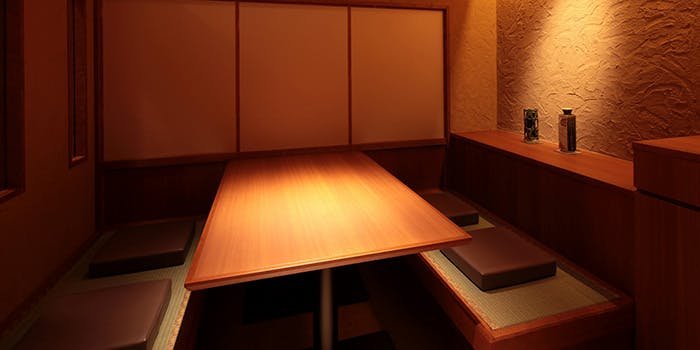
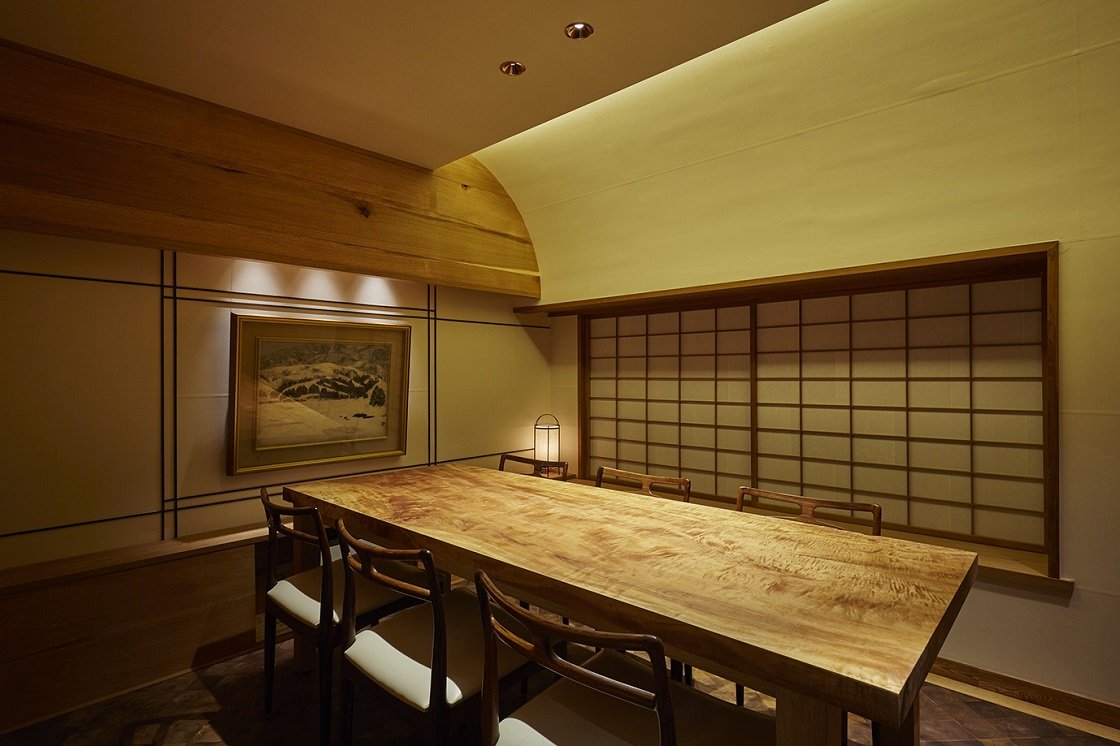
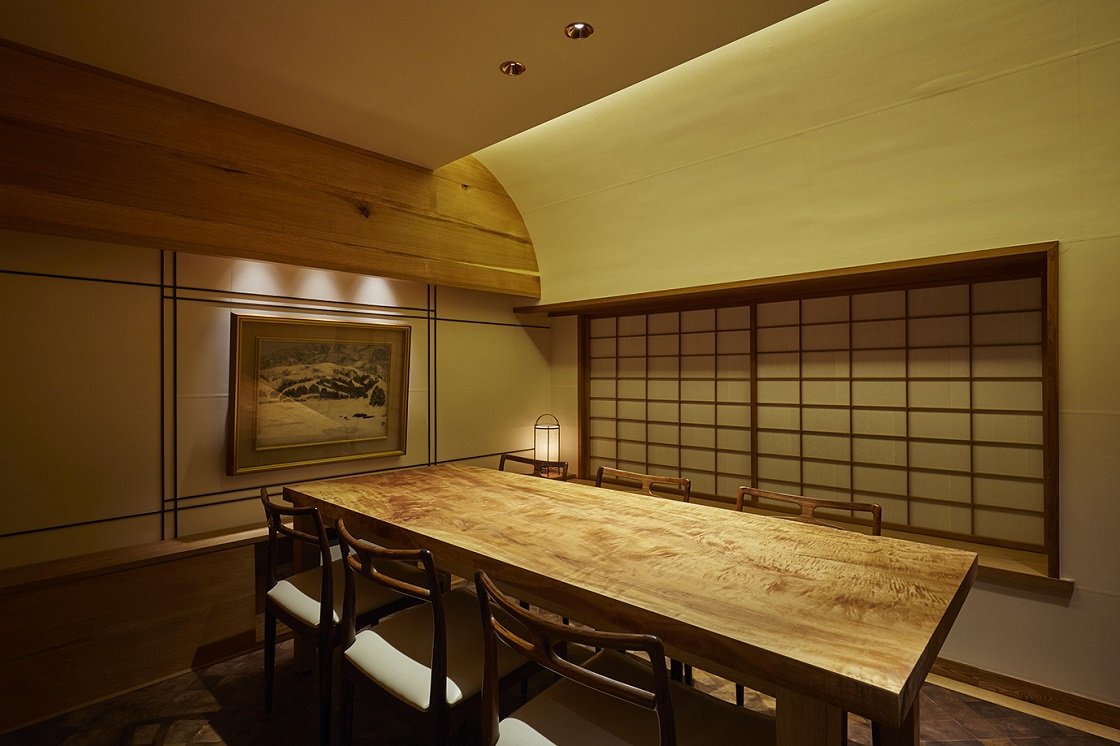
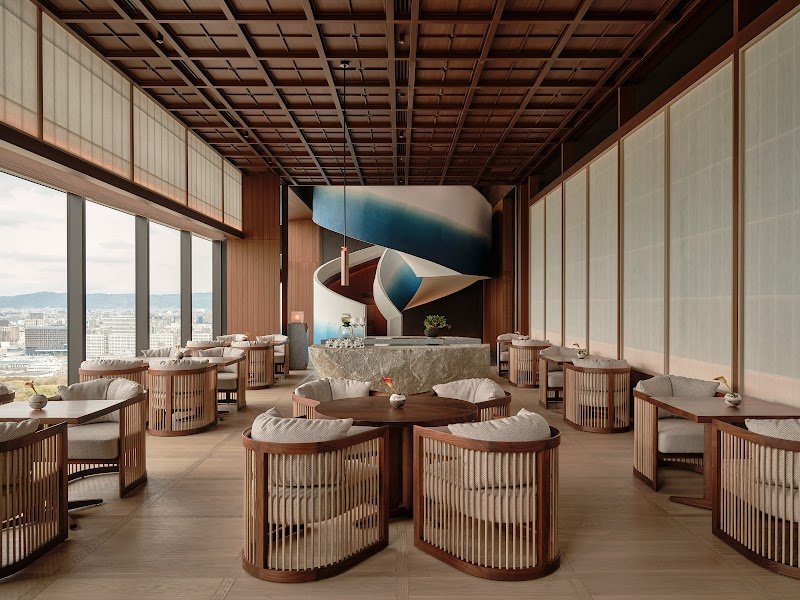
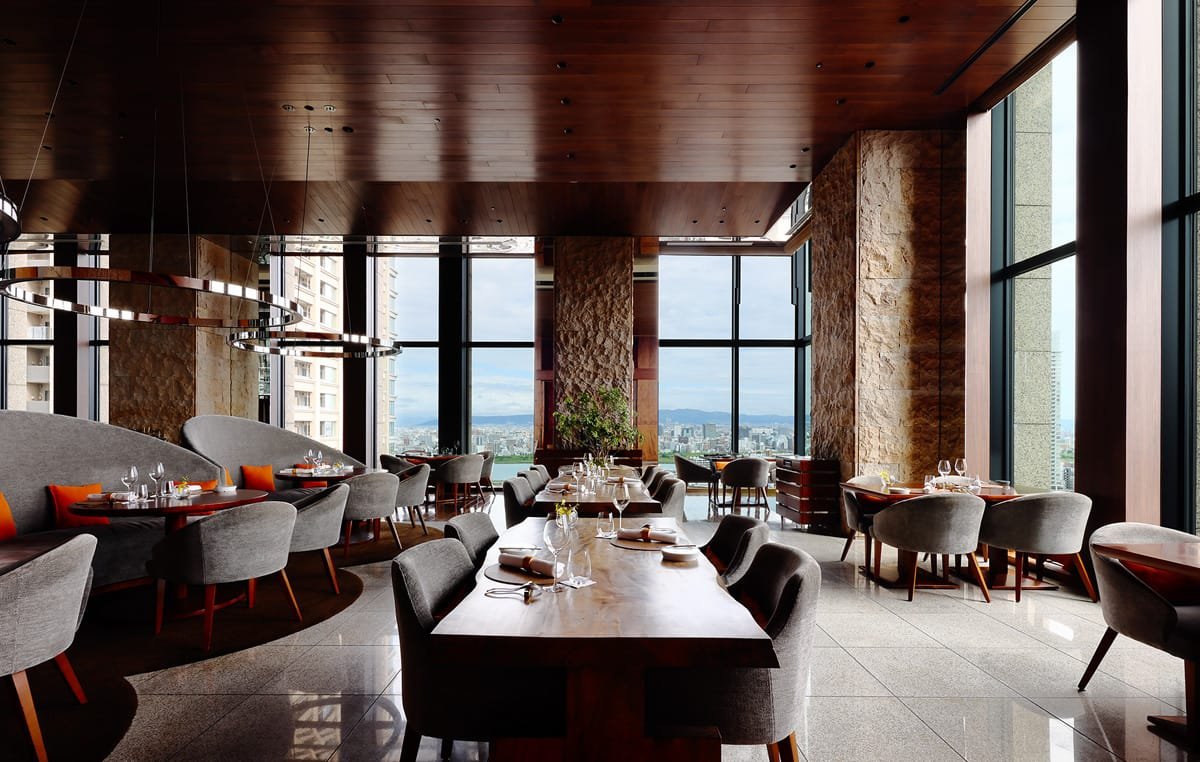
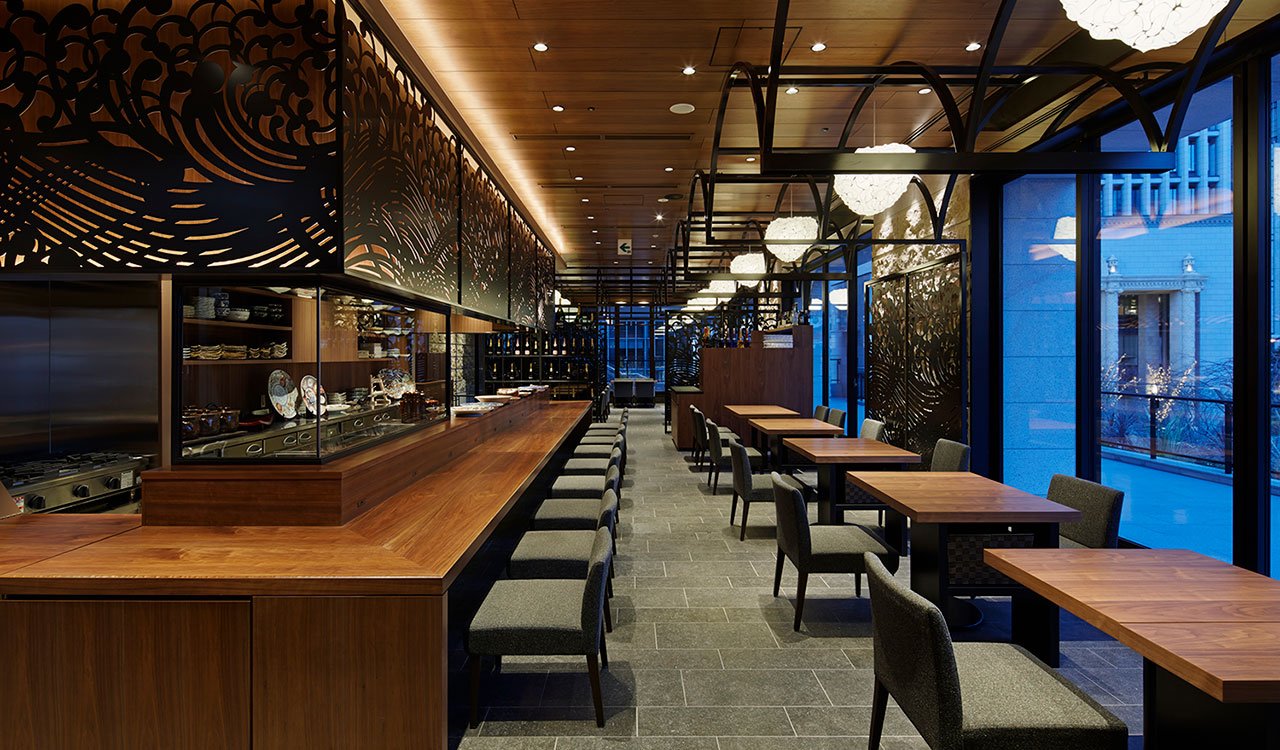
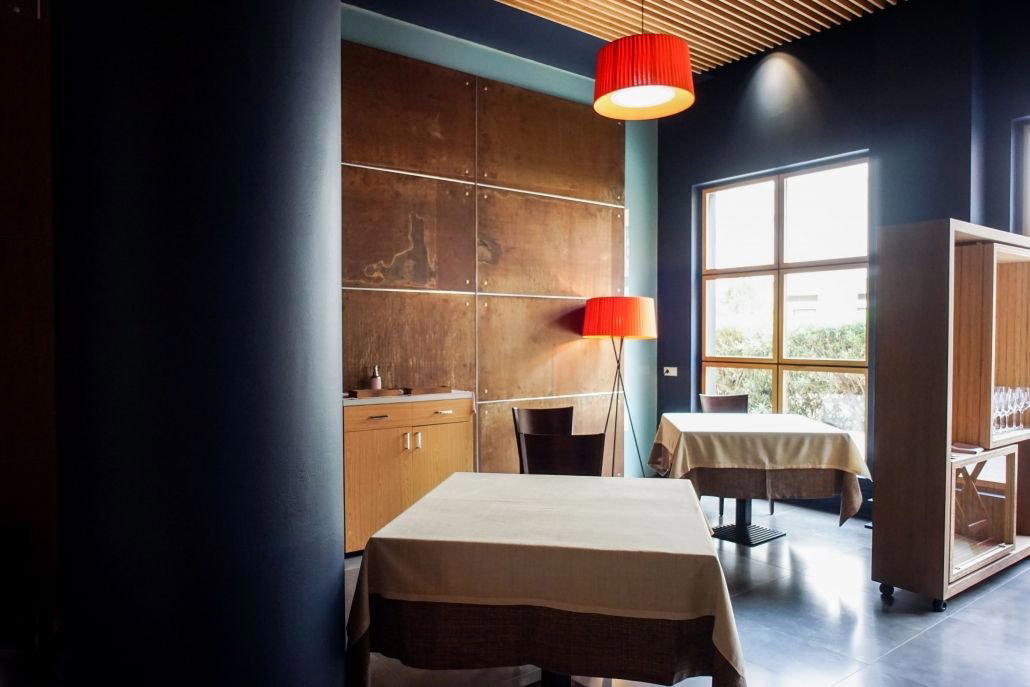
Serene and elegant with understated decor, woven ceilings, unique stone designs evoking a river, and a thousand-year-old wooden counter, fostering a relaxing and sophisticated atmosphere.
Tags
Vibe
Best For
Experience
Sourcing
At the Table
- Dress Code
- Smart Casual
- Noise Level
- Quiet
- Service Style
- Formal
- Meal Pacing
- Leisurely
- Capacity
- Intimate
- Kitchen
- Traditional
- Menu Format
- Tasting menu
- Drinks Focus
- Sake
- Private Dining
- Available
Signature Dishes
- Flower Petal Tofu
- Hotaru Squid
Know before you go
Know Before You Go
- Getting there
- Japan, 〒530-0043 Osaka, Kita Ward, Tenma, 4 Chome−8−17 グレイスイン天満2番館 1F
Planning details
Hours
- Monday
- 6–8 PM
- Tuesday
- 6–8 PM
- Wednesday
- 6–8 PM
- Thursday
- 6–8 PM
- Friday
- 6–8 PM
- Saturday
- 6–8 PM
- Sunday
- 6–8 PM
Location
Japan, 〒530-0043 Osaka, Kita Ward, Tenma, 4 Chome−8−17 グレイスイン天満2番館 1F · Directions
Recognition and awards
Also consider
Also Consider
- HAJIME: French, Innovative, ¥¥¥¥
- La Cime: French, ¥¥¥¥
- Kashiwaya Osaka Senriyama: Japanese, ¥¥¥
- Taian: Kaiseki, Japanese, ¥¥¥
- Fujiya 1935: Innovative, ¥¥¥¥
Restaurant context
Within Osaka's ¥¥¥ Japanese dining tier, Horikawa's closest comparison is Taian: also Michelin-starred, also kaiseki-influenced, and similarly difficult to book as a foreign visitor without a local contact. The two restaurants serve different profiles: Taian is kaiseki in the formal sense, while Horikawa's seasonal-calendar structure and ryotei lineage give it a more intimate, proprietress-led character. If you want a kaiseki reference point with more established international booking infrastructure, Taian is the easier entry. If the proprietress-guided experience and the Tenma neighbourhood setting appeal, Horikawa is worth the extra effort to secure.
Kashiwaya Osaka Senriyama also sits at ¥¥¥ and offers Japanese fine dining with strong seasonal credentials, but its Senriyama location puts it further from the city centre. For diners staying in Kita Ward, Horikawa is the more practical option at the same price tier. Step up to ¥¥¥¥ and the comparison set changes substantially: HAJIME, La Cime, and Fujiya 1935 all operate at a higher price point with French or innovative frameworks that are fundamentally different in style. If your priority is Japanese seasonal cooking at a price that does not require a ¥¥¥¥ commitment, Horikawa and Taian are the two names to weigh against each other first.
For the food-focused traveller deciding between Osaka's fine-dining options: Horikawa earns its Michelin star through technical rigour and a well-articulated seasonal philosophy, not through spectacle or international profile. That makes it the right choice for diners who want depth over scene: and a less obvious choice for those who want the prestige of a well-known address. If booking difficulty is a constraint, HAJIME and La Cime at the ¥¥¥¥ tier have more developed international reservation systems. If budget is the constraint and Japanese cooking is the goal, Horikawa at ¥¥¥ with a one-star is close to the strongest position available in Osaka right now.
Explore Osaka
Around this place
Discover more on Pearl
Unlock the full Oryori Horikawa guide in Pearl, including awards, comparisons, FAQs, planning details, and nearby places.
Compare Oryori Horikawa
| Venue | Cuisine | Awards | Booking Difficulty |
|---|---|---|---|
| Oryori Horikawa | Japanese | Michelin Guide Kyoto Osaka 20262026 Michelin 1 Star2024 Michelin 1 Star | Hard |
| HAJIME | French, Innovative | Star Wine Lists 2026 · #12026 Tabelog Bronze · #922026 OAD Top Restaurants in Japan Ranked · #98Michelin Guide Kyoto Osaka 20262026 La Liste Top RestaurantsTabelog 100 - Innovative / Creative cuisine - 2025 · #692025 Asia's 50 Best Restaurants · #832025 OAD Top Restaurants in Japan Ranked · #87We're Smart World Top Restaurants 2025 | Unknown |
| La Cime | French | 2026 Asia's 50 Best Restaurants · #132026 OAD Top Restaurants in Japan Ranked · #1492026 Tabelog Bronze · #231Michelin Guide Kyoto Osaka 20262026 La Liste Top Restaurants2025 Asia's 50 Best Restaurants · #82025 World's 50 Best Restaurants · #44Tabelog 100 - French - WEST - 2025 · #932025 OAD Top Restaurants in Japan Ranked · #123 | Unknown |
| Kashiwaya Osaka Senriyama | Japanese | 2026 Tabelog Bronze · #1682026 OAD Top Restaurants in Japan Recommended2026 Relais Chateaux RestaurantsMichelin Guide Kyoto Osaka 20262026 La Liste Top RestaurantsTabelog 100 - Japanese cuisine - WEST - 2025 · #772025 OAD Top Restaurants in Japan Ranked · #1552025 Relais Chateaux Award2025 Michelin 3 Stars | Unknown |
| Taian | Kaiseki, Japanese | 2026 OAD Top Restaurants in Japan RecommendedMichelin Guide Kyoto Osaka 20262026 La Liste Top Restaurants2025 OAD Top Restaurants in Japan Ranked · #2042025 La Liste Top Restaurants2025 Michelin 3 Stars2024 OAD Top Restaurants in Japan Ranked · #1912024 Michelin 3 Stars2023 OAD Top Restaurants in Japan Highly Recommended | Unknown |
| Fujiya 1935 | Innovative | 2026 Tabelog Bronze · #752026 OAD Top Restaurants in Japan RecommendedMichelin Guide Kyoto Osaka 20262026 La Liste Top Restaurants2025 Michelin 2 Stars2025 Tabelog Silver2025 La Liste Top Restaurants2024 OAD Top Restaurants in Japan Ranked · #2392024 Michelin 2 Stars | Unknown |










Comparing your options in Osaka for this tier.
FAQ
Frequently Asked Questions
Does Oryori Horikawa handle dietary restrictions?
At a Michelin one-star kaiseki counter where the menu is structured around seasonal ingredients and annual festivities, dietary restrictions require advance communication at booking: not a request on the night. The kitchen's approach is built around the chef's own preparation logic, so the earlier you flag restrictions, the better the outcome. Vegetarian or allergy-driven departures from the seasonal menu may limit the experience significantly.
Can Oryori Horikawa accommodate groups?
Oryori Horikawa operates from the ground floor of a small building in Tenma: this is not a venue scaled for large parties. Groups of more than four should confirm capacity directly before attempting to book, as the intimate format means large tables will either not fit or dominate the room. For celebratory groups wanting Michelin-level kaiseki in Osaka, Kashiwaya Osaka Senriyama has more infrastructure to handle larger bookings.
What should I order at Oryori Horikawa?
There is no à la carte menu at Oryori Horikawa. The kitchen runs a set seasonal menu shaped by the chef's training at a ryotei and the rhythm of Japan's annual festivities. You eat what the season dictates: that is the format. If you want to choose individual dishes, this is the wrong venue; it offers a progression built around seasonal produce.
What should a first-timer know about Oryori Horikawa?
This is a kaiseki counter where the proprietress presents the provenance of each cup and plate as part of the meal: so the experience runs longer and more formally than a standard dinner. The ¥¥¥ price tier and Michelin one-star standing (2024) signal a considered occasion, not a casual drop-in. Arrive on time, leave your phone in your pocket during the meal, and expect the kitchen to set the pace entirely.
Is Oryori Horikawa good for solo dining?
Counter-format kaiseki is one of the better formats for solo dining in Japan: you are seated close to the action, and the meal structure does not require conversation to fill the time. Oryori Horikawa's intimate Tenma location and the proprietress's running commentary on the tableware make solo visits particularly absorbing. At ¥¥¥, it is a serious solo spend, but the format supports it more than most fine-dining options at this price tier.