
Oku
Unagi / Freshwater Eel · Miyakojima, Osaka
Restaurant in Osaka, Japan
 Book with Pearl
The Read
Single-Ingredient Counter Precision
Price
$100–150per person
Dress
Smart Casual
Why go
Oku is a focused unagi and sake counter in Osaka's Miyakojima Ward, operating a set menu only and holding a Michelin Plate (2025). Priced at ¥¥¥, it delivers technically serious eel cookery — boiled, fried, or straw-smoked — with clay pot rice to close, at a more accessible price and booking difficulty than most Michelin-recognised counters in Osaka.
About Oku
Oku, Osaka: A Focused Unagi Counter Worth Seeking Out
Most serious unagi dining in Japan defaults to centuries-old institutions in Tokyo — Nodaiwa Azabu Iikura Honten and Ginza Yondaime TAKAHASHIYA among them. Oku in Osaka's Miyakojima Ward makes an argument for why you should look west instead. This is a single-minded counter restaurant where the entire menu exists around one subject: freshwater eel and sake. If that focus sounds limiting, it is — intentionally so. Oku earns a Michelin Plate (2025) not by ranging wide but by going deep, and for the right diner, that depth is the whole point.
The Case for Booking
Oku operates on a set menu format only. There is no à la carte option, no hedging, no safety net of crowd-pleasing alternatives. The owner-chef built this counter after studying Japanese cuisine specifically, and the result is a kitchen with a clear point of view: unagi prepared through boiling, frying, or straw-smoking, supported by fresh seasonal vegetables that shift the menu's character across the year. Right now, with autumn deepening across the Kansai region, that seasonal calibration matters. The vegetables framing each course carry the mood of the current season, giving the menu a temporal specificity that straight-ahead eel restaurants rarely attempt.
The meal closes with unagi on rice, the rice itself steamed to order in clay pots. This is not incidental detail, clay pot rice steaming is a technique that produces a texture and fragrance distinct from anything a commercial rice cooker achieves. The straw-smoking method, applied to the eel at earlier stages of the meal, introduces a clean, woodsmoke-forward scent that anchors the room from the moment service begins. For a food-focused traveller, these are the kind of deliberate choices that separate a themed restaurant from one with genuine technical conviction.
The sake pairing dimension deepens the case for booking. The restaurant's stated theme is 'unagi and sake', which signals that the beverage programme is not an afterthought. Visiting Oku as a sake-curious diner, especially one who wants to understand how Japanese rice wine interacts with the richness of eel, positions this as a more rewarding stop than a generalised kaiseki evening would be. For context on how Oku sits within Osaka's broader dining scene, our full Osaka restaurants guide covers the range from casual counters to multi-Michelin tables.
Casual Format, Deliberate Quality
Oku is priced at ¥¥¥, not ¥¥¥¥. That positioning is meaningful. You are paying for focused craftsmanship at a counter format that carries none of the ceremony overhead of a full kaiseki service. Compare this to Kashiwaya Osaka Senriyama or Taian, both ¥¥¥ kaiseki restaurants where multi-course Japanese formality is the entire operating logic. At Oku, the mood is more intimate and direct. The owner-chef is present and the kitchen's singular focus creates a less hierarchical dining experience, closer to sitting at a specialist sushi counter than attending a formal kaiseki ceremony.
The Michelin Plate recognition is a useful calibration point here. It confirms technical seriousness without the expectation scaffolding that a star carries. Oku will not feel like a Michelin-starred event. It will feel like a counter restaurant where someone has mastered one thing and structured an entire evening around demonstrating it. For a certain kind of diner, someone who finds over-produced tasting menus exhausting and wants depth without theatre, Oku delivers disproportionate satisfaction for its price tier.
The address places Oku in Miyakojima Ward, a residential area of Osaka that sees far less tourist foot traffic than Namba or the Dotonbori corridor. If you are also planning time around Osaka's bar scene, hotel options, or broader cultural experiences, our guides to Osaka bars, Osaka hotels, and Osaka experiences are worth consulting alongside this booking.
Booking and Logistics
Booking difficulty at Oku is rated Easy, which is unusual for a Michelin-recognised counter in Japan and one of the clearest practical arguments for adding it to your itinerary. Many comparable specialist counters in Osaka and Kyoto require weeks of advance planning or a hotel concierge to navigate. Oku is more accessible. Phone and website details are not available in Pearl's current data, so approaching via your hotel concierge or a booking intermediary such as Tableall or Omakase is the recommended path, particularly for non-Japanese speakers. Hours are not confirmed in our records, so confirm current service times before travelling to Miyakojima Ward.
For travellers building a wider Kansai itinerary, Oku is a natural complement to deeper-format meals elsewhere in the region. Gion Sasaki in Kyoto and akordu in Nara offer contrasting approaches to Japanese and European-inflected cuisine respectively. Further afield, Harutaka in Tokyo, Goh in Fukuoka, 1000 in Yokohama, and 6 in Okinawa complete a picture of Japan's specialist counter dining culture across different cities. Also worth noting for context on the wider unagi category: our records on Tokyo's Nodaiwa Azabu Iikura Honten and Ginza Yondaime TAKAHASHIYA give useful benchmarks for what the category can reach at its most established.
It is, in the most practical sense, a local specialist that rewards the traveller who puts in the research. You are reading this because you did. Book it.
Planning details
- Location
- Japan, 〒534-0025 Osaka, Miyakojima Ward, Katamachi, 2 Chome−1−37 ストークマンション 1F
- Phone
- +81 6-6360-9482
The take
The Take
The Vibe
Oku presents a tightened, highly intentional counter experience that treats a single ingredient—unagi—as the full subject. The room is compact and focused: one set menu, one protein, and a sake program given equal billing. That economy of means produces a minimalist, quietly sophisticated atmosphere where craft and sequence take center stage. It feels intimate and deliberate rather than showy, the kind of specialist room that rewards attention to technique and progression. The Michelin Plate nod underscores the kitchen's precision without suggesting grand, multi-course formality.
Best For
Oku fits occasions where focused craft and conversation matter: think small-group business dinners or special-occasion nights that prize food over fanfare. The single-set format and ¥¥¥ pricing create a clear expectation—serious technique and a well-curated sake pairing without the expenditure of Osaka's most formal tasting rooms. The compact counter layout keeps the evening concentrated and personal, so reservations are best for parties who want an uninterrupted, ingredient-driven meal rather than a long, variable-menu banquet.
Ordering Tips
Accept the set menu: Oku is built around a single-protein narrative and relies on sequence to create contrast, so the set experience showcases the kitchen's intent. Expect multiple preparations of unagi—boiling, frying and straw-smoking are called out as the primary techniques—and consider matching courses with sake, which the team positions as an equal partner. If you are focused on the signature preparations, follow the progression the chef lays out rather than asking to mix and match à la carte.
Venue details
Ambiance
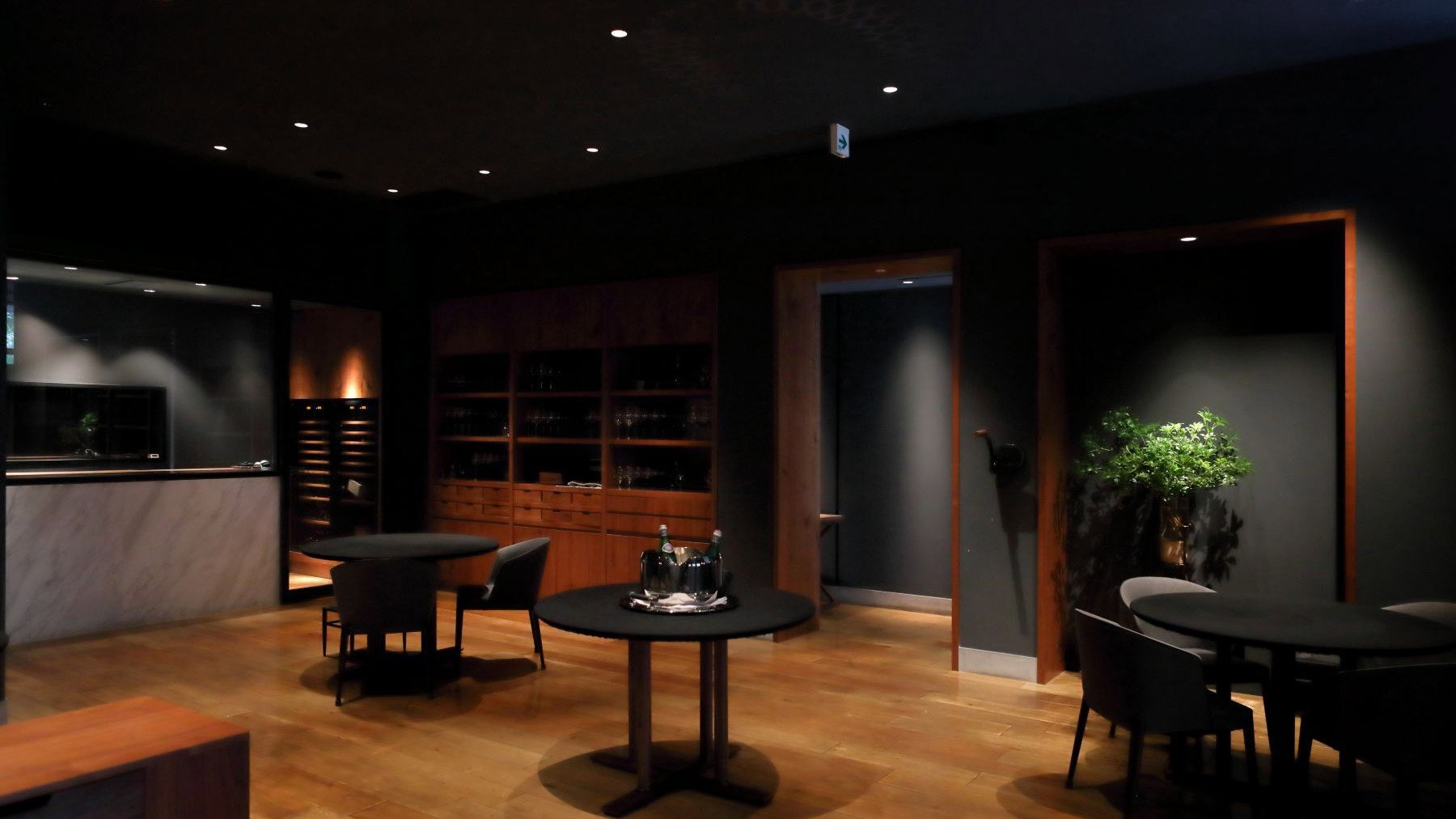
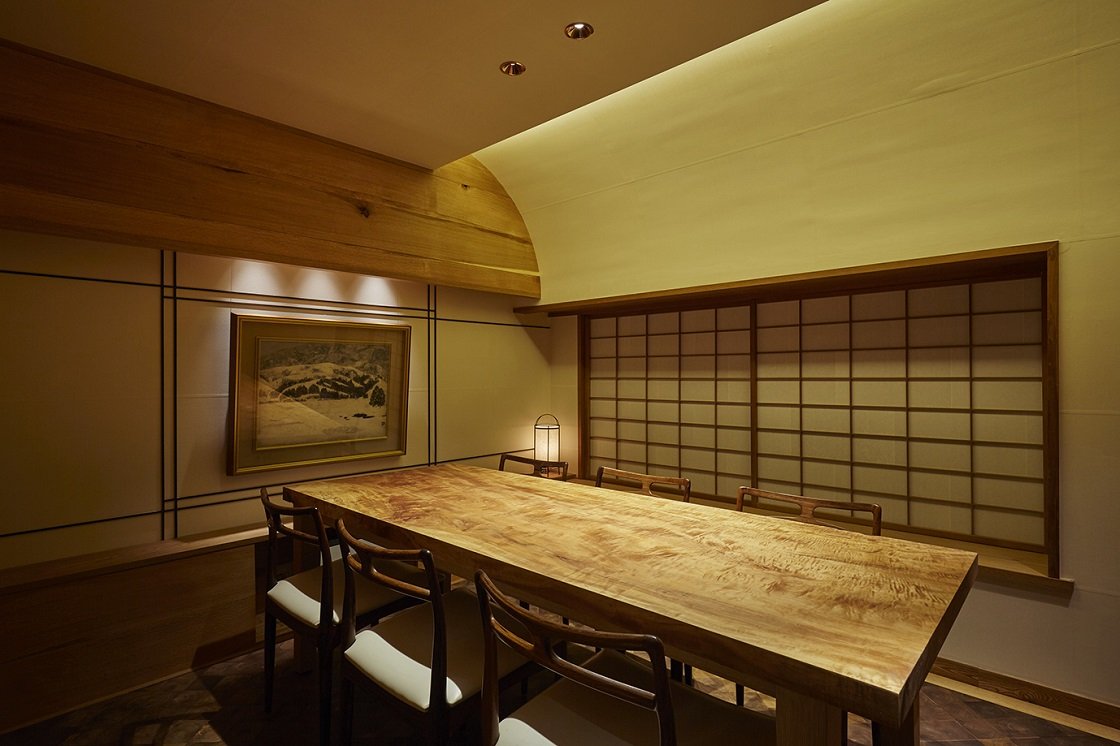
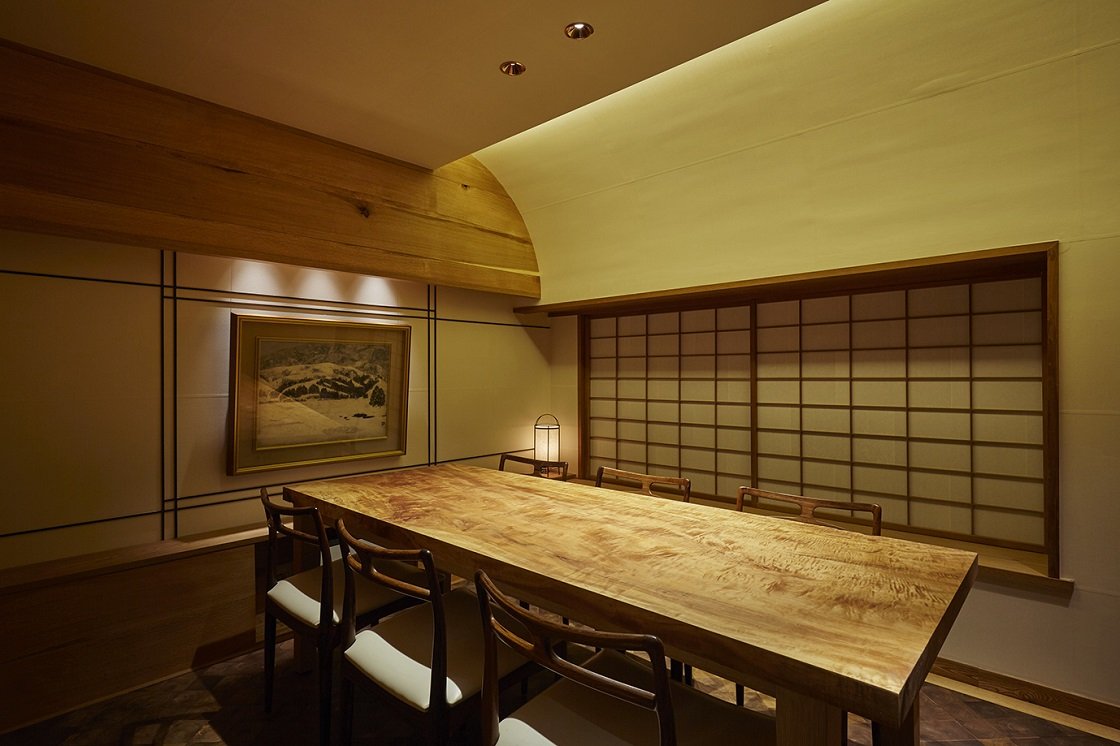
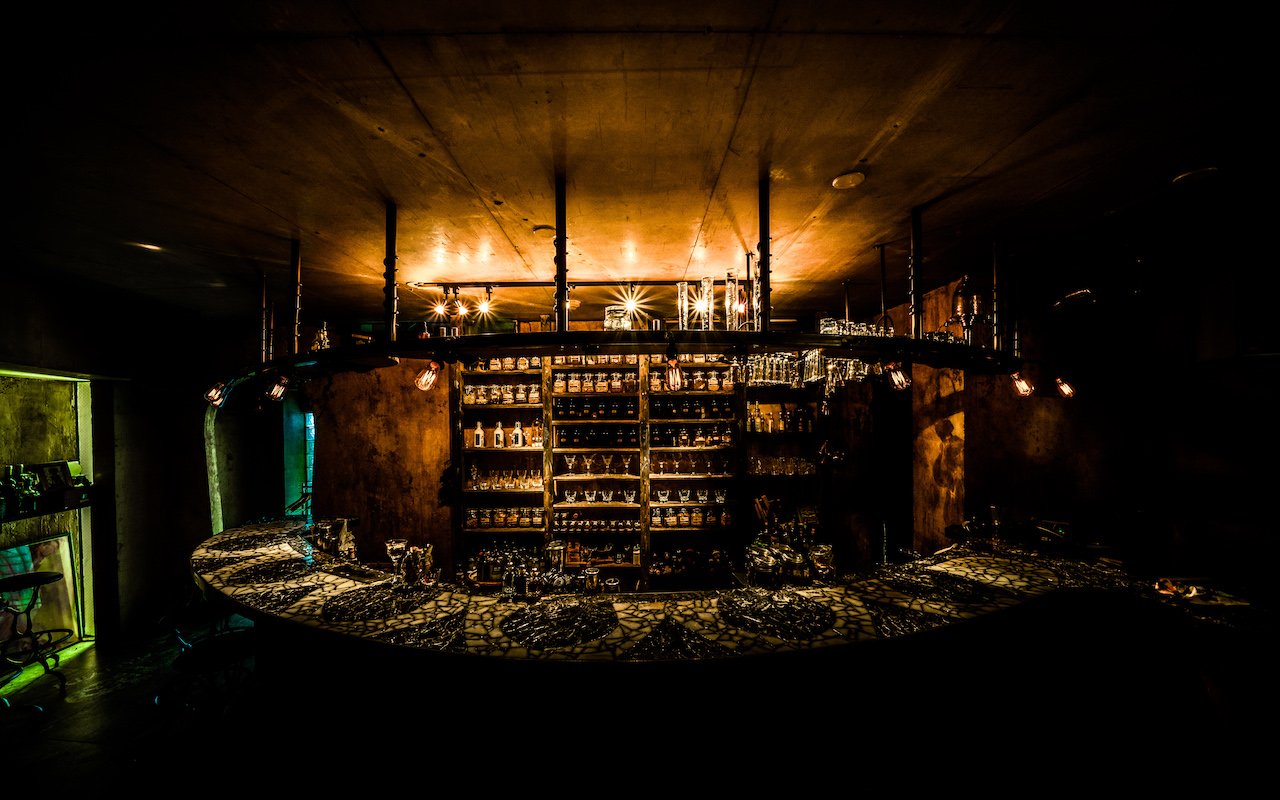
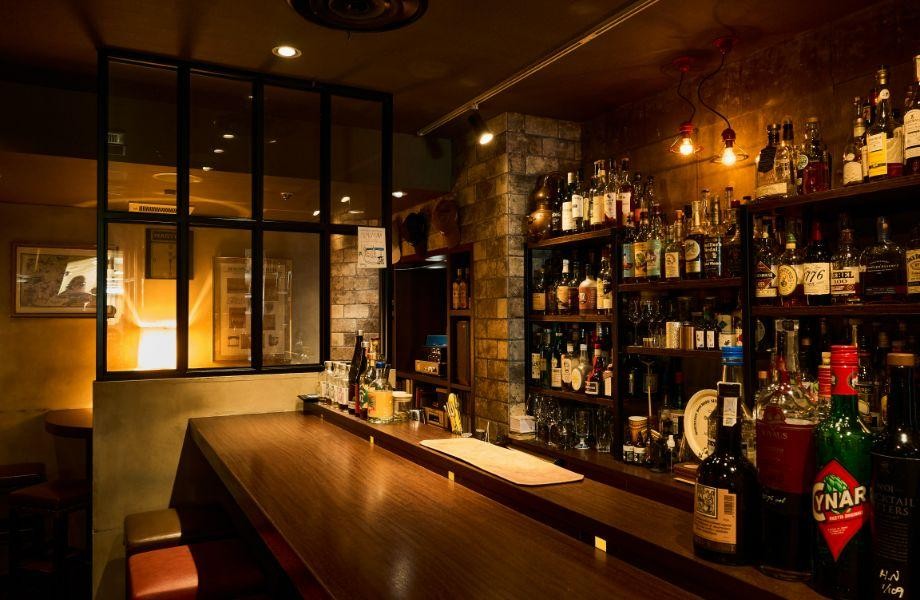
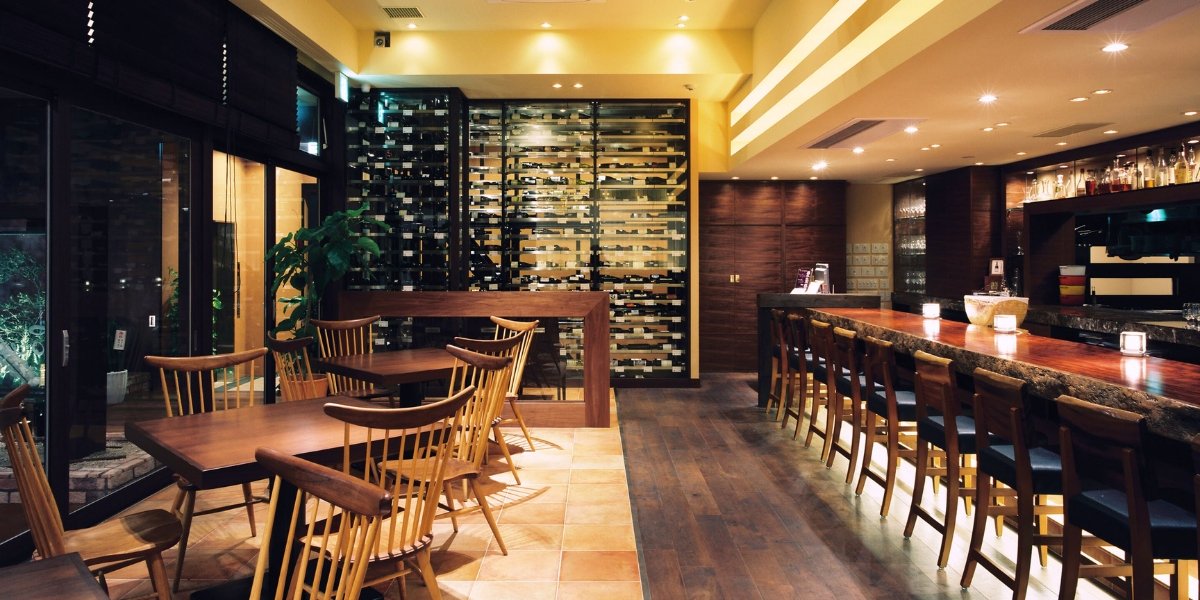
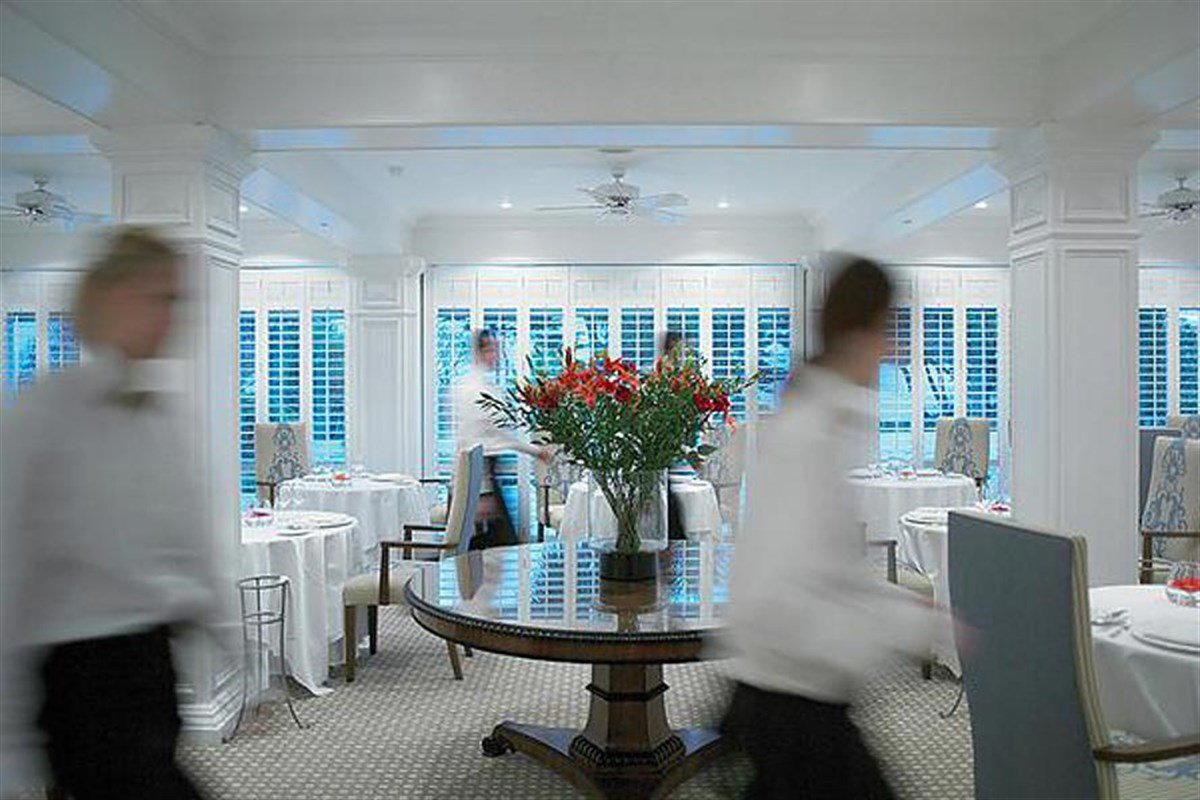
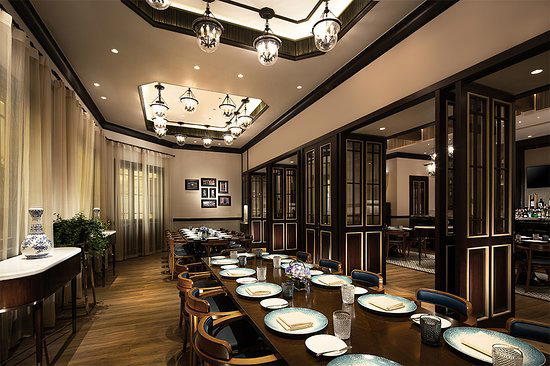
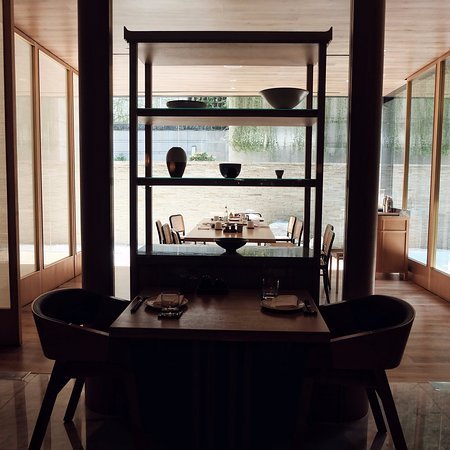
Calm and relaxing atmosphere with stylish, relaxing space and counter seating.
Tags
Vibe
Best For
At the Table
- Dress Code
- Smart Casual
- Noise Level
- Quiet
- Service Style
- Formal
- Meal Pacing
- Leisurely
- Capacity
- Intimate
- Kitchen
- Traditional
- Menu Format
- Set menu, Omakase
- Wine Program
- Curated
- Drinks Focus
- Sake, Wine
Signature Dishes
- Grilled Unagi
- Unagi Rice Bowl
Know before you go
Know Before You Go
- Getting there
- Japan, 〒534-0025 Osaka, Miyakojima Ward, Katamachi, 2 Chome−1−37 ストークマンション 1F
Planning details
Location
Japan, 〒534-0025 Osaka, Miyakojima Ward, Katamachi, 2 Chome−1−37 ストークマンション 1F · Directions
Recognition and awards
Also consider
Also Consider
- HAJIME, French, Innovative, ¥¥¥¥
- La Cime, French, ¥¥¥¥
- Kashiwaya Osaka Senriyama, Japanese, ¥¥¥
- Taian, Kaiseki, Japanese, ¥¥¥
- Fujiya 1935, Innovative, ¥¥¥¥
Restaurant context
Oku sits at ¥¥¥, which puts it alongside Kashiwaya Osaka Senriyama and Taian on price, but the experience is structurally different. Both Kashiwaya and Taian are kaiseki restaurants with multi-course Japanese formality, if that ceremony is what you are after, either is the stronger choice. Oku offers a narrower brief: one ingredient, one format, executed with precision. For a diner who wants depth in a single culinary subject rather than breadth across a long kaiseki progression, Oku represents better value at the same price tier.
At ¥¥¥¥, HAJIME, La Cime, and Fujiya 1935 are the city's most ambitious tasting-menu restaurants, each bringing a different lens, French precision at HAJIME, Franco-Japanese fusion at La Cime, and creative innovation at Fujiya 1935. If your Osaka visit prioritises one high-production tasting menu evening, any of those three will outperform Oku on spectacle, ceremony, and course variety. Oku does not compete on those terms and does not try to.
The practical case for Oku over its peers is booking ease and format fit. Most of Osaka's Michelin-level counters require significant advance planning. Oku's booking difficulty is rated Easy, which makes it a realistic addition to a trip rather than the anchor around which everything else must be scheduled. If you are travelling with someone who finds long tasting menus fatiguing, or if you want one focused, unhurried specialist dinner rather than another maximalist production, Oku is the clearest recommendation in Osaka's ¥¥¥ tier. See our full Osaka restaurants guide and Osaka wineries guide for further options across the city.
Explore Osaka
Around this place
Discover more on Pearl
Unlock the full Oku guide in Pearl, including awards, comparisons, FAQs, planning details, and nearby places.
Compare Oku
| Venue | Price | Booking Difficulty | Awards |
|---|---|---|---|
| Oku | ¥¥¥ | Easy | Michelin Guide Kyoto Osaka 20262026 Michelin Plate2025 Michelin Plate |
| HAJIME | ¥¥¥¥ | Unknown | Star Wine Lists 2026 · #12026 Tabelog Bronze · #922026 OAD Top Restaurants in Japan Ranked · #98Michelin Guide Kyoto Osaka 20262026 La Liste Top RestaurantsTabelog 100 - Innovative / Creative cuisine - 2025 · #692025 Asia's 50 Best Restaurants · #832025 OAD Top Restaurants in Japan Ranked · #87We're Smart World Top Restaurants 2025 |
| La Cime | ¥¥¥¥ | Unknown | 2026 Asia's 50 Best Restaurants · #132026 OAD Top Restaurants in Japan Ranked · #1492026 Tabelog Bronze · #231Michelin Guide Kyoto Osaka 20262026 La Liste Top Restaurants2025 Asia's 50 Best Restaurants · #82025 World's 50 Best Restaurants · #44Tabelog 100 - French - WEST - 2025 · #932025 OAD Top Restaurants in Japan Ranked · #123 |
| Kashiwaya Osaka Senriyama | ¥¥¥ | Unknown | 2026 Tabelog Bronze · #1682026 OAD Top Restaurants in Japan Recommended2026 Relais Chateaux RestaurantsMichelin Guide Kyoto Osaka 20262026 La Liste Top RestaurantsTabelog 100 - Japanese cuisine - WEST - 2025 · #772025 OAD Top Restaurants in Japan Ranked · #1552025 Relais Chateaux Award2025 Michelin 3 Stars |
| Taian | ¥¥¥ | Unknown | 2026 OAD Top Restaurants in Japan RecommendedMichelin Guide Kyoto Osaka 20262026 La Liste Top Restaurants2025 OAD Top Restaurants in Japan Ranked · #2042025 La Liste Top Restaurants2025 Michelin 3 Stars2024 OAD Top Restaurants in Japan Ranked · #1912024 Michelin 3 Stars2023 OAD Top Restaurants in Japan Highly Recommended |
| Fujiya 1935 | ¥¥¥¥ | Unknown | 2026 Tabelog Bronze · #752026 OAD Top Restaurants in Japan RecommendedMichelin Guide Kyoto Osaka 20262026 La Liste Top Restaurants2025 Michelin 2 Stars2025 Tabelog Silver2025 La Liste Top Restaurants2024 OAD Top Restaurants in Japan Ranked · #2392024 Michelin 2 Stars |
.png?width=1200&quality=80)









What to weigh when choosing between Oku and alternatives.
FAQ
Frequently Asked Questions
Is the tasting menu worth it at Oku?
Yes, for what it is. Oku runs a single unagi set menu with no alternatives, so the value question is really whether you want that format. The ¥¥¥ price point sits below fine-dining territory, and the Michelin Plate recognition (2025) confirms the cooking clears the bar. If you want variety or an à la carte safety net, this is not the right room.
What should a first-timer know about Oku?
The menu is fixed: unagi, sake, and seasonal vegetables only, closing with rice steamed in a clay pot. There is no à la carte, so arrive knowing you are committing to the full unagi set. Booking difficulty is rated Easy, which is rare for a Michelin-recognised counter in Japan, so reserving in advance is straightforward rather than competitive.
Can Oku accommodate groups?
Oku is a counter restaurant, which typically means limited total covers and a format built for small parties. Groups of two or three are the natural fit. Larger groups should confirm capacity directly, as a single-format counter in a 1F residential building is unlikely to seat parties of six or more comfortably.
Is Oku worth the price?
At ¥¥¥, Oku delivers Michelin Plate-level unagi cooking without the ¥¥¥¥ pricing of high-end kaiseki or multi-course tasting venues in Osaka. The owner-chef's straw-smoking and clay pot rice techniques add craft that justifies the price over a casual unagi bowl. If your benchmark is Osaka's top-tier counter restaurants, Oku punches above its price range.
What should I wear to Oku?
Oku is a counter restaurant in Miyakojima Ward priced at ¥¥¥, not a formal dining room. Neat, comfortable clothing is appropriate. There is no indication of a strict dress code, so business casual or tidy everyday wear fits the format without over- or under-dressing.
What are alternatives to Oku in Osaka?
For broader Japanese cuisine at a similar counter format, Taian and La Cime both operate in Osaka at higher price points and with more extensive menus. If you want to stay in the single-ingredient specialist lane but with more courses and ceremony, Kashiwaya Osaka Senriyama is the step up. Oku is the right choice when you want focused unagi craft without the commitment of a full kaiseki evening.
Is Oku good for a special occasion?
It works for an occasion if the person you are celebrating appreciates focused, format-driven dining over theatrical service or elaborate multi-course meals. The clay pot rice finale and the straw-smoked preparations give the meal a clear sense of occasion. For a milestone that calls for more ceremony or a broader menu, La Cime or Kashiwaya Osaka Senriyama would be stronger choices.