.png?width=1200&quality=80)

Ogimachi Udonya Asuro
Udon · Kita, Osaka
Restaurant in Osaka, Japan
 Book with Pearl
The Read
Kansai Queue-Culture Udon
Price
$10–20per person
Chef
Nishigori Koki
Dress
Casual
Why go
A Michelin Bib Gourmand udon shop in Osaka's Kita Ward, recognised in both 2024 and 2025, Ogimachi Udonya Asuro delivers serious quality at a single ¥ price point. Book it as a daytime destination; the queue is real but the value is genuinely hard to match. Order the chicken and sea bream tempura udon on your first visit.
About Ogimachi Udonya Asuro
Should You Book Ogimachi Udonya Asuro?
Yes, and make it a daytime visit. At a single ¥ price point, it delivers the kind of quality-to-cost ratio that is genuinely difficult to find at any time of day in Kita Ward. The caveat: the queue is a real consideration, and midday weekends are when it bites hardest.
The Venue Portrait
Ogimachi Udonya Asuro sits on Tenjinbashi, 3-chome, a short walk from the southern reach of Tenjinbashi-suji, Kansai's longest shopping street. The address puts it in a high-footfall corridor where lunch trade is intense. That proximity is both a draw and a logistical fact you need to account for: the shop has reportedly developed something of a reputation for one of Osaka's longer queues, and that queue is most pronounced at lunch on weekends. On a weekday, or in the early part of service before the shopping street crowd builds, the wait shortens considerably. If your schedule allows flexibility, aim for a weekday lunch or an early arrival at opening.
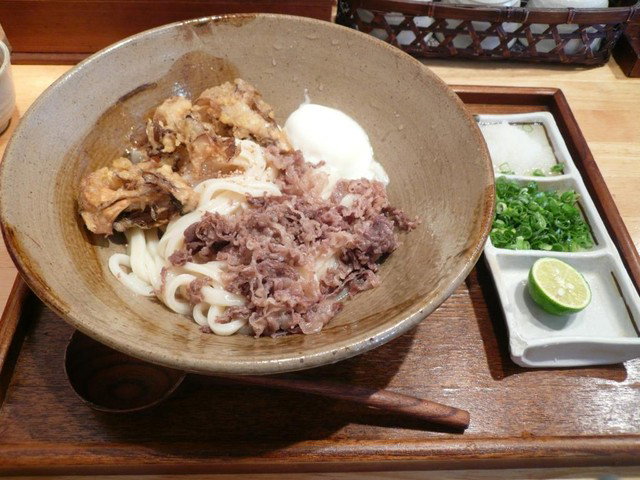
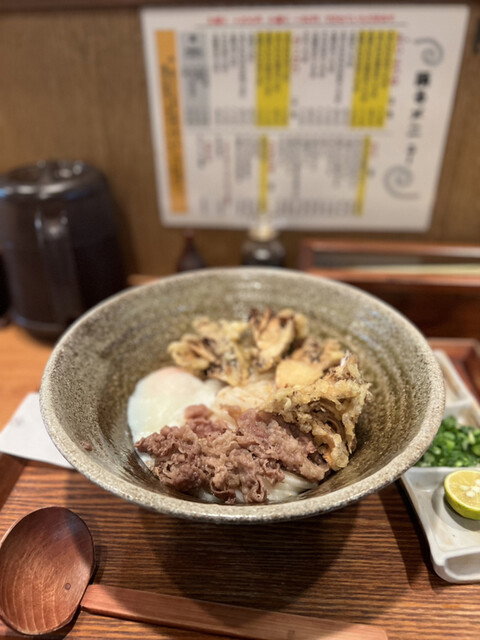
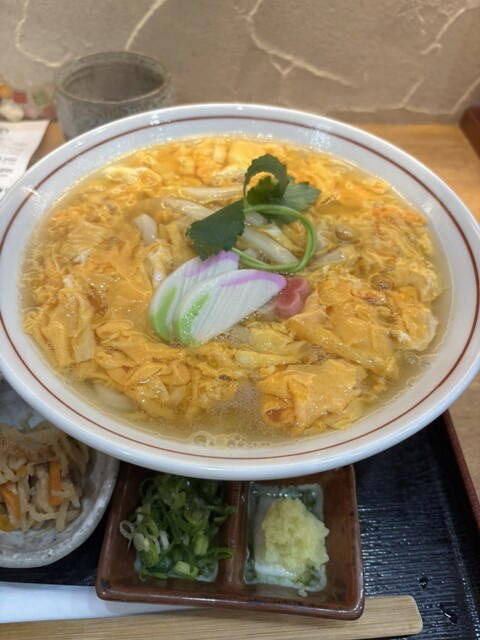
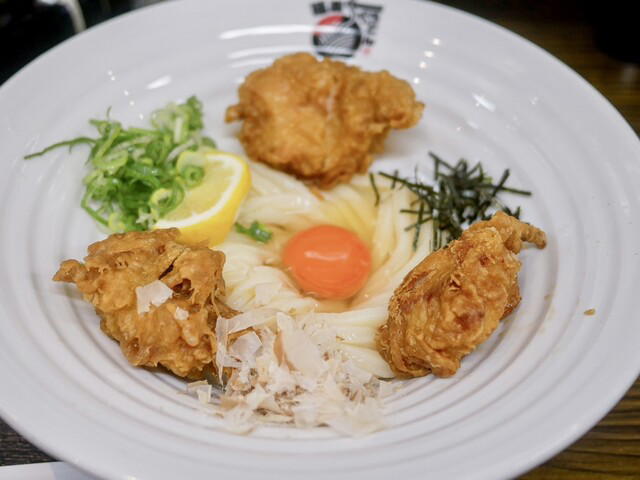
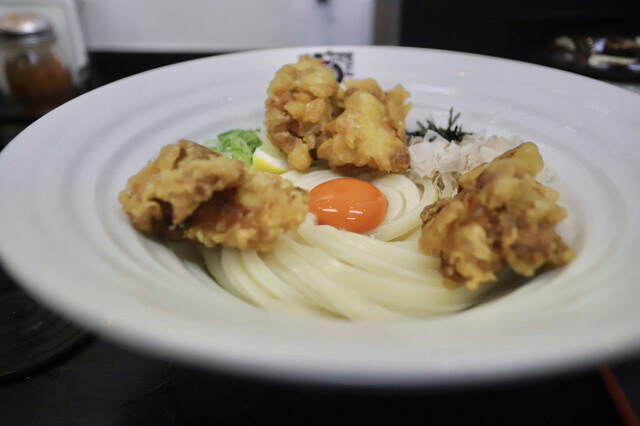
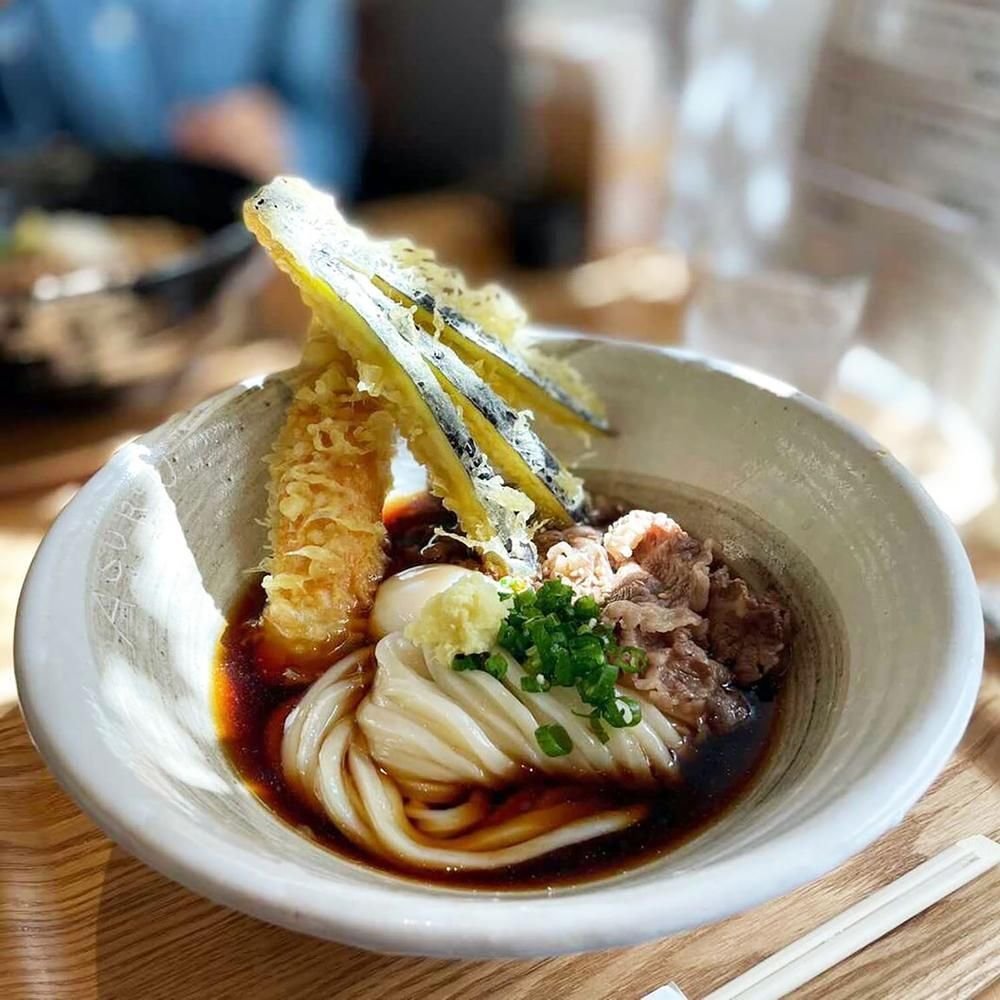
The dish with the clearest consensus behind it is the Toriten to Taichikuwaten to Ontama Bukkake: udon topped with chicken tempura, sea bream paste cake tempura, and a soft-boiled egg. The combination of protein, texture from the tempura, and the richness of the soft egg over noodles in a dashi-based sauce makes this the natural choice for a first visit or a special occasion where you want to understand what the kitchen does well. The flavour profile here is about layering, with the clean seafood notes of the broth providing a counterpoint to the richness of the toppings.
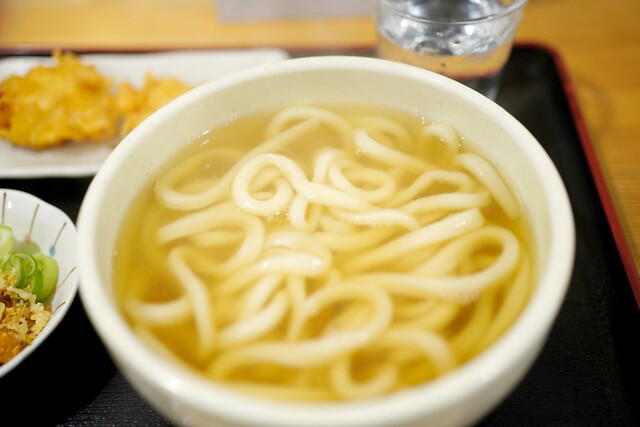
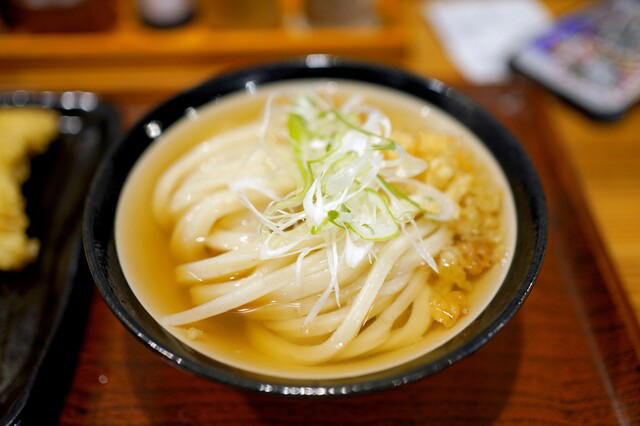
For a purer expression of the noodles themselves, the Hiyakake is the alternative worth knowing. This stripped-back preparation puts the clear dipping sauce and the noodle texture at the centre of the bowl, with nothing competing for attention. If the springiness of well-made udon and a precise broth are what you want to assess, this is how to do it. The Bib Gourmand credential across two years suggests the kitchen is not a one-dish operation, but these two preparations are the anchors most visitors return to.
In terms of how the daytime and evening experiences compare, the honest answer is that this is a lunch venue in character. The single ¥ price tier, the queue culture, the proximity to a major shopping street, and the style of udon being served all position Asuro as a midday destination. That is not a limitation; it is part of what makes the value proposition so strong. At this price point, you are getting two consecutive years of Michelin recognition, a kitchen with a named chef (Nishigori Koki), and a clear culinary identity. For a special occasion daytime meal, a birthday lunch, or a deliberate visit as part of a broader Osaka food itinerary, this delivers at a fraction of what you would spend at comparable Michelin-acknowledged restaurants in the city. If an evening celebration is the priority and budget is less of a concern, that is a different decision, covered in the comparison section below.
For solo diners, Asuro works well. Udon counters and small noodle shops in Osaka's Kita Ward are generally accommodating of single covers, and the format here is well-suited to eating alone without the social friction you might feel at a more formal table-service restaurant. For groups, the practical question is queue management and seating logistics rather than cuisine format. Booking specifics are not publicly documented, so treat this as a walk-in venue and plan your timing accordingly.
To calibrate expectations: if you are visiting Osaka with a broader dining agenda that includes Kaiseki, French tasting menus, or higher-end Japanese formats, Asuro occupies a specific and valuable lane. It is not a substitute for the experience at Kashiwaya Osaka Senriyama or Taian, but it is also not trying to be. The value of visiting Asuro is precisely that it is operating at a different register: fast, affordable, technically recognised, and deeply local in character. Within Osaka's udon category, comparable options worth knowing include Oudon Yomogi and Udondokoro Shigemi. If you are moving through the Kansai region more broadly, Gion Yorozuya in Kyoto offers a useful point of comparison for how the udon format shifts between cities. For udon in a different national context entirely, Hyun Udon in Seoul is worth noting as a peer reference. More broadly, Aozora Blue rounds out the casual dining picture in Osaka if you are building a multi-stop itinerary.
For context on what else the city offers, see our full Osaka restaurants guide, our full Osaka hotels guide, our full Osaka bars guide, our full Osaka wineries guide, and our full Osaka experiences guide. If Osaka is part of a wider Japan trip, Pearl also covers Harutaka in Tokyo, Gion Sasaki in Kyoto, akordu in Nara, Goh in Fukuoka, 1000 in Yokohama, and 6 in Okinawa.
Ratings and Trust Signals
- Michelin Bib Gourmand: 2024 and 2025
- Price tier: ¥ (single tier, accessible)
- Chef: Nishigori Koki
Practical Details
Ogimachi Udonya Asuro is located at 3 Chome-8-3 Tenjinbashi, Kita Ward, Osaka (Machis Building). The venue is a short walk from Tenjinbashi-suji, one of Kita Ward's main pedestrian corridors. No booking system or phone number is publicly confirmed, so treat this as a walk-in venue. Queue times are a real factor, particularly at peak weekend lunch. A weekday visit or early arrival at service open is the most practical way to manage wait time.
Planning details
- Hours
- Monday: 11 AM–4 PM · Tuesday: 11 AM–4 PM
- Location
- Japan, 〒530-0041 Osaka, Kita Ward, Tenjinbashi, 3 Chome−8−3 マチスビル
- Website
- instagram.com/udon.a.slow/?hl=ja
- Phone
- +81 6-6358-8477
The take
The Take
The Vibe
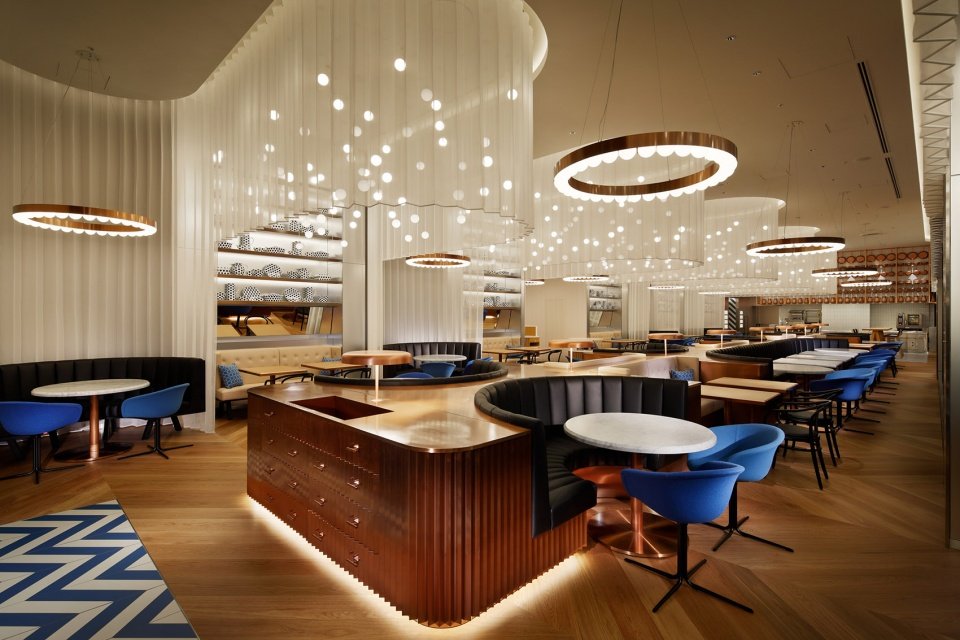
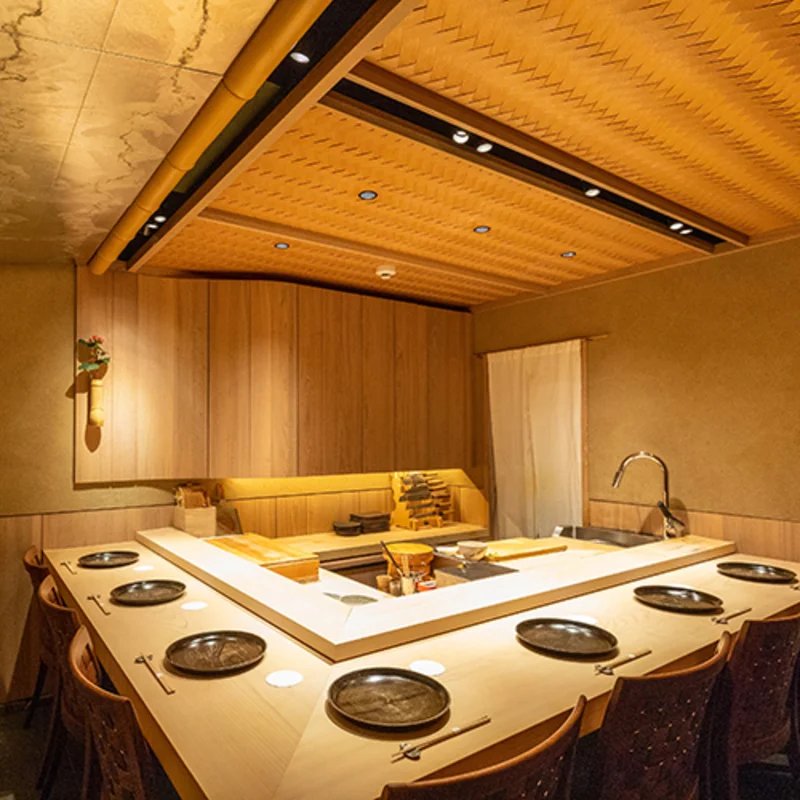
Ogimachi Udonya Asuro sits squarely in Osaka's working tradition: unpretentious, craft-forward and quietly revered. Kansai-style udon has softer noodles and a lighter dashi, and the queue outside is part of the restaurant's character. That combination of accessible pricing, serious technique and a steady line produces a classic, casual atmosphere where the food is the personality. Expect a no-frills interior centered on the countertop rhythm of bowl assembly, a convivial pace and an old-school approach that prizes subtlety over flash.
Best For
Asuro is best for casual, no-fuss meals when you want authentic Kansai udon at an affordable price. The Michelin Bib Gourmand signals quality without formality, so it’s ideal for a lunchtime stop, a quick dinner or a solo counter meal. The counter-focused layout and brisk service suit individuals or small groups who don’t mind joining a line to get well-crafted bowls. If you value traditional regional technique, softer noodles and a clear, seafood-forward dashi, this is the sort of neighbourhood destination that rewards patience with consistently honest cooking.
Ordering Tips
Lean into the shop’s strengths: choose dishes that put the broth and noodle texture front and center. The Hiyakake (cold udon with clear dipping sauce) is highlighted for stripping the format back to essentials, so it’s a good test of the house dashi and noodle quality. Signature items like Toriten, Taichikuwaten and Ontama Bukkake are also natural picks. Expect efficient, counter-style service and a line at peak times; arriving a little before the busiest periods or embracing the queue is part of the experience.
Venue details
Ambiance
Humble, unpretentious shop with long queues, focusing on the pure flavors of springy noodles and clear seafood broth.
Tags
Vibe
Best For
At the Table
- Dress Code
- Casual
- Noise Level
- Conversational
- Service Style
- Casual
- Meal Pacing
- Quick Bite
- Capacity
- Intimate
- Kitchen
- Traditional
- Menu Format
- A la carte
Signature Dishes
- Toriten to Taichikuwaten to Ontama Bukkake
- Hiyakake
Know before you go
Know Before You Go
- Getting there
- Japan, 〒530-0041 Osaka, Kita Ward, Tenjinbashi, 3 Chome−8−3 マチスビル
Planning details
Hours
- Monday
- 11 AM–4 PM
- Tuesday
- 11 AM–4 PM
- Wednesday
- Closed
- Thursday
- Closed
- Friday
- 11 AM–4 PM
- Saturday
- 11 AM–4 PM
- Sunday
- 11 AM–4 PM
Location
Japan, 〒530-0041 Osaka, Kita Ward, Tenjinbashi, 3 Chome−8−3 マチスビル · Directions
Also consider
Also Consider
- HAJIME: French, Innovative, ¥¥¥¥
- La Cime: French, ¥¥¥¥
- Kashiwaya Osaka Senriyama: Japanese, ¥¥¥
- Taian: Kaiseki, Japanese, ¥¥¥
- Fujiya 1935: Innovative, ¥¥¥¥
Restaurant context
Ogimachi Udonya Asuro sits in a completely different tier from most of Osaka's Michelin-recognised restaurants, and that is the point. At ¥ per head, it costs a fraction of what you would spend at HAJIME or Fujiya 1935, both of which operate at ¥¥¥¥ and offer multi-course tasting formats that demand a full evening and a serious budget. If your priority is Michelin credibility at the lowest possible cost in Osaka, Asuro is the straightforward answer. If you want a tasting menu format for a special occasion dinner, those two venues are operating at a different level of ambition.
Within the mid-range Michelin tier, Kashiwaya Osaka Senriyama and Taian both sit at ¥¥¥ and offer Kaiseki and Japanese formats with reservation infrastructure that Asuro does not have. For a celebration dinner where timing and seating certainty matter, those venues are the more reliable choice. Asuro rewards flexibility and a tolerance for queuing; Kashiwaya and Taian reward advance planning and a higher per-head spend. La Cime at ¥¥¥¥ offers French technique at the highest end and suits a very different occasion profile.
For the reader choosing between Osaka's udon options specifically, Asuro's Bib Gourmand status over two consecutive years gives it a verifiable edge over many competitors in the category. Oudon Yomogi and Udondokoro Shigemi are worth comparing if queue sensitivity is high or if the Tenjinbashi location is inconvenient. The practical recommendation: if budget is the constraint and Michelin recognition matters to you, Asuro is the clearest value decision in Osaka's current dining landscape at the ¥ tier.
Explore Osaka
Around this place
Discover more on Pearl
Unlock the full Ogimachi Udonya Asuro guide in Pearl, including awards, comparisons, FAQs, planning details, and nearby places.
Compare Ogimachi Udonya Asuro
| Venue | Price | Booking Difficulty | Awards |
|---|---|---|---|
| Ogimachi Udonya Asuro | ¥ | Easy | 2026 Bib GourmandMichelin Guide Kyoto Osaka 20262025 Michelin Bib GourmandTabelog 100 - Udon - WEST - 2024 · #142024 Michelin Bib Gourmand |
| HAJIME | ¥¥¥¥ | Unknown | Star Wine Lists 2026 · #12026 Tabelog Bronze · #922026 OAD Top Restaurants in Japan Ranked · #98Michelin Guide Kyoto Osaka 20262026 La Liste Top RestaurantsTabelog 100 - Innovative / Creative cuisine - 2025 · #692025 Asia's 50 Best Restaurants · #832025 OAD Top Restaurants in Japan Ranked · #87We're Smart World Top Restaurants 2025 |
| La Cime | ¥¥¥¥ | Unknown | 2026 Asia's 50 Best Restaurants · #132026 OAD Top Restaurants in Japan Ranked · #1492026 Tabelog Bronze · #231Michelin Guide Kyoto Osaka 20262026 La Liste Top Restaurants2025 Asia's 50 Best Restaurants · #82025 World's 50 Best Restaurants · #44Tabelog 100 - French - WEST - 2025 · #932025 OAD Top Restaurants in Japan Ranked · #123 |
| Kashiwaya Osaka Senriyama | ¥¥¥ | Unknown | 2026 Tabelog Bronze · #1682026 OAD Top Restaurants in Japan Recommended2026 Relais Chateaux RestaurantsMichelin Guide Kyoto Osaka 20262026 La Liste Top RestaurantsTabelog 100 - Japanese cuisine - WEST - 2025 · #772025 OAD Top Restaurants in Japan Ranked · #1552025 Relais Chateaux Award2025 Michelin 3 Stars |
| Taian | ¥¥¥ | Unknown | 2026 OAD Top Restaurants in Japan RecommendedMichelin Guide Kyoto Osaka 20262026 La Liste Top Restaurants2025 OAD Top Restaurants in Japan Ranked · #2042025 La Liste Top Restaurants2025 Michelin 3 Stars2024 OAD Top Restaurants in Japan Ranked · #1912024 Michelin 3 Stars2023 OAD Top Restaurants in Japan Highly Recommended |
| Fujiya 1935 | ¥¥¥¥ | Unknown | 2026 Tabelog Bronze · #752026 OAD Top Restaurants in Japan RecommendedMichelin Guide Kyoto Osaka 20262026 La Liste Top Restaurants2025 Michelin 2 Stars2025 Tabelog Silver2025 La Liste Top Restaurants2024 OAD Top Restaurants in Japan Ranked · #2392024 Michelin 2 Stars |










Side-by-side comparison to help you decide where to book.
FAQ
Frequently Asked Questions
What should I order at Ogimachi Udonya Asuro?
Start with the Toriten to Taichikuwaten to Ontama Bukkake: chicken tempura, sea bream paste cake tempura, and soft-boiled egg over udon. If you want to judge the kitchen on its fundamentals, the Hiyakake is the better call: clear dashi broth, no distraction, just noodles. The two dishes together give you a complete read on what Asuro does.
How far ahead should I book Ogimachi Udonya Asuro?
Asuro does not take reservations in the conventional sense: this is a queue-based udon shop. Plan to arrive at opening or allow 20–40 minutes for the line, which the venue itself acknowledges as a feature. A daytime visit is the practical move; avoid peak lunch hours if your schedule allows.
What should a first-timer know about Ogimachi Udonya Asuro?
This is a Michelin Bib Gourmand venue (2024 and 2025), which means the kitchen earns its reputation on value, not ceremony. The price range sits at ¥, so this is one of Osaka's most affordable Michelin-recognised meals. It's a short walk from Tenjinbashi-suji, Kansai's longest shopping street, so pair it with a morning or afternoon in the neighbourhood rather than treating it as a standalone dining destination.
Is Ogimachi Udonya Asuro good for solo dining?
Yes. Solo dining is natural here: udon counters in this format are built for it, and the queue moves quickly enough that a single diner has no disadvantage. At ¥ per head with a Bib Gourmand behind it, this is one of Osaka's more efficient solo lunch options.
Can Ogimachi Udonya Asuro accommodate groups?
Groups will have a harder time. Compact udon shops in this category typically seat parties one or two at a time through a queue, and large groups are unlikely to be seated together without a wait. For a group meal with a Michelin credential in Osaka, La Cime or Kashiwaya offer a more practical format for parties of four or more.