
Nishitemma Nakamura
Japanese · Kita, Osaka
Restaurant in Osaka, Japan
 Book with Pearl
The Read
Seasonal Hassun Precision
Price
$150–200per person
Dress
Smart Casual
Why go
The hassun platters and flower-garnished courses deliver ceremony and visual precision. A practical choice if you want classical multi-course kaiseki without the booking difficulty of Taian or the higher spend of Osaka's ¥¥¥¥ field.
About Nishitemma Nakamura
A 4.6-Rated Kaiseki Counter in Nishitenma Worth Booking for a Special Occasion
That rating matters less as a number and more as a signal: at this price point and format, consistency is everything, and the kitchen appears to be delivering it. If you are planning a celebration meal, a milestone dinner, or a date night that needs to feel considered rather than casual, this is a venue worth taking seriously.
The address puts you in Nishitenma, a quieter northern pocket of Osaka that lacks the tourist density of Dotonbori but rewards the effort of getting there. Book in advance, confirm your route, and arrive without the pressure of a rushed commute. The reservation itself is direct to secure by Osaka kaiseki standards: easier than trying to get a table at Taian or the ¥¥¥¥ rooms: which makes Nishitemma Nakamura a practical starting point for visitors who want serious kaiseki without the booking anxiety that accompanies the city's most competed-for seats.
What the Kitchen Delivers
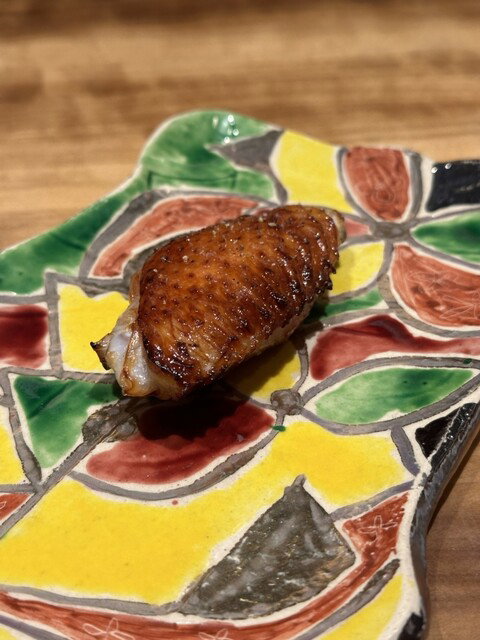
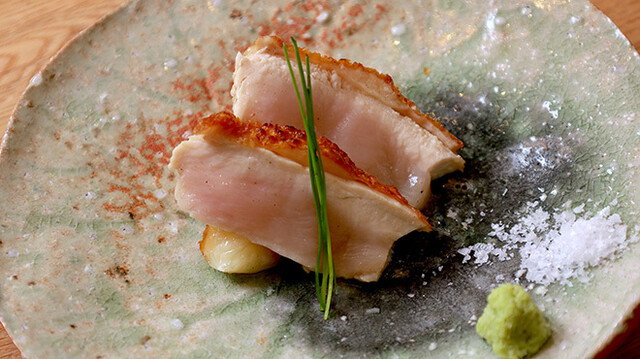
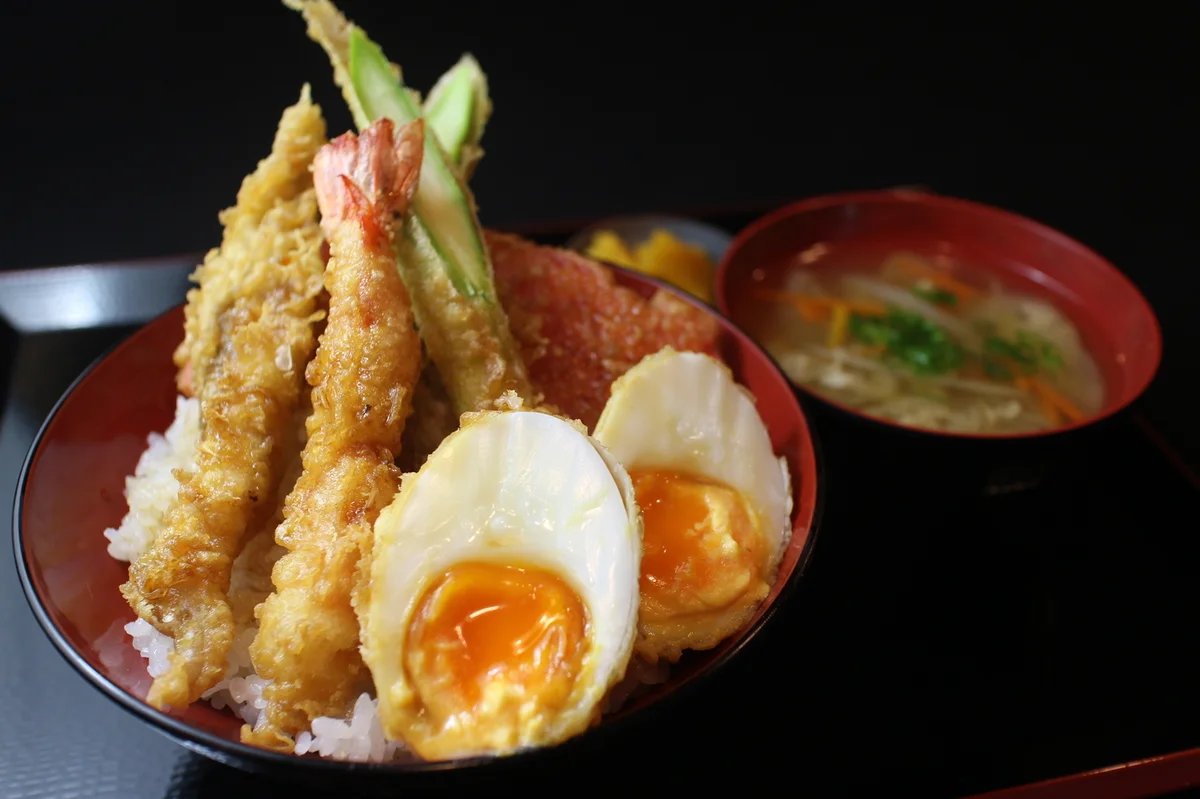
The cooking here is rooted in a classical Japanese multi-course structure, shaped by experience across traditional Japanese restaurant and kappo formats. What that double background produces in practice is a menu that respects the formal architecture of kaiseki while retaining the flexibility to respond to the specific moment, the season, the produce, the occasion on the table. That responsiveness is most visible in the hassun platters: seasonally arranged presentations that function as the aesthetic centrepiece of the meal, with leaves, flowers, and produce arranged with the precision of ikebana rather than the efficiency of plating.
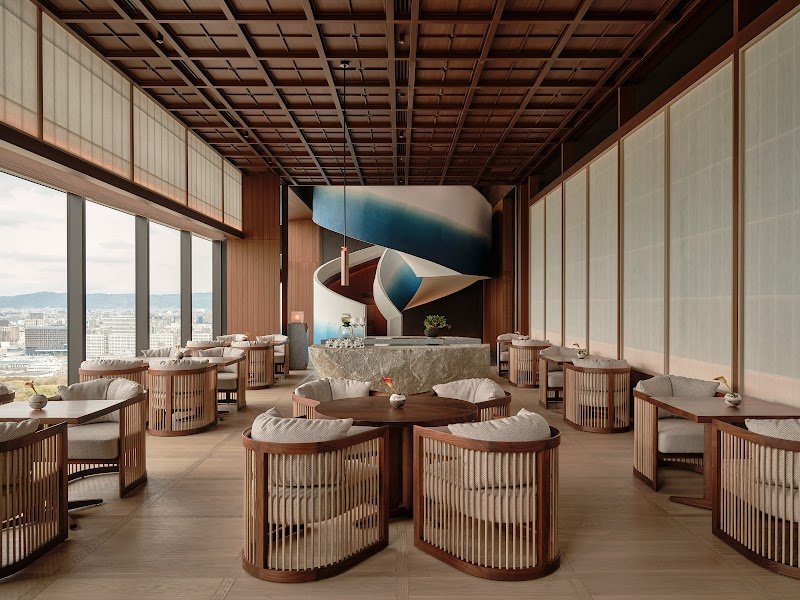
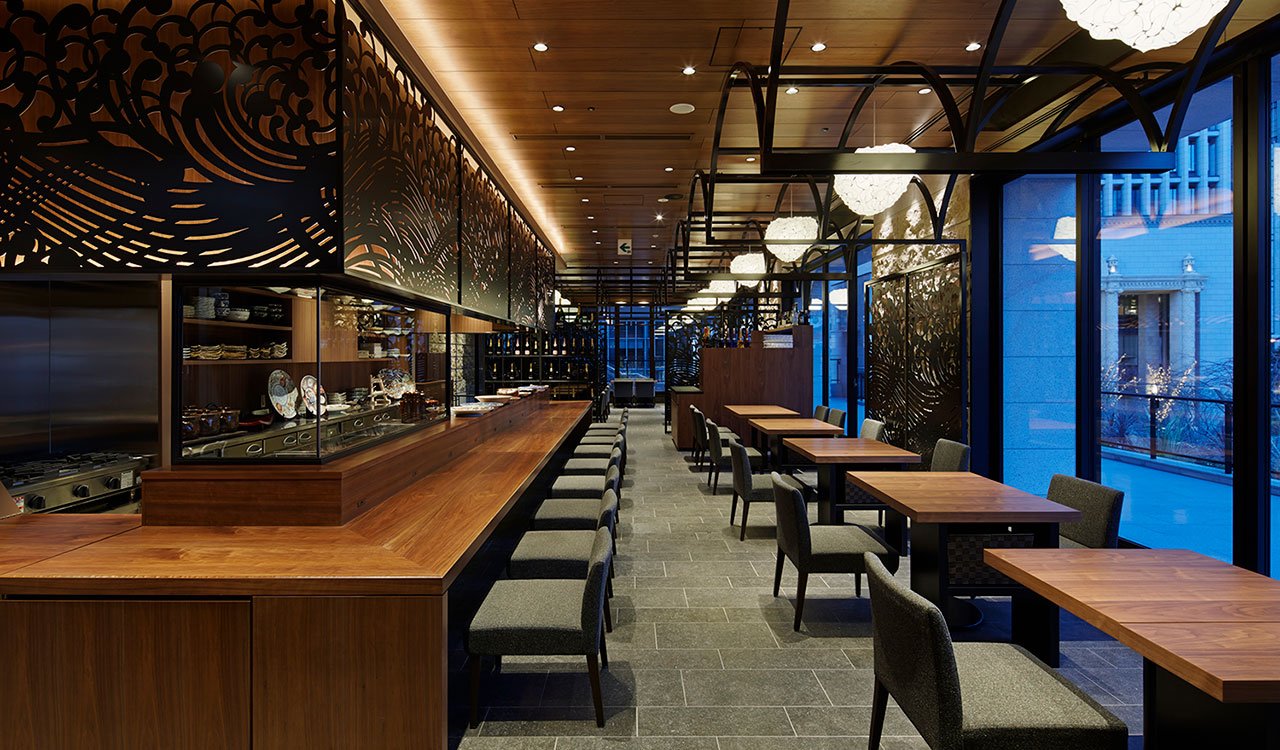
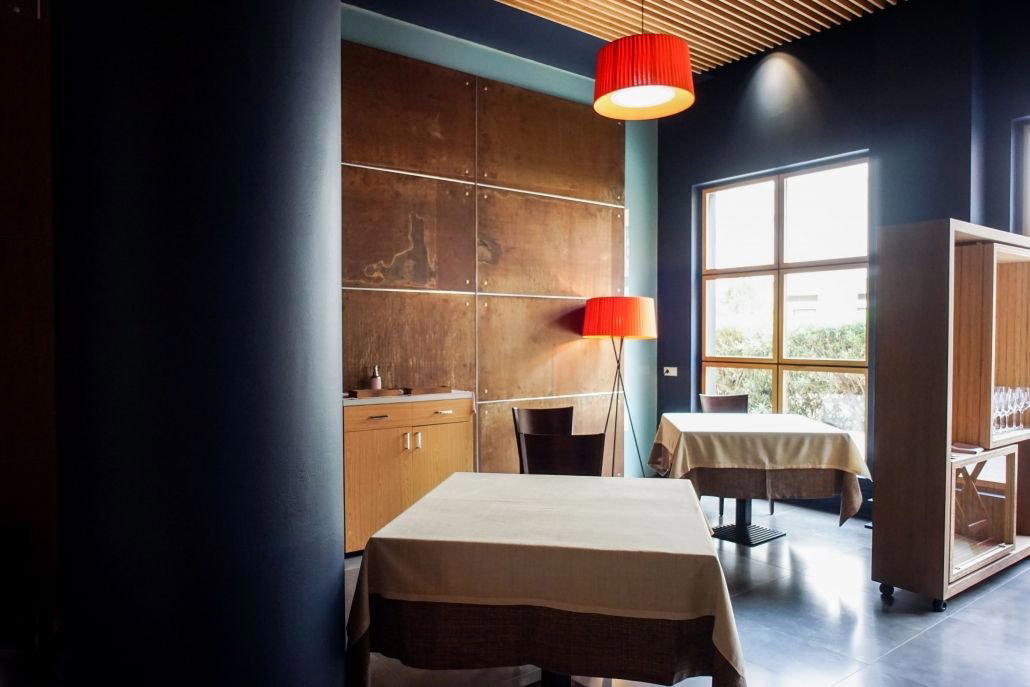
Tin-plate bas-relief counter visible from the dining room depicts Japan's four seasons in sequence, spring mists, summer fireworks, autumn moon, winter snow, and that seasonal framing is not decorative posturing. It signals a kitchen that has organised its entire identity around the passage of the year. Dishes arrive garnished with flowers and leaves corresponding to the current season, so the meal you eat in early spring will read differently from the same format served in late autumn. For special-occasion dining, that level of considered presentation carries real weight: the visual coherence of the meal adds ceremony without tipping into theatre.
Appetisers deserve particular attention. They are composed with the logic of someone who has studied flower arrangement specifically to understand gracious service, not as an aesthetic hobby. Each component highlights the flavour of a single ingredient rather than obscuring it in complexity, and the overall effect across multiple courses is one of accumulating depth rather than accumulating heaviness. This is the kind of cooking that rewards patience at the table.
Booking and Timing
Booking difficulty at Nishitemma Nakamura is rated Easy, a meaningful distinction in an Osaka dining scene where the most-discussed kaiseki and kappo rooms can require planning months in advance. For most dates, a reservation window of one to two weeks ahead should be sufficient, though for weekend evenings or public holidays, booking further out is sensible. Book through a hotel concierge or a reservation platform that covers Osaka's independent dining rooms. If you are staying in the city, this is a direct request for any capable concierge, particularly relevant given that Nishitenma sits close enough to the central hotel district to be a logical dinner destination for guests across the area.
For a special occasion, confirm at the time of booking. Kaiseki kitchens in this tier typically accommodate dietary restrictions with advance notice, and signalling the nature of your visit, anniversary, birthday, business dinner, can affect how the meal is framed and paced at the table.
Ratings at a Glance
- Price Tier: ¥¥¥
- Booking Difficulty: Easy
- Leading For: Special occasions, celebration dinners, date nights requiring ceremony and visual impact
- Cuisine: Japanese kaiseki, seasonal multi-course
How It Compares
Against Osaka's broader kaiseki and fine-dining field, Nishitemma Nakamura occupies a practical middle position: more accessible than the city's highest-profile rooms on both price and booking difficulty, but delivering cooking that takes the format seriously. Kashiwaya Osaka Senriyama operates at the same ¥¥¥ price point and offers a comparable seasonal kaiseki format, making it the closest direct alternative, the choice between them comes down to atmosphere and personal fit rather than a clear quality gap. Taian is also at ¥¥¥ and kaiseki-focused, but commands more competition for reservations. If you want the same price tier with less friction, Nishitemma Nakamura is easier to land.
At ¥¥¥¥, HAJIME and La Cime offer French-influenced innovation rather than traditional kaiseki structure, a fundamentally different dining proposition. Fujiya 1935 is also at ¥¥¥¥ and innovative in direction, better suited to diners who want creative European-Japanese hybridity than those seeking seasonal Japanese classicism. Nishitemma Nakamura is the right call if kaiseki format is the point and the ¥¥¥¥ rooms feel like more than you need to spend to get a meal of real quality.
For broader context on where this kitchen sits within the Osaka dining scene, see our full Osaka restaurants guide. Comparable kaiseki experiences in other Kansai cities include Gion Sasaki in Kyoto and akordu in Nara.
Nearby and Related
If you are building a broader Osaka itinerary around serious Japanese dining, the following rooms are worth considering alongside Nishitemma Nakamura: Miyamoto, Oimatsu Hisano, Tenjimbashi Aoki, and Yugen. For kaiseki and Japanese fine dining in Tokyo, Myojaku and Azabu Kadowaki are points of comparison. See also Harutaka in Tokyo for a different but related level of seasonal Japanese craft. Beyond the table, our full Osaka hotels guide, bars guide, and experiences guide cover the rest of the city.
Planning details
- Hours
- Monday: 6–9 PM · Tuesday: 6–9 PM
- Location
- 4 Chome-5-25 Nishitenma, Kita Ward, Osaka, 530-0047, Japan
- Reservations
- Book on TableCheck
- Website
- kdn2400.gorp.jp
- Phone
- +81 6-7506-8218
The take
The Take
The Vibe
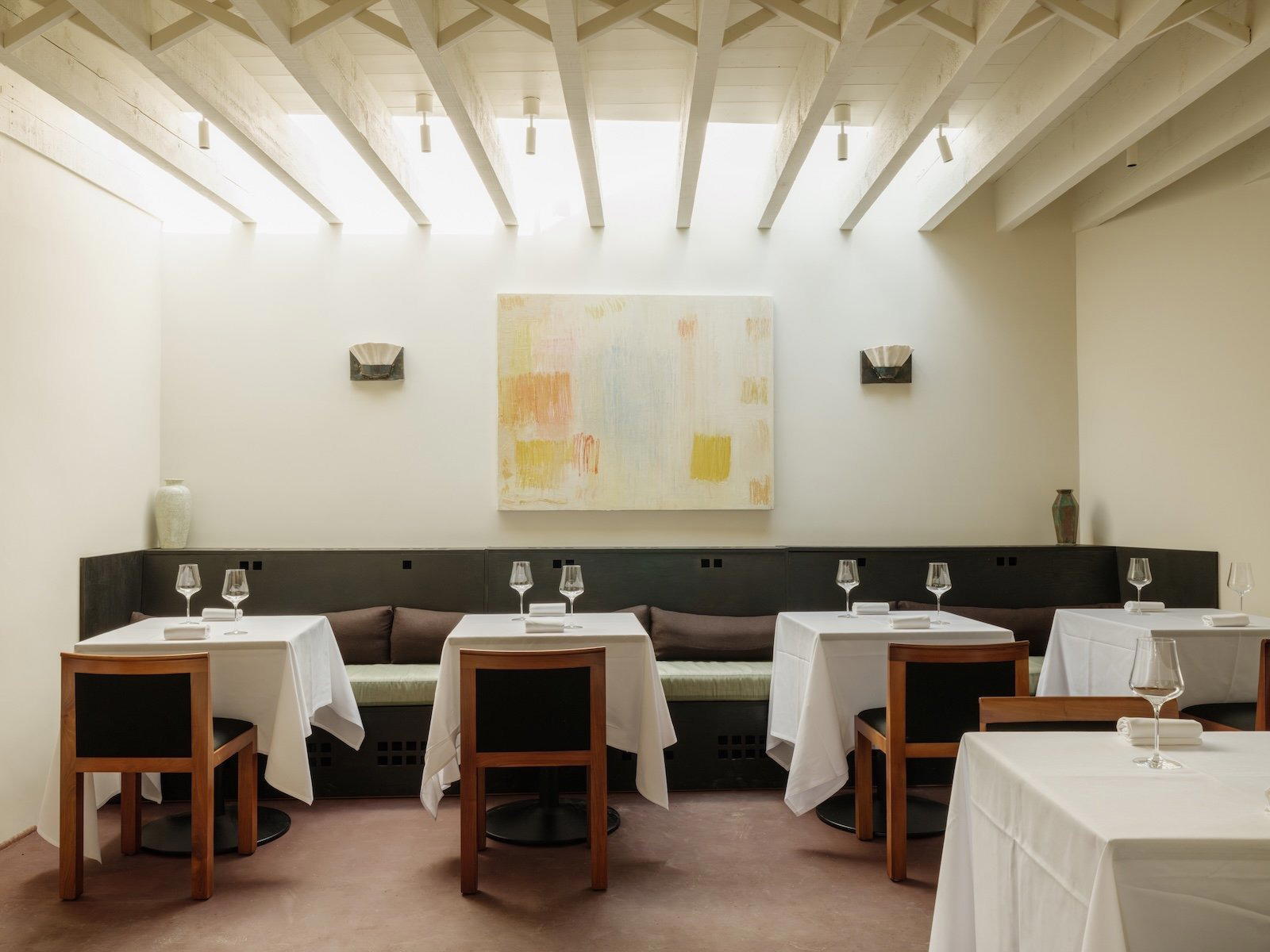
Nishitemma Nakamura presents a quietly refined kaiseki room where the decor itself sets the tone: a tin-plate bas-relief circles the space in four seasonal panels and primes diners for a meal organized by the calendar. The practice of ikebana informs plating and proportion, so every course reads as a composed, contemplative gesture rather than a succession of dishes. Located in a less trafficked corner of Kita Ward, the restaurant trades urban bustle for focus, inviting guests into a serene, artful environment where restraint and seasonal observation steer the experience.
Best For
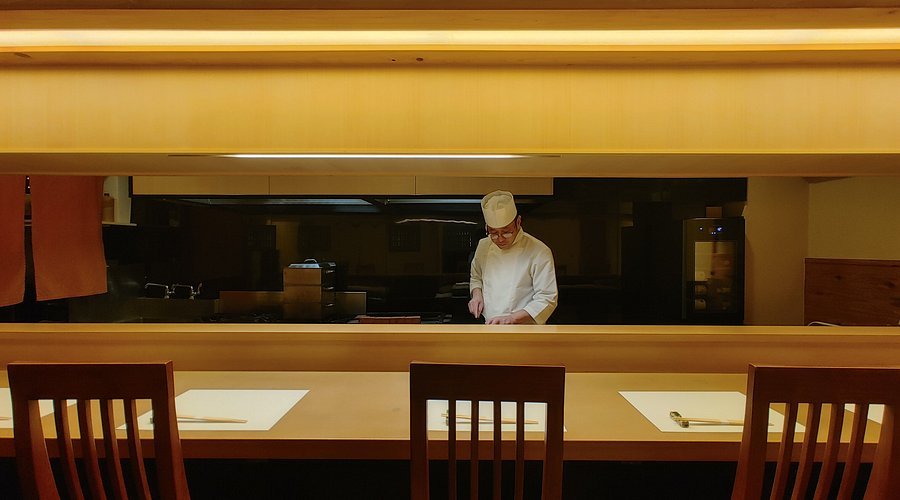
This is a place for diners who want a considered, ceremonial meal rather than casual fare. The focus on kaiseki sequencing and the centrality of the hassun course make it well suited to special-occasion dinners, intimate date nights and business dinners where a quiet, formal setting matters. Guests who are willing to make a deliberate trip to Nishitenma, and who appreciate presentation as much as flavor, will find the room’s rhythm and artistry rewarding. The counter vantage also works well for solo diners who want to watch service unfold.
Ordering Tips
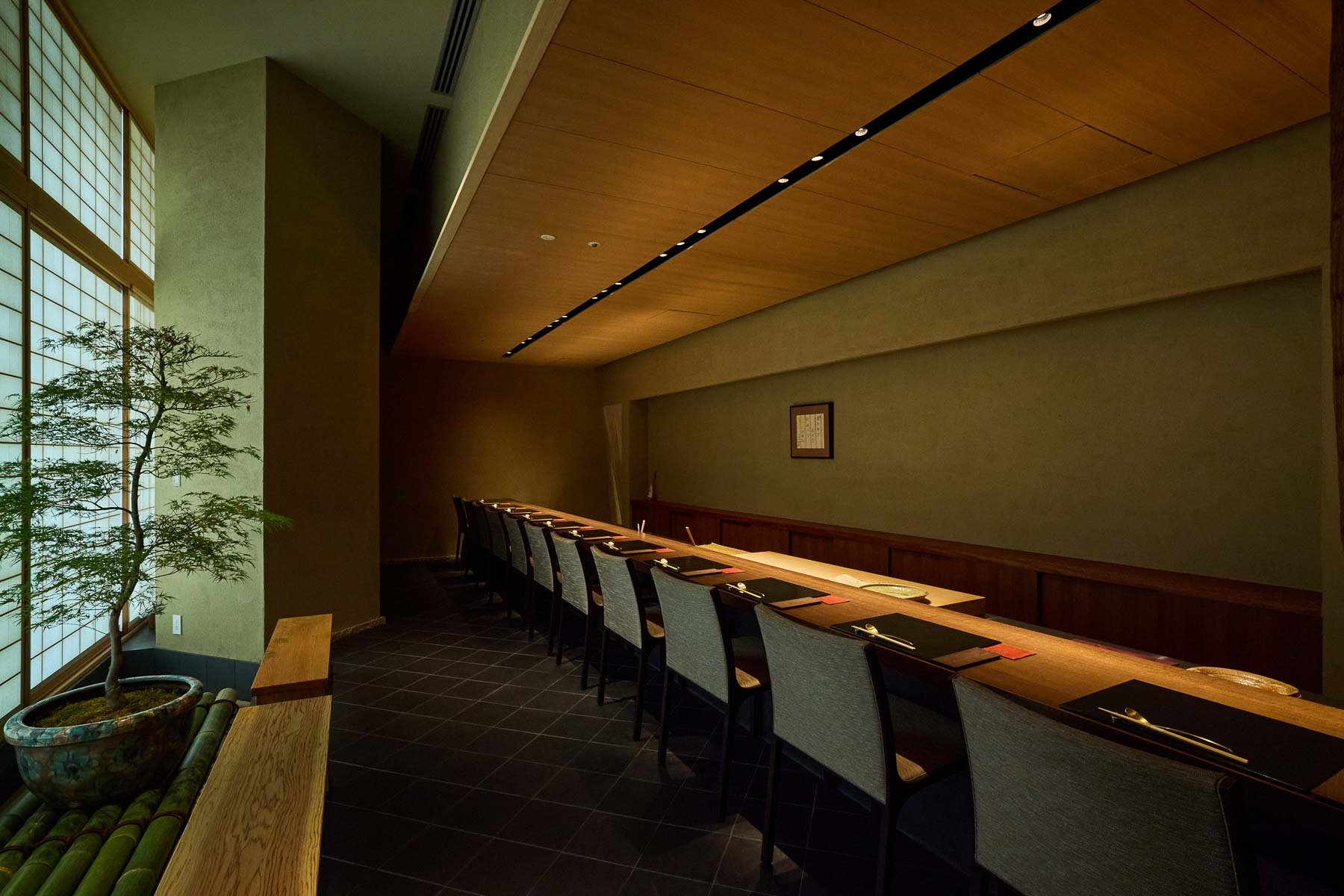
Let the hassun guide your meal: the restaurant treats that composed platter as the seasonal thesis around which the rest of the kaiseki sequence is built, so ordering it gives you the clearest statement of the chef’s seasonal intent. If you can, sit at the counter: the bas-relief is visible from there and the seat offers the closest view of the plates and service. Note the chef’s training in ikebana; expect arrangements that emphasize negative space and proportion, and take time to appreciate the visual arguments as you taste.
Venue details
Ambiance
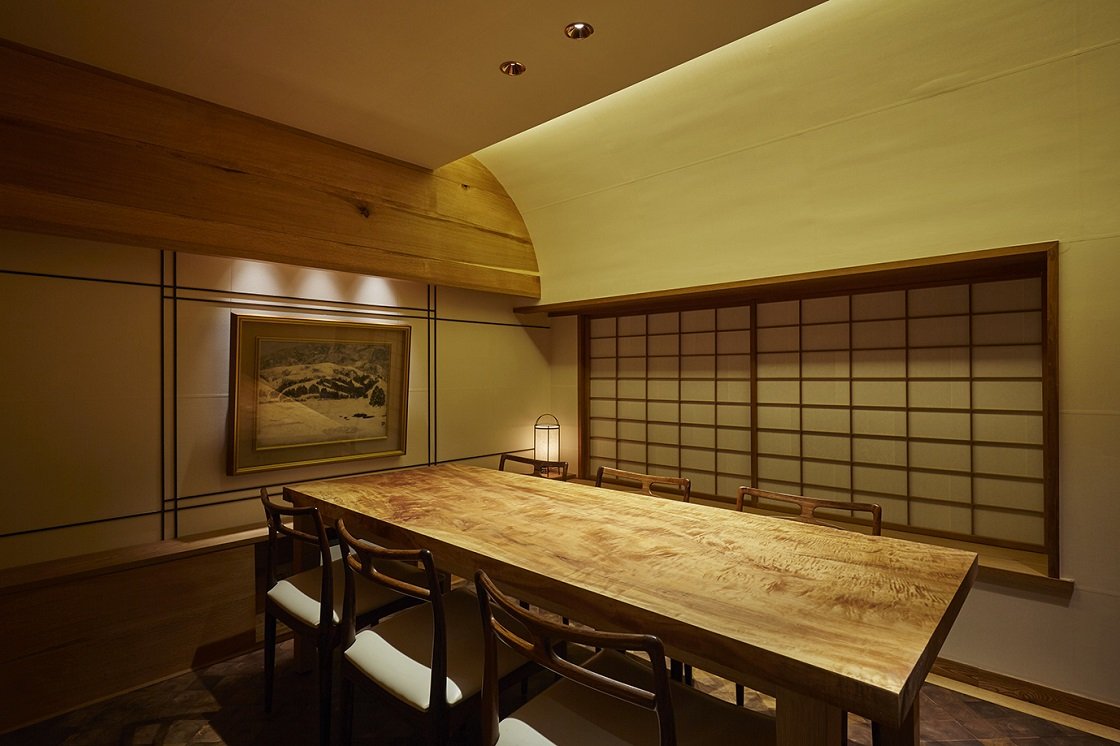
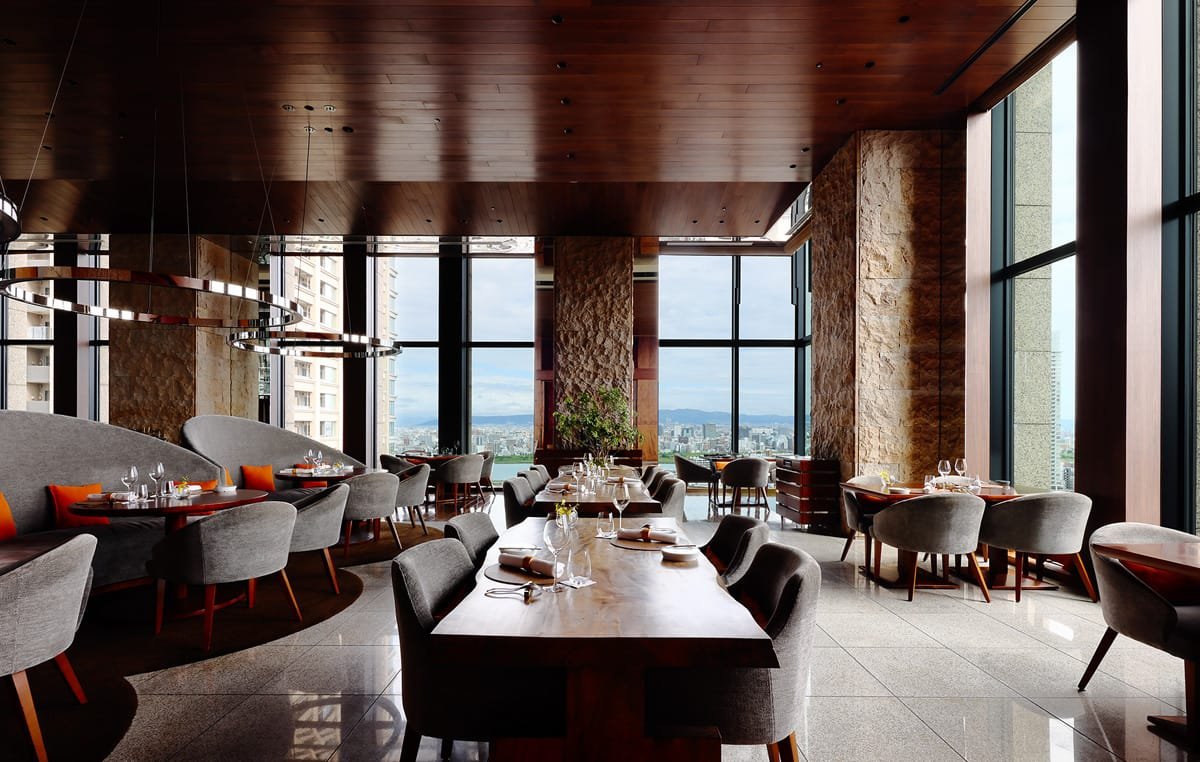
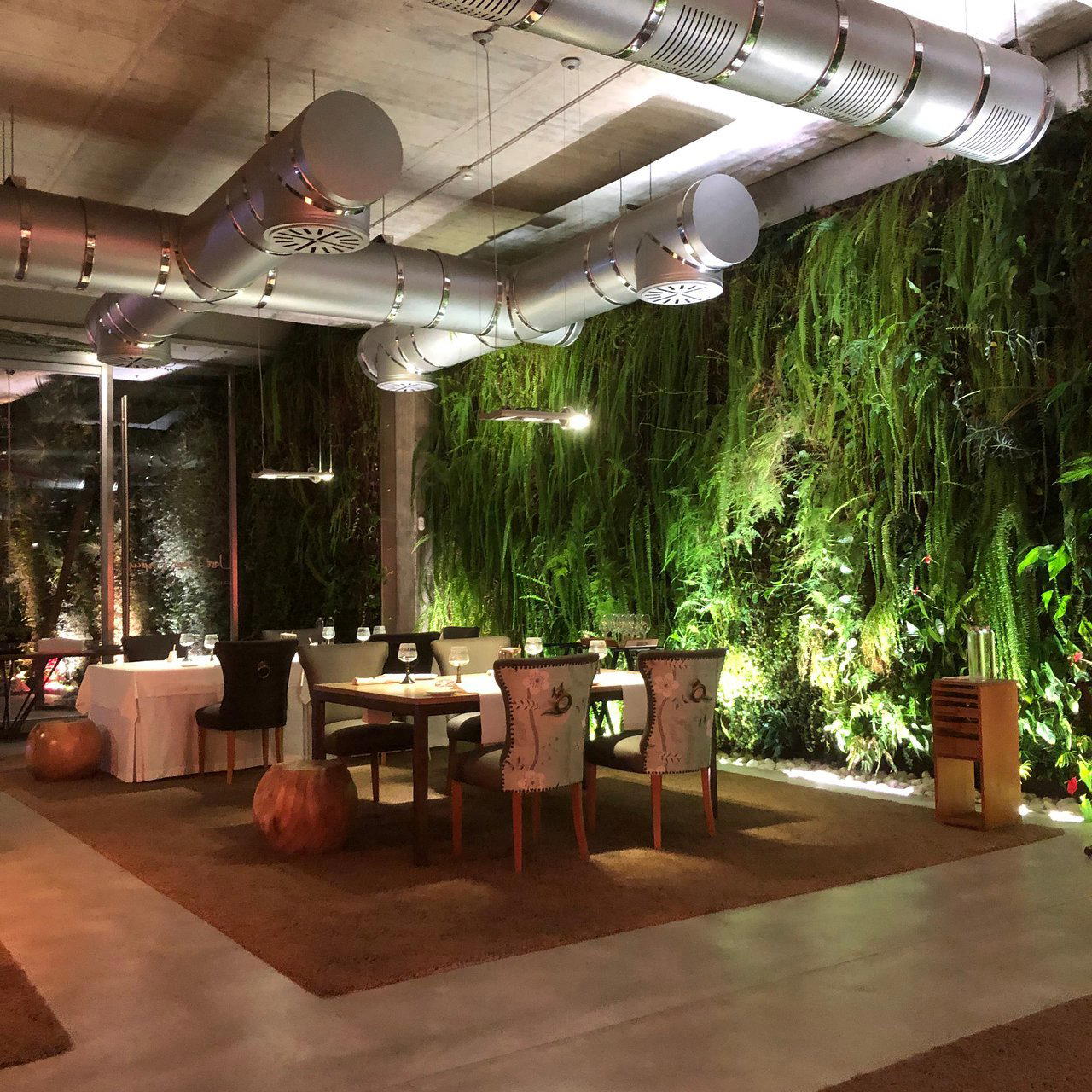
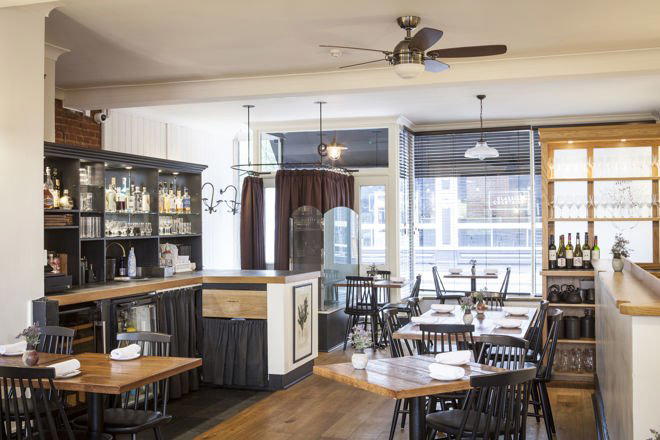
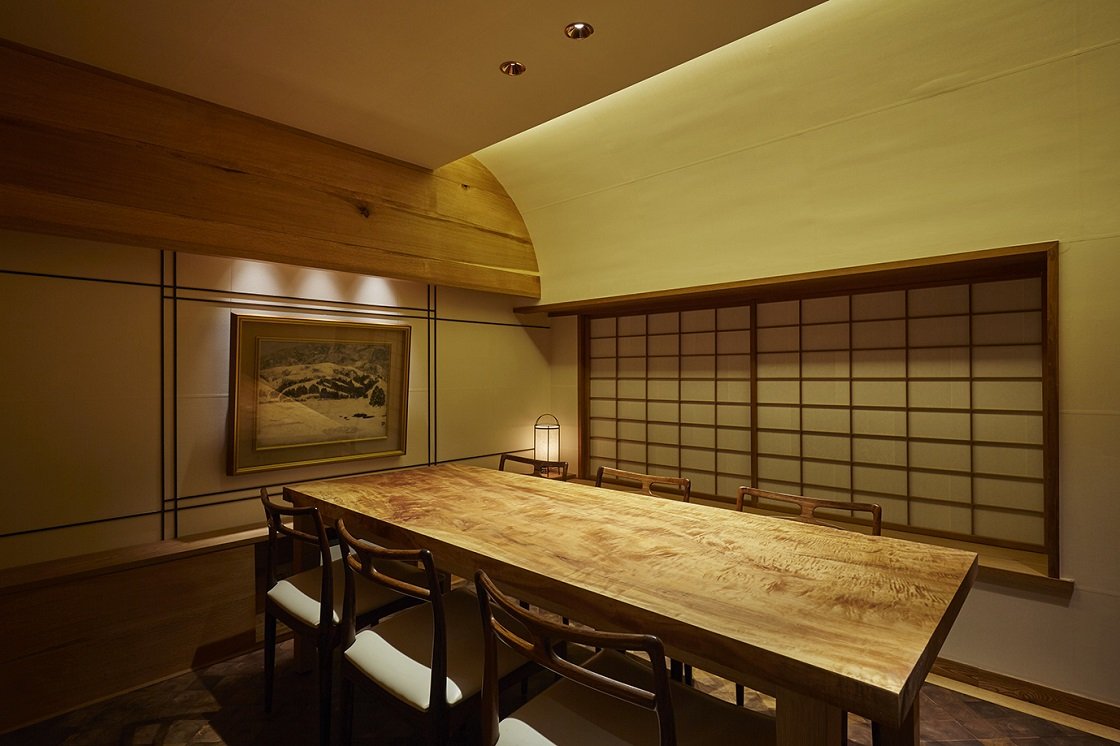
Intimate counter seating with refined, serene atmosphere; soft lighting highlights meticulously plated dishes adorned with seasonal flowers and leaves.
Tags
Vibe
Best For
Experience
Sourcing
At the Table
- Dress Code
- Smart Casual
- Noise Level
- Quiet
- Service Style
- Formal
- Meal Pacing
- Extended Experience
- Capacity
- Intimate
- Kitchen
- Seasonal
- Menu Format
- Tasting menu, Counter dining, Set menu
- Drinks Focus
- Sake, Burgundy wine
- Private Dining
- Available
Signature Dishes
- hassun
- squid sashimi
- duck with cheese
Know before you go
Know Before You Go
- Getting there
- 4 Chome-5-25 Nishitenma, Kita Ward, Osaka, 530-0047, Japan
Planning details
Hours
- Monday
- 6–9 PM
- Tuesday
- 6–9 PM
- Wednesday
- 6–9 PM
- Thursday
- 6–9 PM
- Friday
- 6–9 PM
- Saturday
- 6–9 PM
- Sunday
- Closed
Location
4 Chome-5-25 Nishitenma, Kita Ward, Osaka, 530-0047, Japan · Directions
Recognition and awards
Also consider
Also Consider
- HAJIME: French, Innovative, ¥¥¥¥
- La Cime: French, ¥¥¥¥
- Kashiwaya Osaka Senriyama: Japanese, ¥¥¥
- Taian: Kaiseki, Japanese, ¥¥¥
- Fujiya 1935: Innovative, ¥¥¥¥
Restaurant context
At the ¥¥¥ price tier, Nishitemma Nakamura's closest direct competitors are Kashiwaya Osaka Senriyama and Taian: both Japanese, both kaiseki-oriented, both in the same price band. Kashiwaya is the most comparable on format and philosophy; the choice between the two is largely atmospheric and comes down to which room suits your party better. Taian carries more booking pressure and is harder to land at short notice. If ease of reservation matters and you want the kaiseki format, Nishitemma Nakamura is the more accessible option without a meaningful quality trade-off.
The ¥¥¥¥ field HAJIME, La Cime, and Fujiya 1935: operates in a different register. HAJIME and La Cime are French-influenced and innovation-driven; Fujiya 1935 leans into European-Japanese creative hybridity. None of them are substitutes for Nishitemma Nakamura if seasonal Japanese classicism is what you want. They are a better fit for diners who prioritise creative ambition or Franco-Japanese technique over traditional kaiseki structure. The higher price point at those rooms does not automatically mean a better meal for every diner: it means a different kind of meal.
The practical verdict: book Nishitemma Nakamura if you want classical kaiseki at ¥¥¥ with easy booking and strong seasonal presentation. Step up to Taian or Kashiwaya if you want a direct alternative with slightly more external recognition. Go to HAJIME or La Cime if your priority is innovation and you are prepared to spend more. For a full view of where these rooms sit relative to each other and the wider city, see our full Osaka restaurants guide.
Explore Osaka
Around this place
Discover more on Pearl
Unlock the full Nishitemma Nakamura guide in Pearl, including awards, comparisons, FAQs, planning details, and nearby places.
Compare Nishitemma Nakamura
| Venue | Price | Booking Difficulty | Awards |
|---|---|---|---|
| Nishitemma Nakamura | ¥¥¥ | Easy | 2026 Michelin 1 Star2024 Michelin 1 Star |
| HAJIME | ¥¥¥¥ | Unknown | Star Wine Lists 2026 · #12026 Tabelog Bronze · #922026 OAD Top Restaurants in Japan Ranked · #98Michelin Guide Kyoto Osaka 20262026 La Liste Top RestaurantsTabelog 100 - Innovative / Creative cuisine - 2025 · #692025 Asia's 50 Best Restaurants · #832025 OAD Top Restaurants in Japan Ranked · #87We're Smart World Top Restaurants 2025 |
| La Cime | ¥¥¥¥ | Unknown | 2026 Asia's 50 Best Restaurants · #132026 OAD Top Restaurants in Japan Ranked · #1492026 Tabelog Bronze · #231Michelin Guide Kyoto Osaka 20262026 La Liste Top Restaurants2025 Asia's 50 Best Restaurants · #82025 World's 50 Best Restaurants · #44Tabelog 100 - French - WEST - 2025 · #932025 OAD Top Restaurants in Japan Ranked · #123 |
| Kashiwaya Osaka Senriyama | ¥¥¥ | Unknown | 2026 Tabelog Bronze · #1682026 OAD Top Restaurants in Japan Recommended2026 Relais Chateaux RestaurantsMichelin Guide Kyoto Osaka 20262026 La Liste Top RestaurantsTabelog 100 - Japanese cuisine - WEST - 2025 · #772025 OAD Top Restaurants in Japan Ranked · #1552025 Relais Chateaux Award2025 Michelin 3 Stars |
| Taian | ¥¥¥ | Unknown | 2026 OAD Top Restaurants in Japan RecommendedMichelin Guide Kyoto Osaka 20262026 La Liste Top Restaurants2025 OAD Top Restaurants in Japan Ranked · #2042025 La Liste Top Restaurants2025 Michelin 3 Stars2024 OAD Top Restaurants in Japan Ranked · #1912024 Michelin 3 Stars2023 OAD Top Restaurants in Japan Highly Recommended |
| Fujiya 1935 | ¥¥¥¥ | Unknown | 2026 Tabelog Bronze · #752026 OAD Top Restaurants in Japan RecommendedMichelin Guide Kyoto Osaka 20262026 La Liste Top Restaurants2025 Michelin 2 Stars2025 Tabelog Silver2025 La Liste Top Restaurants2024 OAD Top Restaurants in Japan Ranked · #2392024 Michelin 2 Stars |










How Nishitemma Nakamura stacks up against the competition.
FAQ
Frequently Asked Questions
Can I eat at the bar at Nishitemma Nakamura?
The venue operates a counter format, the tin-plate bas-relief visible from the counter is a noted detail in the dining room, so counter seating is part of the intended experience rather than a fallback option. This is a kaiseki setting, not a drop-in bar, so plan for a full multi-course sitting rather than a casual perch.
Can Nishitemma Nakamura accommodate groups?
No group capacity data is confirmed. For parties larger than four, contact the restaurant in advance: kaiseki counters in Osaka typically have limited seats, and a room of this size at ¥¥¥ pricing is better suited to small groups of two to four than large parties. If you need private dining for six or more, verify availability before committing.
Is Nishitemma Nakamura worth the price?
If you want Michelin-level kaiseki without the booking difficulty or the top-tier price, this is a practical choice.
Is Nishitemma Nakamura good for a special occasion?
Yes. The format is built for it: the kitchen plates hassun arrangements with the sensibility of a flower arrangement master, and the seasonal themes, spring mists, summer fireworks, autumn harvest moon, winter snow, give the meal a ceremonial quality that suits a birthday, anniversary, or significant dinner. It reads as considered without being stiff.
Is the tasting menu worth it at Nishitemma Nakamura?
The multi-course structure is the only format here, so the question is really whether kaiseki is your preferred mode rather than whether to upgrade. If you want à la carte flexibility, this is not the room. But if you are committed to a full seasonal progression, and the kitchen's background across kappo and traditional Japanese dining suggests genuine range across a sitting, the ¥¥¥ price tier makes it one of the more accessible ways to eat kaiseki seriously in Osaka.