
Nishitemma Ichigaya
Japanese · Kita, Osaka
Restaurant in Osaka, Japan
 Book with Pearl
The Read
Semba Merchant Precision
Price
¥¥¥
Dress
Smart Casual
Why go
A Michelin Plate Japanese restaurant in Osaka's Nishitenma district, grounded in Semba merchant food culture and ma-kombu kelp broths, with selective French technique. At ¥¥¥ with easy availability, it offers more culinary specificity than most restaurants at its price point — worth booking for solo diners, couples, and food-focused travellers who want something more particular than standard kaiseki.
About Nishitemma Ichigaya
The Verdict
If you visited Nishitemma Ichigaya once and left thinking it was a competent Japanese restaurant in Osaka's Nishitenma dining district, a second visit will likely recalibrate that reading. The kitchen's commitment to Osaka's Semba merchant food tradition — anchored by ma-kombu kelp broth and heritage vegetables — gives it a specificity that holds up over multiple meals. The Michelin Plate recognition (2024) signals consistent quality without the prestige pricing of a starred room. At ¥¥¥, this is a restaurant you can return to without the occasion needing to justify itself.
What Nishitemma Ichigaya Is
Nishitemma Ichigaya operates within the Japanese fine-dining register but does not sit still inside it. The cooking is grounded in Osaka's Semba merchant culture, a culinary tradition built on dashi discipline and restrained but complex flavour. Ma-kombu kelp, harvested from cold northern waters, is used to build the soup broths here, a choice that signals technical seriousness rather than decorative heritage. The kelp's mild umami depth is different from katsuobushi-forward broths common across the country, and it gives the kitchen's soup dishes a particular quietness that rewards attention.
Alongside that foundation, the menu draws on traditional Osaka vegetables, produce varieties that reflect the city's history as a commercial hub where regional agriculture supplied the merchant class. This is not nostalgic cooking for its own sake. The vegetables appear because they carry flavour profiles that fit the kitchen's logic.
The French influence is selective rather than structural. The seafood with miso sauce américain is cited as a house signature: a French mother sauce adapted with Japanese fermented miso, producing a dish that doesn't exist in either tradition's standard repertoire. That kind of integration tends to be either awkward or genuinely interesting, and the Michelin Plate suggests this kitchen is in the latter camp. For diners who have eaten through Osaka's kaiseki circuit and are looking for something that sits at an angle to it, Nishitemma Ichigaya offers a more hybrid proposition than most.
Atmosphere and Mood
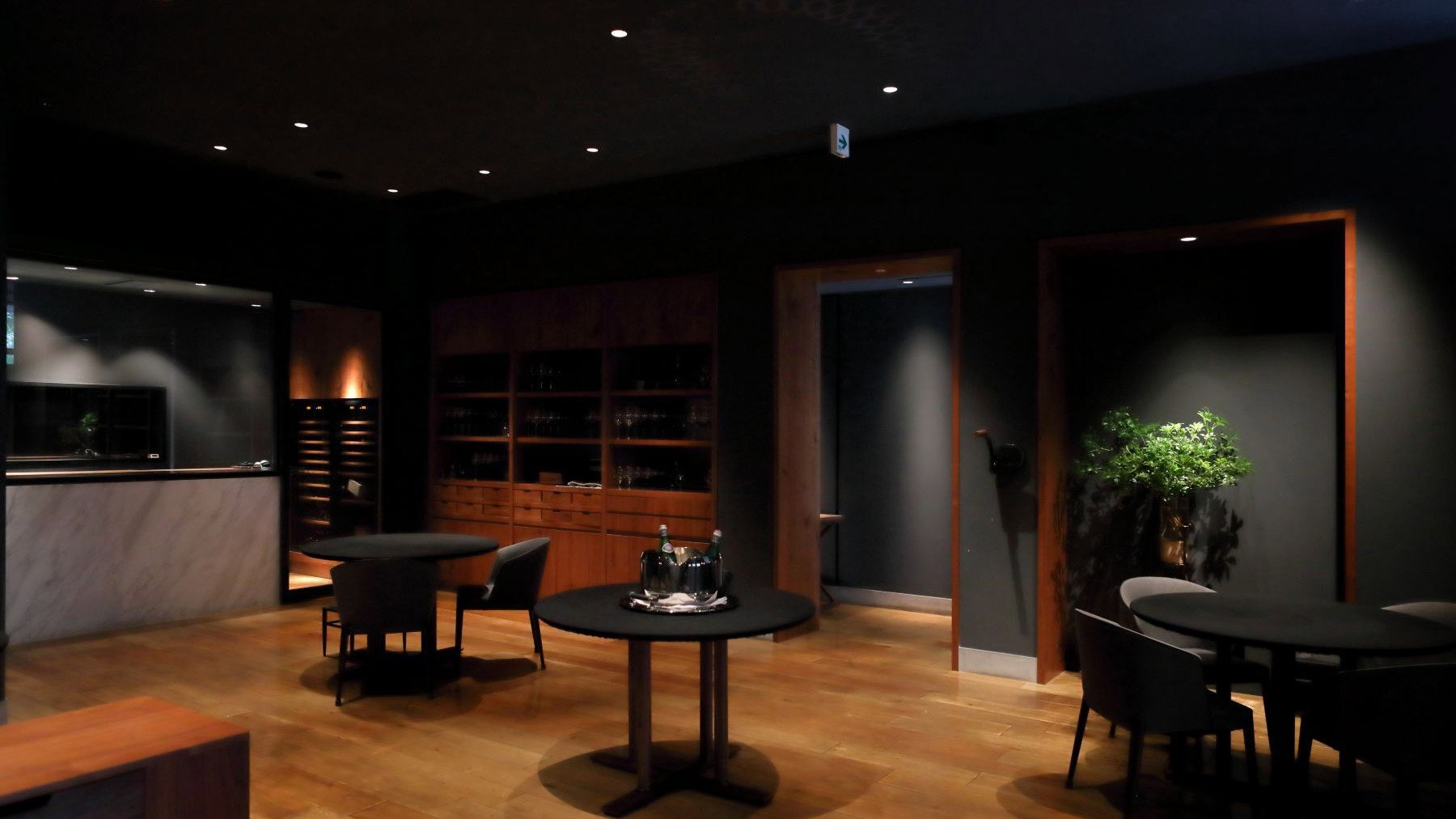
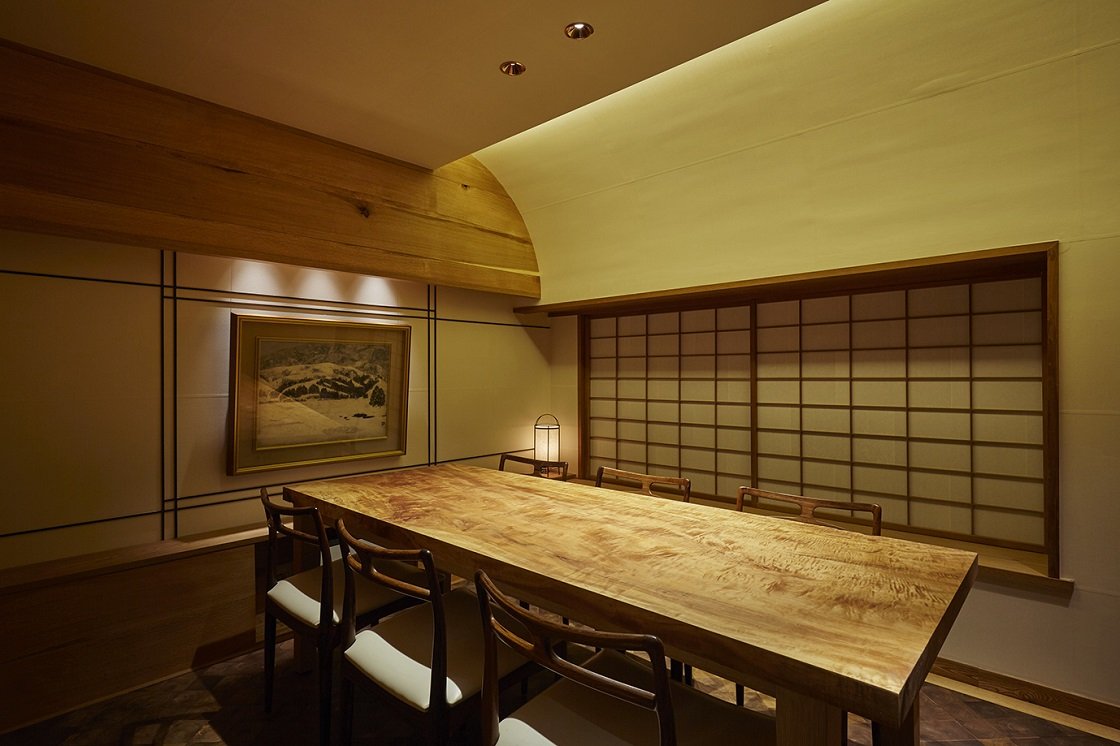
Nishitenma is a quieter address than Shinsaibashi or Namba, a district where Osaka's legal and business community eats, which tends to produce restaurants with a lower ambient volume and a more composed pace. Expect a room calibrated for conversation rather than energy. This is not a place to come for celebratory noise. The mood is considered, the service pace measured. For solo diners or couples who want to talk through a meal rather than shout over one, that register is a strong match. For groups looking for a livelier setting, this part of Osaka has other options.
The Drinks Program
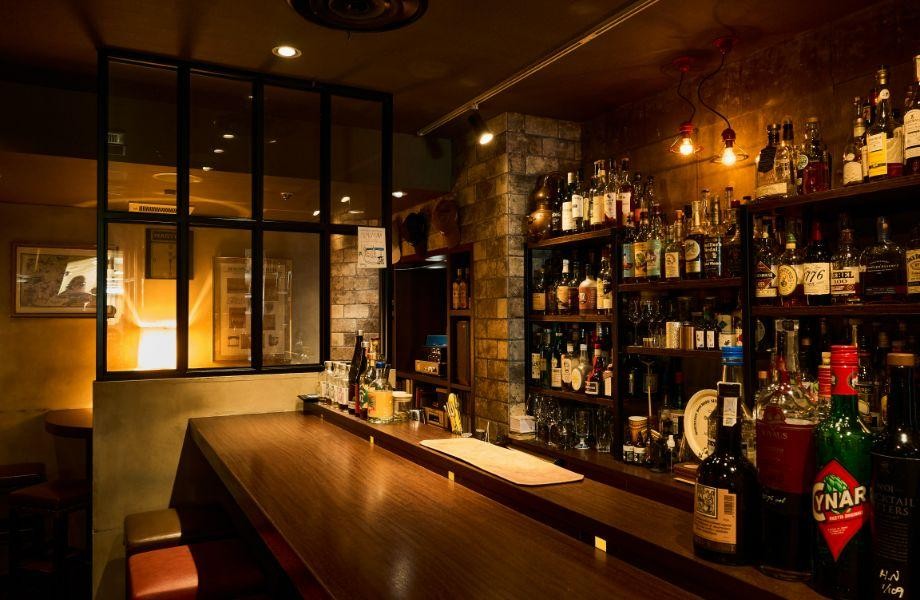
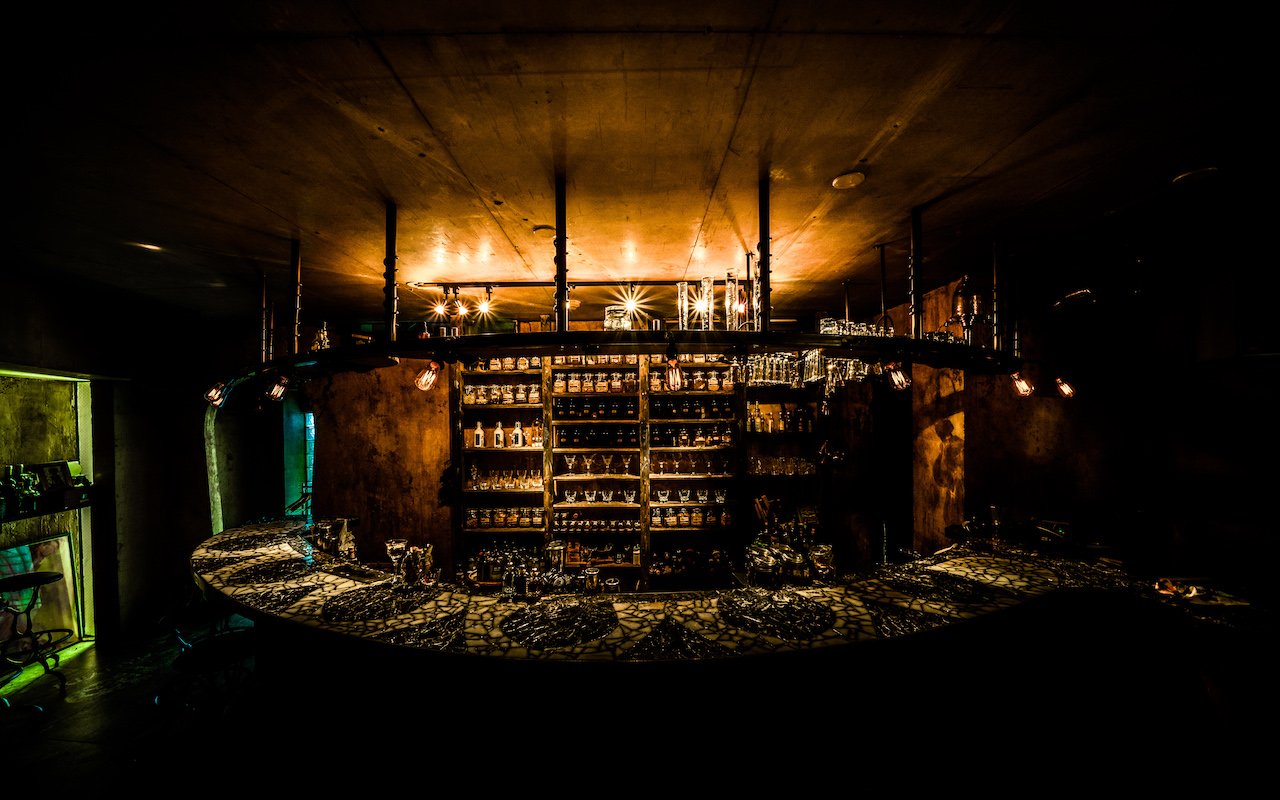
No specific bar or drinks program data is available in the record for Nishitemma Ichigaya. For a Japanese restaurant at this price point and this culinary orientation, it is reasonable to expect a sake selection shaped around the food's flavour profile, Osaka's proximity to Nada and Itami, two of Japan's significant sake-producing regions, means access to quality producers is not an issue for restaurants at this level. Whether the kitchen has invested in building a serious sake or wine program comparable to the food ambition is not confirmed. If drinks pairing matters to your visit, it is worth confirming the program directly before booking. Osaka's bar scene, covered in our full Osaka bars guide, offers strong options nearby if you want to extend the evening.
Booking and Logistics
Booking difficulty is rated Easy. A week to ten days out is a sensible window for weekday bookings; aim for two weeks if you want a specific weekend date or time. Walk-in availability cannot be confirmed from available data, but the ease of booking suggests same-week reservations are likely achievable. No phone number or website is listed in the venue record, so booking method should be confirmed via a third-party reservation platform or direct inquiry on arrival in Osaka.
The address is 2 Chome-10-9 Nishitenma, Kita Ward, Osaka. Nishitenma sits north of central Osaka, accessible from Osaka Business Park or Minamimorimachi stations. For broader Osaka trip planning, see our full Osaka restaurants guide, our full Osaka hotels guide, and our full Osaka experiences guide.
How It Fits the Osaka Dining Map
Nishitemma Ichigaya sits in a productive middle ground in Osaka's fine-dining range. It is not the most technically demanding kitchen in the city, but it is doing something more specific than a generic kaiseki offering. Compared to similar restaurants in the Japanese fine-dining register at ¥¥¥, it has a clearer culinary identity than most. Diners who appreciate the Semba merchant food tradition, or who want to see French and Japanese techniques integrated without either side dominating, will find this more engaging than restaurants that operate in a more standard kaiseki idiom.
For context on how this kitchen compares to Osaka's wider Japanese dining circuit, see Kashiwaya Osaka Senriyama, Miyamoto, Oimatsu Hisano, Tenjimbashi Aoki, and Yugen. If you are building a wider Japan itinerary, the culinary register here is usefully compared to Gion Sasaki in Kyoto, Harutaka in Tokyo, Myojaku in Tokyo, Azabu Kadowaki in Tokyo, akordu in Nara, Goh in Fukuoka, 1000 in Yokohama, and 6 in Okinawa. Also see our full Osaka wineries guide for regional drink context.
Quick reference:
Planning details
- Location
- 2 Chome-10-9 Nishitenma, Kita Ward, Osaka, 530-0047, Japan
- Website
- ichigaya.savor-japanese-restaurant.com
- Phone
- +81 70-7462-7788
The take
The Take
The Vibe
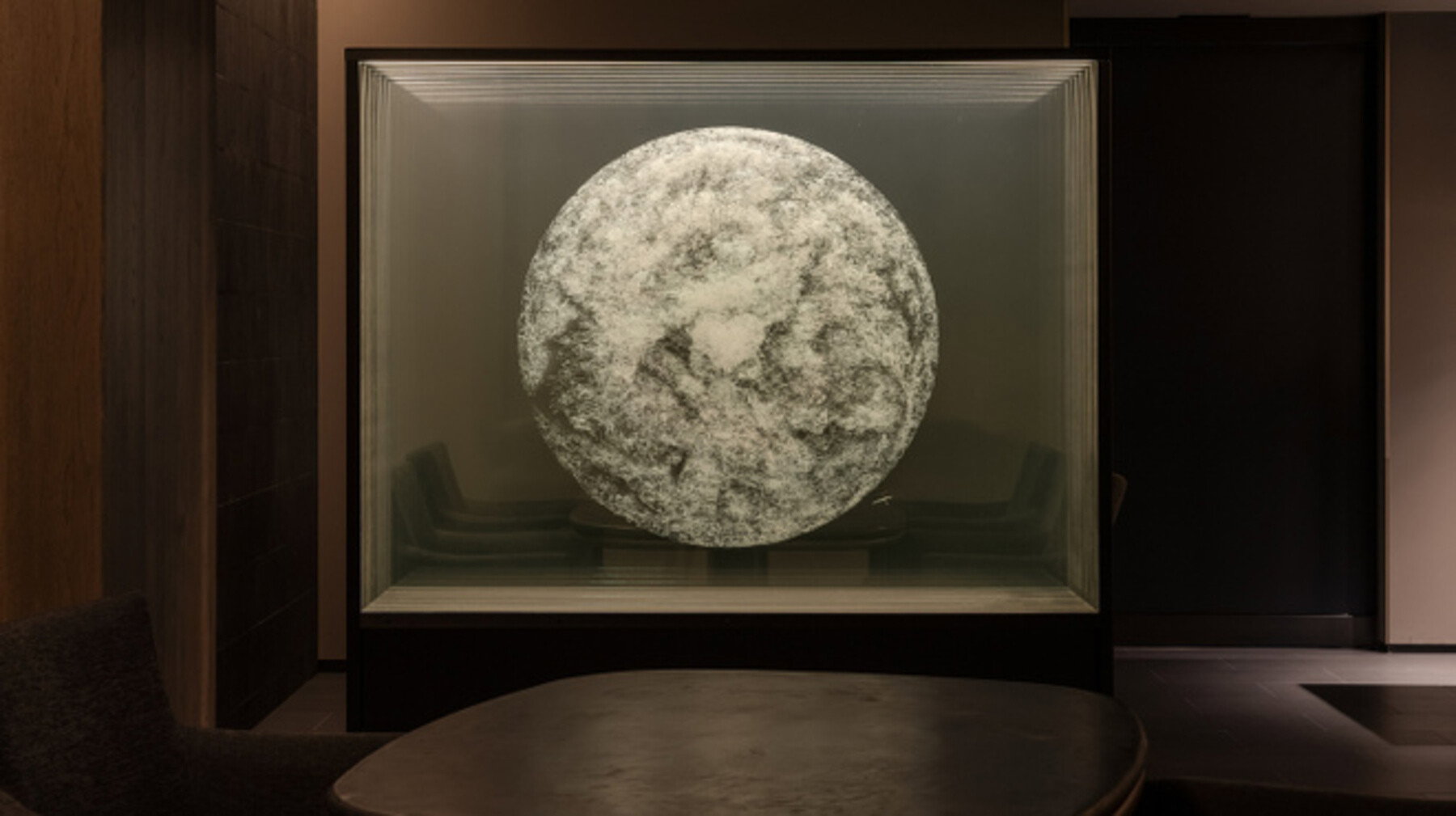
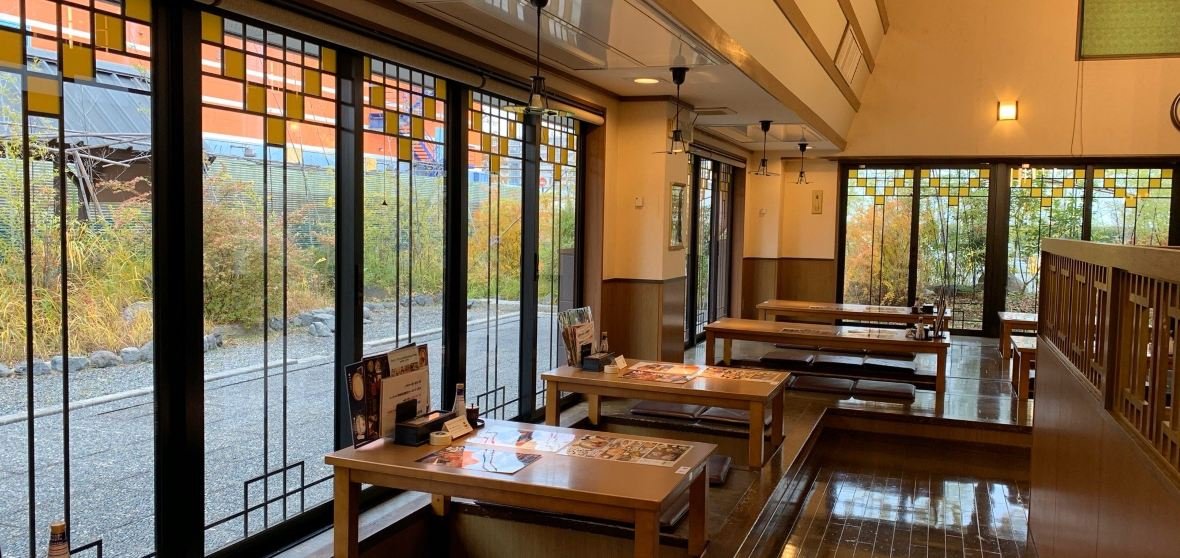
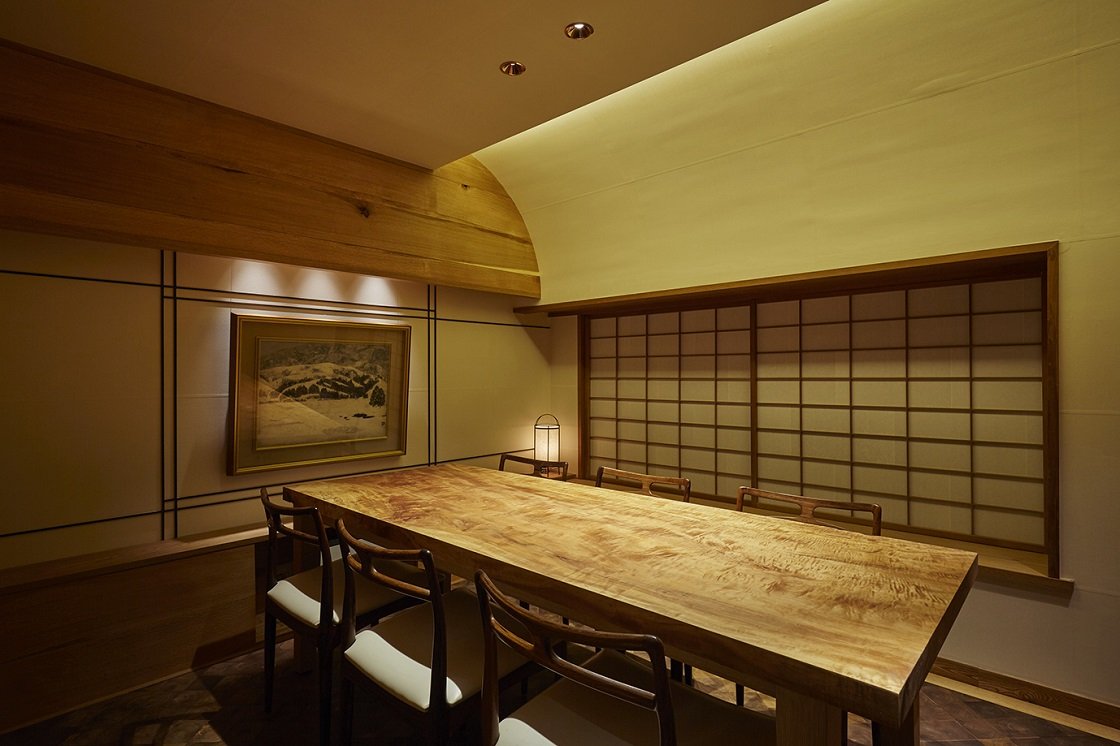
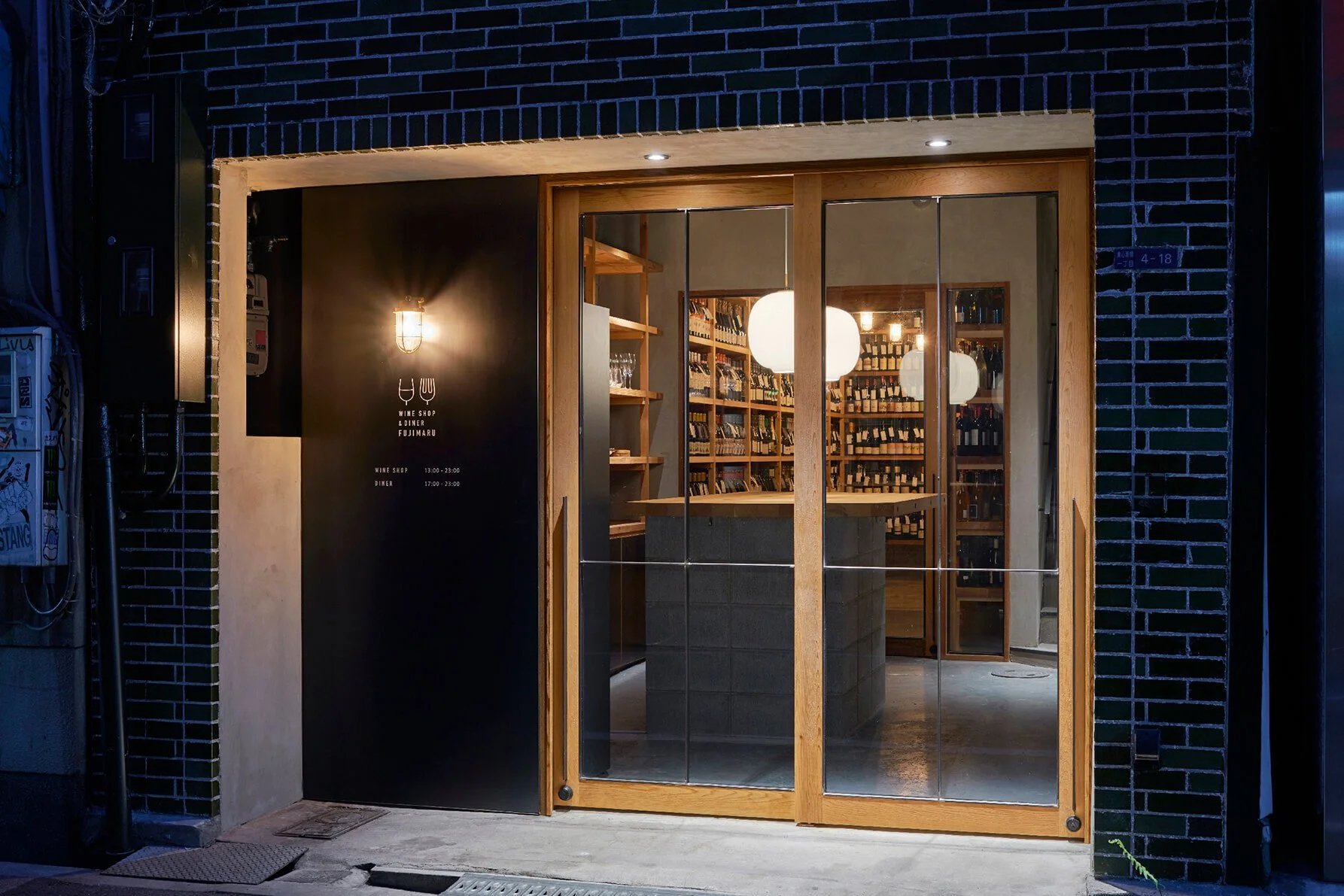
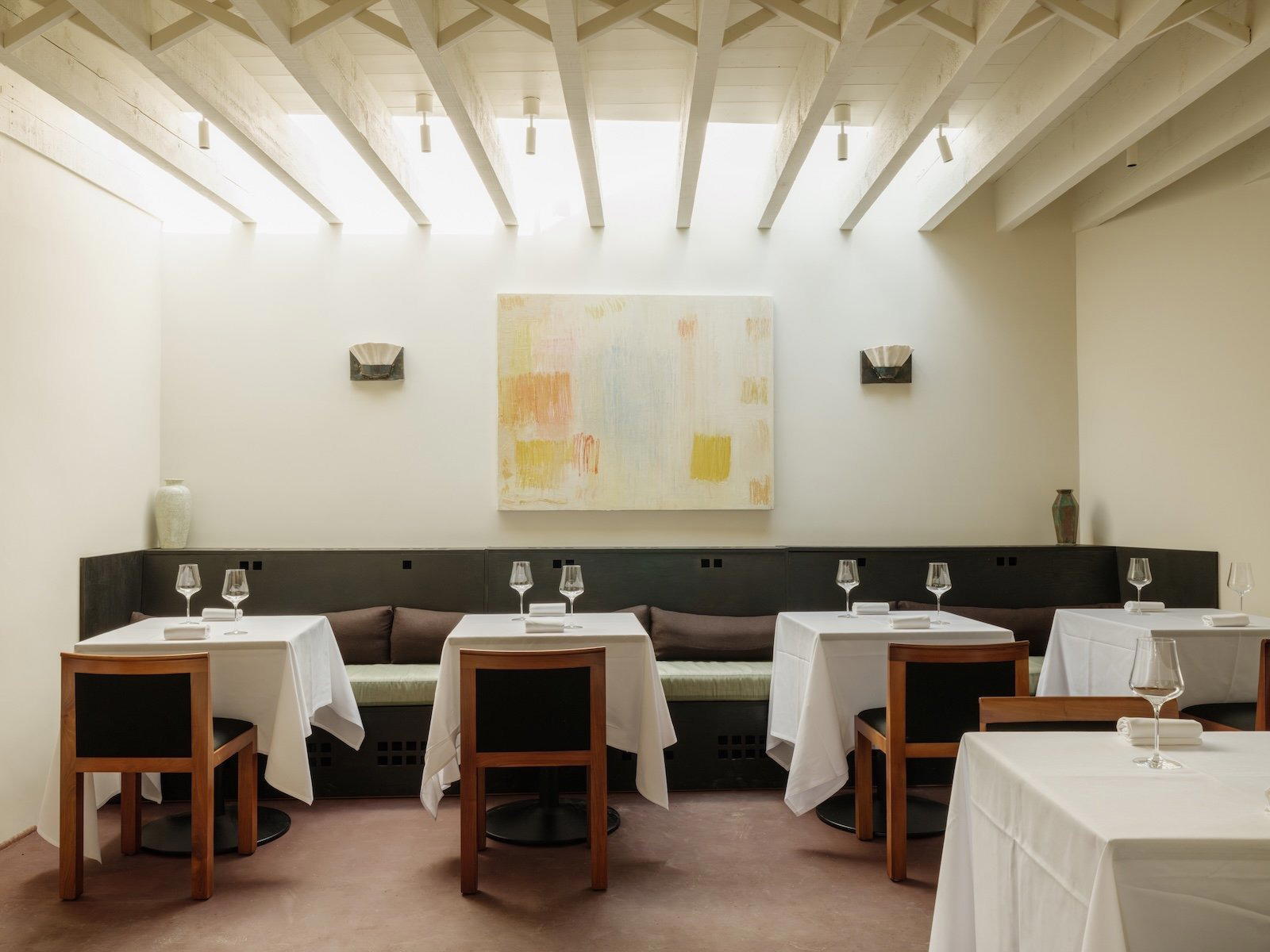
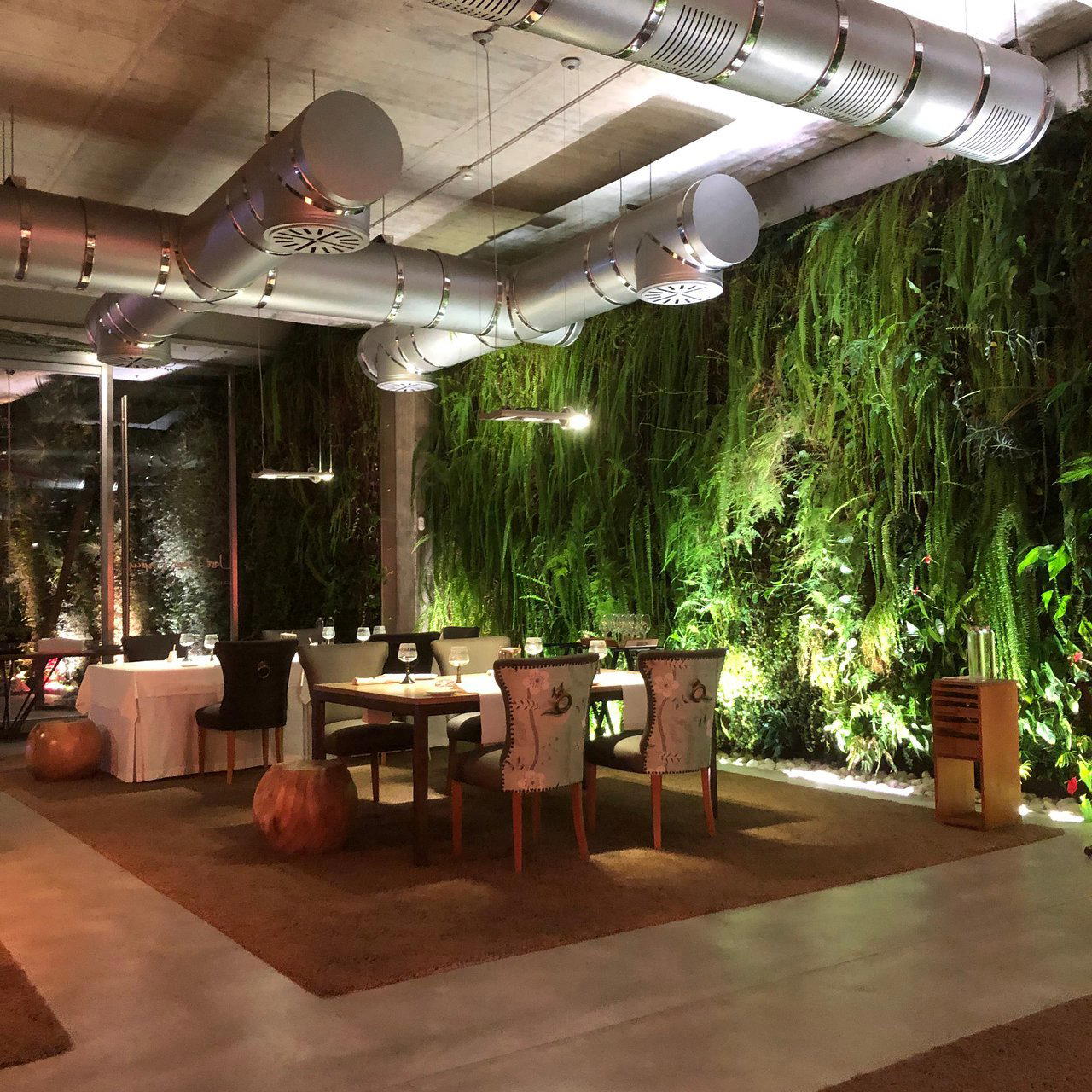
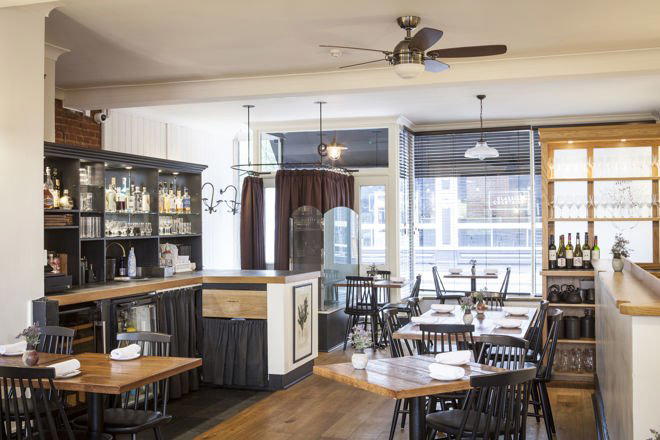
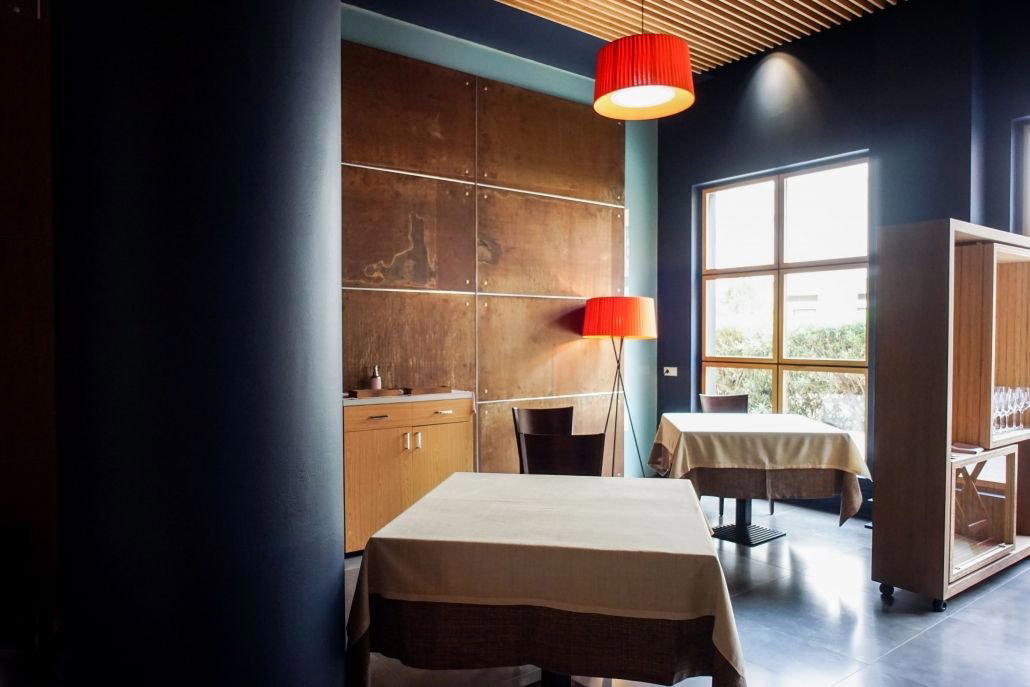
Nishitemma Ichigaya occupies a quietly distinguished corner of Kita Ward, where understatement is the neighborhood’s default. The low-profile entrance and deliberately modest room let the cooking take center stage: the space recedes so the food can advance. The tone feels rooted in Osaka’s long culinary history, with a calm, classic atmosphere that rewards arrival on foot and a measured, attentive audience. It’s a serene, refined place that favors serious dining over spectacle, appealing to diners who prefer their meals to be about craft and context rather than flash.
Best For
This is a restaurant best chosen when the meal itself is the occasion. The kitchen pulls from Osaka’s traditions rather than confining itself to a single technique, which makes the venue well suited to milestone dinners, celebrations and deliberate date-night evenings where a thoughtful multi-course experience is desired. Recognized with a Michelin Plate in 2024, Nishitemma Ichigaya fits mid-to-upper tier expectations: it’s for diners who want consistent quality and intent without the three-star theater, and for groups who value an evening built around the progression of dishes.
Ordering Tips
Given the kitchen’s cross-category approach—drawing on kaiseki, sushi and other Osaka traditions—embrace the menu as a cohesive dining experience rather than treating it as a showcase of one technique. The restaurant’s positioning favors courses that build on one another, so plan for a focused dinner where the progression of dishes matters. The Michelin Plate nod signals reliable consistency; let the meal be the main event and choose selections that allow the kitchen’s intent and variety to come through.
Venue details
Ambiance
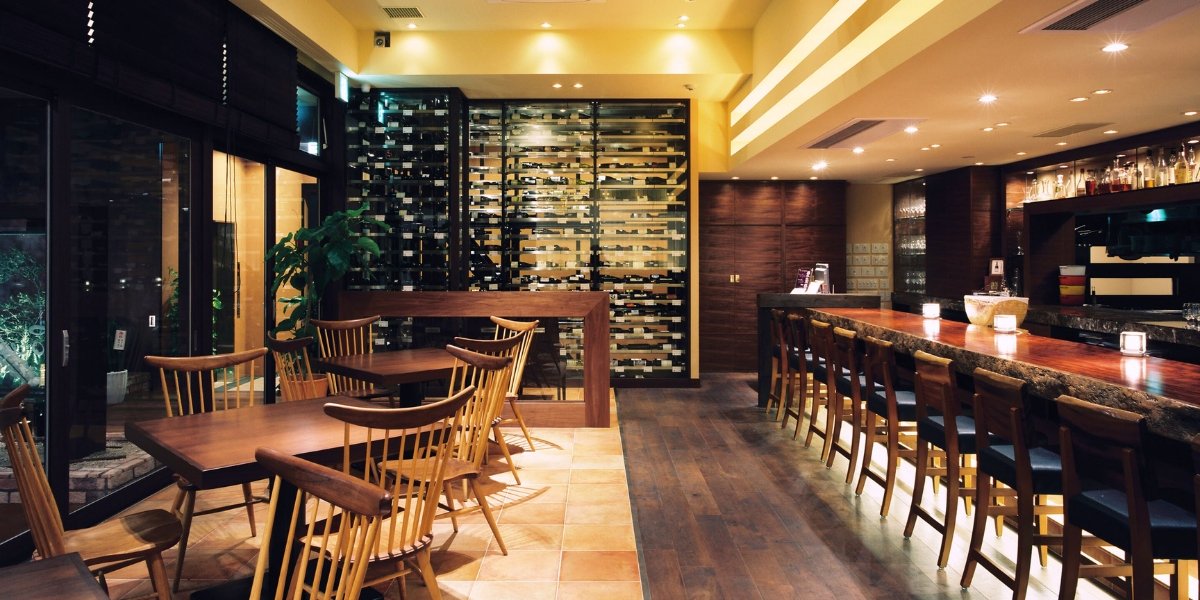
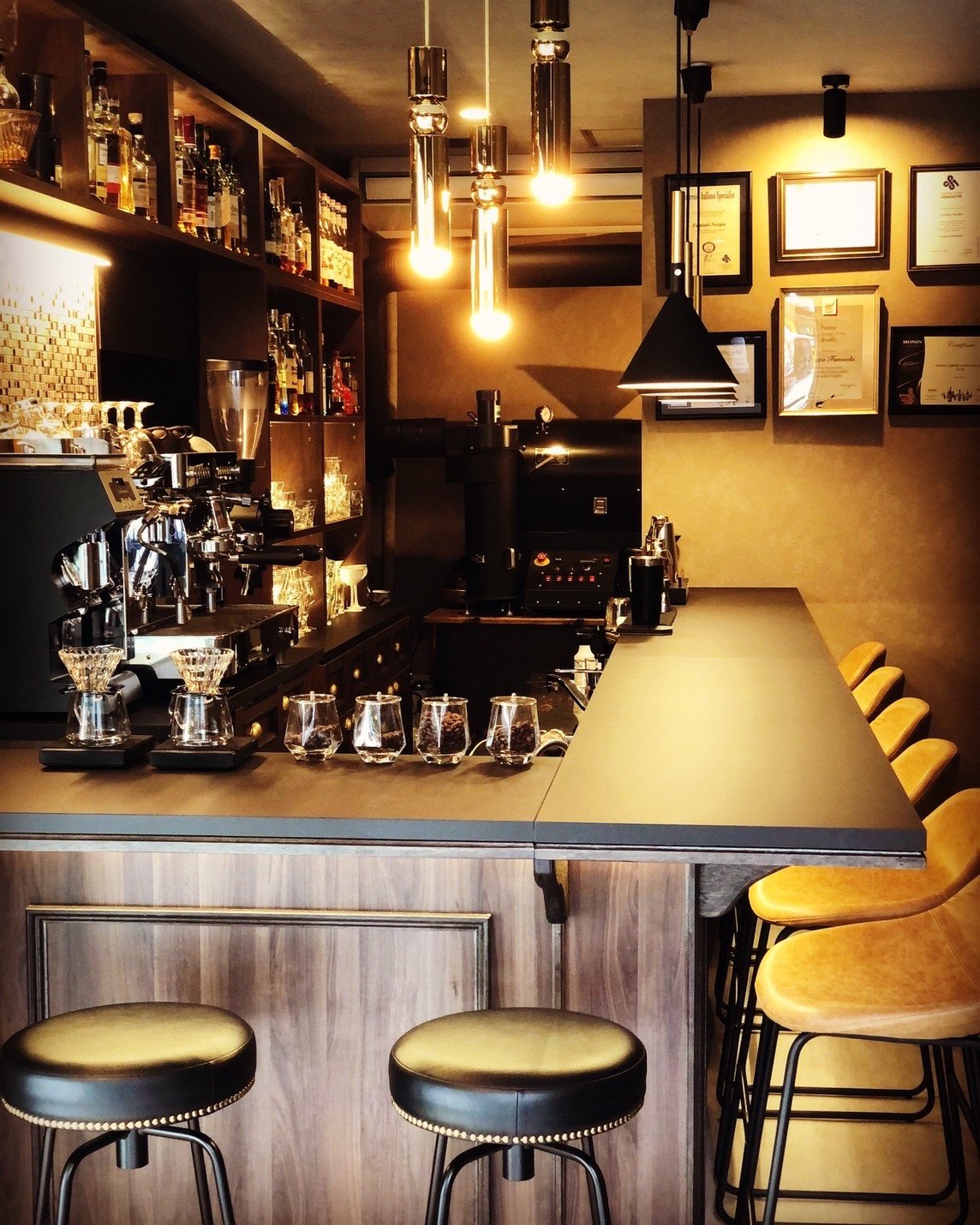
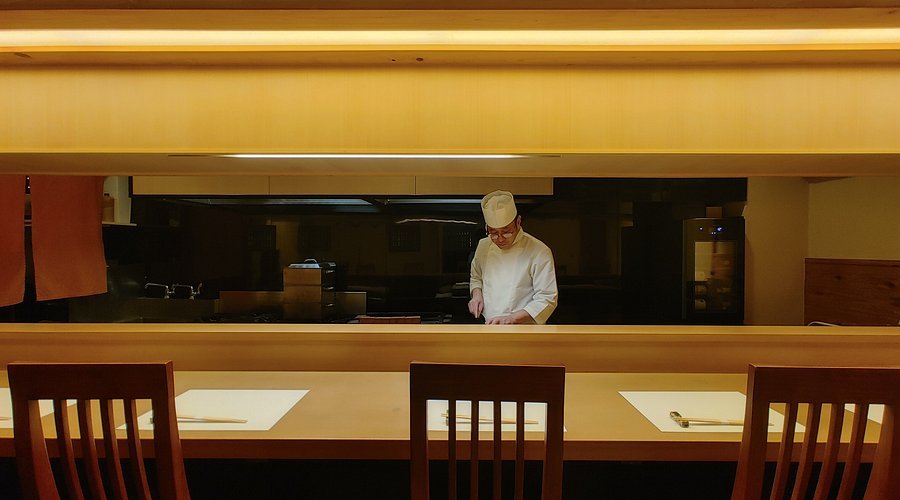
Peaceful atmosphere with magnificent Japanese exterior, relaxing counter seating for 7, polished modern take on storied culinary lineage.
Tags
Vibe
Best For
Experience
At the Table
- Dress Code
- Smart Casual
- Noise Level
- Quiet
- Service Style
- Upscale Casual
- Meal Pacing
- Leisurely
- Capacity
- Intimate
Know before you go
Know Before You Go
- Getting there
- 2 Chome-10-9 Nishitenma, Kita Ward, Osaka, 530-0047, Japan
Planning details
Location
2 Chome-10-9 Nishitenma, Kita Ward, Osaka, 530-0047, Japan · Directions
Recognition and awards
Also consider
Also Consider
- HAJIME, French, Innovative, ¥¥¥¥
- La Cime, French, ¥¥¥¥
- Kashiwaya Osaka Senriyama, Japanese, ¥¥¥
- Taian, Kaiseki, Japanese, ¥¥¥
- Fujiya 1935, Innovative, ¥¥¥¥
Restaurant context
At ¥¥¥, Nishitemma Ichigaya is priced below the top tier of Osaka fine dining, which makes the comparison with HAJIME and La Cime mostly academic, both are ¥¥¥¥ French-influenced rooms with Michelin stars and commensurately harder bookings. If you are deciding between those and Nishitemma Ichigaya, the question is how much the French-Japanese integration matters to you versus the price difference. HAJIME in particular operates at a level of conceptual ambition that Nishitemma Ichigaya does not attempt to match. La Cime is the more focused choice if French technique applied to Japanese ingredients is specifically what you want. Nishitemma Ichigaya serves a different purpose: grounded Osaka food culture with occasional French influence, not French cuisine with Japanese gestures.
Within the ¥¥¥ tier, the more direct comparisons are Kashiwaya Osaka Senriyama and Taian. Kashiwaya operates in a more formal kaiseki register and carries Michelin star recognition, which makes it the stronger choice if you want the complete traditional kaiseki architecture. Taian is a kaiseki specialist with similar pricing and a well-regarded reputation for classical execution. Nishitemma Ichigaya differentiates itself from both through the Semba merchant food framing and the hybrid dishes, if the ma-kombu broth tradition and the miso sauce américain proposition interest you, this is the room those dishes come from. For pure kaiseki discipline, Kashiwaya or Taian are safer bets.
Fujiya 1935 is in a separate category at ¥¥¥¥ and Michelin-starred, built around a more overtly innovative approach to Japanese-European fusion. It is the right choice if you want the full tasting menu experience at a higher investment level. For a visitor with one night in Osaka at this price range and no strong preference for innovation over tradition, Nishitemma Ichigaya's easy booking window and specific culinary identity make it the practical and intellectually rewarding default at ¥¥¥.
Explore Osaka
Around this place
Discover more on Pearl
Unlock the full Nishitemma Ichigaya guide in Pearl, including awards, comparisons, FAQs, planning details, and nearby places.
Compare Nishitemma Ichigaya
| Venue | Cuisine | Awards | Booking Difficulty |
|---|---|---|---|
| Nishitemma Ichigaya | Japanese | Michelin Guide Kyoto Osaka 20262026 Michelin 1 Star2024 Michelin Plate | Easy |
| HAJIME | French, Innovative | Star Wine Lists 2026 · #12026 Tabelog Bronze · #922026 OAD Top Restaurants in Japan Ranked · #98Michelin Guide Kyoto Osaka 20262026 La Liste Top RestaurantsTabelog 100 - Innovative / Creative cuisine - 2025 · #692025 Asia's 50 Best Restaurants · #832025 OAD Top Restaurants in Japan Ranked · #87We're Smart World Top Restaurants 2025 | Unknown |
| La Cime | French | 2026 Asia's 50 Best Restaurants · #132026 OAD Top Restaurants in Japan Ranked · #1492026 Tabelog Bronze · #231Michelin Guide Kyoto Osaka 20262026 La Liste Top Restaurants2025 Asia's 50 Best Restaurants · #82025 World's 50 Best Restaurants · #44Tabelog 100 - French - WEST - 2025 · #932025 OAD Top Restaurants in Japan Ranked · #123 | Unknown |
| Kashiwaya Osaka Senriyama | Japanese | 2026 Tabelog Bronze · #1682026 OAD Top Restaurants in Japan Recommended2026 Relais Chateaux RestaurantsMichelin Guide Kyoto Osaka 20262026 La Liste Top RestaurantsTabelog 100 - Japanese cuisine - WEST - 2025 · #772025 OAD Top Restaurants in Japan Ranked · #1552025 Relais Chateaux Award2025 Michelin 3 Stars | Unknown |
| Taian | Kaiseki, Japanese | 2026 OAD Top Restaurants in Japan RecommendedMichelin Guide Kyoto Osaka 20262026 La Liste Top Restaurants2025 OAD Top Restaurants in Japan Ranked · #2042025 La Liste Top Restaurants2025 Michelin 3 Stars2024 OAD Top Restaurants in Japan Ranked · #1912024 Michelin 3 Stars2023 OAD Top Restaurants in Japan Highly Recommended | Unknown |
| Fujiya 1935 | Innovative | 2026 Tabelog Bronze · #752026 OAD Top Restaurants in Japan RecommendedMichelin Guide Kyoto Osaka 20262026 La Liste Top Restaurants2025 Michelin 2 Stars2025 Tabelog Silver2025 La Liste Top Restaurants2024 OAD Top Restaurants in Japan Ranked · #2392024 Michelin 2 Stars | Unknown |

.png?width=1200&quality=80)









A quick look at how Nishitemma Ichigaya measures up.
FAQ
Frequently Asked Questions
Is Nishitemma Ichigaya worth the price?
At ¥¥¥ pricing with a 2024 Michelin Plate, it sits in a productive value position for Osaka fine dining. The cooking draws on Semba merchant food culture — ma-kombu-enriched broths, traditional Osaka vegetables — with French technique applied selectively, including a seafood and miso sauce américain that is specific to this kitchen. For food this considered at this price tier, yes, it is worth it.
How far ahead should I book Nishitemma Ichigaya?
Booking difficulty is rated Easy, so last-minute reservations may be possible, but if you have a fixed date — especially for a special occasion — book at least one to two weeks out to be safe.
Does Nishitemma Ichigaya handle dietary restrictions?
No specific dietary restriction policy is in the venue record, so contact them directly before booking. Given the kitchen works within a Japanese fine-dining format that incorporates seafood, kelp-based broths, and French technique, diners with shellfish or fish restrictions should clarify in advance, as these appear central to the menu structure.
Is Nishitemma Ichigaya good for a special occasion?
Yes — the Michelin Plate status, the Nishitenma business-dining address, and a cooking style that combines Osaka culinary heritage with French-influenced dishes make this a credible choice for a dinner that needs to deliver. It is quieter and more composed than Shinsaibashi or Namba, which suits occasions where conversation matters as much as the food.
Is Nishitemma Ichigaya good for solo dining?
The venue record does not specify counter seating or a solo policy, but Japanese fine-dining restaurants at this price point frequently accommodate solo guests well, often at a counter where kitchen interaction is part of the experience. If solo seating is a priority, confirm when booking — given Easy booking difficulty, the restaurant is approachable enough to ask directly.