
Nishishinsaibashi Yuno
Japanese · Chūō, Osaka
Restaurant in Osaka, Japan
 Book with Pearl
The Read
Guest-Calibrated Kappo
Price
$150–200per person
Dress
Smart Casual
Why go
A Michelin one-star kappo in Nishishinsaibashi where the omakase menu adapts to the guest rather than the season. Yuno's free-form approach, unconventional condiments, fishbone broth hot-pot, vegetable-dressed grills, makes it one of Osaka's more genuinely personalised tasting experiences at ¥¥¥. Booking is hard; plan three to four weeks ahead and use a concierge if possible.
About Nishishinsaibashi Yuno
The Verdict
If you can secure a seat at Nishishinsaibashi Yuno, book it. This Michelin one-star kappo in Osaka's Nishishinsaibashi district earns its rating through a genuinely personal omakase format that prioritises the individual diner over convention. The catch: seats are hard to come by, and you will need to plan ahead.
Booking This Seat
Getting in is the primary challenge. Yuno operates on an omakase-only format with a counter-style kappo setup, which means seat count is inherently limited. Booking difficulty is rated Hard. Your leading opening: target midweek sittings when cancellations are marginally more common, and pursue reservations through a hotel concierge if you are staying at a property with Japanese restaurant connections. International visitors without a Japanese-language contact or a local intermediary will find direct booking close to impossible. Build at least three to four weeks of lead time into your Osaka itinerary. If Yuno is sold out, Taian and Kashiwaya Osaka Senriyama are comparable ¥¥¥ Japanese options worth having as backup reservations.
What Yuno Actually Is
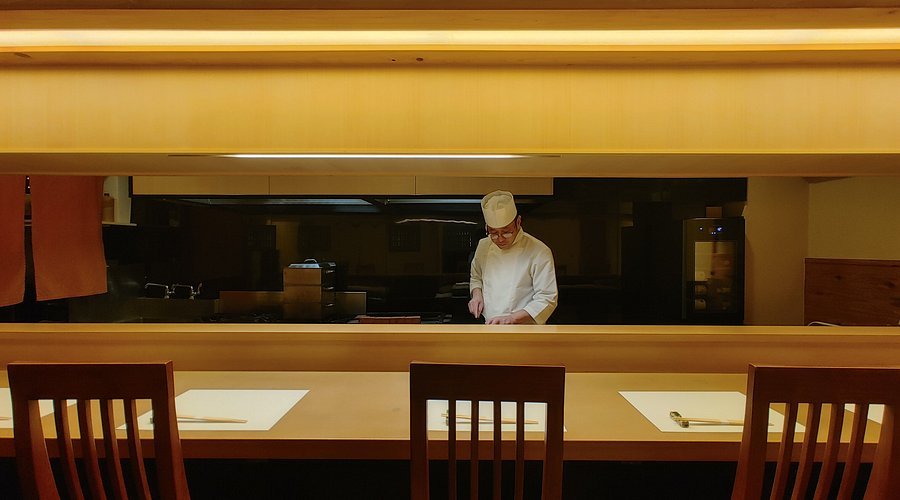
Yuno sits in the Naniwa kappo tradition, a format distinct from kaiseki in that the chef cooks in direct view of the guest and the menu bends to the diner rather than the season's prescribed arc. The omakase here is named 'Yuno's omakase', a deliberate signal that no two meals will be identical. The kitchen's philosophy is guest-first: ingredients and techniques shift based on who is sitting at the counter that evening.
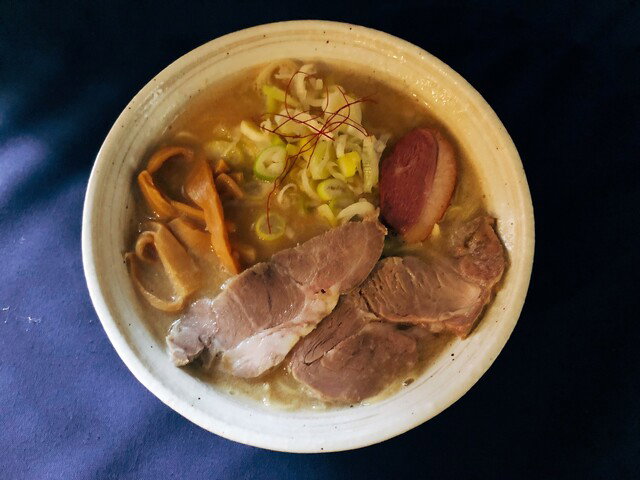
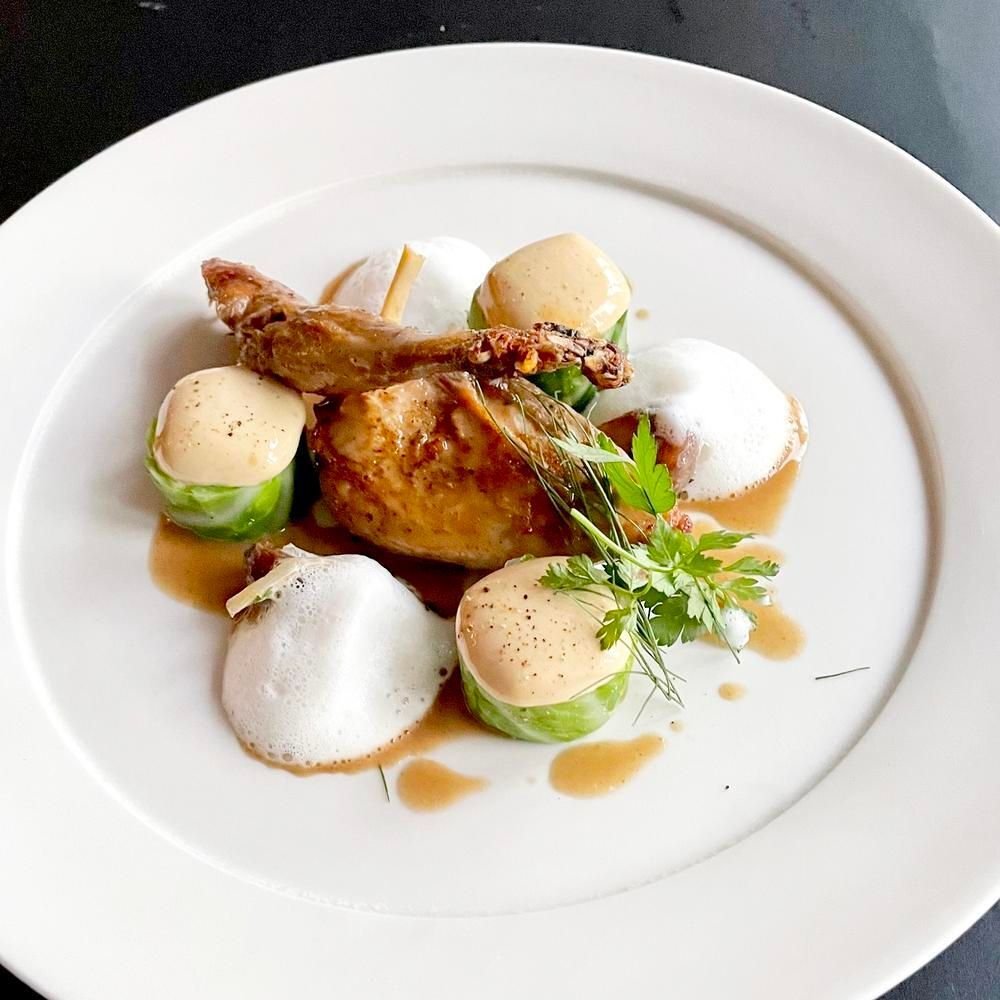
The tasting progression follows a logic that is kappo in spirit but more free-form in execution. Sashimi courses arrive with unconventional pairings: onion dipping sauce rather than standard soy, condiments that redirect familiar seafood flavours. Grilled items are dressed with vegetable sauces rather than the expected glazes. A fishbone broth drives the hot-pot course, a detail that signals both resourcefulness and a kitchen genuinely committed to using ingredients fully rather than trimming for presentation. The arc moves from precision to warmth: sharper, colder courses early; richer, more comforting preparations as the meal progresses. For food travellers who have already experienced conventional kaiseki at venues like Gion Sasaki in Kyoto, Yuno offers a useful counterpoint: same rigour, different grammar.
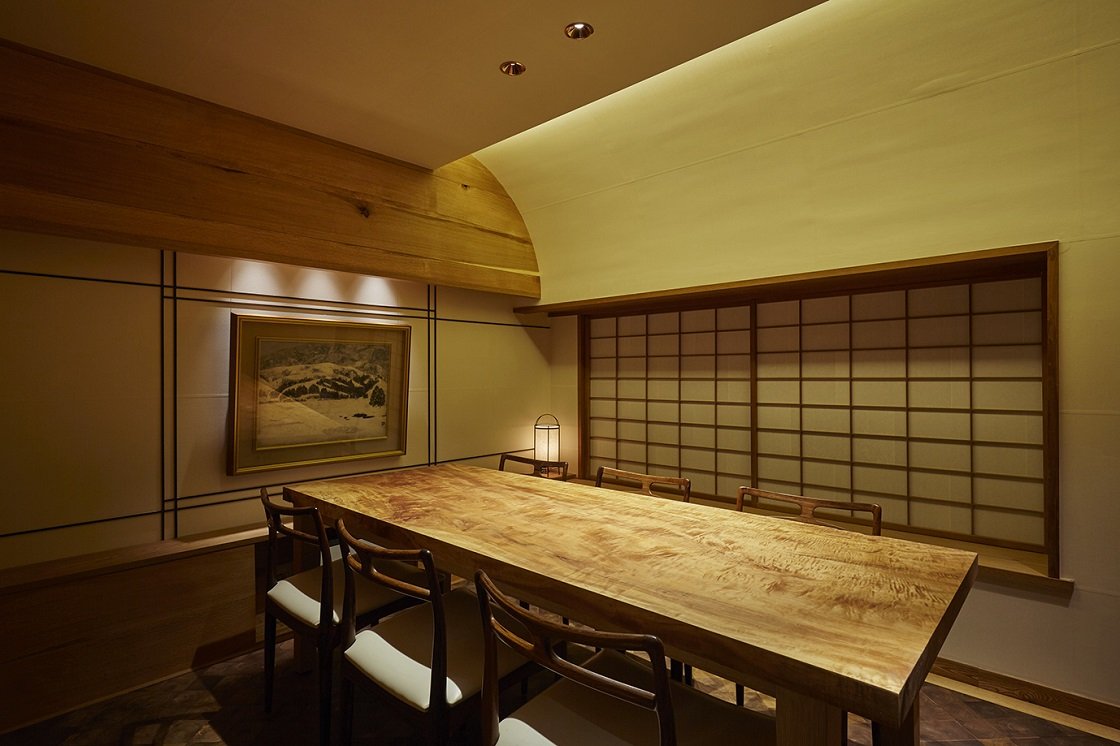
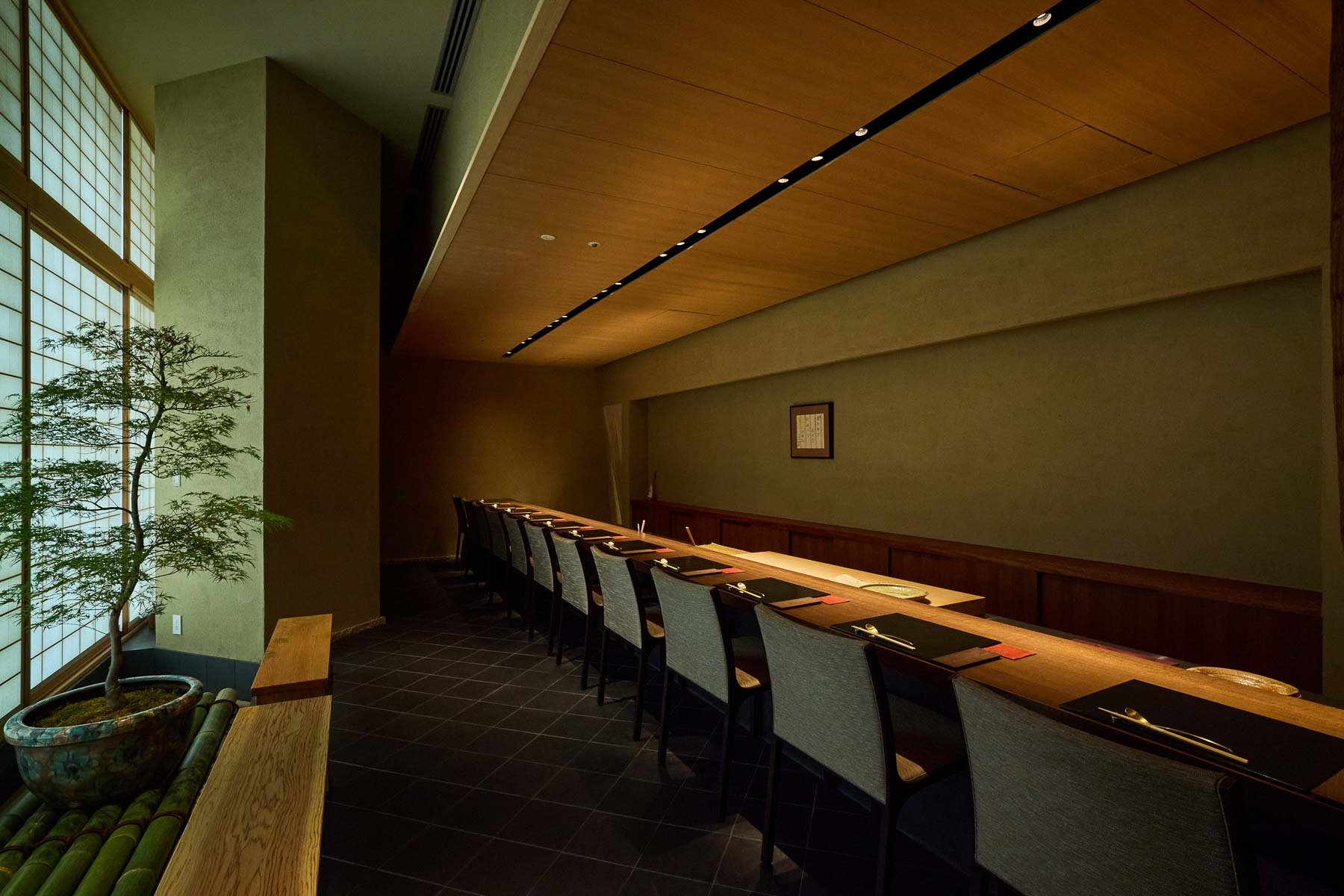
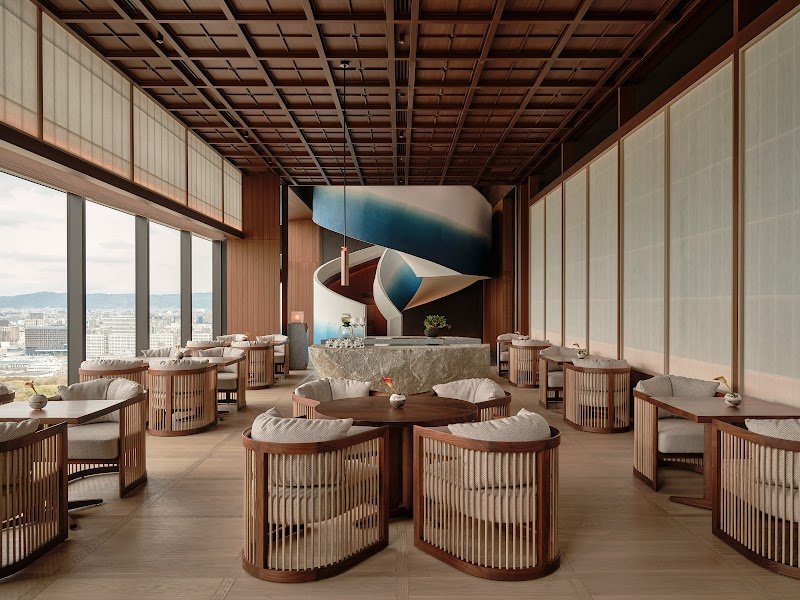
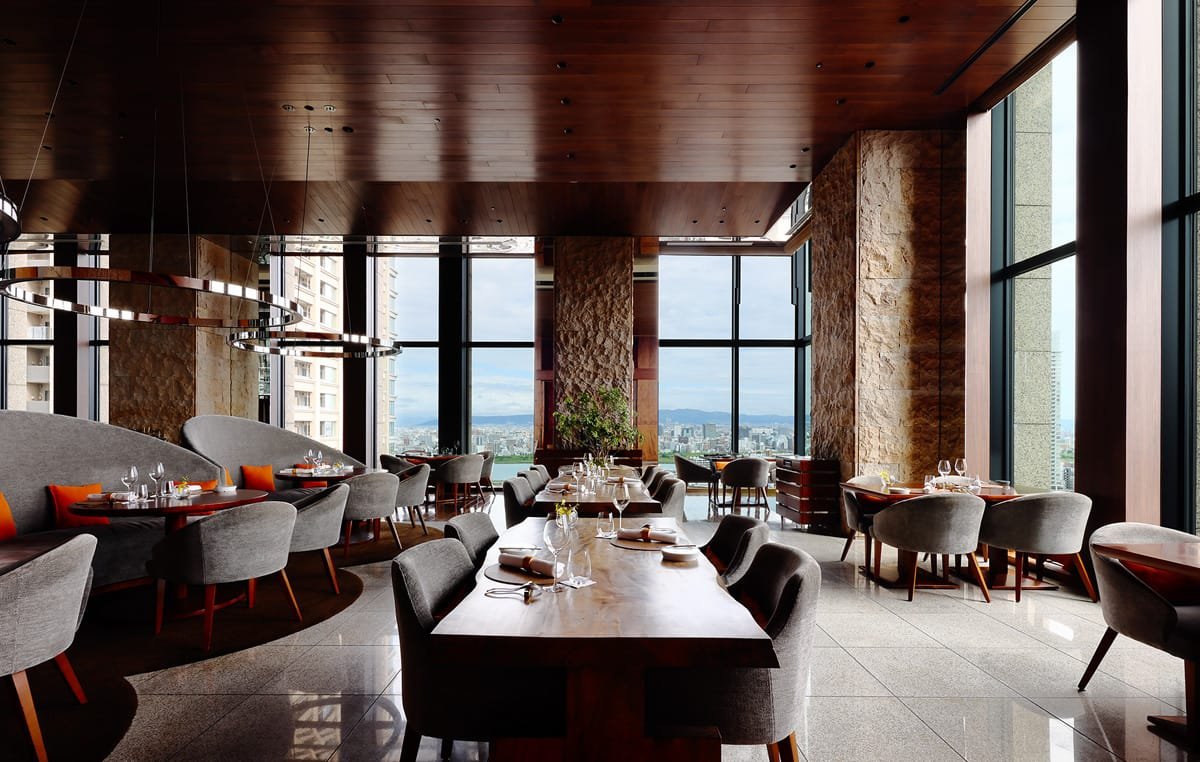
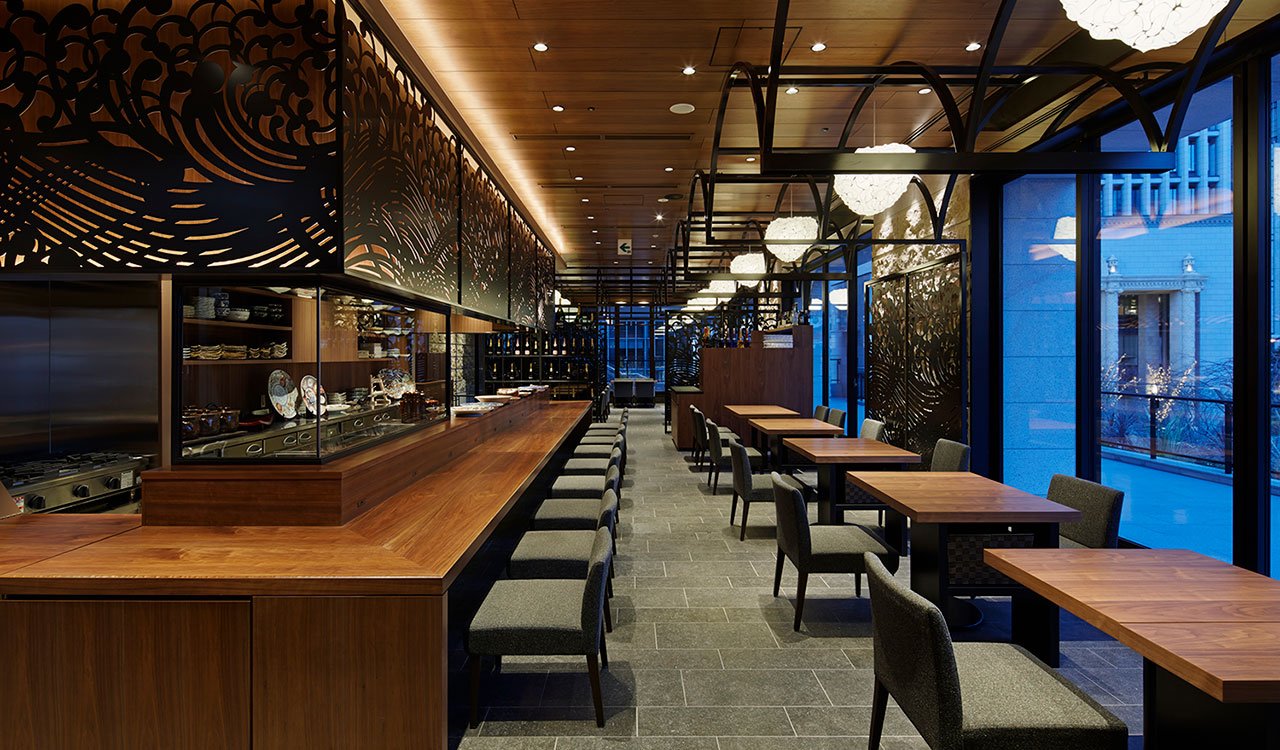
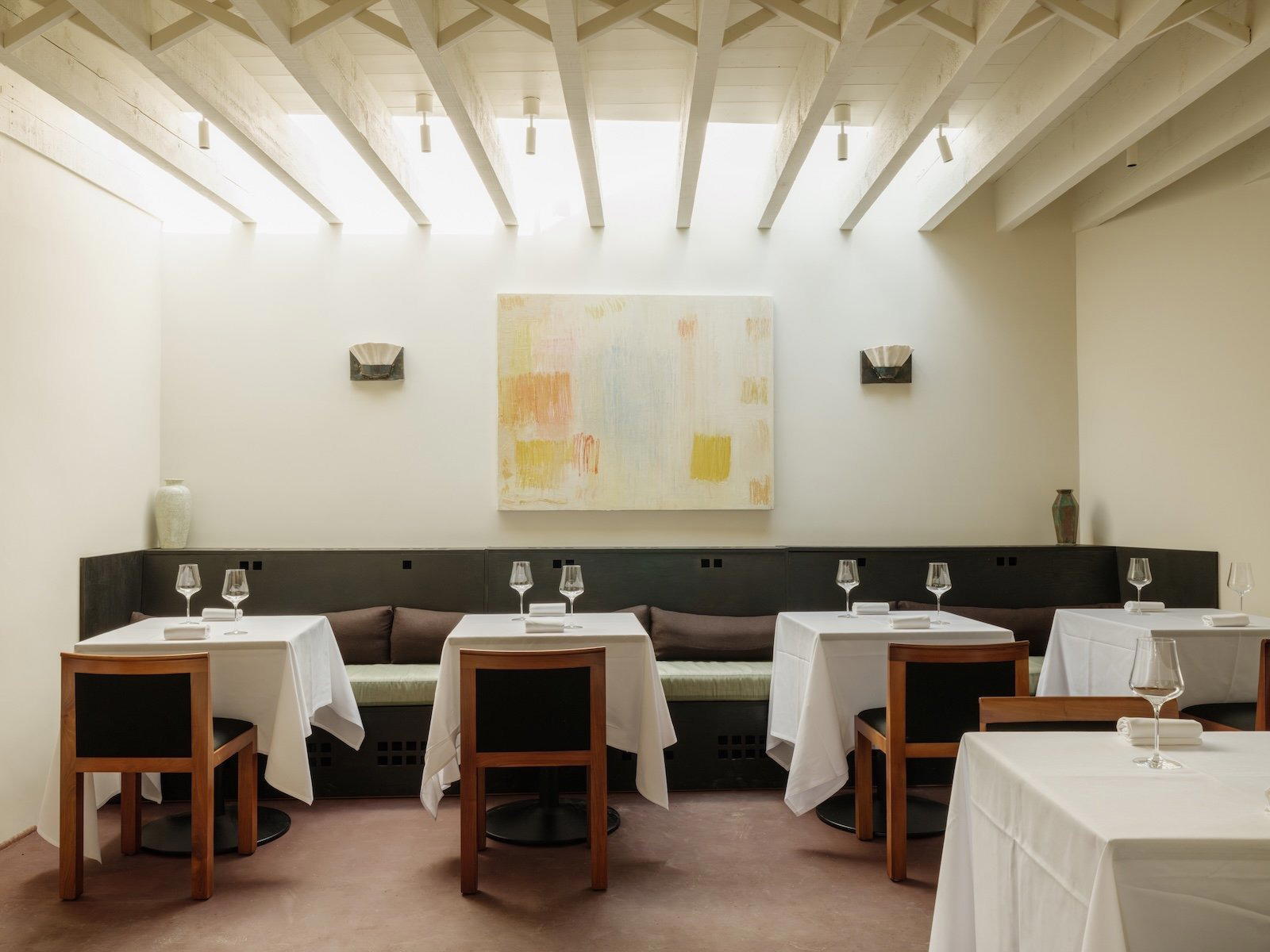
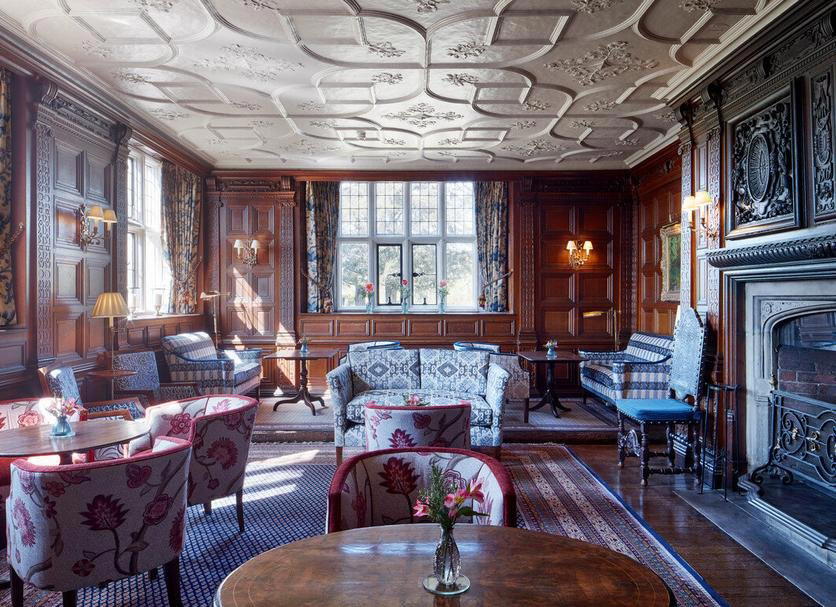
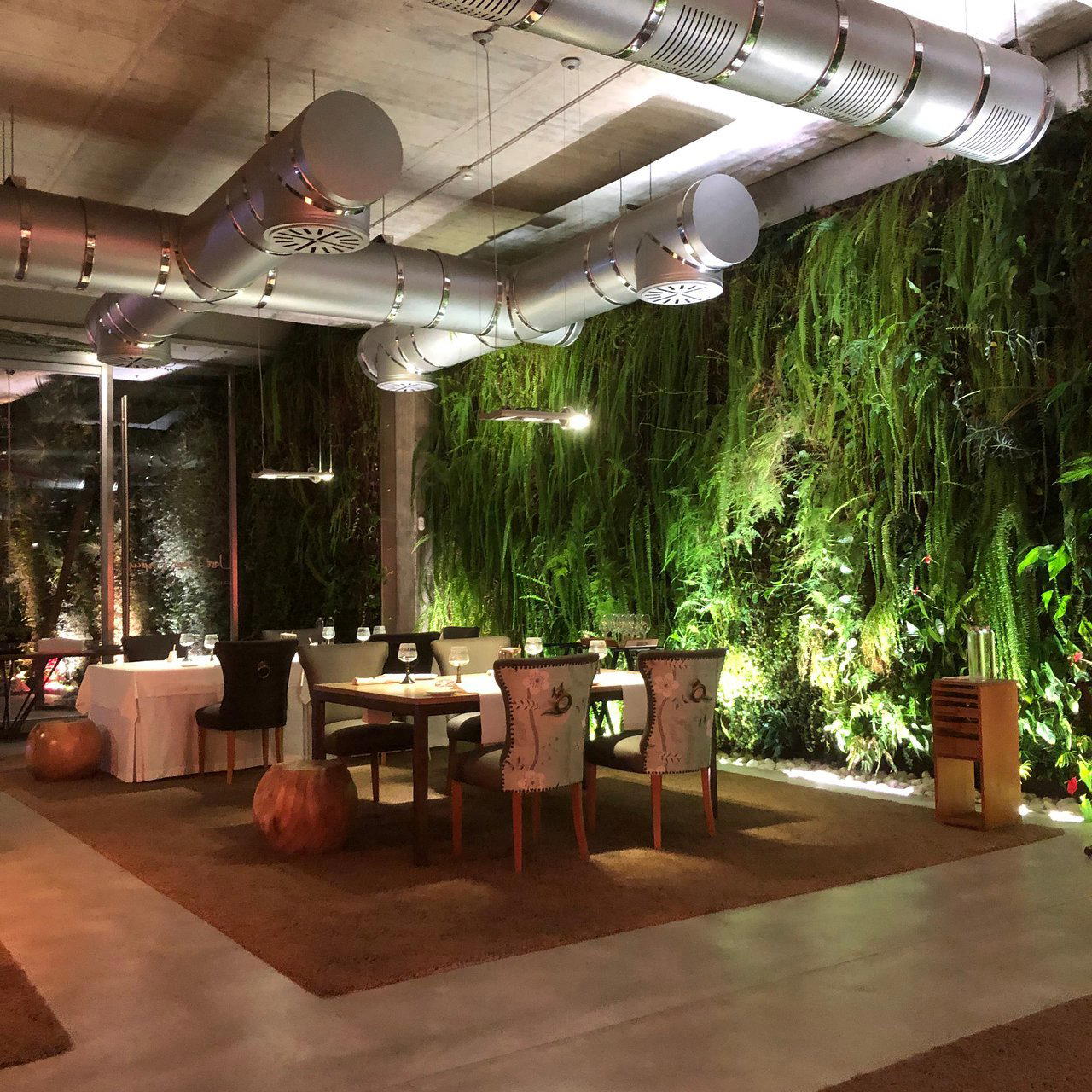
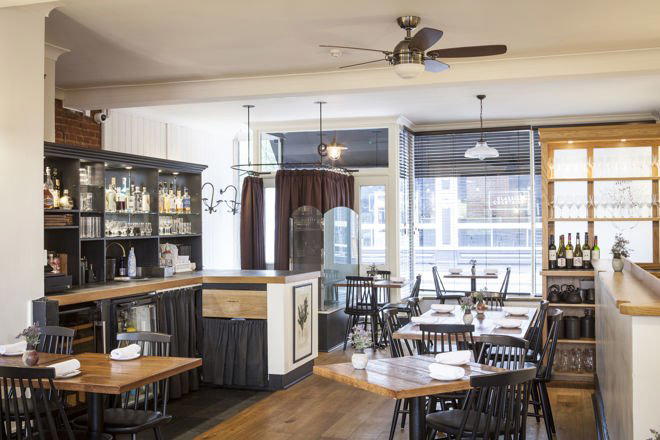
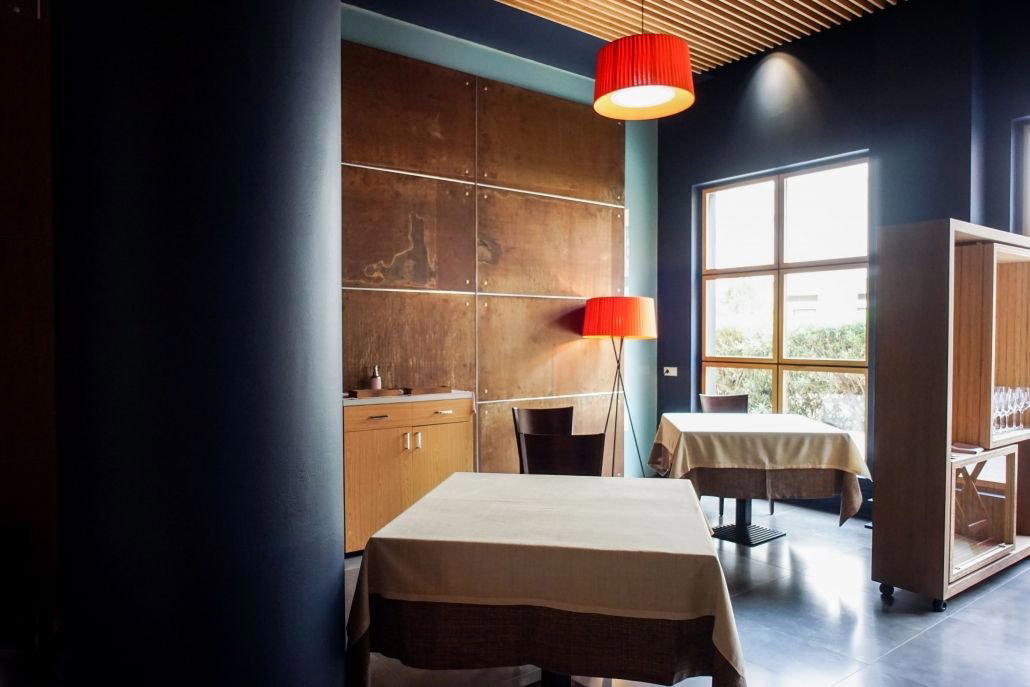
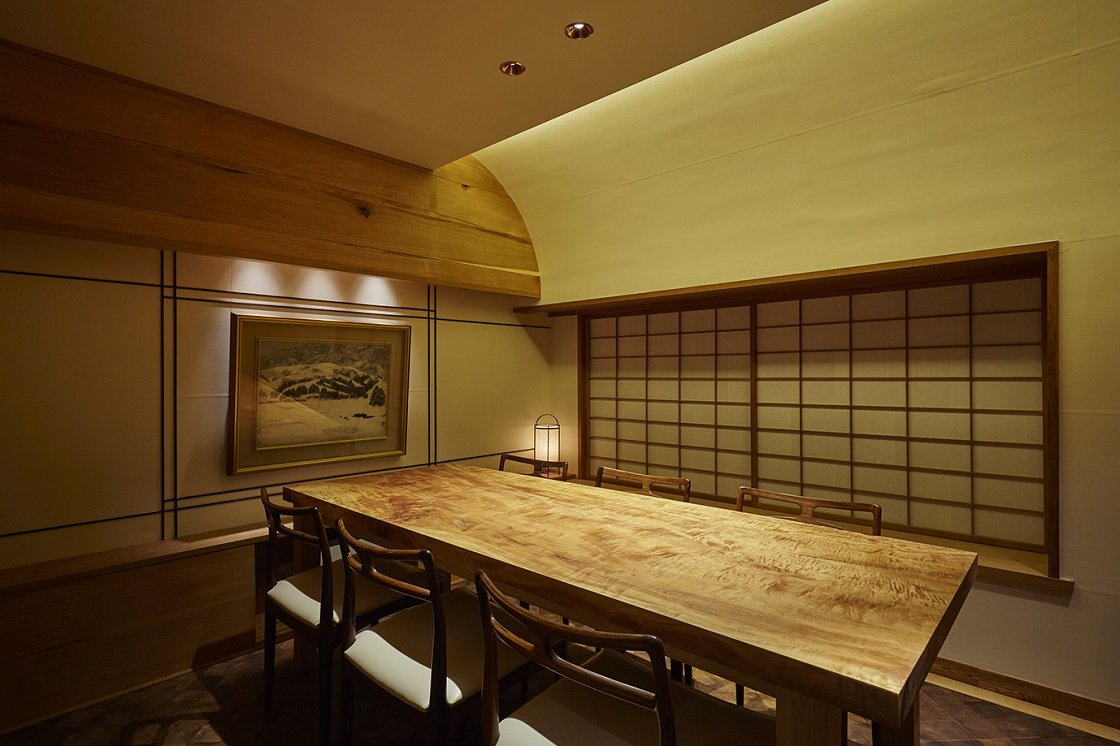
The space reinforces this intimacy. Kappo counters place the guest close to the action by design, and Yuno's Nishishinsaibashi address puts you in one of Osaka's most commercially dense neighbourhoods, which makes the focused, contained atmosphere inside feel more considered by contrast. This is not a room built for spectacle. It is built for the conversation between chef and diner that kappo has always promised.
Who Should Book
Yuno is well suited to solo diners or pairs with a genuine interest in the kappo format and the flexibility to eat what the chef decides. If you want a fixed, seasonal kaiseki progression in a more formal room, Kashiwaya Osaka Senriyama is a closer match. If you are drawn to Osaka's reputation for directness and flavour over ceremony, Yuno is the more honest choice. Food-focused travellers comparing Osaka's kappo scene against Tokyo equivalents like Azabu Kadowaki or Myojaku will find Yuno's approach more playful and less bound by precedent. See our full Osaka restaurants guide for broader context on how the city's tasting menu scene compares.
Practical Details
| Detail | Yuno | Taian | Kashiwaya Osaka Senriyama |
|---|---|---|---|
| Price range | ¥¥¥ | ¥¥¥ | ¥¥¥ |
| Cuisine style | Kappo / omakase | Kaiseki | Japanese / kaiseki |
| Michelin stars | Check current | Check current | |
| Booking difficulty | Hard | Moderate–Hard | Moderate |
| Format | Chef's omakase | Set kaiseki | Set kaiseki |
| Address | Nishishinsaibashi, Chuo Ward | Osaka | Senriyama, Osaka |
For wider Osaka planning, see our full Osaka hotels guide, our full Osaka bars guide, and our full Osaka experiences guide. If you are building a broader Kansai itinerary, akordu in Nara and Gion Sasaki in Kyoto are worth adding.
How It Compares
See the full comparison section below for how Yuno sits against Osaka's broader fine dining field, including HAJIME, La Cime, and Fujiya 1935.
Planning details
- Hours
- Monday: Closed · Tuesday: 6–10 PM
- Location
- 1 Chome-10-35 Nishishinsaibashi, Chuo Ward, Osaka, 542-0086, Japan
- Reservations
- Book on TableCheck
- Website
- yuuno-nisishinsaibashi.gorp.jp
- Phone
- +81 50-5486-0558
The take
The Take
The Vibe
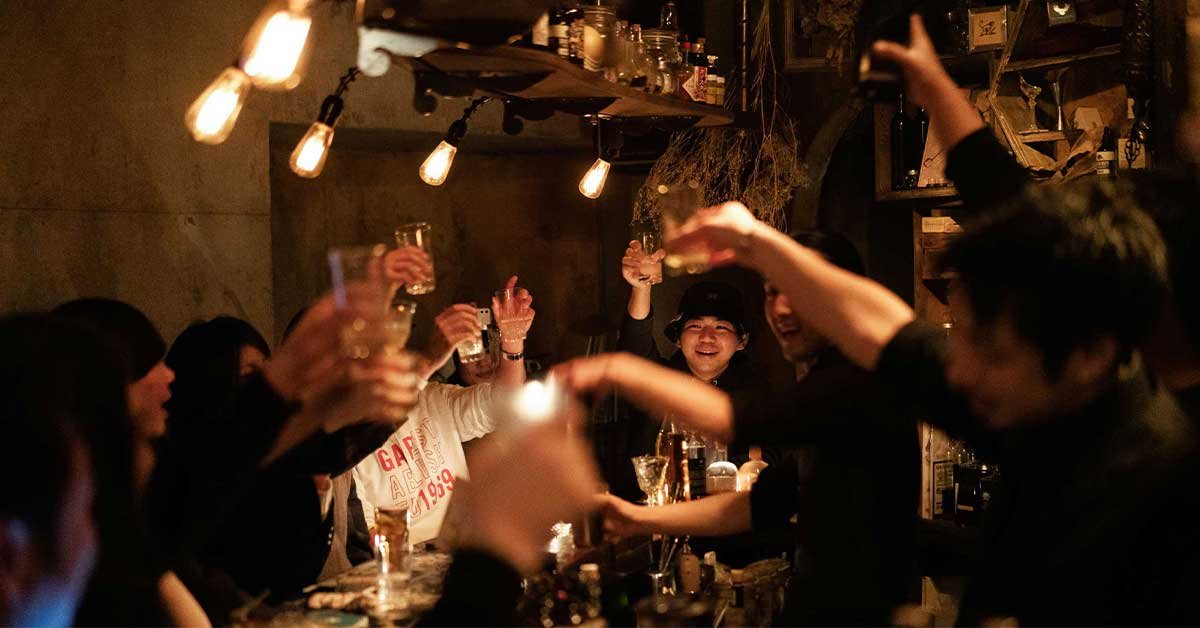
Nishishinsaibashi Yuno sits quietly on a narrow street in Minami, offering a low-lit, counter-centric kappo experience that balances tradition with contemporary thinking. The room centers on the chef’s counter, where cooking happens in view and the team adjusts pace and seasonality in real time. The kitchen’s approach is deliberately labeled a "free-and-easy omakase," signaling a relaxed willingness to depart from strict kaiseki ritual while remaining rooted in local Osaka ingredients. Expect an intimate, technically assured service that juxtaposes classic Japanese counter culture with inventive preparations and unexpected condiments.
Best For
Yuno is best for focused evening visits where the counter format enhances the meal: think date nights and small special-occasion dinners that benefit from direct interaction with the chef. Priced in the mid-range relative to nearby haute kappo and kaiseki houses, it fits dinners for diners who want serious technique. The setting rewards guests who appreciate the ritual of counter dining: watching service unfold, engaging with the chef, and following a paced sequence of plates that highlight local fish, broths, and vegetable-forward finishes.
Ordering Tips
Opt for the restaurant’s named "free-and-easy omakase," since the kitchen frames its whole format around that flexible approach. The chef reads the table and alters pace and composition, so allow the service to set the rhythm rather than insisting on a fixed menu. Be prepared for unconventional pairings and presentations: sashimi may arrive with onion dipping sauces, and grilled proteins are often finished with vegetable sauces rather than traditional tare. Treat the meal as an interactive kappo counter experience and lean on the chef’s guidance.
Venue details
Ambiance
Cozy and intimate with counter seating and private rooms, warm hospitality, stylish and relaxing space.
Tags
Vibe
Best For
Experience
At the Table
- Dress Code
- Smart Casual
- Noise Level
- Conversational
- Service Style
- Upscale Casual
- Meal Pacing
- Leisurely
- Capacity
- Intimate
- Kitchen
- Modern
- Menu Format
- Omakase
- Drinks Focus
- Sake
- Private Dining
- Available
Know before you go
Know Before You Go
- Getting there
- 1 Chome-10-35 Nishishinsaibashi, Chuo Ward, Osaka, 542-0086, Japan
Planning details
Hours
- Monday
- Closed
- Tuesday
- 6–10 PM
- Wednesday
- 6–10 PM
- Thursday
- 6–10 PM
- Friday
- 6–10 PM
- Saturday
- 6–10 PM
- Sunday
- 6–10 PM
Location
1 Chome-10-35 Nishishinsaibashi, Chuo Ward, Osaka, 542-0086, Japan · Directions
Recognition and awards
Also consider
Also Consider
- HAJIME: French, Innovative, ¥¥¥¥
- La Cime: French, ¥¥¥¥
- Kashiwaya Osaka Senriyama: Japanese, ¥¥¥
- Taian: Kaiseki, Japanese, ¥¥¥
- Fujiya 1935: Innovative, ¥¥¥¥
Restaurant context
Within Osaka's ¥¥¥ Japanese tasting menu tier, Yuno's closest peer is Kashiwaya Osaka Senriyama. Both carry Michelin recognition and operate in similar price territory, but the experiences diverge meaningfully. Kashiwaya follows a more structured seasonal kaiseki progression in a formal room; Yuno's kappo counter is looser, more interactive, and explicitly built around the individual diner. If you want ceremony and a fixed arc, Kashiwaya is the stronger choice. If you want a chef responding to who you are, Yuno wins. Taian is a third ¥¥¥ option for kaiseki purists and is generally considered slightly easier to book than Yuno.
At the ¥¥¥¥ level, the comparison shifts significantly. HAJIME and La Cime operate in a French-influenced innovative register: more architectural plating, longer sequences, a different kind of precision than Yuno's kappo warmth. Fujiya 1935 sits in the same innovative ¥¥¥¥ bracket with a Spanish-influenced approach. These are not better or worse than Yuno: they are a different proposition entirely. Spend more at HAJIME or Fujiya 1935 if technical ambition and visual progression are your priorities. Stay at Yuno's price point if you want Osaka flavours interpreted through a chef who adjusts the meal to the person eating it.
For food travellers building a wider Kansai itinerary, Yugen in Osaka and Gion Sasaki in Kyoto are worth considering alongside Yuno. Yuno is the pick if the kappo format and its direct chef-guest dynamic are what you are specifically seeking in Osaka: and at ¥¥¥ with a 2024 Michelin star, it is one of the more competitively priced ways to access that experience in the city.
Explore Osaka
Around this place
Discover more on Pearl
Unlock the full Nishishinsaibashi Yuno guide in Pearl, including awards, comparisons, FAQs, planning details, and nearby places.
Compare Nishishinsaibashi Yuno
| Venue | Awards | Price |
|---|---|---|
| Nishishinsaibashi Yuno | 2026 Michelin 1 StarMichelin Guide Kyoto Osaka 20262024 Michelin 1 Star | ¥¥¥ |
| HAJIME | Star Wine Lists 2026 · #12026 Tabelog Bronze · #922026 OAD Top Restaurants in Japan Ranked · #98Michelin Guide Kyoto Osaka 20262026 La Liste Top RestaurantsTabelog 100 - Innovative / Creative cuisine - 2025 · #692025 Asia's 50 Best Restaurants · #832025 OAD Top Restaurants in Japan Ranked · #87We're Smart World Top Restaurants 2025 | ¥¥¥¥ |
| La Cime | 2026 Asia's 50 Best Restaurants · #132026 OAD Top Restaurants in Japan Ranked · #1492026 Tabelog Bronze · #231Michelin Guide Kyoto Osaka 20262026 La Liste Top Restaurants2025 Asia's 50 Best Restaurants · #82025 World's 50 Best Restaurants · #44Tabelog 100 - French - WEST - 2025 · #932025 OAD Top Restaurants in Japan Ranked · #123 | ¥¥¥¥ |
| Kashiwaya Osaka Senriyama | 2026 Tabelog Bronze · #1682026 OAD Top Restaurants in Japan Recommended2026 Relais Chateaux RestaurantsMichelin Guide Kyoto Osaka 20262026 La Liste Top RestaurantsTabelog 100 - Japanese cuisine - WEST - 2025 · #772025 OAD Top Restaurants in Japan Ranked · #1552025 Relais Chateaux Award2025 Michelin 3 Stars | ¥¥¥ |
| Taian | 2026 OAD Top Restaurants in Japan RecommendedMichelin Guide Kyoto Osaka 20262026 La Liste Top Restaurants2025 OAD Top Restaurants in Japan Ranked · #2042025 La Liste Top Restaurants2025 Michelin 3 Stars2024 OAD Top Restaurants in Japan Ranked · #1912024 Michelin 3 Stars2023 OAD Top Restaurants in Japan Highly Recommended | ¥¥¥ |
| Fujiya 1935 | 2026 Tabelog Bronze · #752026 OAD Top Restaurants in Japan RecommendedMichelin Guide Kyoto Osaka 20262026 La Liste Top Restaurants2025 Michelin 2 Stars2025 Tabelog Silver2025 La Liste Top Restaurants2024 OAD Top Restaurants in Japan Ranked · #2392024 Michelin 2 Stars | ¥¥¥¥ |










Key differences to consider before you reserve.
FAQ
Frequently Asked Questions
Is Nishishinsaibashi Yuno good for a special occasion?
Yes, with the right expectations. Yuno's Michelin one-star kappo format, counter seating, chef cooking in front of you, a menu shaped to the individual guest, makes it a genuinely personal experience rather than a formal production. It suits a solo diner celebrating something or a pair who want substance over ceremony. It is not the right call for a large group or anyone who needs a fixed, predictable menu structure.
Is the tasting menu worth it at Nishishinsaibashi Yuno?
If you appreciate the kappo format, yes. Yuno's omakase is built around the chef reading the guest rather than running a fixed sequence, which means the menu can shift based on who is sitting at the counter. Distinctive touches, sashimi with onion dipping sauce, grilled items finished with vegetable sauces, fishbone broth in hot-pot courses, signal a kitchen with a clear point of view rather than one running through motions. At ¥¥¥ pricing with a Michelin star behind it, the value case is solid for the format.
Is Nishishinsaibashi Yuno worth the price?
At ¥¥¥ and Michelin one-star level, Yuno sits in the mid-to-upper tier of Osaka fine dining without reaching the top-end pricing of multi-star venues. The guest-responsive omakase format and zero-waste kitchen philosophy, fishbone broth reused in hot-pot courses, for example, suggest you are paying for craft and intention rather than just prestige. For the kappo category specifically, that price point is reasonable.
What should I order at Nishishinsaibashi Yuno?
There is no à la carte selection: Yuno runs exclusively on the 'Yuno's omakase' format, so the chef decides the menu. The kitchen's approach pairs sashimi with onion dipping sauce or unconventional condiments and finishes grilled dishes with vegetable-based sauces, which are the signatures worth paying attention to as they arrive. Arrive without a fixed agenda; the format only works if you let the chef lead.
What are alternatives to Nishishinsaibashi Yuno in Osaka?
For French-influenced fine dining at a higher price point, La Cime and Fujiya 1935 are the direct comparisons, both multi-Michelin-starred and more internationally recognised. Taian and Kashiwaya Osaka Senriyama offer kaiseki rather than kappo, so the format is more structured and ceremonial if that suits your preference better. HAJIME operates at the upper end of Osaka's fine dining tier with a strong creative identity. Yuno is the strongest choice specifically if the informal, chef-led kappo counter dynamic is what you are after.