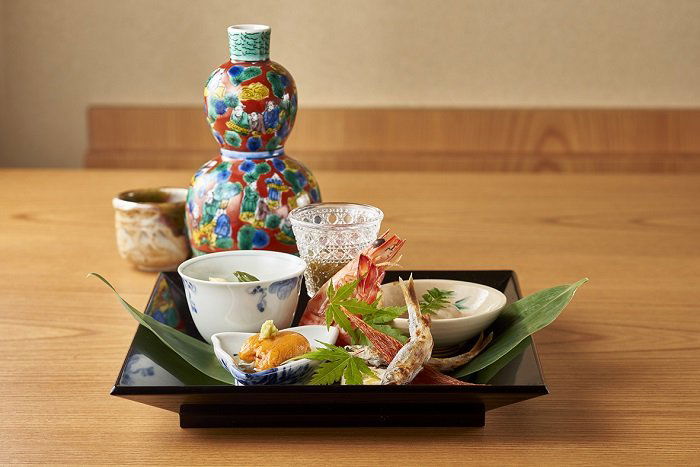

Naniwaryori Yu
Japanese · Kita, Osaka
Restaurant in Osaka, Japan
 Book with Pearl
The Read
Scroll-Menu Kappo Counter
Price
$100–150per person
Dress
Smart Casual
Why go
A Michelin one-star Naniwa-style kappo counter in Osaka's Higashitenma, where a seasonal menu written right-to-left anchors around a signature savoury egg custard with dried-plum broth. Booking is hard, no confirmed English-language channel, and the menu is Japanese-only, but at ¥¥¥ it sits below Osaka's ¥¥¥¥ French-influenced tier for comparable Michelin-level craft.
About Naniwaryori Yu
Pearl Verdict
If you visited Naniwaryori Yu once and left thinking it was a strong one-star kappo, go back. The experience is built around a chef who reads the room in real time, adjusting to your preferences across a meal: which means a second visit, where your preferences are already being calibrated, tends to land differently. The reservation is hard to secure, the menu is long and written right-to-left like a scroll, and the flagship dish is a savoury egg custard you are unlikely to find prepared this way anywhere else in Osaka. At ¥¥¥, this is not cheap kappo, but it is priced below the French-influenced ¥¥¥¥ tier that dominates Osaka's Michelin map.
About Naniwaryori Yu
Naniwaryori Yu sits in Higashitenma, the neighbourhood just east of Osaka's Tenma district, within a short walk of some of the city's most concentrated restaurant density. The venue is a direct heir to Naniwa-style kappo: the Osaka-specific cooking tradition that emphasises seasonal ingredients prepared with precision and restraint, served across a counter where the chef works in full view. The chef trained at a kappo in the Naniwa tradition and named the restaurant partly in homage to that apprenticeship: his surname is Sato, and the restaurant's name adds a kanji character for 'u', a direct reference to the shop where he trained.
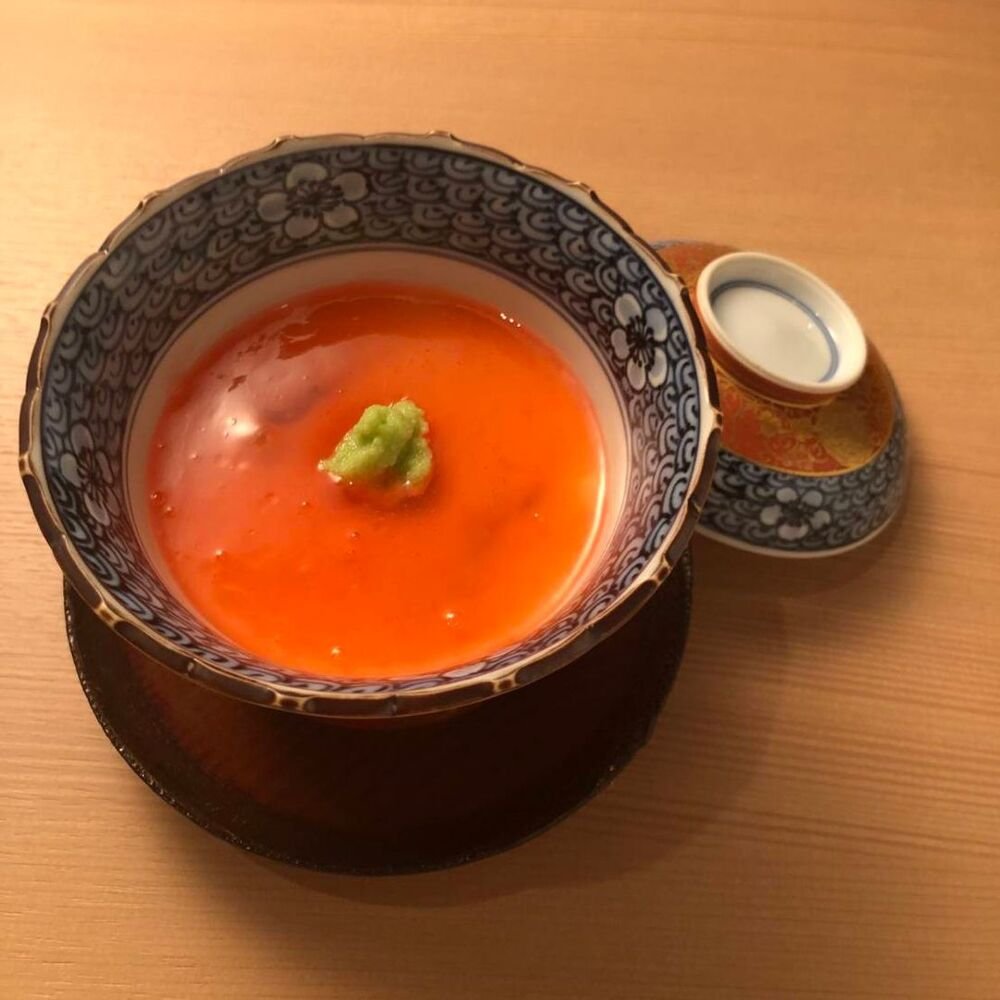
The detail that matters most for repeat visitors is the seasonal logic of the menu. Kappo at this level does not have a fixed menu, what you eat is shaped by what is available, which means the experience in spring reads differently from autumn. Tenjin Kobai Mushi, the chef's signature savoury egg custard made with dried-plum broth and finished with a plum glaze, is the through-line: it appears on the menu as a constant, passed down from the chef's mentor along with the serving bowls used to present it. Everything else rotates. If you came in winter and are planning a second visit, the late-spring or early-autumn windows tend to give the widest seasonal range in Japanese kappo menus, though without confirmed hours or seasonal booking data from the venue directly, check current availability before targeting a specific month.
The menu format itself is worth preparing for. The menu is written right-to-left in Japanese and reads like a scroll. Non-Japanese speakers should come with a translation approach in mind, either a dining companion who reads Japanese or a prepared translation app. This is not a weakness of the restaurant; it is a deliberate expression of its identity. Kappo at this level in Osaka is written for its intended audience. If you need a fully English-supported menu experience, Kashiwaya Osaka Senriyama or Taian may be better-equipped for international guests.
Chef's stated approach is quick thinking around guest preferences. In practice this means a skilled kappo chef who adjusts pacing, portion calibration, and dish sequencing based on what he observes at the counter. This is the format kappo was designed for: an intimate counter where the chef is also the host. If you prefer a more anonymous dining room or a set experience that does not involve engagement with the kitchen, this is not the right format for you. If you are the kind of diner who values a chef noticing you have barely touched your sake or cleared your bowl in under a minute, this is exactly the format for you.
Michelin awarded it one star in 2024. For context on what that credential means in Osaka's kappo tier, compare against Miyamoto, Oimatsu Hisano, and Tenjimbashi Aoki, all operating in the same neighbourhood tier. Beyond Osaka, the kappo and counter-kaiseki format can be explored at Harutaka in Tokyo, Myojaku, or Azabu Kadowaki for Tokyo-based comparison. For broader Kansai context, Gion Sasaki in Kyoto represents the kaiseki equivalent of the same seasonal philosophy at a higher price point.
Booking is classified as hard. Access likely runs through a hotel concierge, a reservation platform such as Tableall or Omakase, or direct contact in Japanese. Build at least three to four weeks of lead time into your planning window, and more if you are targeting a specific season. For a broader picture of the Osaka dining scene while you plan, see our full Osaka restaurants guide. For hotels near Higashitenma, our Osaka hotels guide covers proximity options. If you are building a wider Kansai itinerary, akordu in Nara and Goh in Fukuoka are worth adding to the shortlist.
The address is 1 Chome-9-17 Higashitenma, Kita Ward, Osaka. Explore the broader city offer via our Osaka bars guide, experiences guide, and wineries guide. For a view of counter dining in other Japanese cities, 1000 in Yokohama, 6 in Okinawa, and Yugen round out the picture.
Know Before You Go
- Price range
- ¥¥¥
- Cuisine
- Japanese kappo, Naniwa-style
- Award
- Michelin 1 Star (2024)
- Booking difficulty
- Hard, no confirmed phone or website; use a hotel concierge or Japanese-language reservation platform
- Booking window
- Allow 3–4 weeks minimum; longer if targeting a specific season
- Menu format
- Long seasonal menu, written right-to-left in Japanese
- Signature dish
- Tenjin Kobai Mushi, savoury egg custard with dried-plum broth and plum glaze
- Address
- 1 Chome-9-17 Higashitenma, Kita Ward, Osaka
Planning details
- Hours
- Monday: Closed · Tuesday: 5:30–10 PM
- Location
- Japan, 〒530-0044 Osaka, Kita Ward, Higashitenma, 1 Chome−9−17 なにわ料理有
- Reservations
- Book on TableCheck
- Website
- r.gnavi.co.jp/sce0zzac0000
- Phone
- +81 6-6232-8558
The take
The Take
The Vibe
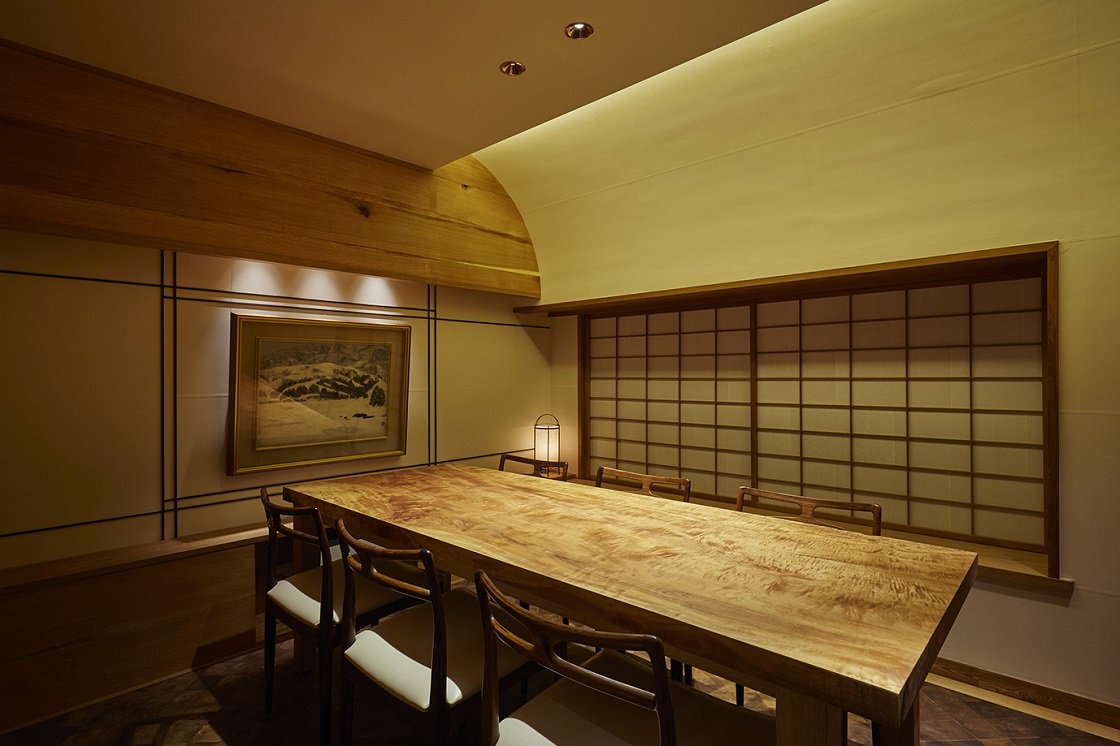
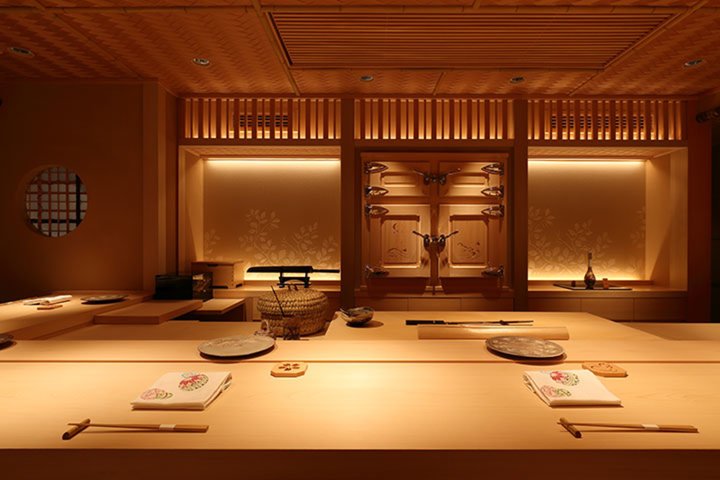
Naniwaryori Yu reads like a focused, traditional kappo counter tucked into Higashitenma's narrow streets. The writing anchors the restaurant in Osaka's culinary lineage: the menu is treated as an artifact, and the chef works in full view, shaping dishes in response to guests. That combination of quiet residential surroundings, a counter-based service style and a Michelin star creates a composed, classic atmosphere rather than a flashy or tourist-oriented experience. Guests encounter a restrained, lineage-driven dining room where the emphasis is on the exchange between chef and diner rather than on theatrical bells and whistles.
Best For
This is a setting for attentive, small-scale meals: think intimate one-on-one conversations at the counter, concentrated solo dining where the chef directs the flow, or a pared-back special occasion that values craft over spectacle. The kappo format encourages a direct chef-guest relationship, so it suits diners who want guidance from the kitchen and are comfortable with a counter-focused service model. Given its Michelin recognition and mid-high price tier, the restaurant is optimized for evening dining experiences that prize culinary lineage and close attention to technique.
Ordering Tips
Treat the meal as a dialogue: the kappo tradition at Naniwaryori Yu intentionally lets the chef determine what arrives based on the guest and the moment. The house menu is presented like a traditional scroll and the text explains that Osaka kappo favours fewer, concept-driven courses rather than long, prescribed progressions. For the best experience, allow the chef to steer course selection and timing, and be prepared for a focused sequence of dishes shaped by seasonality and the chef's read of your preferences.
Venue details
Ambiance
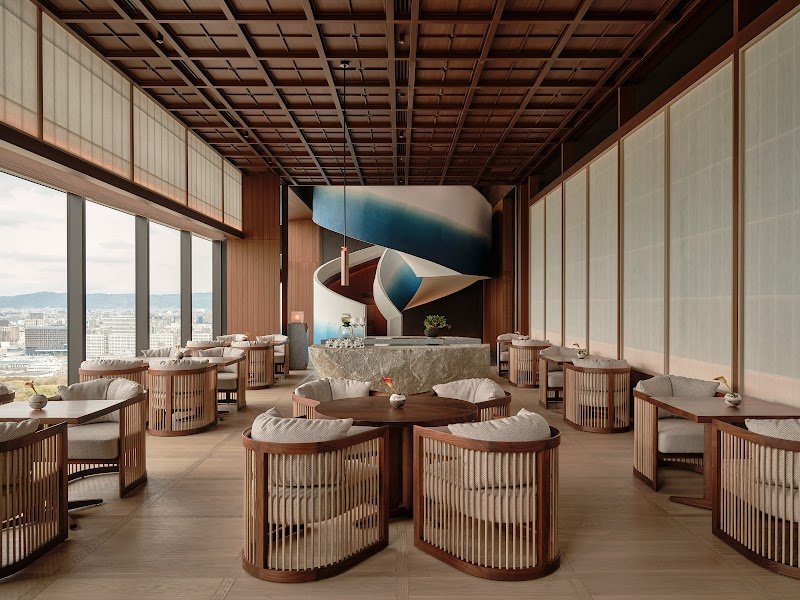
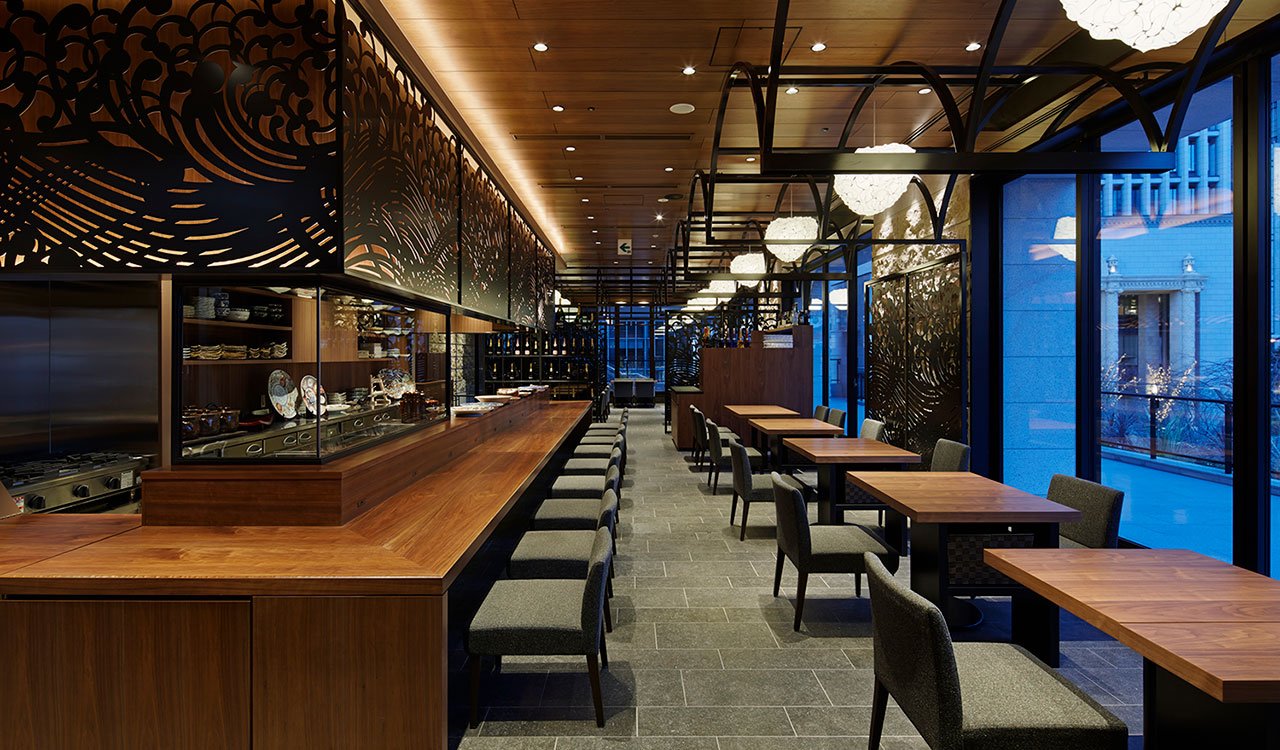
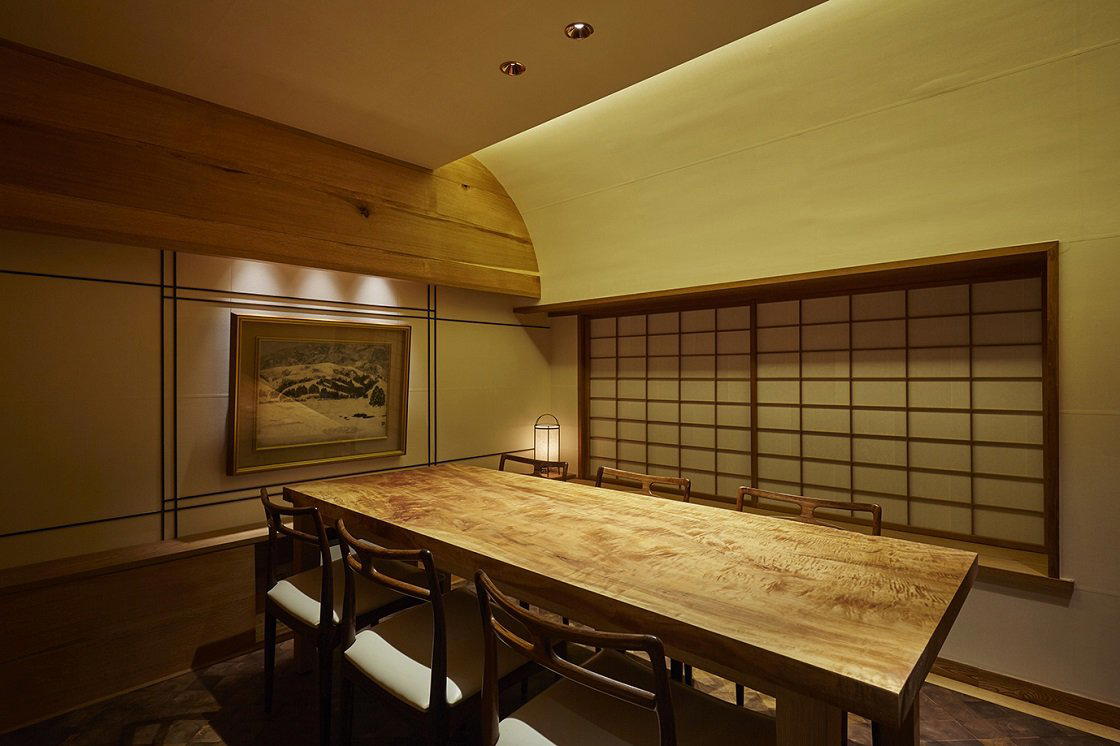
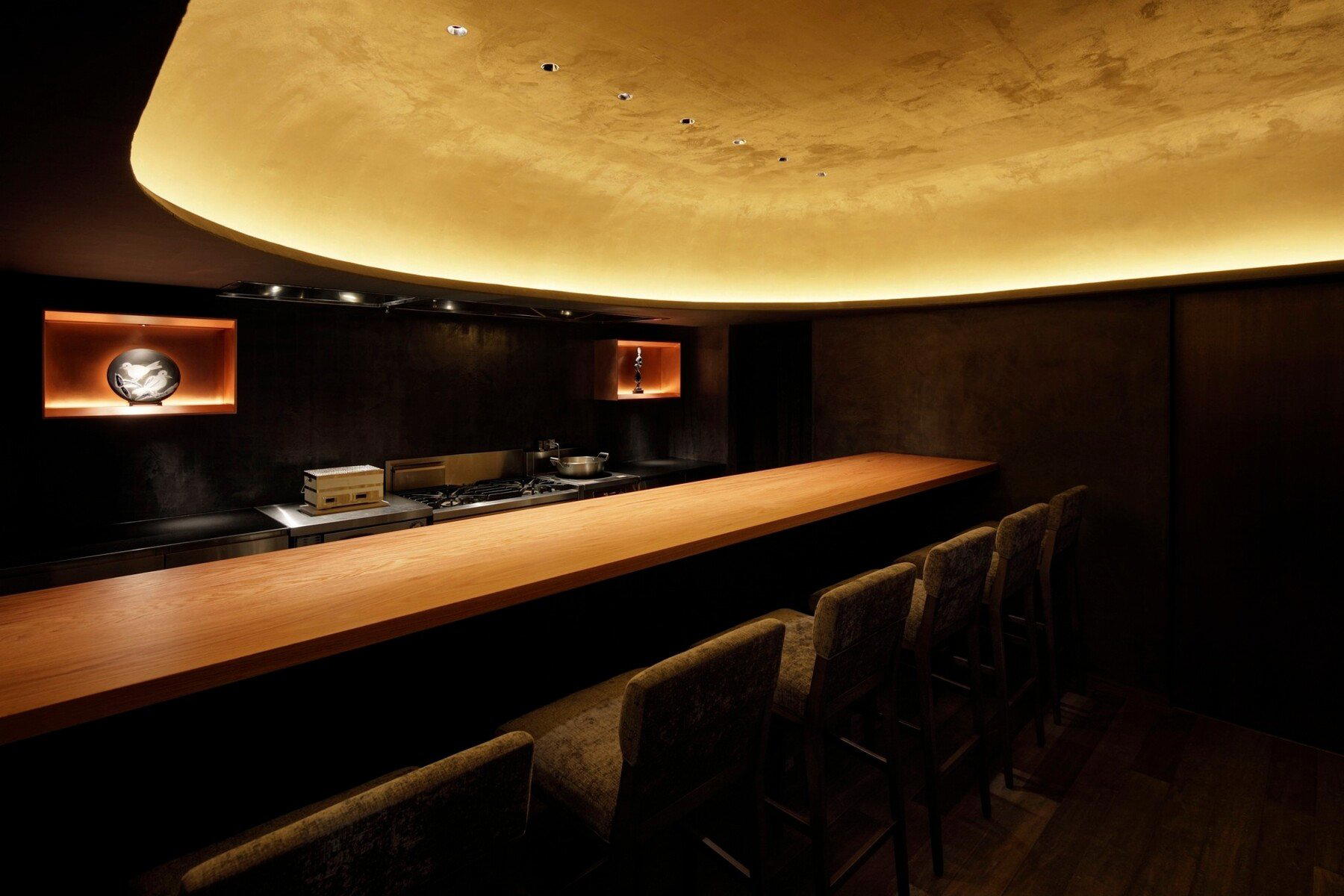
Lacquered wood counter warmed by soft lighting, creating a refined sanctuary of quiet elegance and personal engagement.
Tags
Vibe
Best For
Experience
At the Table
- Dress Code
- Smart Casual
- Noise Level
- Quiet
- Service Style
- Formal
- Meal Pacing
- Leisurely
- Capacity
- Intimate
- Kitchen
- Traditional
- Menu Format
- Omakase, Counter dining
- Drinks Focus
- Sake program
- Private Dining
- Available
Know before you go
Know Before You Go
- Getting there
- Japan, 〒530-0044 Osaka, Kita Ward, Higashitenma, 1 Chome−9−17 なにわ料理有
Planning details
Hours
- Monday
- Closed
- Tuesday
- 5:30–10 PM
- Wednesday
- 5:30–10 PM
- Thursday
- 5:30–10 PM
- Friday
- 5:30–10 PM
- Saturday
- 5:30–10 PM
- Sunday
- Closed
Location
Japan, 〒530-0044 Osaka, Kita Ward, Higashitenma, 1 Chome−9−17 なにわ料理有 · Directions
Recognition and awards
Also consider
Also Consider
- HAJIME: French, Innovative, ¥¥¥¥
- La Cime: French, ¥¥¥¥
- Kashiwaya Osaka Senriyama: Japanese, ¥¥¥
- Taian: Kaiseki, Japanese, ¥¥¥
- Fujiya 1935: Innovative, ¥¥¥¥
Restaurant context
Naniwaryori Yu at ¥¥¥ occupies the practical middle ground in Osaka's Michelin-rated dining. Below it sits nothing directly comparable in the kappo tradition at this award level. Above it, HAJIME, La Cime, and Fujiya 1935 all operate at ¥¥¥¥ with French-influenced or innovative tasting menu formats, longer meal durations, and more elaborate service structures. If your priority is modern technique and a multi-hour tasting experience, those three outperform Naniwaryori Yu on format alone. If you want seasonal Japanese counter cooking with direct kitchen engagement, Naniwaryori Yu is the better call at a lower price.
Within the ¥¥¥ Japanese tier, Kashiwaya Osaka Senriyama and Taian are the closest comparisons. Both offer kaiseki-adjacent seasonal menus at similar price points and are generally better-equipped for international guests: clearer booking channels, more accessible communication. If you do not have Japanese-language support and cannot work through a concierge, either of those two is easier to access. Naniwaryori Yu's advantage is its specificity: the Naniwa kappo tradition, the signature custard dish, and a chef explicitly oriented around reading individual guests at the counter. That format rewards diners who want something more personal than a kaiseki room.
For the reader deciding where to book: go to HAJIME or Fujiya 1935 if you want the most ambitious kitchen in Osaka and do not mind the ¥¥¥¥ spend. Go to Kashiwaya Osaka Senriyama or Taian if you want ¥¥¥ seasonal Japanese with easier booking logistics. Choose Naniwaryori Yu if you specifically want Naniwa-style kappo at a counter, are comfortable navigating a Japanese-only booking process, and value the kind of chef-guest attentiveness that only a small counter format can deliver.
Explore Osaka
Around this place
Discover more on Pearl
Unlock the full Naniwaryori Yu guide in Pearl, including awards, comparisons, FAQs, planning details, and nearby places.
Compare Naniwaryori Yu
| Venue | Price | Booking Difficulty | Awards |
|---|---|---|---|
| Naniwaryori Yu | ¥¥¥ | Hard | Michelin Guide Kyoto Osaka 20262026 Michelin Plate2024 Michelin 1 Star |
| HAJIME | ¥¥¥¥ | Unknown | Star Wine Lists 2026 · #12026 Tabelog Bronze · #922026 OAD Top Restaurants in Japan Ranked · #98Michelin Guide Kyoto Osaka 20262026 La Liste Top RestaurantsTabelog 100 - Innovative / Creative cuisine - 2025 · #692025 Asia's 50 Best Restaurants · #832025 OAD Top Restaurants in Japan Ranked · #87We're Smart World Top Restaurants 2025 |
| La Cime | ¥¥¥¥ | Unknown | 2026 Asia's 50 Best Restaurants · #132026 OAD Top Restaurants in Japan Ranked · #1492026 Tabelog Bronze · #231Michelin Guide Kyoto Osaka 20262026 La Liste Top Restaurants2025 Asia's 50 Best Restaurants · #82025 World's 50 Best Restaurants · #44Tabelog 100 - French - WEST - 2025 · #932025 OAD Top Restaurants in Japan Ranked · #123 |
| Kashiwaya Osaka Senriyama | ¥¥¥ | Unknown | 2026 Tabelog Bronze · #1682026 OAD Top Restaurants in Japan Recommended2026 Relais Chateaux RestaurantsMichelin Guide Kyoto Osaka 20262026 La Liste Top RestaurantsTabelog 100 - Japanese cuisine - WEST - 2025 · #772025 OAD Top Restaurants in Japan Ranked · #1552025 Relais Chateaux Award2025 Michelin 3 Stars |
| Taian | ¥¥¥ | Unknown | 2026 OAD Top Restaurants in Japan RecommendedMichelin Guide Kyoto Osaka 20262026 La Liste Top Restaurants2025 OAD Top Restaurants in Japan Ranked · #2042025 La Liste Top Restaurants2025 Michelin 3 Stars2024 OAD Top Restaurants in Japan Ranked · #1912024 Michelin 3 Stars2023 OAD Top Restaurants in Japan Highly Recommended |
| Fujiya 1935 | ¥¥¥¥ | Unknown | 2026 Tabelog Bronze · #752026 OAD Top Restaurants in Japan RecommendedMichelin Guide Kyoto Osaka 20262026 La Liste Top Restaurants2025 Michelin 2 Stars2025 Tabelog Silver2025 La Liste Top Restaurants2024 OAD Top Restaurants in Japan Ranked · #2392024 Michelin 2 Stars |

.png?width=1200&quality=80)









A quick look at how Naniwaryori Yu measures up.
FAQ
Frequently Asked Questions
What should I order at Naniwaryori Yu?
The Tenjin Kobai Mushi is the dish to order: a savoury egg custard made with dried-plum broth and finished with a plum glaze, passed down directly from the chef's mentor along with the serving bowls used to present it. The menu is written right-to-left in Japanese scroll format, so if you cannot read Japanese, lean on the chef: he is known for reading guest preferences quickly and adjusting accordingly.
Is the tasting menu worth it at Naniwaryori Yu?
At ¥¥¥ pricing with a Michelin star earned in 2024, the menu delivers on its core promise: Osaka-style kappo cooking rooted in a genuine apprenticeship lineage. The Tenjin Kobai Mushi alone is a reason to sit down. If you want a chef who adjusts in real time to what you want rather than serving a fixed script, this format works in your favour.
Is Naniwaryori Yu worth the price?
For a Michelin 1-star kappo in Osaka at ¥¥¥, the price sits in a reasonable range for the category. The chef's background at a Naniwa kappo and the generational chain of technique behind the cooking adds weight that justifies the spend. If your priority is a broader tasting menu format with French influence, La Cime or Fujiya 1935 offer different value at a comparable tier.
What should I wear to Naniwaryori Yu?
A Michelin-starred kappo in Higashitenma warrants neat, considered dress. Avoid overpowering fragrances, which can interfere with the food in a small counter setting. When in doubt, dress as you would for a formal dinner rather than a casual izakaya.
What are alternatives to Naniwaryori Yu in Osaka?
For traditional Osaka-rooted cooking at a similar price point, Taian offers a refined kaiseki alternative. Kashiwaya Osaka Senriyama steps up the formality and the price. If you want a chef-driven tasting menu with more French technique, La Cime or Fujiya 1935 are the natural comparisons. Naniwaryori Yu's distinguishing factor is the direct kappo lineage and the chef's reputation for reading individual guests.
Is Naniwaryori Yu good for a special occasion?
Yes, with the right expectations. The Michelin 1-star credential (2024), the heritage behind the Tenjin Kobai Mushi, and a chef known for picking up on guest preferences make this a strong choice for a two-person celebration or an intimate dinner. It is less suited to milestone events requiring a large group or a private room: the kappo format is inherently personal and counter-focused.