
Naniwakappo NOBORU
Japanese · Kita, Osaka
Restaurant in Osaka, Japan
 Book with Pearl
The Read
Craftsman Kappo Counter
Price
¥¥¥
Dress
Casual
Why go
Naniwakappo NOBORU holds a Michelin Star (2024) and operates at ¥¥¥ — one of the stronger value propositions in Osaka's Japanese dining scene. The kappo counter format means the menu shifts by day and guest, making it especially rewarding for returning visitors. Booking is hard; plan at least several weeks ahead and use a hotel concierge if possible.
About Naniwakappo NOBORU
Verdict: Book Naniwakappo NOBORU if You Want a Michelin-Starred Kappo Counter in Osaka
Naniwakappo NOBORU earned a Michelin Star in 2024 and holds a Michelin Plate in 2025. At ¥¥¥ pricing, it sits in a more accessible bracket than Osaka's ¥¥¥¥ French-influenced heavyweights, and the kappo format — counter seating, food prepared directly in front of you, conversation built into the rhythm of the meal — makes it a sharper fit for diners who want craft and connection rather than formal ceremony. If you've been once and are deciding whether to return or graduate to a higher price tier, the answer here is return, especially if the interactive, mood-driven approach landed well the first time.
What Naniwakappo NOBORU Actually Is
Kappo is one of the most demanding formats in Japanese cuisine: the chef works openly at the counter, responding to guests in real time, adjusting portions, pacing, and composition by feel rather than by fixed script. NOBORU leans into this fully. Orders follow a kaiseki structure, a procession of courses that moves through seasonal logic, but the actual execution shifts with the mood of the evening and the preferences of whoever is sitting at the counter. The restaurant's guiding philosophy, drawn from the establishment where the chef trained, is captured in the phrase shinjo o hakari, ninjo wo kurau: an exhortation to be grateful for the privilege of giving guests exactly what they want. That philosophy is not decorative. It shows up in how the meal is shaped and how the interaction at the counter actually works.
The kitchen's declared watchword is flavour first. In the kappo tradition, that means technical discipline, precise knife work, exacting dashi construction, control over heat and texture, deployed in service of taste rather than visual complexity. This is Osaka cooking at its most direct: Naniwa, the historical name for Osaka, is embedded in the restaurant's name as a statement of regional identity and craft lineage. For a returning diner, the practical implication is that the menu is not fixed between visits. What you ate last time is unlikely to be what you eat next time, which makes repetition genuinely worthwhile at this counter in a way it is not at restaurants running a locked tasting menu.
Ratings and Recognition
The Michelin Star (2024) and Plate (2025) represent the most meaningful credential available in this category: in the context of Osaka's dense and competitive restaurant scene, Michelin recognition at the ¥¥¥ price point is a strong signal that the kitchen is executing at a level above what the price alone would imply. Compare this to peers like Kashiwaya Osaka Senriyama, which operates at the same price tier, or Taian, which brings a kaiseki approach at ¥¥¥: the recognition at NOBORU is competitive within its bracket.
Booking: Plan Well Ahead
Booking difficulty is rated Hard. For a Michelin-starred kappo counter in Kita Ward, that is expected: counter restaurants with small seat counts and a loyal repeat clientele fill quickly, and the interactive format means the chef has a natural ceiling on how many covers can be served well in one sitting. If you are planning a trip to Osaka and this restaurant is a priority, build your reservation before you book flights. Phone and online booking details are not confirmed in Pearl's current database, so approach this one through hotel concierge if you are staying at a property with strong local connections, a good concierge in Osaka will have a direct channel here. Cross-reference our full Osaka restaurants guide for alternatives if your dates don't align, and check our full Osaka hotels guide for properties leading positioned to assist with reservations at venues like this.
The restaurant is located in Oyodominami, Kita Ward, the northern commercial and hotel district of Osaka, which is well-connected by subway and close to the main Umeda interchange. Getting there from most central Osaka hotels is direct.
Who Should Book
Naniwakappo NOBORU is the right choice if: you want Michelin-level Japanese cooking at ¥¥¥ rather than ¥¥¥¥; you prefer a counter format over a private room or formal table service; you are returning to Osaka and want a meal that will feel different from your first visit because the menu shifts by day and guest. It is less suited to large groups (kappo counters are by nature intimate), to diners who want a fully scripted, visually theatrical tasting menu, or to anyone with significant dietary restrictions who cannot communicate them in advance, since the responsive format depends on the kitchen knowing what works for you.
For Osaka visitors building a broader itinerary, NOBORU pairs well with exploring the city's other Japanese counter traditions. Miyamoto, Oimatsu Hisano, Tenjimbashi Aoki, and Yugen represent further options across the Japanese dining spectrum in the city. If your Japan itinerary extends beyond Osaka, comparable counter-format precision can be found at Harutaka in Tokyo, Gion Sasaki in Kyoto, or further afield at Goh in Fukuoka. For those who want a Japanese dining experience at this level outside the main urban centres, akordu in Nara is worth considering. Tokyo diners familiar with Myojaku or Azabu Kadowaki will find NOBORU operates in a comparable spirit of craft-driven counter service. More experimental Japanese dining contexts can be found at 1000 in Yokohama and 6 in Okinawa. For those rounding out an Osaka trip, our full Osaka bars guide, full Osaka wineries guide, and full Osaka experiences guide cover the rest.
Planning details
- Location
- 1 Chome-3-12 Oyodominami, Kita Ward, Osaka, 531-0075, Japan
- Website
- naniwa-kappou-noboru.com
- Phone
- +81 6-4256-8473
The take
The Take
The Vibe
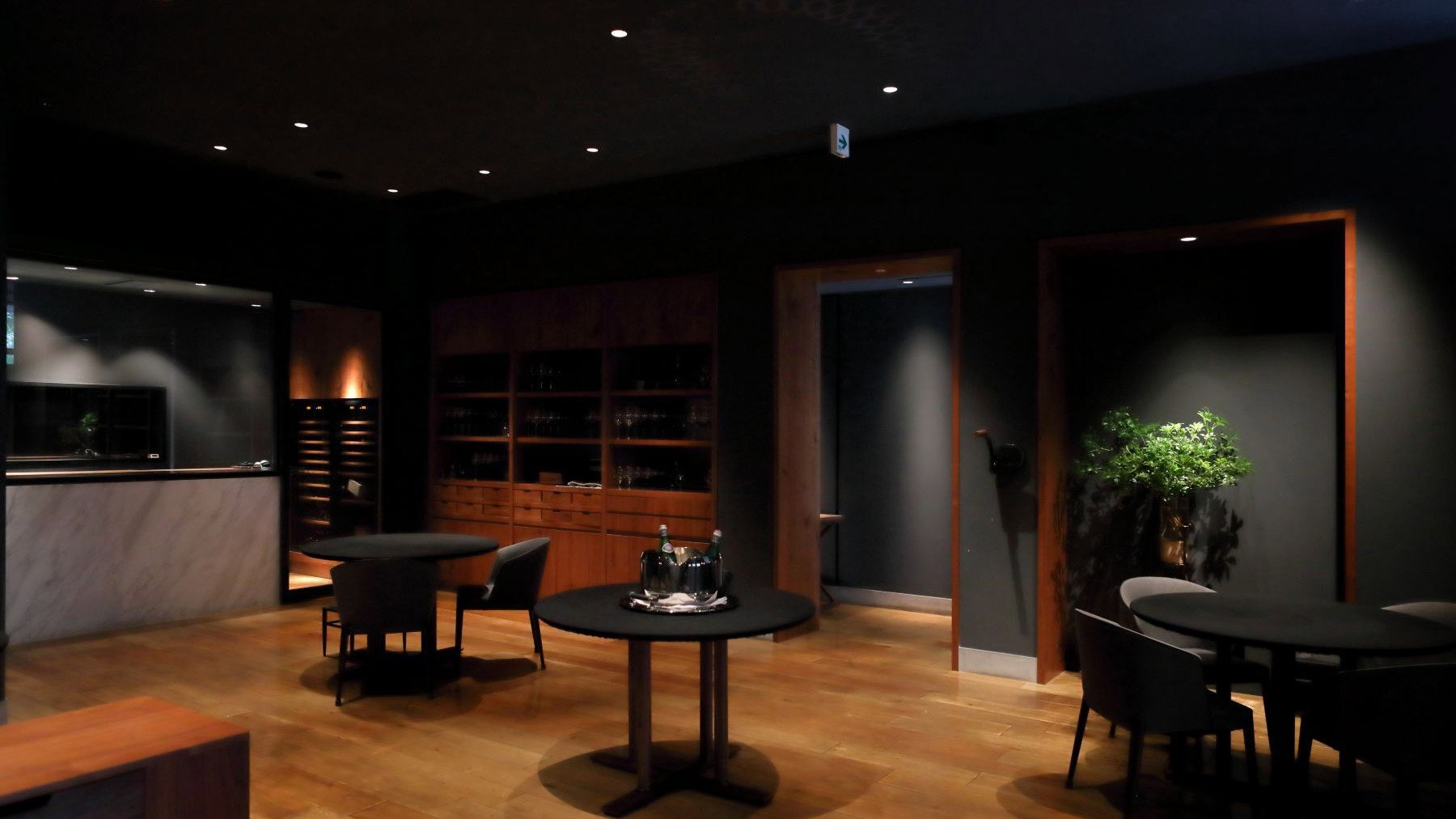
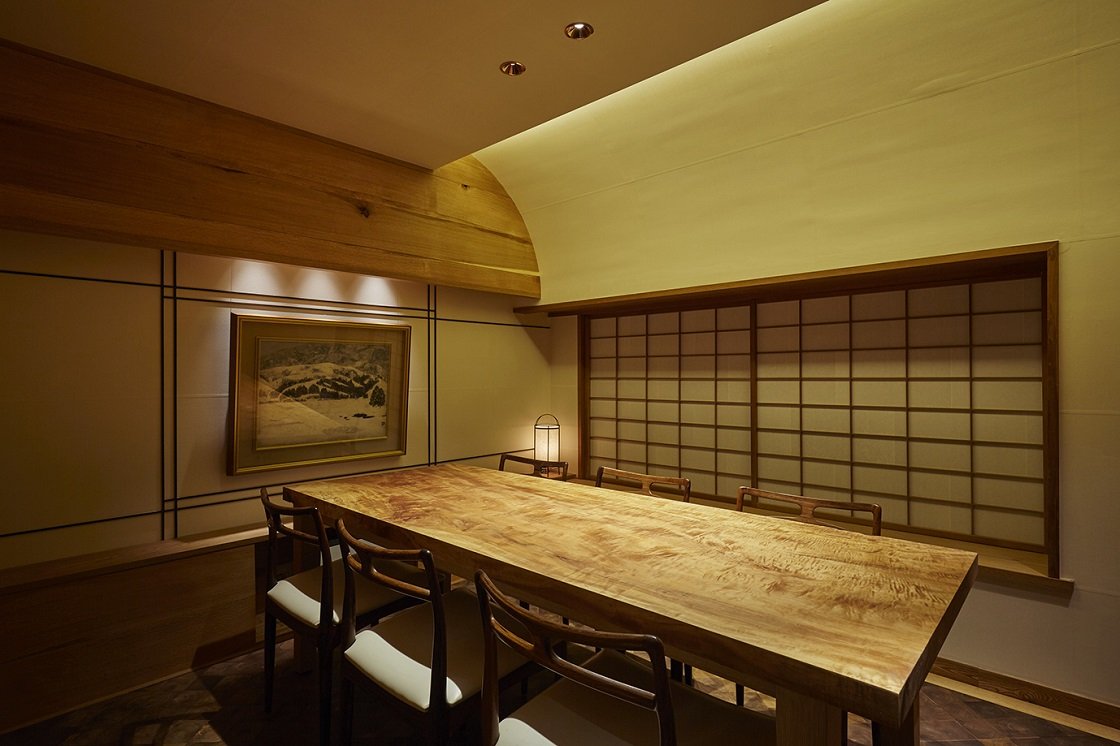
Naniwakappo NOBORU presents kappo as performance: the chef works at a hinoki counter so preparation happens in full view. The dining room emphasizes craft and careful timing rather than ceremony for its own sake, carrying a regional Osaka tradition forward with Michelin recognition. The focus is on technique, seasonal ingredients and a direct line between cook and guest, creating a refined, quietly theatrical experience. The setting feels rooted in history and practice rather than flash, so the mood is measured and contemplative—an intimate stage for serious cooking where the counter itself is the centerpiece of the evening.
Best For
This is a place to reserve for occasions that call for attention to detail: special celebrations, business dinners and milestones that benefit from a composed, highly skilled service. The counter format encourages conversation with the chef and delivers a curated sequence of courses, so it suits diners who appreciate technique and seasonal nuance. Michelin recognition underscores the elevated level of cooking and service, making the restaurant a natural choice when you want a memorable, deliberately paced meal rather than a casual night out.
Ordering Tips
Meals at Naniwakappo NOBORU follow a kaiseki-like arc but remain responsive: orders are placed in kaiseki fashion and the chef adjusts pacing and composition based on the table. Guests should expect a sequence that moves from lighter to richer courses and be prepared to let the chef guide the progression. The counter format makes every adjustment visible, so engage with the chef if you have preferences, but allow room for seasonal substitutions and on-the-fly decisions. Come ready for a curated, evolving meal rather than a fixed à la carte checklist.
Venue details
Ambiance
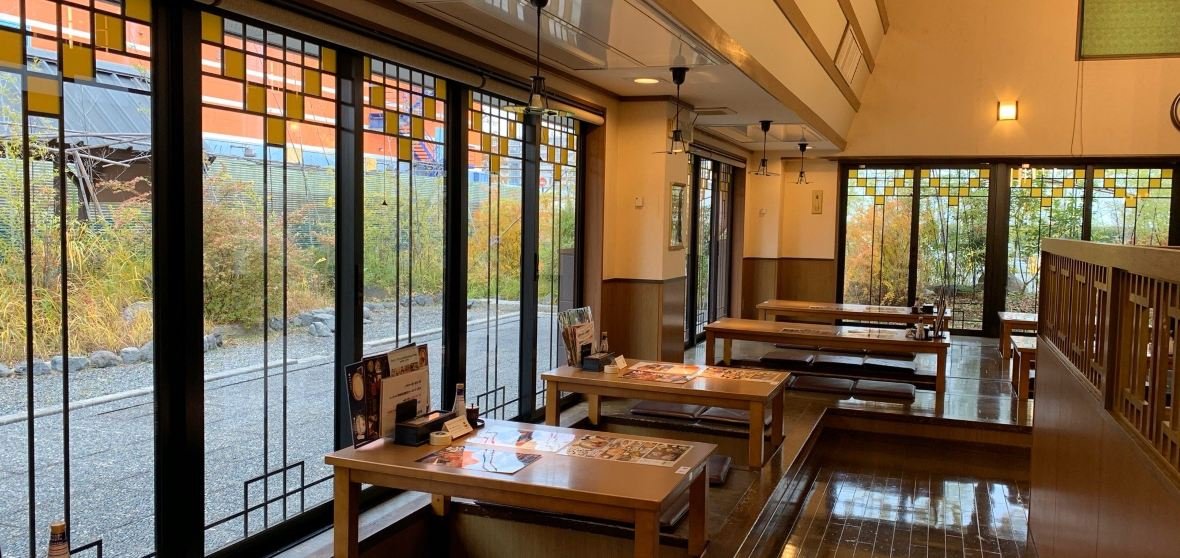
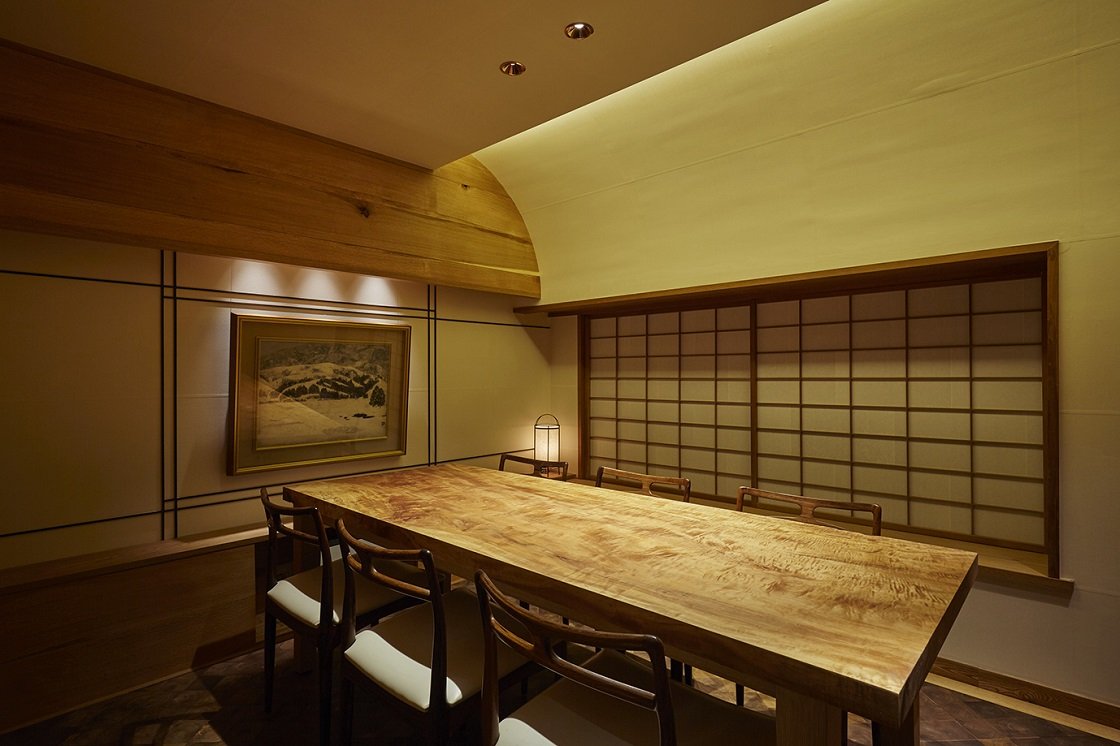
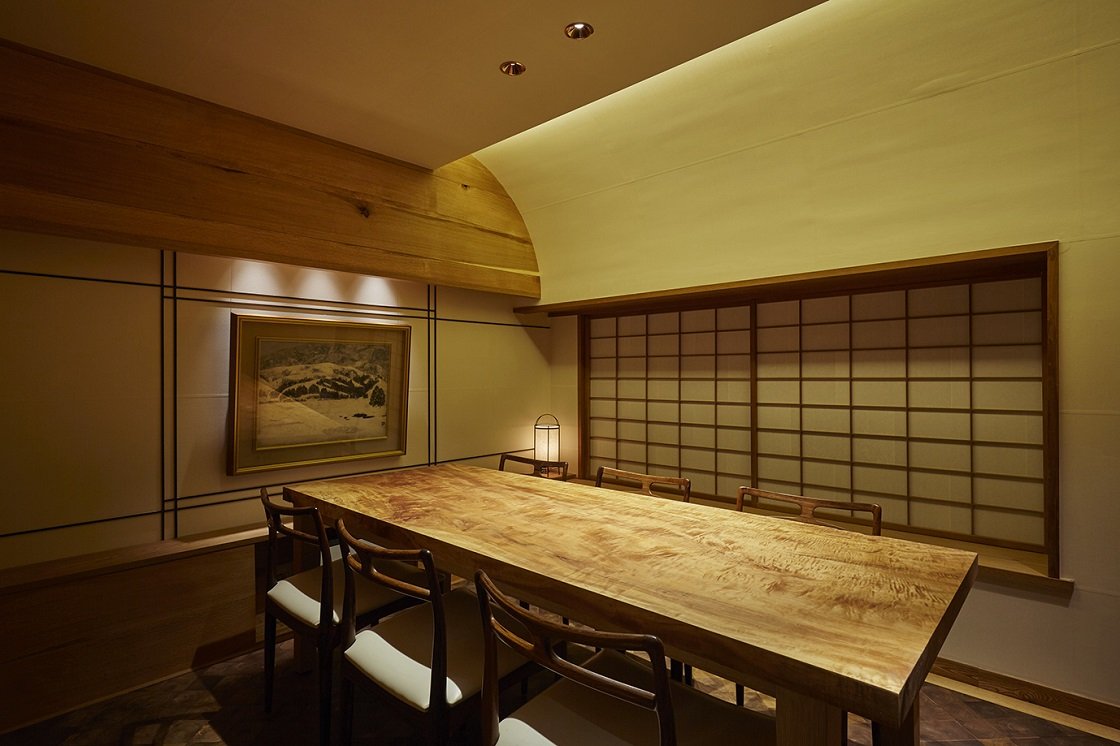
Calm and relaxing atmosphere with stylish, spacious seating including counter and tatami private rooms.
Tags
Vibe
Best For
Experience
Sourcing
At the Table
- Dress Code
- Casual
- Noise Level
- Quiet
- Service Style
- Upscale Casual
- Meal Pacing
- Leisurely
- Capacity
- Intimate
Know before you go
Know Before You Go
- Getting there
- 1 Chome-3-12 Oyodominami, Kita Ward, Osaka, 531-0075, Japan
Planning details
Location
1 Chome-3-12 Oyodominami, Kita Ward, Osaka, 531-0075, Japan · Directions
Recognition and awards
Also consider
Also Consider
- HAJIME, French, Innovative, ¥¥¥¥
- La Cime, French, ¥¥¥¥
- Kashiwaya Osaka Senriyama, Japanese, ¥¥¥
- Taian, Kaiseki, Japanese, ¥¥¥
- Fujiya 1935, Innovative, ¥¥¥¥
Restaurant context
At ¥¥¥, Naniwakappo NOBORU sits in the same price tier as Kashiwaya Osaka Senriyama and Taian, but offers a different experience from both. Kashiwaya delivers a more traditional, structured kaiseki progression in a formal setting; Taian brings strong kaiseki credentials in an intimate room. NOBORU is the counter-format choice in this bracket: less ceremonial, more interactive, and menu-fluid in a way that suits repeat visits better than a single special occasion. If Michelin recognition at ¥¥¥ is your filter and Japanese cuisine is the priority, all three are credible, but NOBORU rewards diners who want craft-led responsiveness over formality.
The ¥¥¥¥ tier brings a different proposition entirely. HAJIME and Fujiya 1935 both operate in Osaka's innovative French-Japanese space and run tightly constructed tasting menus at higher spend. La Cime sits in a similar bracket with a French-led approach. These are the right call if visual precision and a fixed multi-course arc are what you want. NOBORU is the better choice if you prefer Japanese counter cooking at a price that leaves room in the budget for more of Osaka's dining scene.
On booking difficulty, NOBORU and Taian are both rated hard, plan ahead for either. Kashiwaya may be marginally easier to access depending on season. The ¥¥¥¥ venues at HAJIME and Fujiya 1935 also require significant lead time. In practical terms: if your dates are flexible, approach multiple venues simultaneously and take the first reservation that opens. NOBORU is the pick if kappo is the format you want; Taian if kaiseki formality matters; and the ¥¥¥¥ tier if budget is not the constraint and you want Osaka's most technically ambitious kitchens.
Explore Osaka
Around this place
Discover more on Pearl
Unlock the full Naniwakappo NOBORU guide in Pearl, including awards, comparisons, FAQs, planning details, and nearby places.
Compare Naniwakappo NOBORU
| Venue | Price | Awards |
|---|---|---|
| Naniwakappo NOBORU | ¥¥¥ | Michelin Guide Kyoto Osaka 20262026 Michelin Plate2025 Michelin Plate2024 Michelin 1 Star |
| HAJIME | ¥¥¥¥ | Star Wine Lists 2026 · #12026 Tabelog Bronze · #922026 OAD Top Restaurants in Japan Ranked · #98Michelin Guide Kyoto Osaka 20262026 La Liste Top RestaurantsTabelog 100 - Innovative / Creative cuisine - 2025 · #692025 Asia's 50 Best Restaurants · #832025 OAD Top Restaurants in Japan Ranked · #87We're Smart World Top Restaurants 2025 |
| La Cime | ¥¥¥¥ | 2026 Asia's 50 Best Restaurants · #132026 OAD Top Restaurants in Japan Ranked · #1492026 Tabelog Bronze · #231Michelin Guide Kyoto Osaka 20262026 La Liste Top Restaurants2025 Asia's 50 Best Restaurants · #82025 World's 50 Best Restaurants · #44Tabelog 100 - French - WEST - 2025 · #932025 OAD Top Restaurants in Japan Ranked · #123 |
| Kashiwaya Osaka Senriyama | ¥¥¥ | 2026 Tabelog Bronze · #1682026 OAD Top Restaurants in Japan Recommended2026 Relais Chateaux RestaurantsMichelin Guide Kyoto Osaka 20262026 La Liste Top RestaurantsTabelog 100 - Japanese cuisine - WEST - 2025 · #772025 OAD Top Restaurants in Japan Ranked · #1552025 Relais Chateaux Award2025 Michelin 3 Stars |
| Taian | ¥¥¥ | 2026 OAD Top Restaurants in Japan RecommendedMichelin Guide Kyoto Osaka 20262026 La Liste Top Restaurants2025 OAD Top Restaurants in Japan Ranked · #2042025 La Liste Top Restaurants2025 Michelin 3 Stars2024 OAD Top Restaurants in Japan Ranked · #1912024 Michelin 3 Stars2023 OAD Top Restaurants in Japan Highly Recommended |
| Fujiya 1935 | ¥¥¥¥ | 2026 Tabelog Bronze · #752026 OAD Top Restaurants in Japan RecommendedMichelin Guide Kyoto Osaka 20262026 La Liste Top Restaurants2025 Michelin 2 Stars2025 Tabelog Silver2025 La Liste Top Restaurants2024 OAD Top Restaurants in Japan Ranked · #2392024 Michelin 2 Stars |

.png?width=1200&quality=80)









What to weigh when choosing between Naniwakappo NOBORU and alternatives.
FAQ
Frequently Asked Questions
What are alternatives to Naniwakappo NOBORU in Osaka?
If you want a step up in prestige and budget, Hajime and Kashiwaya Osaka Senriyama both operate at a higher price tier with multiple Michelin stars. La Cime offers a European-influenced format that suits diners less drawn to traditional Japanese structure. Taian and Fujiya 1935 are closer competitors in the counter and kaiseki space at comparable price points. Naniwakappo NOBORU's advantage is the interactive kappo format at ¥¥¥, which none of the above replicate at the same price.
Is Naniwakappo NOBORU worth the price?
At ¥¥¥, this is one of the more accessible ways to access Michelin-starred Japanese cooking in Osaka. The kappo format means food is prepared in front of you and adjusted to your preference, so you are paying for responsiveness as much as technique. Compared to Hajime or Kashiwaya, which sit at ¥¥¥¥, NOBORU gives you Michelin-level cooking without the top-tier price commitment. Worth it if a live, interactive counter is the format you want.
Is Naniwakappo NOBORU good for a special occasion?
Yes, the counter format and the chef's emphasis on conversation and guest interaction make it a strong choice for a meaningful dinner rather than a transactional one. The restaurant's guiding philosophy, 'Shinjo o hakari, ninjo wo kurau,' frames the experience around reading what the diner actually wants, which translates well to celebratory meals. Keep the group small: kappo counters are not suited to large parties, and the intimate setting is part of what makes it feel occasion-appropriate.
What should a first-timer know about Naniwakappo NOBORU?
This is a kappo counter, not a set-course kaiseki restaurant in the traditional private-room sense. Orders follow kaiseki structure but are adjusted by the chef based on your preferences and the day's mood, so communicating dietary preferences upfront is practical. Booking difficulty is rated Hard, and the Michelin Star means demand outpaces availability, so plan well ahead. The restaurant is in Kita Ward at 1 Chome-3-12 Oyodominami, Osaka 531-0075.
Is the tasting menu worth it at Naniwakappo NOBORU?
The menu at NOBORU follows kaiseki ordering conventions but is not a rigid set menu: the chef responds to guest preference and daily availability, which gives it more flexibility than a standard tasting format. For diners who find fixed multi-course menus restrictive, that adaptability is a genuine advantage. The Michelin Star (2024) and Plate (2025) both validate the kitchen's consistency. At ¥¥¥, the value case is solid compared to Osaka's higher-tier alternatives.