.png?width=1200&quality=80)
Mashino Ken
Chinese · Chūō, Osaka
Restaurant in Osaka, Japan
 Book with Pearl
The Read
Pan-Regional Chinese Scholarship
Price
¥¥¥
Dress
Smart Casual
Why go
Mashino Ken holds a Michelin Plate (2024) and, making it one of the more credentialed regional Chinese options in Osaka's Chuo Ward. At ¥¥¥ it is accessible without being a compromise, and booking is rated easy. Come for a weekday dinner if you want the full chef-driven experience with regional Chinese cooking explained in depth.
About Mashino Ken
Pearl Verdict
If you want serious regional Chinese cooking in Osaka's Chuo Ward, Mashino Ken is the booking to make. At the ¥¥¥ price point it sits alongside Kashiwaya Osaka Senriyama and Taian rather than the ¥¥¥¥ tier occupied by HAJIME or La Cime, which makes it the more accessible option for diners who want a credentialed meal without committing to a full splurge. Booking difficulty is rated easy, so you do not need to plan weeks in advance. That alone makes it worth knowing about.
The Restaurant
Mashino Ken is positioned in Awajimachi, a part of Chuo Ward where the streets feel more commercial than tourist-facing. That is intentional context: this is a neighbourhood that feeds the city's professional class, not one that performs for visitors. A Chinese restaurant earning a Michelin Plate in a district like this earns it on food, not atmosphere management or foot traffic from hotel corridors.
The cooking draws its roots from Hong Kong Cantonese and then extends outward across the regions of China. Peking duck appears as a constant on the menu, which functions both as a signature and as a calibration point — it is a dish that exposes technical discipline immediately and the chef clearly understands that. Beyond the duck, the approach involves studied engagement with regional Chinese culinary history: different provinces, different techniques, different source materials. The chef works in Cantonese when explaining the menu, which signals a commitment to the material rather than a localised adaptation of it.
For Osaka specifically, this matters. The city has strong Chinese restaurant options, including Chi-Fu, Kamigatachuka SHINTANI, and Chugokusai S.Sawada, each with its own register and price point. Mashino Ken occupies a specific slot: regional Chinese with historical seriousness, at mid-to-high pricing, with a chef who treats the cooking as an ongoing research project rather than a fixed menu. That combination is not common. If you want contrast, atelier HANADA by Morimoto or Az offer different formats in the same city, though with different cuisines and price tiers.
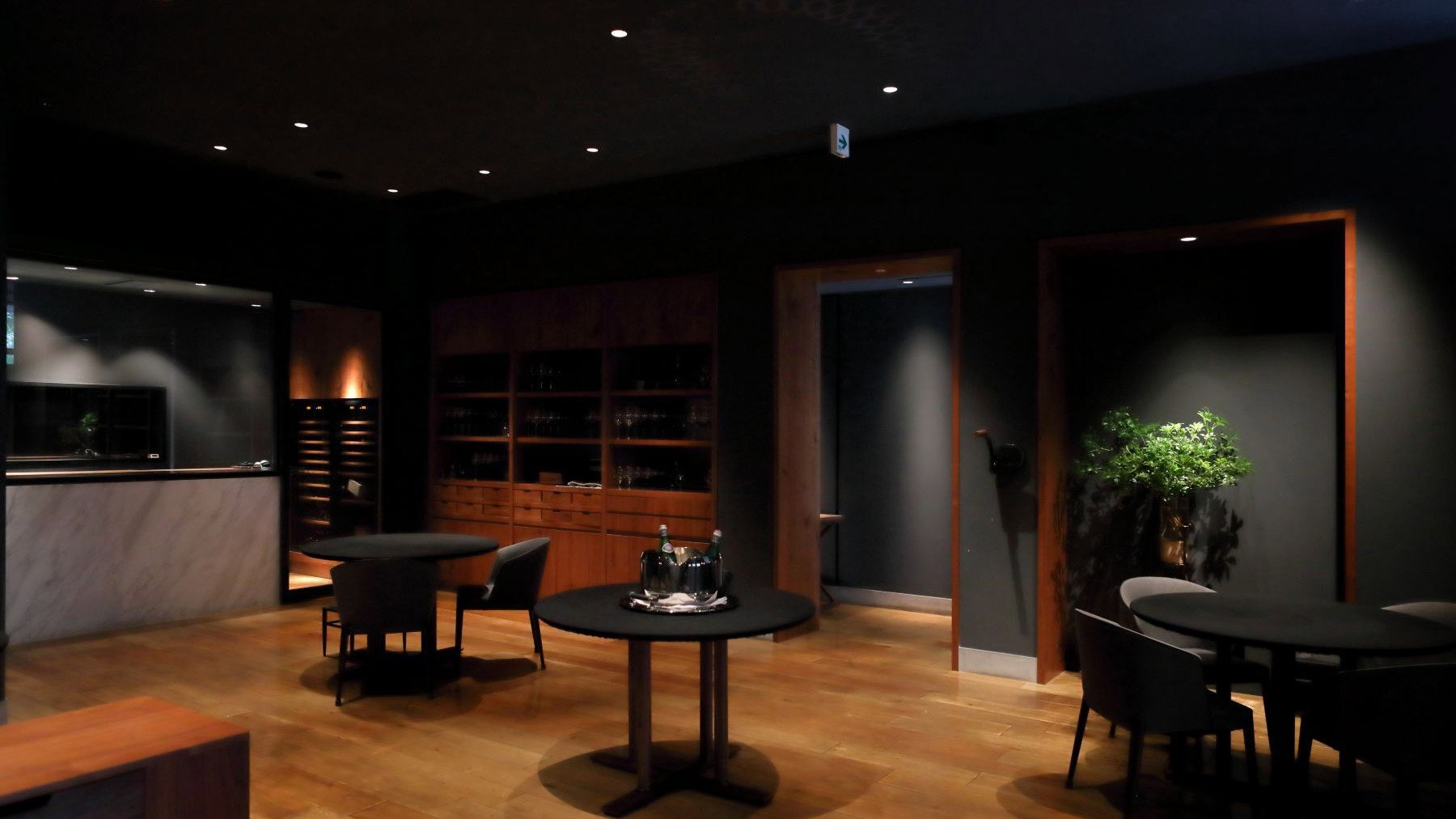
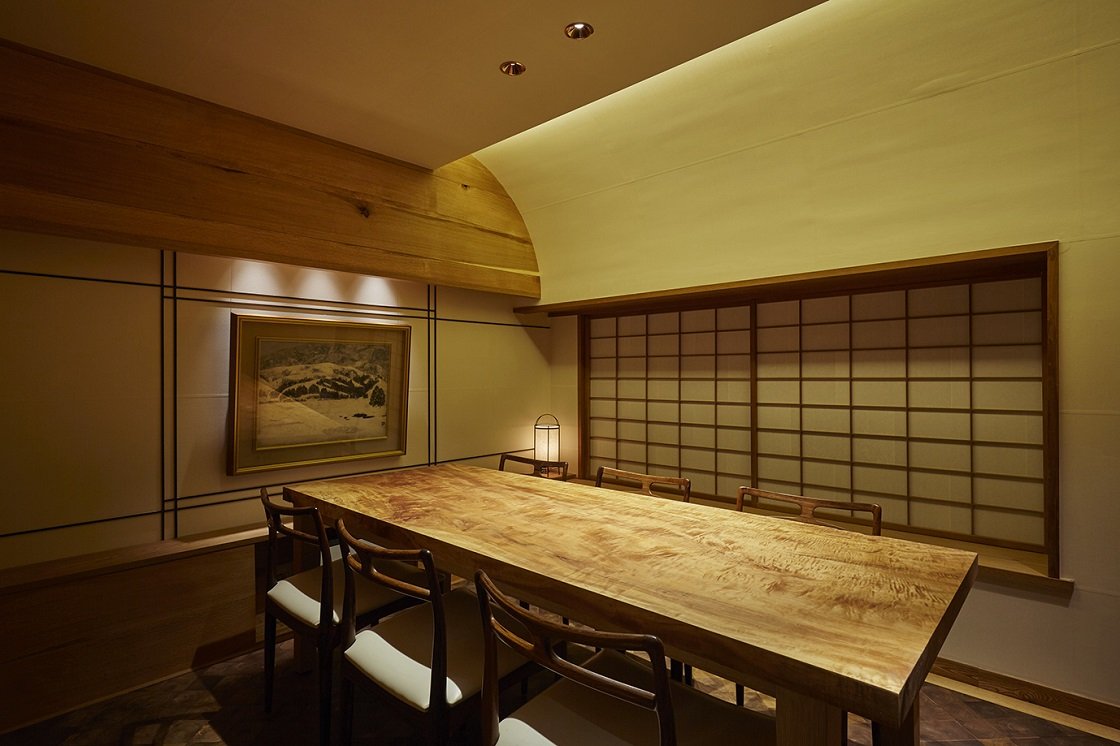
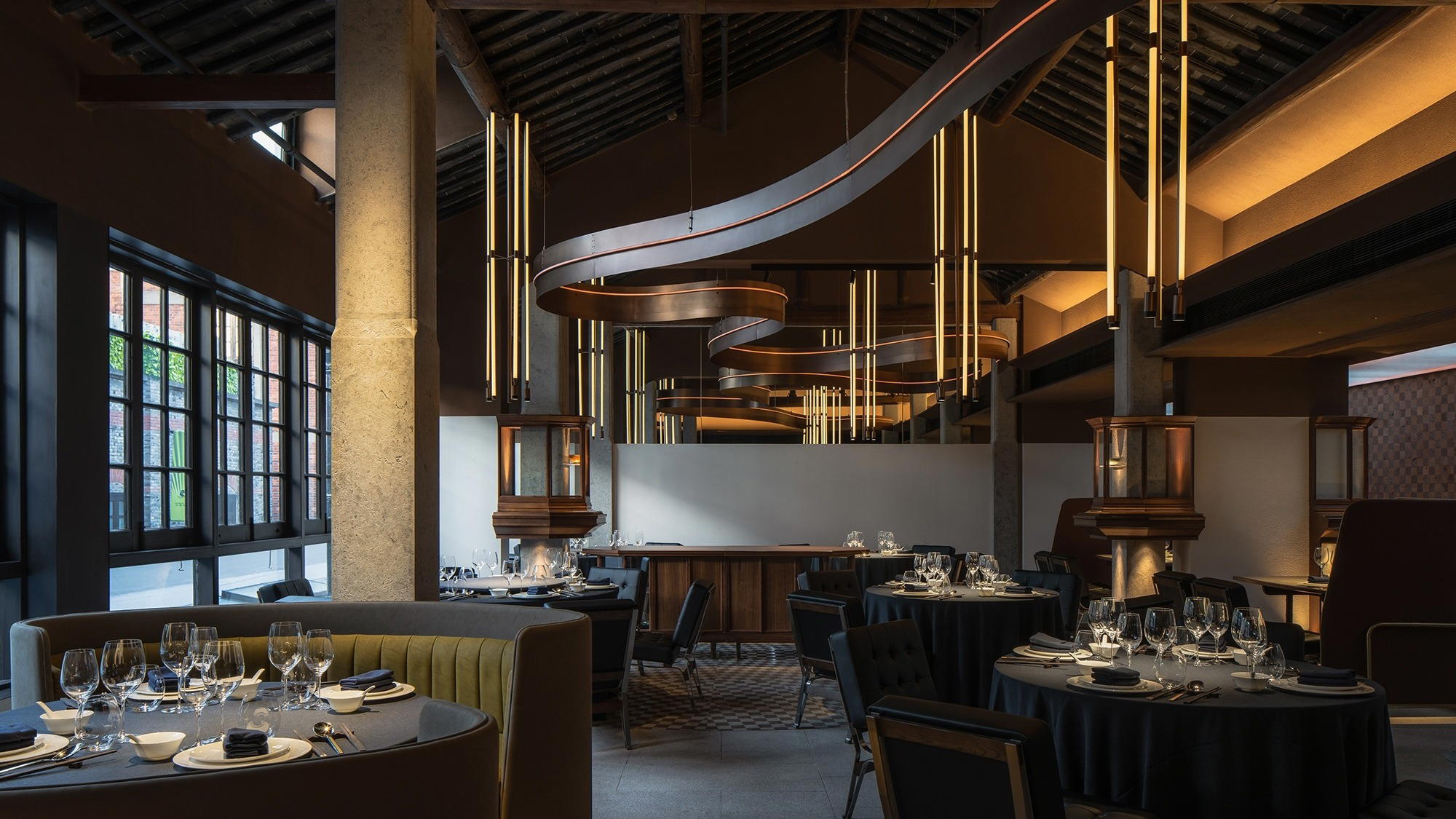
The sensory register here is not a loud room. A restaurant in Awajimachi with this level of culinary investment tends to run quiet, focused, and without the noise floor you get in Osaka's busier dining districts like Shinsaibashi or Namba. If you are coming for a special occasion or a business dinner where the conversation matters as much as the food, that is useful information. Come for dinner rather than a rushed lunch if you want full engagement with the menu and its explanations.
For the special occasion diner, the experience is structured around the chef's interaction with the menu — explaining provenance, technique, and regional origin in Cantonese. That level of engagement is not for everyone. If you want a meal where you sit, eat, and leave, this is probably more involvement than you need. But for a celebration dinner where you want something intellectually substantive alongside good food, it works well. Compare it to the experience at Gion Sasaki in Kyoto or Harutaka in Tokyo, both offer a similar degree of chef-driven narrative, though across very different cuisines.
Outside Japan, chefs working in this vein, regional Chinese with serious historical intent, include the team at Mister Jiu's in San Francisco and Restaurant Tim Raue in Berlin. Neither is a direct comparison in style, but they share the same instinct: Chinese cooking taken seriously as a subject, not just a category. That framing helps locate Mashino Ken on a global map if you are trying to assess what kind of ambition is at work here.
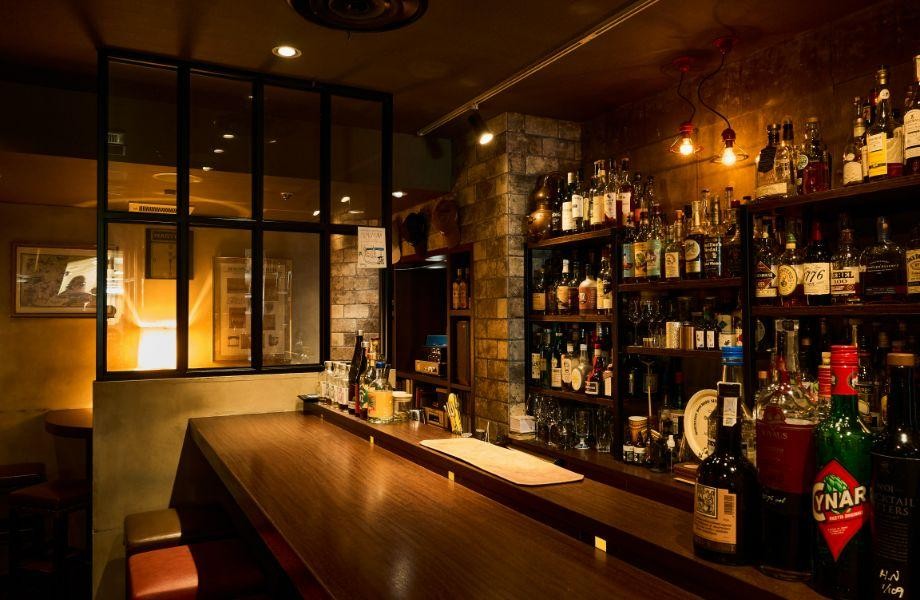
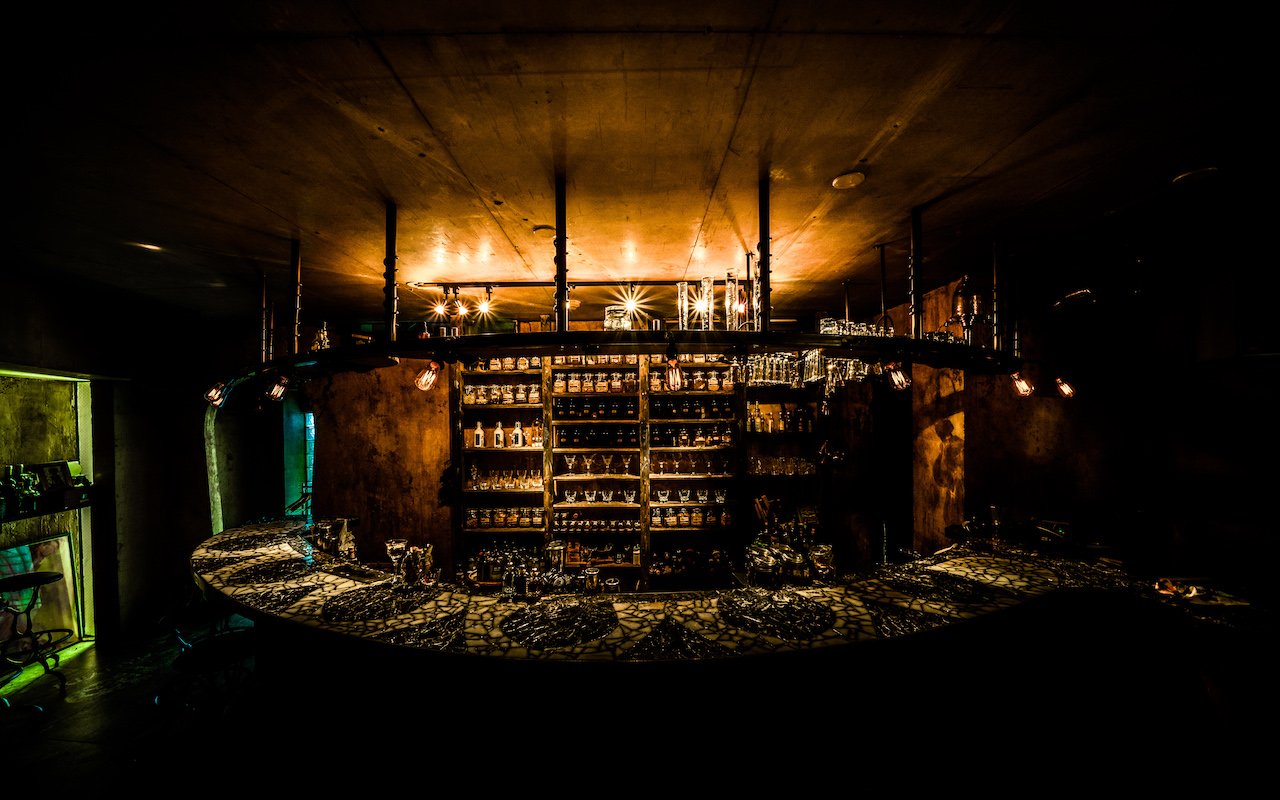
Timing matters. Weekday evenings are the safest bet for a full, unhurried experience. If you are visiting Osaka for a short trip, coordinate this with the broader Chuo Ward dining cluster rather than making a standalone journey. See our full Osaka restaurants guide for adjacent options, and check our Osaka hotels guide if you are planning an overnight stay around the meal. For completeness, our Osaka bars guide covers post-dinner options in the same ward.
Regional comparisons worth considering: akordu in Nara and Goh in Fukuoka both operate at a similar ambition level in the Kansai and Kyushu regions, though again across different cuisines. If you are building a multi-city Japan itinerary around credentialed, chef-driven dining, Mashino Ken belongs on that list alongside those restaurants. For something different in scope, 1000 in Yokohama and 6 in Okinawa round out the picture at opposite ends of the country.
Know Before You Go
- Address: 1 Chome-3-6 Awajimachi, Chuo Ward, Osaka, 541-0047, Japan
- Price range: ¥¥¥
- Cuisine: Chinese (regional, Cantonese-rooted)
- Awards: Michelin Plate (2024)
- Booking difficulty: Easy
- Ideal time to visit: Weekday evenings for the full, unhurried experience
- Dress code: Not specified, at ¥¥¥ with Michelin recognition, smart casual is a safe baseline
- Hours / phone / website: Not listed, confirm directly before visiting
Planning details
- Location
- 1 Chome-3-6 Awajimachi, Chuo Ward, Osaka, 541-0047, Japan
- Website
- restaurant.ikyu.com/114583
- Phone
- +81 6-6210-4449
The take
The Take
The Vibe
Mashino Ken presents a restrained, sophisticated take on Chinese regional cooking in Osaka’s commercial core. The restaurant leans on technical depth and quietly confident execution rather than spectacle: it lives up to a mid‑premium billing and earned a 2024 Michelin Plate for its focused approach. The setting sits on a calm stretch of Awajimachi, away from neon theatrics, and the counter configuration keeps attention trained on the kitchen’s precision. Service and atmosphere tilt toward composed, classic dining that suits milestone meals delivered without fuss.
Best For
This is a place diners book when they want a serious dinner that foregrounds technique and regional breadth. The write‑up places Mashino Ken alongside kaiseki and high‑end French options as an alternative for celebrations and business dinners, and its Michelin Plate status signals food that merits the occasion. Because it emphasizes crafted, regionally distinct Chinese dishes and counter service, it’s best experienced in the evening for a deliberate, multi‑course meal rather than quick casual visits.
Ordering Tips
Reserve ahead for an evening service and ask for counter seating if you want the full kitchen-facing experience—the text emphasizes the restaurant’s counter focus. The venue is noted for regional variety and a signature Peking duck, so consider ordering the duck or a selection that showcases different regional techniques. The piece also notes that booking pressure is generally lower than at fully starred peers, but this is still a destination for milestone dinners, so plan reservations accordingly.
Venue details
Ambiance
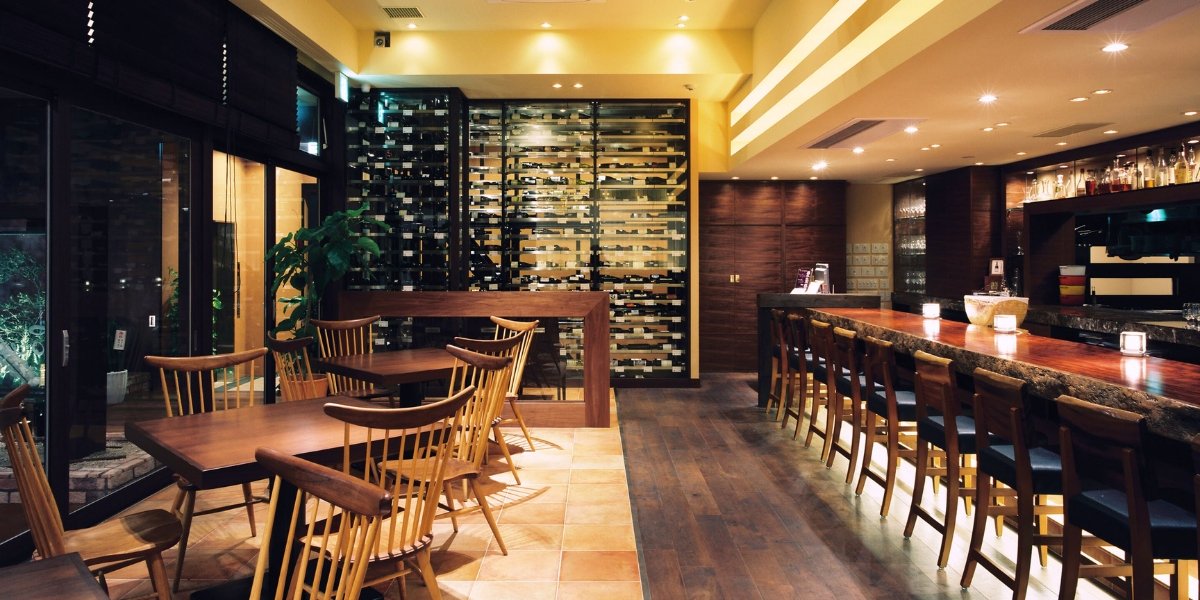
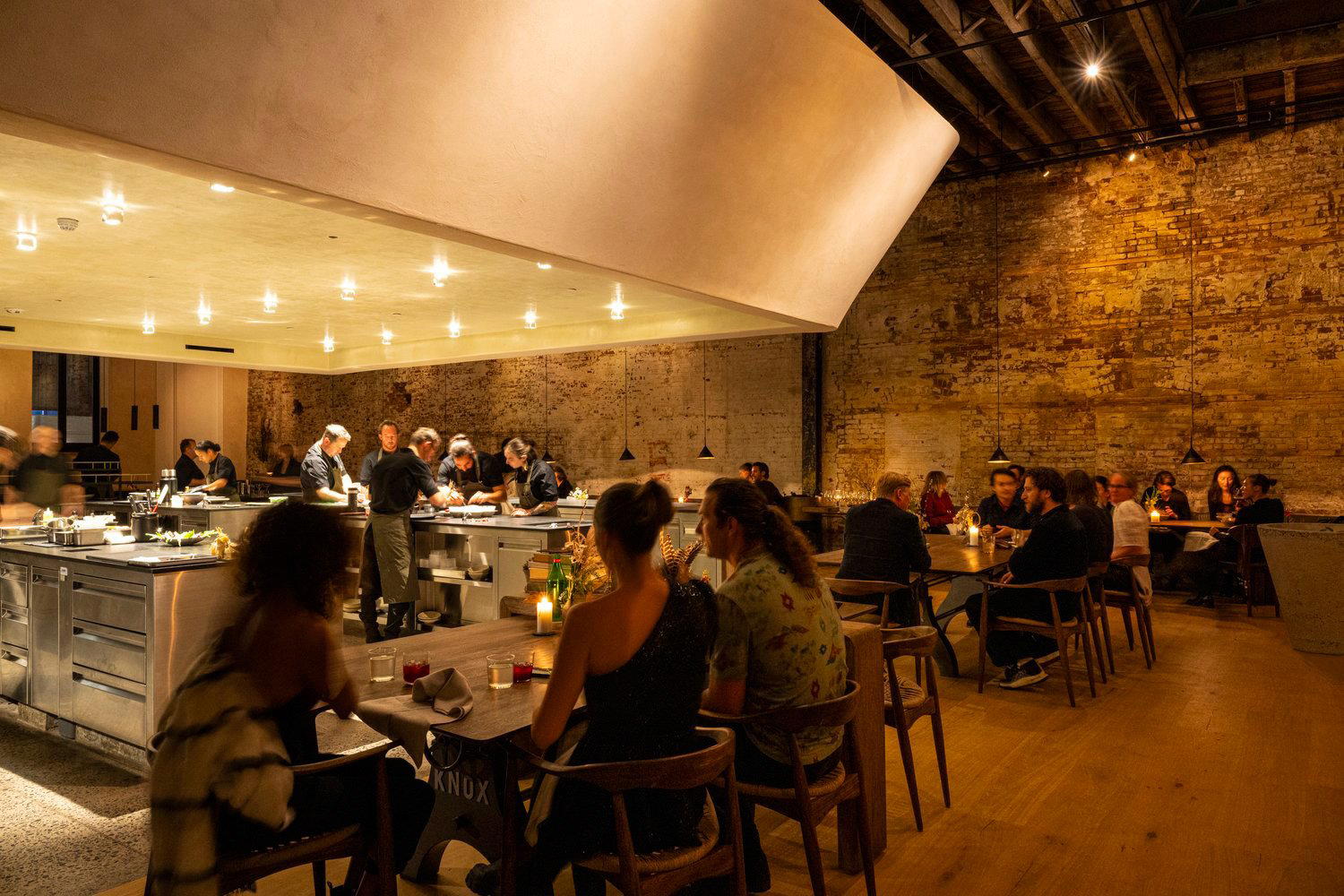
Lively open kitchen in an intimate back alley setting with precise dining atmosphere.
Tags
Vibe
Best For
Experience
At the Table
- Dress Code
- Smart Casual
- Noise Level
- Lively
- Service Style
- Upscale Casual
- Meal Pacing
- Leisurely
- Capacity
- Intimate
Signature Dishes
Peking duck
Know before you go
Know Before You Go
- Getting there
- 1 Chome-3-6 Awajimachi, Chuo Ward, Osaka, 541-0047, Japan
Planning details
Location
1 Chome-3-6 Awajimachi, Chuo Ward, Osaka, 541-0047, Japan · Directions
Recognition and awards
Also consider
Also Consider
- HAJIME, French, Innovative, ¥¥¥¥
- La Cime, French, ¥¥¥¥
- Kashiwaya Osaka Senriyama, Japanese, ¥¥¥
- Taian, Kaiseki, Japanese, ¥¥¥
- Fujiya 1935, Innovative, ¥¥¥¥
Restaurant context
At ¥¥¥, Mashino Ken sits in a different tier from Osaka's most decorated restaurants. HAJIME (¥¥¥¥, French/Innovative) and Fujiya 1935 (¥¥¥¥, Innovative) are both harder to book and significantly more expensive. If your priority is a full-commitment, multi-course tasting experience at the top of Osaka's dining hierarchy, those are the bookings to pursue. Mashino Ken is not trying to compete in that register, its Michelin Plate rather than star reflects a different level of recognition, and the price reflects that honestly.
Against its ¥¥¥ peers, the comparison is more interesting. Kashiwaya Osaka Senriyama and Taian both operate at the same price tier but in Japanese kaiseki formats. If you want kaiseki, go to one of those. If you want serious regional Chinese, Peking duck, Cantonese roots, multi-region exploration, Mashino Ken is the booking in this tier with that specific offer. La Cime (¥¥¥¥, French) rounds out the upper bracket but is again a different cuisine and a higher spend entirely.
The practical recommendation: book Mashino Ken when you want a credentialed Chinese meal in Osaka without the ¥¥¥¥ commitment or the difficult booking process. For a special occasion where budget is not the constraint, HAJIME or Fujiya 1935 will deliver a more elaborate experience. For a weeknight dinner or a meal where Chinese regional cooking is specifically what you are after, Mashino Ken is the right call at this price point in Osaka.
Explore Osaka
Around this place
Discover more on Pearl
Unlock the full Mashino Ken guide in Pearl, including awards, comparisons, FAQs, planning details, and nearby places.
Compare Mashino Ken
| Venue | Price | Booking Difficulty | Awards |
|---|---|---|---|
| Mashino Ken | ¥¥¥ | Easy | 2026 Michelin Plate2025 Michelin Plate2024 Michelin Plate |
| HAJIME | ¥¥¥¥ | Unknown | Star Wine Lists 2026 · #12026 Tabelog Bronze · #922026 OAD Top Restaurants in Japan Ranked · #98Michelin Guide Kyoto Osaka 20262026 La Liste Top RestaurantsTabelog 100 - Innovative / Creative cuisine - 2025 · #692025 Asia's 50 Best Restaurants · #832025 OAD Top Restaurants in Japan Ranked · #87We're Smart World Top Restaurants 2025 |
| La Cime | ¥¥¥¥ | Unknown | 2026 Asia's 50 Best Restaurants · #132026 OAD Top Restaurants in Japan Ranked · #1492026 Tabelog Bronze · #231Michelin Guide Kyoto Osaka 20262026 La Liste Top Restaurants2025 Asia's 50 Best Restaurants · #82025 World's 50 Best Restaurants · #44Tabelog 100 - French - WEST - 2025 · #932025 OAD Top Restaurants in Japan Ranked · #123 |
| Kashiwaya Osaka Senriyama | ¥¥¥ | Unknown | 2026 Tabelog Bronze · #1682026 OAD Top Restaurants in Japan Recommended2026 Relais Chateaux RestaurantsMichelin Guide Kyoto Osaka 20262026 La Liste Top RestaurantsTabelog 100 - Japanese cuisine - WEST - 2025 · #772025 OAD Top Restaurants in Japan Ranked · #1552025 Relais Chateaux Award2025 Michelin 3 Stars |
| Taian | ¥¥¥ | Unknown | 2026 OAD Top Restaurants in Japan RecommendedMichelin Guide Kyoto Osaka 20262026 La Liste Top Restaurants2025 OAD Top Restaurants in Japan Ranked · #2042025 La Liste Top Restaurants2025 Michelin 3 Stars2024 OAD Top Restaurants in Japan Ranked · #1912024 Michelin 3 Stars2023 OAD Top Restaurants in Japan Highly Recommended |
| Fujiya 1935 | ¥¥¥¥ | Unknown | 2026 Tabelog Bronze · #752026 OAD Top Restaurants in Japan RecommendedMichelin Guide Kyoto Osaka 20262026 La Liste Top Restaurants2025 Michelin 2 Stars2025 Tabelog Silver2025 La Liste Top Restaurants2024 OAD Top Restaurants in Japan Ranked · #2392024 Michelin 2 Stars |










Side-by-side comparison to help you decide where to book.
FAQ
Frequently Asked Questions
Is Mashino Ken good for solo dining?
Yes. The chef's habit of explaining the menu and the roots of each regional dish in Cantonese makes solo dining here genuinely engaging rather than solitary. A Michelin Plate-recognised restaurant at ¥¥¥ pricing is a reasonable solo spend if regional Chinese cooking is your focus. Counter or bar seating availability is not confirmed in the data, so call ahead to clarify your options.
What should I order at Mashino Ken?
Peking duck is a fixture on the menu and the dish the chef keeps as a personal anchor to Hong Kong-style cooking. Beyond that, the format centres on regional Chinese cuisines explained course by course, so the menu is best treated as a guided progression rather than an à la carte selection.
Is the tasting menu worth it at Mashino Ken?
If the format suits you, yes. The chef has spent years studying regional Chinese cooking across different provinces, and the menu is structured as a journey through those regions with spoken context in Cantonese. At ¥¥¥, it sits below Osaka's top-tier French omakase pricing, which makes it a reasonable proposition for anyone whose priority is Chinese cooking rather than prestige format.
Is Mashino Ken worth the price?
At ¥¥¥, Mashino Ken is priced in the mid-upper range for Osaka dining. A Michelin Plate (2024) signals cooking that meets a credible standard without reaching starred territory. For serious regional Chinese in Osaka, there is no direct competitor at this level, which makes the price defensible.
Is Mashino Ken good for a special occasion?
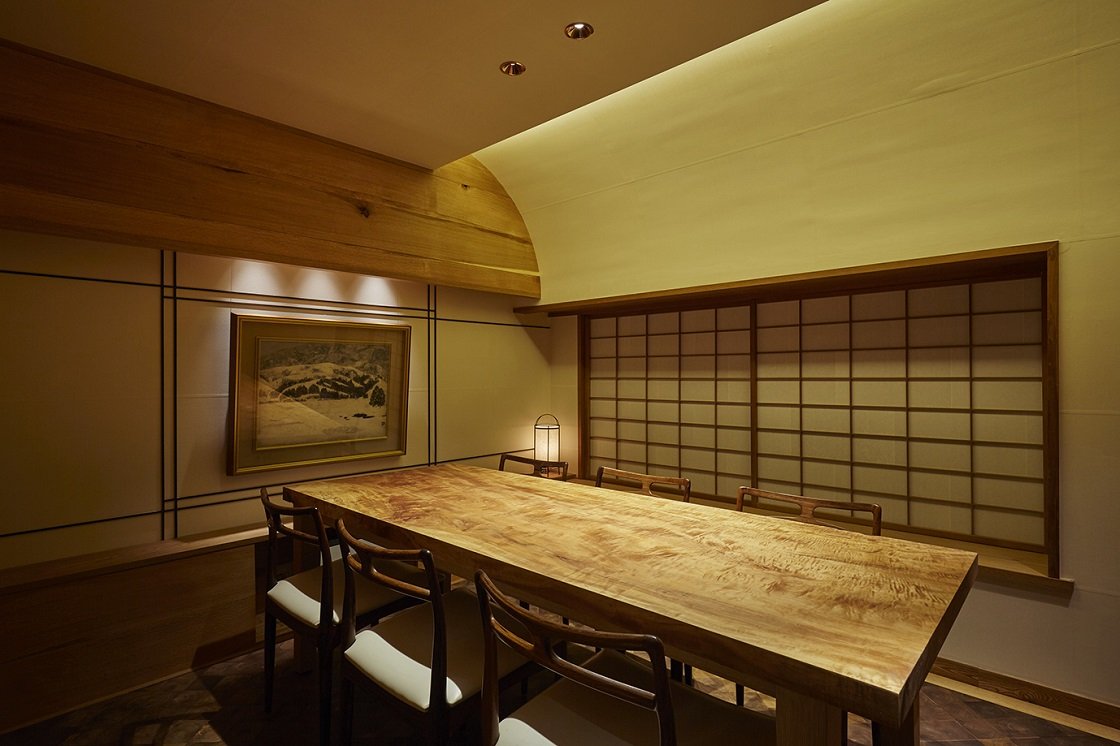
Yes, with caveats. The chef's interactive, explanatory style makes the meal feel considered rather than ceremonial, which works well for two people who want something to talk about. It is less suited to large groups or occasions where the room atmosphere carries the moment. Book a private room if available and confirm capacity before assuming it fits a celebration dinner.
What are alternatives to Mashino Ken in Osaka?
For French fine dining at a higher prestige tier, HAJIME (three Michelin stars) and Fujiya 1935 (two stars) are the Osaka benchmarks. La Cime and Taian offer strong contemporary Japanese-French options. Kashiwaya Osaka Senriyama covers kaiseki. None of these are direct substitutes for Mashino Ken's regional Chinese format, which has no obvious equivalent at this level in Osaka.