
Man-u
Oden · Kita, Osaka
Restaurant in Osaka, Japan
 Book with Pearl
The Read
Cross-Regional Oden Sequencing
Price
¥¥¥
Dress
Smart Casual
Why go
Man-u brings Michelin Plate-recognised precision to Osaka's oden format, borrowing from multiple Japanese culinary traditions to produce ingredient pairings — beef sinew with green onions, octopus with unripe pepper, pike conger with matsutake — that are considerably more considered than the genre's reputation suggests. At ¥¥¥ in Kita Ward, it is the strongest case in Osaka for taking oden seriously as a dining format.
About Man-u
Verdict
Most visitors to Osaka's oden scene expect a modest, workaday experience: a pot of simmered broth, a few standard ingredients, a counter where you eat quickly and leave. Man-u corrects that expectation immediately. This is oden treated as a serious cooking discipline, drawing from across Japanese culinary traditions to produce something considerably more considered than the genre's reputation suggests.
About Man-u
Oden has a reputation problem. Outside Japan, it is barely known. Inside Japan, it is often dismissed as comfort food rather than restaurant food — the kind of thing you grab from a convenience store on a cold night, not something you book a table for. Man-u operates in deliberate opposition to that framing. The kitchen borrows techniques and flavour logic from other Japanese cuisines, which means the ingredient combinations here are not the ones you have encountered before, even if you think you know oden.
The structure of the meal reflects this ambition. Items are drawn from a large communal pot, but what makes Man-u different is what happens next: each component is paired with specific condiments and a broth configuration designed to shift the flavour register. Beef sinew arrives with green onions; octopus is matched with unripe pepper. These are not arbitrary pairings — they reflect painstaking preparation aimed at bringing different dimensions of the broth to the fore depending on what you are eating at any given moment. The kitchen is doing active work on flavour sequencing, which is a more sophisticated proposition than simply ladling ingredients into a bowl.
Some dishes step outside the pot format entirely. Clams, wakame seaweed with bamboo shoots, and pike conger with matsutake mushrooms are served as soup dishes, closer to kaiseki logic than convenience-store oden. The kitchen also includes fresher, less expected elements: lettuce, tomato, and figs dressed with a starchy dashi-based sauce that provide textural and temperature contrast to the warmer, more deeply simmered items. This range is the clearest signal of Man-u's ambition. It is not trying to do one thing well in a narrow lane; it is expanding what the format can accommodate.
The atmosphere at Man-u is calm rather than lively. Dojima, the Kita Ward address in northern central Osaka, is a business district during the day and quieter in the evenings, which sets the tone before you even sit down. The room itself, on the fifth floor of a building at 1 Chome-2-33, does not trade on visual spectacle. Energy here comes from the food and from watching the kitchen work through the progression of the menu, not from ambient noise or a crowd dynamic. If you are looking for the high-energy izakaya experience that Osaka is associated, this is not that venue. If you are looking for focused, attentive cooking in a room where you can actually hear the person across from you, Man-u is a strong answer.
The service philosophy at ¥¥¥ pricing deserves attention. At this tier, you are not paying for the kind of ceremony that comes with Osaka's ¥¥¥¥ kaiseki or French-influenced restaurants. What you get instead is guidance through an unfamiliar format. Oden composed with this level of intentionality requires some explanation, which condiment to pair with which item, what order makes sense, how the broth configuration changes the experience. A kitchen that has done this level of preparation should want the diner to understand what is happening. Whether that explanatory service is consistently delivered is something individual visits determine, but the format demands it, and the Michelin recognition suggests the kitchen takes its craft seriously enough to follow through.
For context on how Man-u sits within the broader oden category in Japan, the format has a long presence in Kyoto as well as Osaka. If you are visiting multiple cities, Fuyacho 103 and Oito in Kyoto offer useful points of comparison for how the genre is interpreted across the Kansai region. Man-u's cross-cuisine borrowing and emphasis on condiment pairing gives it a distinct identity relative to more traditional oden formats.
Within Osaka itself, Man-u occupies a specific niche: Michelin-recognised, mid-range priced, genre-expanding. If you are building a broader itinerary around Osaka's restaurant scene, our full Osaka restaurants guide covers the range from kaiseki to innovation-driven tasting menus. For other parts of Japan, Harutaka in Tokyo, Gion Sasaki in Kyoto, akordu in Nara, and Goh in Fukuoka represent strong anchors if you are moving across the country. Planning time in Osaka beyond restaurants? The hotels guide, bars guide, and experiences guide are worth consulting alongside.
Know Before You Go
- Cuisine: Oden, drawing from multiple Japanese culinary traditions
- Price range: ¥¥¥ (mid-range for Osaka)
- Location: 1 Chome-2-33 Dojima, Kita Ward, Osaka, 5th floor
- Booking difficulty: Easy, this is not a venue where you need to plan weeks in advance
- Recognition: Michelin Plate 2024 and 2025
- Atmosphere: Calm and focused; not a high-energy or noisy room
- Leading for: Food enthusiasts wanting depth in a lesser-explored Japanese format; solo diners; small groups
- Less suited for: Large groups; diners expecting a buzzy Osaka izakaya atmosphere
How It Compares
Man-u occupies a different price tier from most of Osaka's most-discussed restaurants, which is relevant to how you should think about it. HAJIME, La Cime, and Fujiya 1935 are all ¥¥¥¥ venues with international reputations built on French-influenced or innovation-driven tasting menus. They are serious commitments, in price, in time, and in booking effort. Man-u at ¥¥¥ is a different kind of commitment: a focused, Michelin-recognised experience in a format that most international visitors have not encountered at this level of execution. If your Osaka visit includes one or two high-spend meals, Man-u can anchor a separate evening without repeating the same experience.
Among the ¥¥¥ tier, the closer comparisons are Kashiwaya Osaka Senriyama and Taian, both of which operate in Japanese kaiseki tradition. Those are more ceremonially structured meals, longer, more course-driven, with a different service register. Man-u is less formal in structure but no less considered in the cooking. If you want kaiseki's seasonal discipline applied to a single ingredient category with a lighter price tag and a more relaxed room, Man-u makes a strong case. If you want the full kaiseki progression and its associated service ritual, Taian or Kashiwaya will serve you better.
For the food enthusiast building an Osaka itinerary, the practical recommendation is this: book Man-u for an evening when you want something genuinely different rather than a repeat of tasting-menu logic. It does not compete with Yoshitaka or the French-influenced ¥¥¥¥ venues on technical ambition at scale, but it does something they do not, which is take a humble Japanese format and show you what it looks like when a kitchen applies sustained, serious attention to it. That is the case for booking it.
Planning details
- Location
- Japan, 〒530-0003 Osaka, Kita Ward, Dojima, 1 Chome−2−33 5F
- Website
- kagaman.co.jp/manu
- Phone
- +81 6-6341-5555
The take
The Take
The Vibe
Man-u reads like a carefully composed chamber piece rather than a bustling street-level stand. Perched on the fifth floor in Dojima, the tiny oden counter cultivates an intimate, cozy atmosphere informed by old-school technique and a modern sense of refinement. The kitchen treats the communal pot as raw material and overlays a deliberate condiment-and-broth architecture, which gives the meal a sophisticated, elegant cast. Michelin Guide recognition underscores the kitchen’s seriousness, and the building-floor address—and the note that you won’t find it by accident—gives the place a quietly alluring, hidden-gem quality.
Best For
This is an evening-focused destination for diners who want a focused, experience-driven meal. The restaurant sits in a business corridor that draws a professional crowd, making it well suited to business dinners as well as date nights and special-occasion evenings. The counter format favors small parties or two people who want to engage with the rhythm of service and the chef’s sequence. Travelers or locals seeking a refined, intentful take on Osaka’s oden tradition will find Man-u particularly rewarding after dark.
Ordering Tips
Man-u asks you to surrender the pick-and-choose mentality: the kitchen presents oden as a composed sequence rather than a loose selection. Expect each ingredient to arrive with a specific condiment or broth designed to steer flavor in a particular direction—examples in the kitchen’s approach include beef sinew paired with green onion and octopus matched with unripe pepper. Lean on the staff’s guidance and try signature items such as whale meat oden, mochi oden and beef tendon to appreciate how the restaurant rethinks a single-pot tradition into a curated tasting.
Venue details
Ambiance
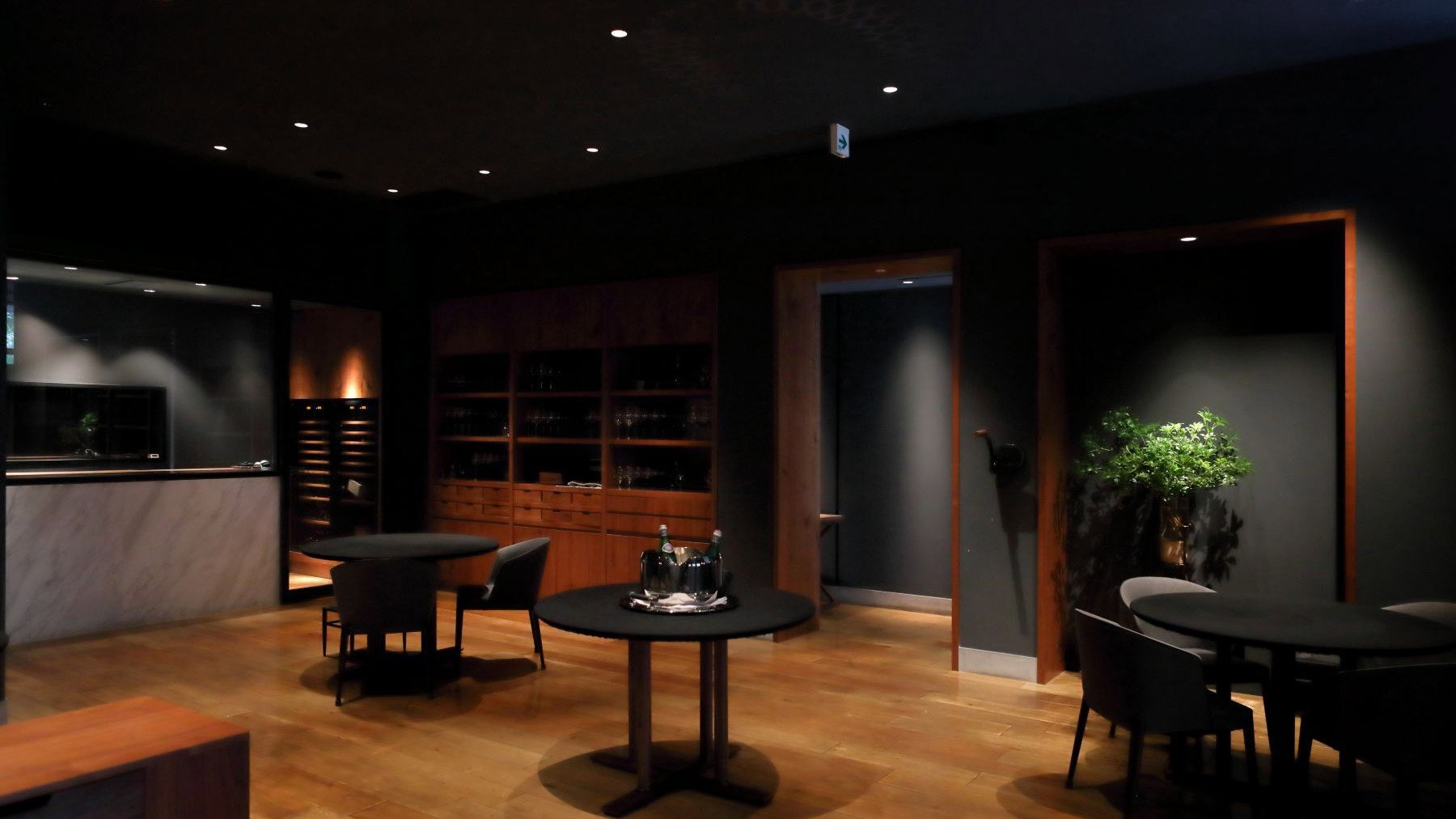
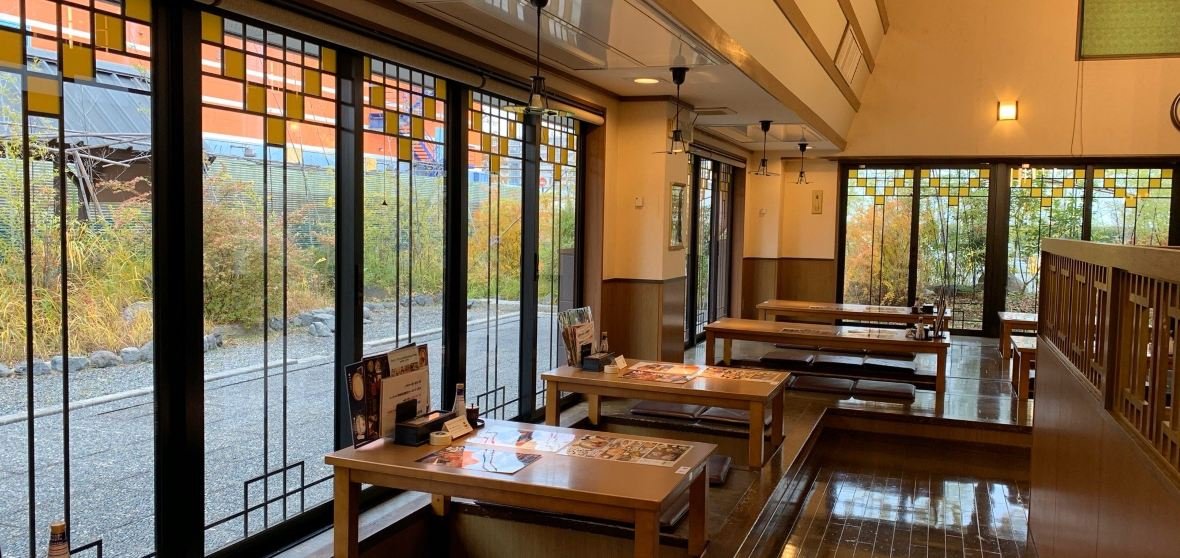
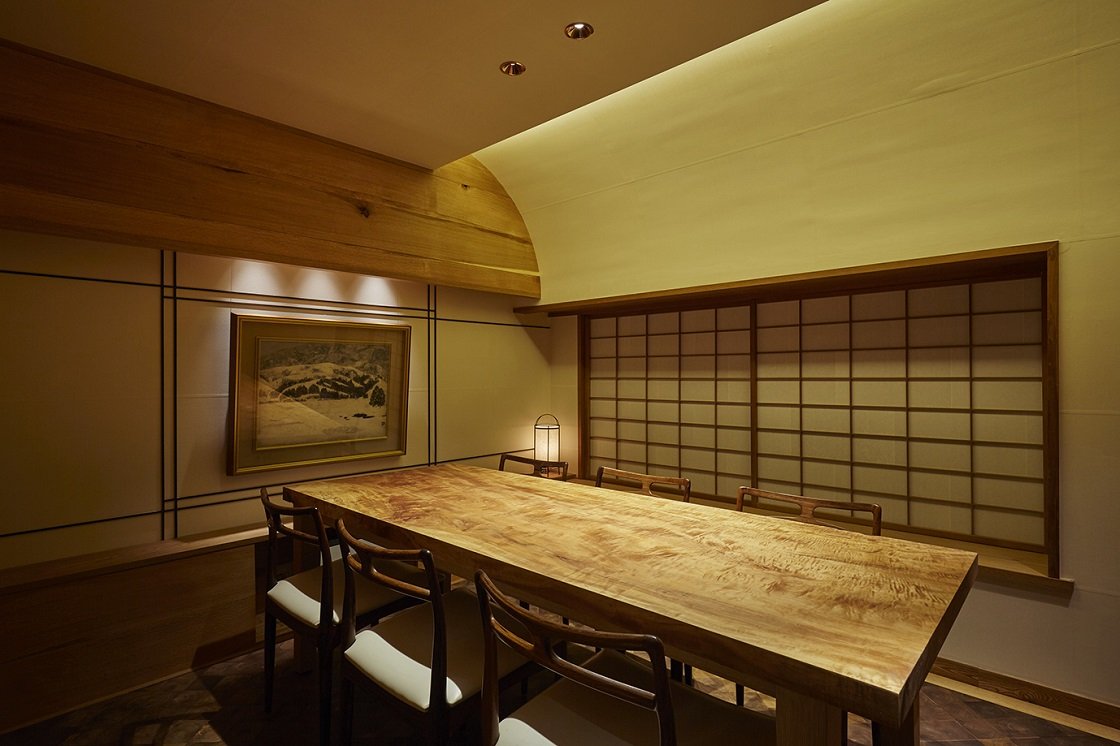
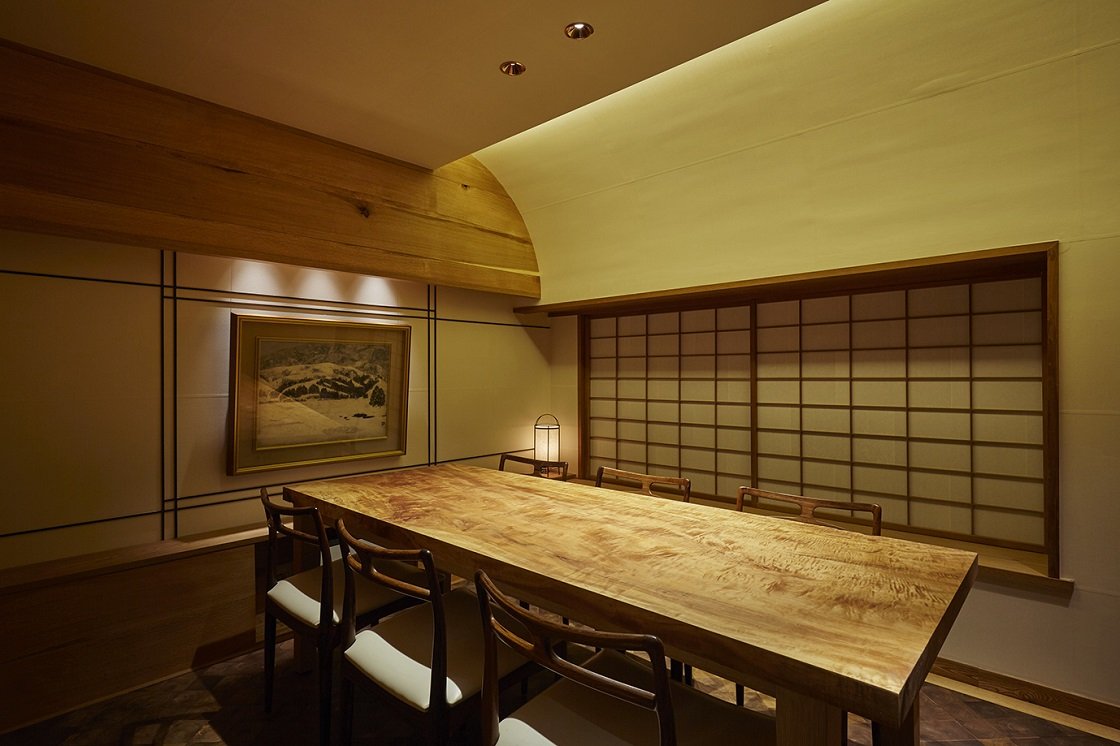
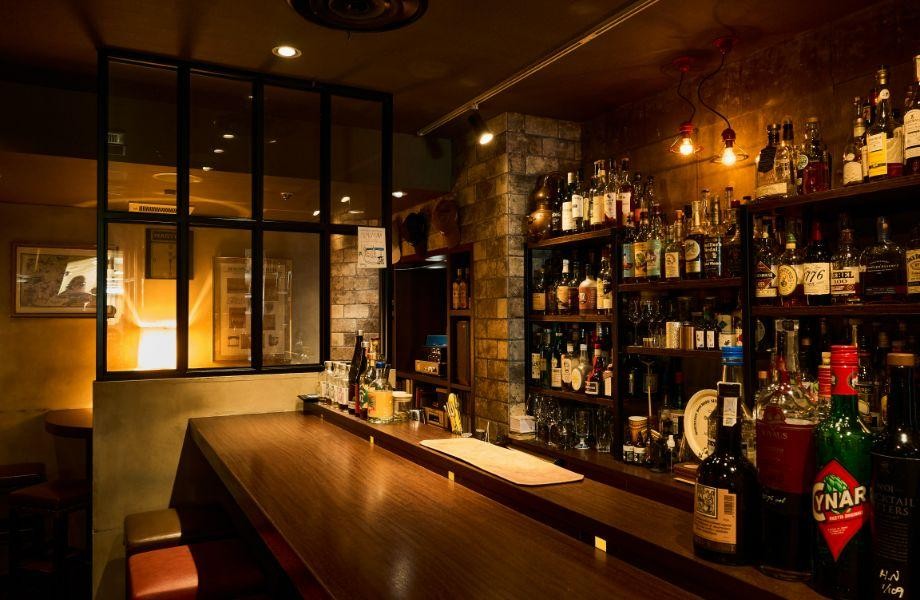
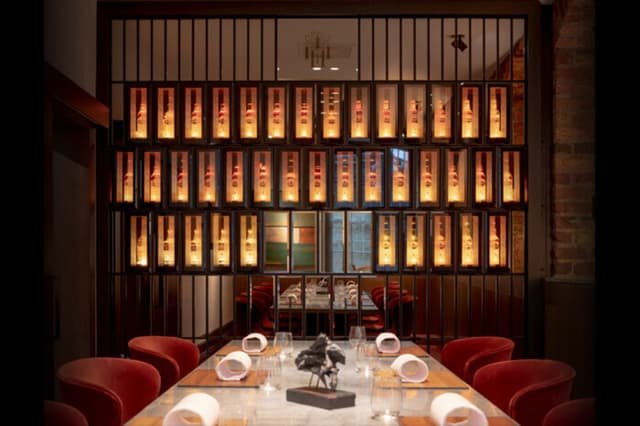
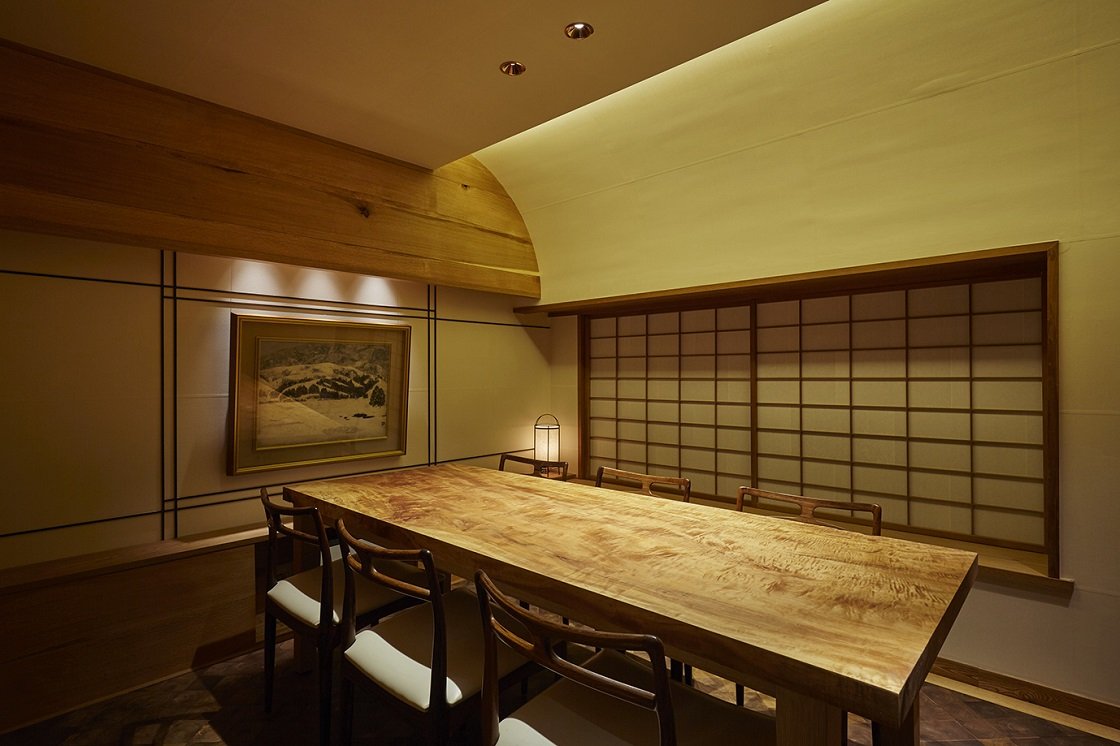
Tranquil wood-clad interior with restrained lighting focused on chef interaction at the counter.
Tags
Vibe
Best For
Experience
At the Table
- Dress Code
- Smart Casual
- Noise Level
- Quiet
- Service Style
- Formal
- Meal Pacing
- Leisurely
- Capacity
- Intimate
Signature Dishes
- whale meat oden
- mochi oden
- beef tendon
Know before you go
Know Before You Go
- Getting there
- Japan, 〒530-0003 Osaka, Kita Ward, Dojima, 1 Chome−2−33 5F
Planning details
Location
Japan, 〒530-0003 Osaka, Kita Ward, Dojima, 1 Chome−2−33 5F · Directions
Recognition and awards
Also consider
Also Consider
- HAJIME, French, Innovative, ¥¥¥¥
- La Cime, French, ¥¥¥¥
- Kashiwaya Osaka Senriyama, Japanese, ¥¥¥
- Taian, Kaiseki, Japanese, ¥¥¥
- Fujiya 1935, Innovative, ¥¥¥¥
Restaurant context
Man-u operates at ¥¥¥, which immediately separates it from most of Osaka's headline restaurants. HAJIME, La Cime, and Fujiya 1935 are all ¥¥¥¥ venues with international reputations built on French-influenced or innovation-led tasting menus. They are the right choice if you want the full multi-course commitment and the service architecture that surrounds it. Man-u is the right choice if you want Michelin-recognised cooking at a lower price point in a format that none of those venues offer. The two categories do not compete directly, they answer different questions.
Within the ¥¥¥ tier, the practical comparison is between Man-u, Kashiwaya Osaka Senriyama, and Taian. Kashiwaya and Taian both operate in kaiseki tradition, structured, seasonal, and formally sequenced. If you want that ceremonial progression and its associated service depth, they are stronger choices. Man-u is less formal but no less considered in the kitchen. For a diner who wants depth without the full kaiseki framework, Man-u is better value and easier to book.
The clearest recommendation by diner profile: if you are a food enthusiast who wants to understand what a specific Japanese format looks like at its ceiling, book Man-u. If you are optimising for prestige or a long tasting-menu experience, direct your budget toward HAJIME or La Cime. If you want kaiseki's seasonal rigour at ¥¥¥, Taian is the closer match. Man-u fills a gap in Osaka's dining map that the other venues on this list do not cover.
Explore Osaka
Around this place
Discover more on Pearl
Unlock the full Man-u guide in Pearl, including awards, comparisons, FAQs, planning details, and nearby places.
Compare Man-u
| Venue | Price | Booking Difficulty | Awards |
|---|---|---|---|
| Man-u | ¥¥¥ | Easy | Michelin Guide Kyoto Osaka 20262026 Michelin Plate2025 Michelin Plate2024 Michelin Plate |
| HAJIME | ¥¥¥¥ | Unknown | Star Wine Lists 2026 · #12026 Tabelog Bronze · #922026 OAD Top Restaurants in Japan Ranked · #98Michelin Guide Kyoto Osaka 20262026 La Liste Top RestaurantsTabelog 100 - Innovative / Creative cuisine - 2025 · #692025 Asia's 50 Best Restaurants · #832025 OAD Top Restaurants in Japan Ranked · #87We're Smart World Top Restaurants 2025 |
| La Cime | ¥¥¥¥ | Unknown | 2026 Asia's 50 Best Restaurants · #132026 OAD Top Restaurants in Japan Ranked · #1492026 Tabelog Bronze · #231Michelin Guide Kyoto Osaka 20262026 La Liste Top Restaurants2025 Asia's 50 Best Restaurants · #82025 World's 50 Best Restaurants · #44Tabelog 100 - French - WEST - 2025 · #932025 OAD Top Restaurants in Japan Ranked · #123 |
| Kashiwaya Osaka Senriyama | ¥¥¥ | Unknown | 2026 Tabelog Bronze · #1682026 OAD Top Restaurants in Japan Recommended2026 Relais Chateaux RestaurantsMichelin Guide Kyoto Osaka 20262026 La Liste Top RestaurantsTabelog 100 - Japanese cuisine - WEST - 2025 · #772025 OAD Top Restaurants in Japan Ranked · #1552025 Relais Chateaux Award2025 Michelin 3 Stars |
| Taian | ¥¥¥ | Unknown | 2026 OAD Top Restaurants in Japan RecommendedMichelin Guide Kyoto Osaka 20262026 La Liste Top Restaurants2025 OAD Top Restaurants in Japan Ranked · #2042025 La Liste Top Restaurants2025 Michelin 3 Stars2024 OAD Top Restaurants in Japan Ranked · #1912024 Michelin 3 Stars2023 OAD Top Restaurants in Japan Highly Recommended |
| Fujiya 1935 | ¥¥¥¥ | Unknown | 2026 Tabelog Bronze · #752026 OAD Top Restaurants in Japan RecommendedMichelin Guide Kyoto Osaka 20262026 La Liste Top Restaurants2025 Michelin 2 Stars2025 Tabelog Silver2025 La Liste Top Restaurants2024 OAD Top Restaurants in Japan Ranked · #2392024 Michelin 2 Stars |
.png?width=1200&quality=80)









Comparing your options in Osaka for this tier.
FAQ
Frequently Asked Questions
What should a first-timer know about Man-u?
Man-u is not a casual oden counter — it holds a Michelin Plate (2025) and operates at the ¥¥¥ price tier, so come prepared for a considered, structured experience. The format centres on items drawn from a large pot, each paired with specific condiments and broth to shift the flavour profile across the meal. Expect combinations like octopus with unripe pepper or pike conger with matsutake mushrooms — not the workaday oden found at neighbourhood spots. Arrive with time to spare and an appetite for variety.
Can Man-u accommodate groups?
The venue's fifth-floor location in Dojima suggests an intimate setting rather than a large-group dining room, and oden counters in Japan typically seat small parties more comfortably than groups of six or more. Booking in advance and contacting the venue directly about party size is the practical move here — no group-seating policy is documented publicly. Parties of two or four will likely find this format more natural than larger groups.
How far ahead should I book Man-u?
A Michelin Plate venue at the ¥¥¥ tier in Osaka's Kita Ward is not a walk-in situation — book at least two to three weeks out, and further in advance if you're visiting during Golden Week or peak autumn travel. No online booking portal is listed publicly, so reaching out through your hotel concierge or a local reservation service is the most reliable route. Don't leave it to the day before.
What should I order at Man-u?
The format largely decides for you — items are selected from a large communal pot and paired with condiments and broth by the kitchen. That said, the database highlights beef sinew with green onions, octopus with unripe pepper, clams, wakame with bamboo shoots, and pike conger with matsutake mushrooms as signature preparations. The lettuce, tomato, and fig dishes dressed in dashi-based sauce are noted as genuinely interesting departures from oden convention — worth engaging with rather than skipping.
Is Man-u good for solo dining?
Oden counters are one of the better solo dining formats in Japan, and Man-u's Michelin Plate recognition makes this a solid choice if you want something more than a convenience-store pot but less formal than a full kaiseki progression. At ¥¥¥, a solo visit is a meaningful spend, but the interactive, item-by-item format suits single diners well — you control the pace and variety without needing to negotiate with a table.
Can I eat at the bar at Man-u?
No seating configuration is documented publicly for Man-u, but the oden format in Japan traditionally centres on counter seating where diners watch and interact with the pot — that is almost certainly the experience here. If counter availability matters to you, mention it when booking. At a five-floor Dojima address with a Michelin Plate, the operation is small enough that counter seats are likely the primary or only option.
What should I wear to Man-u?
No dress code is documented for Man-u. At a ¥¥¥ oden specialist with Michelin Plate recognition, smart casual — clean, put-together, nothing beach-ready — is a sensible baseline. Japanese restaurant culture generally rewards understated neatness over formal attire, and oden is not a white-tablecloth format even at this price point.