
macua
French · Chūō, Osaka
Restaurant in Osaka, Japan
 Book with Pearl
The Read
Classical French, Business-District Precision
Price
$150–200per person
Dress
Smart Casual
Why go
Macua is a Michelin Plate French restaurant in Osaka's Chuo Ward, holding consecutive recognition in 2024 and 2025 at ¥¥¥ pricing. It is a practical choice for a special-occasion French meal when you want serious kitchen ambition without committing to the city's ¥¥¥¥ tier. Booking is easy relative to Osaka's starred competition.
About macua
Should You Book Macua?
If you are comparing Macua against Osaka's heavier-hitting French restaurants, the calculus is direct: at ¥¥¥ pricing, Macua sits a full tier below La Cime and the city's ¥¥¥¥ French establishments in cost, while still holding consecutive Michelin Plate recognition in 2024 and 2025. For a special-occasion French meal where you want serious kitchen ambition without committing to the top tier of Osaka dining spend, Macua is a credible answer. If you want a Michelin-starred room or the full splurge, look elsewhere. If you want accomplished French cooking in Chuo Ward at a price that does not require rearranging your budget, this is worth booking.
The Portrait
Macua occupies a business-district address in Fushimimachi, Chuo Ward, one of Osaka's more composed commercial neighbourhoods. The name itself signals something about the kitchen's intentions: it contracts three French words, magnifier (to make larger), cuisine, and agréable (enjoyable), into a single compressed idea. The restaurant is not trying to be a French import. It is attempting to use French technique as a frame for something that reads as pleasurable and considered rather than formally austere. That framing matters when you are deciding where to sit for a celebration dinner or a business meal where the food needs to carry the room without overwhelming the conversation.
The spatial arrangement at Macua is calibrated for occasions. The room works for two or for a small group, and the intimacy of the setting makes it a reasonable choice for a date or a professional dinner where you need the environment to feel polished but not oppressively ceremonial. It is not a cavernous space, which means the experience does not feel anonymous, and the address in a commercial ward of Osaka means it draws a clientele that expects a certain level of finish without theatrics.
What the kitchen produces connects directly to how the dining room functions. The amuse-gueule sequence is structured so that multiple small dishes arrive, each carrying its own identity rather than functioning as a collective warm-up act. This approach tells you something about the sourcing logic: a kitchen that serves a variety of distinct small preparations has to source specifically for each, rather than building everything from a single dominant ingredient thread. The Rossini Burger, which takes the classic combination of beef and foie gras as its reference point, is the kind of dish that only works if the sourcing on both components is sound. The use of edible flowers as a visual element in plated dishes points to a kitchen that is thinking about produce beyond the main protein, which, at ¥¥¥ pricing, is a meaningful signal about where the kitchen's investment priorities sit.
Sourcing choices in this price tier are worth paying attention to because they determine whether a French restaurant at ¥¥¥ can justify itself against the casual argument that you should just spend more and go to a starred room. At Macua, the answer appears to be that the kitchen is selecting produce with enough specificity to make the dishes feel intentional rather than generic. Edible flowers and foie gras preparations are not filler components. They require relationships with suppliers who produce at a quality level that makes the visual and flavour investment worthwhile. Whether that translates to the level of sourcing rigour you find at a Michelin two-star is a different question, but at this price and award tier, the kitchen's orientation toward considered ingredients is a positive signal.
That score, combined with back-to-back Michelin Plate recognition, positions Macua as a restaurant that delivers reliably at its tier rather than one that impresses occasionally and disappoints otherwise. For a special occasion where predictability matters as much as ambition, that consistency is worth weighting.
Booking Macua is not difficult relative to the competition. The Michelin Plate rather than star designation means it does not face the same reservation pressure as La Cime or Différence, and the Chuo Ward address makes it accessible from central Osaka without complicated logistics. If you are planning a celebration dinner, booking a week or two in advance should be sufficient for most dates, though weekend evenings in high-travel months may warrant earlier planning. Dress expectations at a French restaurant of this standing in Osaka will typically lean toward smart casual at minimum; arriving in business or smart attire is the safer choice and matches the room's register.
If you are building an Osaka trip that includes multiple restaurant meals, Macua fits logically as the mid-tier French option alongside a kaiseki experience elsewhere. Osaka's French scene is deep enough that you have real choices across price points. For full context on where Macua sits in the broader dining picture, see our full Osaka restaurants guide. If you are travelling across the Kansai region, Gion Sasaki in Kyoto and akordu in Nara are worth considering as complements to a Macua booking rather than alternatives to it. For those arriving from Tokyo, Harutaka in Tokyo and venues like 1000 in Yokohama occupy different categories but give useful calibration for what Japanese French cooking can look like at various price tiers. Internationally, Les Amis in Singapore and Hotel de Ville Crissier represent the upper end of what the French format produces at a global level, which provides context for where Macua sits in the wider conversation about French dining outside France.
For accommodation and further planning in Osaka, our full Osaka hotels guide, Osaka bars guide, and Osaka experiences guide cover the surrounding picture. Venues including La Bécasse, LE PONT DE CIEL, and nent are worth considering as nearby alternatives depending on the type of evening you are planning.
Pearl Rating
Michelin Plate: 2024, 2025.
Practical Details
Address: 2 Chome-2-3 Fushimimachi, Chuo Ward, Osaka, 541-0044, Japan. Price range: ¥¥¥. Booking difficulty: easy. Smart casual dress at minimum; business attire recommended. No booking method, hours, or phone number confirmed in our data — check directly with the venue before visiting.
Planning details
- Location
- 2 Chome-2-3 Fushimimachi, Chuo Ward, Osaka, 541-0044, Japan
- Reservations
- Book on TableCheck
- Website
- tablecheck.com/shops/macua/reserve
- Phone
- +81 6-6202-1129
The take
The Take
The Vibe
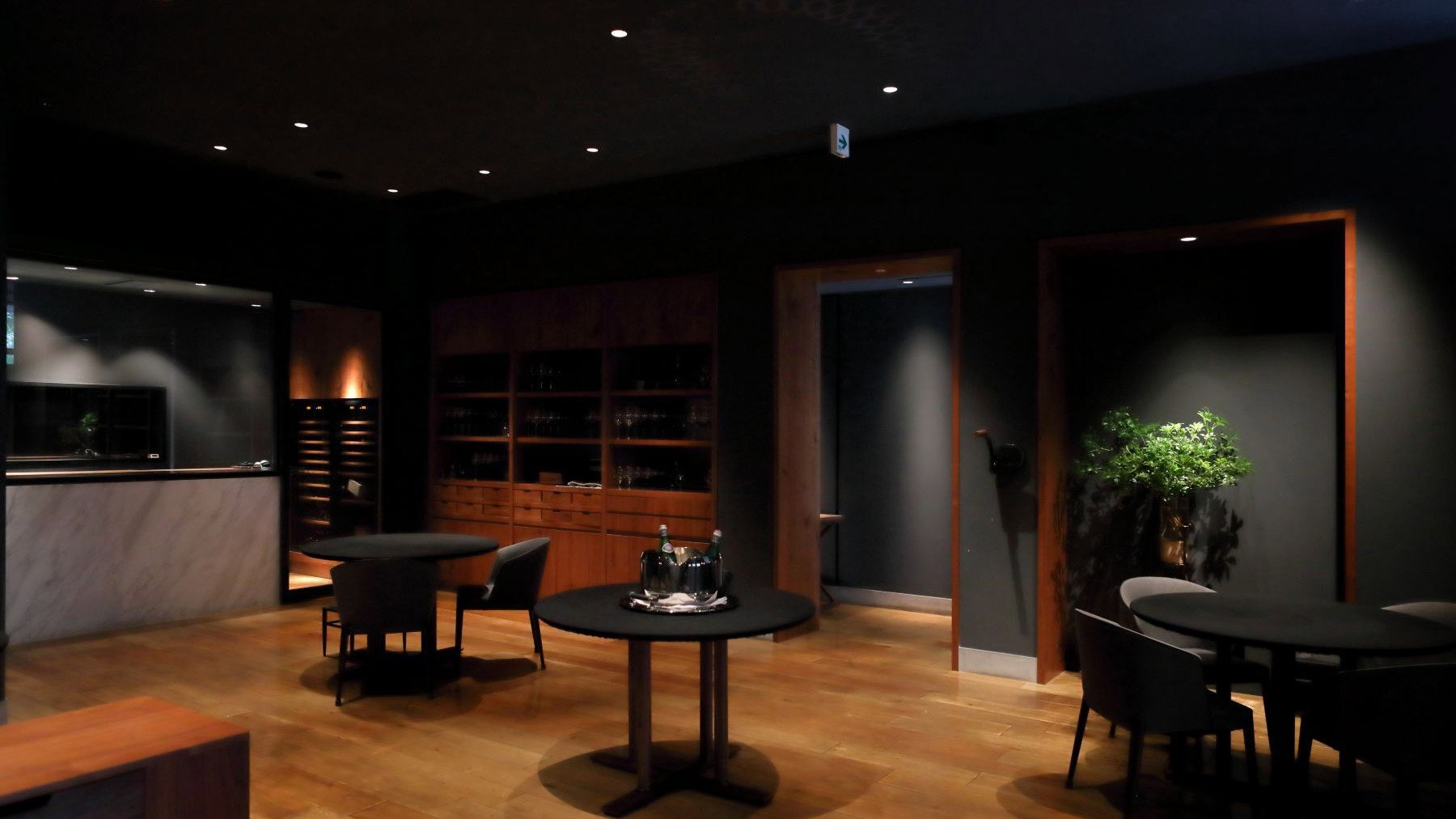
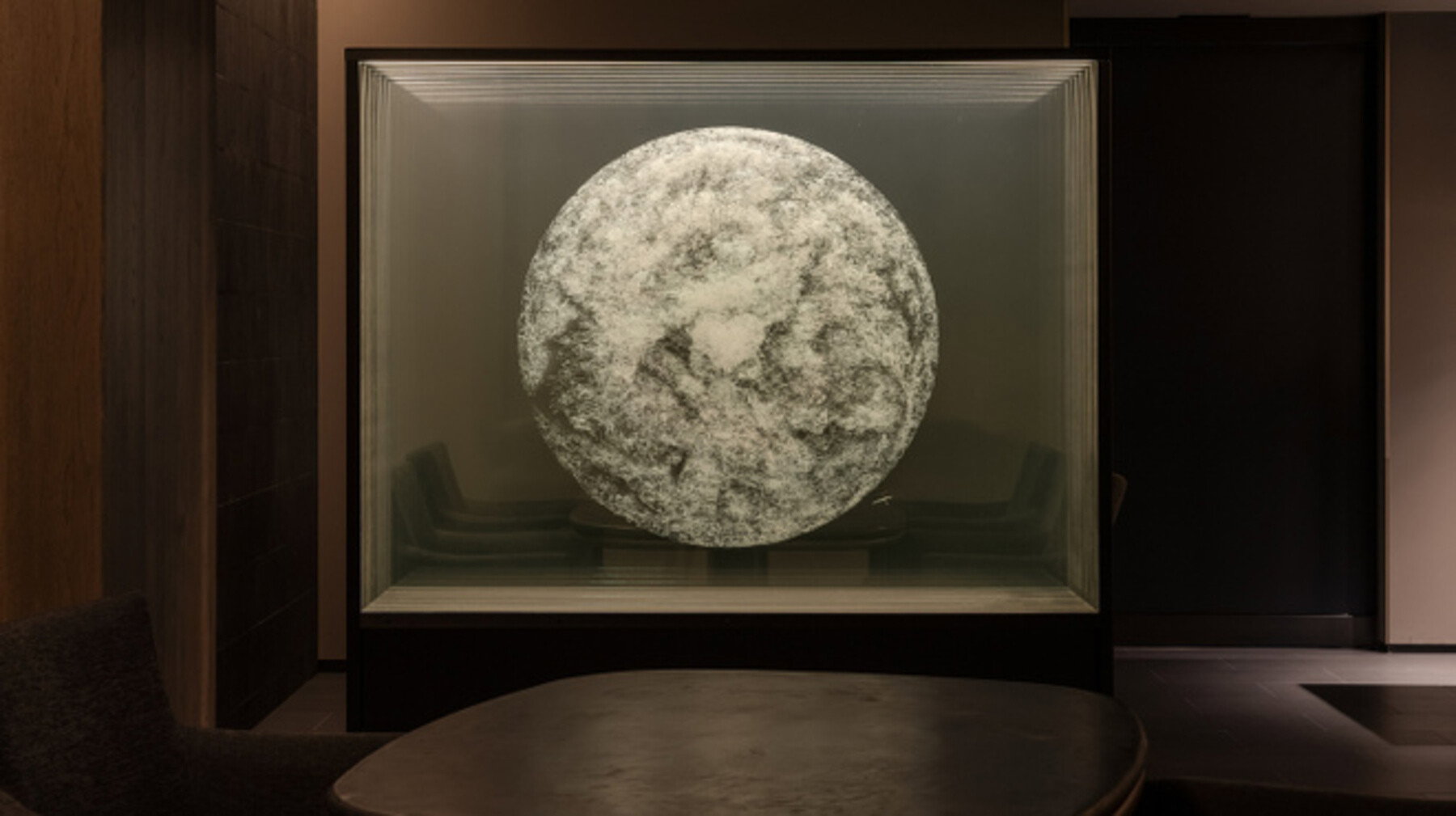
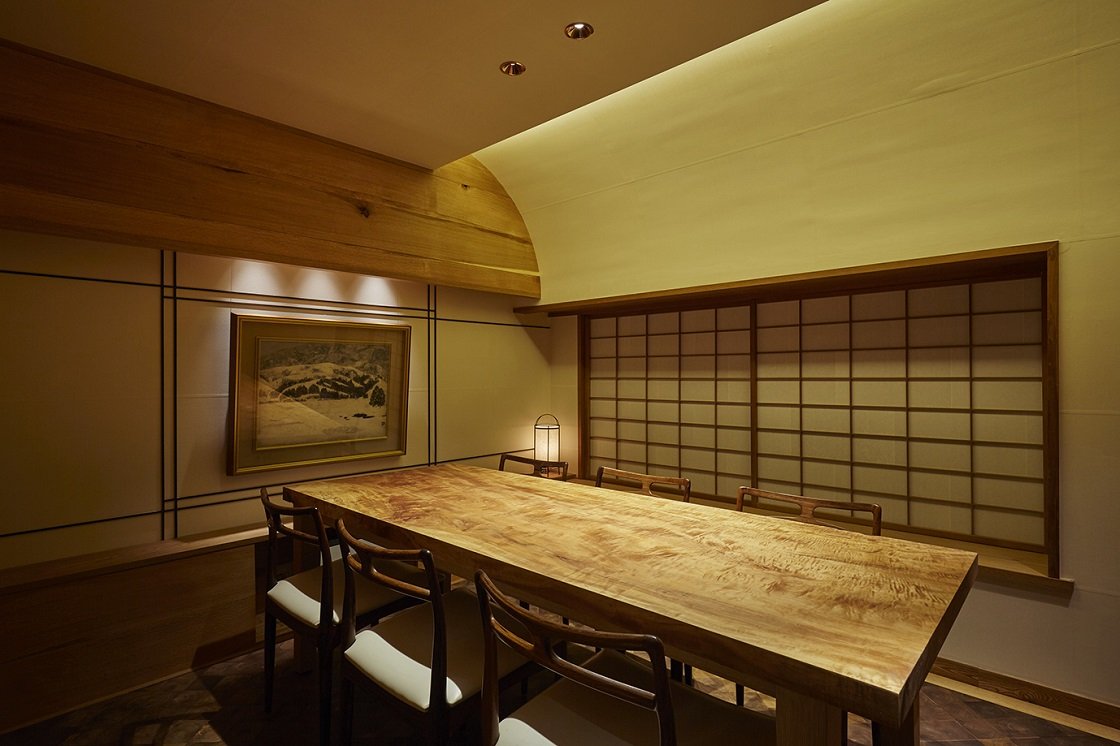
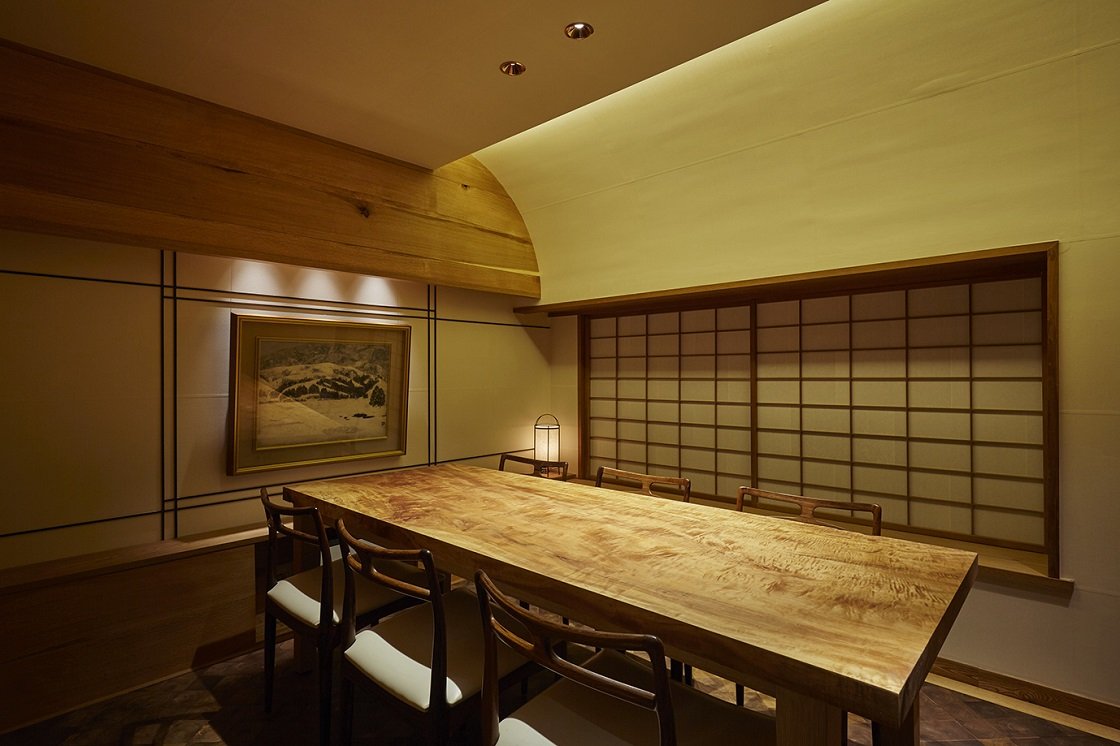
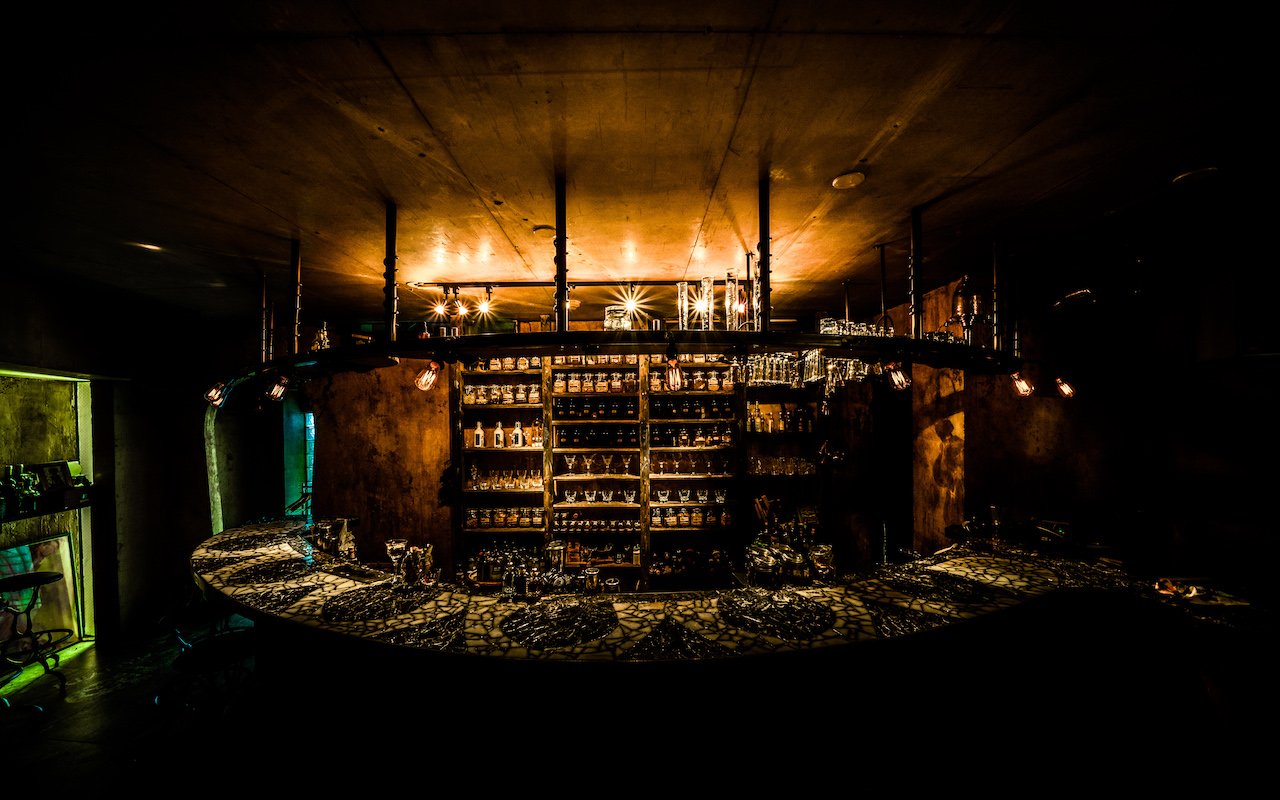
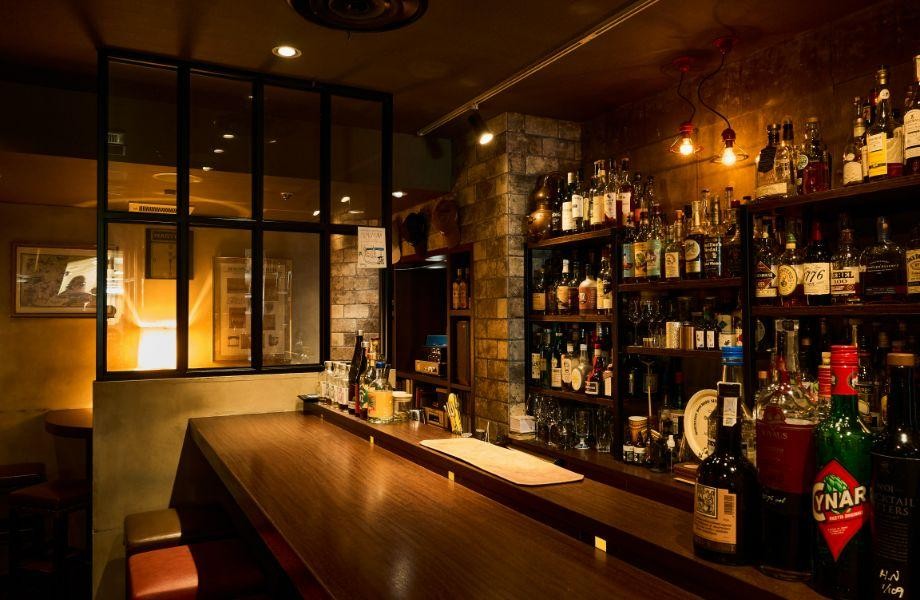
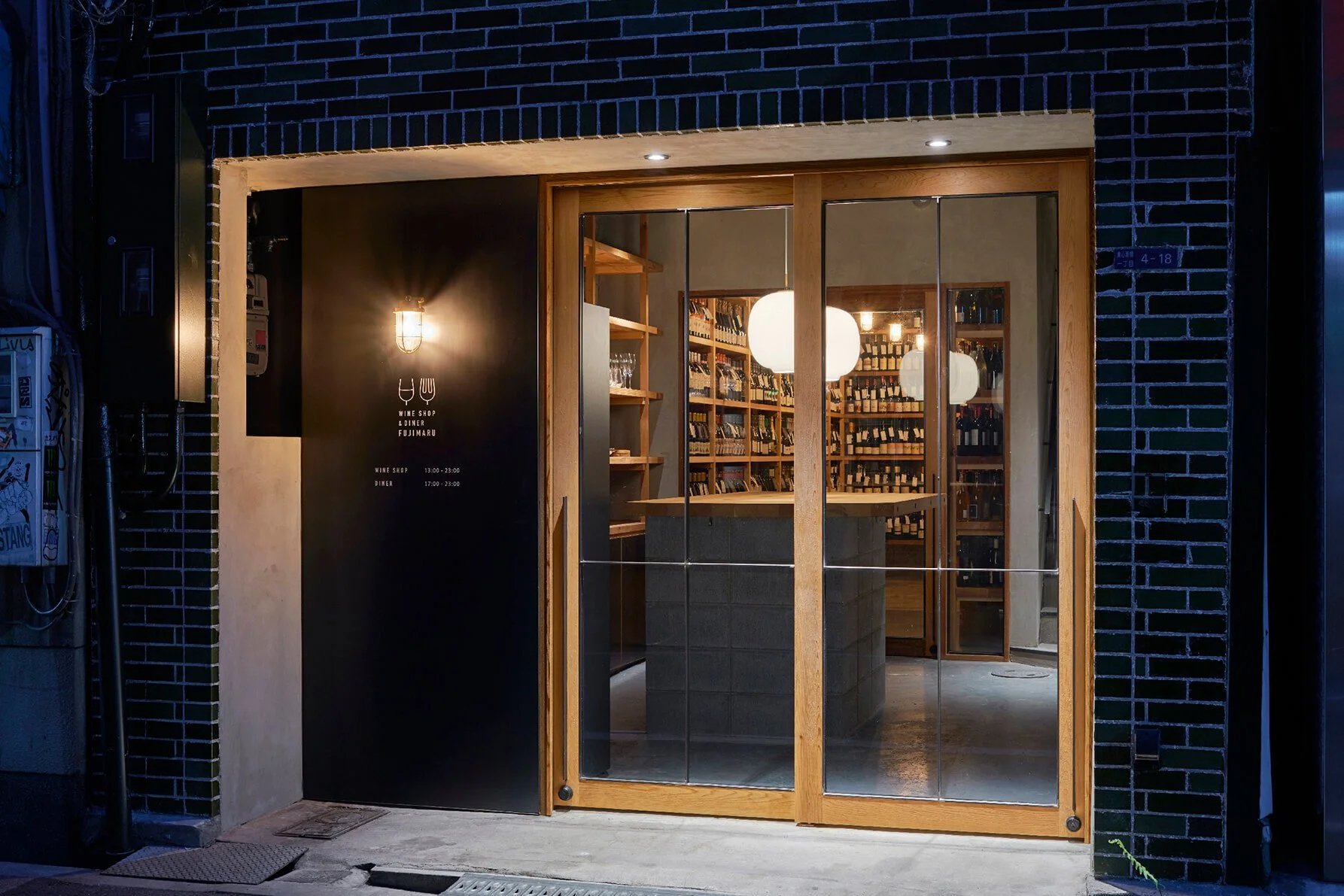
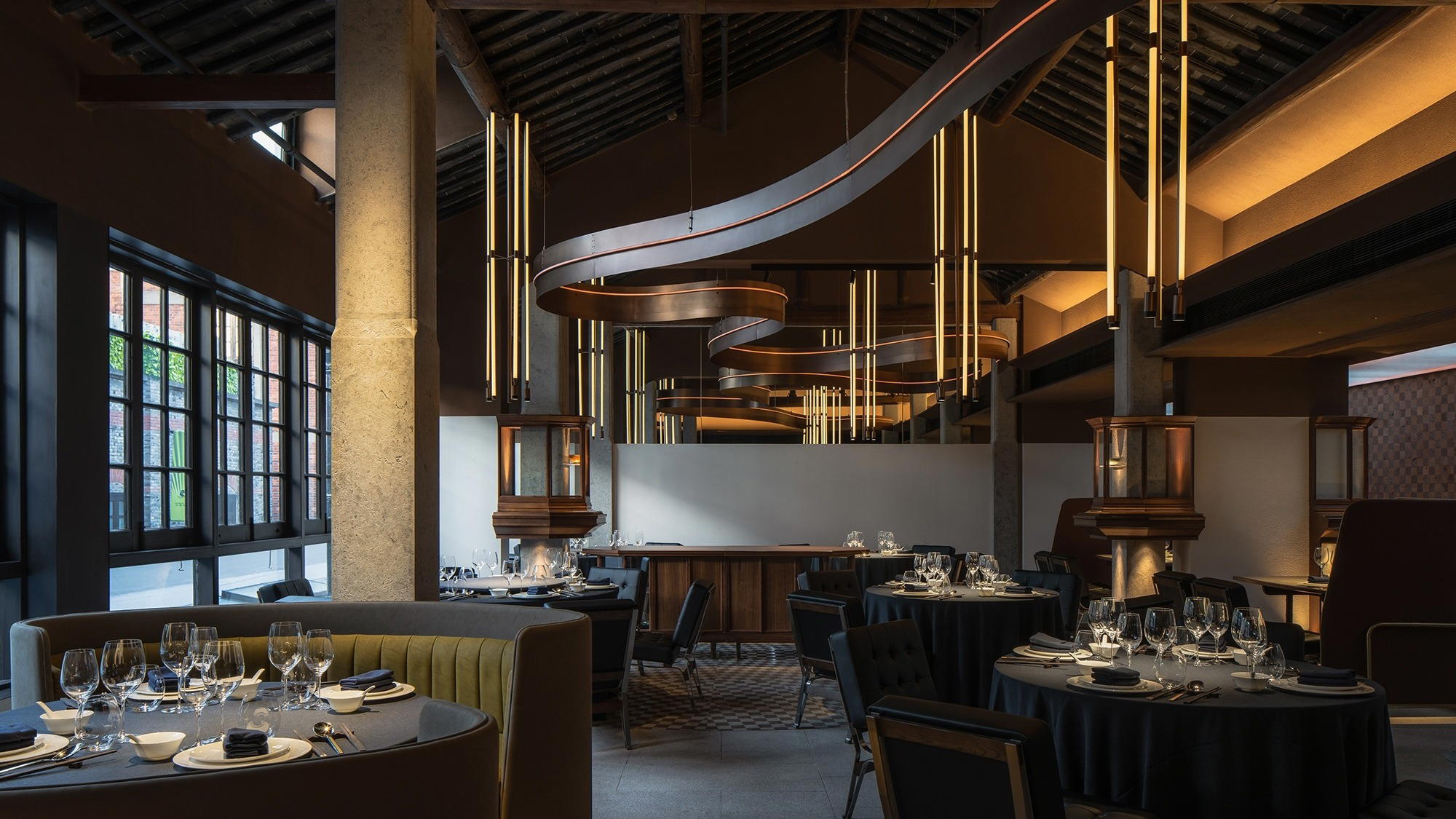
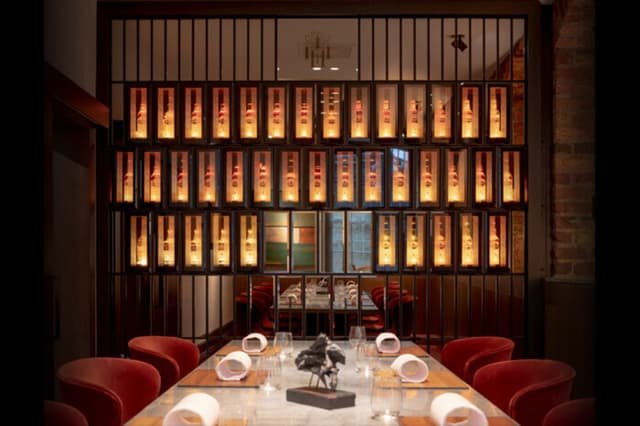
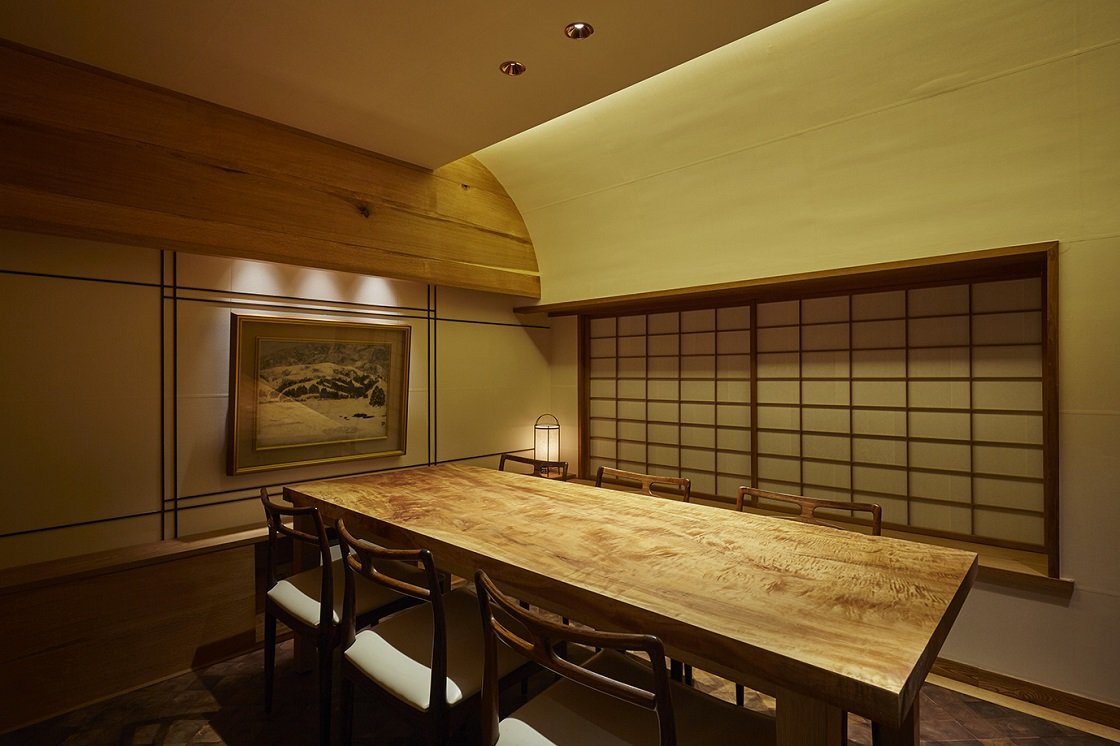
macua presents a restrained, quietly polished dining room that favors discretion over flash. The interior language — dark wood, neutral stone and carefully spaced tables — prioritizes private conversation and professionalism. It sits within Osaka’s business-grid rhythm, so the atmosphere skews formal without being ostentatious: technically precise cooking meets an unshowy room designed to accommodate expense-account lunches, corporate dinners and milestone reservations. The overall effect is a classic, low-key French setting that feels intentionally calibrated for conversation and focus, making the restaurant a calming choice amid the weekday bustle of Chuo Ward.
Best For
macua is best for business-focused meals and small celebrations where a quiet room and technically assured French cooking matter. Its location in the Fushimimachi banking grid and explicit appeal to corporate clients makes it an obvious pick for working dinners and client entertaining; the copy also notes anniversary reservations, so intimate celebratory meals fit comfortably. The restaurant serves both lunch (suits at midday) and dinner service, and its Michelin Plate and ¥¥¥ price point position it as an accessible entry to Michelin-recognized French dining rather than an ultra-expensive splurge.
Ordering Tips
Expect technically competent French cooking at a mid-range price point and plan ahead: reservations are wise for evening business dinners and anniversary bookings. The room’s design favors private conversation, so request a table with ample spacing if you need discretion. Lunch draws a business crowd, so consider midday bookings for a brisk, professional meal; evenings are quieter and better suited to a longer tasting experience. The Michelin Plate status signals consistent standards, but the copy emphasizes accessibility, so you can anticipate precise execution without the top-tier price bracket.
Venue details
Ambiance
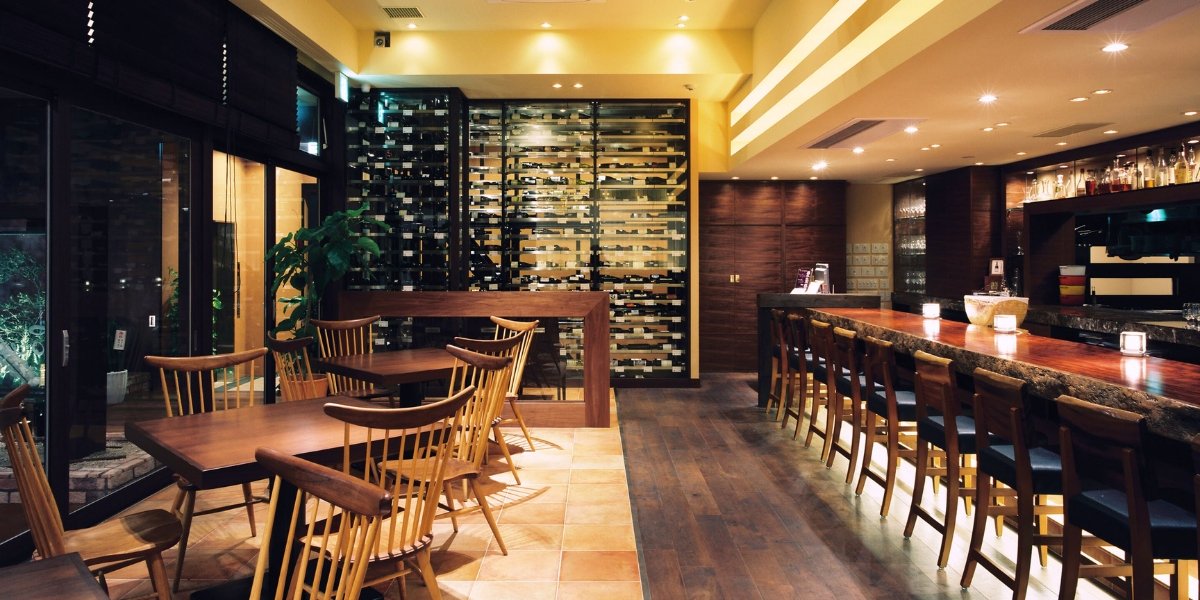
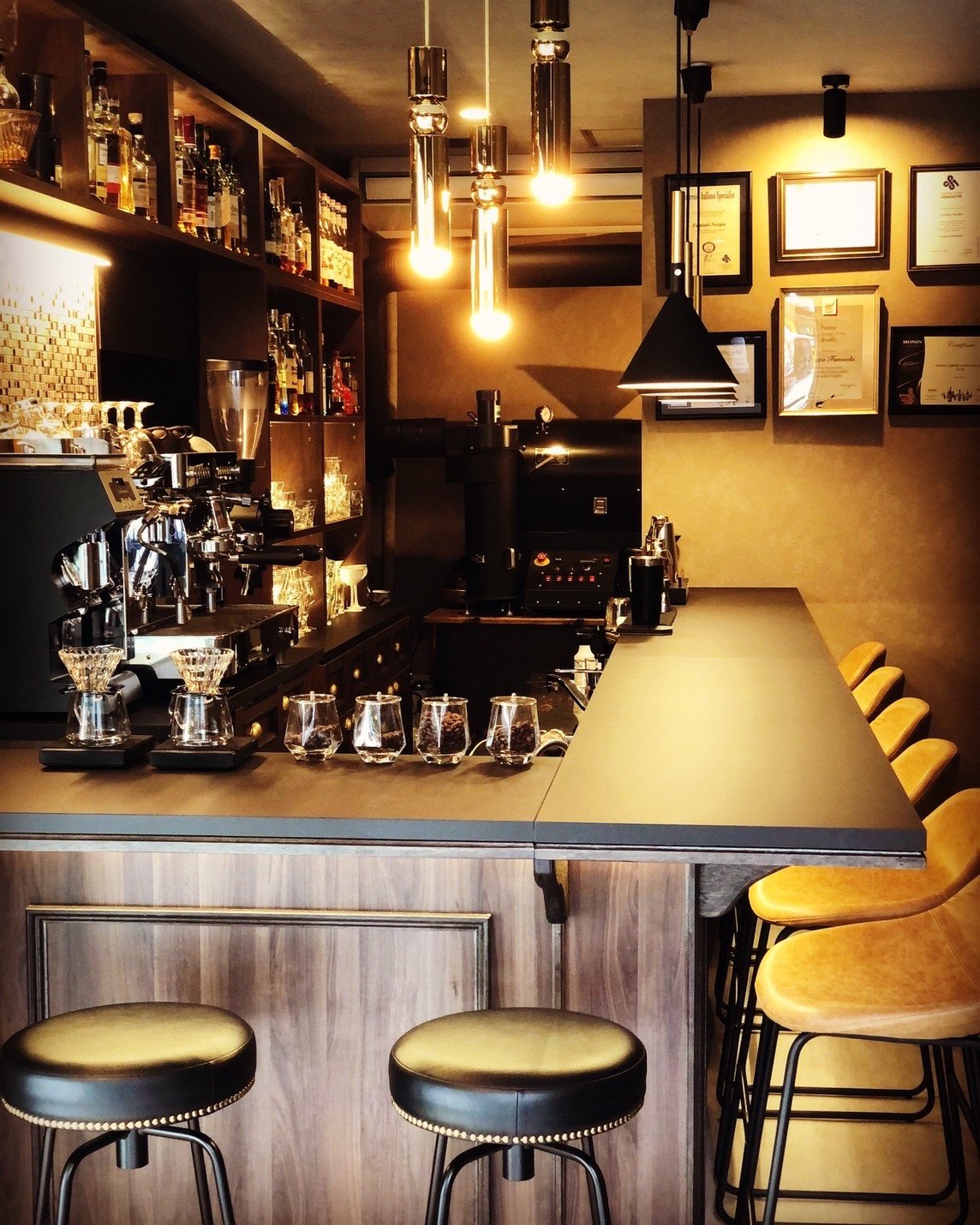
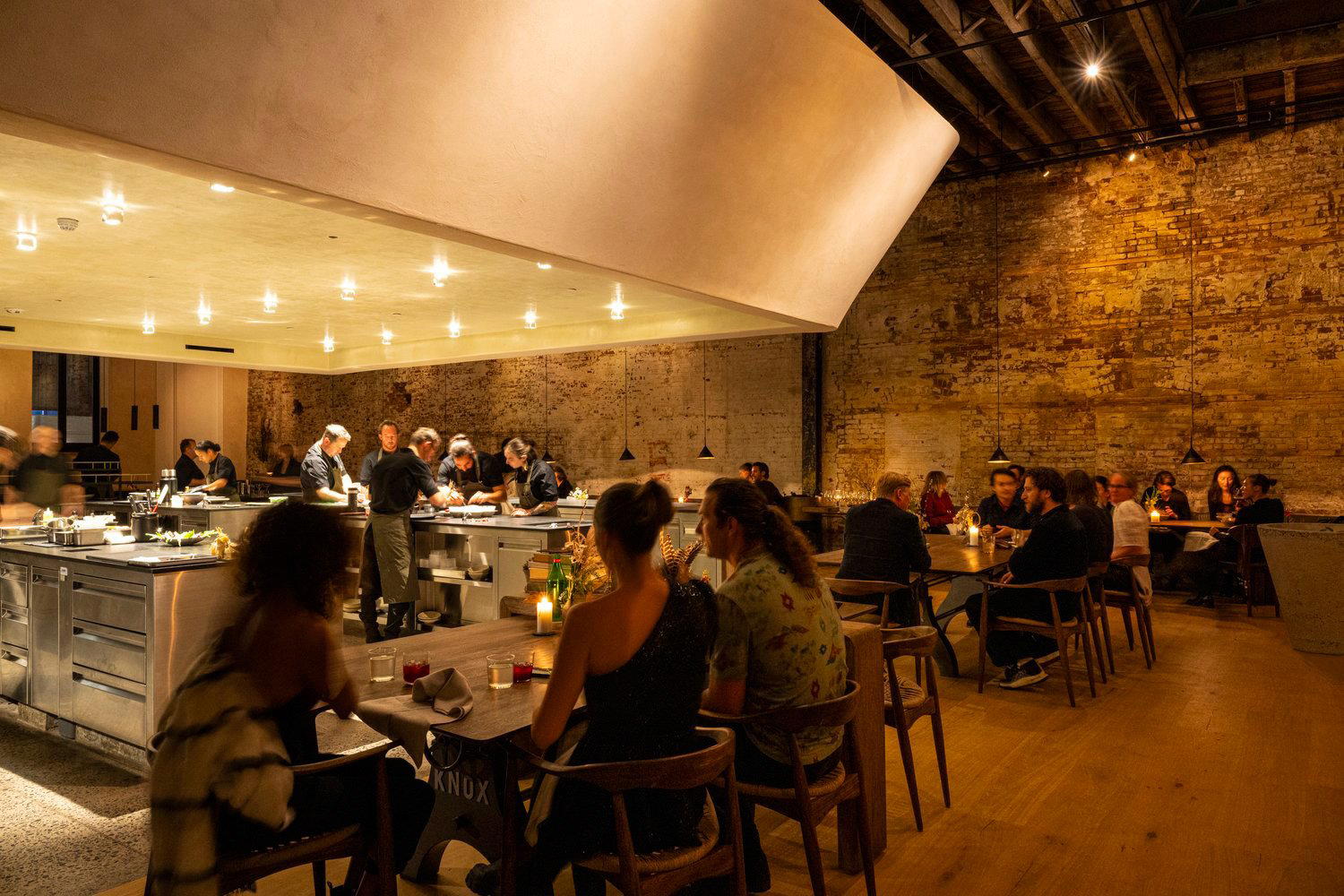
Stylish, relaxing space with open kitchen view from counter seating and spacious sofa seating.
Tags
Vibe
Best For
Experience
Accessibility
At the Table
- Dress Code
- Smart Casual
- Noise Level
- Quiet
- Service Style
- Upscale Casual
- Meal Pacing
- Leisurely
- Capacity
- Intimate
- Kitchen
- Modern
- Wine Program
- Curated
Know before you go
Know Before You Go
- Getting there
- 2 Chome-2-3 Fushimimachi, Chuo Ward, Osaka, 541-0044, Japan
Planning details
Location
2 Chome-2-3 Fushimimachi, Chuo Ward, Osaka, 541-0044, Japan · Directions
Recognition and awards
Also consider
Also Consider
- HAJIME, French, Innovative, ¥¥¥¥
- La Cime, French, ¥¥¥¥
- Kashiwaya Osaka Senriyama, Japanese, ¥¥¥
- Taian, Kaiseki, Japanese, ¥¥¥
- Fujiya 1935, Innovative, ¥¥¥¥
Restaurant context
How Macua Compares
Macua's clearest position in Osaka's French scene is as the most accessible entry point for Michelin-recognised French cooking. Against La Cime and Fujiya 1935, both operating at ¥¥¥¥ with starred recognition, Macua is a full price tier lower and considerably easier to book. If the meal is about maximising kitchen ambition and you have the budget, La Cime is the stronger choice. If you want a credible French occasion at ¥¥¥ without the booking friction of a starred room, Macua is the more practical answer. HAJIME, Osaka's most awarded French address, operates in a different category entirely and requires significantly more planning and spend.
Within the ¥¥¥ tier, Macua competes with Japanese options like Kashiwaya Osaka Senriyama and Taian for the same occasion-dining budget. If the diner's preference is kaiseki over French, Kashiwaya or Taian are better-matched choices. If French technique and the amuse-gueule format are the draw, Macua holds its own at this price level. The decision between them is primarily about cuisine preference rather than a quality gap.
For value assessment, Macua's combination of back-to-back Michelin Plate recognition and ¥¥¥ pricing makes it the most cost-efficient Michelin-recognised French option in Osaka's current dining picture. It is not the right booking if you are chasing stars, but for a reliable, considered French meal in a composed room without the spend or lead time of the city's top tables, it is the easiest recommendation to make.
Explore Osaka
Around this place
Discover more on Pearl
Unlock the full macua guide in Pearl, including awards, comparisons, FAQs, planning details, and nearby places.
Compare macua
| Venue | Awards | Price |
|---|---|---|
| macua | Michelin Guide Kyoto Osaka 20262026 Michelin Plate2025 Michelin Plate2024 Michelin Plate | ¥¥¥ |
| HAJIME | Star Wine Lists 2026 · #12026 Tabelog Bronze · #922026 OAD Top Restaurants in Japan Ranked · #98Michelin Guide Kyoto Osaka 20262026 La Liste Top RestaurantsTabelog 100 - Innovative / Creative cuisine - 2025 · #692025 Asia's 50 Best Restaurants · #832025 OAD Top Restaurants in Japan Ranked · #87We're Smart World Top Restaurants 2025 | ¥¥¥¥ |
| La Cime | 2026 Asia's 50 Best Restaurants · #132026 OAD Top Restaurants in Japan Ranked · #1492026 Tabelog Bronze · #231Michelin Guide Kyoto Osaka 20262026 La Liste Top Restaurants2025 Asia's 50 Best Restaurants · #82025 World's 50 Best Restaurants · #44Tabelog 100 - French - WEST - 2025 · #932025 OAD Top Restaurants in Japan Ranked · #123 | ¥¥¥¥ |
| Kashiwaya Osaka Senriyama | 2026 Tabelog Bronze · #1682026 OAD Top Restaurants in Japan Recommended2026 Relais Chateaux RestaurantsMichelin Guide Kyoto Osaka 20262026 La Liste Top RestaurantsTabelog 100 - Japanese cuisine - WEST - 2025 · #772025 OAD Top Restaurants in Japan Ranked · #1552025 Relais Chateaux Award2025 Michelin 3 Stars | ¥¥¥ |
| Taian | 2026 OAD Top Restaurants in Japan RecommendedMichelin Guide Kyoto Osaka 20262026 La Liste Top Restaurants2025 OAD Top Restaurants in Japan Ranked · #2042025 La Liste Top Restaurants2025 Michelin 3 Stars2024 OAD Top Restaurants in Japan Ranked · #1912024 Michelin 3 Stars2023 OAD Top Restaurants in Japan Highly Recommended | ¥¥¥ |
| Fujiya 1935 | 2026 Tabelog Bronze · #752026 OAD Top Restaurants in Japan RecommendedMichelin Guide Kyoto Osaka 20262026 La Liste Top Restaurants2025 Michelin 2 Stars2025 Tabelog Silver2025 La Liste Top Restaurants2024 OAD Top Restaurants in Japan Ranked · #2392024 Michelin 2 Stars | ¥¥¥¥ |
.png?width=1200&quality=80)









What to weigh when choosing between macua and alternatives.
FAQ
Frequently Asked Questions
Is macua good for a special occasion?
Yes, with caveats. The Michelin Plate recognition (2024 and 2025) and French format with multi-course amuse-gueules give it enough structure for a birthday or anniversary dinner. At ¥¥¥, it won't strain the budget the way Hajime or Fujiya 1935 would, which makes it a reasonable choice if the occasion calls for something considered but not extravagant. The business-district address in Fushimimachi suits a corporate celebration better than a romantic evening.
Is macua worth the price?
At ¥¥¥, Macua is priced below Osaka's Michelin-starred French competition, and two consecutive Michelin Plate listings suggest consistent kitchen quality. The concept — dishes built around amplifying flavour, with visual presentation using edible flowers — delivers more personality than standard business-district French. If you're weighing it against La Cime or Hajime, those restaurants justify higher spend with starred credentials; Macua is the right call if you want French technique without the top-tier outlay.
Is macua good for solo dining?
Plausibly yes. The amuse-gueule format and multi-dish structure suit solo diners who want to eat through a range of preparations without committing to a large shared table. The Fushimimachi business-district setting means lunch solo is entirely unremarkable here. Confirm counter or bar seating availability when booking, as this is not documented in available venue data.
How far ahead should I book macua?
Macua holds two consecutive Michelin Plate listings, but at ¥¥¥ and without a starred designation, demand is unlikely to match Hajime or Taian. Booking one to two weeks out should be sufficient for most dates; for Friday or Saturday dinner, aim for two to three weeks. No online reservation system is confirmed in the venue data, so booking by email or via a hotel concierge is the safest route.
Is the tasting menu worth it at macua?
The multi-course amuse-gueule format and signature preparations like the Rossini Burger — a foie gras-inflected dish — suggest the tasting format is the right way to experience Macua's range. At ¥¥¥, you're not paying Michelin-starred prices for that scope, which makes the format a reasonable value. Specific menu pricing is not confirmed in the venue record; verify before booking.
What are alternatives to macua in Osaka?
For French cuisine with greater Michelin weight, La Cime (one star) and Hajime (three stars) are the obvious steps up, both at higher price points. Fujiya 1935 offers a more experimental Japanese-French approach with starred credentials. If you want French technique at a comparable ¥¥¥ range, Macua holds its own, but Taian and Kashiwaya offer strong competition in kaiseki if you're open to shifting format.